About
Uchi.co.jp is a literary and archival project about family memory, inheritance, preservation, rooms, thresholds, objects, roads, departure, and the slow process by which a place becomes visible again. It is built not as a commercial catalog, and not as a dry record, but as a serious act of looking.
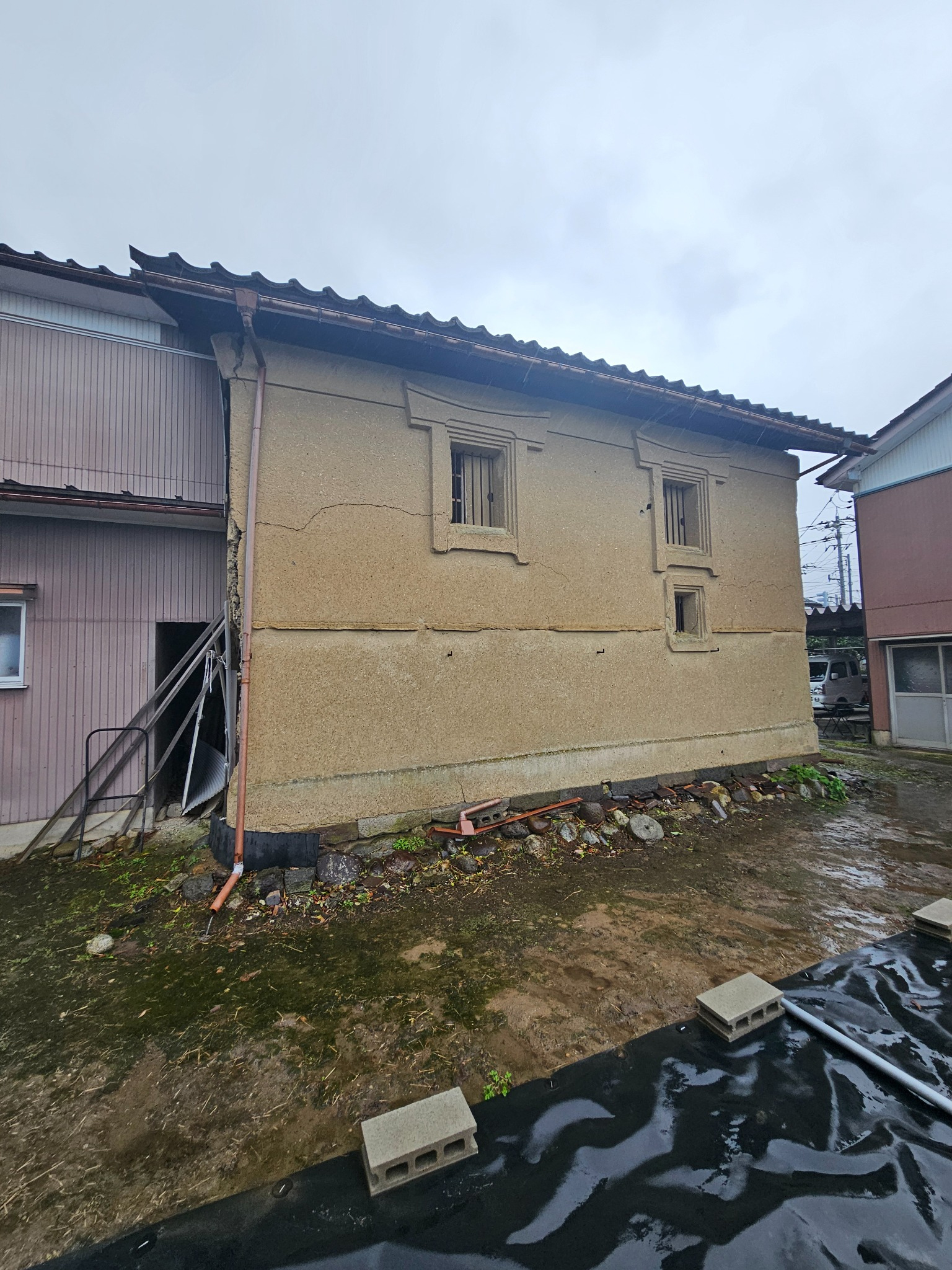
Some places are not exhausted by description. They resist summary. They wait until someone looks long enough for structure, burden, weather, inheritance, and beauty to begin speaking together. Uchi.co.jp exists for that kind of looking. It is the record of a family house and the wider world around it, but it is also an effort to discover what kind of language and image structure such a house requires if it is to be seen truthfully.
What the Site Is
Uchi.co.jp brings together literary writing, documentary photography, curated image galleries, family memory, selected imaginative material, and site architecture designed to let the story deepen room by room. The site is organized as entrances, Prelude, Book One, and Archive. Each section serves a different task: threshold, orientation, narrative deepening, and visual return.
What the Site Is Not
Uchi.co.jp is not a real-estate listing, not a sales catalog, not a simple genealogy page, and not a museum database stripped of feeling. It does contain real family places, real inherited materials, and real archival questions, but it is shaped with literary intention because those materials demand more than inventory.
Why “Uchi”
“Uchi” carries more than one meaning. It suggests inside, household, one’s own people, one’s own place, the interior side of belonging. That makes it the right name for a project concerned with rooms, thresholds, family burden, inherited objects, and the way a house can continue living inside those who leave it.
What the Site Cares About
The site cares about preservation, but not only in the technical sense. It cares about preserving meaning. It cares about the difference between saving and stripping, between documentation and witnessing, between carrying something away and allowing it to continue living. It also cares about roads, stations, baths, city rooms, hotel rooms, bars, shrines, graves, gold, wood, water, and all the secondary places that turn a family story into a lived world rather than a sealed domestic chamber.
How to Read It
Most readers should begin with the English entrance, continue into Prelude, then move through Book One in sequence. The Archive can be entered afterward as a visual return, or entered first by readers who want to encounter the image world before the full narrative shape. The site is strongest when read slowly.
Editorial Direction
Uchi.co.jp is intended to deepen over time. New chapters, image rooms, refinements, and translations may be added as the project continues. The guiding principle is simple: the story became visible as we looked. That principle remains in force for all future work on the site.
Founder
Uchi.co.jp is part of a larger body of long-form editorial and cultural web work developed by Brad Bartz.
Contact
For questions about the site, please contact:
info@Japan.co.jp
+1-310-373-3169
Uchi.co.jp is not trying to finish the house.
It is trying to enter it truthfully enough that the house can go on speaking.