The Gallery of Rooms, Roads, Objects, and Weather
The archive is not a storage bin. It is the visual memory of the project: the old house, the kura, the shrine, the grave, the roads, the platforms, the objects, the departures, Toyama at night, Kyoto’s other rooms, and the imagined worlds that gathered around the family story as it became visible. This page is the map. Each gallery below opens into a different chamber of the archive.
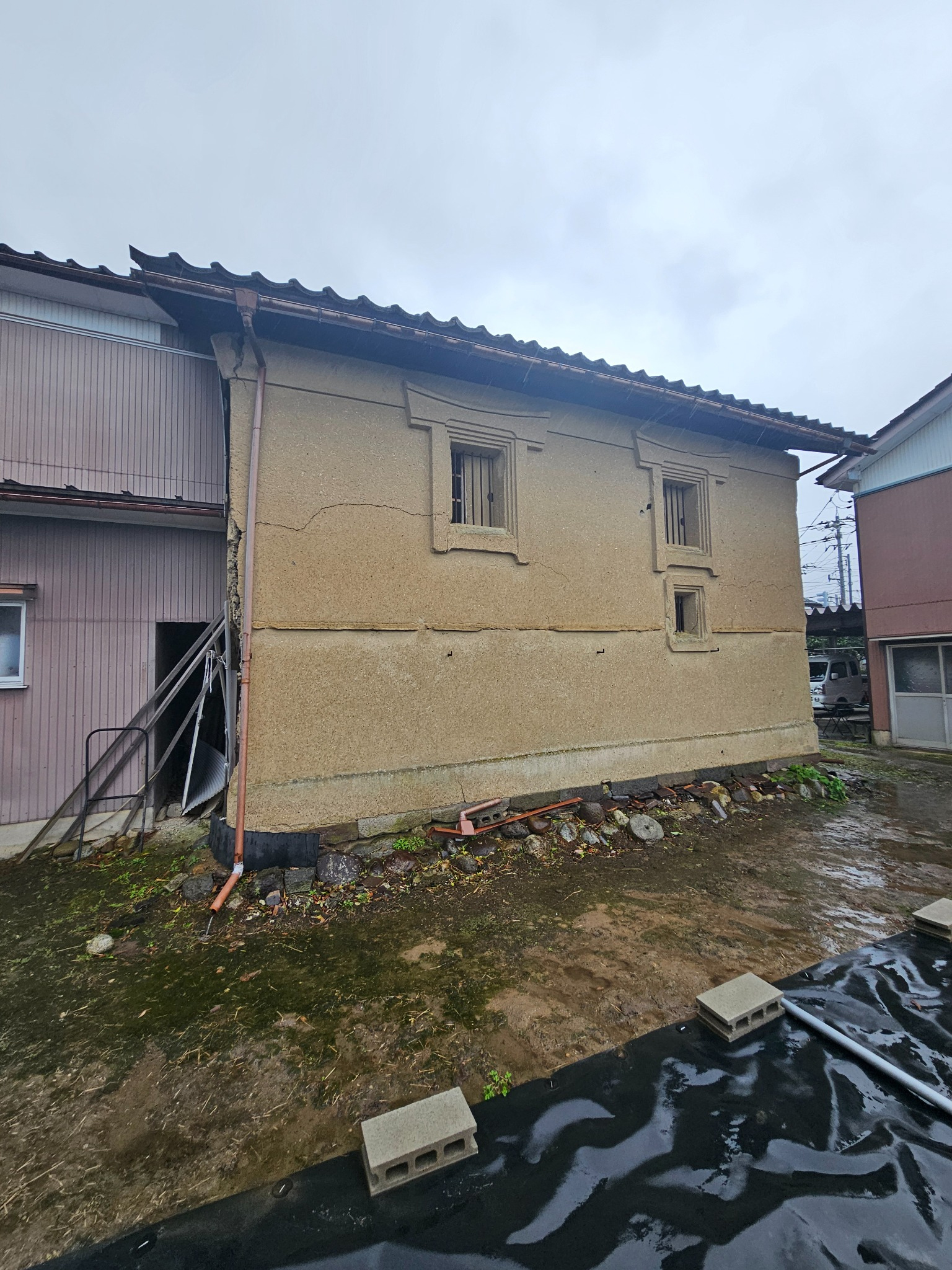
A family archive should not pretend that all images do the same kind of work. Some images document. Some remember. Some prove. Some search. Some reveal. Some only become meaningful after the reader has lived through the chapters that make them legible. This gallery is therefore arranged not as a pile, but as a sequence of rooms.
Begin with the house and kura if you want foundations. Move to the objects if you want the pressure of handling, value, and selection. Enter the shrine and grave pages if you want inheritance in its local field. Follow departure if you want the ache of movement. Open Toyama and Kyoto if you want place to widen beyond burden. Enter the AI and imagined pages last, where memory begins to dream beyond record.
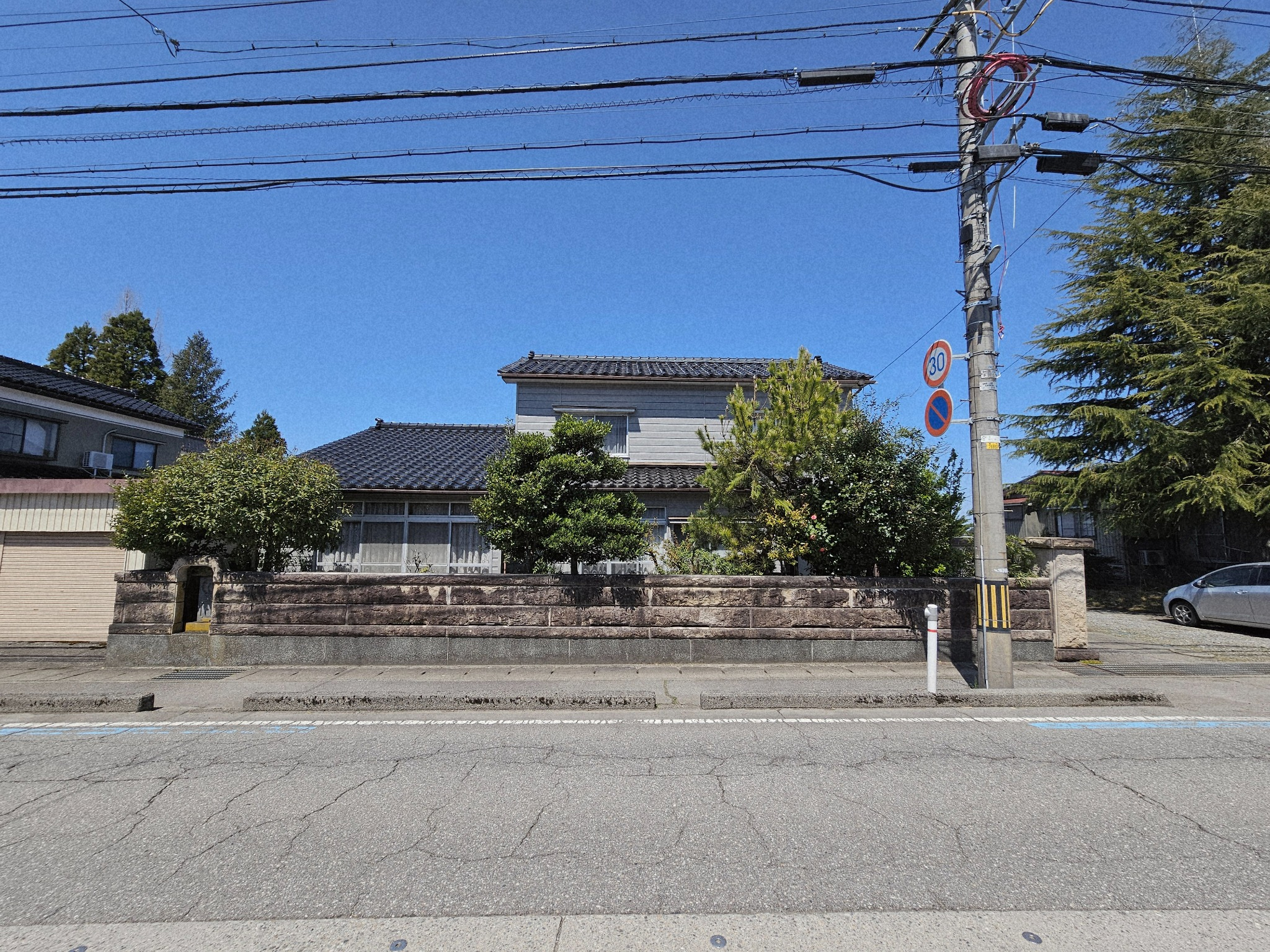
Hanasaki House
Exterior, entry, rooms, light, cleared land, road, and the physical setting of the family home.
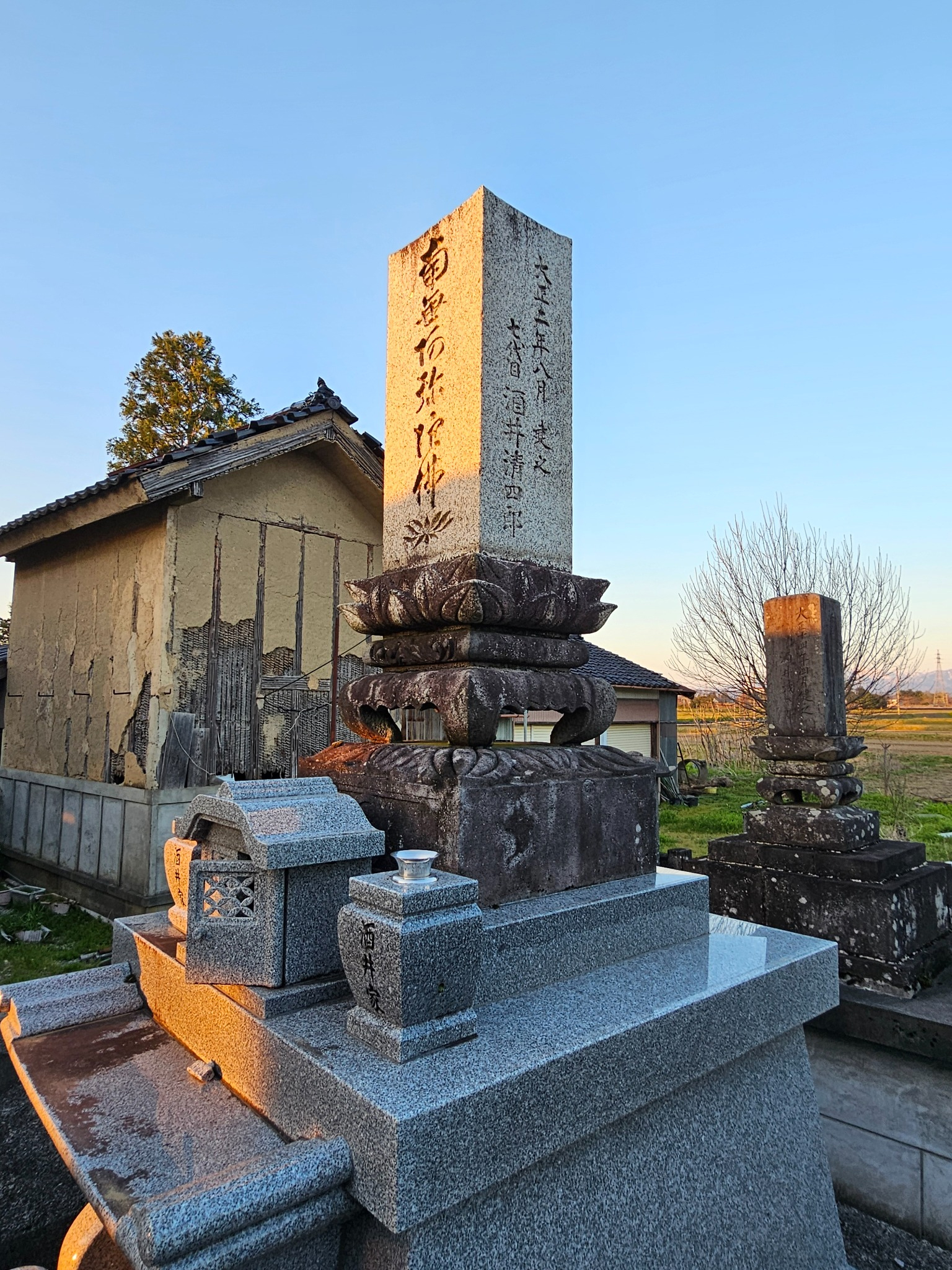
Shrine, Grave, and Kura
The sacred and inherited field around the house: torii, markers, stone, grave, and storehouse.
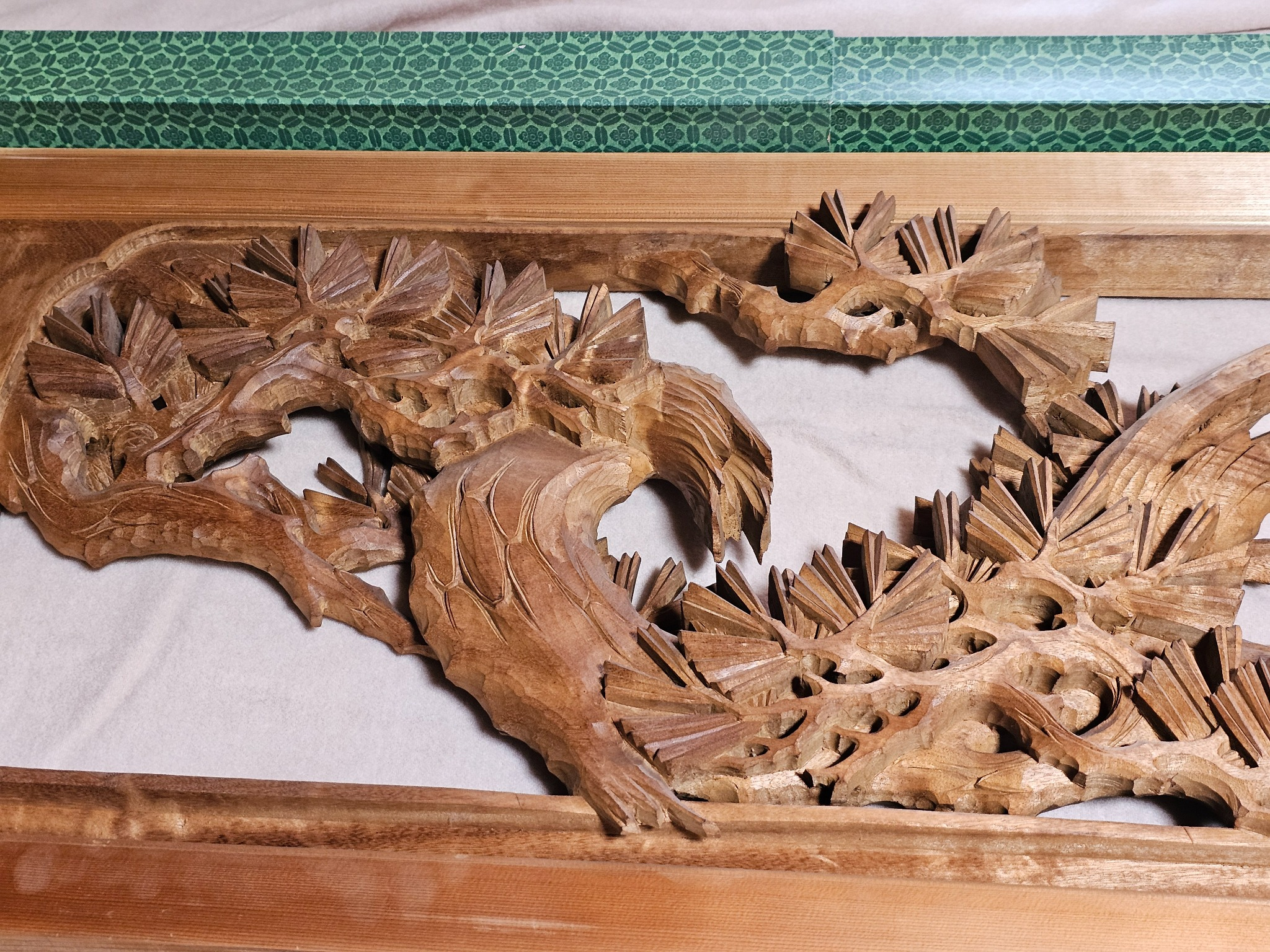
Objects and Interiors
Ranma, tansu, screens, bowls, sake sets, dolls, burners, scrolls, and the slow authority of kept things.
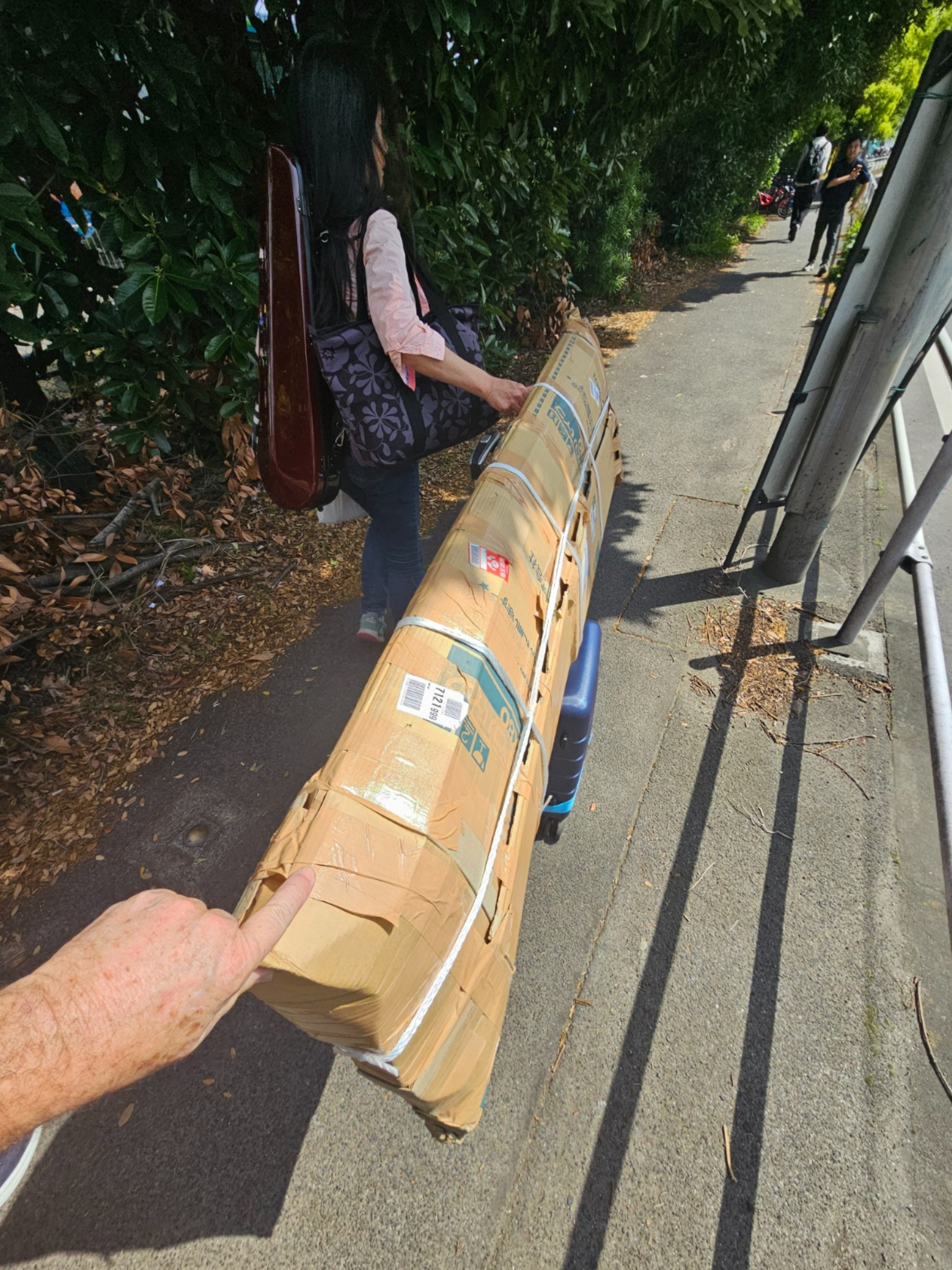
Departure and Transit
Takkyubin, packed objects, sidewalks, train vestibules, monorails, Haneda, and the hard grace of carrying forward.
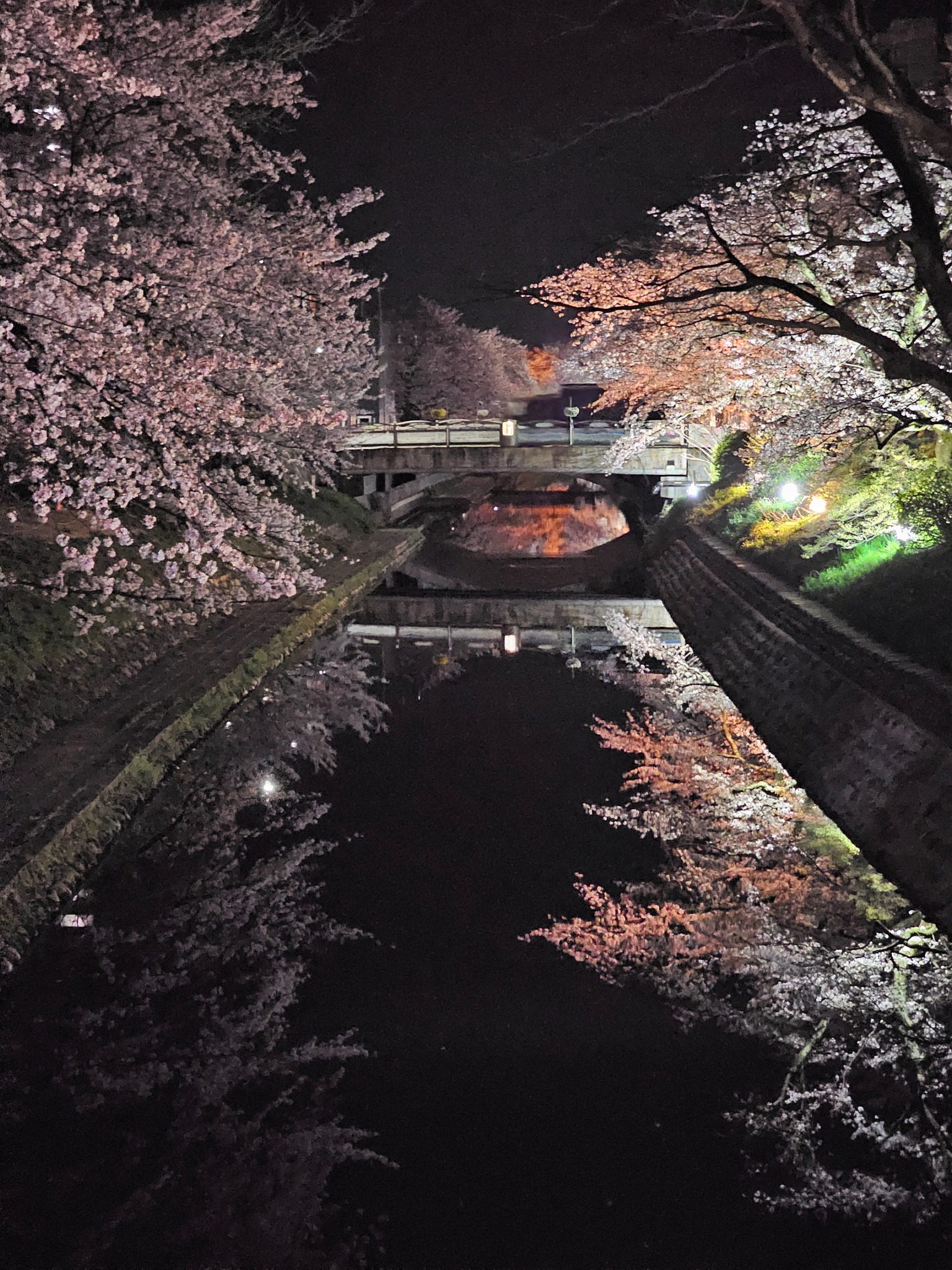
Toyama
Canal light, castle reflection, food stalls, restaurant signs, station weather, bath, and the beauty of return.
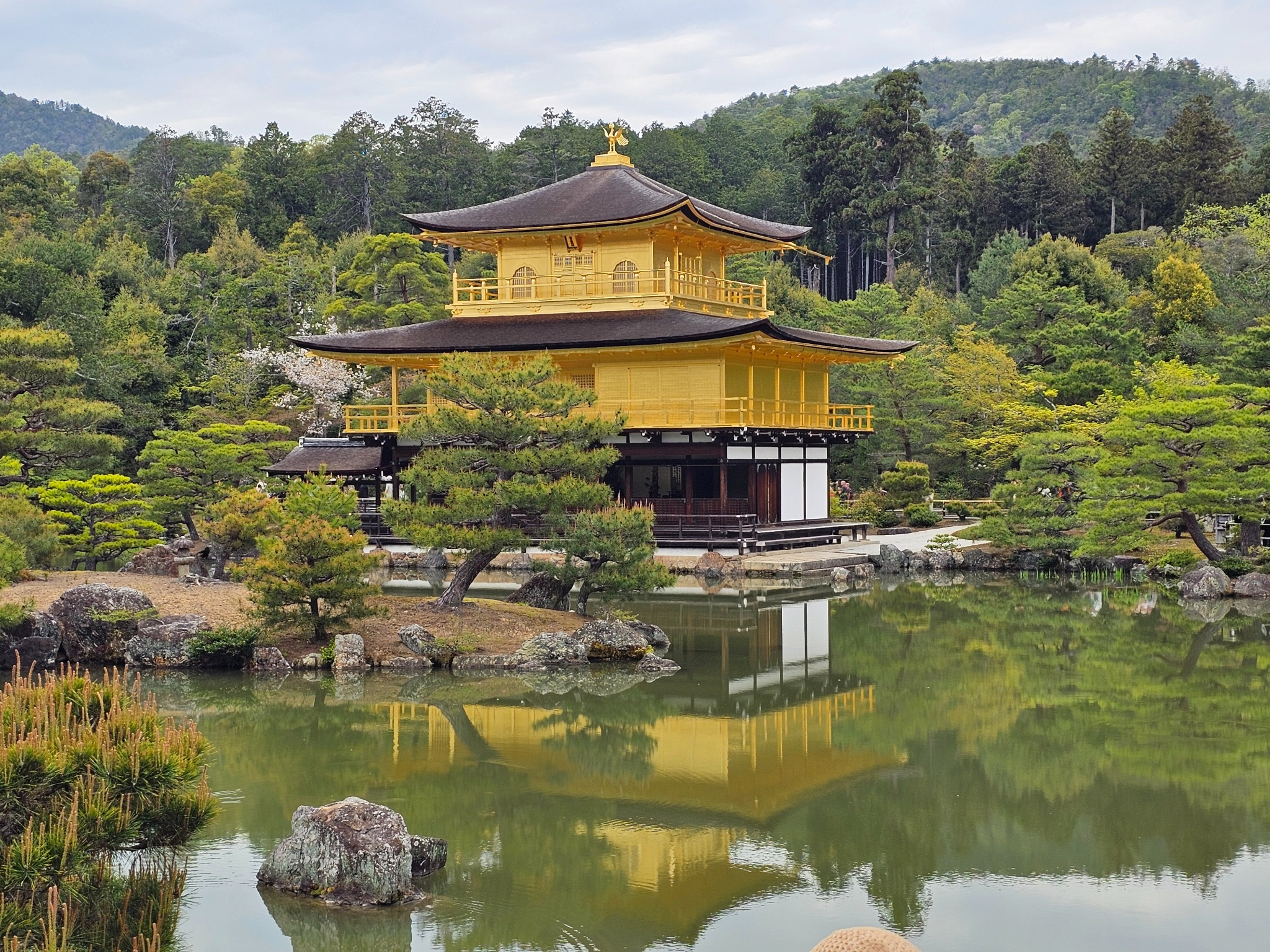
Kyoto: City and Rooms
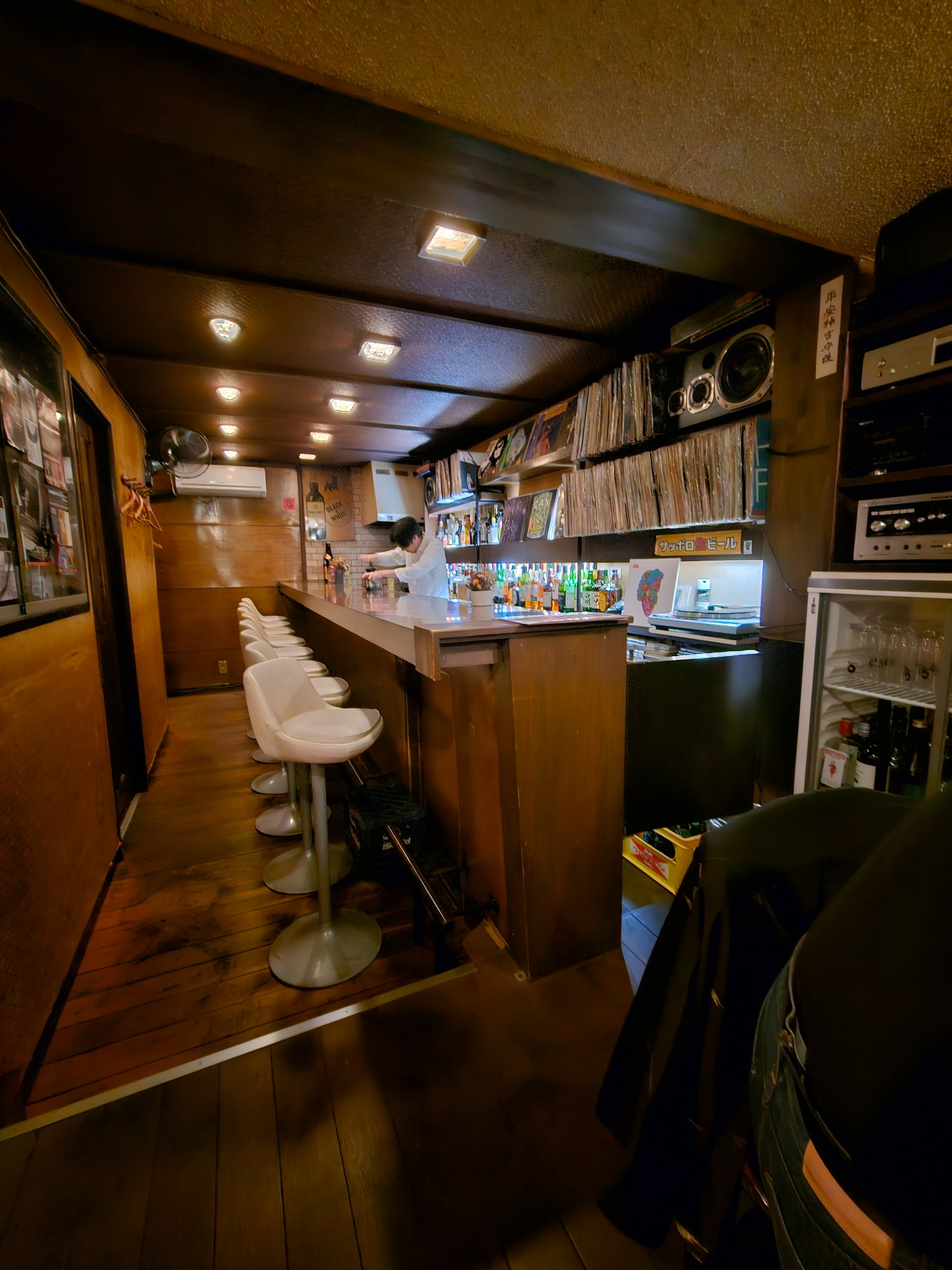
Gates, cemetery, Kinkakuji, lanes, workshops, shrines, bars, and the city as another architecture of entry.
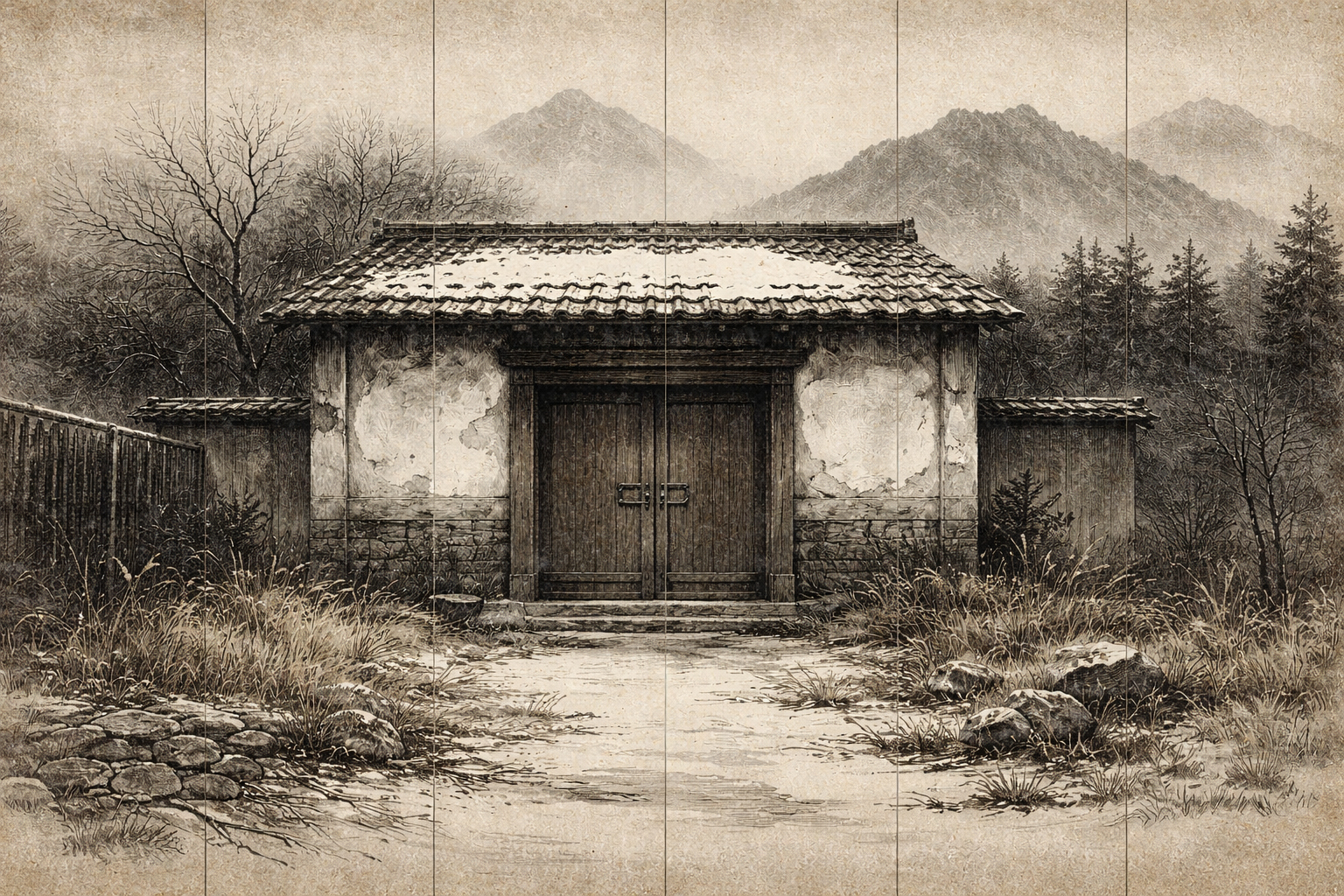
How to Use the Archive
Read first, browse second. The archive becomes more powerful after the chapters have already given the images pressure, sequence, and memory. But it also works the other way. You may enter through a gallery first and let the pictures teach you which rooms of the book you are ready for.
The right archive does not flatten everything into equal importance. It helps the reader understand that one image is a room, another is a threshold, another is a burden, another a relief, another a witness. That is why the pages are divided. Not to separate the story, but to let it breathe.
The house, the road, the shrine, the station, the bath, the city, the gold, the wood, the departures, and the imagined afterimages all belong here now.
The archive is not what remained after the story.
It is one of the ways the story keeps being entered.