Before We Opened the Door
From the road, the house looked quiet. Quiet enough to postpone. Quiet enough to misunderstand. But silence is not peace, and an empty house is never empty of feeling.
Grass rose. Seasons turned. The river kept moving. The rooms held their breath. One person felt duty. One felt distance. One felt the burden of being nearby. One wanted systems. One wanted relief. The house stood there, gathering all of it without saying a word.
No one had entered deeply enough yet to call it a story. The objects were still inside. The rooms were still mostly unread. The kura had not opened itself. What existed first was not discovery, but pressure: hesitation, embarrassment, obligation, affection, delay. The house had already become morally active long before anyone knew how much it still contained.
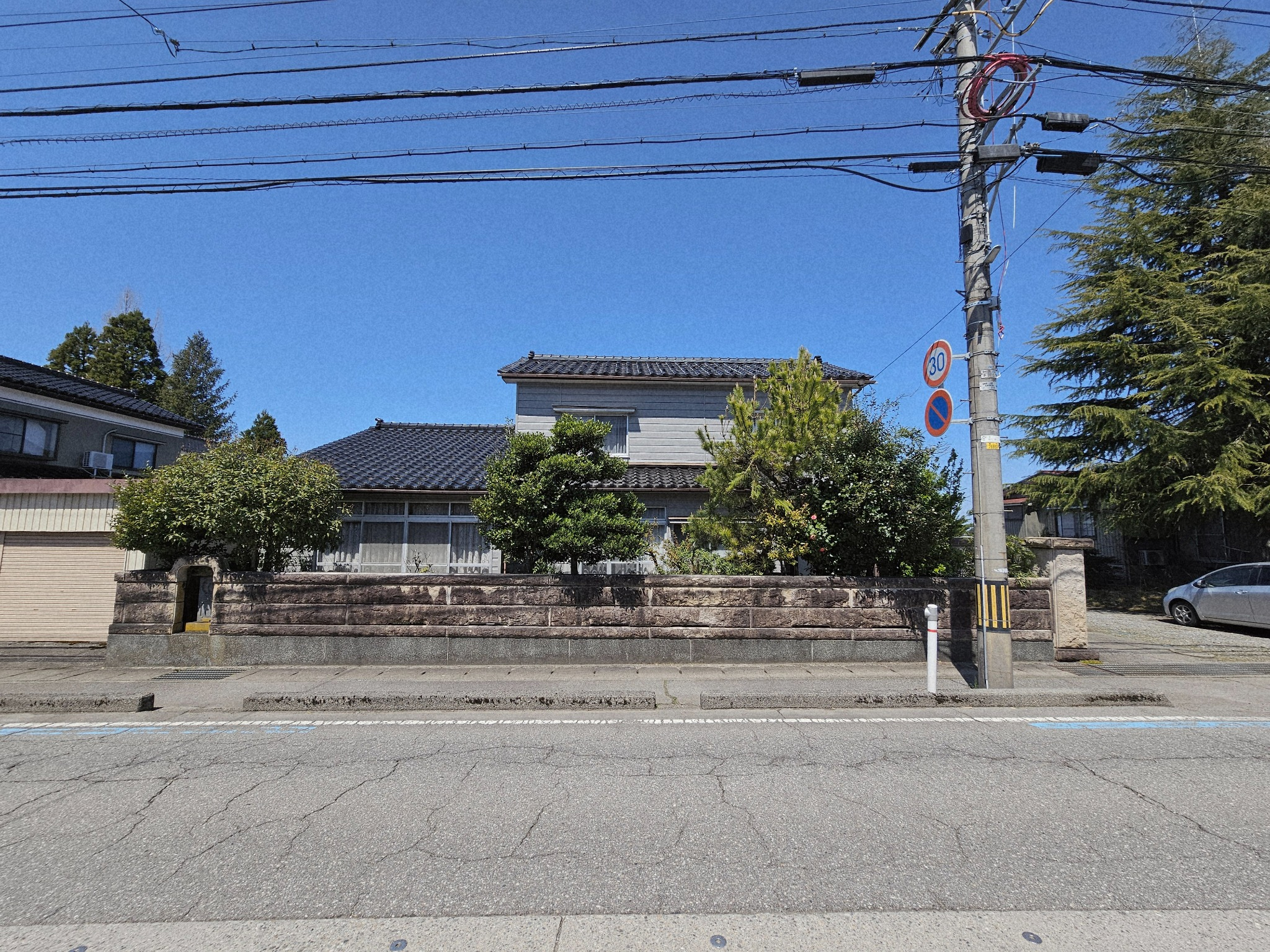
Before Uchi became a chapter book, it was a strain inside the family. It was the old house in Hanasaki felt from outside: through phone calls, delay, roadside impressions, local embarrassment, inherited duty, and the private discomfort of knowing that something important had been left standing too long without a language large enough to hold it. The rooms were still there. The objects were still there. But what the family met first was not treasure. It was weight.
That earlier condition matters because it was true. The house did not begin by offering beauty. It began by pressing on people differently. To one person it looked like visible neglect. To another it felt like unresolved obligation. To another it became a problem that ought to have had a system by now. To another it remained inwardly alive even from far away. The house was one structure, but it had already divided into several emotional realities.
The story did not begin when the family understood the house.
It began when the house became impossible to ignore.
This Prelude belongs to that stage. Not yet the archive. Not yet the opened kura. Not yet the carved panel lifted into light. These pages remain with the house as burdened surface, visible edge, and unresolved force. They stay with the old condition long enough for the door to matter when it finally opens.
What the Prelude Holds
These first pages stay with the house before revelation. They hold four conditions at once.
Emptiness under pressure
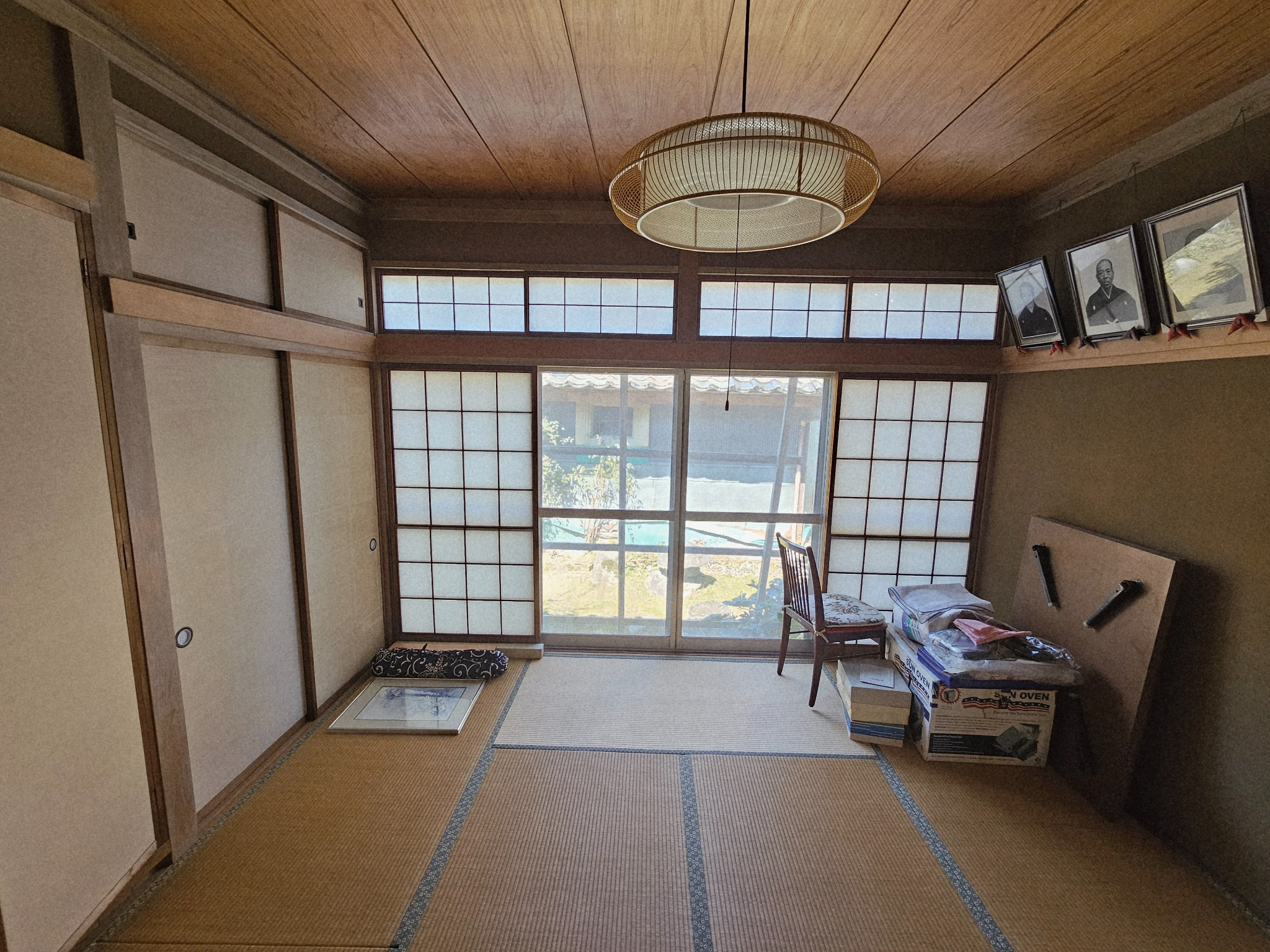
The house is no longer lived in daily, but it is not empty of force. It remains dense with postponement, expectation, and inward attachment.
Several truths inside one structure
Even before the deeper archive opens, the family is already divided into different moral relationships to the same place.
The visible edge speaking first
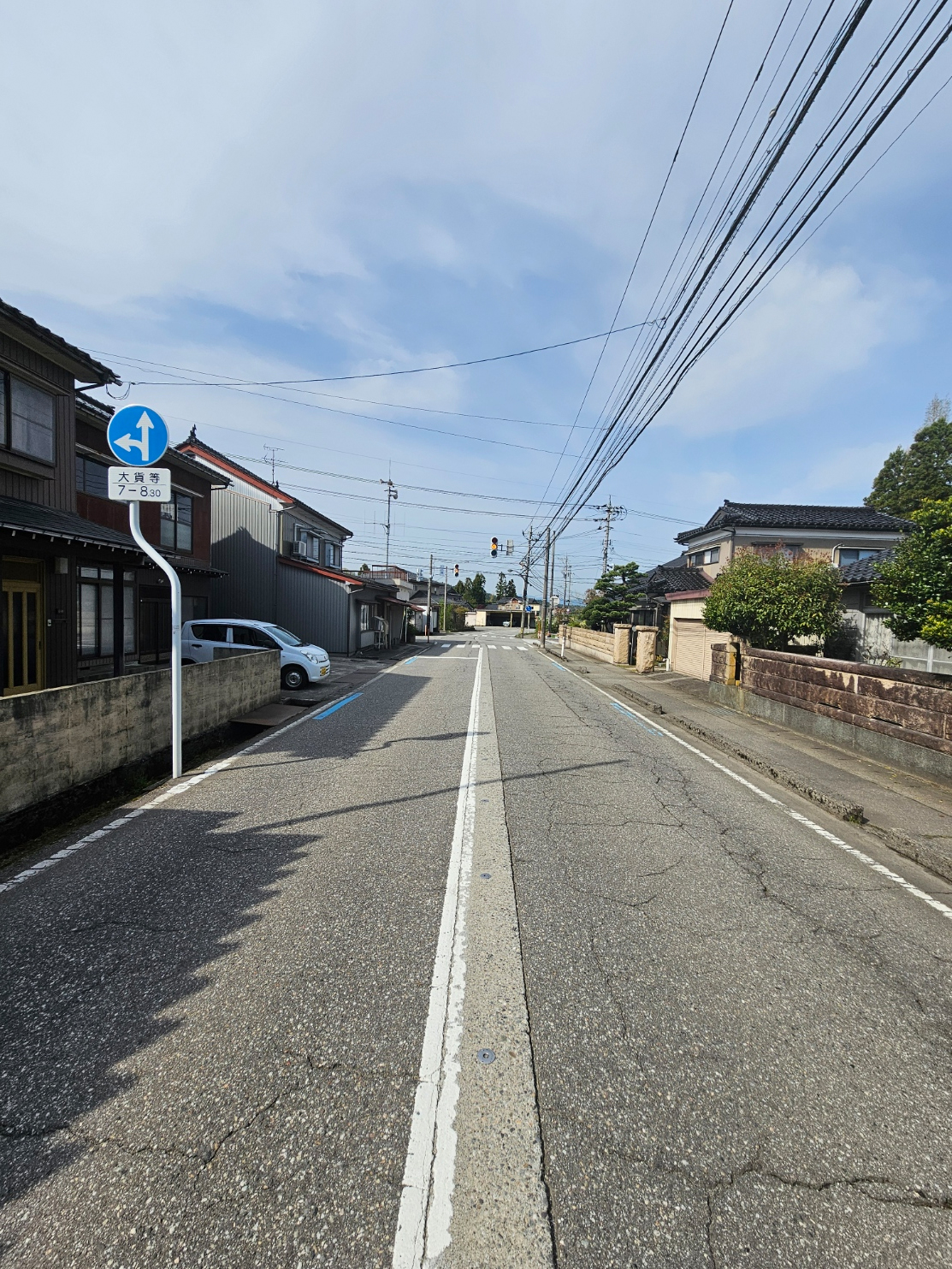
Grass, frontage, road view, and outward condition begin speaking for the house long before its interior can answer.
The threshold before witness
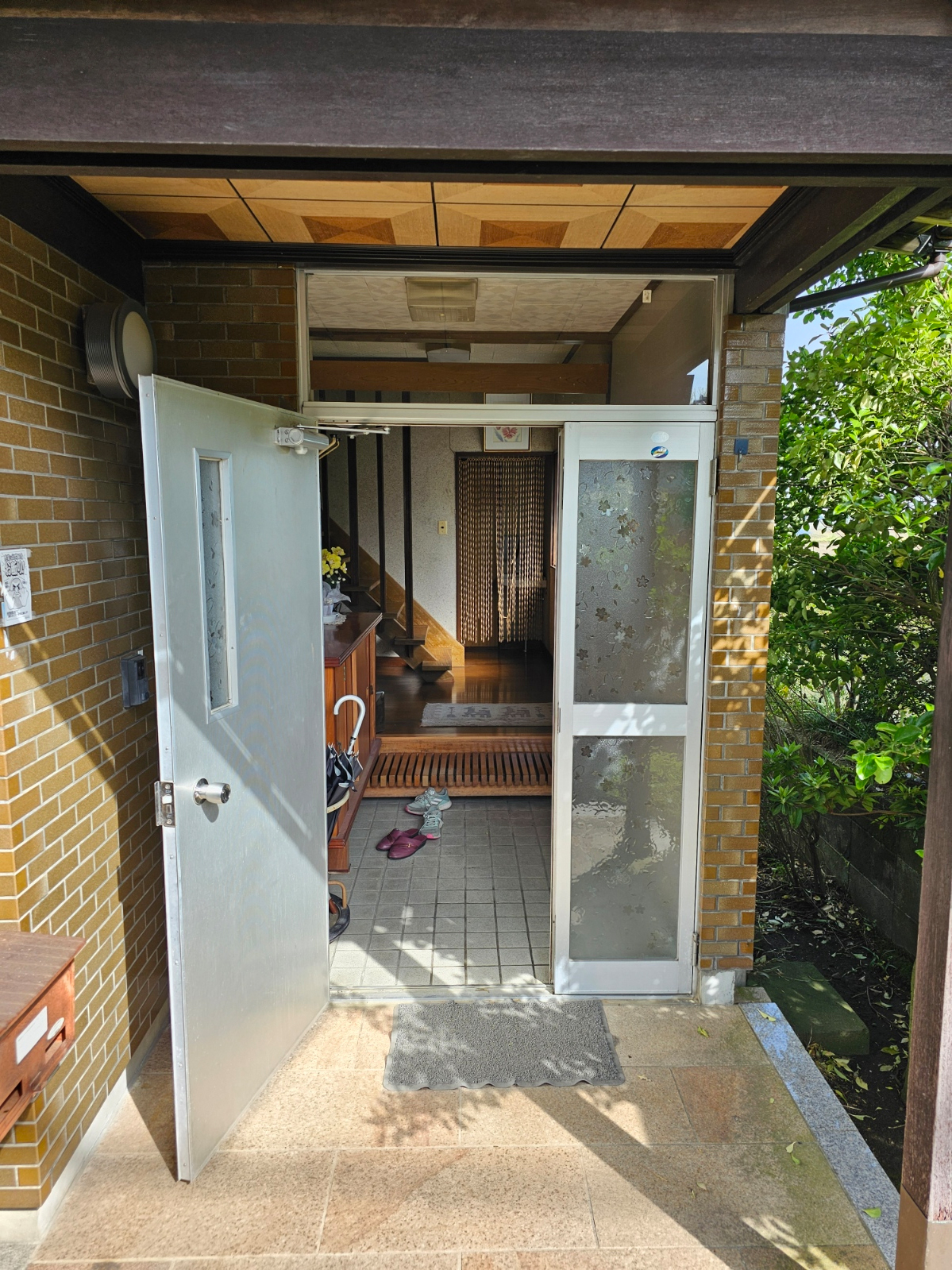
The family has not yet entered deeply enough to receive what the house will eventually give back.
That is why the Prelude stays restrained. One exterior. One road. One room. One threshold. The house has not opened properly yet.
What Comes Next
The Prelude should end at the door. That is where this part of the story belongs: outside, in the charged air before entry, while the house is still more pressure than answer.
First comes the empty house. Then the divided truths. Then the grass that looked practical but was never only practical. After that, the older story can begin.
The house stood there before anyone knew how to read it.
Then the door opened.