Grass Was Never Just Grass
From the road, the first visible problem seemed almost too ordinary to deserve drama. Grass had risen. Edges had softened. The frontage had begun slipping away from intention. Anyone passing by could see it. That was exactly why it became dangerous. What everyone could see was never only botanical.
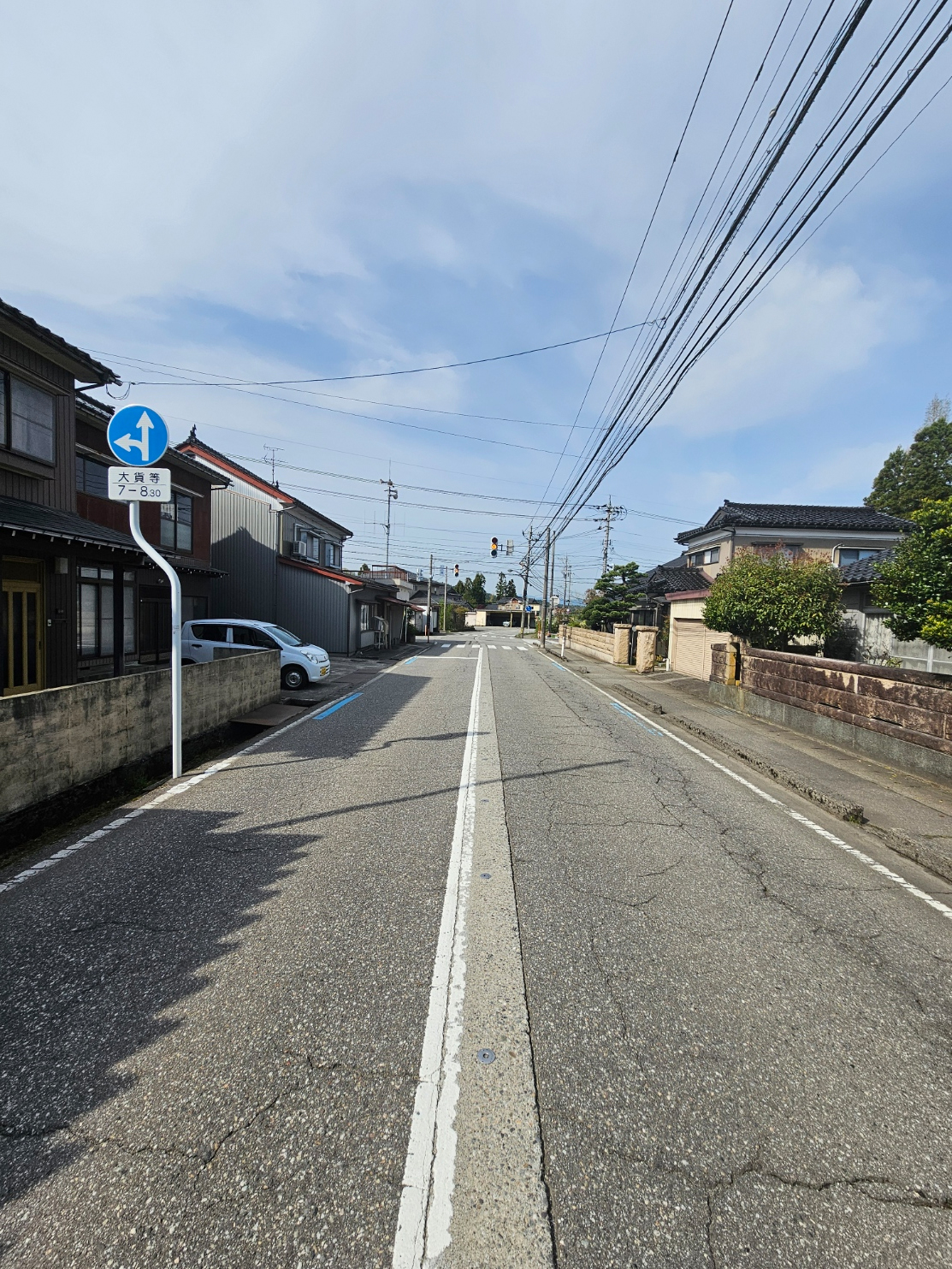
The grass looked like the kind of problem that should have had a simple answer. Cut it. Trim it. Hire somebody. Send money. Make a schedule. Solve it like adults. This is one of the deceits of visible disorder. It tempts everyone into thinking the issue must be as practical as its surface. But the family already knew, whether anyone said it plainly or not, that the grass had become larger than itself. It was no longer only plant growth. It was timing. It was shame. It was local burden. It was evidence. It was the visible surface where several private truths briefly stood in the same light.
That is why the grass acquired force so quickly. It was easy to photograph. Easy to mention. Easy to point at from a car, from the road, from memory, from accusation. The older history of the house stayed hidden inside walls, storage, rooms, drawers, and family feeling. The grass did not stay hidden. It crossed the boundary between private complication and public readability. Once that happened, it could no longer remain only grass.
Grass became a scoreboard.
It recorded delay without recording the reasons for delay.
This is one of the cruel tricks of inherited places. The most visible problem is rarely the deepest one, but it becomes the thing everyone must answer first. Grass does not reveal the whole truth. It reveals the point at which truth has begun to show through the surface.
What the Road Could See
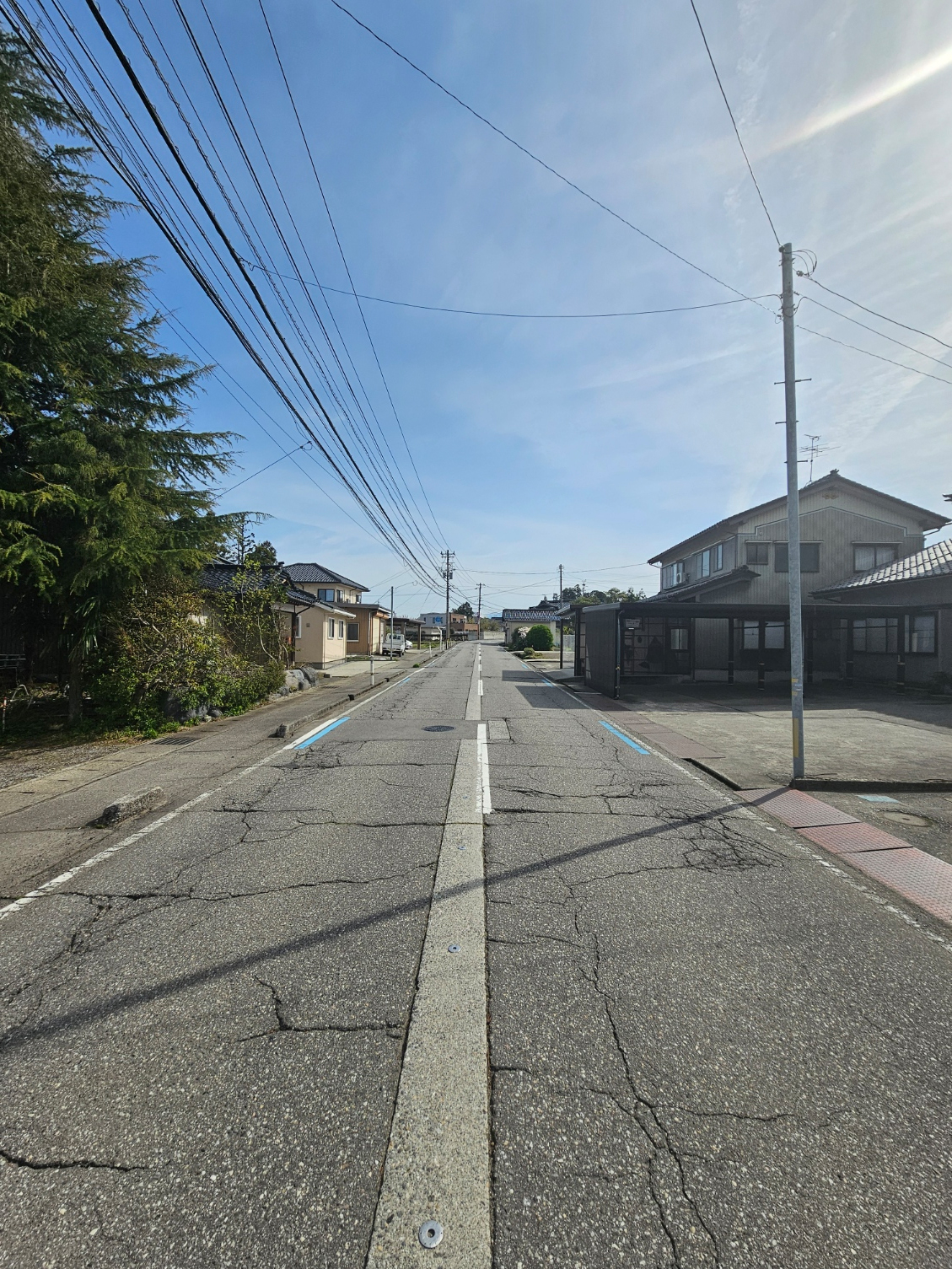
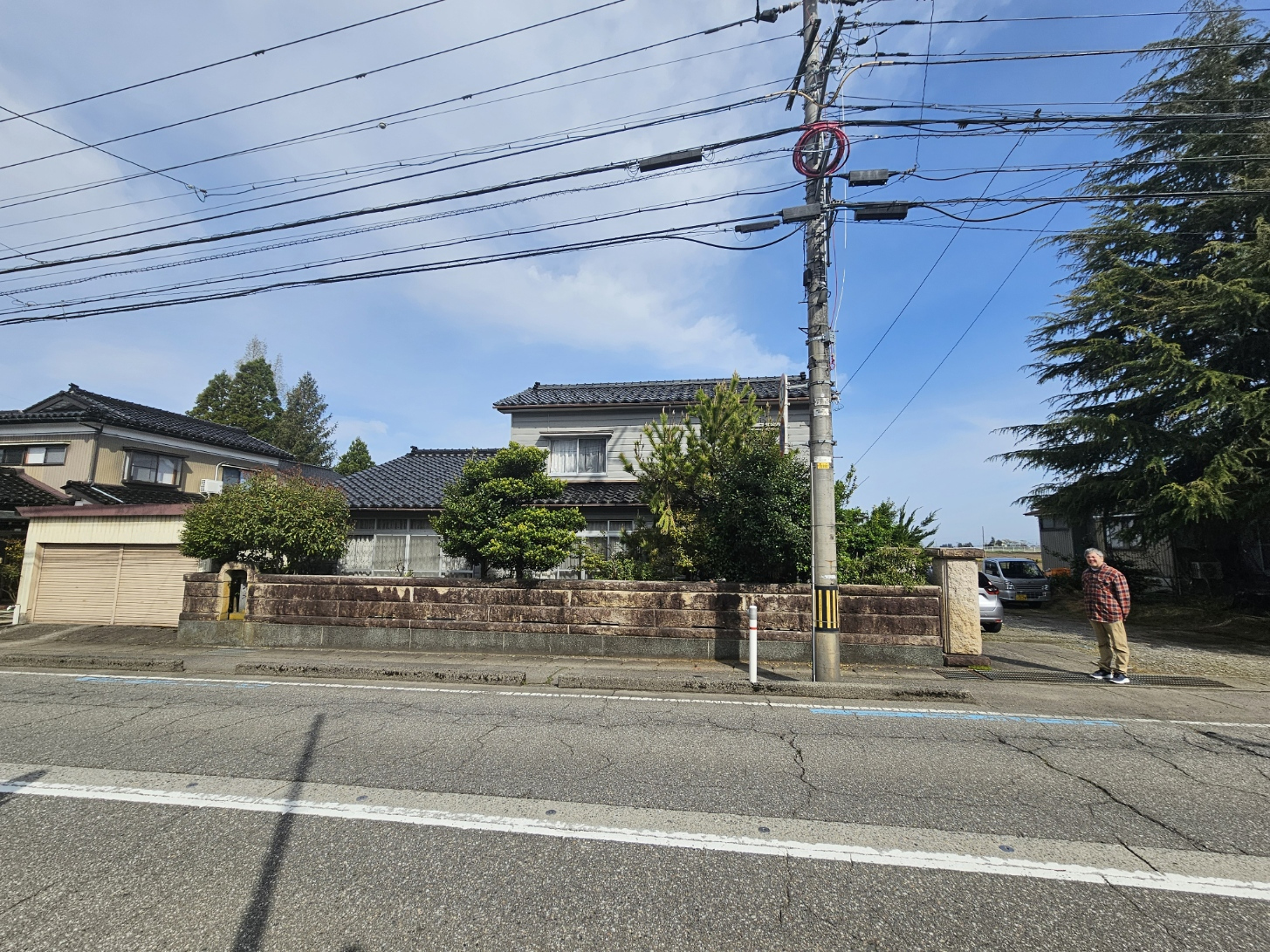
The road matters because the road makes a family problem legible to strangers. Inside the family, everyone may already know the reasons: distance, fatigue, agricultural complexity, inheritance friction, unanswered calls, old disappointment, practical limits, the slow wearing down of collective energy. But the road knows none of that. The road sees frontage. The road sees edge condition. The road sees whether a place appears held or not.
Once the house had become empty in daily use, the frontage began carrying far too much meaning. The same strip of growth that might have been barely noticed around an actively lived-in house now became a signal. Nearby relatives felt it one way, through embarrassment and repeated proximity. Those farther away felt it another way, through accusation sharpened by absence. The grass became the part of the house that could travel through conversation fastest because no explanation was required to picture it.
This is why visible overgrowth often becomes moralized. It looks simple from a distance. And because it looks simple, people assume the failure around it must also be simple. That assumption is almost always wrong. But by the time someone says so, the grass has already done its work. It has turned inward family strain into something that feels publicly readable.
The Burden Hidden Inside a Practical Complaint
Families often argue most fiercely around practical complaints because practical complaints are easier to say aloud than the older feelings beneath them. Grass can be named without confessing guilt. Weeds can be pointed to without admitting fear, grief, exhaustion, or the dread of watching a family place slide into visible uncertainty. “The grass is too high” sounds manageable. “This house is pulling the family into different moral worlds and none of us knows how to carry it together” does not.
So the practical complaint absorbs the deeper feeling. It becomes the official shape of the problem because it is specific, photographable, and defensible. But underneath it, older tensions keep moving: who is nearby enough to be blamed, who is far enough to be resented, who still thinks in terms of preservation, who now only wants relief, who feels publicly exposed, who feels privately ashamed, who believes systems should exist, who no longer has the strength to believe in systems at all.
The grass did not create those tensions. It gave them a surface. That is different. The family conflict was older than the edge condition. But once the edge became visible, the older conflict found a shape blunt enough to speak through.
This is why mowing alone could never settle the deeper matter. Cutting the grass might reduce the visible charge for a while. It might quiet the road. It might ease a conversation. But it could not answer the older question that had already begun pressing underneath: what, exactly, was this house now asking of the people tied to it?
Why Simple Solutions Feel Insulting
There is another cruelty here. Once the grass becomes the visible issue, simple solutions begin sounding more sensible than the truth. Hire someone. Make a list. Set a date. Outsiders especially are drawn to these answers, and not always wrongly. The trouble is that simplicity can feel insulting when people have been living for years inside the deeper complication. A family member carrying repeated local burden hears “just cut it” differently from someone approaching the problem freshly. One hears efficiency. The other hears erasure.
The difference matters. A practical fix may indeed be necessary. But it cannot carry the whole emotional weight of what the grass has already come to mean. By the time a family is arguing about visible overgrowth, they are almost never only arguing about visible overgrowth. They are arguing about recognition. About whether the older burden is being seen at the right depth. About whether a simple act will be appreciated as help or dismissed as tardy gesture. About whether the family is still living inside the same reality.
Grass is where those realities brush against each other because grass is humble enough to seem practical and exposed enough to become symbolic. It occupies exactly the wrong scale for family peace: too small to deserve the storm it receives, too visible to escape it.
The Surface Where Five Truths Meet
By the time the grass became a recurring topic, the family had already divided into different moral relationships to the house. The mother felt visible dignity. The older sisters felt exhaustion. The nearer burden felt repeated exposure. Tomoko carried inward obligation intensified by distance. The outsider husband saw system, structure, and the possibility that the house was being read too narrowly from its neglected edge. None of those truths were false. The grass became the place where they briefly overlapped.
That overlap is what gave the grass its strange force. It allowed everyone to be speaking about the same thing while not really speaking about the same thing at all. One person meant shame. One meant labor. One meant delay. One meant sorrow. One meant solvable logistics. The words stayed practical. The emotional meanings beneath them did not.
This chapter belongs in the Prelude because the house has not yet opened itself sufficiently to answer with older language. No kura shelves yet. No carved panel lifted into light. No discovered refinement strong enough to alter the conversation. The family is still living at the edge, where the visible surface must carry the burden of interpretation before the deeper archive can begin speaking for itself.
Grass was the first thing everyone could see. It was not the first thing that mattered.
The grass recorded delay. It did not record the older history, the unequal burden, the distance, the law, the fatigue, the tenderness, or the pressure of a house still trying to decide what it would become in the family’s mind. But because the grass could be seen, it became the first witness.