The Empty House
The house is empty, but not vacant in feeling. No one is living in it day by day. No meals are being made there. No one is sliding doors open in the morning without thinking. And yet the place remains crowded with pressure, memory, expectation, irritation, tenderness, and the unfinished life of a family that has not stopped belonging to it.
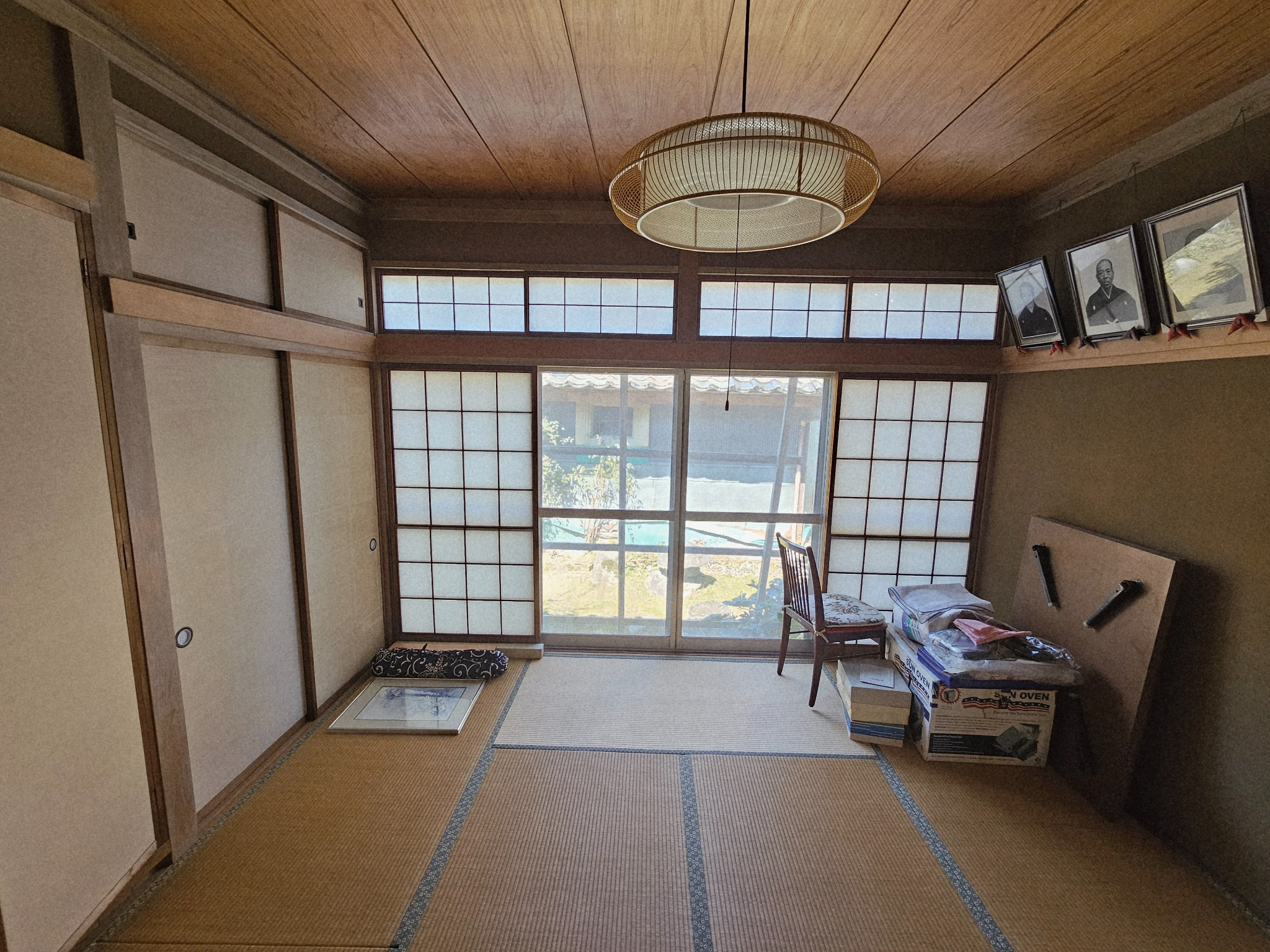
From a distance, an empty house tempts people toward simplification. They say it is just a house no one lives in anymore. They say it should be sold, cleared, fixed, cut back, cleaned out, or forgotten. They speak as if emptiness were a neutral condition. But emptiness is rarely neutral once a house has belonged to a family long enough to gather roles, disappointments, seasons, and routines into its walls. A place can lose its daily occupancy without losing its emotional population. That is what happened here.
The old house in Hanasaki did not become silent in the same moment it became empty. In some ways, it grew louder. Not with sound in the ordinary sense. Not with doors slamming or dishes moving or voices in the kitchen. It grew louder inwardly. Every absence began pressing on someone. Every unattended edge started asking a question. Every delay acquired moral shape. The house no longer had the soft camouflage of ordinary use. It stood there exposed, and because it stood there exposed, everyone tied to it had to see more of themselves in it.
That is why the house cannot be described honestly as vacant. Vacant suggests vacancy of feeling, vacancy of claim, vacancy of consequence. None of those things were true. The house was full of postponed decisions, full of family expectation, full of visible neglect and invisible care, full of memory that had not found a new daily form. It was full of the old friction between what a place means and what a family can actually do for it across distance, law, time, and ordinary life.
The house was empty of footsteps.
It was not empty of force.
A house becomes truly empty only when no one feels rearranged by it anymore. This house had not reached that stage. It was still altering moods, schedules, calls, judgments, private guilt, practical plans, and the weather inside relationships. It had ceased to be a household in the usual sense, but it had not ceased to be active.
The Way Empty Houses Grow Larger
When a house is still fully lived in, many of its problems remain small because daily life keeps absorbing them. A loose corner is just a loose corner because someone passes it every morning. A room is simply a room because a person still sleeps there, folds laundry there, or opens a window there when the air gets stale. Use protects a house from becoming over-symbolic. It keeps things practical. It lets affection and labor hide inside routine.
But once daily use recedes, the scale changes. The same exterior becomes heavier in meaning because no ordinary rhythm is left to soften it. A strip of grass no one cuts for a week is just delay; a strip of grass no one cuts around an empty house becomes evidence. A dim room no one enters for a few days is just a dim room; a dim room no one enters for years starts to feel like time itself has pooled there. The house does not literally grow larger, but it begins taking up more moral space in the minds of those connected to it.
That enlargement is one of the crueler transformations in family property. The place becomes bigger precisely because no one is fully inhabiting it. Distance gives it outline. Silence gives it pressure. And because nothing in the house is being used casually anymore, almost everything in it begins leaning toward interpretation.
A hallway becomes a question. A room becomes an accusation. A gate becomes a sign that someone should have done something sooner. A window becomes proof of neglect to one person and proof of endurance to another. The house grows larger because imagination, memory, and judgment rush in to fill what daily life once held down.
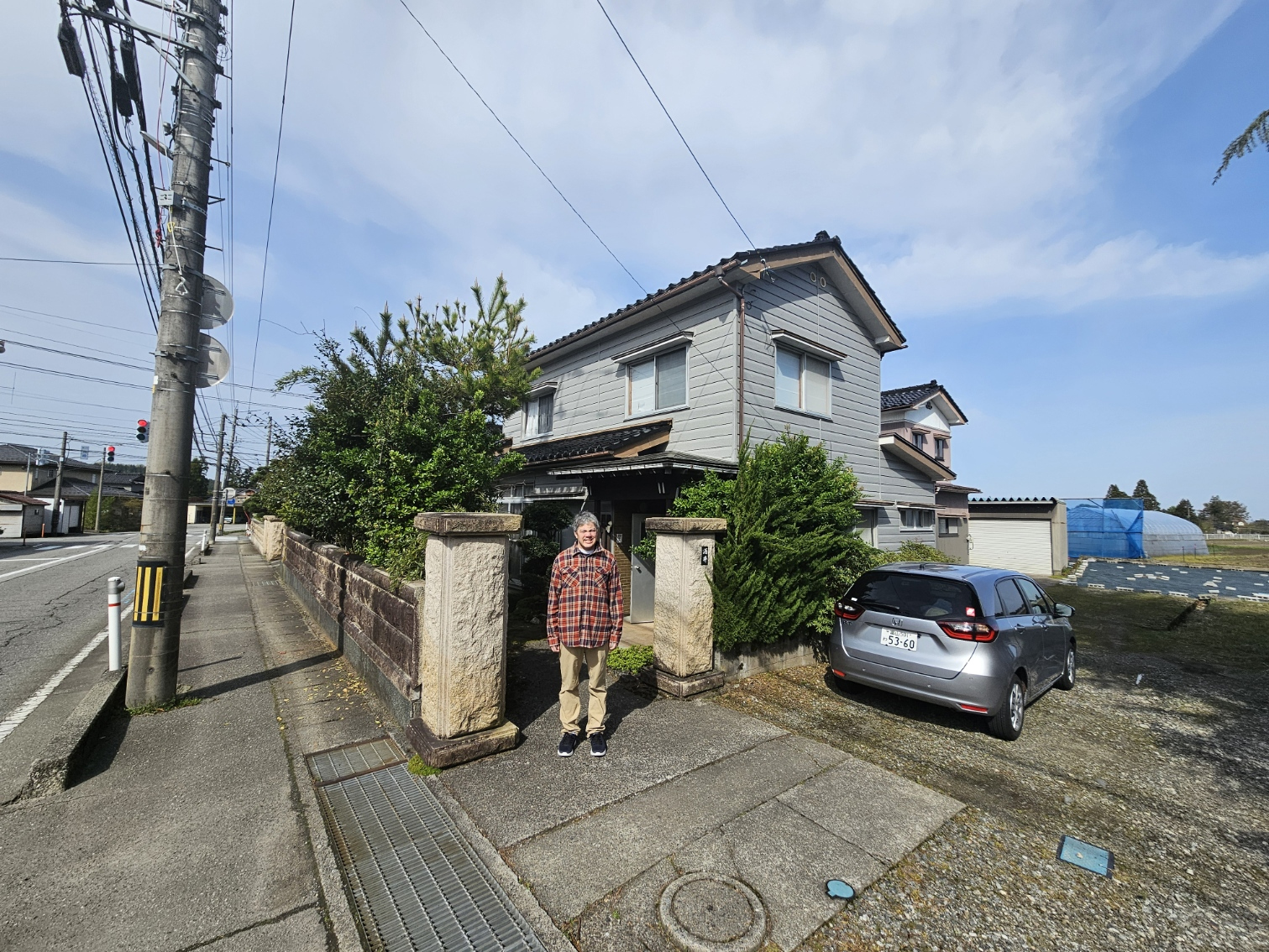
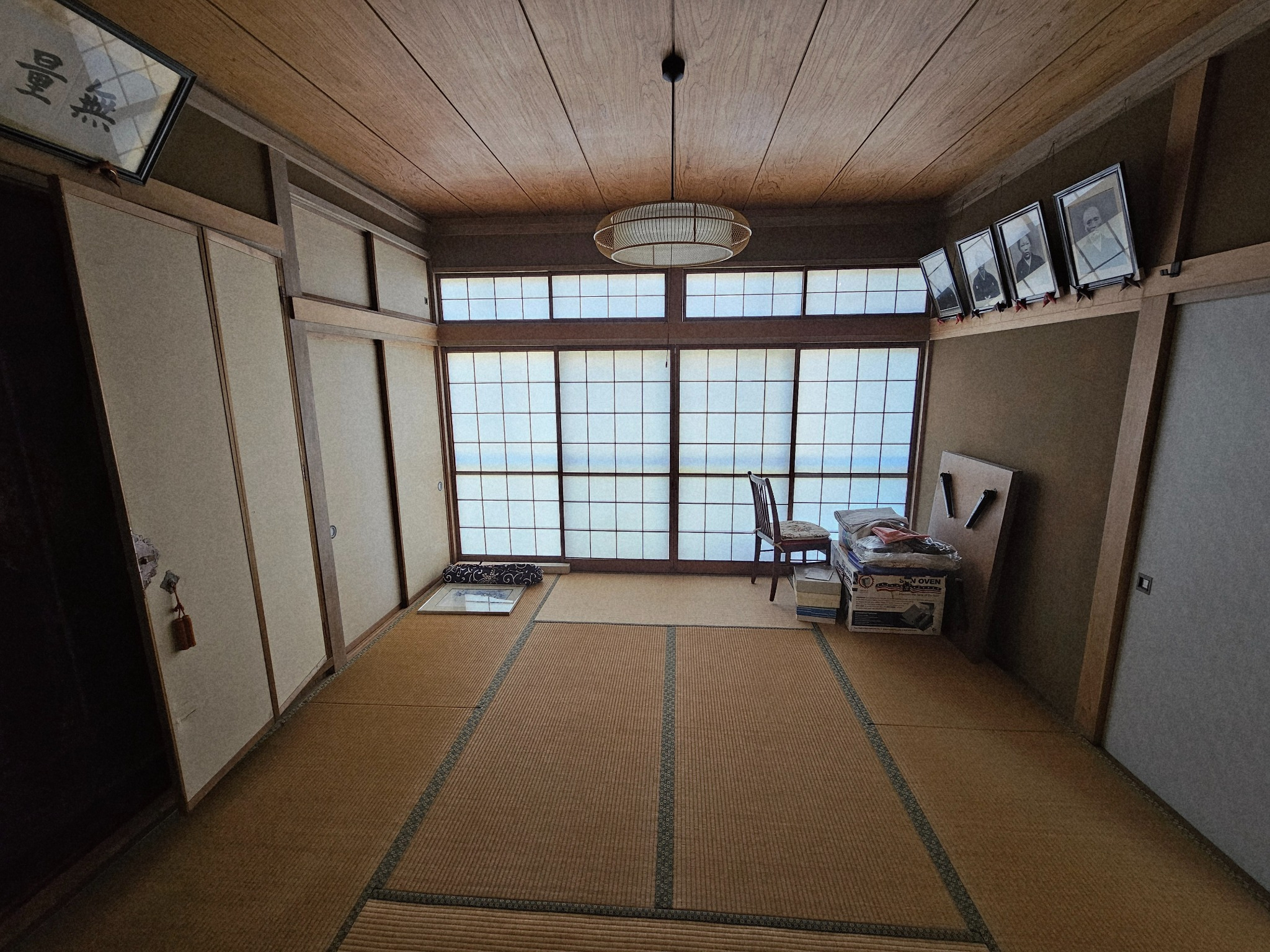
Distance Does Not Dissolve Attachment
One of the false comforts people tell themselves about old family houses is that distance will simplify them. Move far enough away, live long enough elsewhere, build a sufficiently separate life, and the place will loosen its hold. Sometimes that happens. Often it does not. Distance does not always reduce emotional responsibility. Sometimes it refines it into a more inward form, one with fewer practical outlets and therefore a more persistent private ache.
The person who lives nearby feels the pressure in one way: visible condition, neighbor gaze, repeated obligation, the need to face the frontage and the weather and the grass and the road. The person far away feels it differently: as interruption, as inward weight, as a place that remains morally alive without being physically present in the structure of the day. Neither is unreal. Neither cancels the other. That is part of what makes the house so active even in emptiness. It distributes strain unevenly while refusing to release anyone completely.
This is why conversations around empty houses often feel mismatched from the start. People are not only arguing about a structure. They are arguing from different geometries of attachment. One person sees the visible burden. Another sees the invisible inheritance. One counts hours and physical effort. Another counts history, feeling, and the long shame of not being there enough. The house stands in the middle, silent, while each person speaks from a different distance that feels to them like the most truthful one.
Hanasaki had already become that kind of place. Empty in the physical sense, yes. But emotionally distributed across the family in overlapping and uneven forms. The farther one moved from it, the less casual the attachment became. That is one of the reasons the house did not fade. It intensified inwardly.
The Stillness That Produces Motion
An empty house looks still. That is one of its deceptions. It appears to be doing nothing. No visible life, no new decisions, no daily noise. But stillness in an inherited house often creates more internal motion than use ever did. People think about it while driving. They compose imaginary arguments with relatives while washing dishes in another city. They feel accused by it at strange hours. They build rescue plans for it in their head. They postpone calls because they cannot bear another conversation about it. The house remains motionless while the people around it become restless.
This is one reason empty houses become emotional amplifiers. They do not answer quickly enough to quiet the mind. They do not change visibly enough to let anyone feel progress. They simply endure, and in enduring they force other people to keep supplying motion. Thought rushes in where daily use used to be. Interpretation rushes in where routine once kept things modest. Family mythology begins filling the rooms long before anyone opens the closets or lifts the lids.
The house in Hanasaki was already producing that motion before the story fully began. It had become a site of repeated inner travel: dread, defense, planning, tenderness, avoidance, renewed intention, renewed delay. This is what emptiness does when the house still matters. It does not go blank. It begins generating orbit.
The stillness of the place was therefore not peace. It was stored movement. It was what remained when ordinary life had gone away but consequence had not.
The House as Moral Weather
By the time a family starts calling a house “empty,” the place has usually already become a kind of weather. It enters conversations before anyone says its name. It changes tone at the table. It sharpens old roles. It rewards some forms of labor and makes other forms invisible. It tempts one person toward romance and another toward exasperation. It reveals who believes problems should be met with bodies, who believes they should be met with systems, who can still bear the sight of the place, and who carries it only inwardly.
That is why this chapter must stay with the house before the treasures, before the object-world, before the kura opens, before the beauty becomes available as reply. The family did not first meet the house in beauty. It first met the house in pressure. That older condition deserves its full page. Otherwise the later discoveries become too easy, too detached from the emotional truth that made them matter.
The house was empty, but not empty in feeling. That distinction is not a clever phrase. It is the ground of the whole book. Without it, the story becomes a salvage story. With it, the story remains what it truly is: a family learning that an old place can continue acting on people long after it stops being used in the ordinary way.
What looked empty from the outside was already crowded with feeling.