Five Truths Inside One House
The house did not mean one thing. It never did. Long before the door opened, long before the objects began answering back, the family had already divided around it into different truths, each one honest, each one incomplete, each one pressing against the others until the house itself seemed to carry all of them at once.
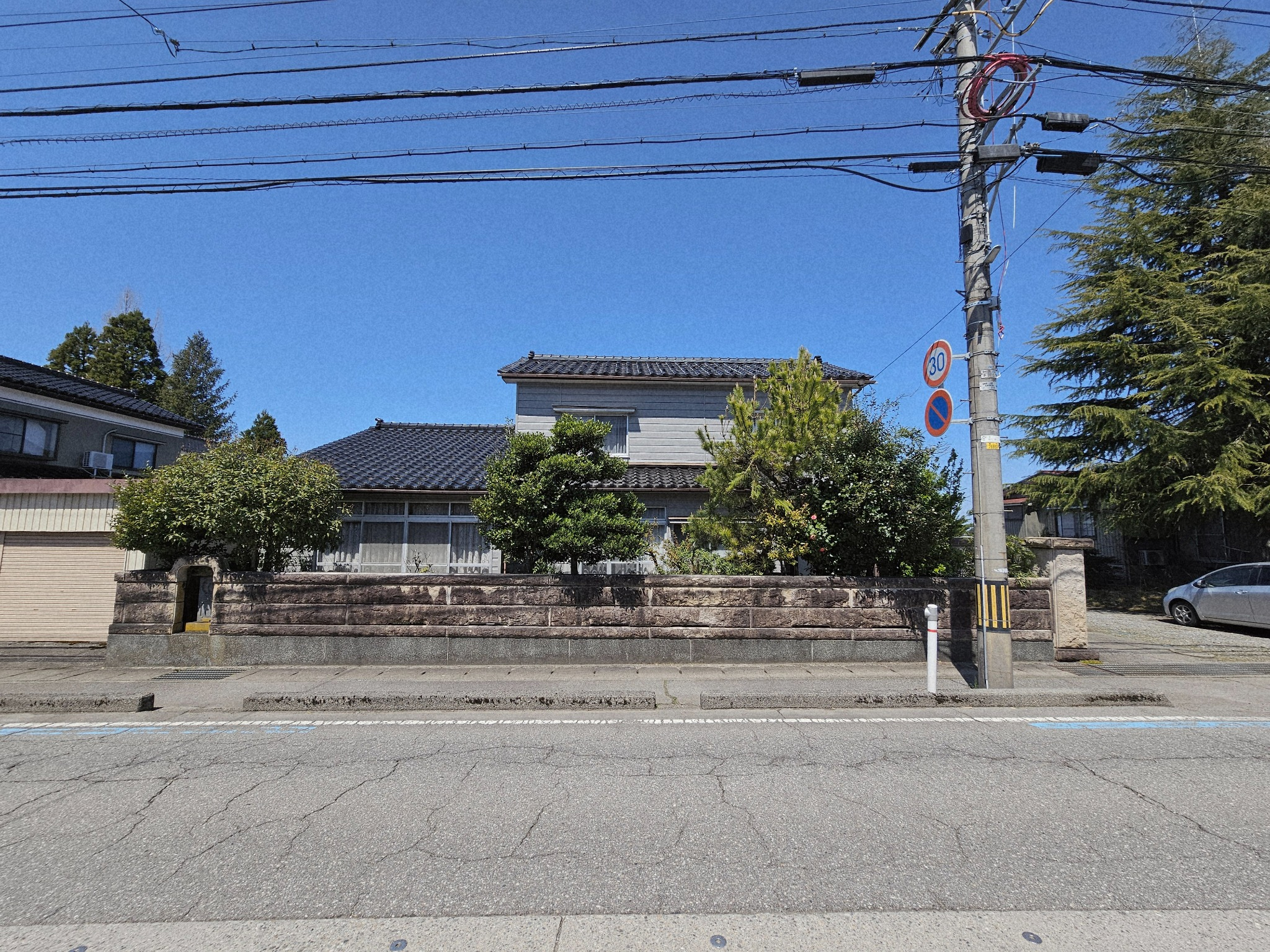
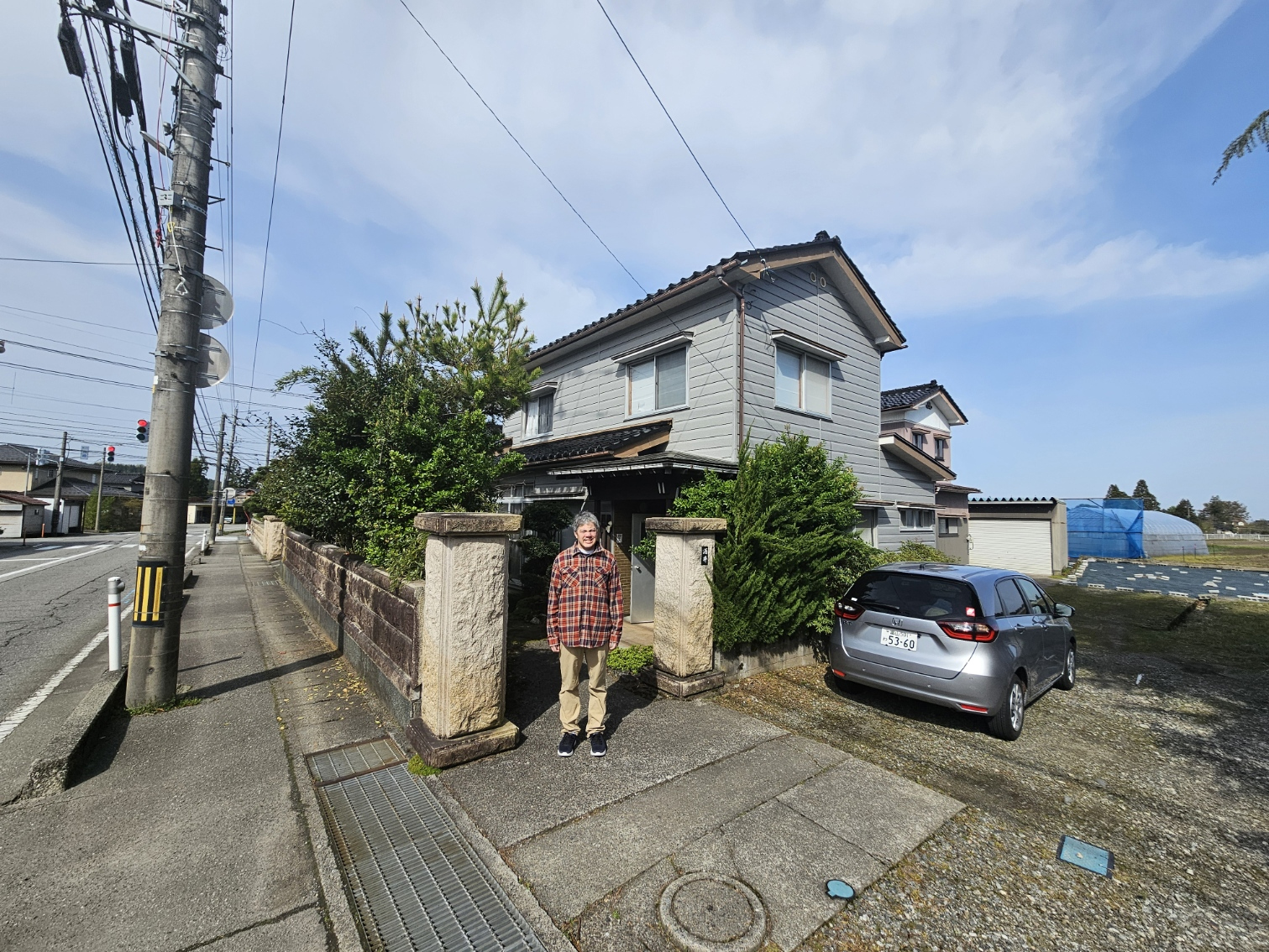
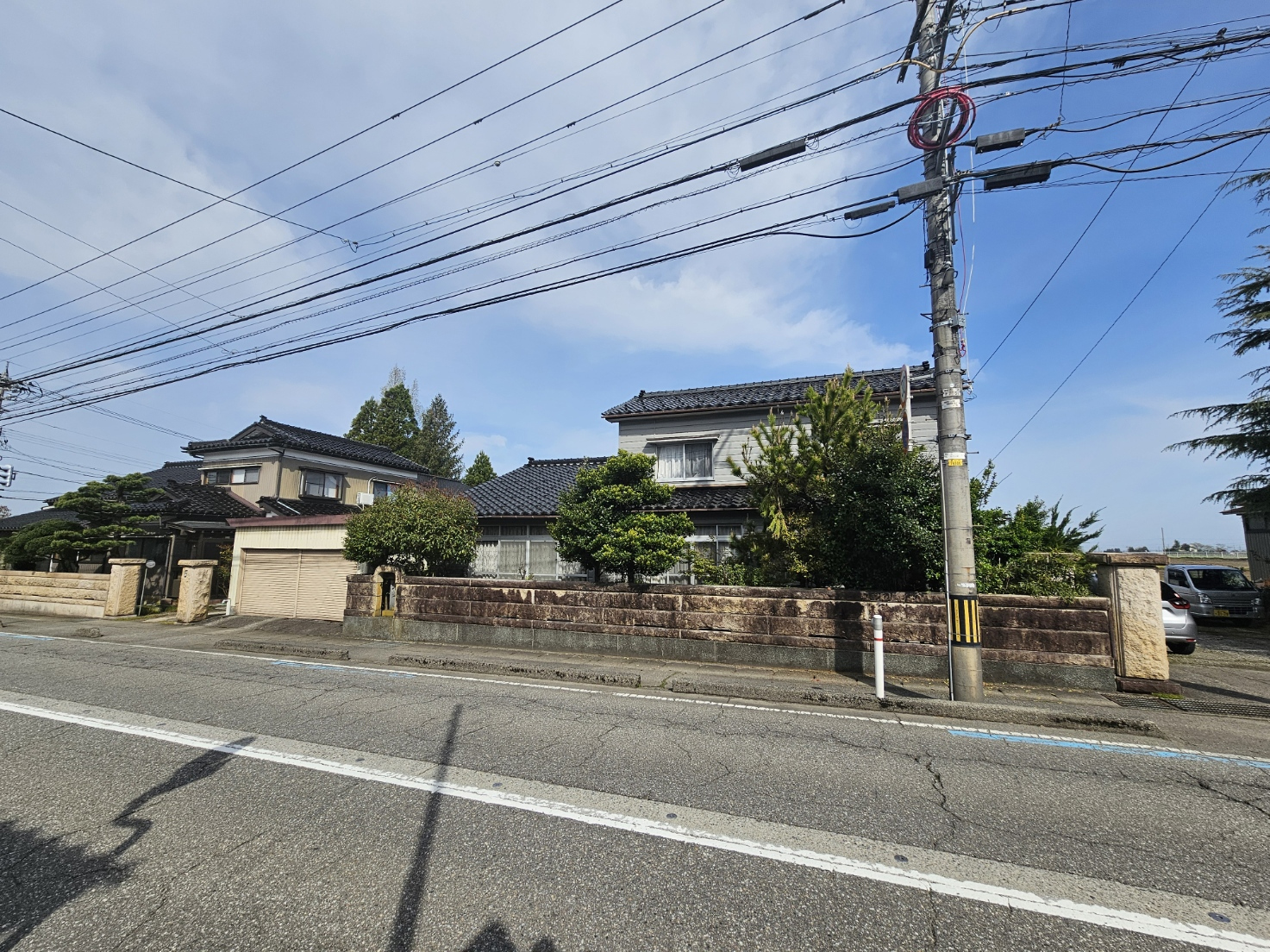
It would have been easier if the house had belonged to only one emotion. If it had simply been sad, or simply beautiful, or simply burdensome, the family might have found a cleaner way through it. But the old house in Hanasaki had already moved beyond simplicity. It stood in one place while producing several versions of itself at once. To one person it was a matter of dignity. To another it was accumulated fatigue. To another it was a constant practical burden shaped by geography. To another it was inward inheritance intensified by distance. To another it was pattern, structure, preservation, and the conviction that the family was standing too close to the problem to see what still remained inside it.
This is what makes old family houses so difficult and so alive. They do not merely keep memory. They separate a family into moral positions. One roof, one frontage, one gate, one set of rooms — but already several emotional realities, each built from a different combination of labor, history, embarrassment, love, and time. The house does not choose between them. It receives them all. That is why it feels so heavy. It is carrying more than wood and plaster. It is carrying the fact that several people can stand before the same structure and be answered by entirely different truths.
The house was one structure.
It had already become several emotional realities.
This chapter does not try to force those realities into agreement. That would be false and too easy. The task here is harder and more faithful: to let each truth stand in its own full weight, and to show how the house could become the meeting place of burdens that were not equal, but were all real.
The Mother
For the mother, the house had long since stopped being merely property. It had become a test of whether family life could remain orderly in public view. She had lived long enough to know that visible disorder is rarely only visible disorder. It becomes conversation. It becomes local impression. It becomes evidence that something once held together is now slipping. A house seen by neighbors does not remain private in the same way as a thought or an old sorrow. It stands there in daylight. It asks to be judged.
This did not mean she loved appearances more than people. Quite the opposite. She wanted peace badly enough to know how quickly shame, resentment, and disorder can work themselves into family life. If the place could be sold, released, simplified, that would have been the cleaner future. Not because the house meant nothing, but because the burden of it had begun threatening things that meant more.
Her position carries a sadness many younger people misread. It is easy to call it practical and move on. But beneath the practicality lies something older: the desire not to let the family become publicly diminished by what it can no longer maintain gracefully. The mother does not want triumph. She wants the house to stop radiating tension into the family field. Her truth is the truth of visible dignity.
The Older Sisters
The older sisters live closer to the weight, and closeness changes the tone of truth. What the far-away person can contemplate, the nearby person must repeatedly face. Roads, frontage, weather, grass, rumor, timing, the tiny humiliations of being the ones who know exactly how things look this week rather than last season — all of this accumulates into fatigue. Their truth is not romance. It is pressure repeated until it becomes wearying.
This is why their voices can sound hard. Hardness is often just exhaustion with no elegant language left. They are not wrong to feel that the house has become too heavy. They are not wrong to want relief more than symbolism. A place once associated with childhood, family gatherings, and ordinary belonging has begun requiring a form of labor that never properly ends. The older sisters know that endless unfinishedness can sour memory itself.
Their position deserves more respect than sentimental outsiders sometimes give it. They are not enemies of history. They are guardians against the point where history becomes unpaid local work disguised as moral obligation. Their truth is the truth of accumulated burden. They need the house to stop expanding its claim on them.
The Sister Who Lives Nearer
Nearness is its own moral condition. It does not merely increase responsibility; it changes the texture of thought itself. The sister who lives nearer cannot relate to the house abstractly for very long because the house keeps returning to her in concrete form. It is on the road. It is in the weather. It is in the timing of errands, in the knowledge of what the frontage looks like after rain, in the awareness of what has been cut back and what has not. Nearness turns feeling into repeated practical knowledge.
This produces a truth different from both the mother’s desire for dignity and the older sisters’ exhaustion. The nearer sister knows how the problem behaves over time. She feels its recurrence. She knows that even small visible issues are not really small once they must be revisited again and again without stable resolution. Her relationship to the house is shaped not by one dramatic crisis, but by repetition. That repetition becomes its own argument.
It is easy for people at a distance to underestimate what repeated proximity does. A single visit can produce tenderness. Recurring nearness produces a harder wisdom. The nearer sister understands the house as an ongoing practical field, not merely as inheritance. Her truth is the truth of lived recurrence.
Tomoko
Tomoko’s truth is one of the quietest and heaviest. Distance does not excuse her, but neither does it free her. She does not live inside the house’s daily burden. She cannot perform local care on command. And yet the house remains inwardly active in her. It does not disappear simply because her life unfolds elsewhere. Instead, the house changes form. It becomes something carried inwardly: family history, unfinished tenderness, the old pressure of belonging to a place one cannot physically serve in the rhythm others might demand.
This is what makes distance so morally difficult. It reduces practical action while often intensifying feeling. The farther away the house is, the less casual the attachment becomes. Memory loses the softening effect of routine. The place starts living inside the mind as concentrated unresolved meaning. Tomoko does not stop caring because she is far. She may care more sharply because there are so few ordinary ways to discharge that care.
Her truth is not dramatic. It is inward. The house presses on her not as repeated local labor, but as a constant inner weight shaped by love, guilt, memory, and the knowledge that distance always looks thinner from outside than it feels from within. Her truth is the truth of inward responsibility.
The Outsider Husband
Then there is the outsider husband, who enters the family truth from another moral vocabulary altogether. He sees systems where others see character. He sees pattern where others feel insult. He sees preservation where others fear endless burden. The house does not first appear to him as shame or fatigue. It appears as a structure, an inheritance field, a problem with material facts and hidden promise still inside it.
This can be useful. It can also be infuriating. Families often distrust the outsider who believes he can see a solution because his angle seems to bypass the emotional labor others have already paid for over years. Yet the outsider’s truth is not false simply because it is differently arranged. He can see pattern precisely because he is not fully embedded in the old family choreography. He can imagine preservation because he has not spent a lifetime translating the house into fatigue.
What he sees is not only burden, but category error. He sees a family standing before a place that may still contain meaning too large to be measured only by maintenance trouble. He suspects the house is being judged from the wrong distance. He suspects the family has been forced to interpret the visible surface before it has had the strength to open the older interior. His truth is the truth of preservation under a different light.
This does not make him the hero. It makes him one more partial witness. He is not free of distortion. He is simply distorted differently. That difference matters because the house needed at least one person willing to believe that it might still contain more than burden.
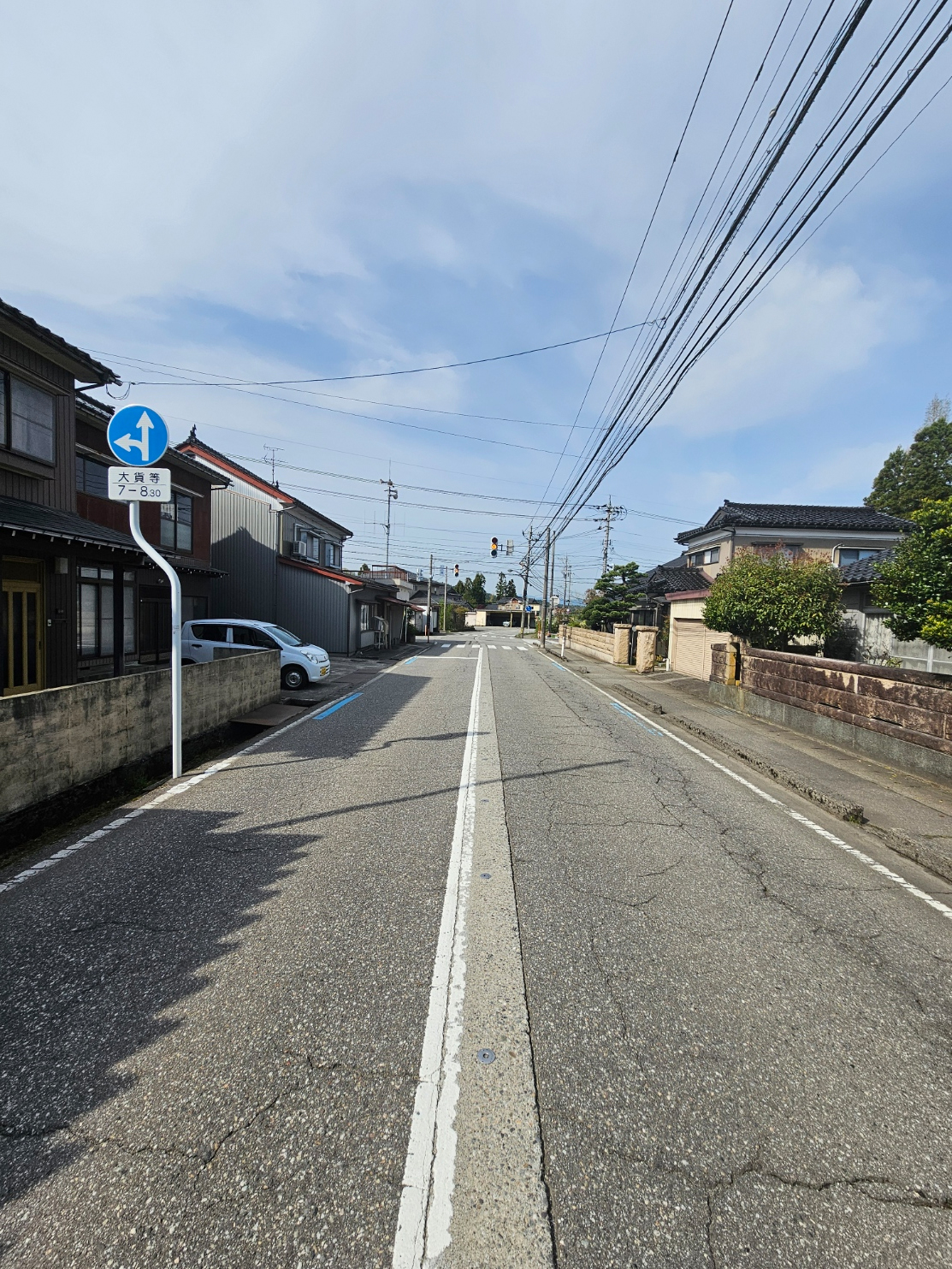
One House, No Single Verdict
What makes the chapter painful is that no one here is fully wrong. That is what prevents easy resolution. The mother is right to care about visible dignity. The older sisters are right to be tired. The nearer sister is right to feel the weight of recurrence. Tomoko is right to remain inwardly bound even from far away. The outsider husband is right to suspect that the house may still contain a category of meaning the family has not yet been able to receive.
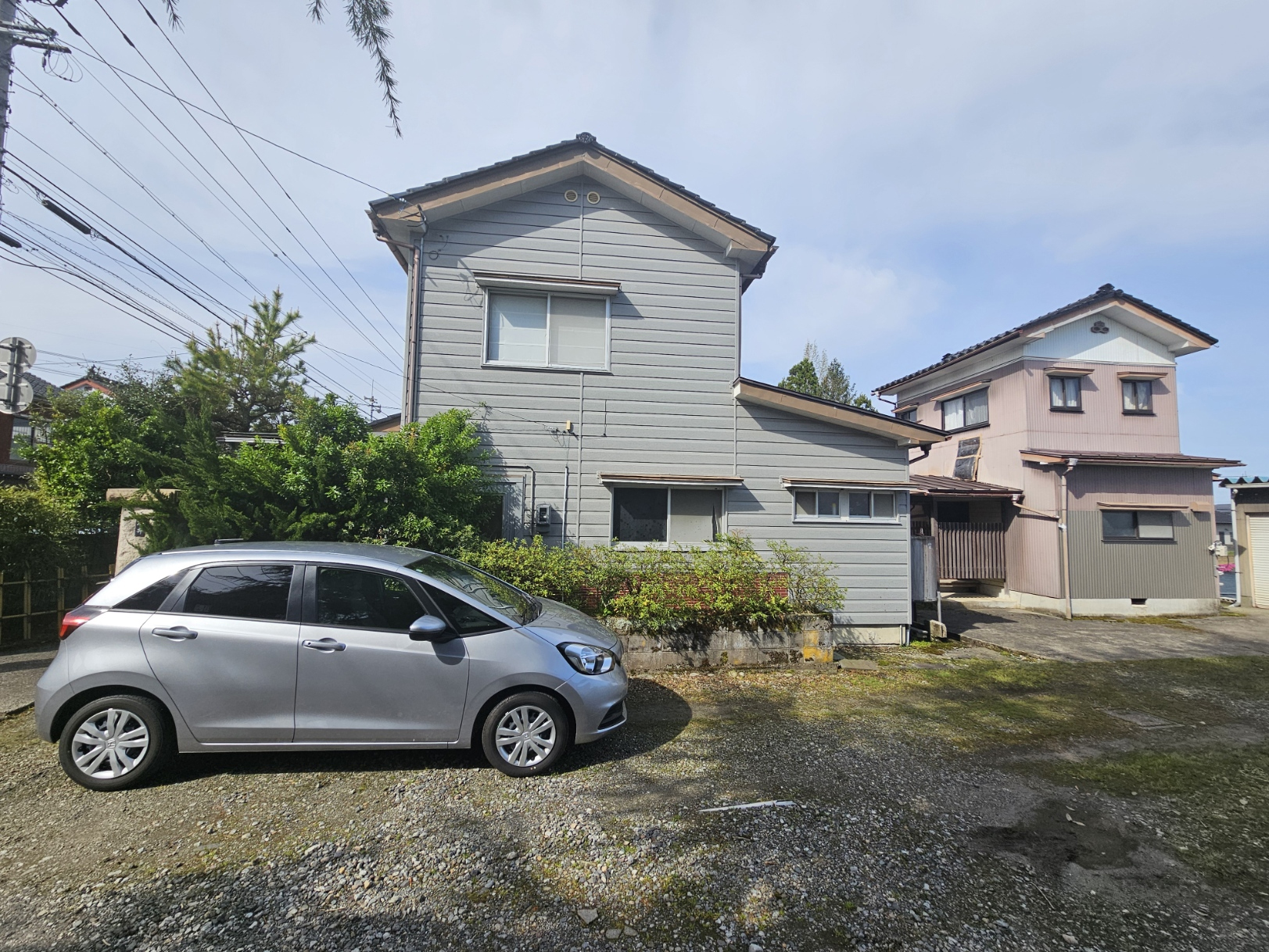
The problem is not that one truth defeats the others. The problem is that the house holds them simultaneously. It stands there gathering incompatible moral emphases into one physical place. That is why old family houses so often feel haunted even before anyone speaks of ghosts. They are haunted by competing truths that cannot yet be brought into one sentence.
This is where the Prelude must remain honest. The family has not yet opened the door deeply enough to let the house answer back with its older language of object, craft, storage, and survival. For now, the house is still being read from the outside. And from the outside, it has already become five different realities.
The house was one structure, but it had already become several emotional realities.