The Kura Was Waiting
The first visible problem was grass. But the deeper answer was older than the argument. Behind thicker walls, inside older wood, a different part of the family story had been waiting with more patience than anyone in the present tense could manage.
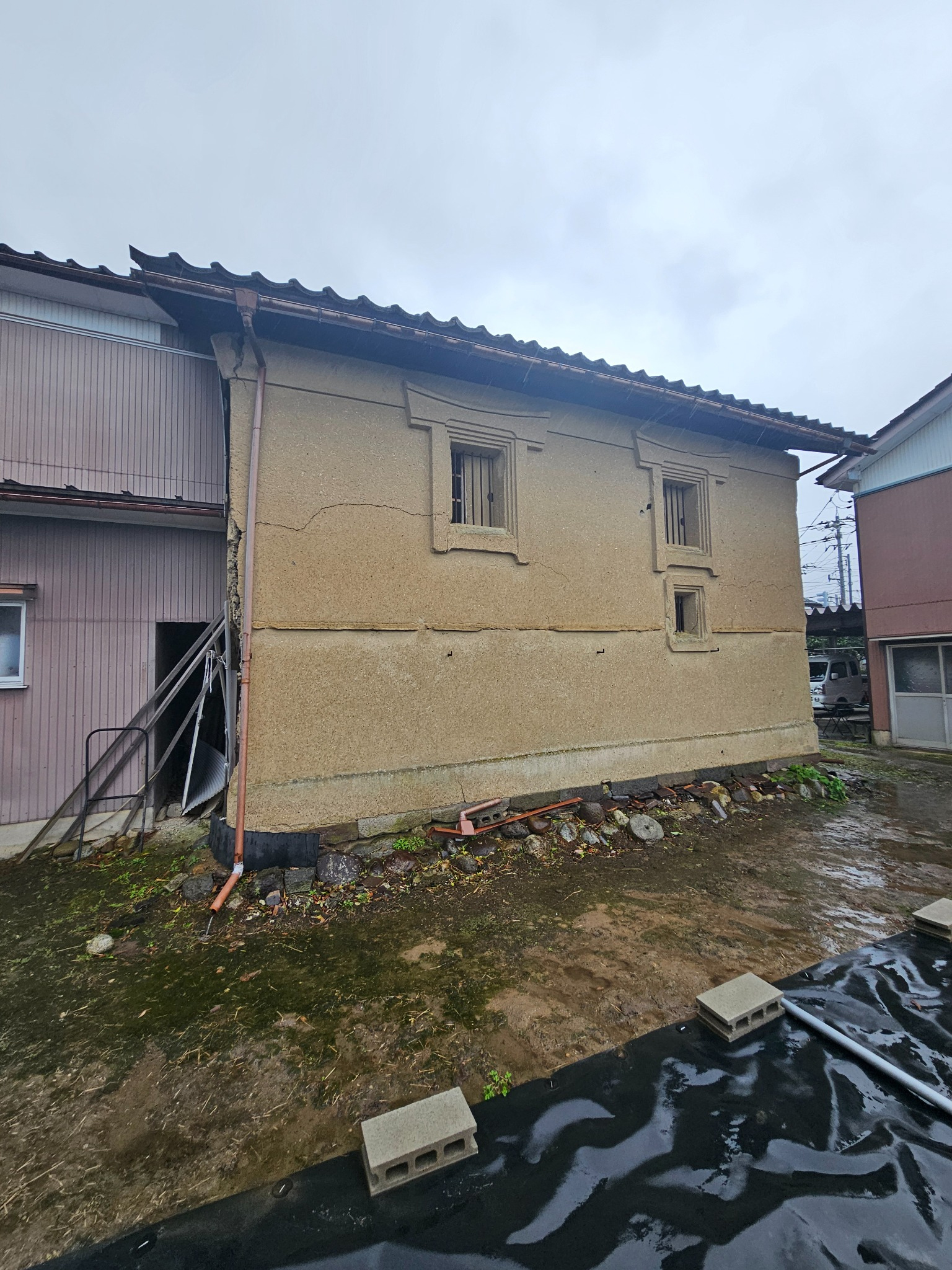
When great-grandfather Sakai built the kura, he was not building nostalgia. He was building against loss. Against dampness, weather, mice, fire, and forgetting. Years later, when the old family home in Hanasaki became emotionally difficult, the first visible problem was grass. But the deeper answer was older than the argument. The kura had been waiting.
Book One begins there, not because the grass did not matter, but because it mattered in the way visible triggers always matter: it was the surface on which deeper tension first made itself legible. The Prelude remained with that surface on purpose. It honored the house as it first appeared to the family in its most charged condition: empty, burdensome, morally unstable, and not yet fully understood. But the story cannot stay forever at the edge of the property. Eventually it has to move inward, and once it does, the hierarchy of meaning changes.
The old house in Hanasaki did not become easier simply because someone argued more persuasively, or because the family suddenly discovered the correct emotional stance toward it. What changed was deeper than agreement. Another part of the property began to speak. The kura, which had been standing there all along, entered the story not as decoration, not as quaint atmosphere, and not as a sentimental relic, but as evidence of older intention. It had been built for continuity. It had been built to resist ordinary ruin. It had been built so that materials, records, valuables, tools, gifts, and the physical grammar of a household could survive weather and time.
That practical origin matters. The kura is not romantic because it is old. It becomes moving because it was useful first. It belongs to a world that knew preservation as labor, as foresight, as architecture against the season. To understand the kura is therefore to begin understanding the house differently. The family’s modern problem did not arise in empty air. It arose around a structure that had once been built with clarity of purpose. That purpose had not disappeared simply because later generations no longer lived by the same rhythms.
A house is where life happens.
A kura is where a family tries not to lose its shape.
This is why great-grandfather Sakai must speak first in Book One. Not because ancestry is automatically wise, and not because old buildings deserve reverence simply for surviving, but because the present story needs an older frame. The family has already lived through the problem as burden, disagreement, distance, shame, fatigue, and care. What comes next requires another scale of time. The kura offers that scale. It reminds the living that this place was once built under a different logic—one grounded in storage, weather, order, and practical continuity rather than only in modern emotional exhaustion.
In that sense, Book One marks the turning point of Uchi. The first pages of the site lived in the condition of being acted upon by the house. The pages that follow begin the harder but more generous work of listening back. That does not mean conflict disappears. It does not mean the family suddenly agrees about everything. It means only that a second kind of truth begins to emerge: the old home is not just a problem to manage. It is a place that contains its own explanation, if the family can bear to look closely enough.
The chapters that begin here move in that direction. First comes the builder. Then the climate he was building against. Then the place itself: Hanasaki not as abstraction or burden, but as road, fields, station, shrine, weather, and belonging. Before the modern argument, there was a material world. Before the emotional strain, there was architecture. Before the feeling of burden, there was intention.
This does not diminish the pain of the present. It dignifies it. It says that the family’s struggle is not taking place over a meaningless object, nor over a random leftover structure whose only significance is inconvenience. The old home presses so hard because it still sits on foundations laid by purpose. The family feels the strain so strongly because the house is still, even now, asking to be understood in terms larger than neglect.
Tomoko’s path through this story will depend on that shift. So will everyone else’s. Peace does not begin when responsibility vanishes. It begins when burden is placed inside a form deep enough to hold it. The kura begins to provide that form.

What Book One Will Do
Book One is where Uchi stops being only a family problem and becomes a family history told from inside a building. Its movement is deliberate.
The ancestral voice
Great-grandfather Sakai speaks first because the present needs a deeper architecture of meaning than the argument alone can provide.
The kura as practical architecture
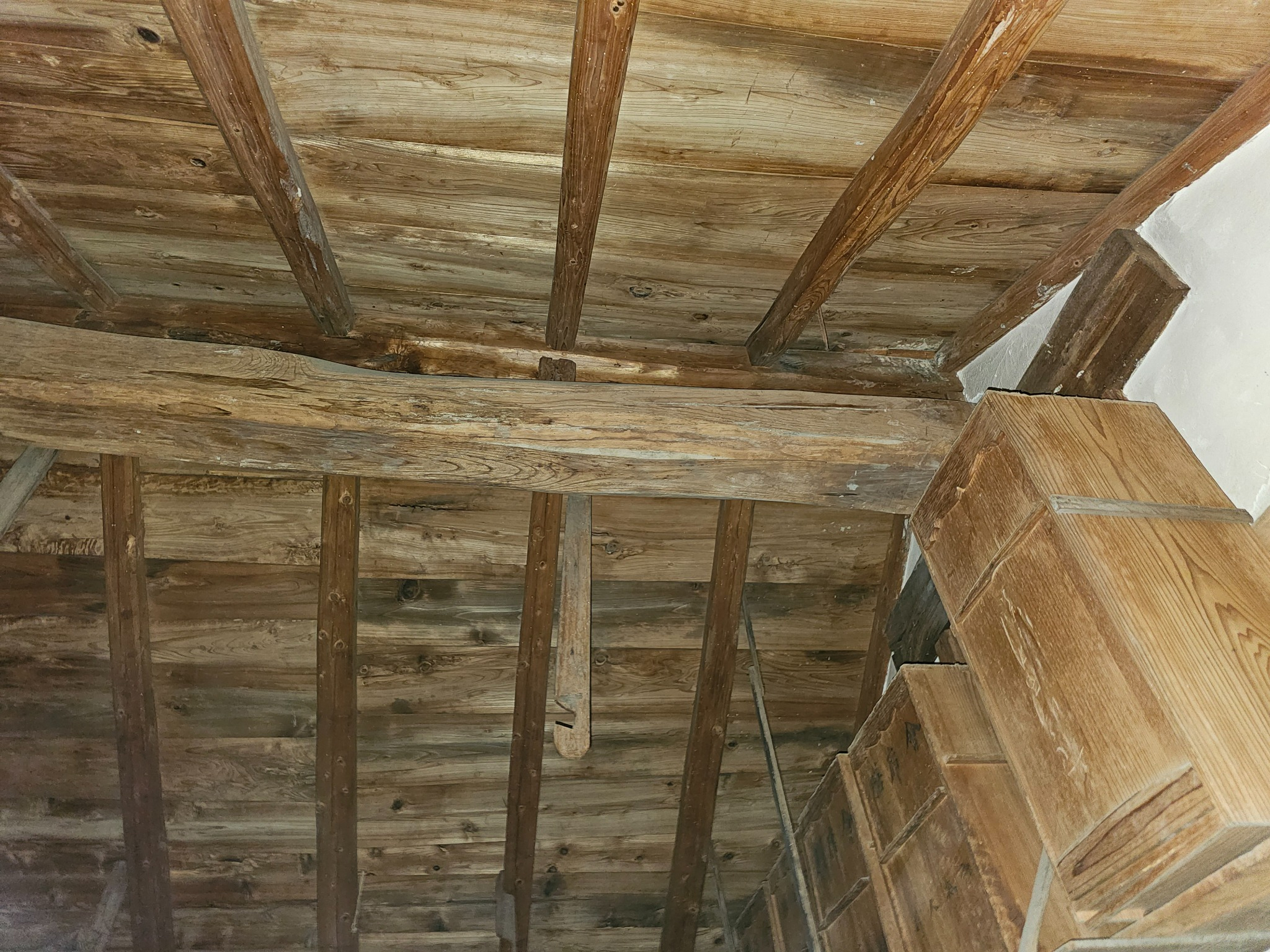
Thick walls, stored goods, weather resistance, and patience replace vague sentiment with material truth.
The shift from burden to meaning
The old home is no longer seen only from the road, through grass, delay, and visible strain. It begins to be understood through purpose, continuity, and what survived.
Place before property
Hanasaki returns as a lived environment of roads, fields, station, shrine, and mountain, not merely as an asset under dispute.
This is the deeper promise of Book One: not that everything will become easier, but that the story will become truer. The house will stop being only a source of pressure and begin to become readable as a structure shaped by intention, survival, and inherited patience.
The grass was visible.
The kura was older.
Book One begins where the older answer begins.