The Man Who Built the Kura
Great-grandfather Sakai speaks first. Before the argument, before the grass, before the family learned how much pressure an old house could hold, there was a man who built against weather, time, and forgetting.
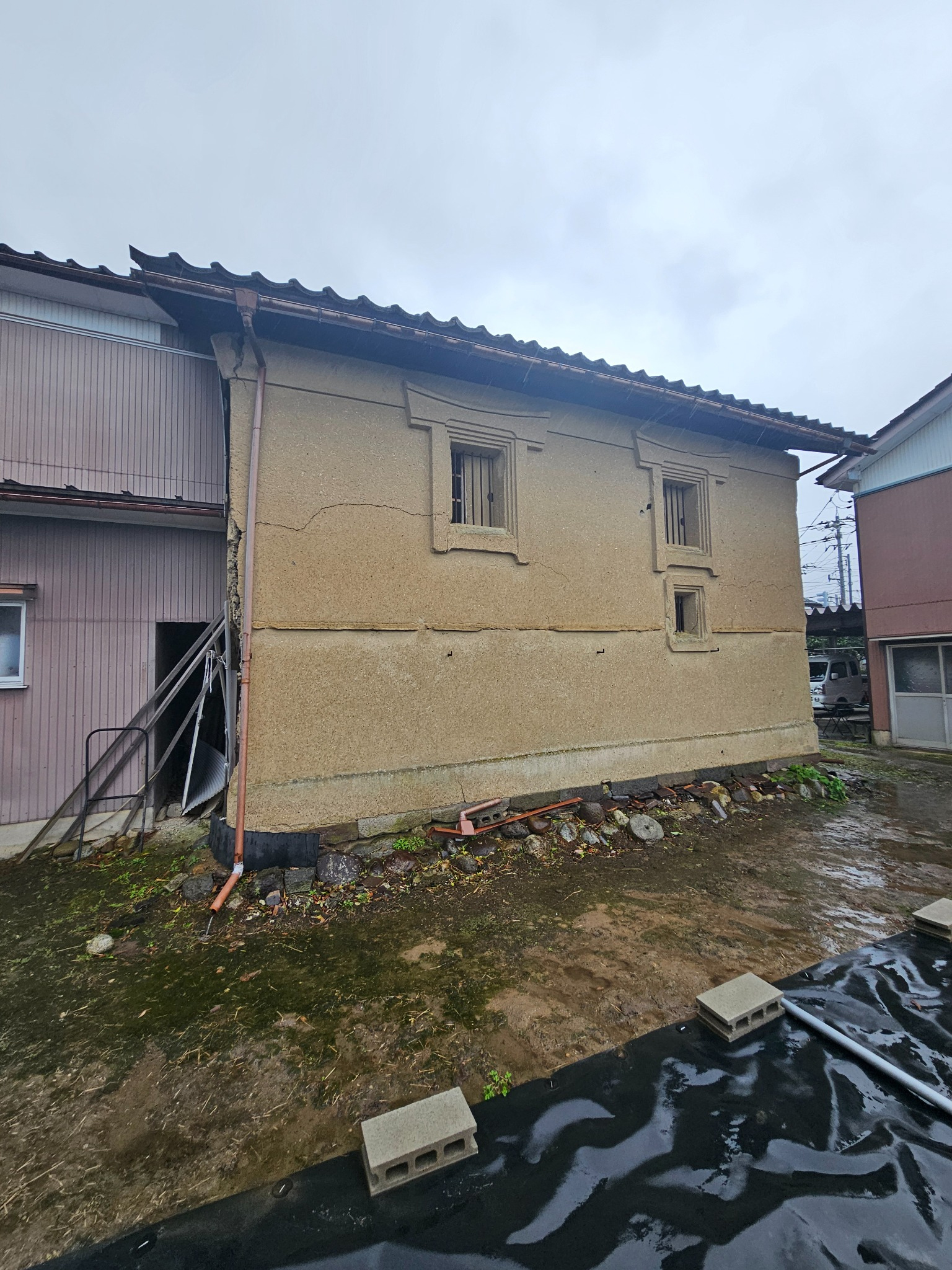
When great-grandfather Sakai built the kura, he was not building nostalgia. He was building against loss. Against dampness, weather, mice, fire, and forgetting. That is where this story must begin, because the present-day family could not understand what the old home in Hanasaki was asking of them until they understood that one part of the property had been made, from the beginning, not for daily comfort, but for endurance.
It is easy, from the distance of a later century, to romanticize a kura. Thick walls, old wood, iron hardware, plaster, storage, shadow—these things come to us already wrapped in atmosphere. We see them through the softening effect of survival. We call them beautiful because they lasted. But that is not the right order. They lasted because someone built them under harder rules than beauty alone. A kura begins as practicality. Its dignity arrives later.
Great-grandfather Sakai would have known that without needing to explain it in modern terms. He was not constructing a symbol for descendants who would one day photograph the place and build a website around its meaning. He was building a structure that could resist ordinary ruin. A family that keeps nothing does not remain a family in the same way. Grain, documents, cloth, tools, gift goods, seasonal implements, account books, vessels, religious objects, and the many useful things that overflow from daily life all require a second architecture. The house is where life unfolds. The kura is where that life is protected from the weather and from the more silent forms of loss.
A house receives the day.
A kura receives the years.
This distinction matters because the modern family story begins, at first, in confusion. The house in Hanasaki had become emotionally difficult. The visible problem was grass. The burden felt contemporary: upkeep, timing, embarrassment, fatigue, distance, whose turn, whose duty, whose interpretation. Everything seemed to belong to the disorder of the present. But the kura interrupts that reading. It says: before any of you argued about what this place has become, someone here knew exactly what one part of it was for.
That is why great-grandfather Sakai must speak first. He offers not sentiment, but proportion. He places the present strain inside an older design. He reminds the living that the family home is not merely a leftover problem from a previous generation. It is also the surviving edge of a deliberate world. The kura did not appear by accident. It was planned, financed, built, loaded, maintained, and used. It belonged to a rhythm in which foresight itself was a moral act.
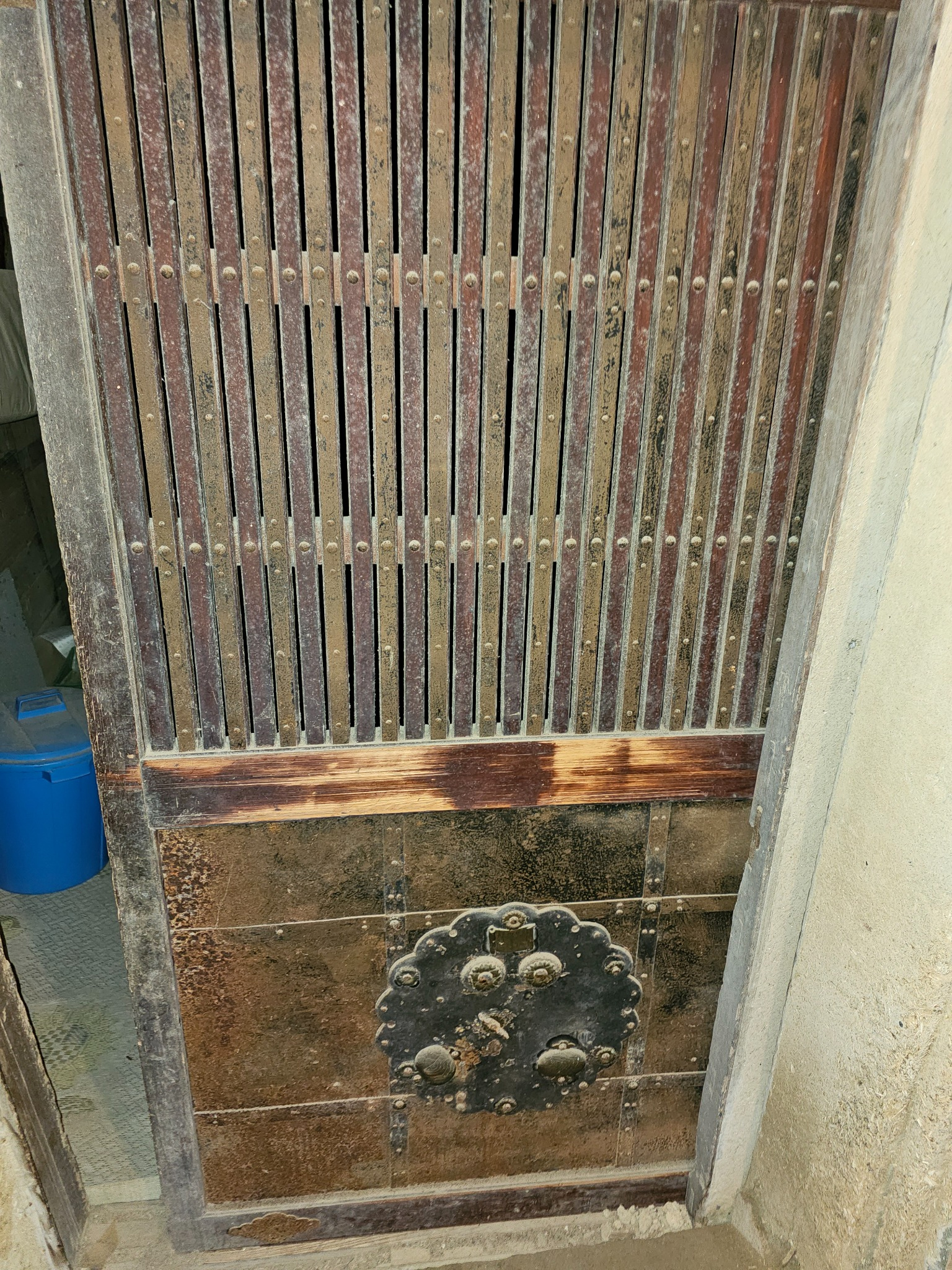
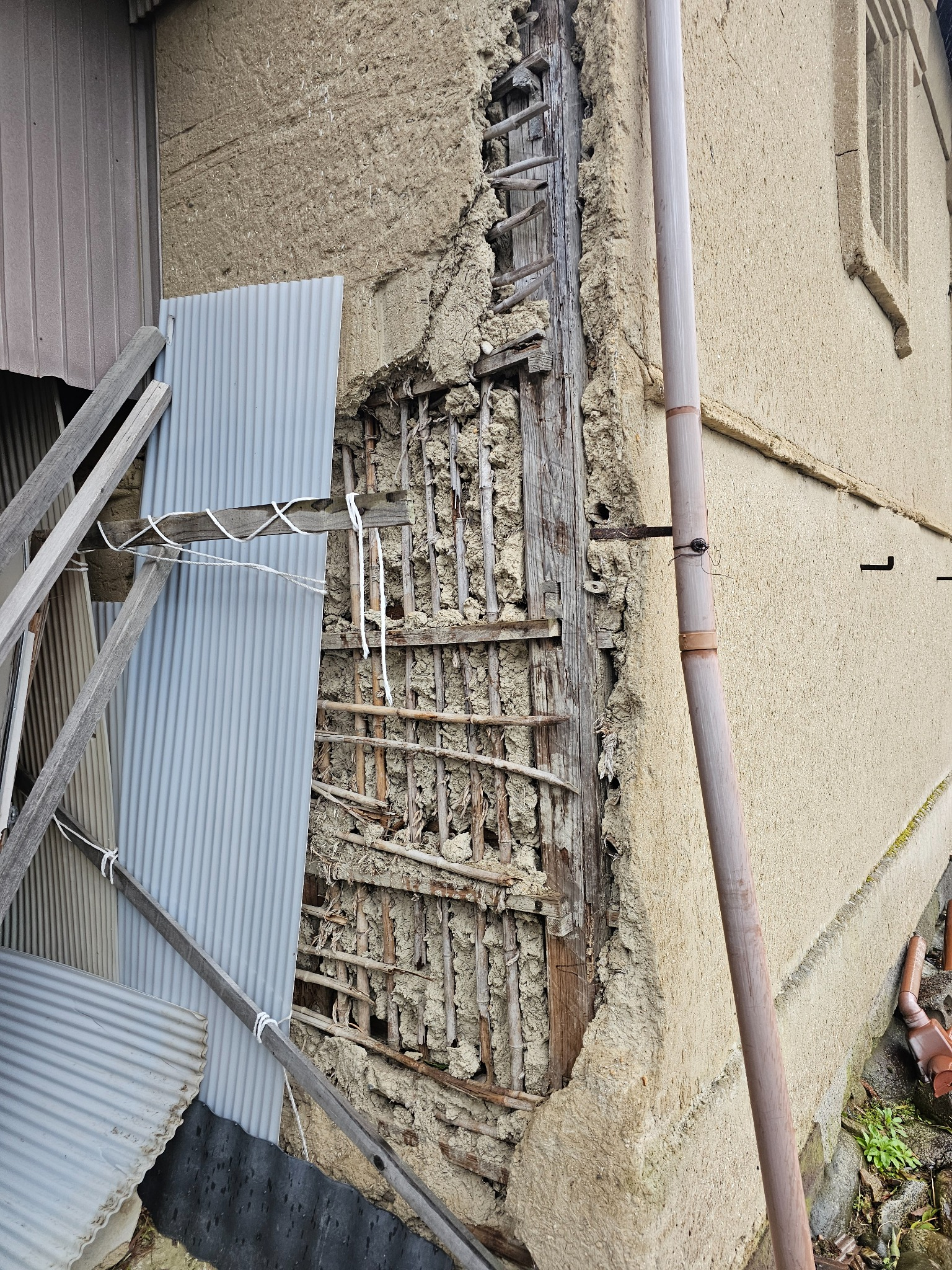
He Was Not Building for Sentiment
The modern mind often wants to start with feeling. What did the place mean? How was it remembered? Why does it matter now? Those are necessary questions, but they are not the first questions the builder asked. A man building a kura in Toyama was not beginning with memoir. He was beginning with climate, materials, storage, discipline, and responsibility.
To build for storage is not a lesser act than building for daily life. In some ways it is the more severe one. Storage means one is taking responsibility for things whose value may not be immediately visible every day. It means acknowledging that a household needs an afterlife for its useful and meaningful things. It means acting on behalf of a future not yet present. Great-grandfather Sakai, in this sense, was building for descendants he could not know. Not out of sentimental prophecy, but out of good sense. If a family intends to continue, it must make room not only for living, but for keeping.
The moral seriousness of the kura lies there. It is architecture against carelessness. It refuses the assumption that whatever is not needed this afternoon can be left exposed. It says instead that weather comes, seasons repeat, goods accumulate, records matter, tools remain useful, and meaning often survives in objects long after those objects have ceased to be part of daily routine. A kura is a refusal to let time have easy access to everything.
None of this guarantees wisdom in later generations. A well-built structure cannot save a family from fatigue, argument, distance, or different moral priorities. But it can preserve evidence of another order. That is what the kura in Hanasaki eventually begins to do. It stands there as proof that the house was once understood through intention rather than only through burden.
The Builder’s Scale of Time
One of the great differences between the builder and the inheritor is the scale of time in which they are forced to think. The builder thinks forward because construction itself is an act against immediate waste. One does not put up thick walls, hang a door with iron, shape beams, and make enclosed depth simply for the next season. One builds because one expects duration. One is already imagining repeated winters, repeated humidity, repeated moments of needing to retrieve or store something safely.
The inheritor often meets the same structure under entirely different emotional conditions. Instead of thinking forward through construction, the inheritor thinks backward through residue. Why is this here? Why was it kept? Why has it become difficult? Why does it weigh on us now? The structure is the same. The emotional direction is reversed. This reversal is part of what makes inheritance so disorienting.
Great-grandfather Sakai, however, anchors the story before that reversal. He restores the forward-looking logic of the building. He reminds us that the kura was once a clear answer to clear problems: how to keep, how to protect, how to preserve. The family, generations later, encounters the same building in a moment when clarity has been replaced by layered feeling. That contrast gives Book One its force. The modern family’s ambiguity is placed beside an older man’s certainty of purpose.
This is not to idealize him too much. Every generation has its blind spots. But in the matter of the kura, his purpose was sound. He built something with enough patience to outlive explanation. That is why the present can return to it and still receive instruction.
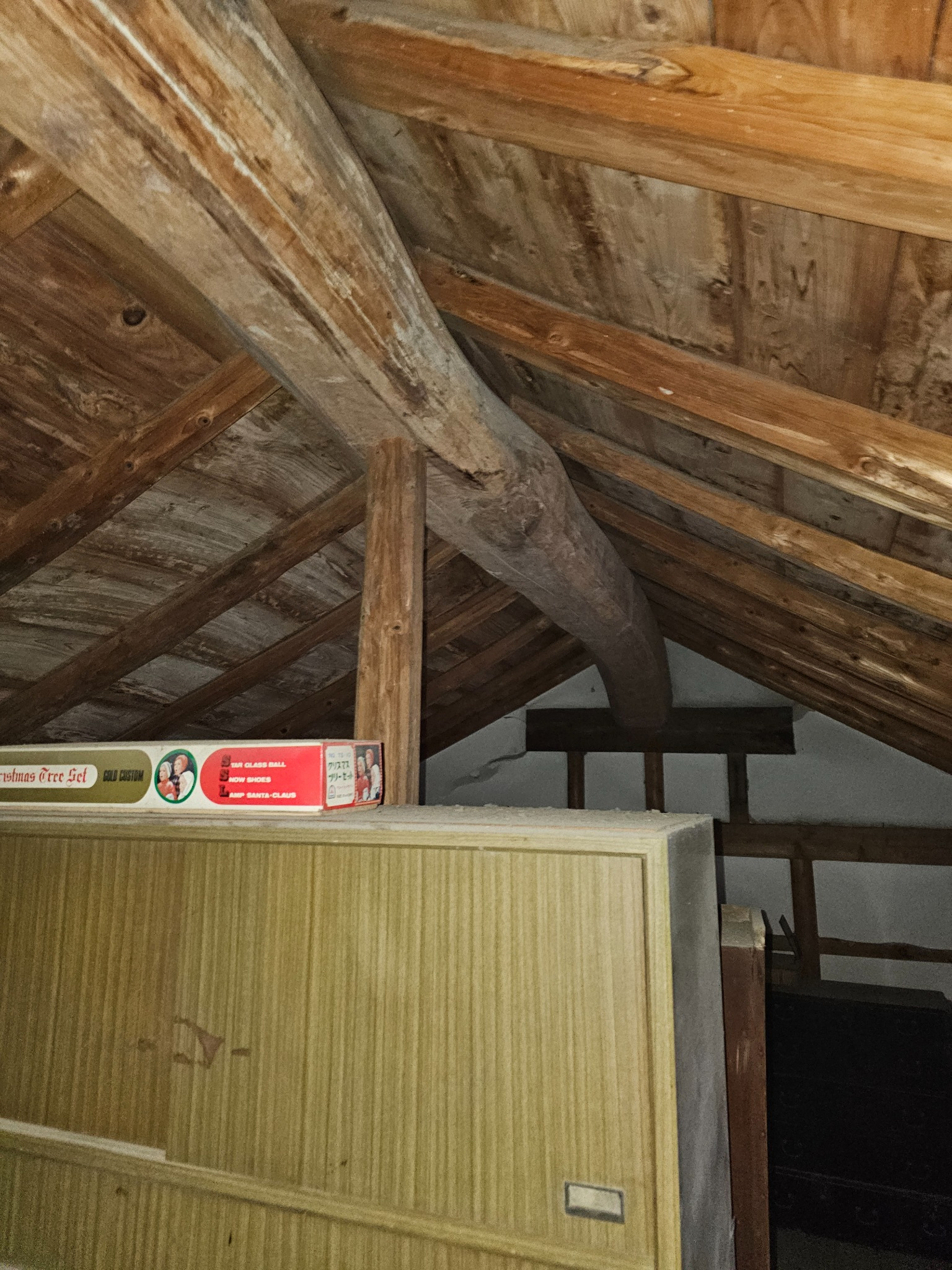
Authority Without Harshness
There is a temptation, when invoking an ancestor, to make him too grand or too spectral. That would weaken the story. Great-grandfather Sakai should not enter as a ghostly judge. He enters more powerfully as a practical mind. His authority comes from having known what had to be built and why. He was not trying to win an argument that would take place long after him. He was trying to make a household durable.
That practical authority has a calming effect on the book. It does not solve the family’s modern strain by magic, but it changes the scale of attention. Once the reader understands that the kura exists because someone once took continuity seriously enough to build for it, the present-day difficulty no longer feels like random chaos. It feels like a later chapter in a much longer sentence.
This is the beginning of the shift from burden to meaning. Meaning does not remove burden. It deepens it, clarifies it, and sometimes makes it more bearable. To know that the kura was built against weather, mice, fire, dampness, and forgetting is to see the family’s present struggle differently. The old house is not merely asking for maintenance. It is asking the living whether they can still recognize what the dead built for.
That question is not light. But it is cleaner than the argument over grass. It points farther back. And because it points farther back, it allows the present to stand in a more honorable frame.
The Kura Begins to Answer
In the Prelude, the house was mostly acting on the family from outside. The road, the grass, the visible frontage, the empty rooms, the divided viewpoints—these shaped the emotional weather. But the builder’s voice opens another movement. Now the property begins to answer from within itself. Not through sentiment first, but through form.
The kura says: I was made to keep. I was made because the world damages what is left out. I was made because a family needed something more disciplined than memory alone. I was made so that the useful, the beautiful, the ceremonial, the record-bearing, and the future-facing parts of a household might have a structure equal to their vulnerability.
This is why the chapters that follow must move through climate and place before they move fully into the objects. First the reader must understand the material world that made the kura sensible. Then Hanasaki must be restored as a lived geography rather than a burdened property. Only then can the interior discoveries arrive with proper weight.
Great-grandfather Sakai has done what he needed to do here. He has re-established intention. He has reminded the living that the old home in Hanasaki is not only the site of modern strain, but the residue of older intelligence. He has placed the family inside a continuity they did not create but now have to face.
The next chapter descends into the practical world the builder knew best: snow, damp, fire, and mice. The emotional force of the house will not be reduced there. It will be grounded. Before the kura became symbolic, it was necessary. Before it became moving, it was useful. The story must keep faith with that order.
He was not building nostalgia.
He was building against loss.