Hanasaki as a Place
Before the old home became an argument, before it became archive, before it became a website, it belonged to a place. Road, fields, station, shrine, neighborhood, mountain, weather, and the repeating rhythm of return gave the house its first meaning.
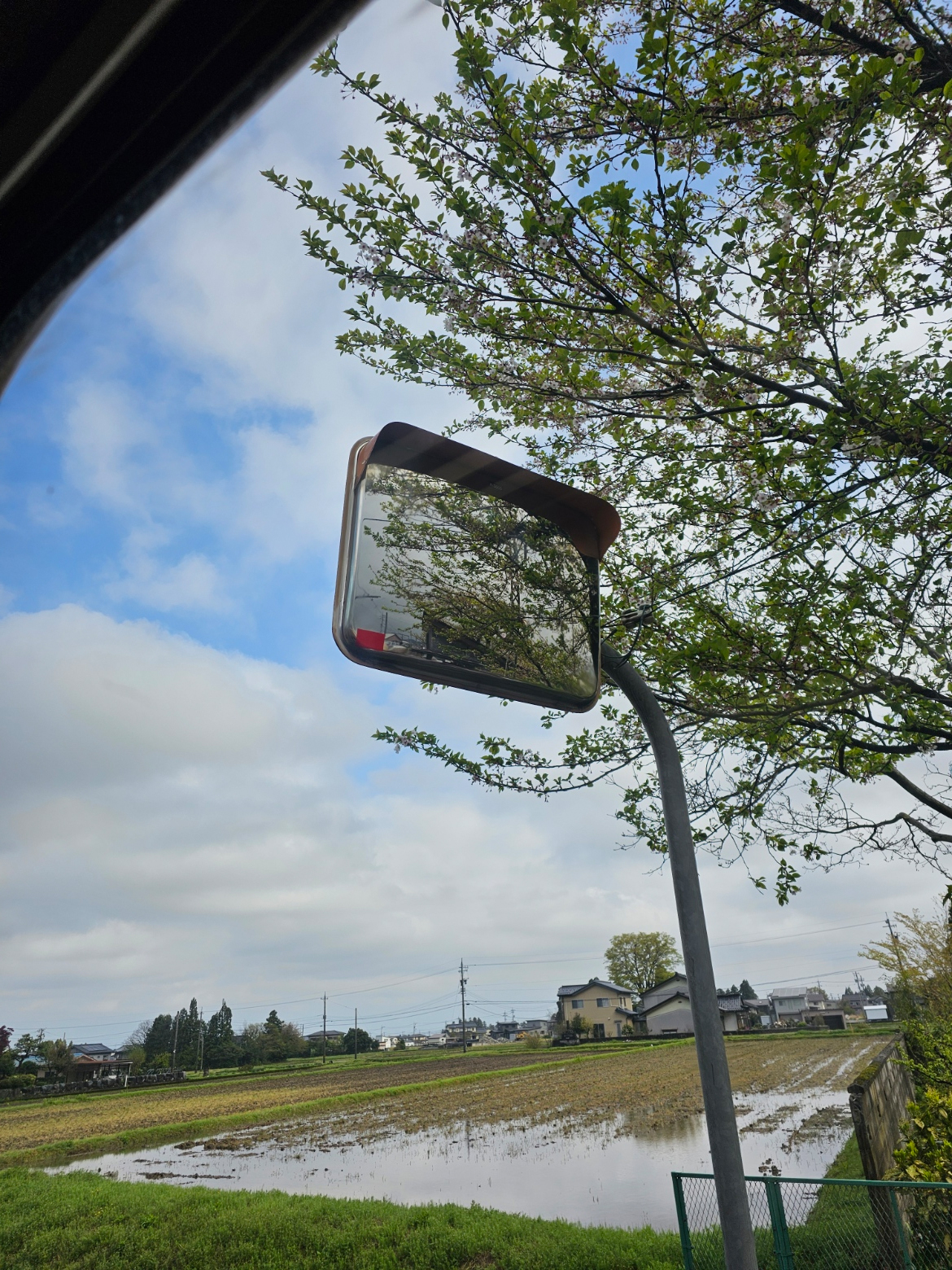
A house can become distorted when it is discussed only as burden. It can also become distorted when it is discussed only as memory. Before either of those things, a house belongs to a place. This is not a minor correction. It is one of the essential ones. The old family home in Hanasaki cannot be understood honestly if it is reduced too quickly to inherited tension, maintenance difficulty, or the emotional weather of the present generation. Before the family argued around it, before the website gave it a new language, before the kura emerged as the older answer, the house stood inside a lived geography. It belonged to roads, fields, station signs, shrines, neighborhood lines, mountain weather, and local repetition.
That belonging matters because place is the first structure of feeling. A house does not begin as concept. It begins as approach. The road curves. The mirror catches the angle of an oncoming car. The fields open. Utility lines pass overhead. The station stands at a scale too small for grand language but large enough to hold a childhood. The shrine keeps the older village grammar nearby. Snow remains visible on the mountains long enough to remind everyone that climate is not scenery here. The neighborhood exists in measured relation, neither urban anonymity nor isolated myth. Hanasaki gives the house its body before the family gives it interpretation.
This is why place must come before property. Property is a later category. It is useful for law, inheritance, tax, sale, burden, and dispute. But no one grows up first inside property. They grow up inside places. A family house may later be treated as an asset, a liability, a responsibility, or a problem, but that treatment comes after the house has already entered the body through roads walked, seasons watched, stations used, gates passed, and local names learned without explanation.
Before a house becomes difficult, it has usually already become local.
That locality does not disappear just because the family’s relationship to the house grows unstable.
Hanasaki must therefore be restored here not as background decoration, but as the ground of the entire story. Without Hanasaki, the old home becomes too abstract. It floats. It risks becoming either pure burden or pure nostalgia. Place corrects both exaggerations. It reminds us that the house was not dropped from heaven into family psychology. It stood in a village pattern, and the meaning it later acquired in the family still rests on that older arrangement.
The Road
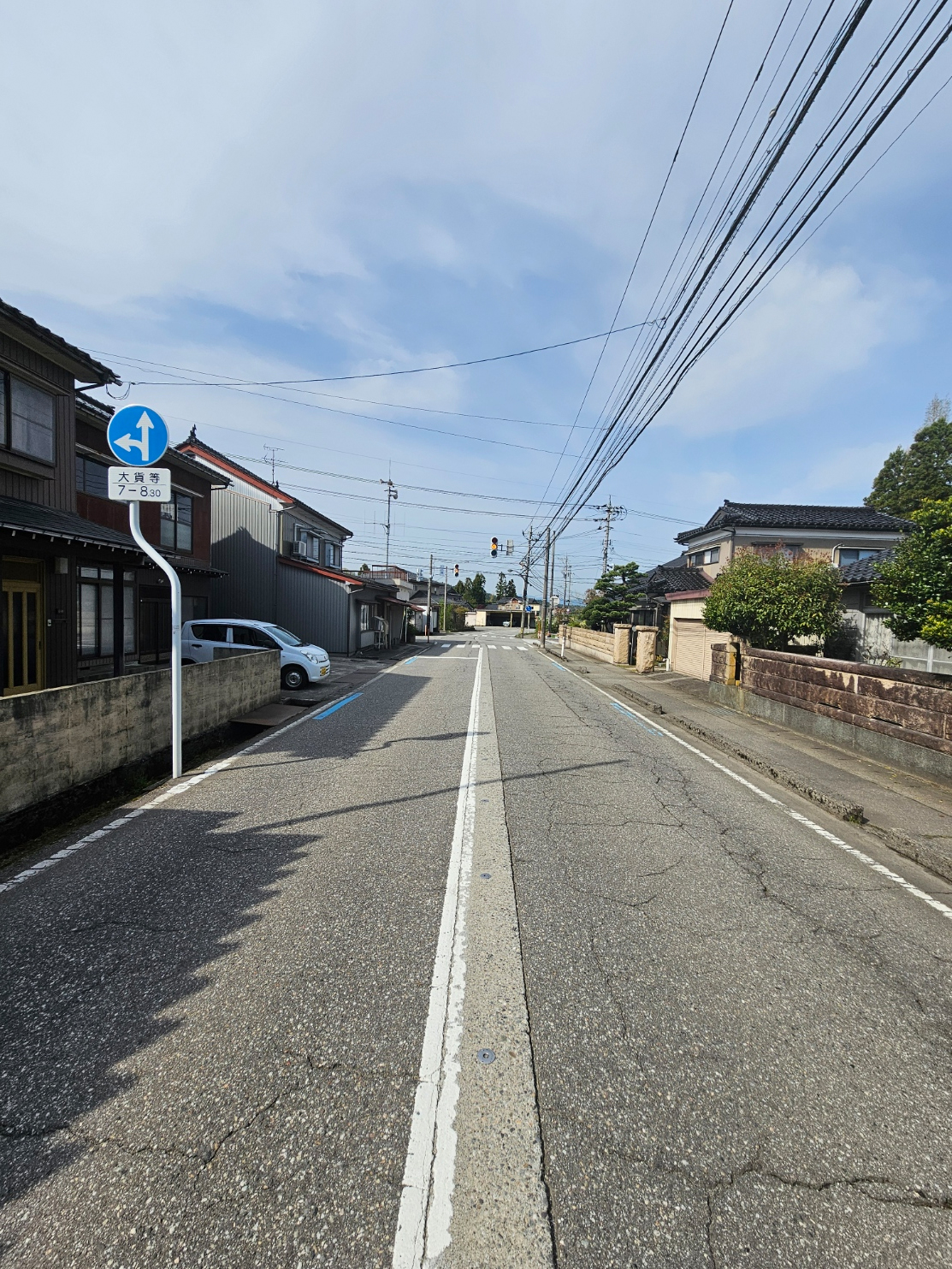
Every old house has a road in front of it, but not every road becomes part of the story in the same way. In Hanasaki, the road carries several truths at once. It is approach. It is visibility. It is the line along which neighbors, passersby, and family members first read the condition of the house. It is also the route of return. A family home that has become difficult is still entered through a road. The body remembers approach before it remembers theory.
This is one reason the roadside mirror matters so much. The mirror belongs to village practicality: narrow road, limited sightline, the need to know who is coming around the bend. Yet in the context of Uchi it also becomes a metaphor of placement. The old home is not solitary. It exists in relation. To approach it is always to approach it among others, within a shared local fabric where visibility and proximity shape feeling.
The road therefore carries the double weight of belonging and exposure. It leads the family home back into reach, but it also reminds the family that the house has a public face. This is one reason the emotional weather around it became so charged in the Prelude. A place seen from the road is never entirely private, even when its deeper meanings remain hidden.
The Fields
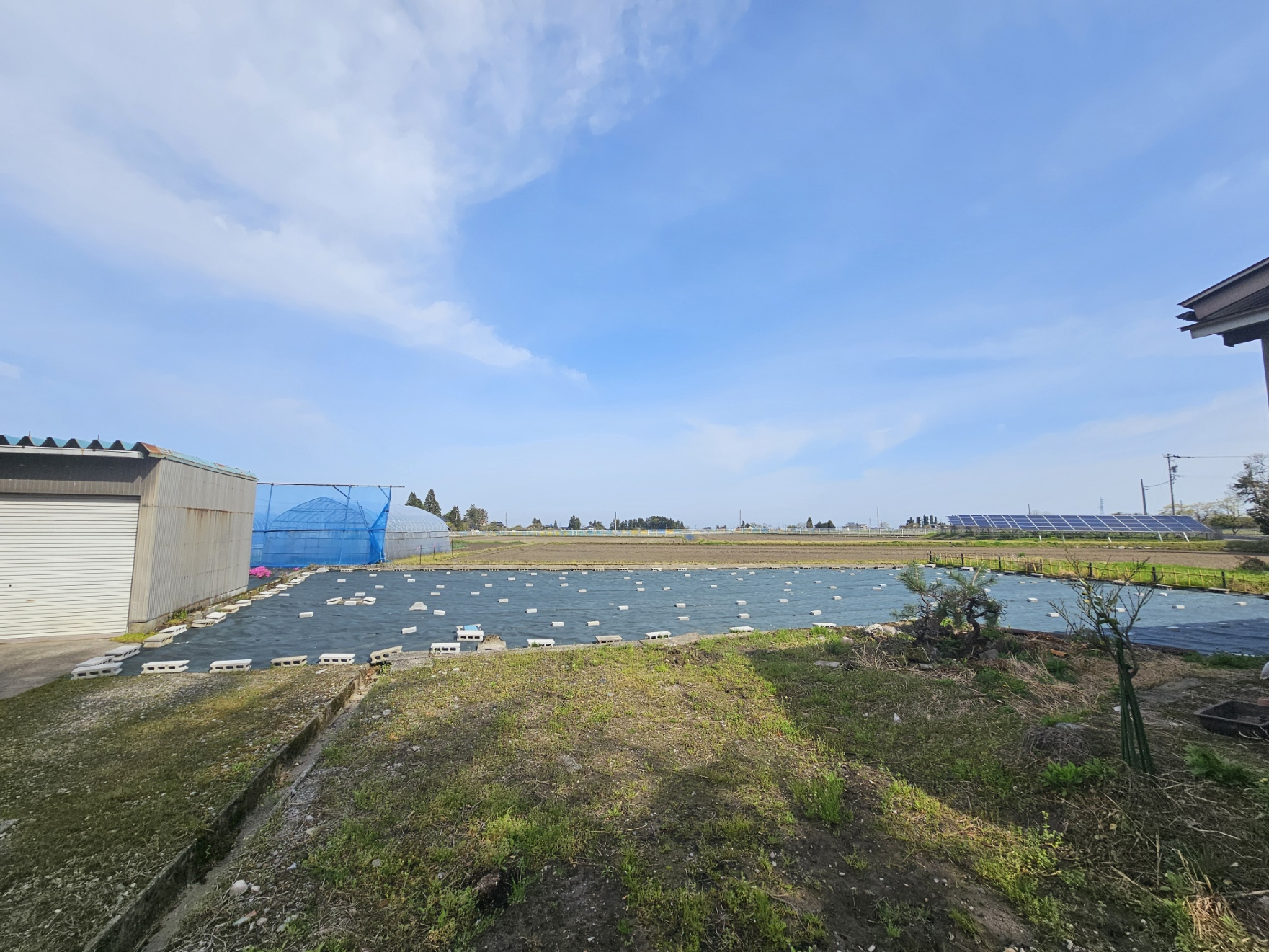
Behind the house, beside the house, and around the roads, the fields restore proportion. Open land has a way of making inheritance feel both larger and more ordinary. Larger, because it places the family house inside a continuity older than individual moods. More ordinary, because land and weather insist on rhythm rather than drama. Fields do not argue. They receive season after season, whether the family has clarified itself or not.
That indifference is not cold. It is calming. It reminds the story that not all reality is psychological. The old home in Hanasaki was not standing in a sealed chamber of family emotion. It was standing beside rice land, open ground, and a horizon that answered first to light, water, planting, harvest, snow, and thaw. The family could become very entangled around the house, but the place itself remained older and steadier than the entanglement.
This is part of why Hanasaki matters so much to the larger Uchi project. It offers not just a property, but a landscape of correction. When feeling becomes too intense, the fields restore duration. They do not solve burden. They place it.
The Station
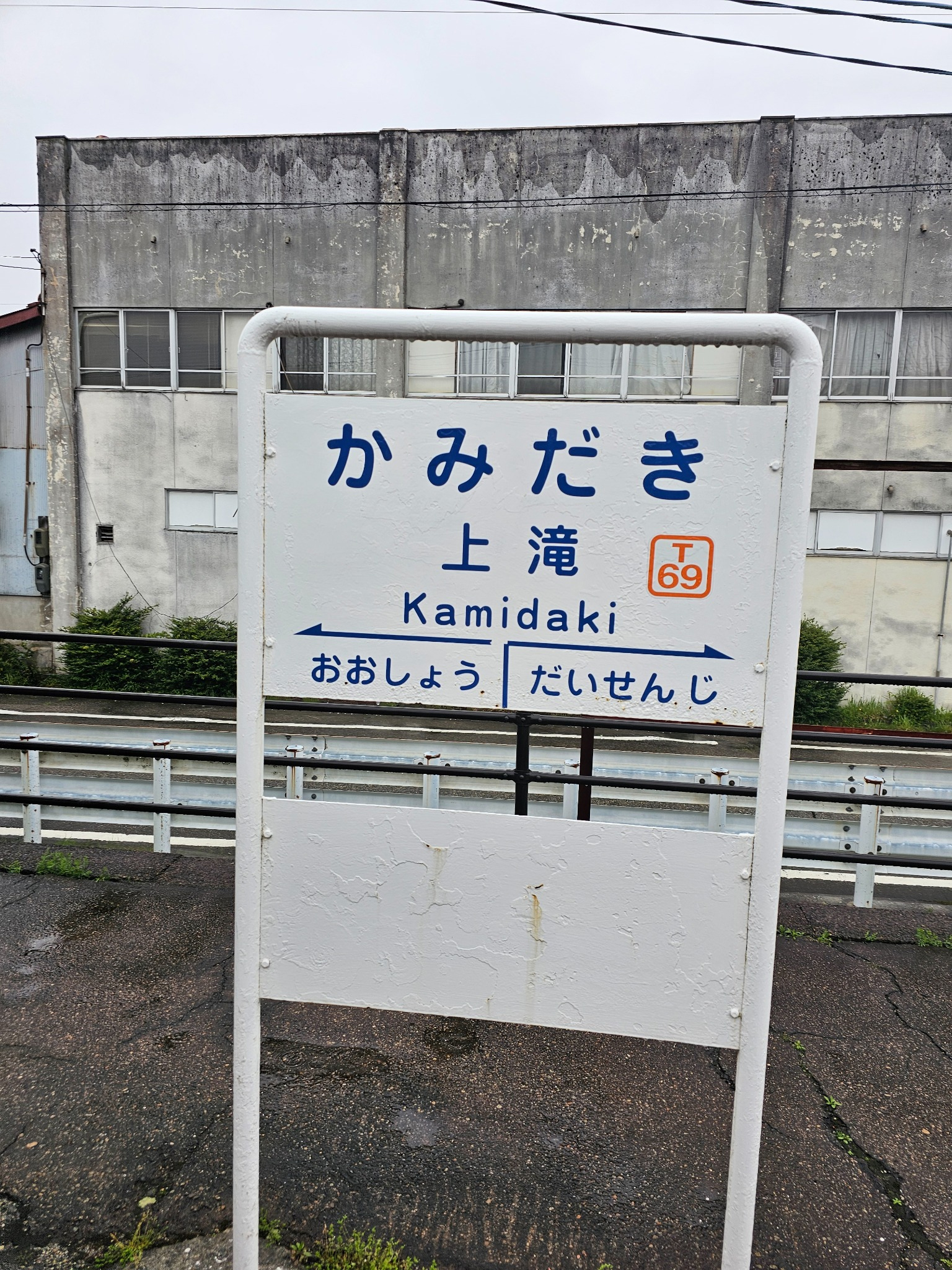
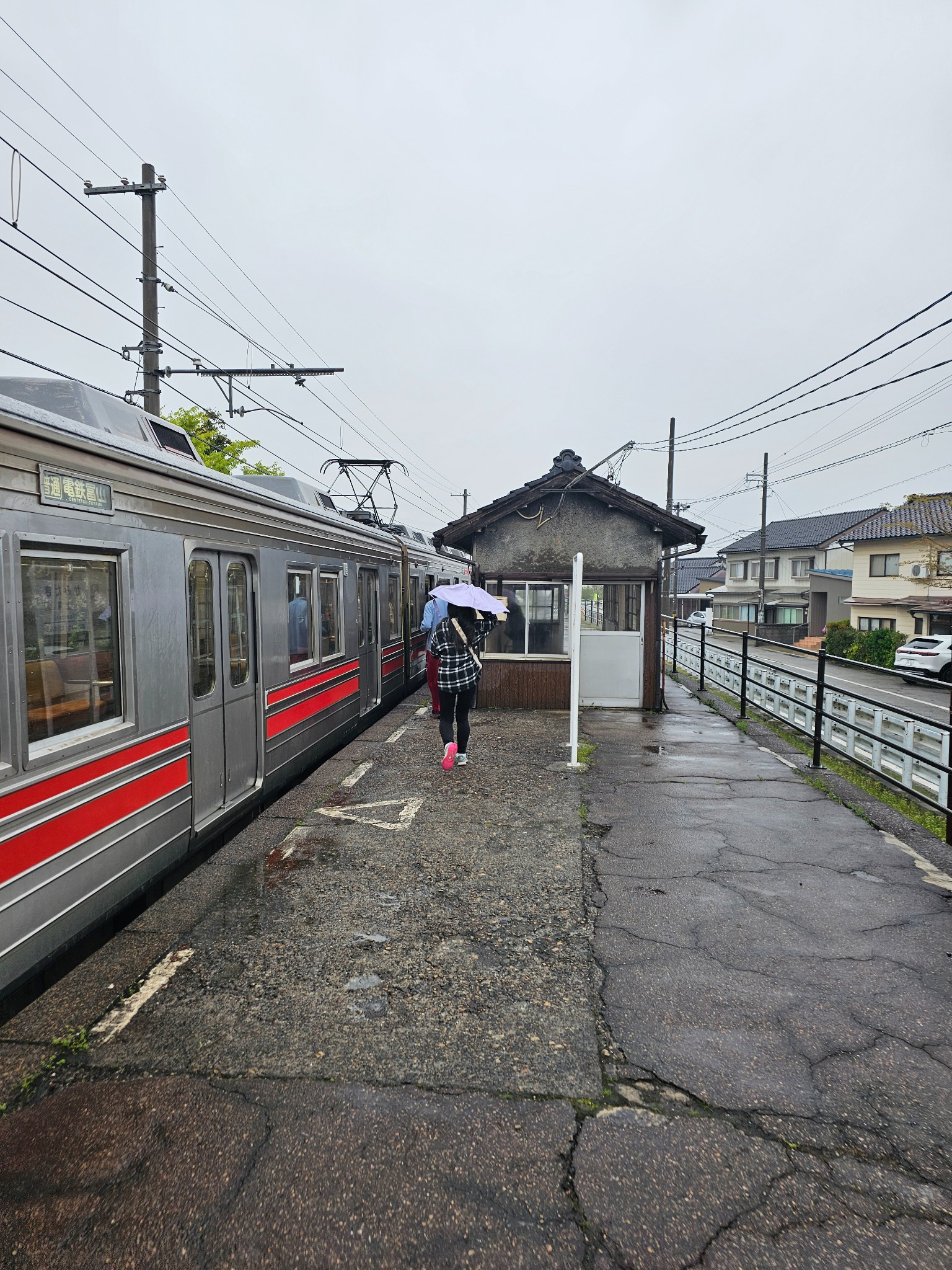
Small stations matter more than large ones in stories like this. Grand terminals belong to movement in the abstract. A local station belongs to a person’s own map of life. Kamidaki Station is not important because it is architecturally grand or nationally famous. It matters because it gives local life a repeatable point of passage. It is the sort of place through which schooldays once flowed, through which visits are still measured, and through which return becomes physical rather than conceptual.
In a chapter book about a family home, the station becomes almost part of the house’s extended body. It is not inside the property line, but it belongs to the same emotional territory. The old home is tied to how one came and went, how one learned distance, how one measured absence, and how one re-entered local time. A station can therefore hold a strange tenderness. It is infrastructure touched by private repetition until it becomes intimate.
That tenderness matters for Tomoko’s story as well. The station is part of the route by which burden becomes return and return becomes witness. In later chapters, this will matter more. For now, it is enough to say that Hanasaki is not just a static point on a map. It is reached through a rhythm, and the station belongs to that rhythm.
The Shrine
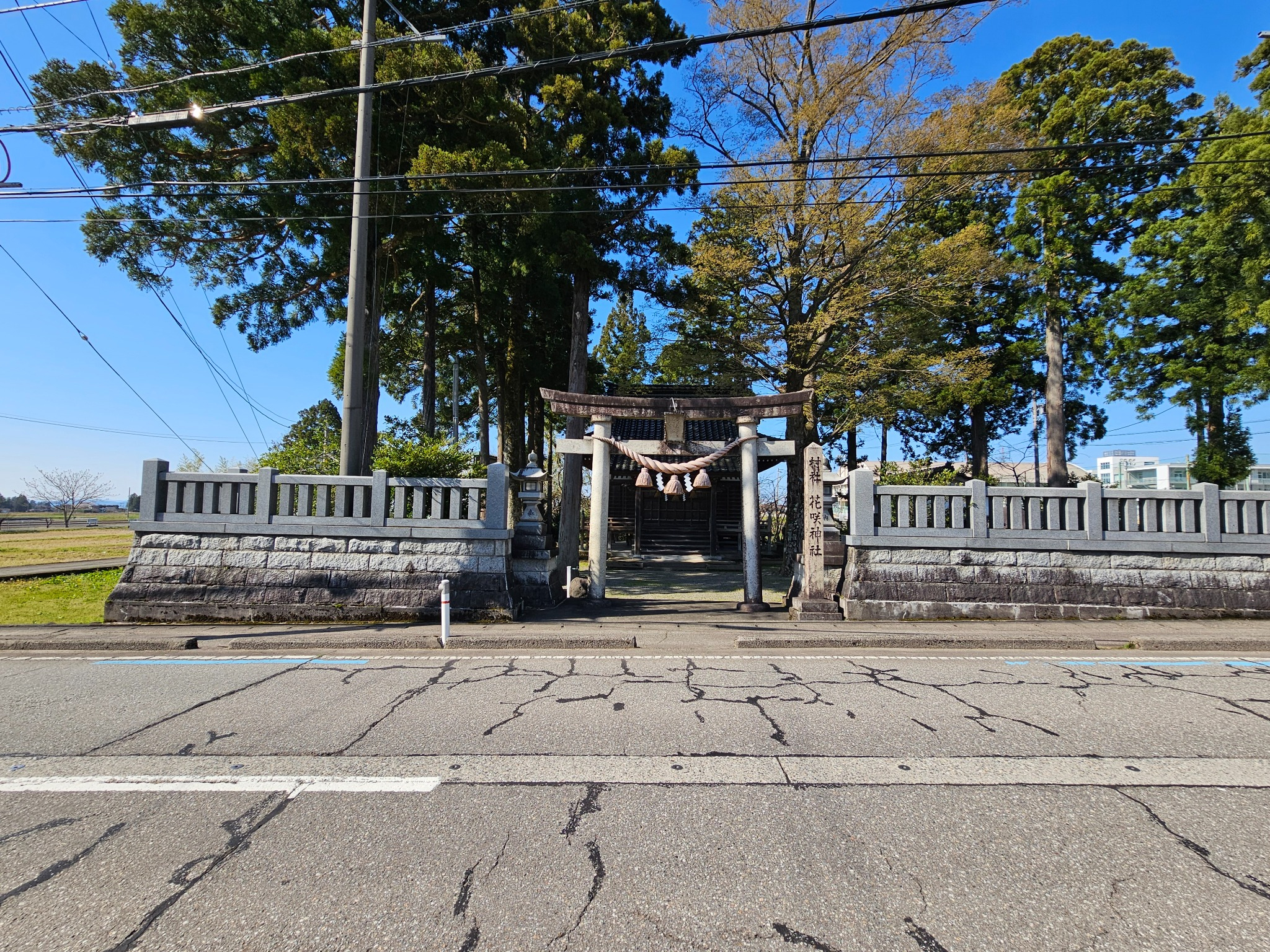
Shrines do not merely decorate place. They stabilize it. A local shrine gathers memory without needing to narrate every detail of that memory out loud. Stone markers, gates, paths, old surfaces, inscriptions weathered into partial unreadability—these things create a layer of time broader than any one household. The shrine near Hanasaki matters because it keeps the old home inside a larger frame of continuity. The family did not invent significance there from nothing. The place was already standing among older signs of return, reverence, seasonal repetition, and communal endurance.
This is one reason the family grave and shrine sit so close to the emotional architecture of the site. They remind the living that the old home is not merely a leftover private headache. It remains entangled with older forms of local time. The house stands among markers that do not ask whether the current generation feels ready. They simply continue. That continuity can feel heavy, but it can also feel clarifying. It tells the family that the house’s difficulty is taking place on ground already deepened by memory.
Hanasaki therefore holds the house in more than landscape. It holds it in ritual geography.
The Mountain
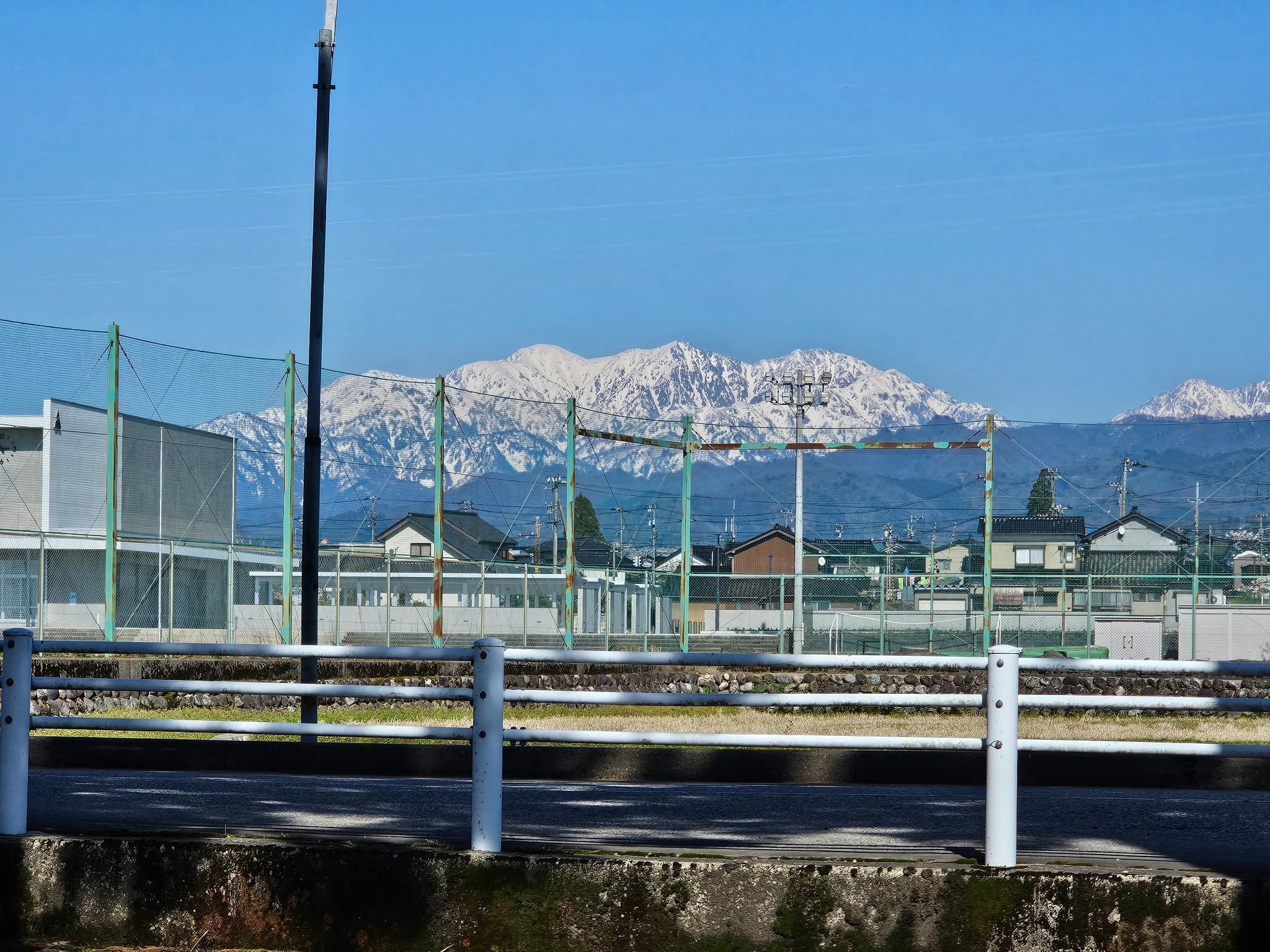
Mountains are too large to belong only to memory, and yet memory clings to them anyway. Above Hanasaki, the snow line and mountain forms give the entire area its outer scale. The house may be the center of the family’s emotional problem, but it is not the largest thing in view. This matters. It prevents the house from becoming a total universe. The mountain restores perspective without erasing intimacy.
Snow on the distant ridge is not only scenic confirmation of rural Japan. It is also a reminder of why the builder thought as he did. Climate is not elsewhere. It is visible above the place. The mountain and the kura therefore belong to the same sentence, even if they stand at different scales. One teaches the reality of the region. The other answers it in architecture.
The family, returning later under conditions of inheritance strain, sees the mountain with another kind of eye. It may carry beauty, certainly. But it also carries the older pressure of place. The house was never just a private box dropped into open air. It was part of a climate system, a village pattern, a geography of approach, a region that still wrote its facts in snow.
Neighborhood
Neighborhood is the least dramatic and perhaps the most important layer of all. Hanasaki is not wilderness. Nor is it anonymous sprawl. The old home exists in relation to nearby homes, roads, visible edges, gardens, local expectations, and the quiet knowledge that people notice. This gives the house its social scale. It is one reason the mother’s concern for dignity never felt trivial. The house was not hidden from the world. It remained situated among others, and the line between private fatigue and public appearance could never be drawn entirely cleanly.
Neighborhood also complicates nostalgia in a useful way. A family house is never only the family’s fantasy about itself. It is part of a lived civic surface. The old home in Hanasaki had to be seen as the village saw it, not just as the family remembered it from inside. This is one reason the Prelude had to begin from the road and from visible condition. But now, in Book One, neighborhood becomes something gentler too. It gives the house context. It says: this structure belongs to an order of roads, gardens, field edges, mirrors, stations, and homes that still define how it is reached.
Place makes the house harder to simplify. That is its gift.
Belonging Before Meaning
The purpose of this chapter has been simple: to restore belonging before interpretation grows too thick. Hanasaki is not just where the family’s burden happened to land. It is where the house became itself in the first place. Only after that can the later burdens, beauties, discoveries, and reconciliations be told honestly.
Great-grandfather Sakai built against snow, damp, fire, and mice. But he also built here. The location was not an incidental container. It was part of the logic. Roads, fields, station, shrine, neighborhood, and mountain were never outside the house’s meaning. They were its first frame.
And because place comes first, the modern family’s experience of the house is never only psychological. It is grounded. That grounding will matter more and more as the story moves inward. The old home cannot yet be solved, but it can now begin to be read with greater honesty. The house is not merely an emotional problem left behind by history. It is a place that continued to hold the family, even after the family stopped knowing how to hold it easily in return.
The next chapter begins the second movement of Book One. The place has now been restored. The house can now return as a house again: not just as land, not just as village geography, but as a structure standing after its daily use has thinned out. The next question is no longer where the house belongs. The next question is what becomes of a house when people leave it and yet cannot entirely leave it behind.
The house cannot yet become property.
It must first become place.