When People Leave, the House Does Not
People move through time. They leave for work, for marriage, for school, for another coast, for a life that slowly acquires its own schedules and furniture. The house remains where it was. That difference is the beginning of its afterlife.
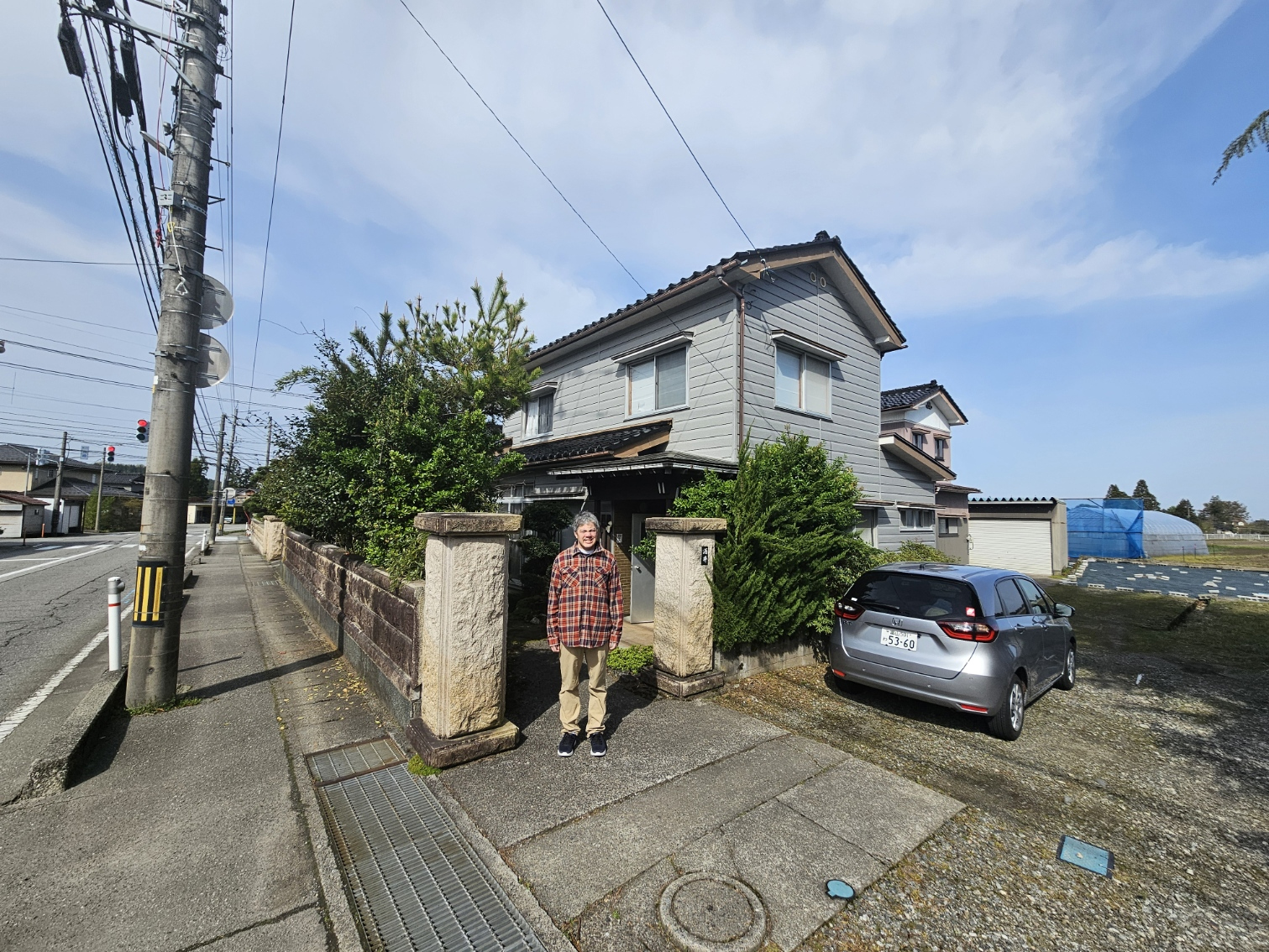
The trouble begins when a family assumes departure is symmetrical. A person leaves, and therefore the house must somehow also recede. A person builds another life, and therefore the old place should become lighter, smaller, less morally active. But that is not how family houses behave. People move away in time. Houses remain in place. The mismatch is quiet at first. Then it begins rearranging everything.
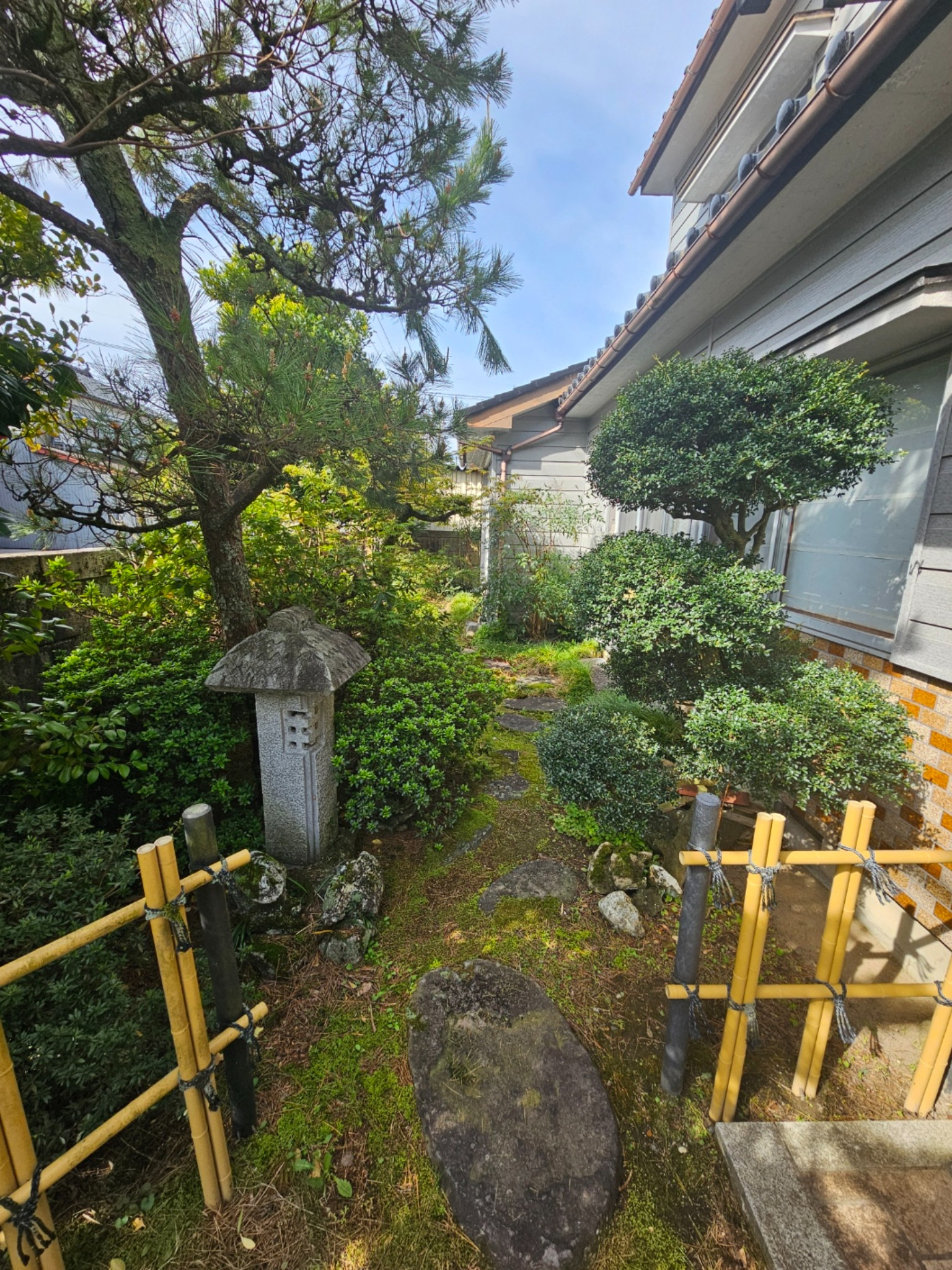
The old house in Hanasaki did not follow anyone into the cities where they worked, the apartments where they raised children, the calendars where new obligations multiplied. It did not adapt itself politely to modern distance. It stayed where it had always been: by the road, near the fields, under the same weather, within sight of the same local world. Because it stayed, it began to gather another kind of power. It ceased to be only a site of former daily life and became something more difficult: a fixed point against which change in everyone else could be measured.
This is the afterlife of a family house. Not death. Not continuation in the warm sense either. Afterlife is what happens when the routines that once kept a place ordinary withdraw, but the place itself does not. The dishes stop moving. The doors stop opening automatically. No one sleeps there by habit. No meal is expected at the same hour every day. Yet the house keeps receiving weather, dust, light, delay, and judgment. It goes on collecting time whether anyone is present to witness the collection or not.
People leave in sequence.
The house stays all at once.
That is why leaving never solved the house. It only changed the terms under which the house continued working on the family. A lived-in home can hide inside routine. An unlived-in one cannot. Once daily use thins out, the place begins standing there too plainly. It becomes visible as structure, as frontage, as moral question. It becomes the thing that remains while everyone else must explain why they are no longer there.
From Use to Afterlife
A house in use is protected by repetition. The ordinary day keeps its meanings small enough to bear. A room is just where someone sleeps. A threshold is crossed without ceremony. A shelf is where objects happen to be kept. The garden is noticed, but not over-read. The genkan is only the place where shoes come off and voices enter. Use lowers the emotional temperature of a structure. It lets affection and strain both remain partially hidden inside habit.
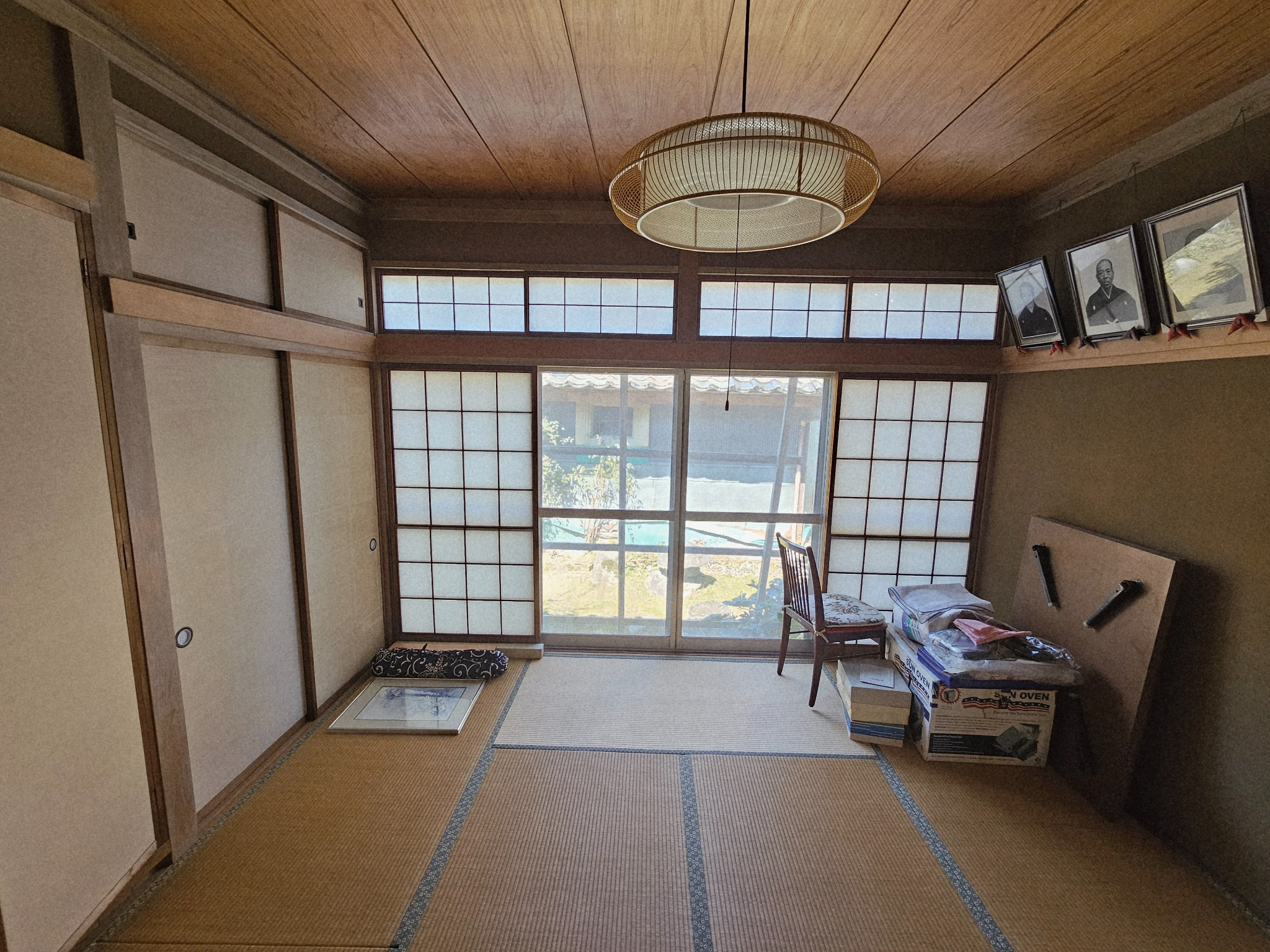
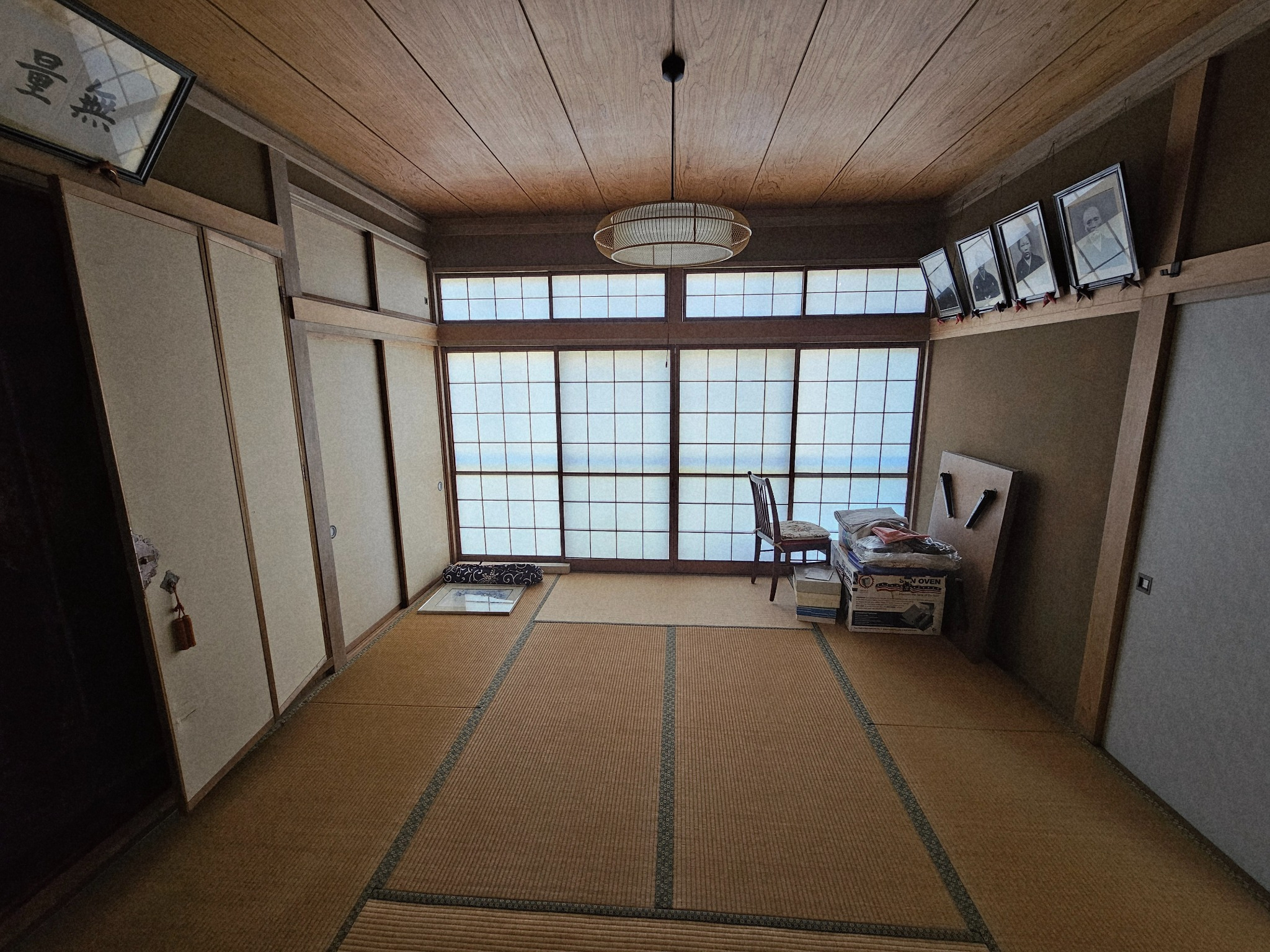
Then people leave, slowly or all at once, and the temperature changes. The same room can no longer remain merely a room because no one is taking it for granted every day. The genkan begins to look like an entrance waiting for someone who does not arrive. The garden becomes a question of whether the place is still being held. The ancestor room grows heavier because the silence around it is no longer balanced by ordinary traffic through the house. Everything remains where it was, but nothing stays proportioned as it used to be.
This is how use becomes afterlife. Not through a dramatic event, but through the withdrawal of normal repetition. The house begins to stand exposed to interpretation. Rooms that once absorbed daily life now begin returning it as memory. Surfaces that once disappeared into ordinary function begin asking to be read. The whole place turns inward and outward at once: inward toward memory, outward toward the public fact of its continued existence.
The family does not face only an empty house. It faces a house that has outlived its own ordinariness.
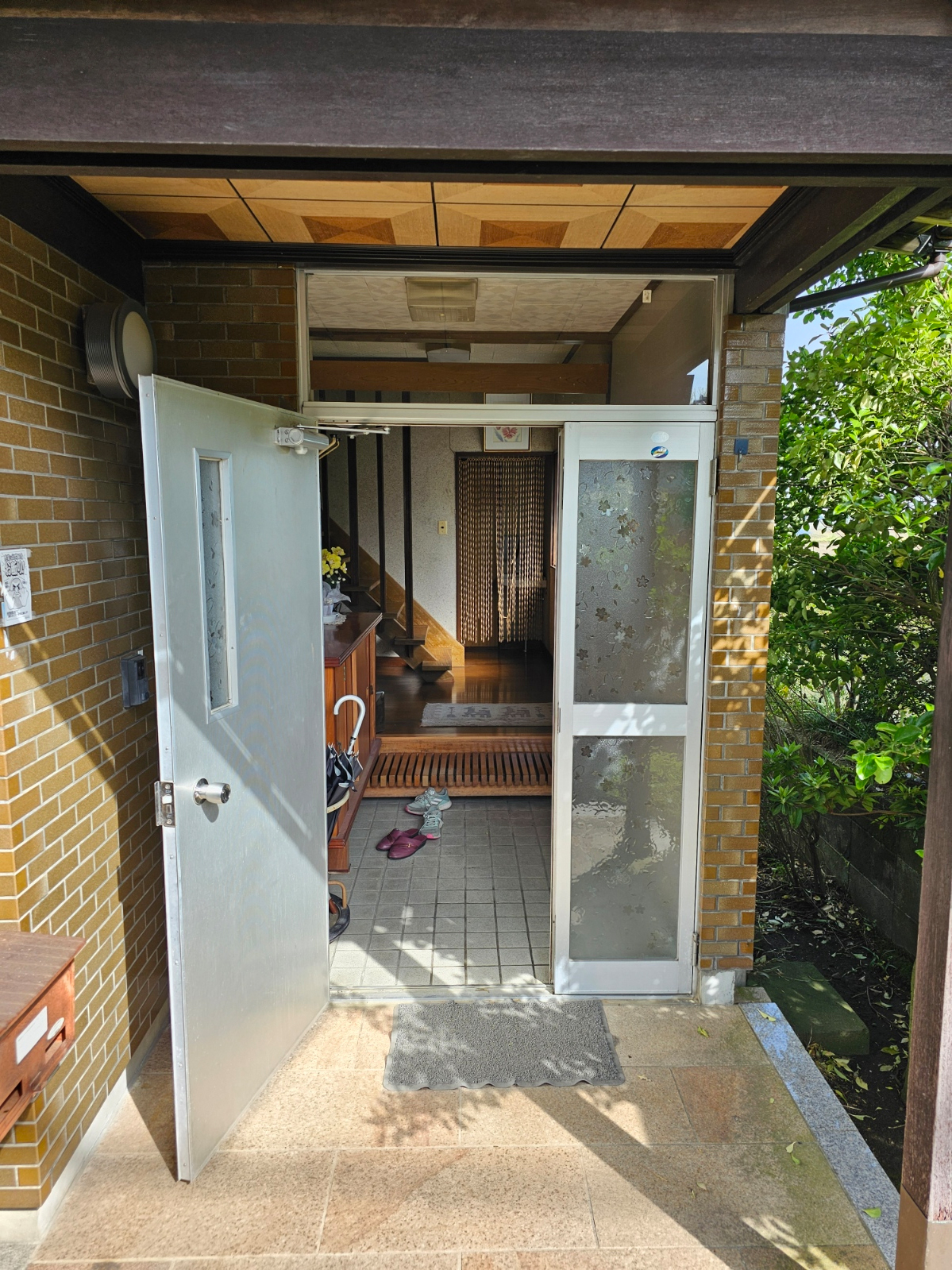
The House Keeps Receiving Time
One of the hardest truths for families to accept is that a house does not pause simply because human attention has thinned. Rain continues. Cold enters. Heat swells wood. Dust settles. Air moves through cracks. Light falls into rooms that are no longer arranged around anyone’s waking. Seasons pass over the roof whether the family is nearby or not. Time does not wait for collective clarity.
This is why the house grows morally difficult. It keeps receiving what the family can no longer receive together. Each storm, each month, each overgrown edge, each dim room, each untouched threshold becomes another deposit. A lived-in house metabolizes time because people keep answering it. An unlived-in house stores time in visible and invisible layers. The family returns not to the same place it left, but to a place that has continued changing without their shared witness.
The old house in Hanasaki had already entered that condition. It was still a family place, but no longer a family routine. That gap matters. A family can love a house and still fail to keep pace with the time the house goes on receiving. That failure is not always moral weakness. Sometimes it is simply the arithmetic of distance, work, age, law, and dispersed life. But the house does not translate those complications into mercy on its own. It goes on taking the weather.
This is part of why return can feel so sharp. The family is not only returning to memory. It is returning to time that has already accumulated there without them.
Stillness After Departure
Stillness is one of the great deceits of old houses. To look at the place after people have gone is to think, at first glance, that nothing is happening. The exterior is still. The rooms are still. The garden seems only to be waiting. But stillness in a family house is rarely empty. It is crowded. It holds the previous lives of the place in suspension and forces everyone tied to it into relation with what no longer moves in the ordinary way.
The house in Hanasaki had become that kind of stillness. It was no longer active as a household, but it remained active as pressure. One person felt dignity threatened. Another felt repeated local burden. Another felt inward obligation sharpened by distance. Another saw an unsolved structure and could not stop imagining a system that might yet keep the place from becoming only loss. The house held those conflicting realities without choosing among them. It was still, and because it was still, each person had to supply the motion themselves.
That is one reason empty houses feel louder than inhabited ones. In an inhabited house, action disperses feeling. In an empty one, feeling has nowhere to go but inward and around. The old home becomes a fixed object generating movement in everyone else: argument, guilt, planning, avoidance, tenderness, renewed intention, renewed delay. The structure remains still; the family begins orbiting it harder.
Why Remaining Matters
Remaining matters because it changes the moral scale of everything around it. If the house vanished at the same speed with which people left, the story would have another shape. It would be simpler, crueler perhaps, but simpler. What makes the house difficult is not only that it belongs to the family. It is that it continues to stand there, giving the family no clean excuse to treat the old life as complete.
The house goes on holding the place where the family once fit together in a more ordinary way. That does not mean it can restore that way of living. It cannot. But it can keep the shape of it visible. That visibility matters. It is what makes a return sharper than nostalgia. It is what makes a neglected edge feel like more than neglect. It is what makes later discoveries in the kura feel like replies rather than decorations. Without the house’s remaining, the family would have less to answer and far less to recover.
This chapter belongs before the opening of the door because the family had to understand one harder truth first: the house was already active in its afterlife long before the archive inside it could begin answering back. The later beauty of objects, carved wood, screens, scrolls, shelves, vessels, and stored refinement matters precisely because the house first became difficult. The family did not arrive at treasure. It arrived at continued presence.
People had left. The house had not. That was the beginning of everything that followed.
When people leave, the house does not. It keeps receiving time, holding place, gathering silence, and waiting for the family to learn what still remains there after ordinary life has gone.