Five Truths Inside One House
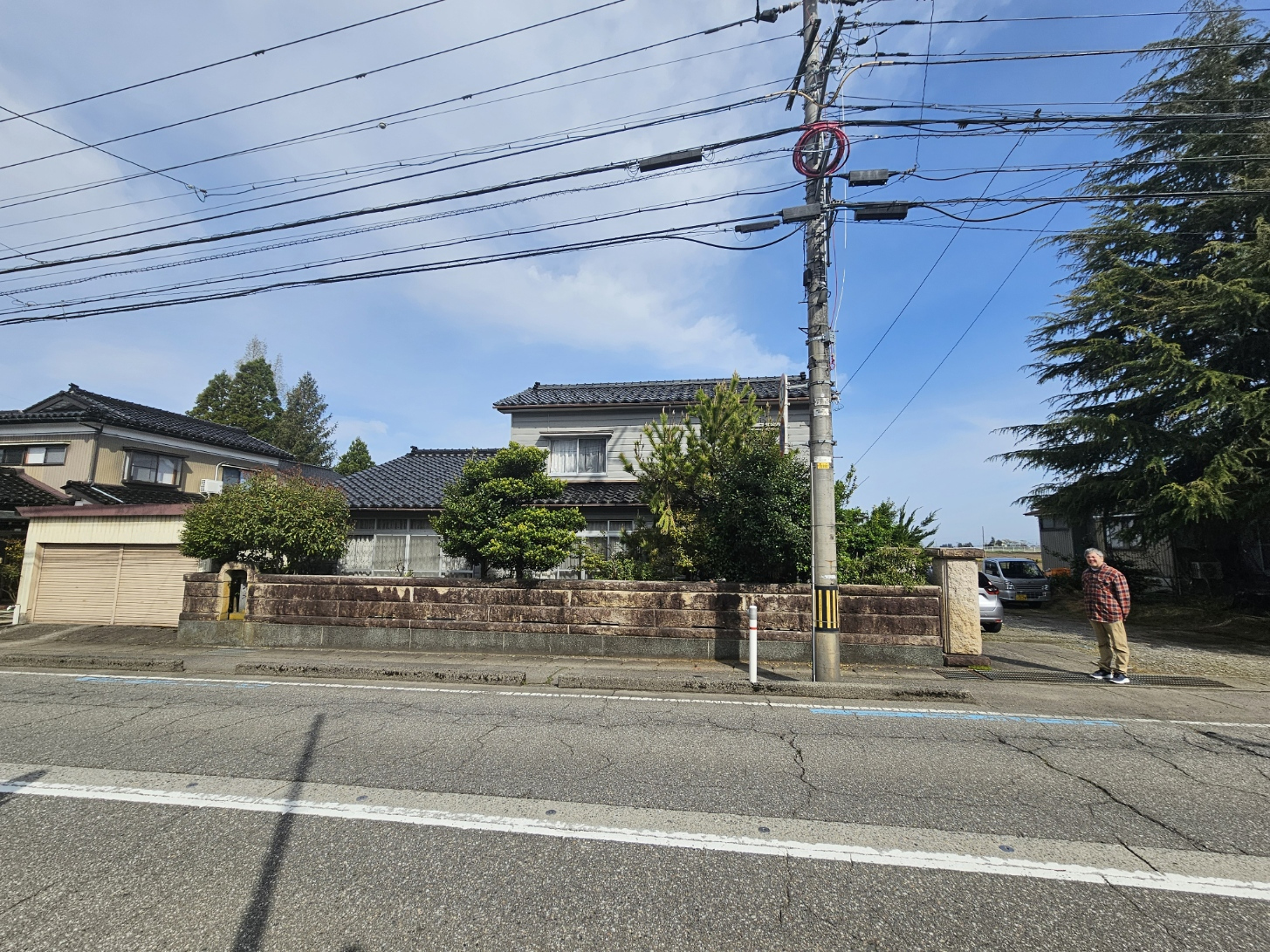
By the time the family stood before the old house in Hanasaki, the place no longer meant one thing. It had become several realities at once. The boards, windows, rooms, frontage, and road were the same for everyone. The meanings were not.
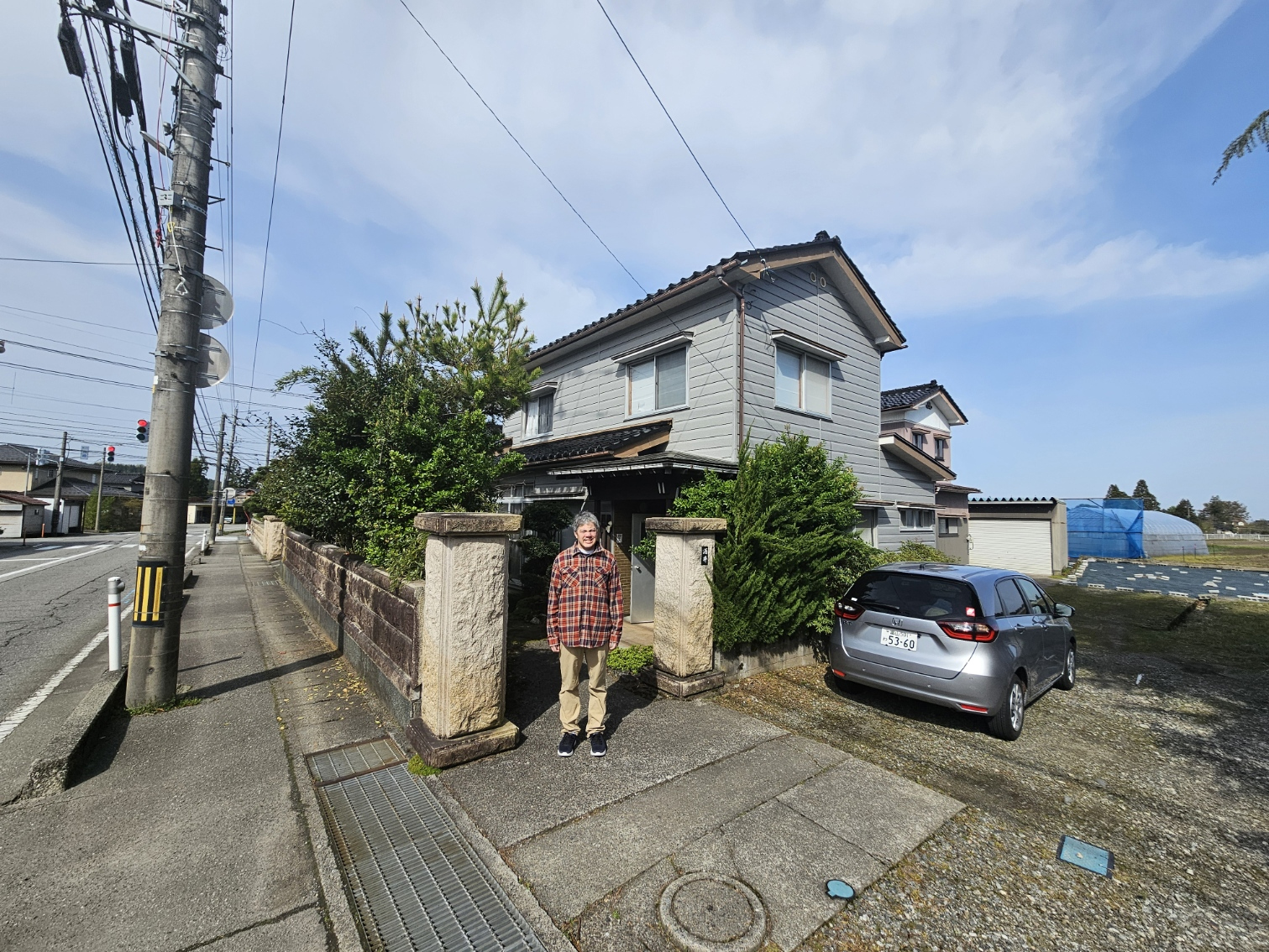
A family house becomes difficult when it can no longer remain singular. That was already true in Hanasaki before the older interior began to answer back. The house still stood in one place. The road still approached it from the same direction. The gate, the rooms, the garden, the weather, and the accumulated years were shared. But the meaning of the place had already split. The mother stood before one house. The older sisters stood before another. The nearer burden knew a third. Tomoko carried a fourth inwardly across distance. The outsider husband saw a fifth in outline. No one was inventing the place. Each was meeting it through a different pressure.
This is one reason family houses grow so morally heavy. They do not simply preserve memory. They separate memory into competing obligations. One person sees visible dignity. One sees fatigue. One sees recurrence. One sees inward inheritance that distance cannot dissolve. One sees structure and preservation where others have long since lost the strength to see anything but burden. The house receives all of these readings because it cannot choose among them. It stands there carrying more than plaster, timber, and time. It carries the fact that everyone who belongs to it belongs differently.
The house was one structure.
It had already become several emotional realities.
The task is not to flatten those realities into one verdict. The task is harder: to let each truth stand long enough to reveal why the house had become so charged before the deeper archive opened.
The Mother
For the mother, the house had become bound up with visible dignity. She had lived long enough to know that a place seen by neighbors does not stay private in the same way as a grief or a memory. A house stands in daylight. It enters conversation without permission. It can begin to suggest that a family no longer holds itself with the old order it once possessed.
Her wish to sell had not come from indifference. It came from an older desire for peace. She had no interest in letting the place become a permanent field of friction. If the burden could be released cleanly, then perhaps the family could stop tightening around it. What she wanted was not simply disposal. It was relief from the steady public and private pressure of a house no longer easily kept.
There is sadness in this truth. A mother can love a place and still know that love may not be enough to preserve it gracefully. She can look at the same frontage others call heritage and see the beginning of family diminishment if the burden continues too long. Her truth was the truth of visible dignity held against the fear of visible decline.
The Older Sisters
The older sisters lived closer to the drag of repetition. Closeness changes everything. A person who must keep passing the place, hearing about it, imagining the neighbors’ eyes on it, and returning to the same unresolved edge does not experience the house romantically for long. The house becomes labor before it becomes symbol.
Fatigue sharpens their truth. They know what happens when a problem repeats long enough without stable resolution: irritation replaces tenderness, and memory itself begins to sour. They are not wrong to feel the house has grown too heavy. They are not wrong to want relief more than poetry. The place once held ordinary family life. Now it asks again and again for effort without promising a clean end.
Their hardness, when it appears, is not the opposite of care. It is often care after patience has been worn thin. They are the ones most likely to feel that history has become unpaid labor by another name. Their truth is the truth of accumulated burden.
The Sister Who Lives Nearer
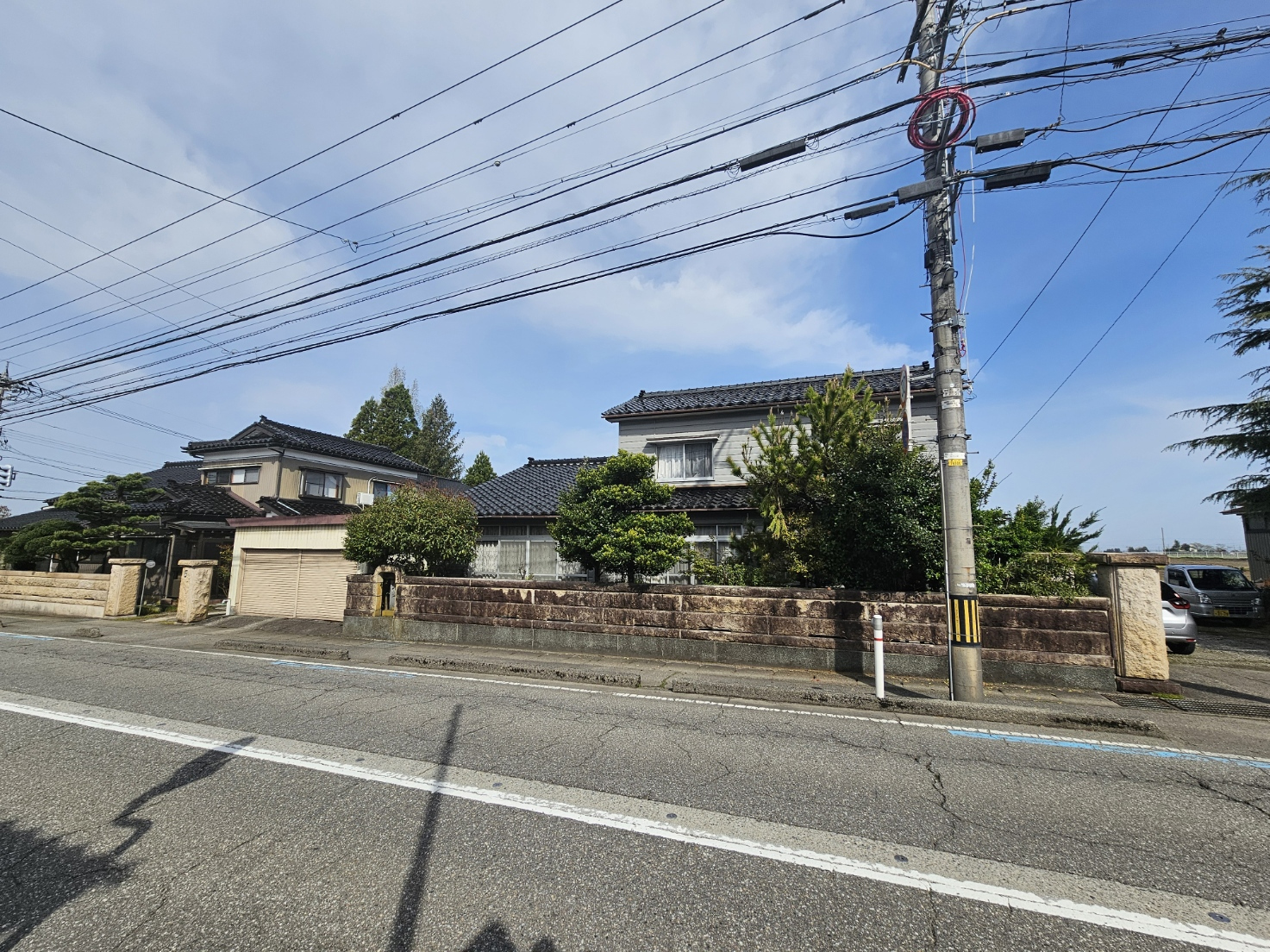
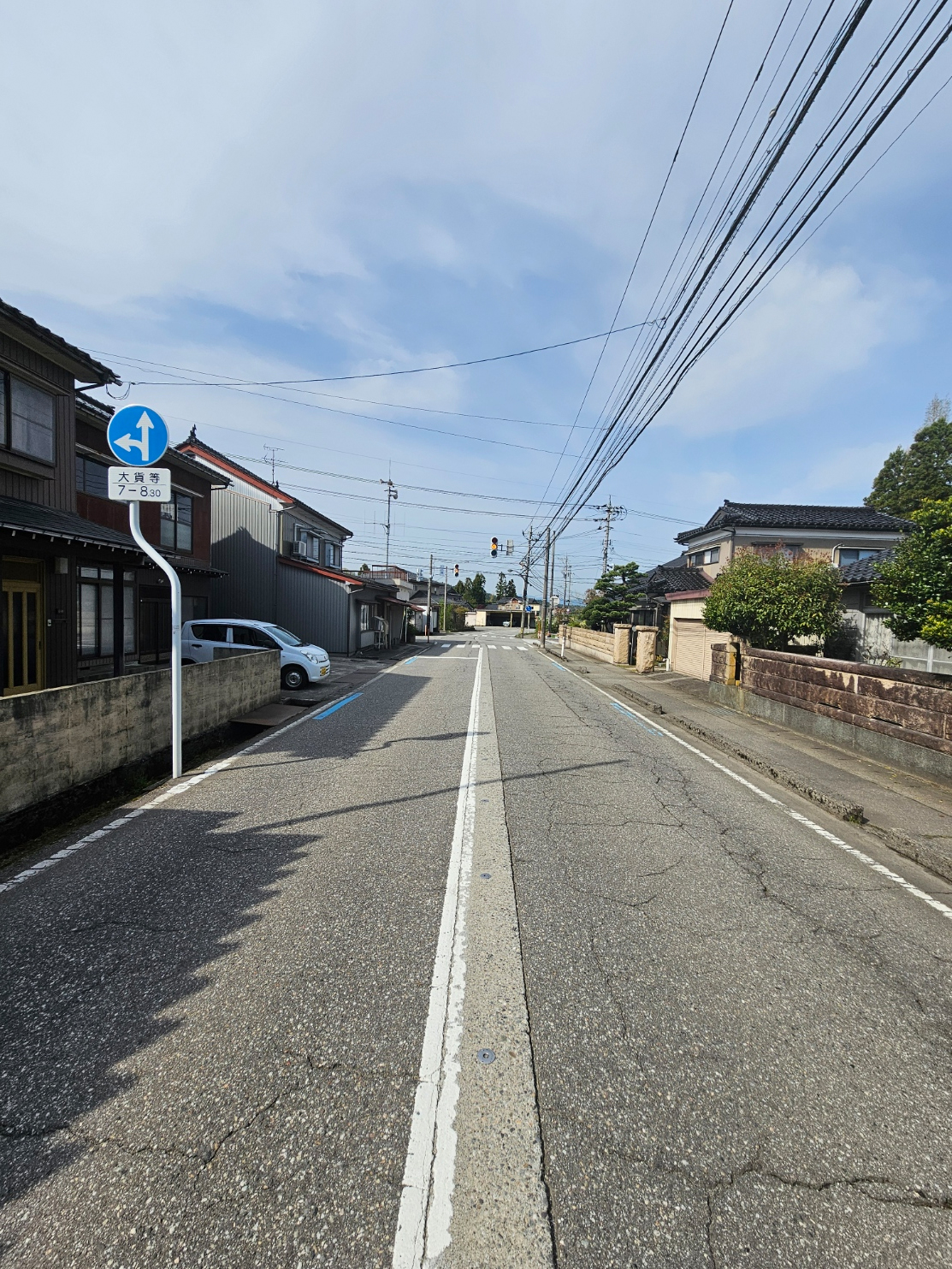
Nearness is not simply more responsibility. It is a different texture of knowledge. The sister who lives nearer does not meet the house in abstraction. She meets it through repeated contact with its condition: the weather after rain, the look of the frontage, the rhythm of local talk, the sense of what has changed and what has merely been postponed again. What the distant mind can turn into reflection, nearness must face as recurrence.
This gives her truth a particular hardness. The house is not only a symbol of inheritance. It is an ongoing practical field that keeps returning to the day. Nearness teaches the exhausting difference between a single fix and a recurring obligation. The house asks again. Then again. Then again. That is how burden settles into the body.
People far away often underestimate this. They remember the place in scenes. The nearer burden knows it in intervals. That is a different moral reality. Her truth is the truth of recurrence lived without distance.
Tomoko
Tomoko carries the house inwardly. Distance has changed the form of the burden, but not dissolved it. She cannot stand before the frontage every week. She cannot answer the place in the repeated local rhythms the nearby family members know. And yet the house has not released her. It remains active in her mind as history, obligation, tenderness, and a private discomfort that outward distance never adequately explains.
This is one of the quieter truths in the family: distance may reduce action while increasing inward weight. A person can be far away and still feel more morally entangled than those who assume physical absence must mean emotional thinning. Tomoko knows the older rooms not as an abstract heritage site, but as part of the family interior she never fully left.
Her truth is therefore not dramatic in the outward sense. It is constant. The house remains in her as unresolved belonging. She carries the pressure without the daily release of ordinary local acts. That makes her truth softer in tone, but not lighter in weight.
The Outsider Husband
The outsider husband sees the house through another moral vocabulary entirely. He does not first experience it as inherited exhaustion. He sees pattern, structure, category, and the possibility that the family has been forced to judge the place from its most painful surface. Where others see endless burden, he also sees the chance that meaning is being missed because no one has yet had the strength to open the deeper interior properly.
This can sound useful or infuriating depending on who hears it. The outsider has the advantage of a different angle and the disadvantage of not having paid for that angle through the same years of local fatigue. He sees systems where others see old wounds. He believes preservation may still be possible when others have long since become practical for the sake of survival.
He is not free of distortion. No one here is. But his truth matters because it introduces a different scale into the family’s reading of the house. He is willing to believe that the place may still contain more than burden. Without that willingness, the later opening of the kura would have had less chance to become what it eventually became.
His truth is the truth of preservation seen from an angle not yet defeated by repetition.
Fairness Without Flattening
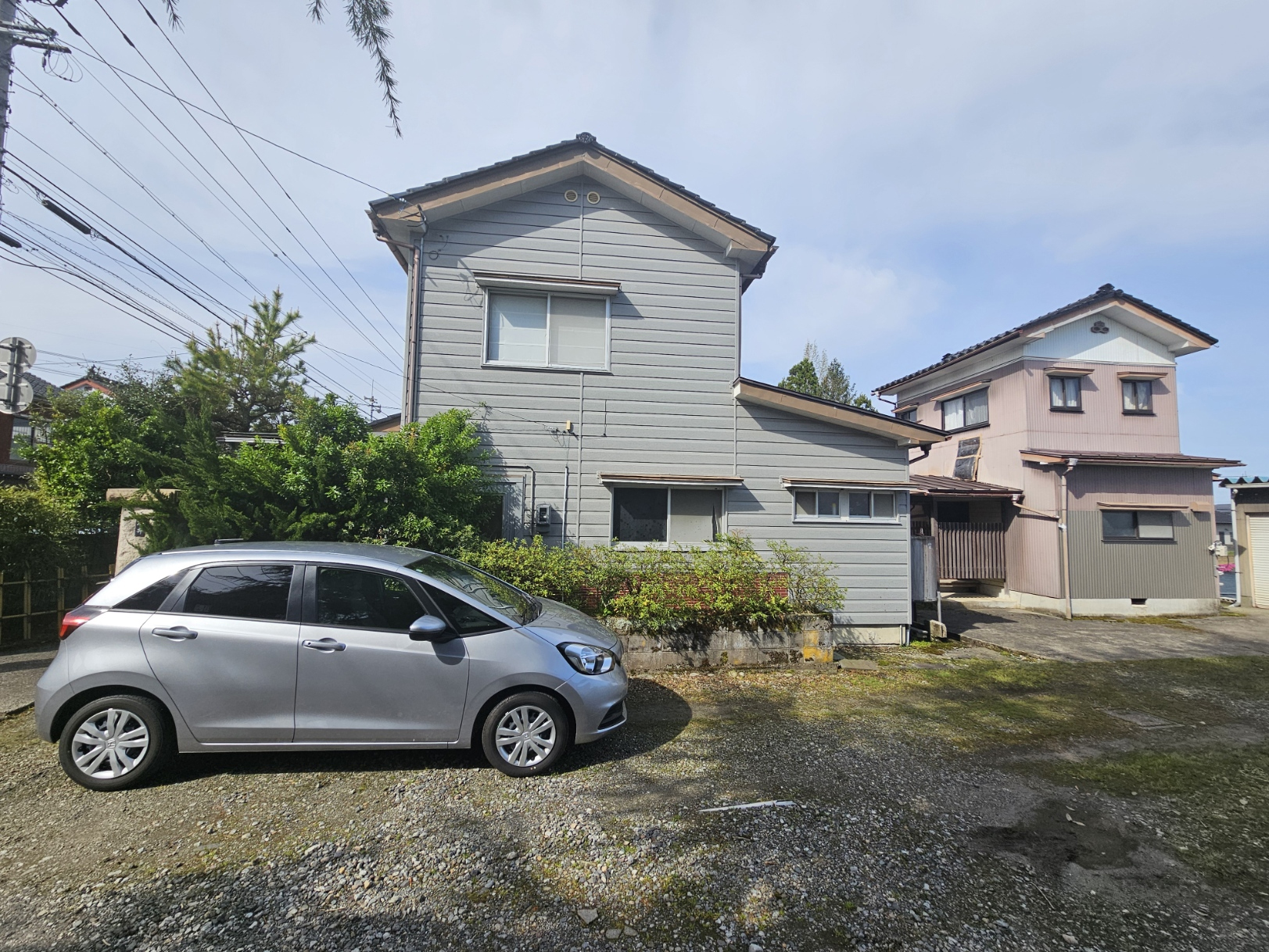
What makes the house so difficult is that none of these truths can be dismissed without dishonesty. The mother is not wrong. The older sisters are not wrong. The nearer burden is not wrong. Tomoko is not wrong. The outsider husband is not wrong. They are simply carrying different combinations of place, memory, repetition, shame, fatigue, tenderness, and hope.
The trouble begins when one truth tries to erase the others. The mother’s dignity cannot erase the sisters’ exhaustion. The sisters’ exhaustion cannot erase inward distance. Inward distance cannot erase local recurrence. Preservation cannot erase the years of burden that made preservation sound naive. The house stands in the middle of all of it, receiving each truth as if it were the only one, because physically it can do nothing else.
That is why family houses feel haunted long before anyone speaks of ghosts. They are haunted by competing moral realities that occupy the same structure without fully touching. The old house in Hanasaki had already reached that condition. It was still one house in wood and plaster. It was no longer one house in feeling.
The opening of the deeper archive matters precisely because the family first had to endure this plural house: the house as dignity, as fatigue, as recurrence, as inward responsibility, as preservation under another light. Only after living inside those divided truths could the older interior begin to answer back with something larger than any one person’s reading.
The house was one structure, but it had already become several emotional realities.