Grass Was Never Just Grass
By the time the family was arguing about the grass, they were no longer really arguing about grass. The green edge at the roadside had become the house’s first public language: visible enough for neighbors, simple enough for blame, ordinary enough to sound practical, and charged enough to carry far more than any patch of overgrowth should have had to bear.
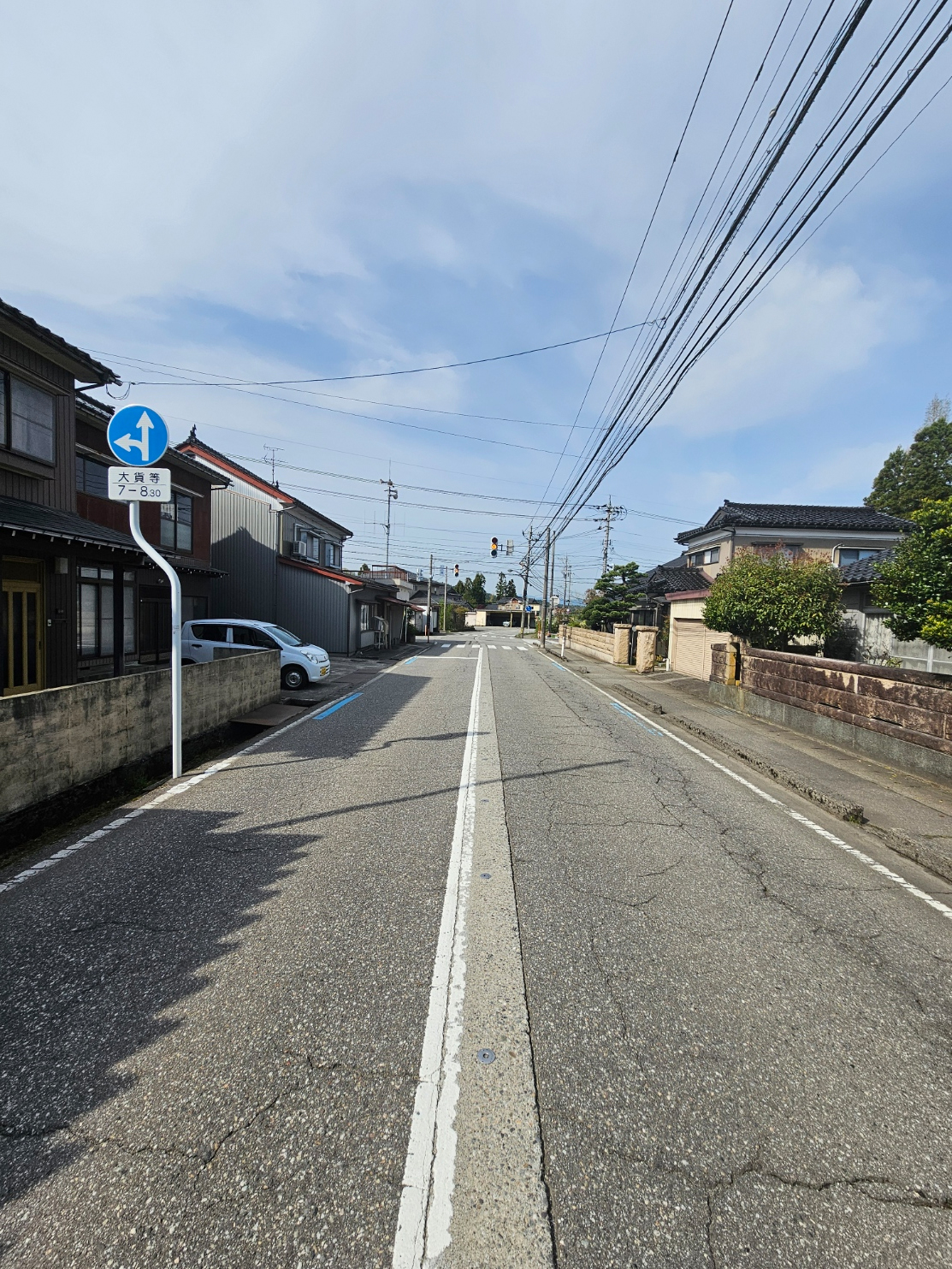
The grass looked like the sort of problem adults ought to have solved quickly. Cut it. Trim it. Hire somebody. Send money. Make a schedule. Stop talking and do it. That is always the first temptation with visible disorder. It flatters everyone with the idea that what can be seen clearly must also be understood clearly. But by the time the grass rose high enough to become a subject, the family was already living inside something older and harder than maintenance. The overgrowth did not create the burden. It found the place where burden could be seen.
This is how ordinary things become dangerous in families. They do not change their nature at first. Grass remains grass. A roadside edge remains a roadside edge. But once a house is no longer protected by daily life, the most visible detail begins carrying too much meaning. The frontage becomes moral. The edge condition becomes evidence. A patch of growth turns into a verdict before anyone has agreed on the case. By the time someone says, “It is only the grass,” it is already far too late for that sentence to be true.
The old house in Hanasaki had reached exactly that stage. Too little daily use to keep the place ordinary. Too much inherited feeling to let the visible problem remain small. The older interior had not answered yet. The kura had not opened. The shelves had not spoken. The carved wood had not come into light. So the grass had to carry the first round of meaning on its own. It did not do this fairly. It did it publicly.
Grass became a scoreboard.
It recorded delay without recording the reasons for delay.
That is why the grass had force. It was not the deepest truth of the house, but it was the first truth that could be read from a passing car.
The Edge of the Property
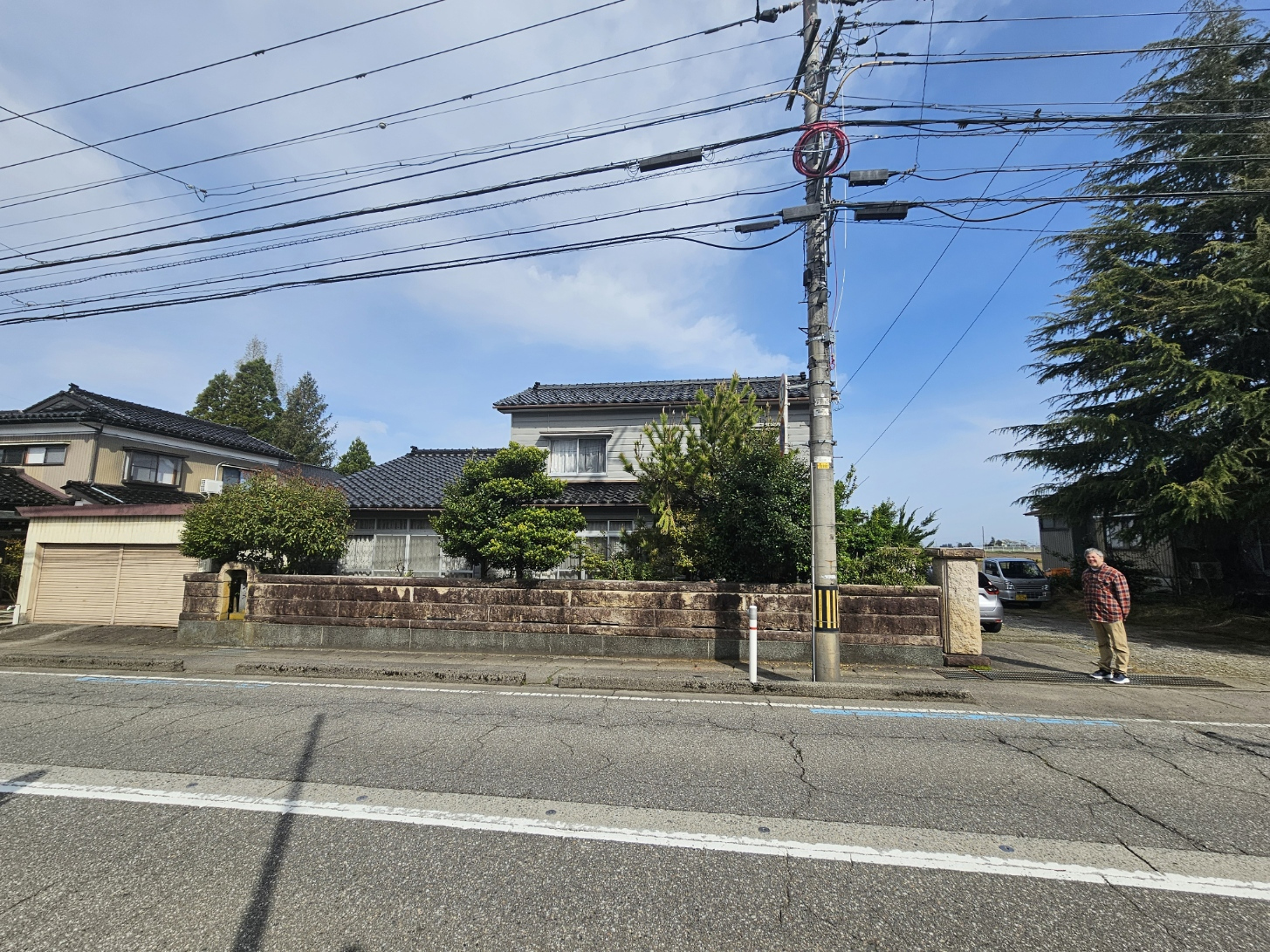
A family house can remain emotionally complex inside its own rooms for years. But the edge of the property belongs to another order. It is where private complication meets public view. Once the roadside begins to slip, the house becomes legible in a simpler, harsher language. A neighbor does not see inheritance law, distance, fatigue, family burden, unresolved grief, or the arithmetic of dispersed lives. A neighbor sees whether the edge is being held.
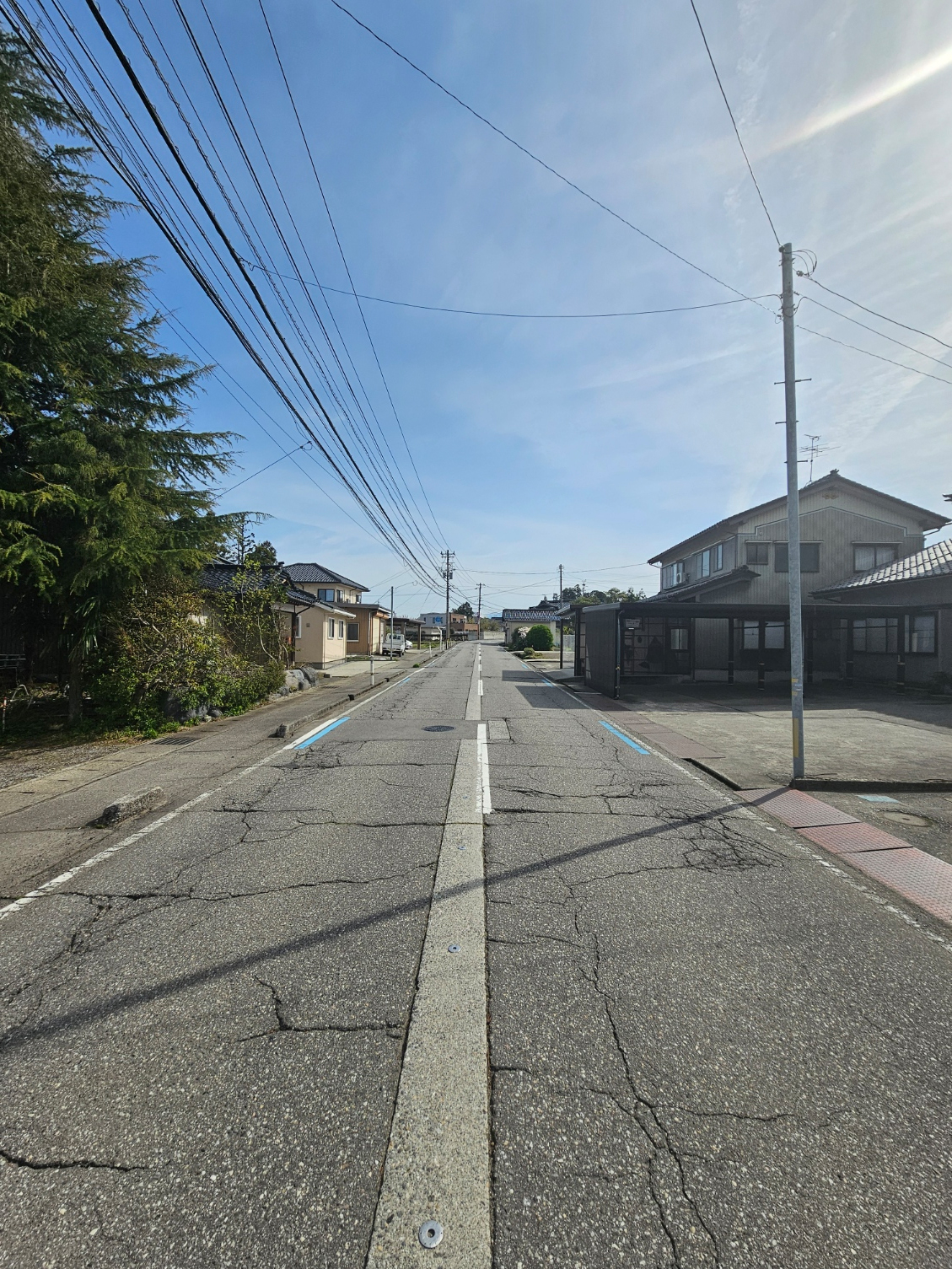
The road near the house therefore mattered more than it seemed to. It was not only pavement and intersection. It was the place from which the family’s internal disorder could begin to take visible form. The road gave the house a public face before the deeper rooms had a chance to answer for themselves.
This is part of what made the grass feel accusatory. The family knew things the road could not know. The road knew only the surface. Yet surfaces, once visible enough, begin acting as if they have authority. The nearer relatives had to face that authority repeatedly. The farther ones had to hear about it through distance, which often sharpens shame rather than softening it. The house itself said nothing. The edge spoke first.
What a Practical Complaint Can Hold
Families rarely begin with the deepest sentence available to them. They begin with the sentence they can bear to say aloud. The grass is too high. Someone needs to take care of it. It looks bad. People will talk. Those are manageable sentences. They sound adult, specific, and fixable. Beneath them, however, other sentences remain unsaid because they are heavier. I am tired of carrying this. I feel ashamed that the place looks like this. I resent being the one still near enough to see it. I feel blamed from far away. I do not know whether this house should be preserved or released. I do not know what kind of loyalty is being asked of me anymore.
The grass became the official version of the problem because it could absorb all that deeper feeling without requiring anyone to expose themselves fully. A practical complaint is often a safer container than an honest one. “The grass is bad” can be spoken around a table. “This house has split the family into incompatible moral realities” is another matter.
So the grass began carrying more than its botanical share. It carried fatigue for the older sisters. It carried visible dignity for the mother. It carried recurrence for the one who lived nearer. It carried inward guilt and tenderness across distance for Tomoko. It carried system-thinking and preservation logic for the outsider husband. The words stayed practical. The emotional content beneath them did not.
That is one reason the arguments around the grass could feel so disproportionate. Everyone was pointing at the same strip of earth and talking about a different wound.
Why Simple Solutions Arrive Too Late
By the time a visible issue has carried family feeling for long enough, simplicity begins sounding insulting. “Just hire somebody” may be reasonable. “Just cut it” may be true. But practical solutions arrive into a field already charged by unequal labor, resentment, delayed recognition, and accumulated local burden. One person hears efficiency. Another hears an outsider speaking lightly about something that has already cost years of emotional energy.
This is why visible problems can harden rather than soften family relations. A clean practical answer does not arrive in a clean emotional field. It arrives after the symbolism has already formed. Grass, because it is humble and exposed, is especially vulnerable to this. It is small enough to seem manageable and public enough to become loaded. It sits at exactly the wrong scale: too ordinary to deserve so much meaning, too visible to escape it.
Mowing the edge could reduce the visible charge. It could quiet a conversation for a while. It could even give relief. But it could not answer the older question that had already begun gathering under the surface: what was this house now, and what did it still have the right to ask from the people tied to it?
The Visible Surface Where Truths Meet
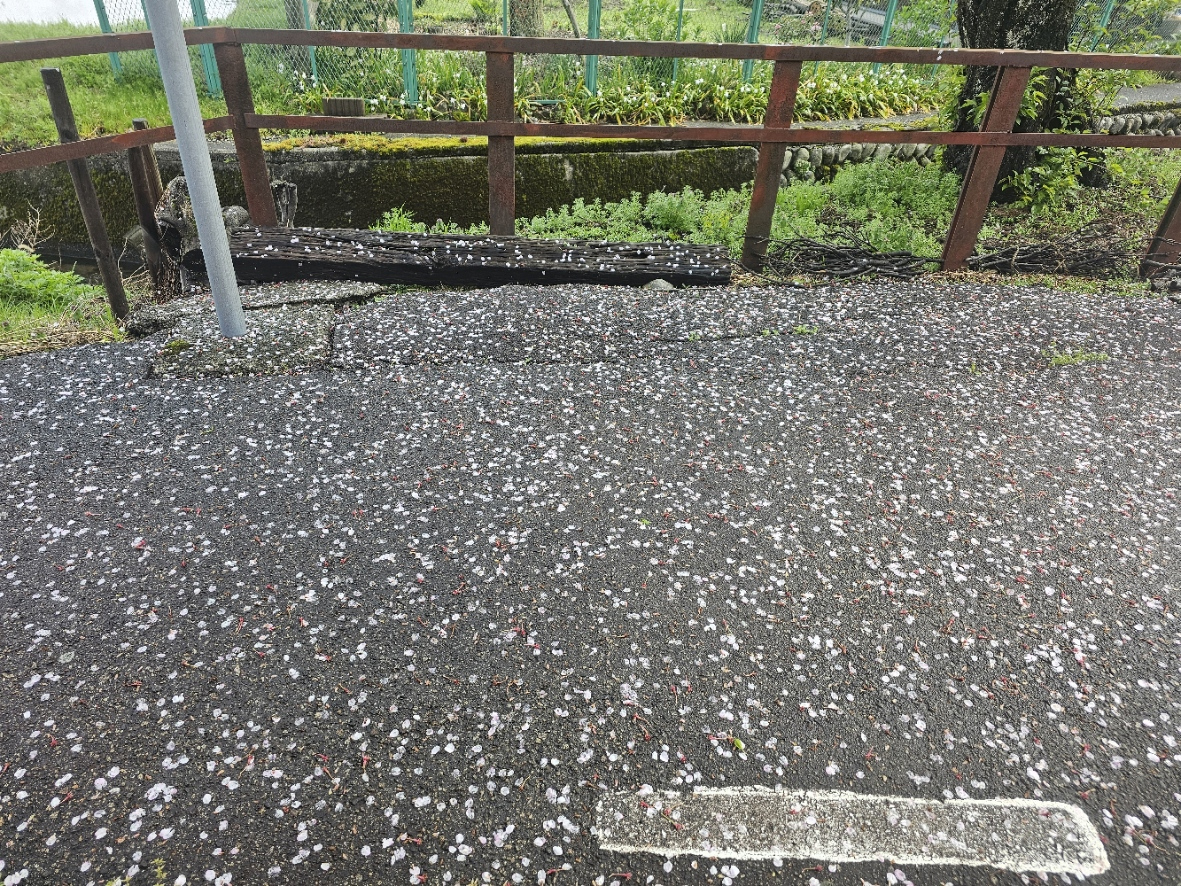
By now the house had already divided into several readings. The mother felt public dignity under strain. The older sisters felt exhaustion. The nearer burden felt recurrence. Tomoko carried inward obligation intensified by distance. The outsider husband suspected the house was being judged too narrowly from its neglected edge. None of those truths disappeared when the grass became the topic. They simply converged there.
That convergence is what gave the grass its strange authority. It allowed the family to speak about one visible condition while standing in different emotional worlds. One person meant shame. One meant labor. One meant delay. One meant sorrow. One meant solvable logistics. Because the words sounded practical, the conversation could continue. Because the meanings beneath them were not practical, it could never remain only about the grass.
Book One keeps this chapter before the door opens for a reason. The family had to pass through the visible problem before the interior could answer back. The road, the frontage, the edge, the shame, the practical complaint, the unequal burden — all of this had to be lived first. Only then could the house begin revealing a larger language than neglect. Only then could the door matter.
Grass was the first thing everyone could see. It was not the first thing that mattered.
The grass recorded delay. It did not record the older history, the unequal labor, the distance, the law, the fatigue, the tenderness, or the possibility that the house still contained something larger than the visible edge. But because the grass could be seen, it became the first witness.