AI and Imagined Visions
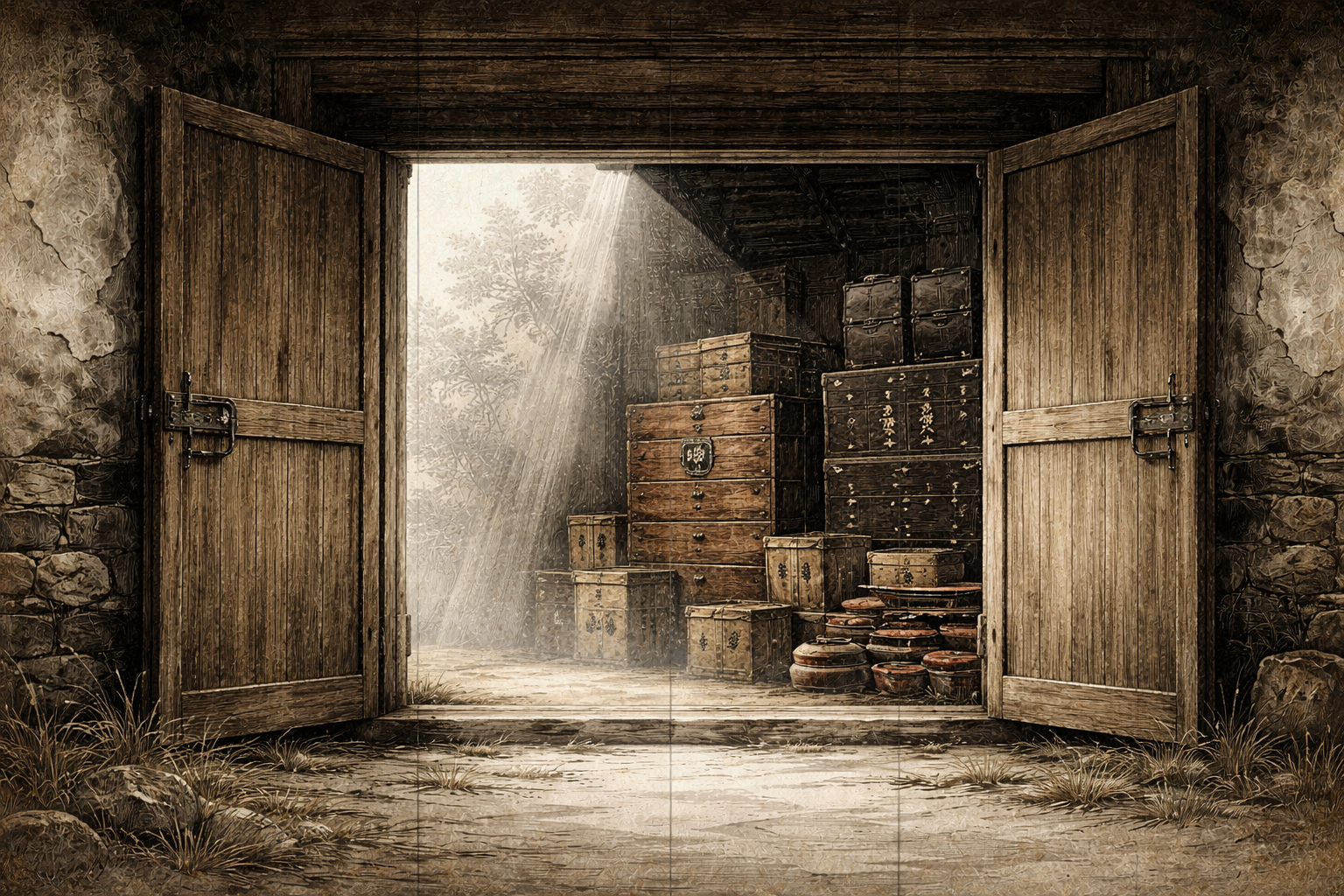
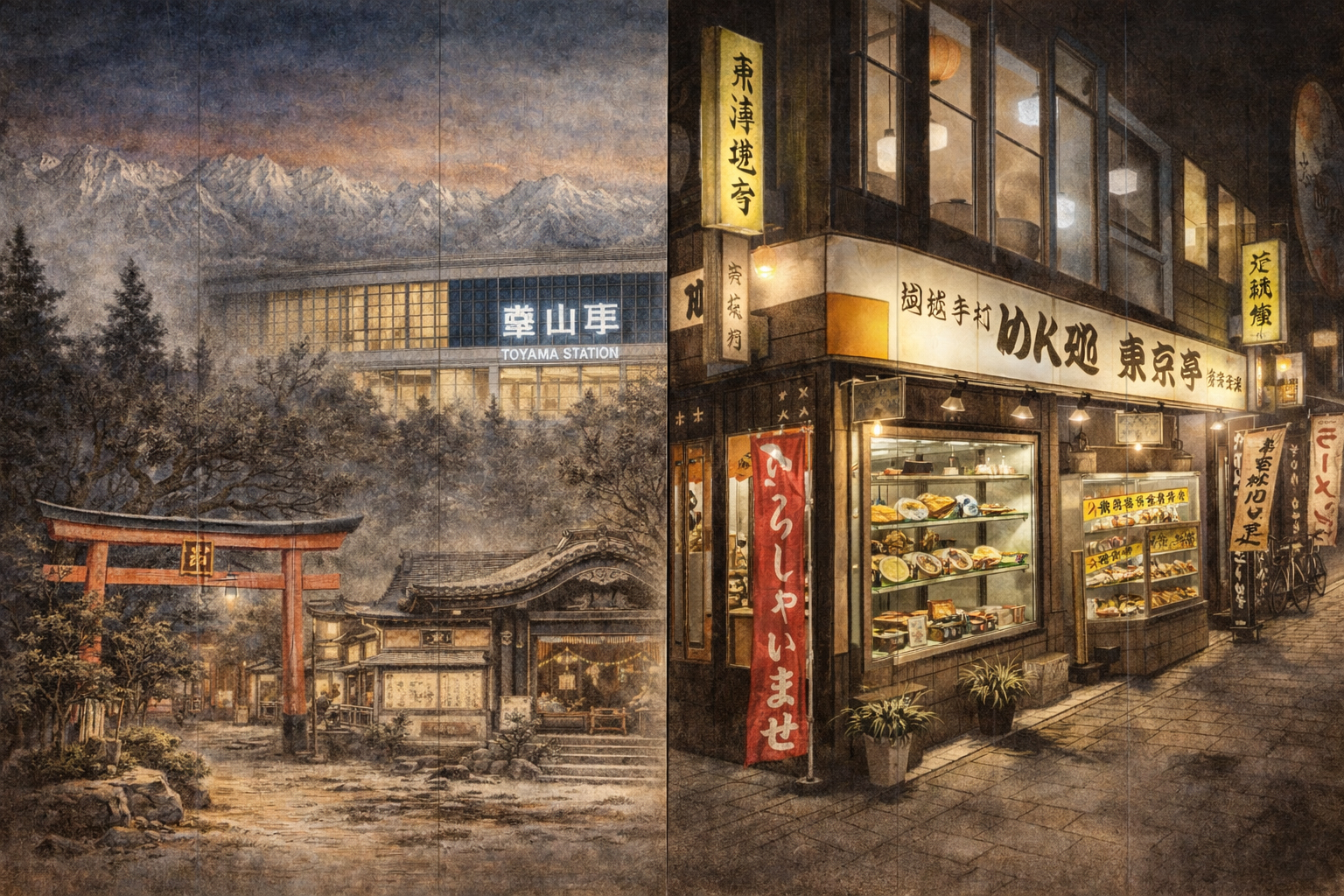
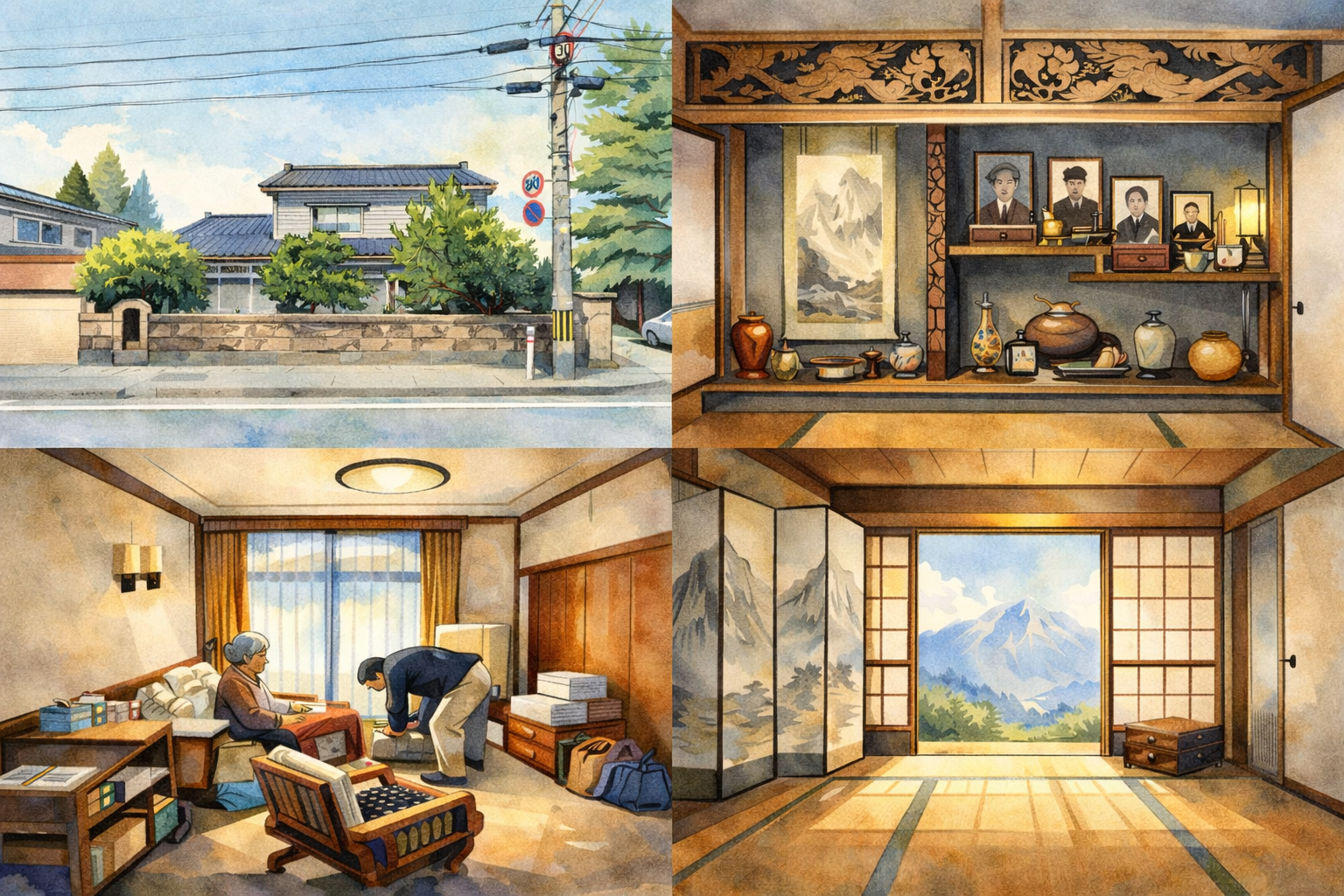
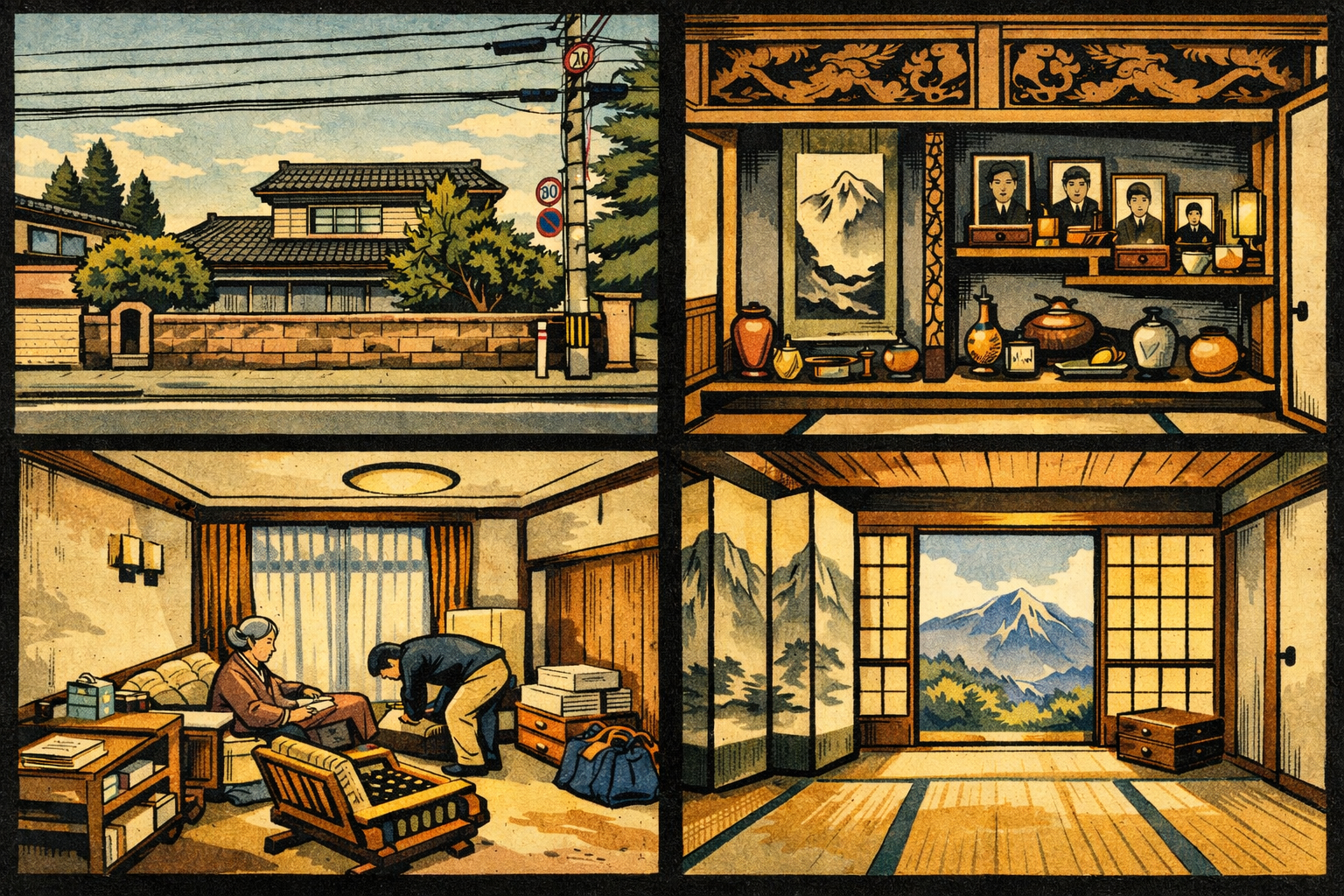
The archive does not end with documentation. Once the house, shrine, grave, rooms, roads, objects, departures, Toyama, and Kyoto have entered the mind deeply enough, another image-world begins to form. Not false memory, and not simple record. Imagination. Reconstruction. Dream extension. Six-panel screens, imagined compounds, watercolor homes, woodblock versions, speculative scrolls, and visual worlds built from what the family saw, feared, cherished, and could not quite keep in one literal frame.
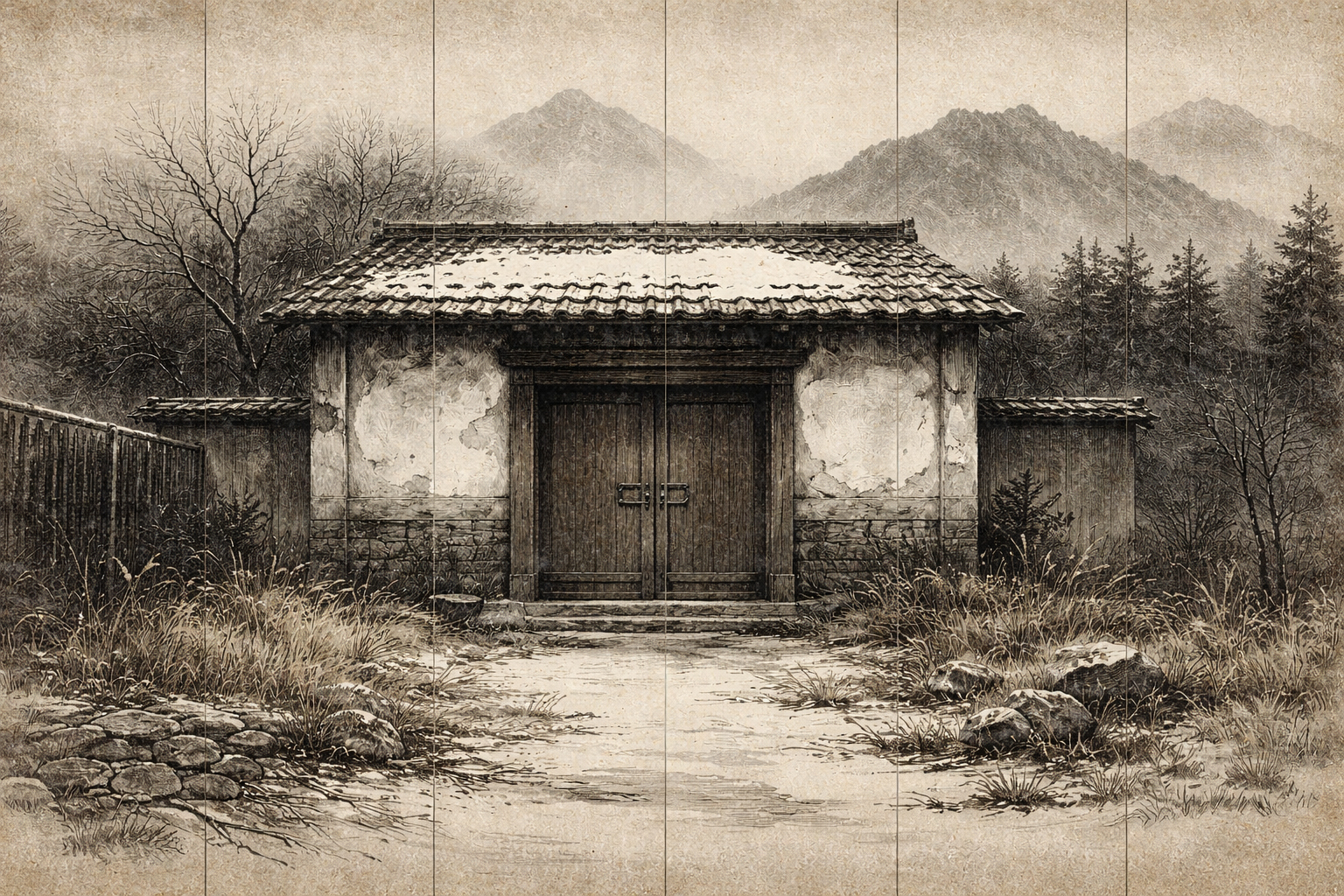
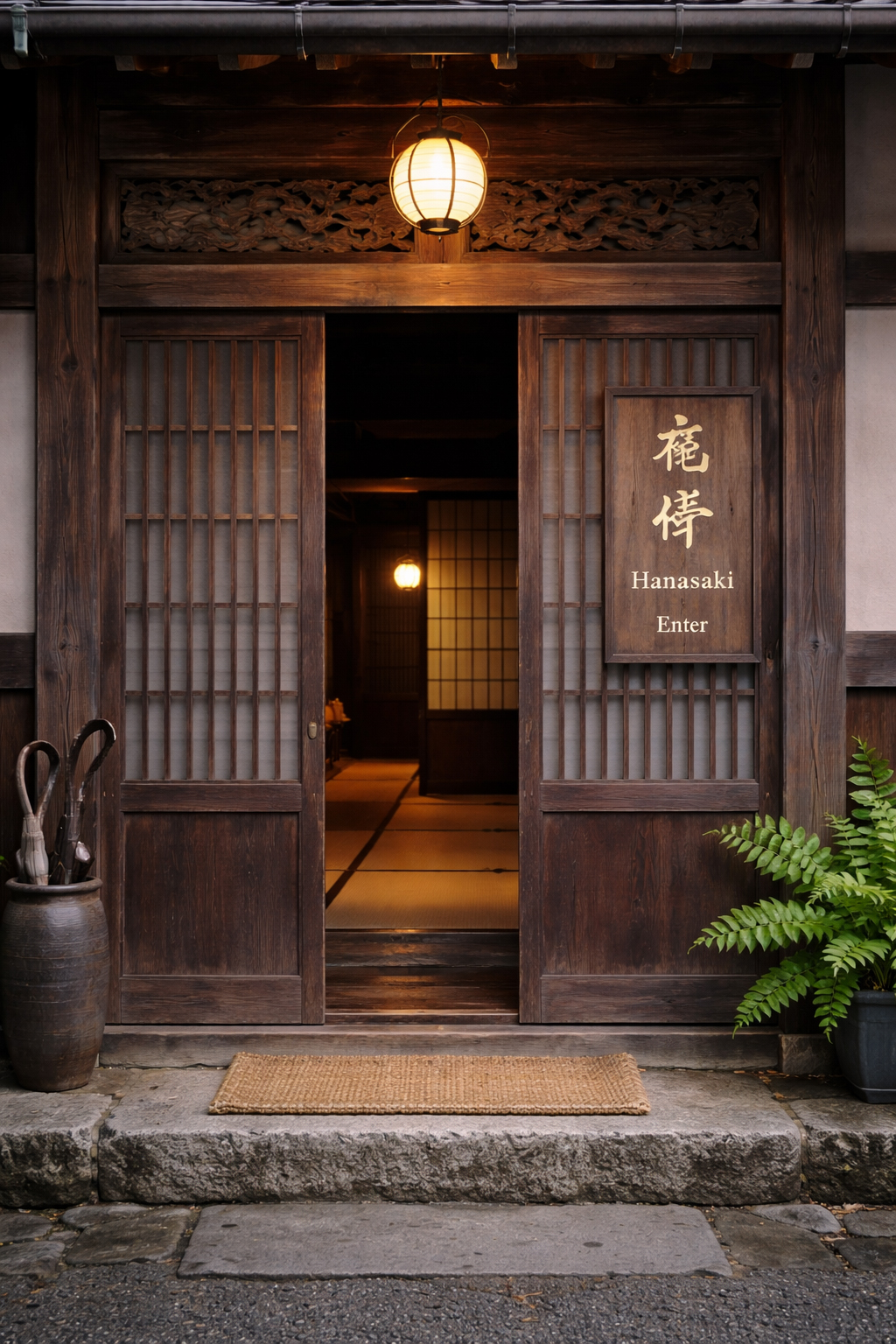
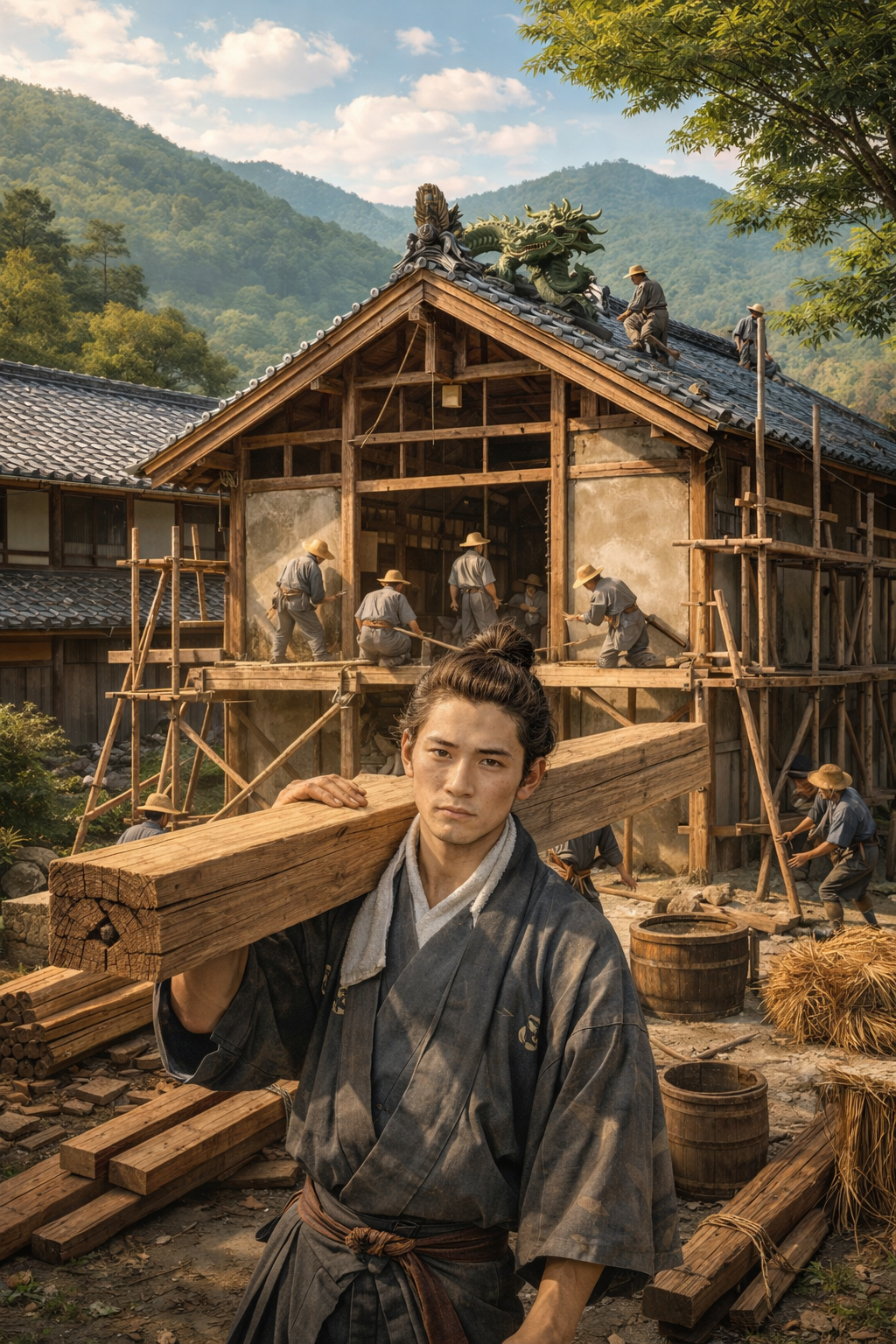
An archive that matters long enough will eventually begin producing its own afterimages. Not because fact has failed, but because fact has become fertile. Once enough rooms have been entered, enough objects handled, enough roads followed, enough mountains watched from the train, the mind begins seeing continuations that were never photographed directly. A younger Sakai building the kura. A six-panel screen gathering the whole compound into one composed field. An entryway restored by dream before it can be restored by hand. A mountain scroll answering the real weather with another weather of thought.
These images do not belong in the main documentary galleries because they obey another law. They do not simply show what was there. They show what became imaginable after the place had been truly seen. This room keeps those visual afterlives together: screen-worlds, speculative reconstructions, imagined interiors, AI compound visions, alternate renderings, and scroll-like inventions that extend the family story beyond the camera’s first obedience. The image set here comes from your uploaded archive inventory. :contentReference[oaicite:0]{index=0}
The truest archive does not stop at evidence.
It also records what evidence made possible to imagine.
Six-Panel Worlds
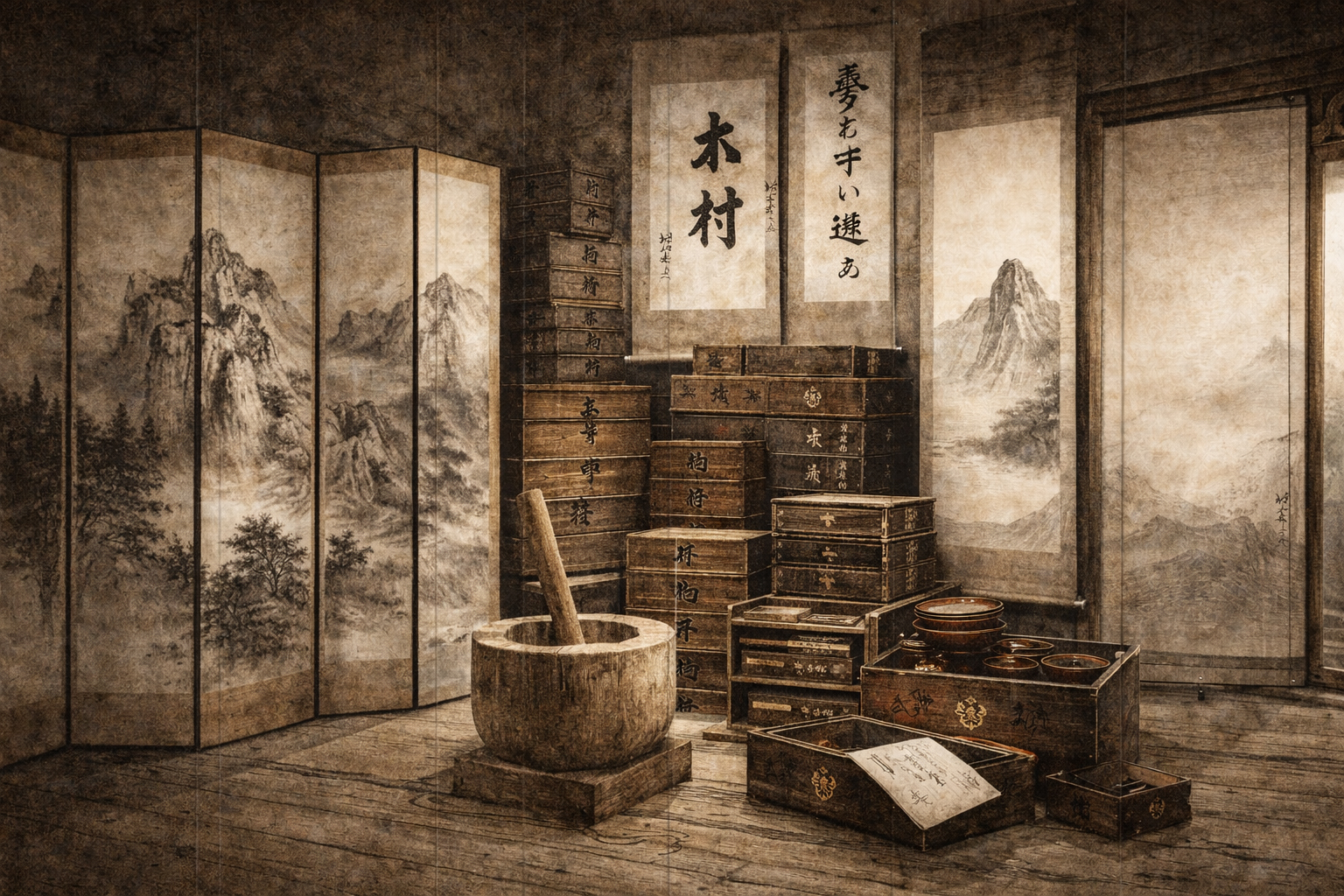
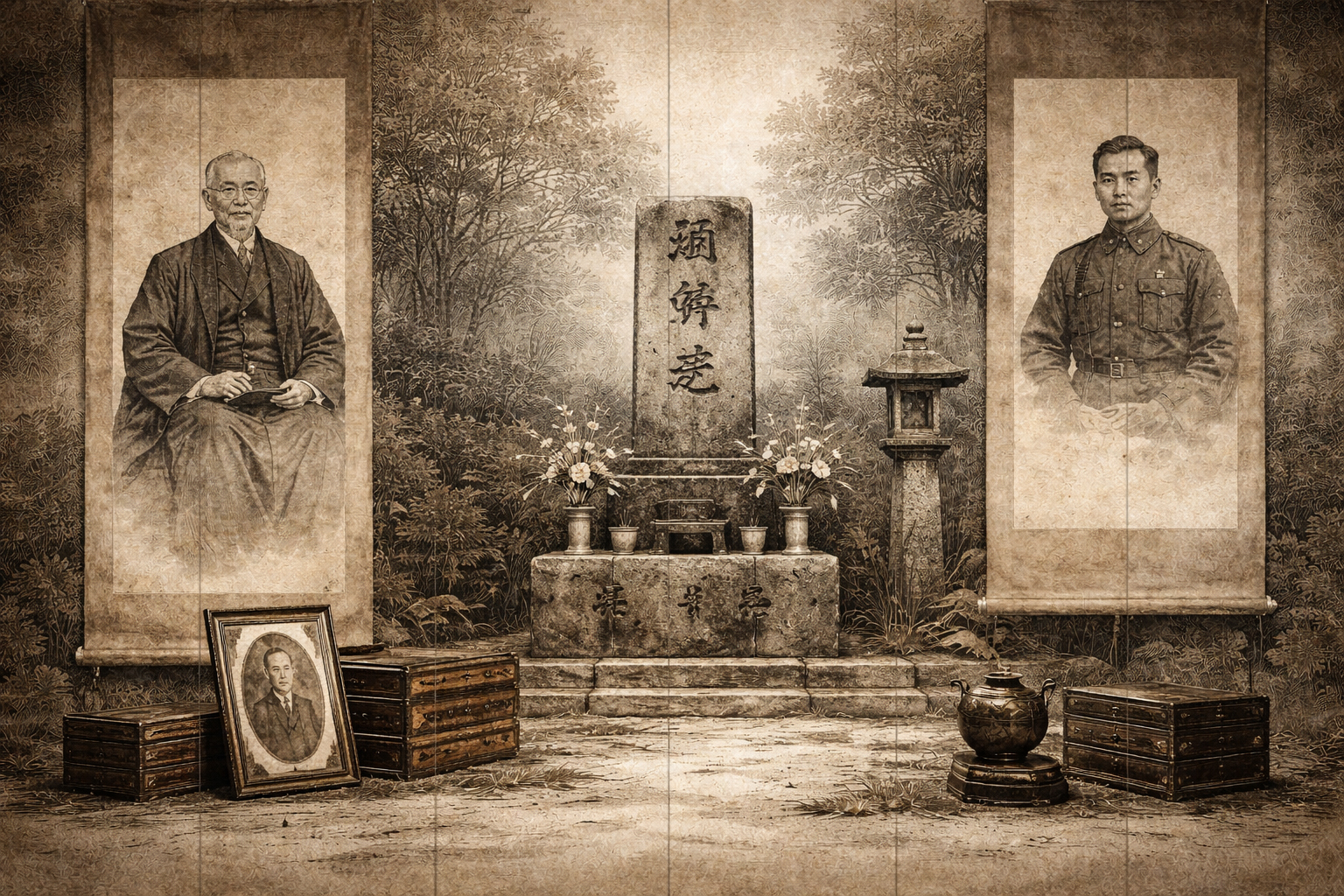
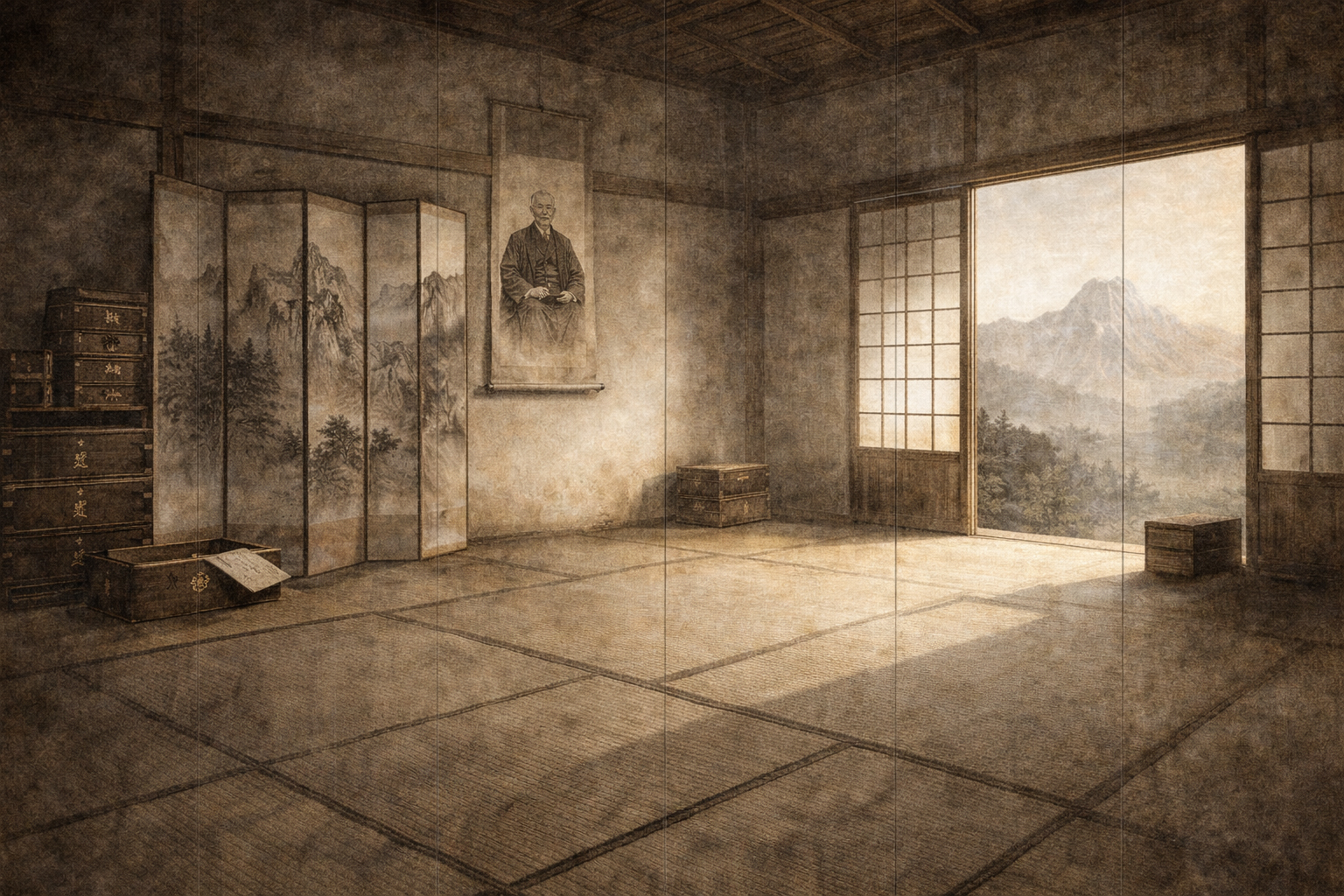
Imagined House Reconstructions
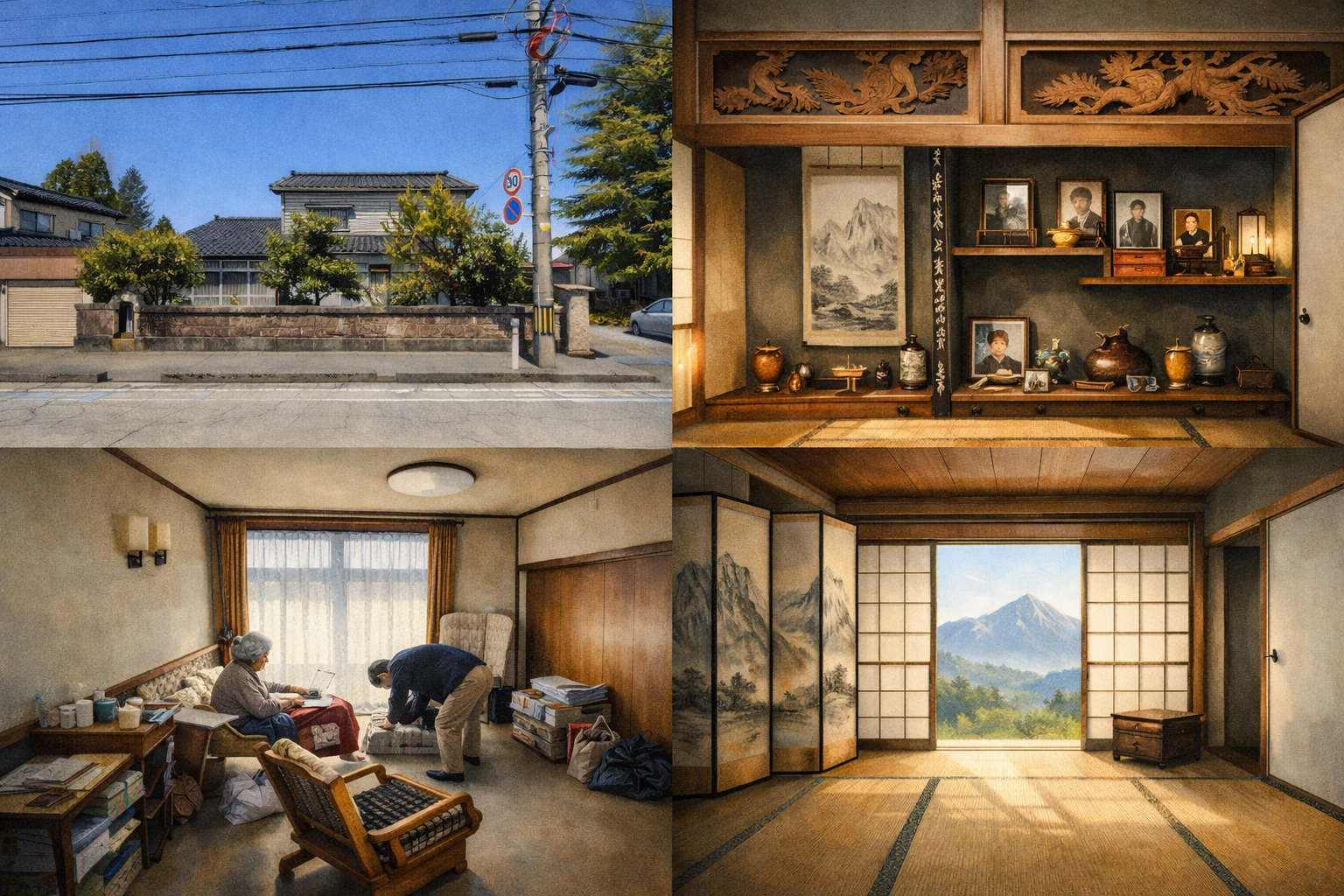
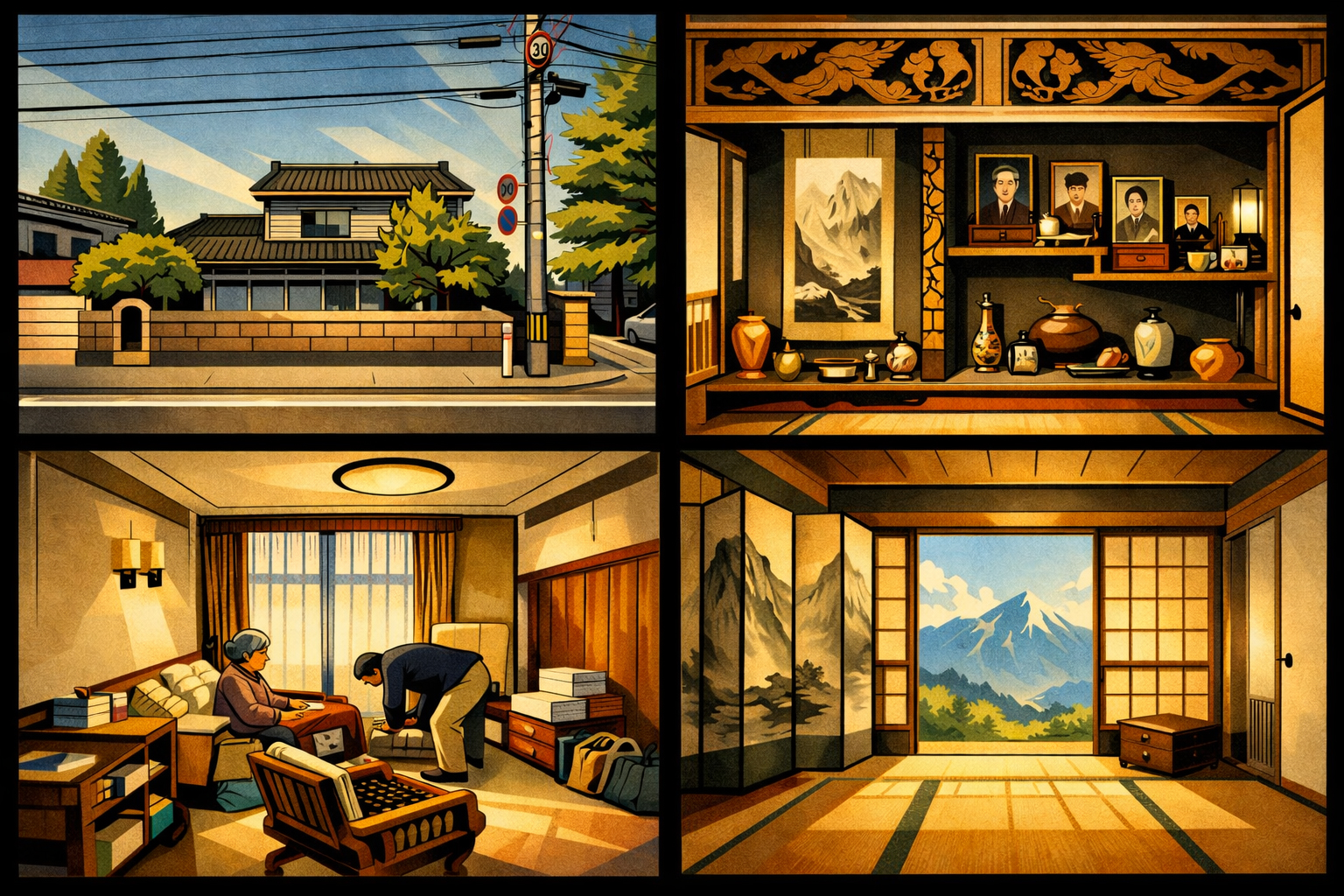
Some imagined images try to return the house to itself more directly. They rebuild the entry, the roofline, the exterior air, or the domestic mood in forms the camera never exactly captured. These are not corrections so much as emotional reconstructions. The eye, once burdened with enough real detail, begins trying to restore what time, neglect, and partial seeing left unresolved.
These works matter because they reveal the mind’s refusal to let the house remain only fragmented. A real house can be damaged. Imagination tries to give it one more chance at wholeness.
Scrolls, Dream Weather, and Imagined Thought
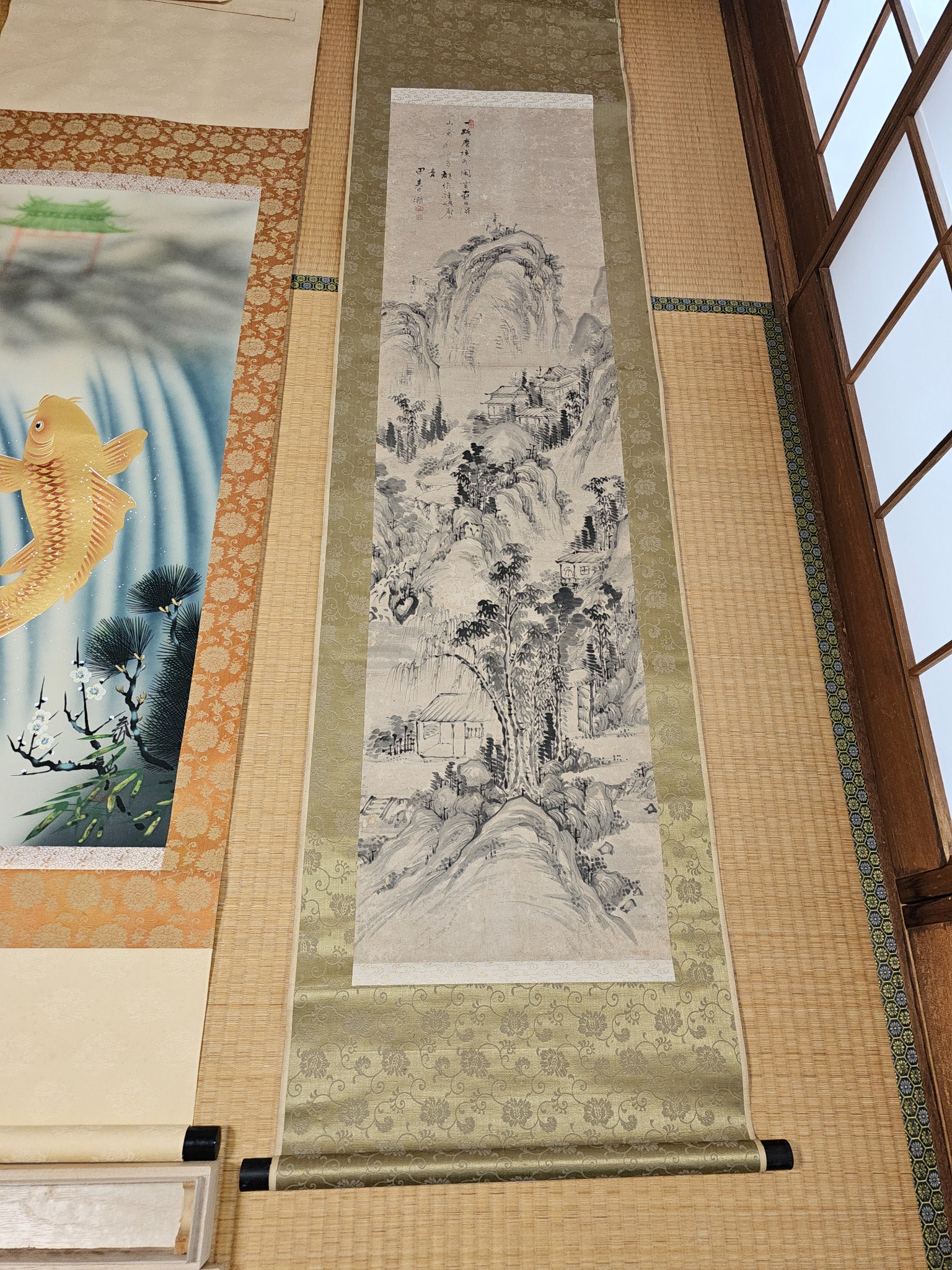
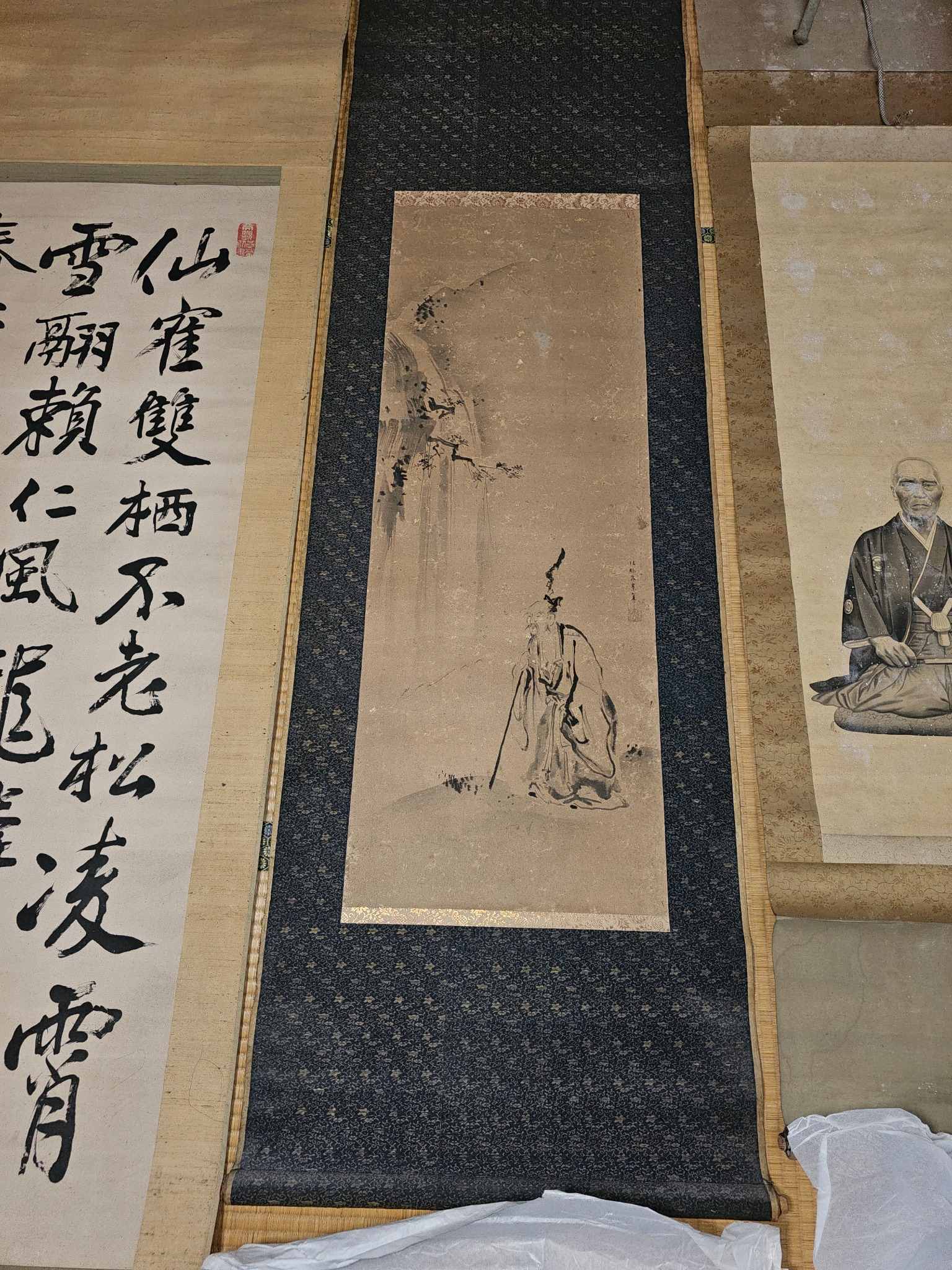
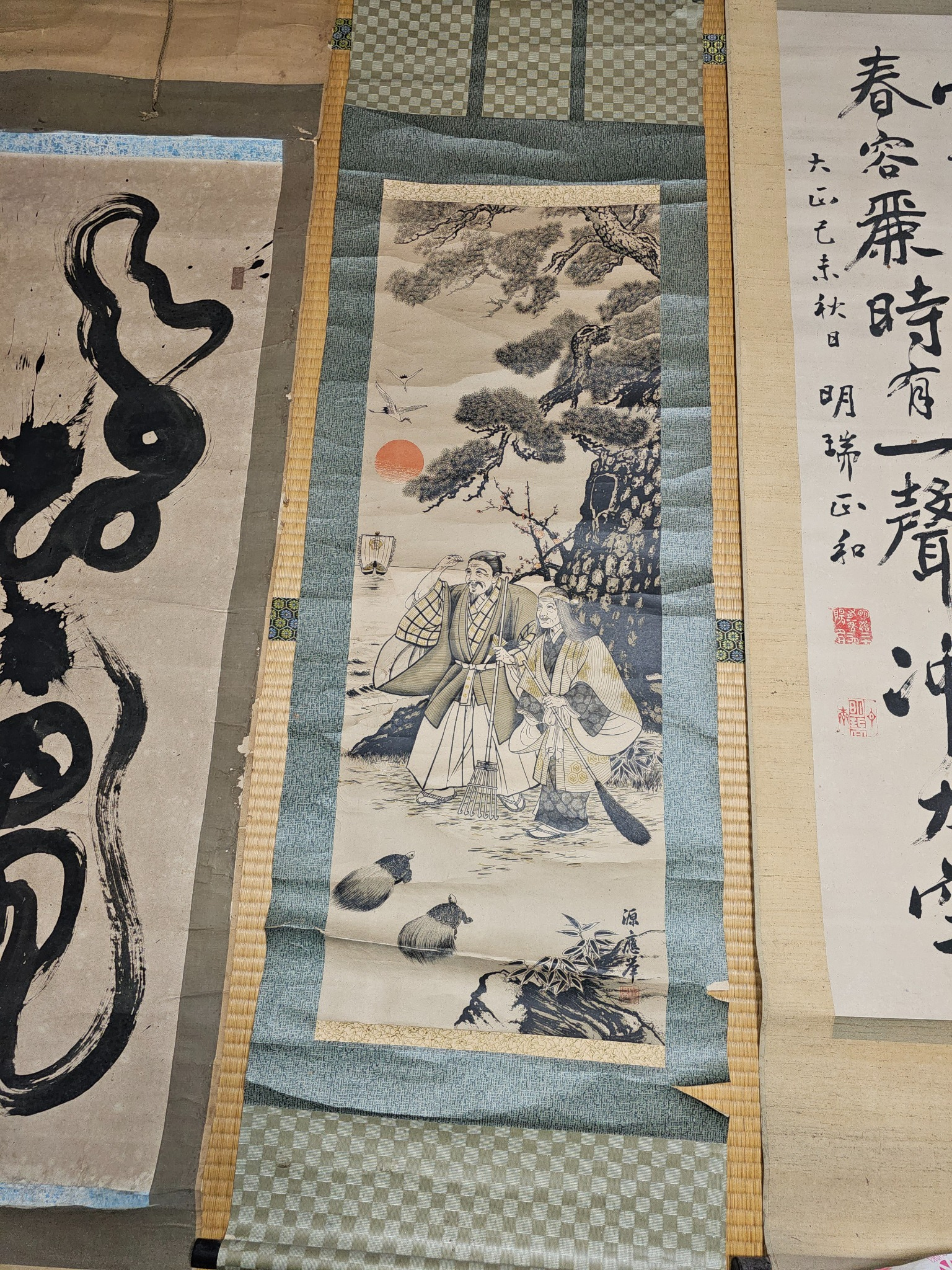
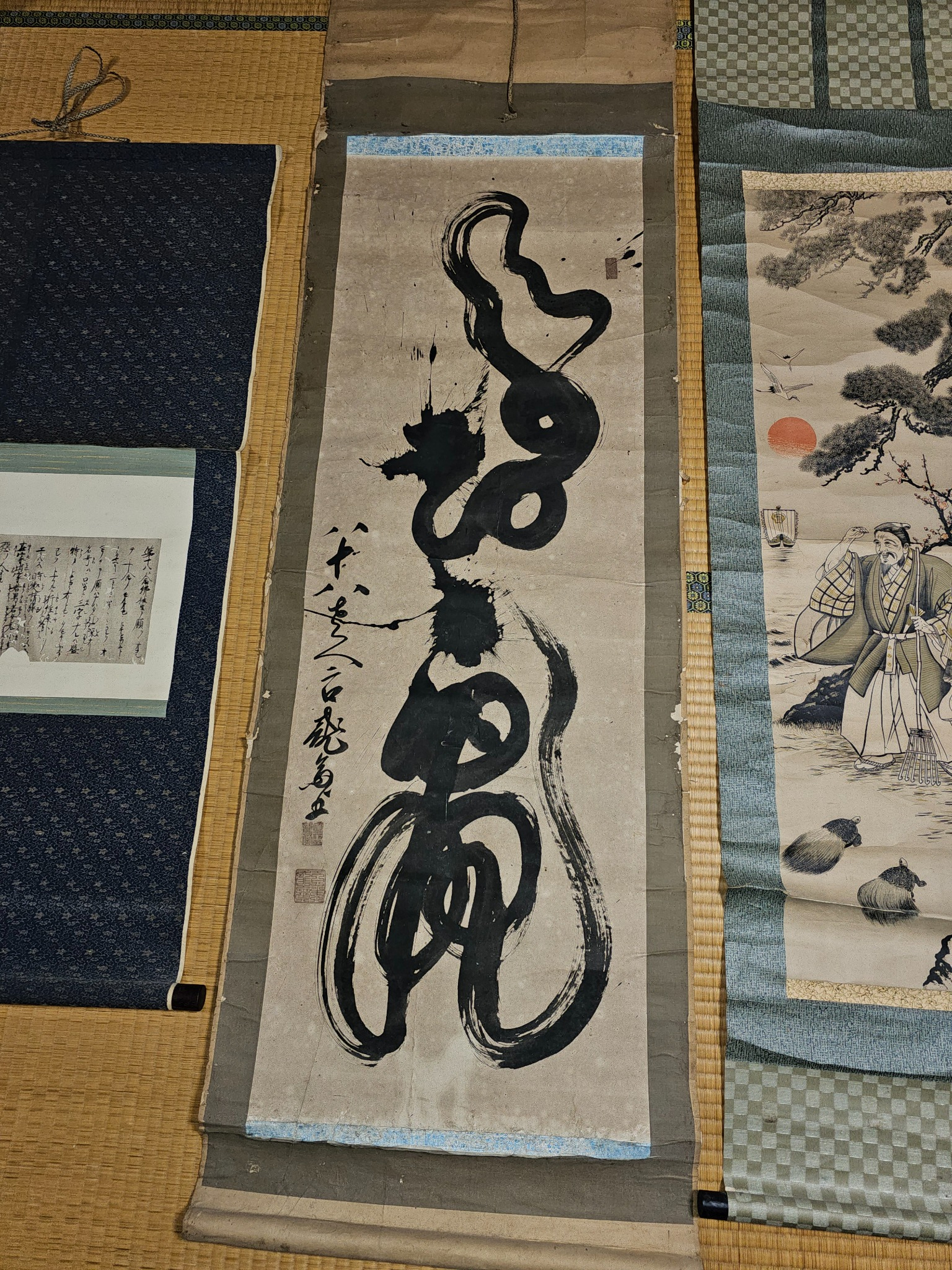
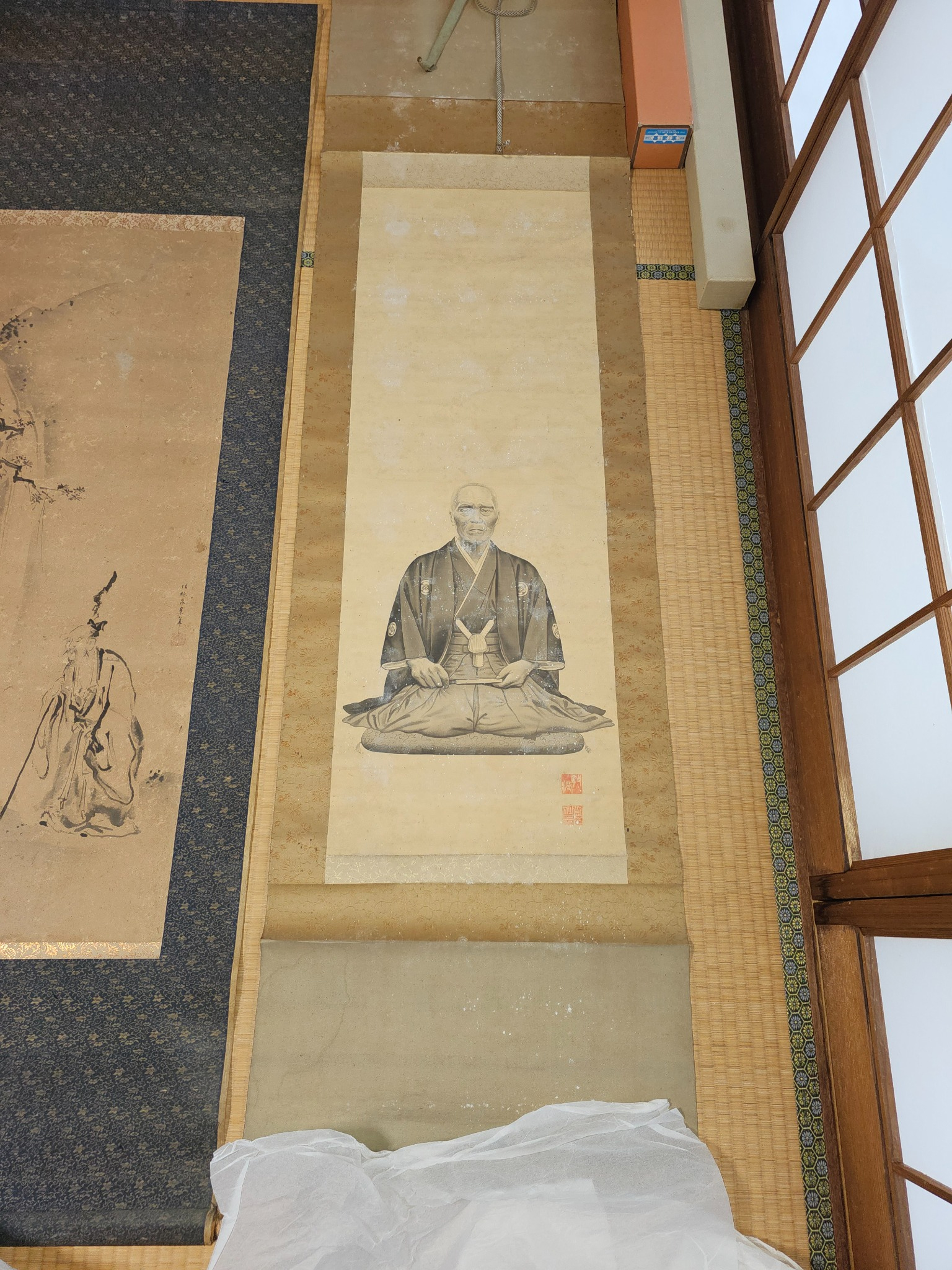
The archive also dreams in scroll form. Mountains, old men, dragons, koi, wandering figures, poems, and weather scenes all reappear in imagined versions because the family story does not only want rooms and objects. It wants thought-forms. Scrolls are one of the oldest ways a room learns how to think, and so it is natural that imagination would begin hanging its afterimages there.
These are not literal finds from the house. They are visual meditations produced by the same atmosphere that made the actual scrolls matter so much.

AI Family Scenes and Emotional Reconstruction
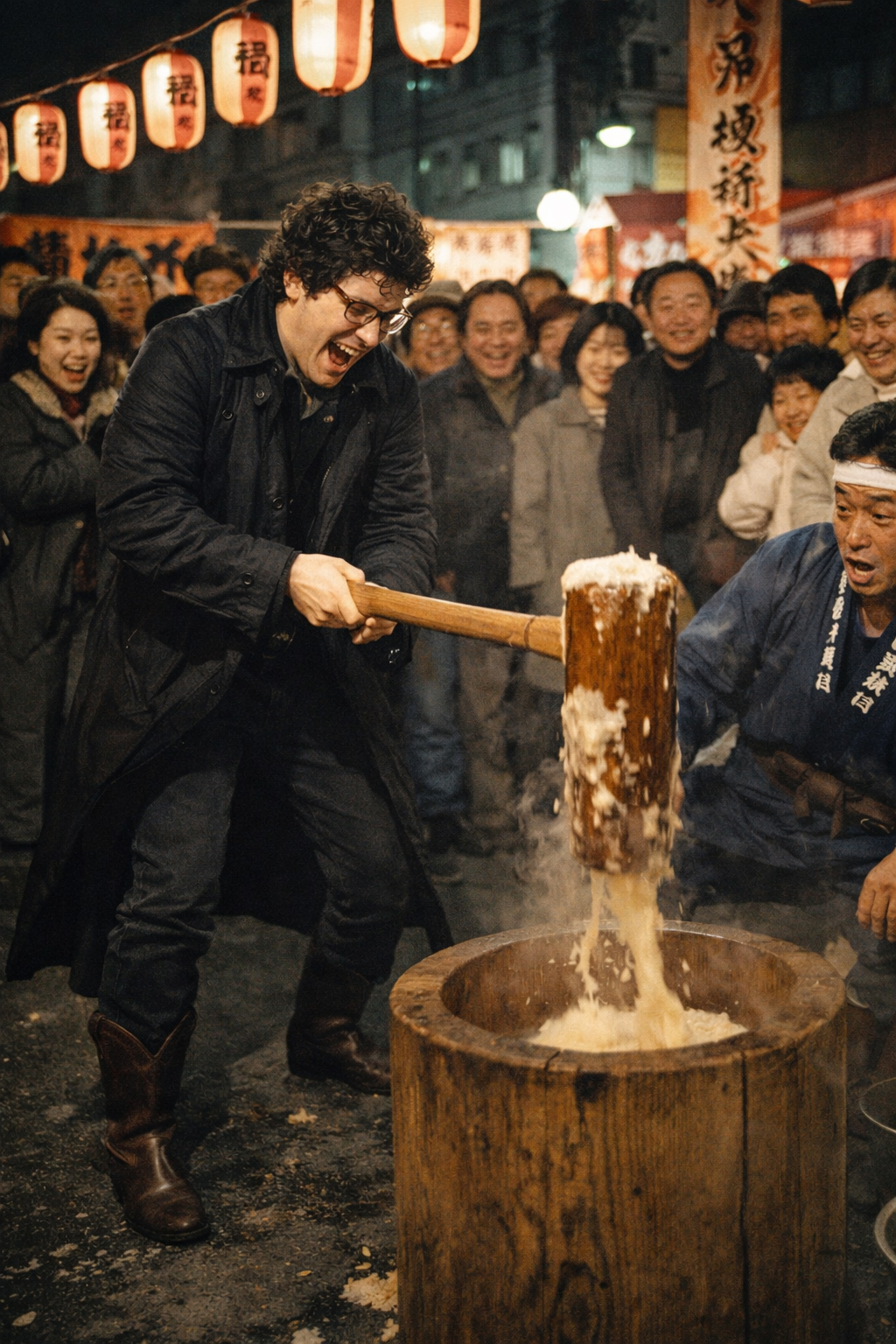
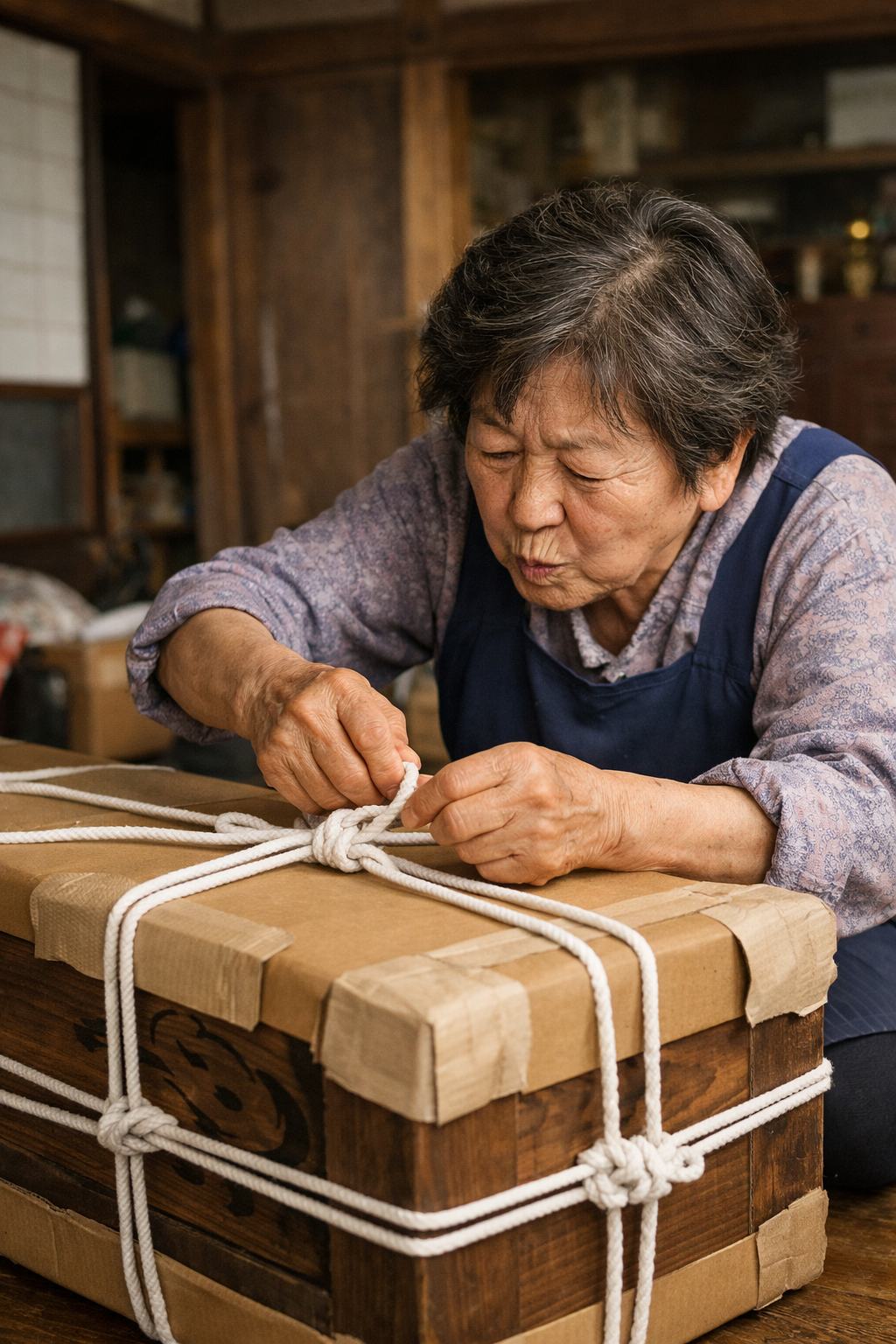
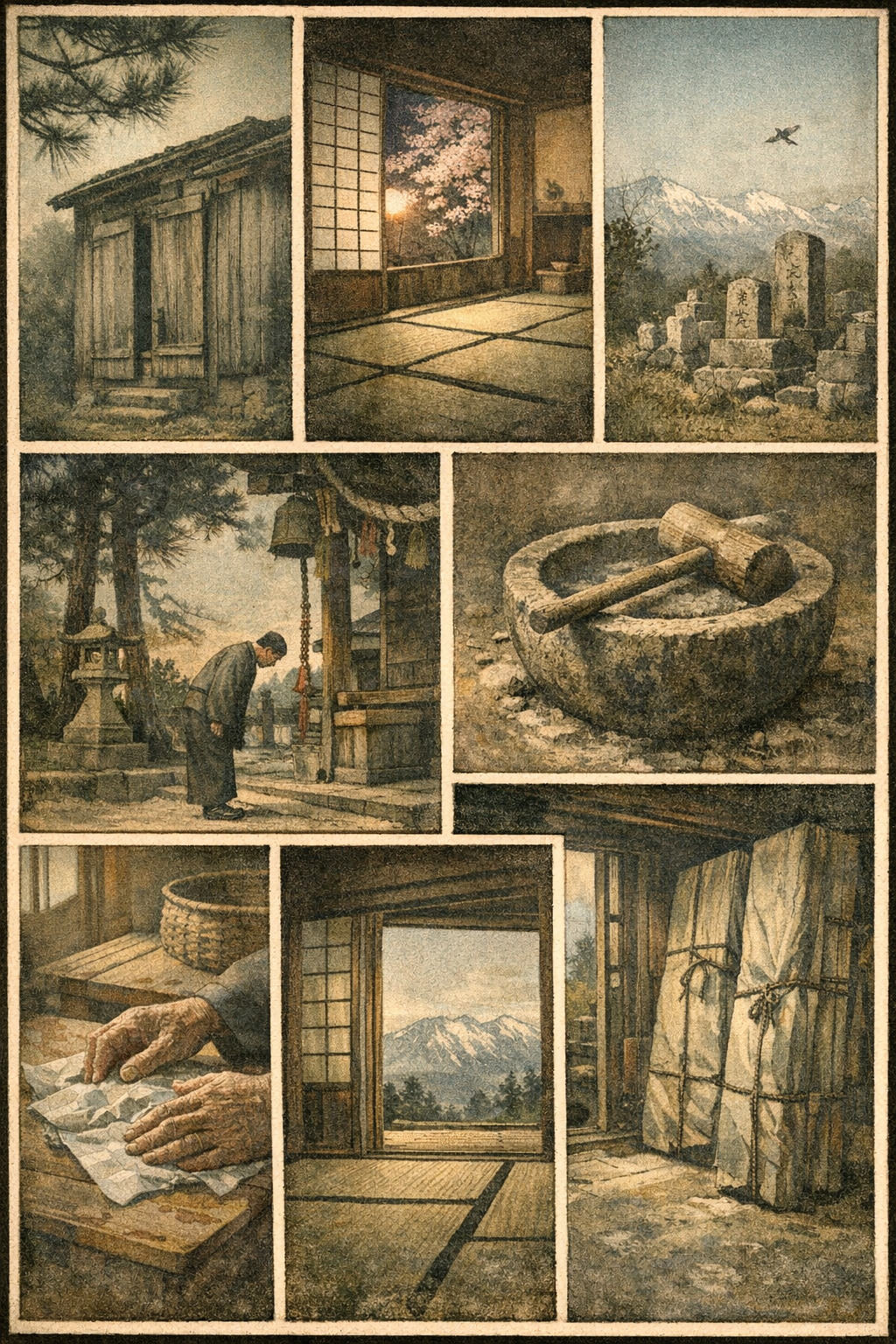
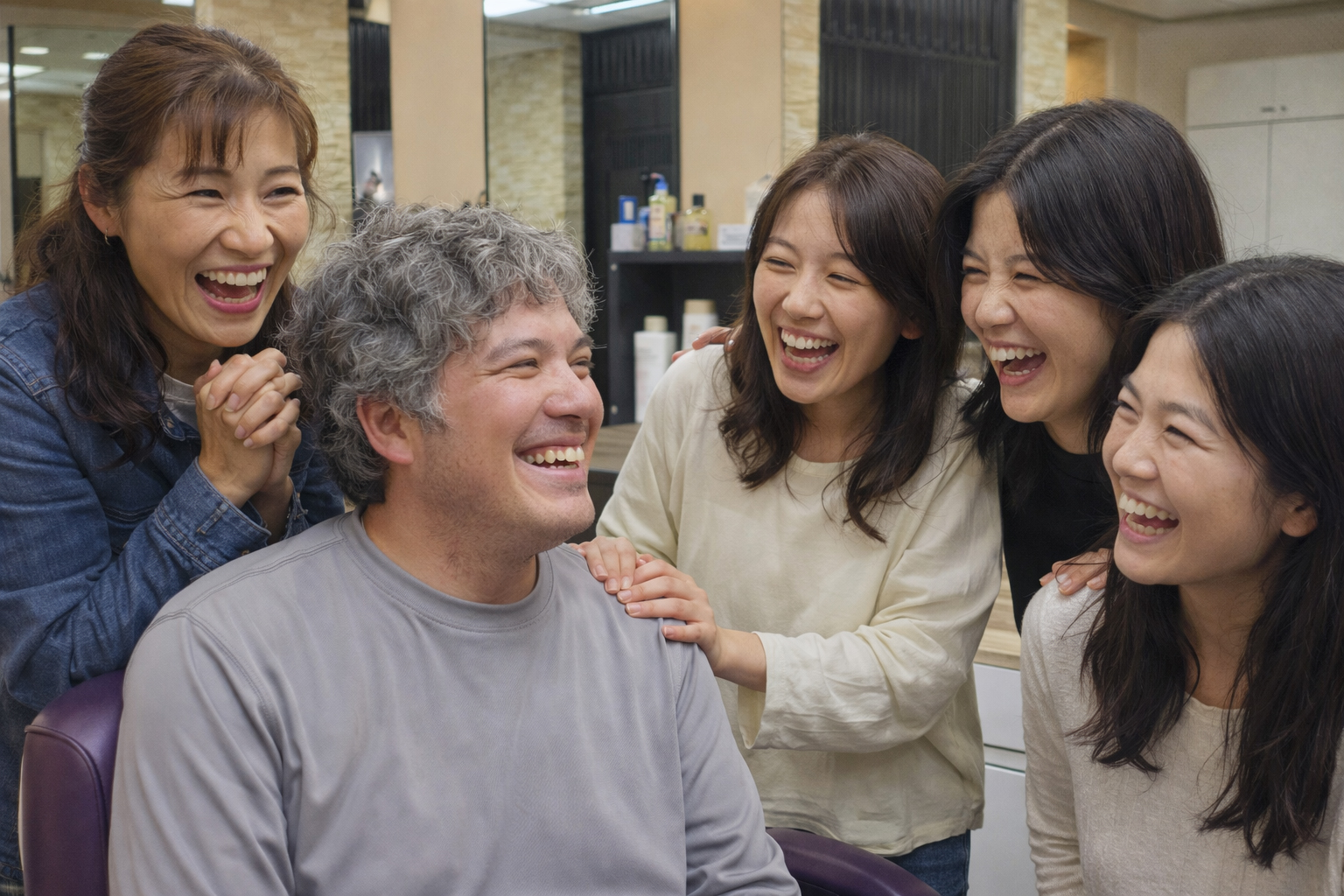
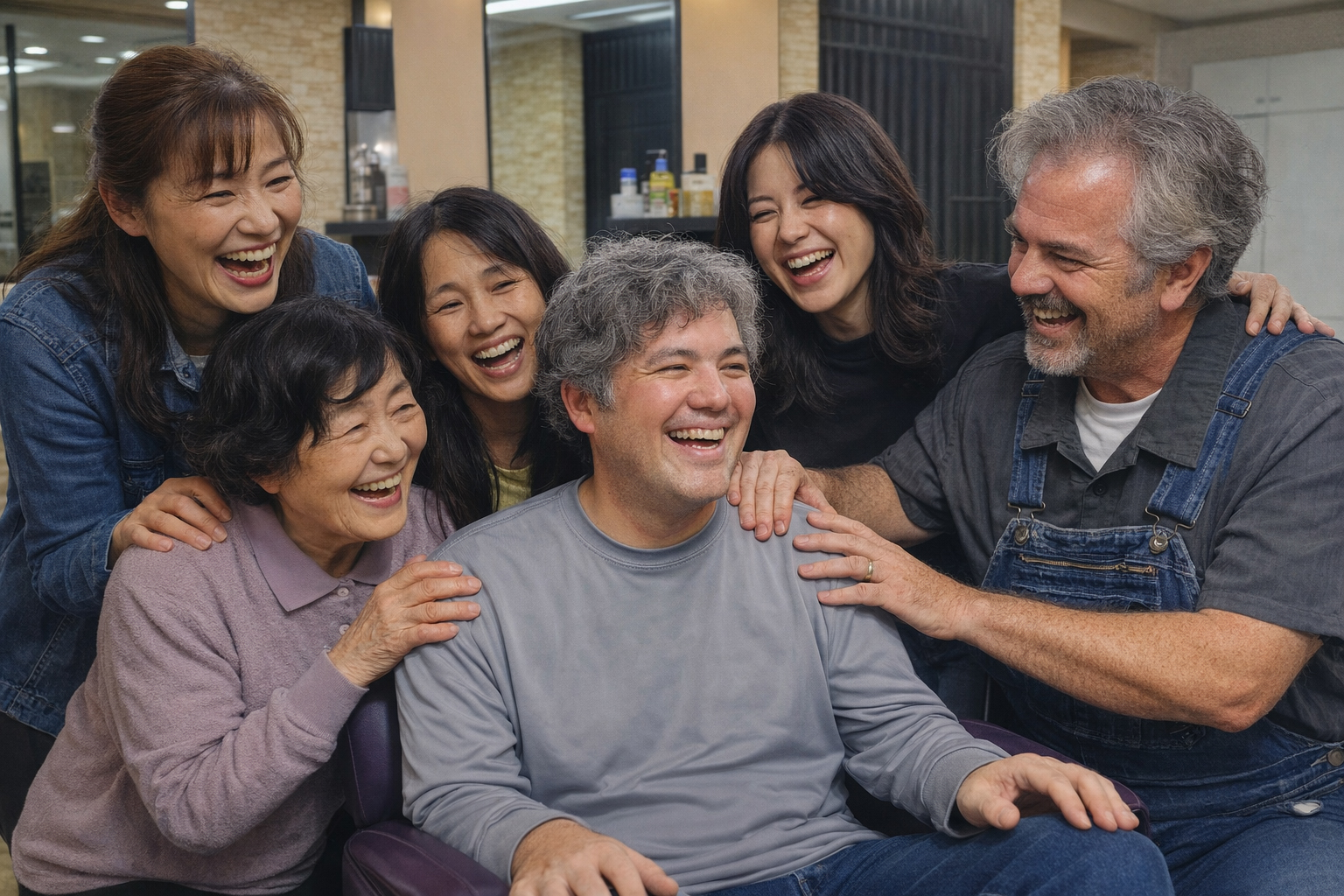
Some imagined images do not restore architecture or scroll-thought alone. They restore feeling itself: family gathering, mochi making, package tying, celebration, the story panel version of the whole compound. These are not proofs. They are emotional reconstructions. They ask what the family memory might look like if it were allowed to become picture before it became verdict.
That is why they belong at the far end of the archive. They do not replace the real photographs. They answer them.
Why the Archive Needs Its Dream Room
A literal archive is necessary, but it is not sufficient. Evidence tells us what stood where, what object was found, what room looked like after clearing, what road held petals, what gate marked entry, what train arrived, what mountain stayed, what object was wrapped. But once those truths have taken hold, another kind of fidelity becomes possible. Imaginative fidelity. The attempt to answer not only what was there, but what it felt like for a family to live among those forms long enough that they became inner pictures.
This gallery is the room for those inner pictures. It is where the archive stops behaving like storage alone and admits that memory, too, is an architect.
The photographed house remained one truth. The imagined house became another.
The archive had to learn how to dream.
Otherwise it would never have kept pace with the life of the story.