Hanasaki House
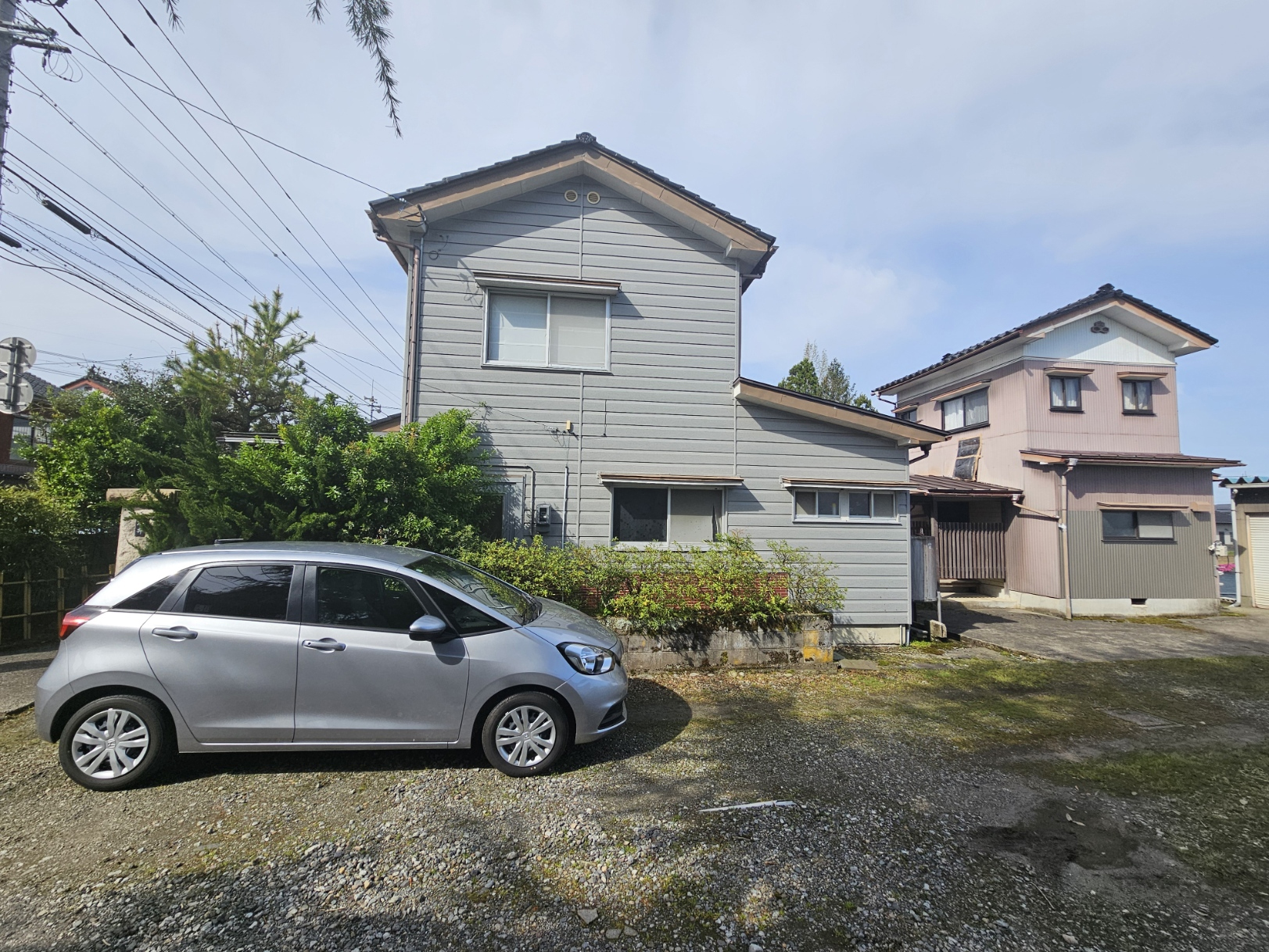
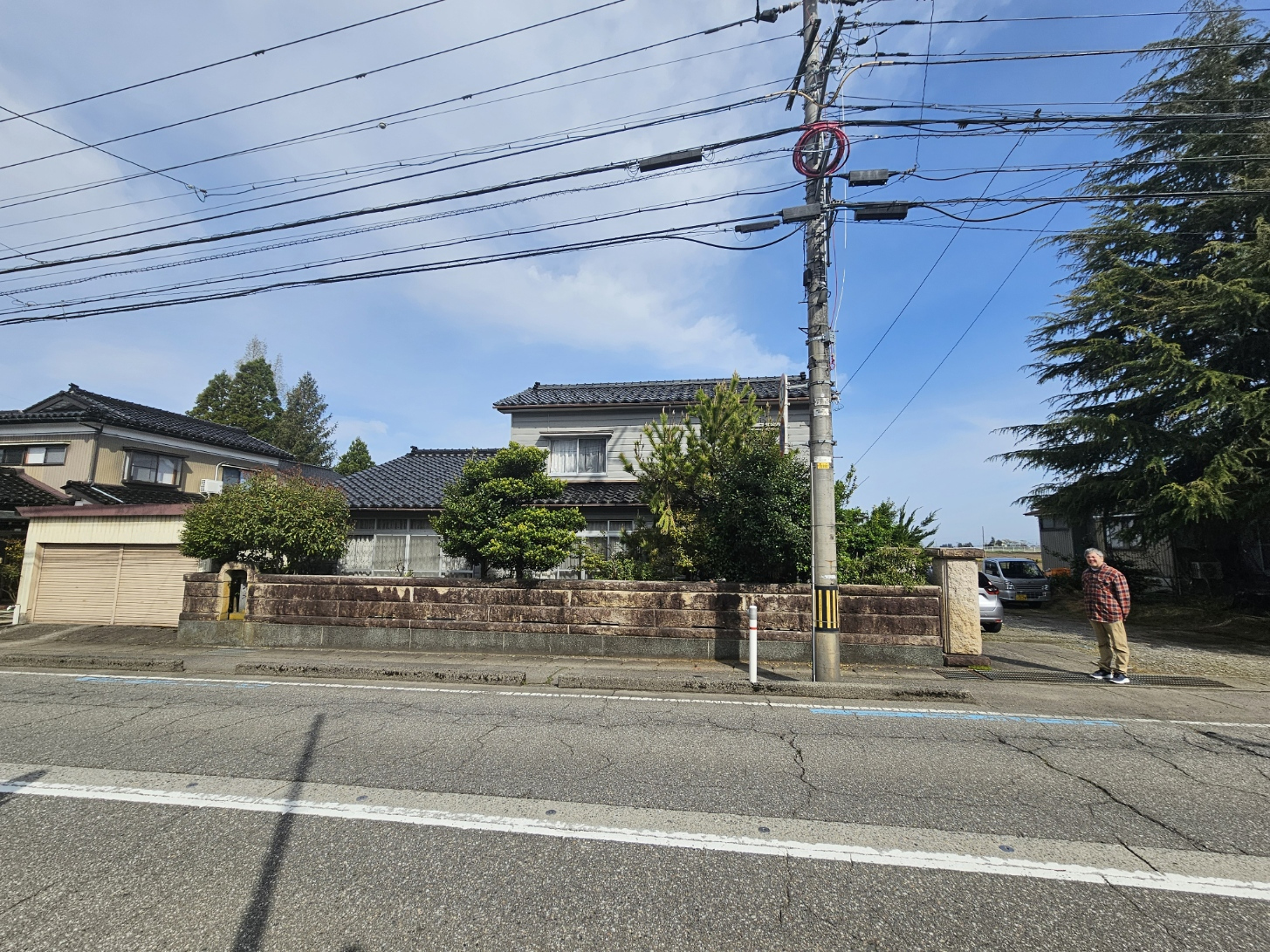
Before the ranma was carried, before the drawers were opened, before the shrine, the grave, the road, and the mountain gathered their separate force, there was the house itself. Front, side, entry, tatami, window light, cleared ground, roadside view, and the quiet geometry by which a family life had once been given rooms. This gallery keeps to the visible house. Not yet the treasure chamber, not yet the argument over what should stay and what should travel, but the standing body of the place.
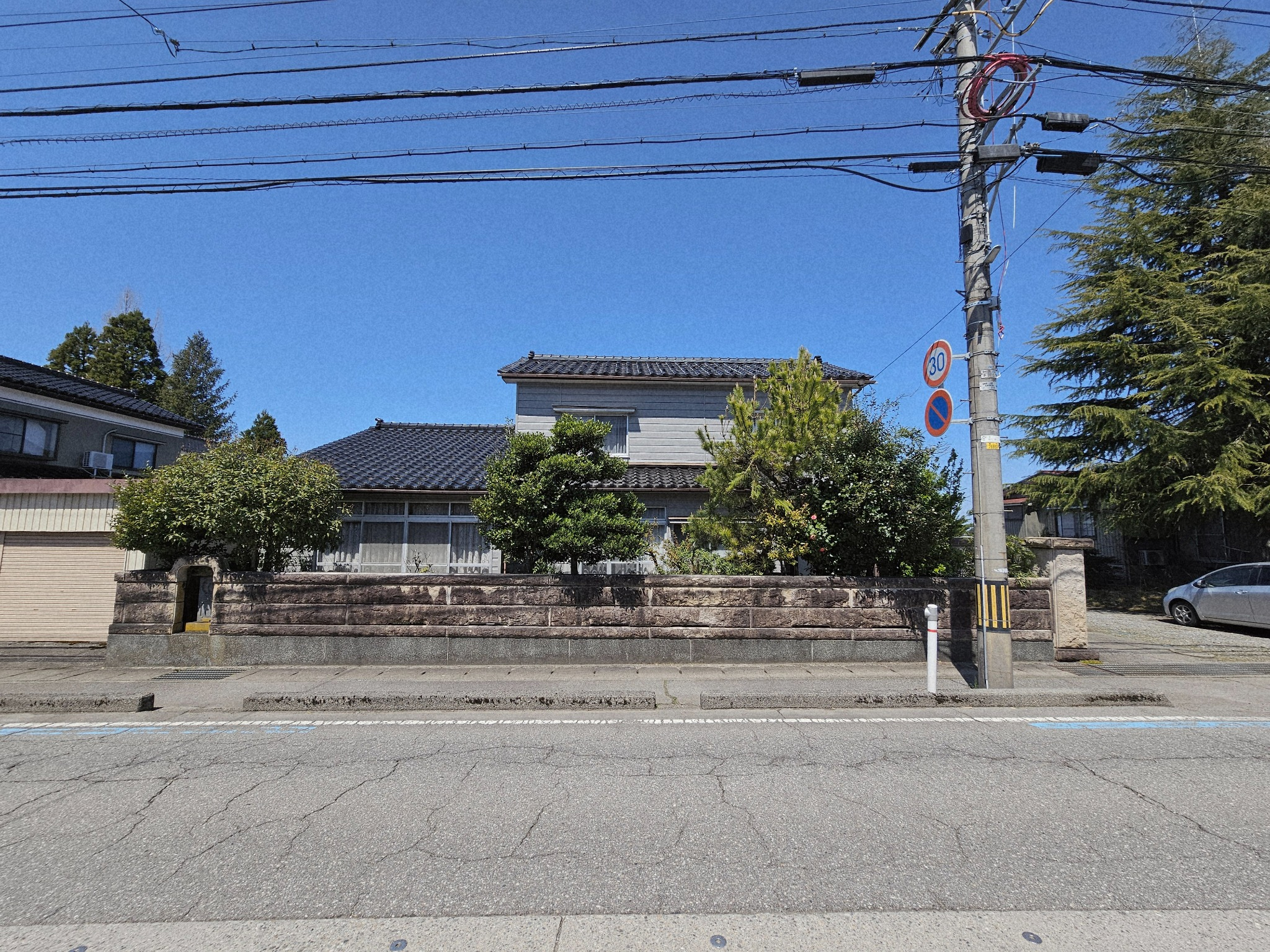
A house is never only its rooms. It is also its approaches, its side angles, its roofs against weather, its yard, its road, its fields, its entry, and the difference between a room full of things and a room after things have been moved. Hanasaki must be seen in all of these conditions if it is to become more than nostalgia or inventory.
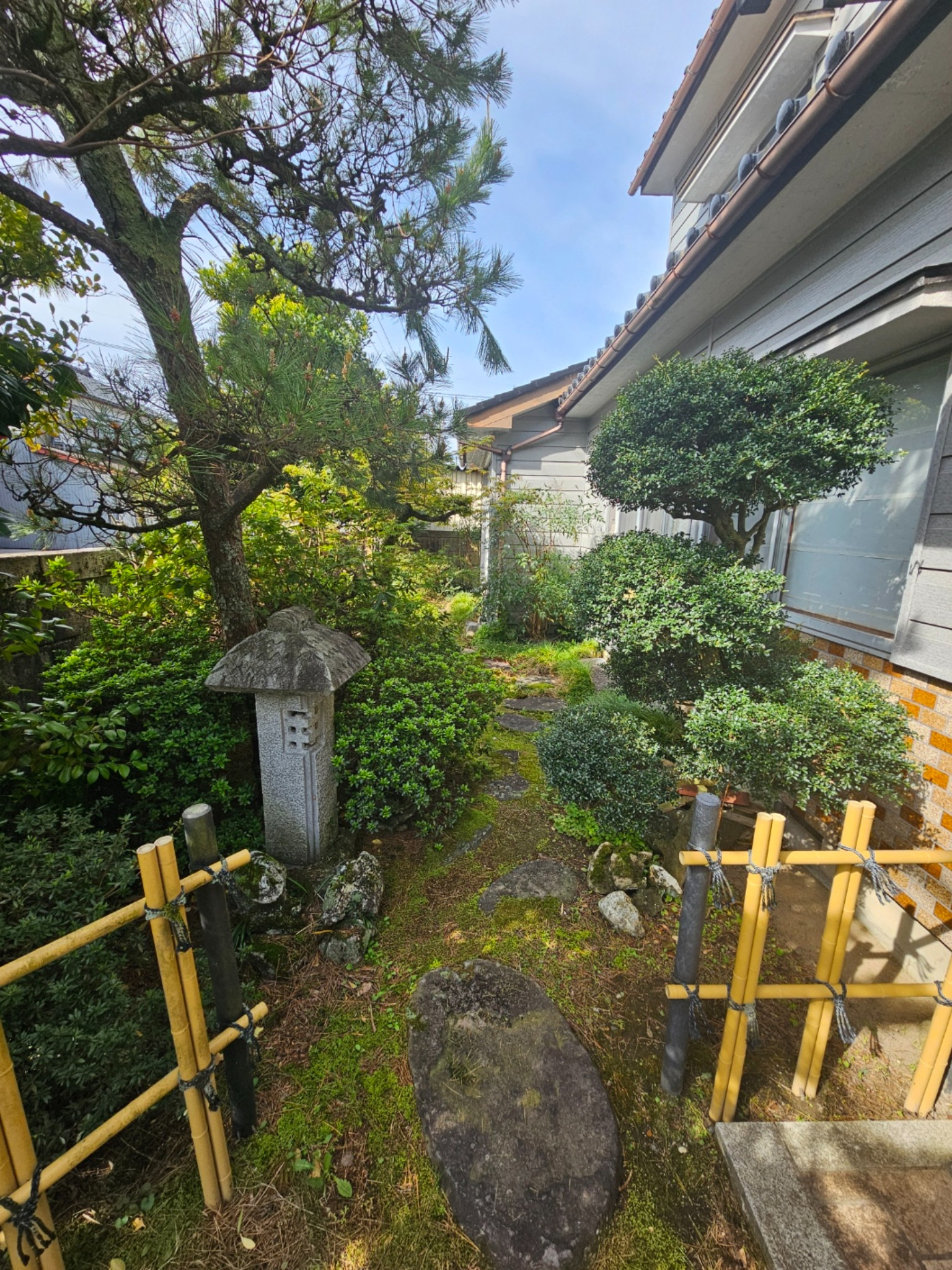
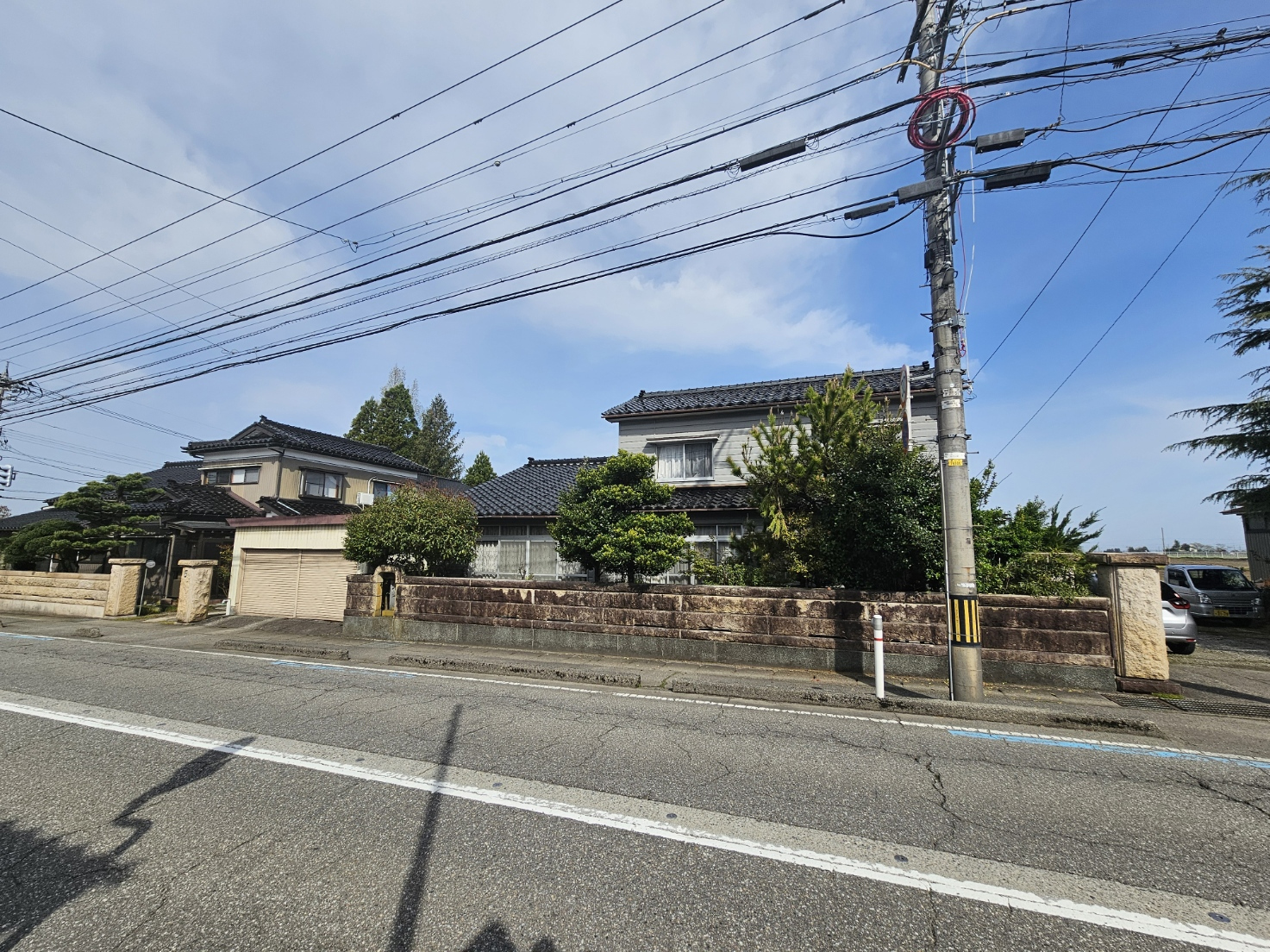
Some houses greet the eye with style. Others gather force more slowly. Hanasaki belongs to the second kind. It does not blaze at first glance. It accumulates. A front exterior, a side wall, an open genkan, a room in clean window light, a road bending past the property, a field behind the house, a stone lantern in the garden. The house becomes itself by degrees.
Before the objects could speak, the house had to stand long enough to be seen.
The Exterior
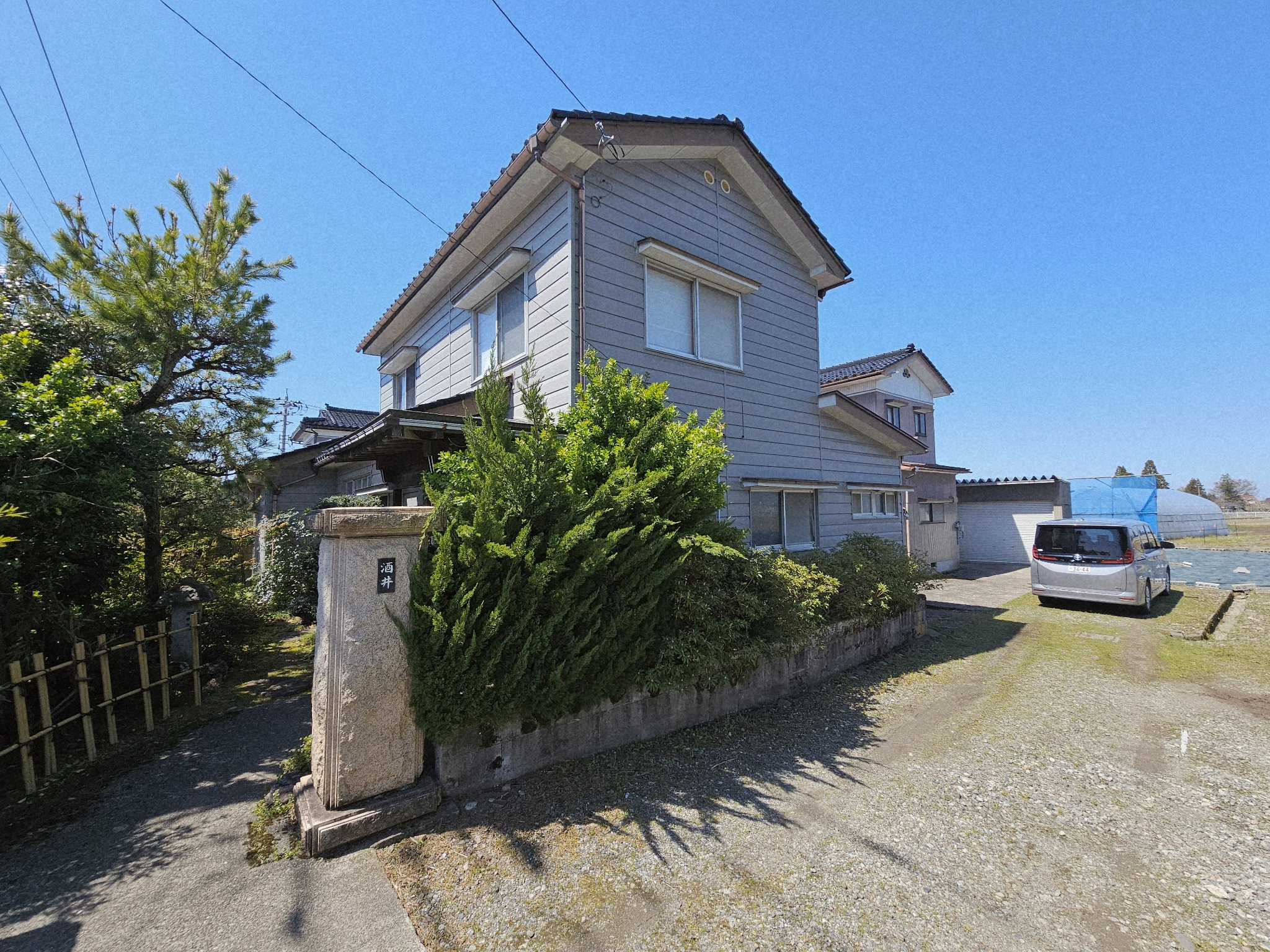
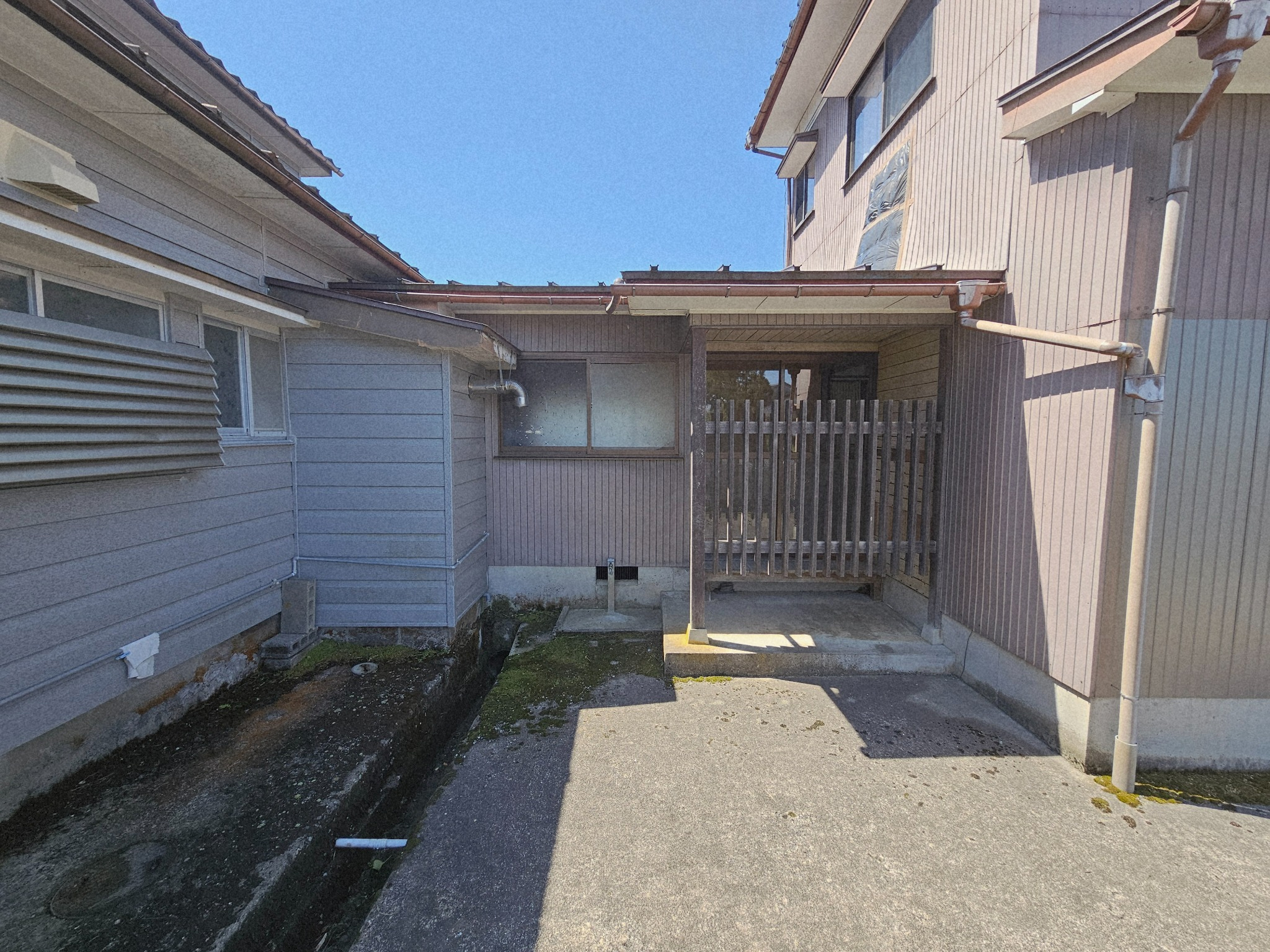
The Entry
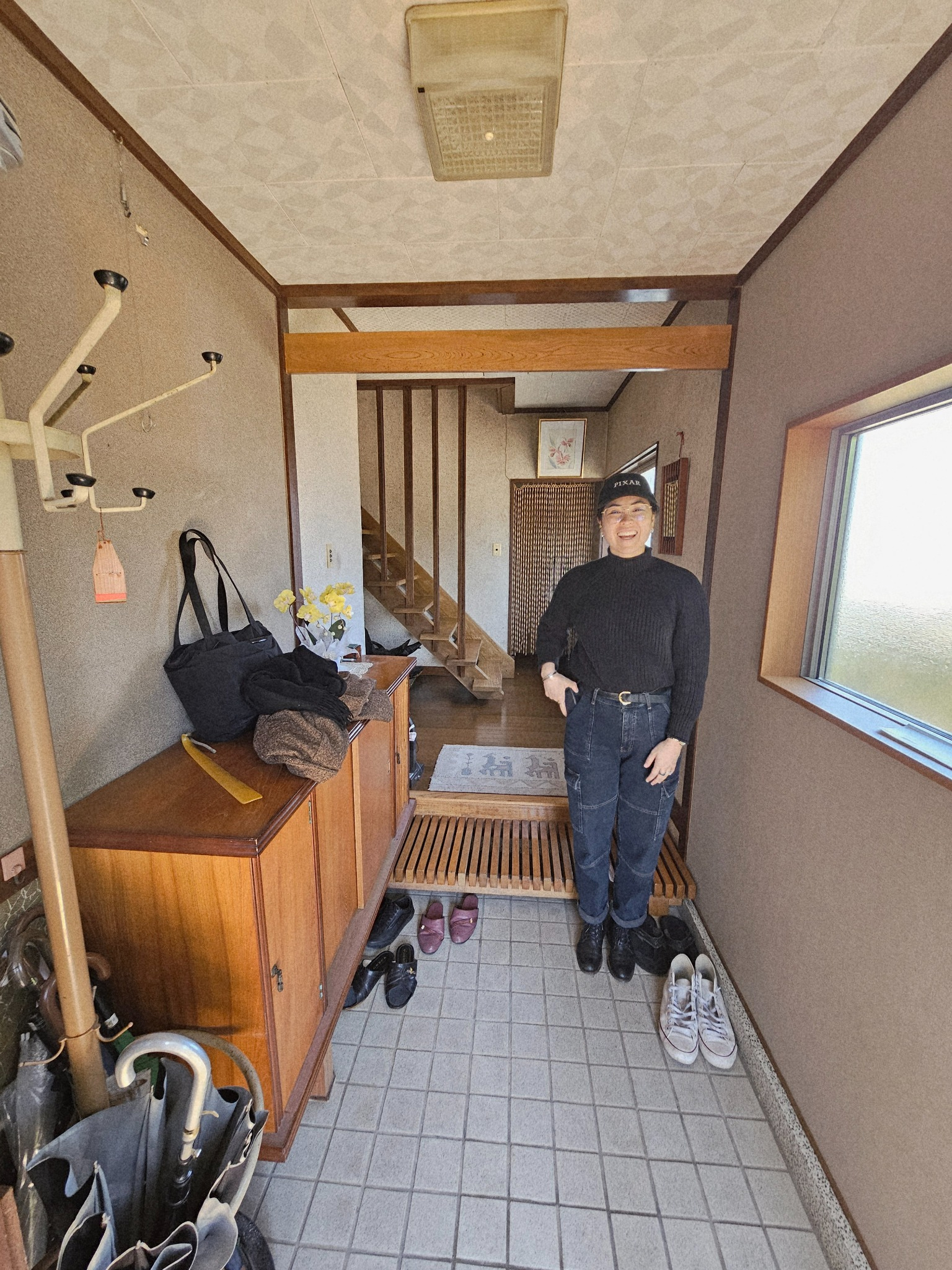
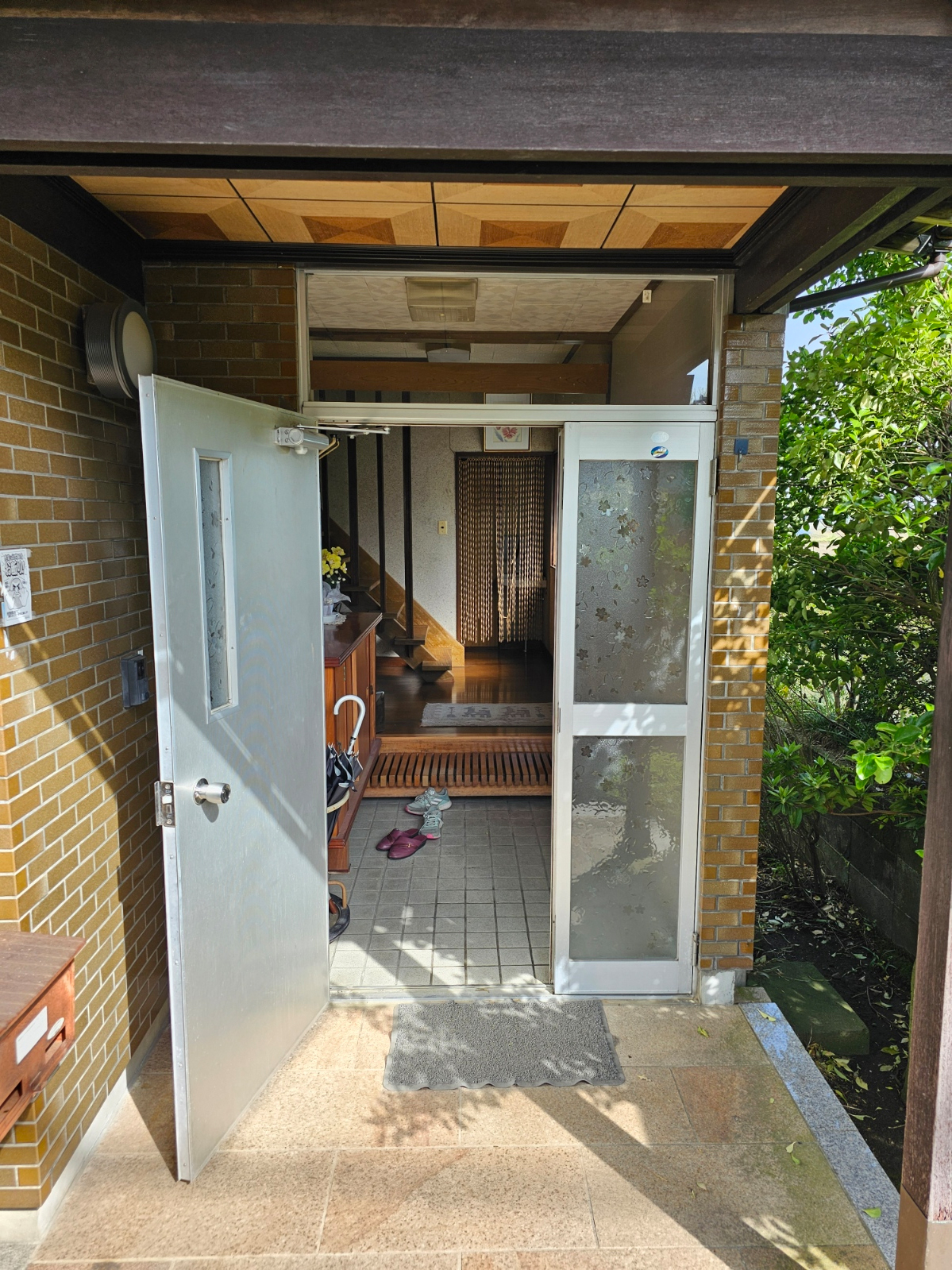
Every family house has an edge where public road becomes interior life. In Hanasaki that edge matters intensely. The genkan is not only a practical threshold. It is where shoes, weather, memory, fatigue, duty, and return all begin crossing inward at once.
Entry images belong early in the archive because no house is fully visible from outside. The front wall may stand, but reception happens at the threshold. A house becomes morally legible by the way it takes the body in.

The Rooms
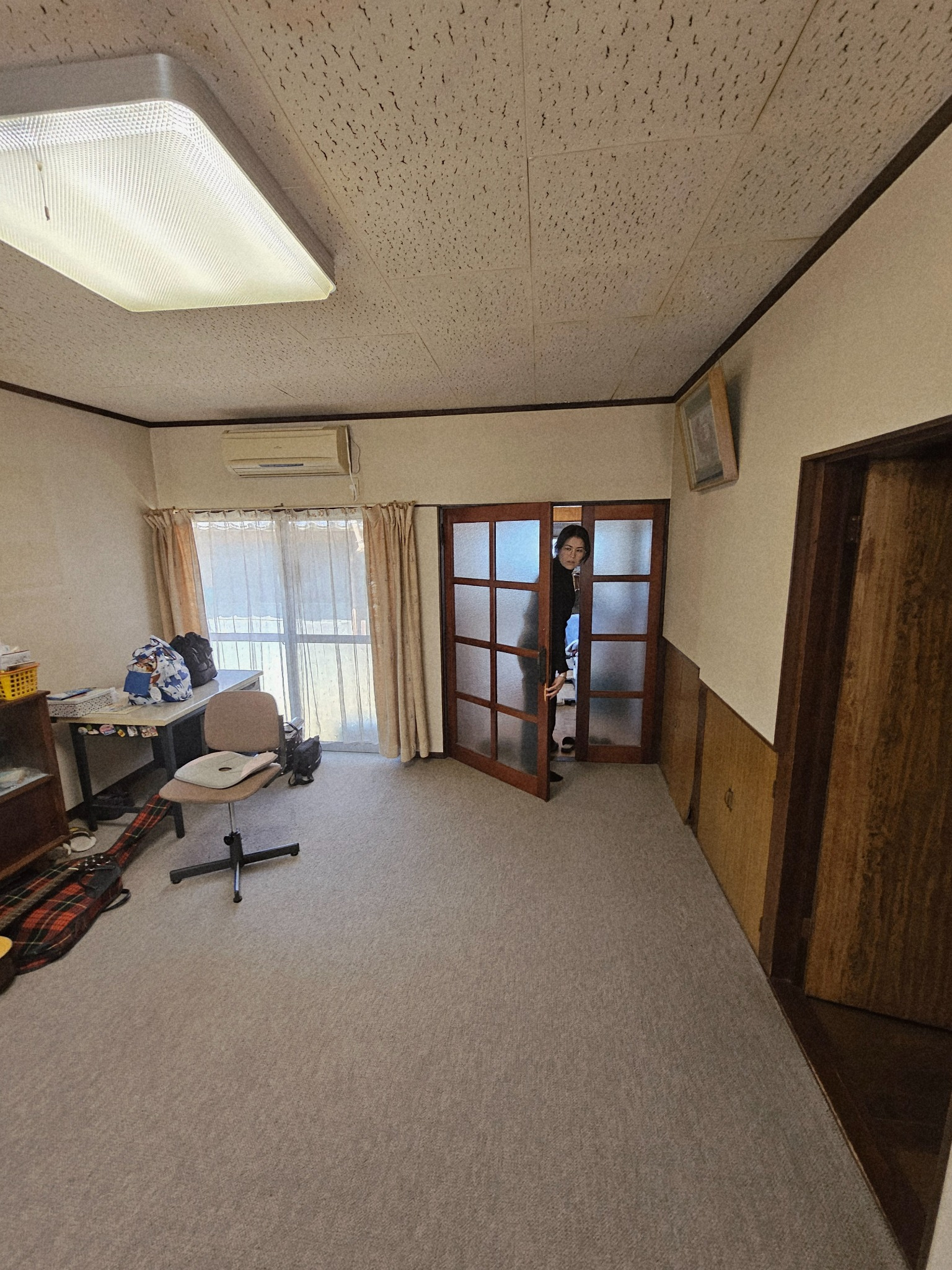
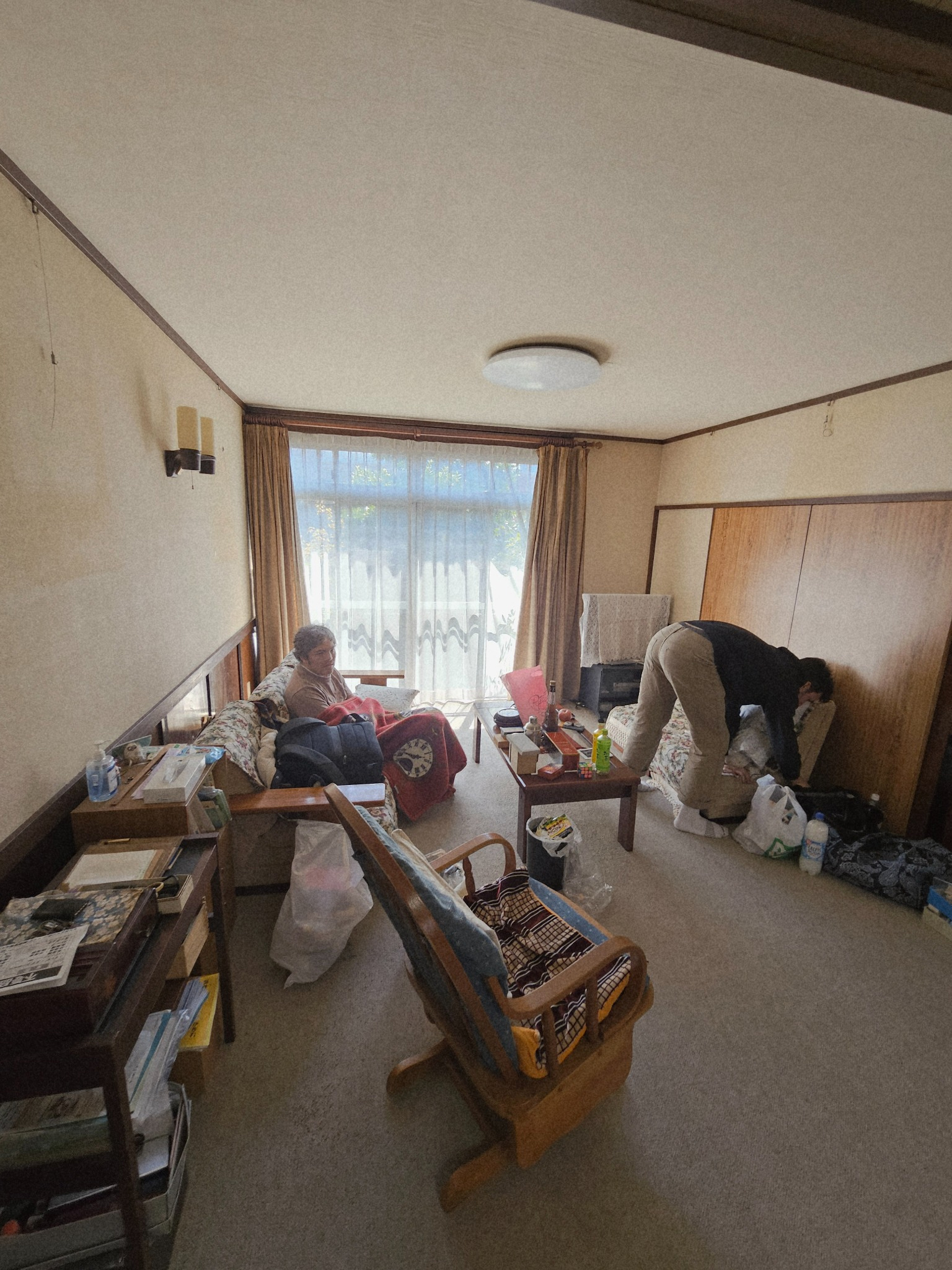
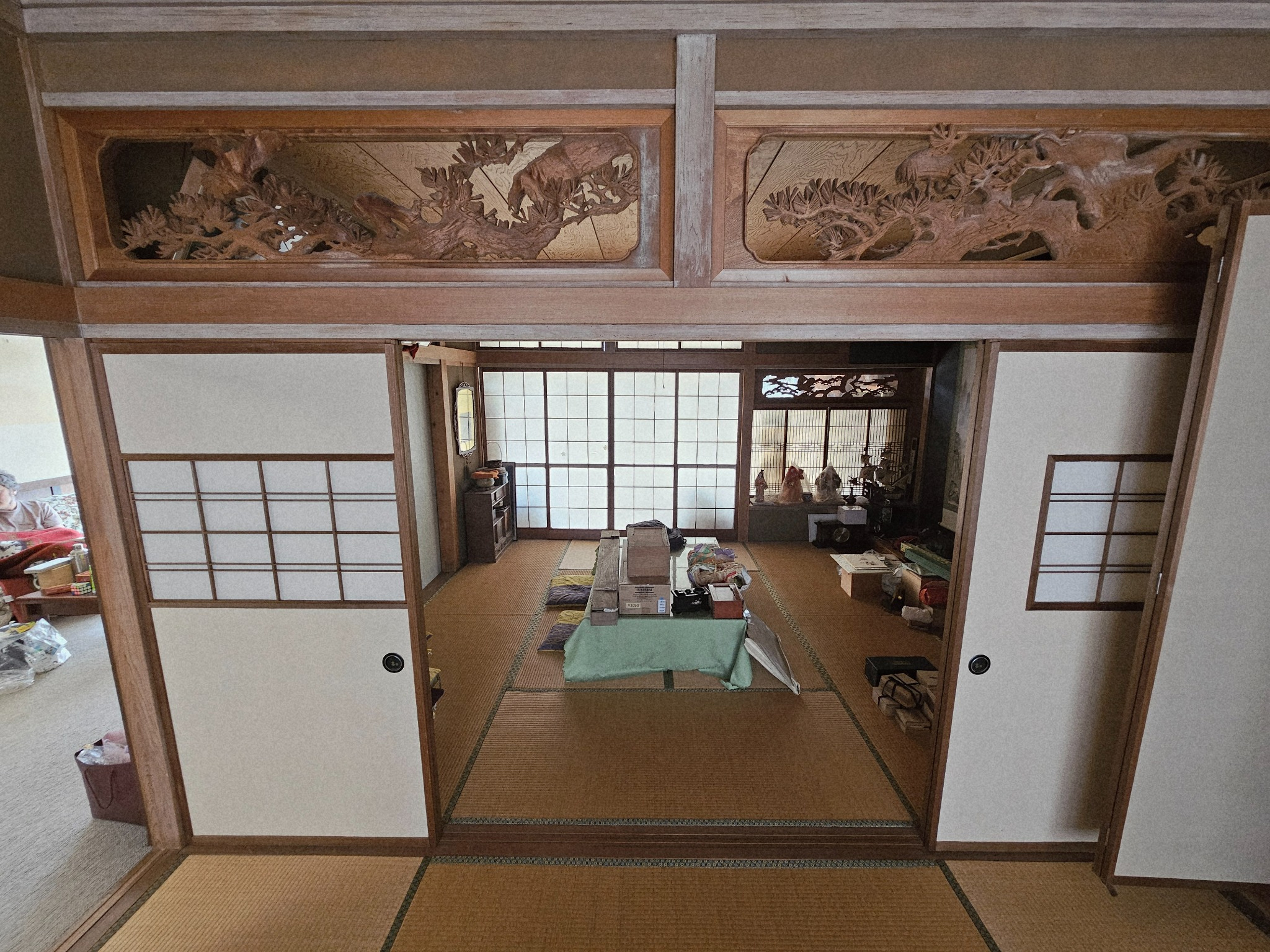
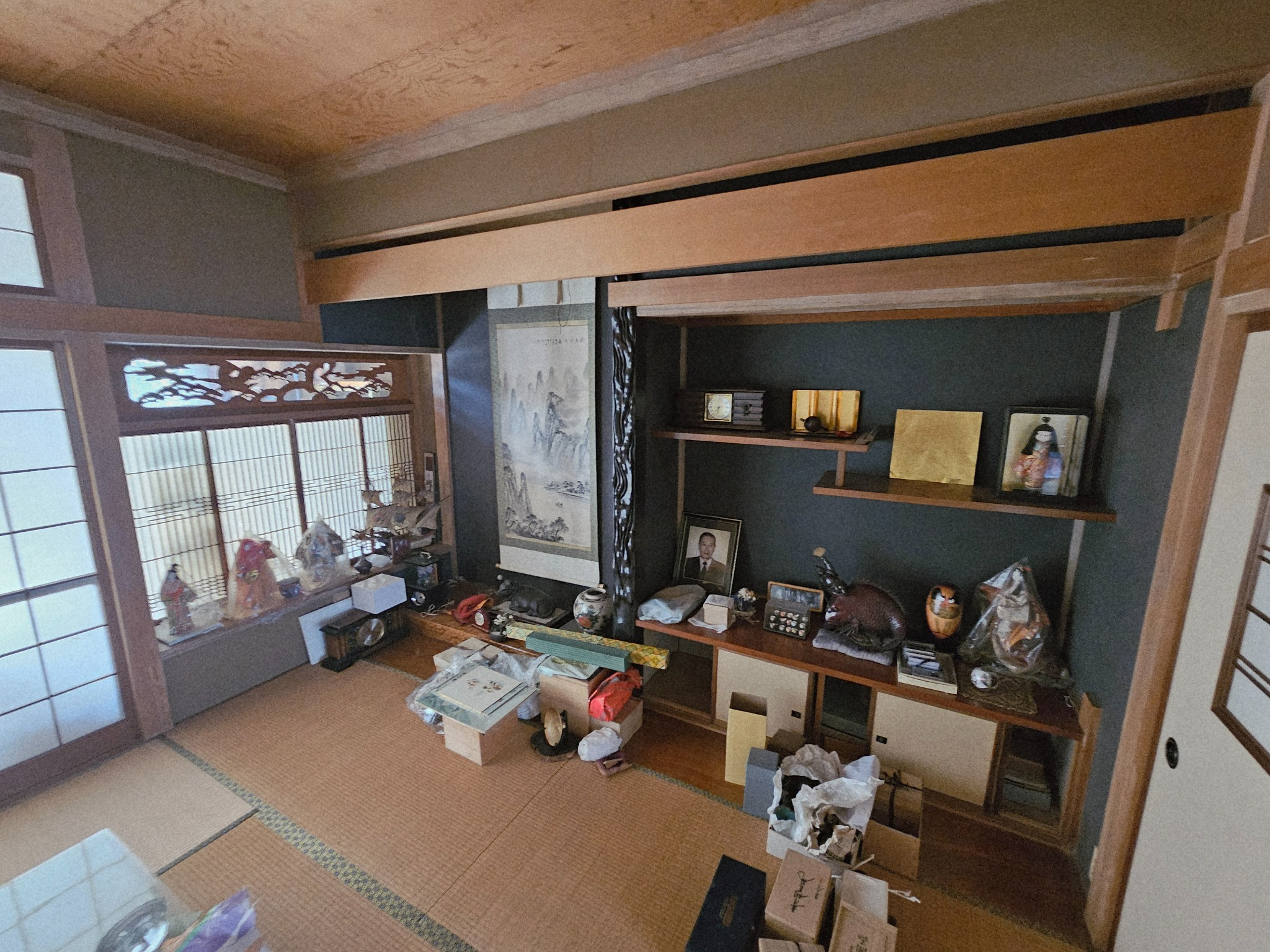
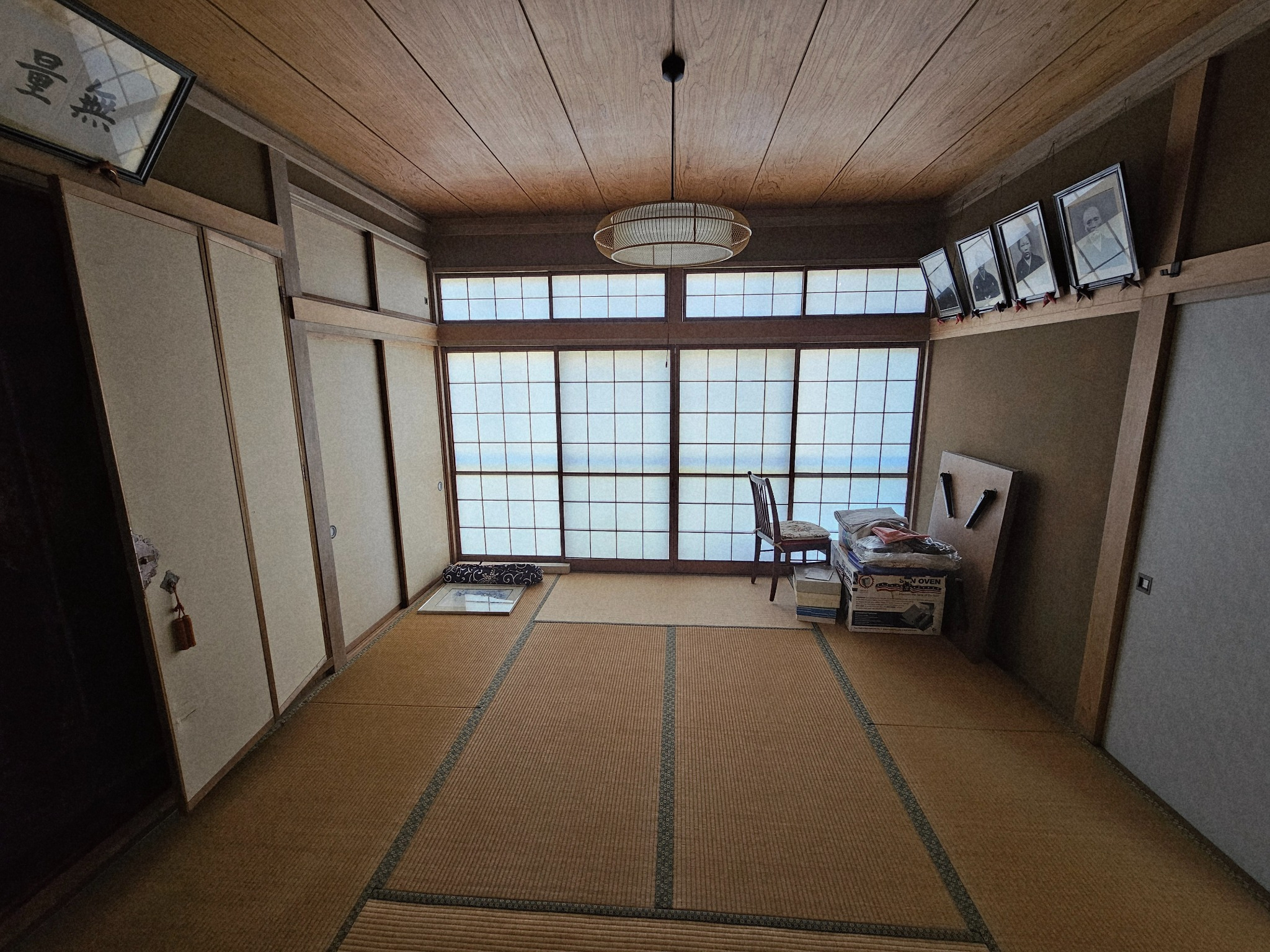
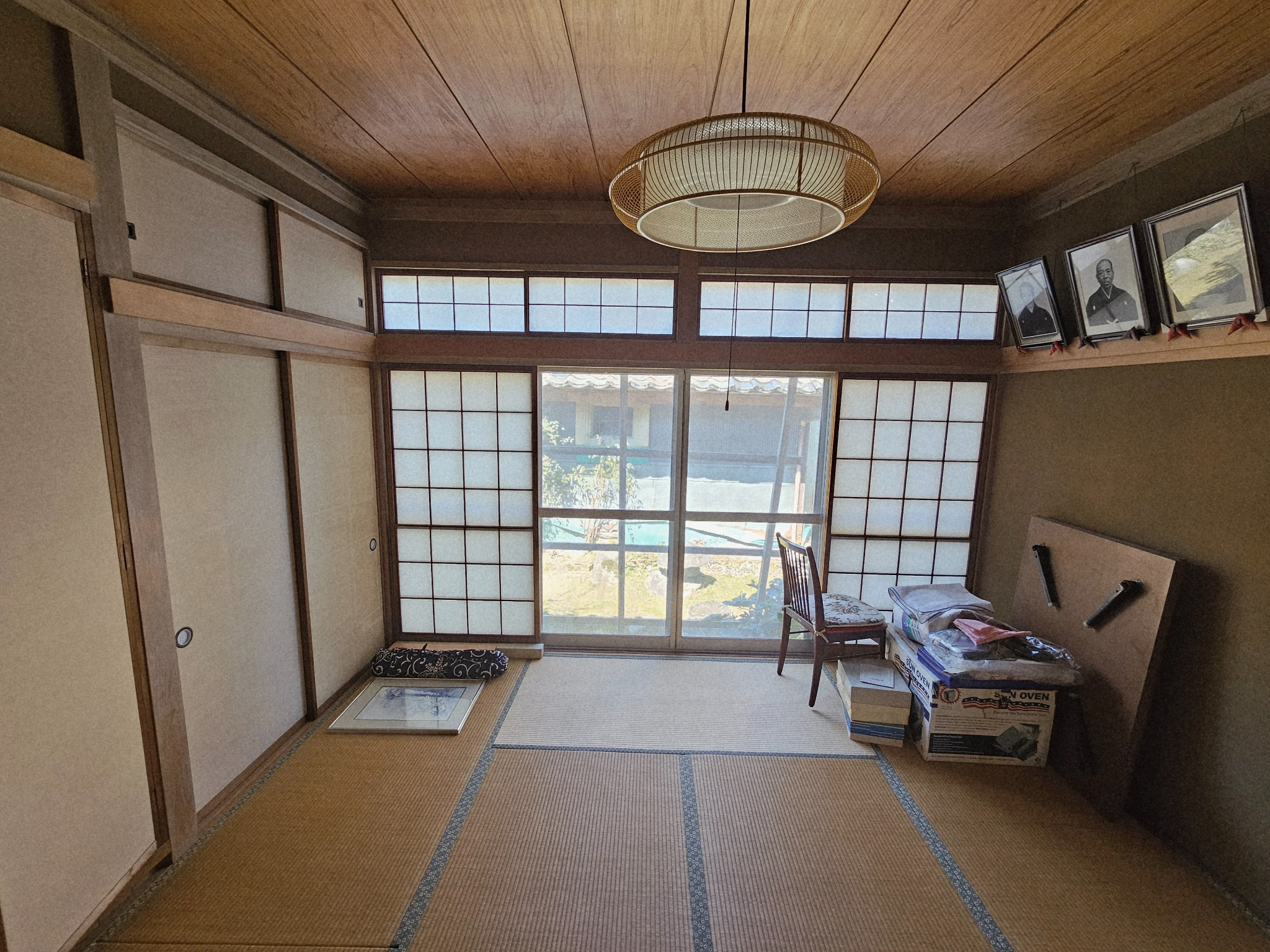
A room can hold ancestry, clutter, display, neglect, window light, or the afterimage of what has been cleared away. Hanasaki’s rooms matter because they show several of these conditions at once. They are not museum rooms. They are family rooms carrying uneven time.
Some remain full of things and therefore dense with unmade decisions. Some have been partly emptied and reveal their structure more clearly. Some hold shelves, ancestor photographs, or the tokonoma. Some are simply quiet enough for window light to become the main event. Each condition tells a different truth about what the house had become before anyone began asking what could still be saved.


The Ground Around the House
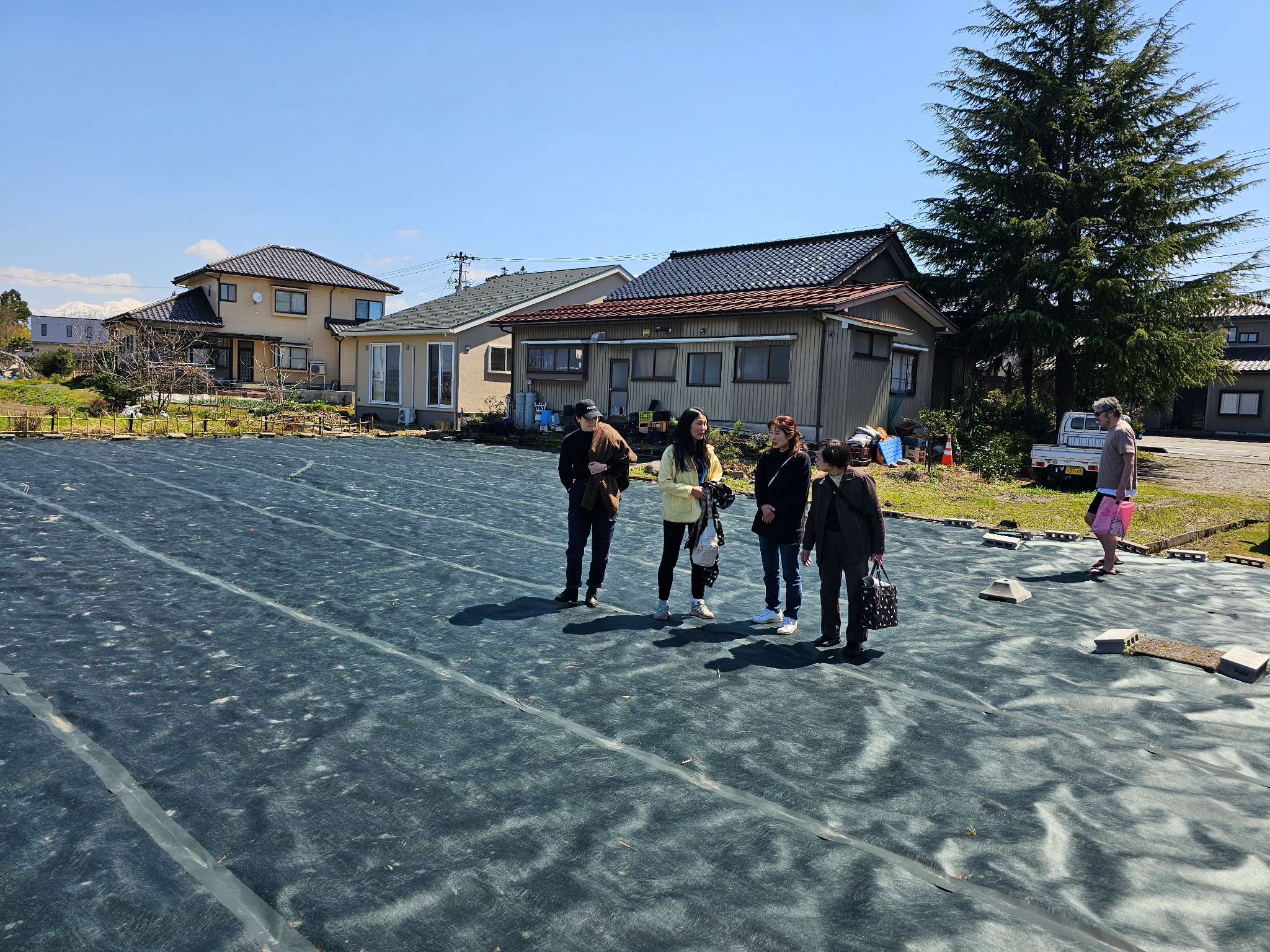
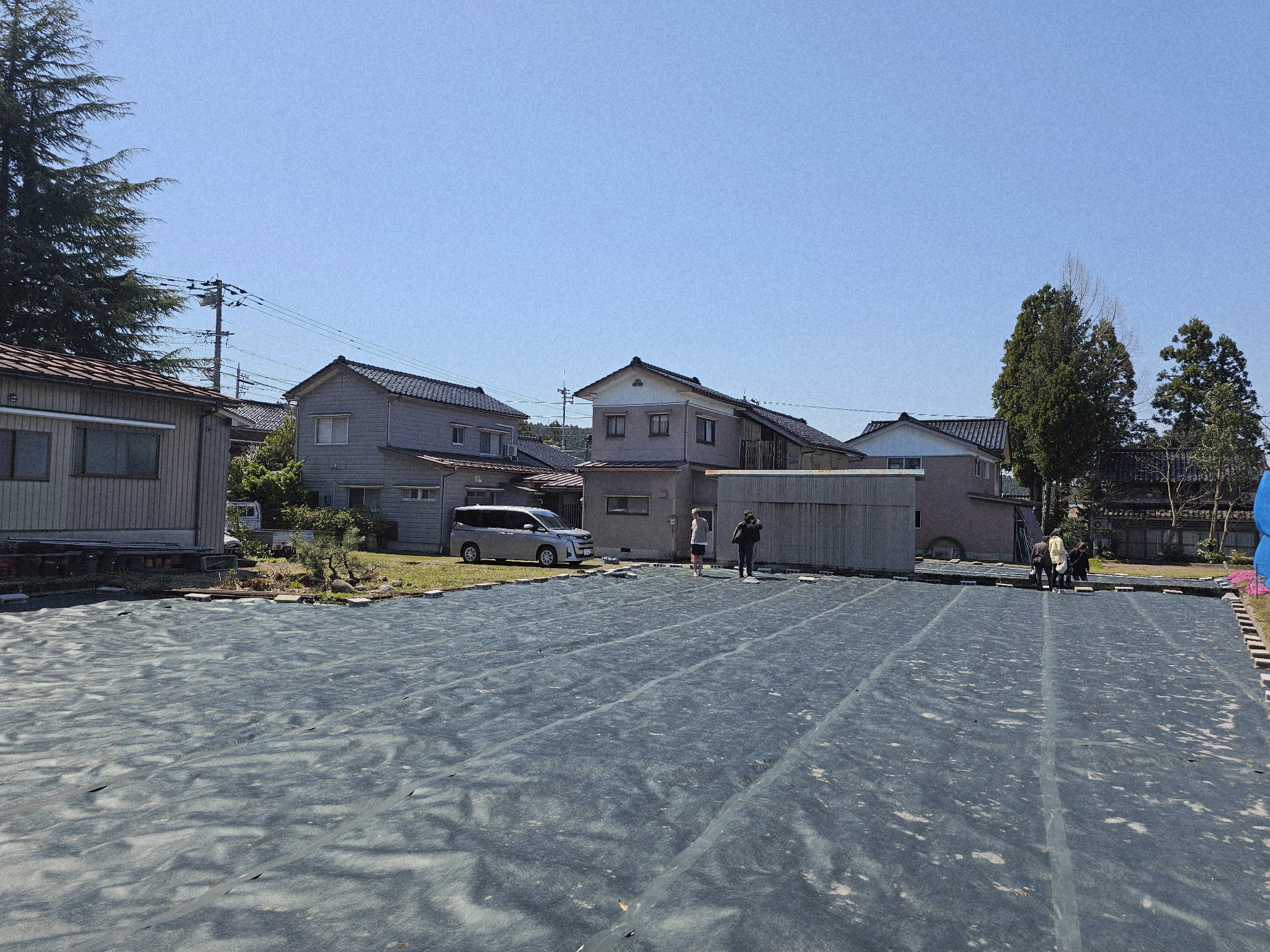
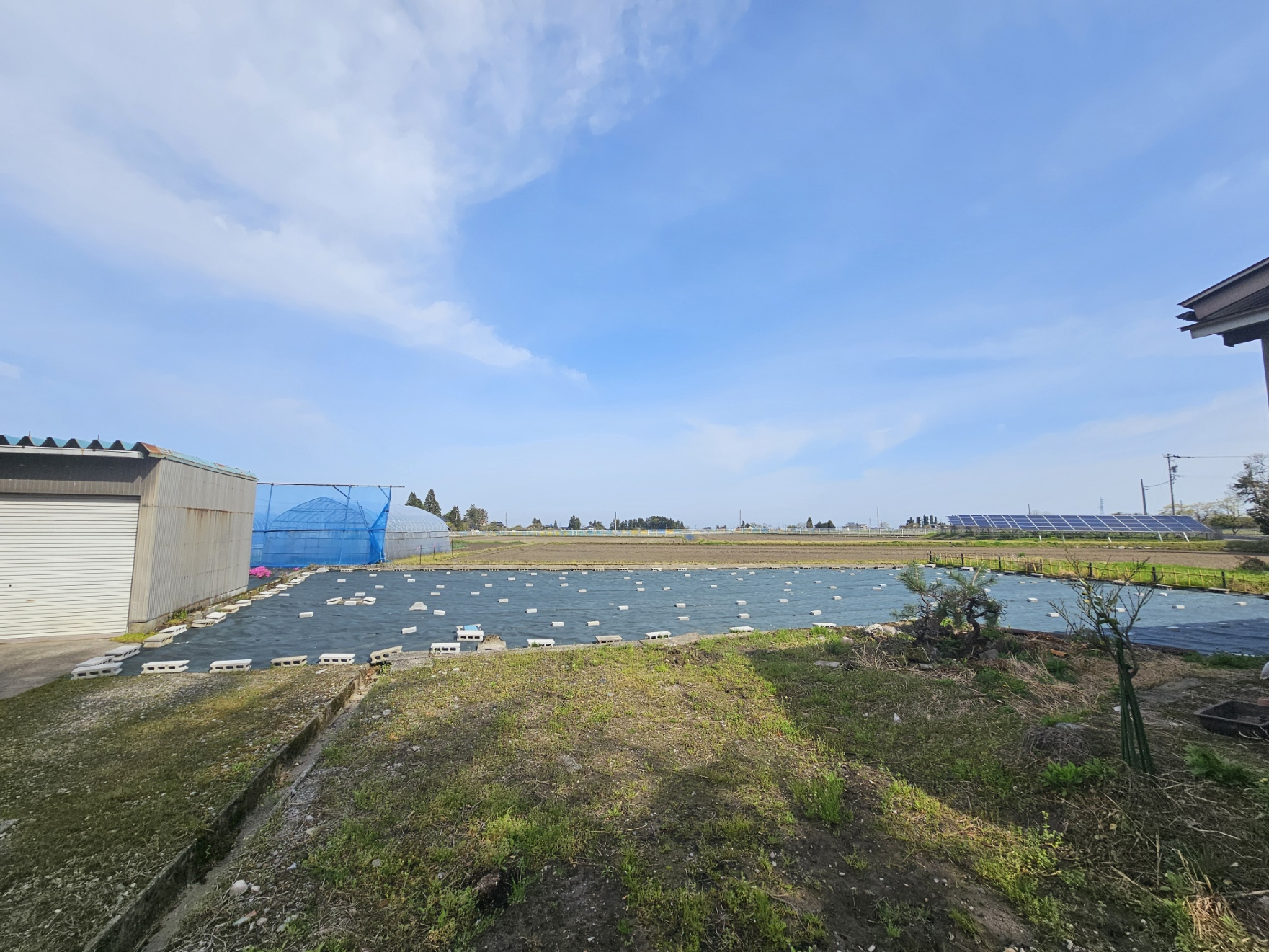
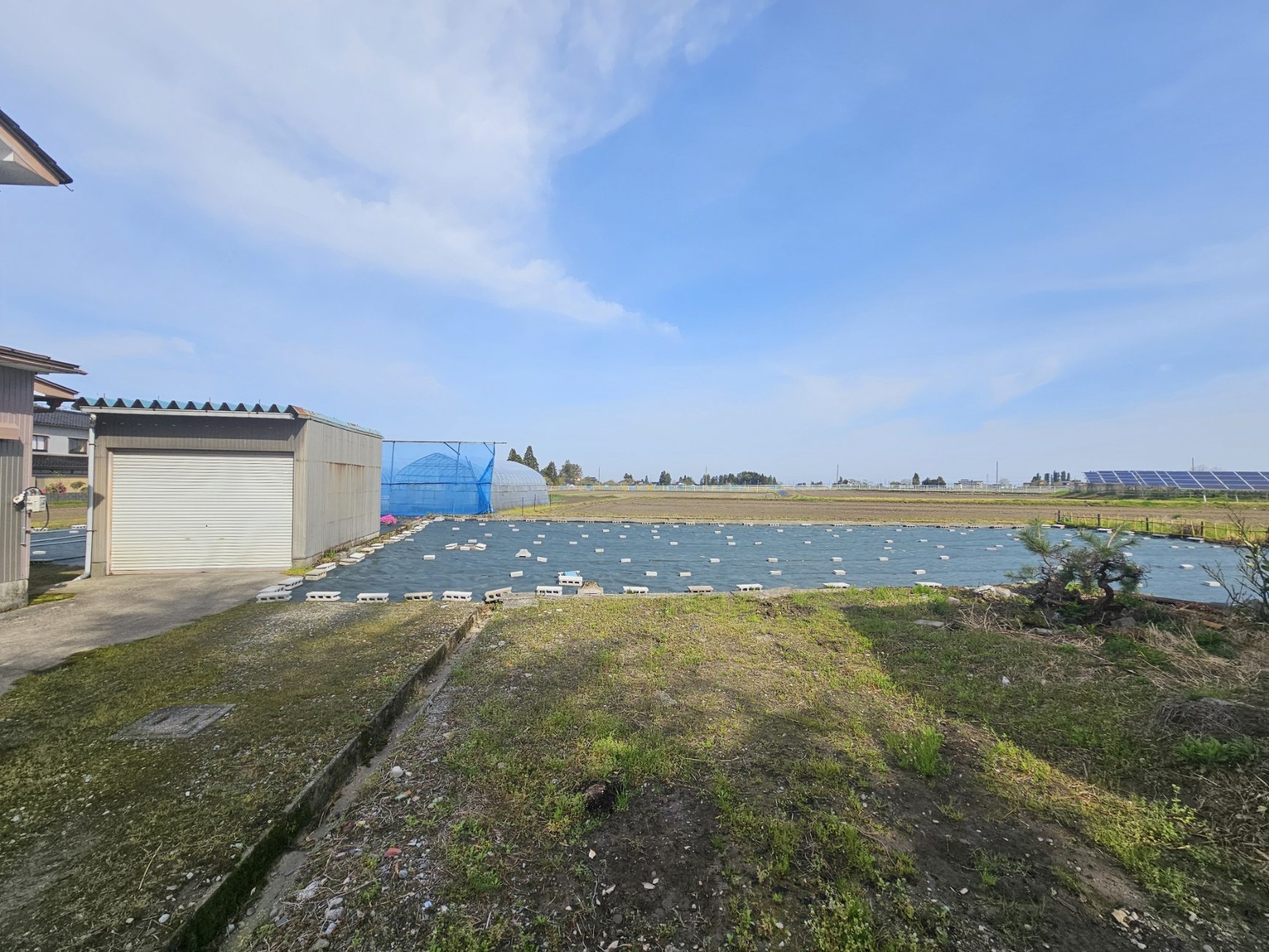
A house is never self-contained. It breathes through cleared land, open field, the yard behind it, the empty black ground after work, and the stretch of property that allows sky and weather to gather around the rooms. Hanasaki’s surrounding ground matters because it keeps the house from shrinking into interior story alone.
Once the viewer sees the cleared land, the open field, and the wide space behind the house, the domestic rooms gain another register. They are no longer only enclosed family chambers. They become local structures held in a broader field of labor, weather, and changing use.
Road and Orientation
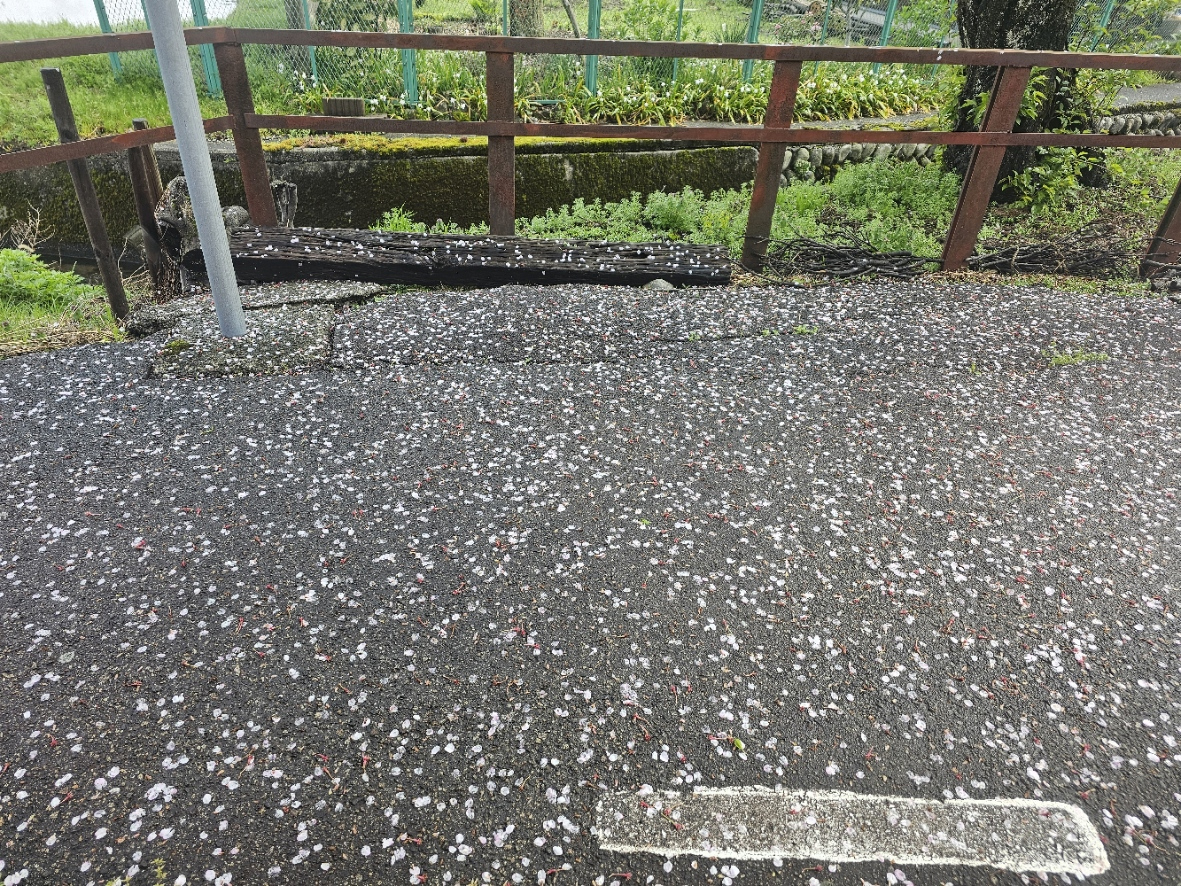
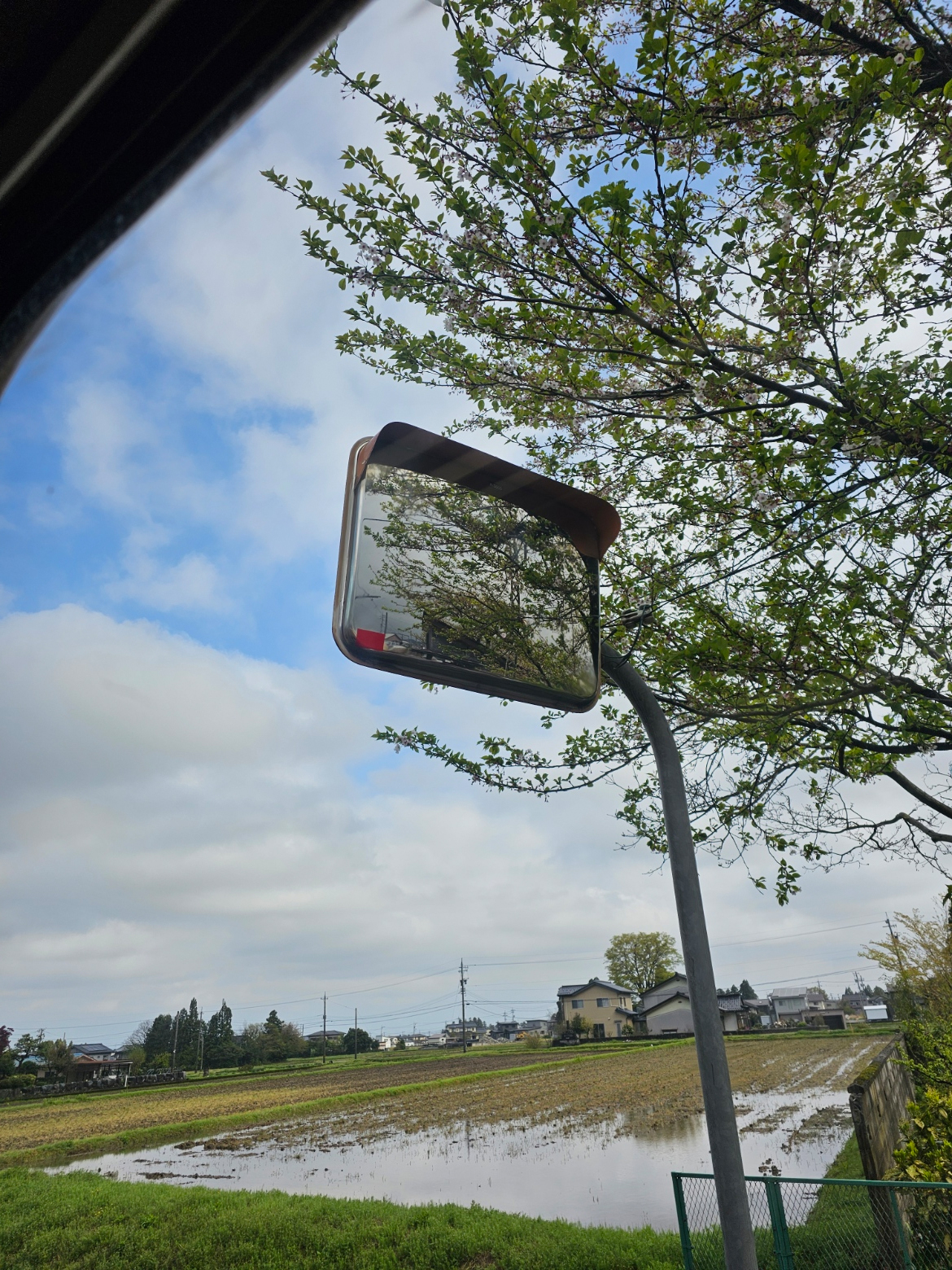
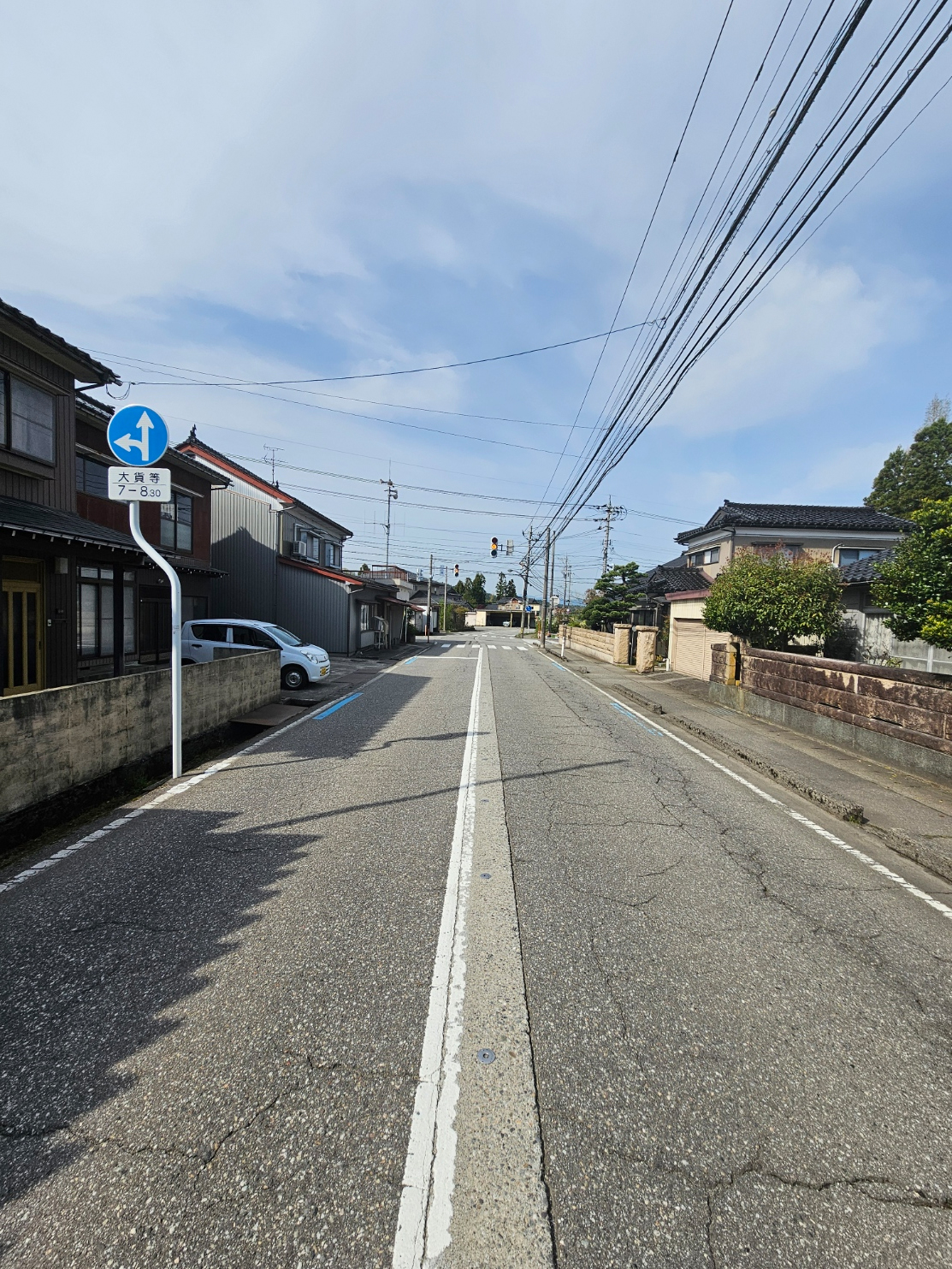
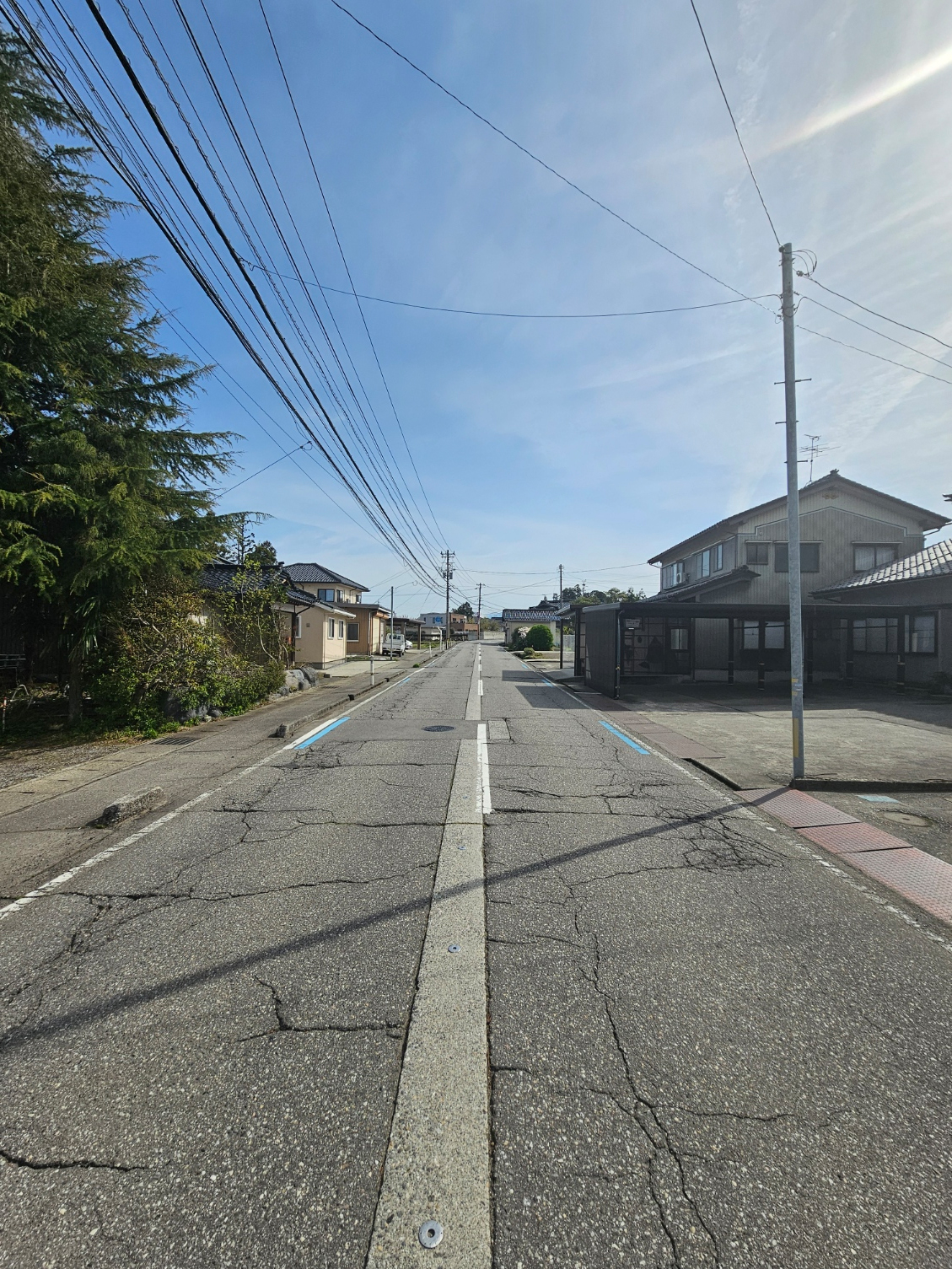
The road is part of the house’s truth. Without the road, the house would remain purely internal, sealed into its own inheritance. With the road, it enters ordinary Japan: intersections, roadside mirrors, rice fields, approaches, opposite directions, daily traffic, and the practical question of how one comes and goes.
This is why the road images belong in the house gallery. They show that Hanasaki was never only a set of rooms. It was also a place in a lived route network, a local address in motion, a point of return and departure.
Family Scale
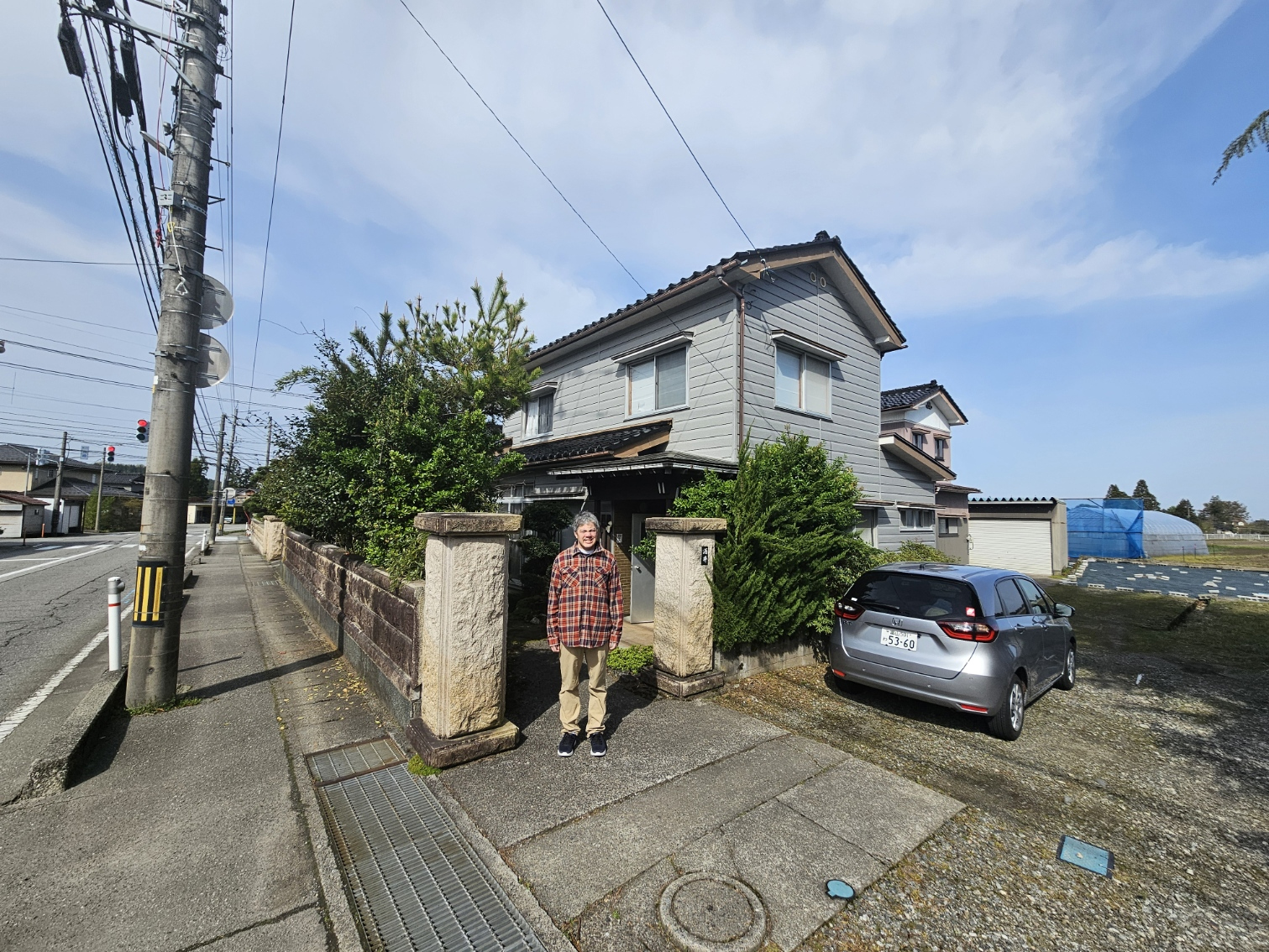
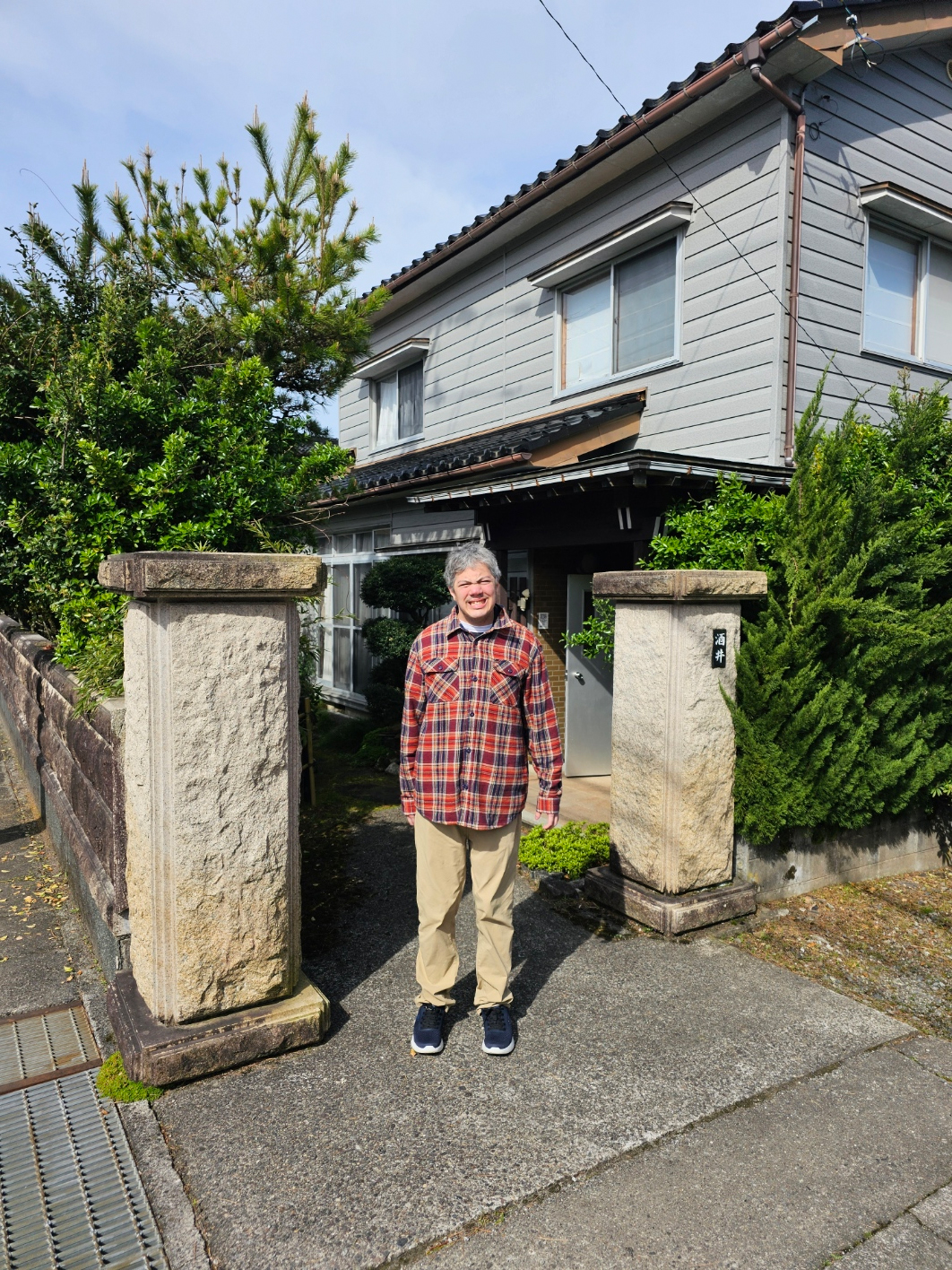
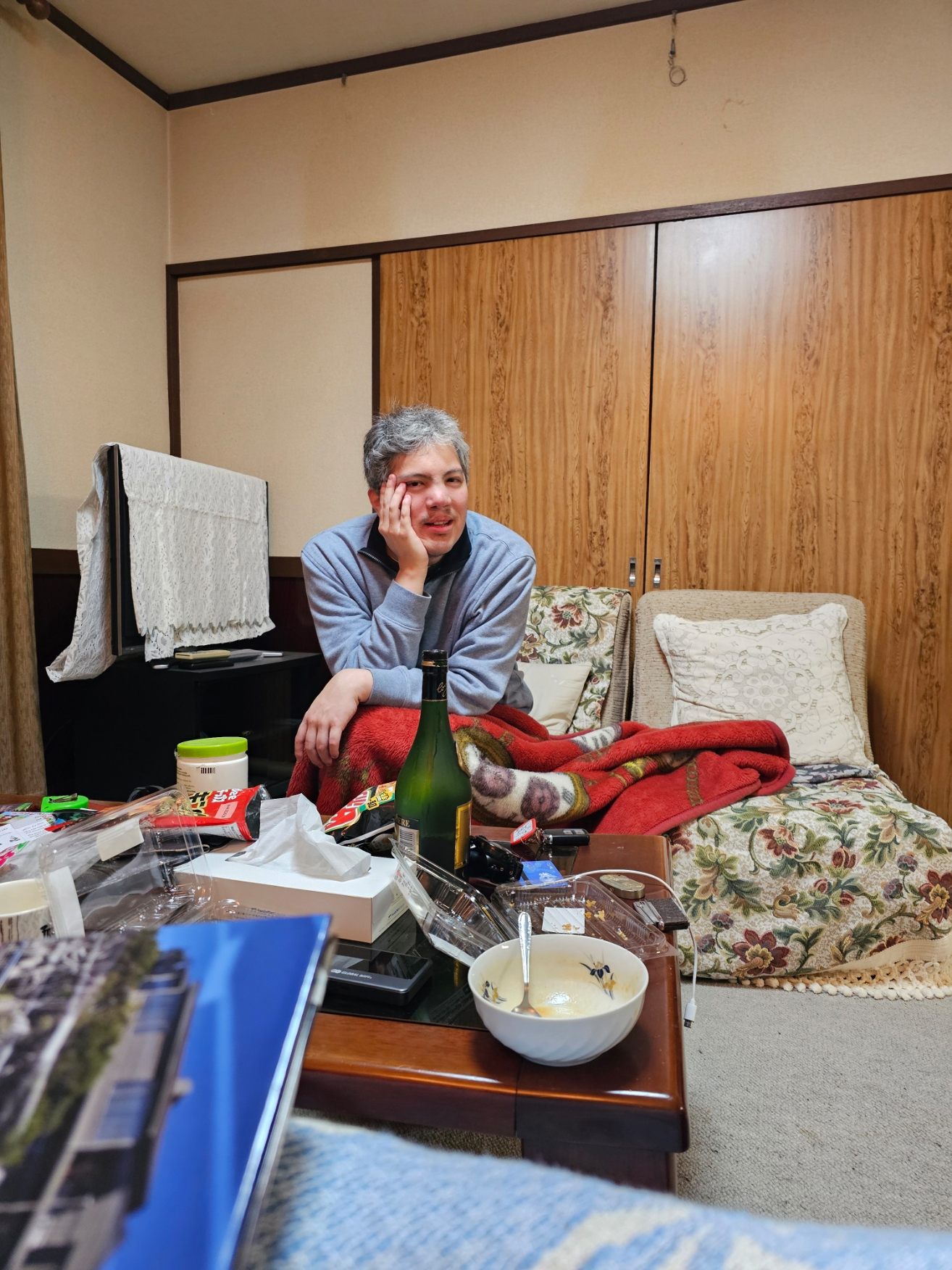
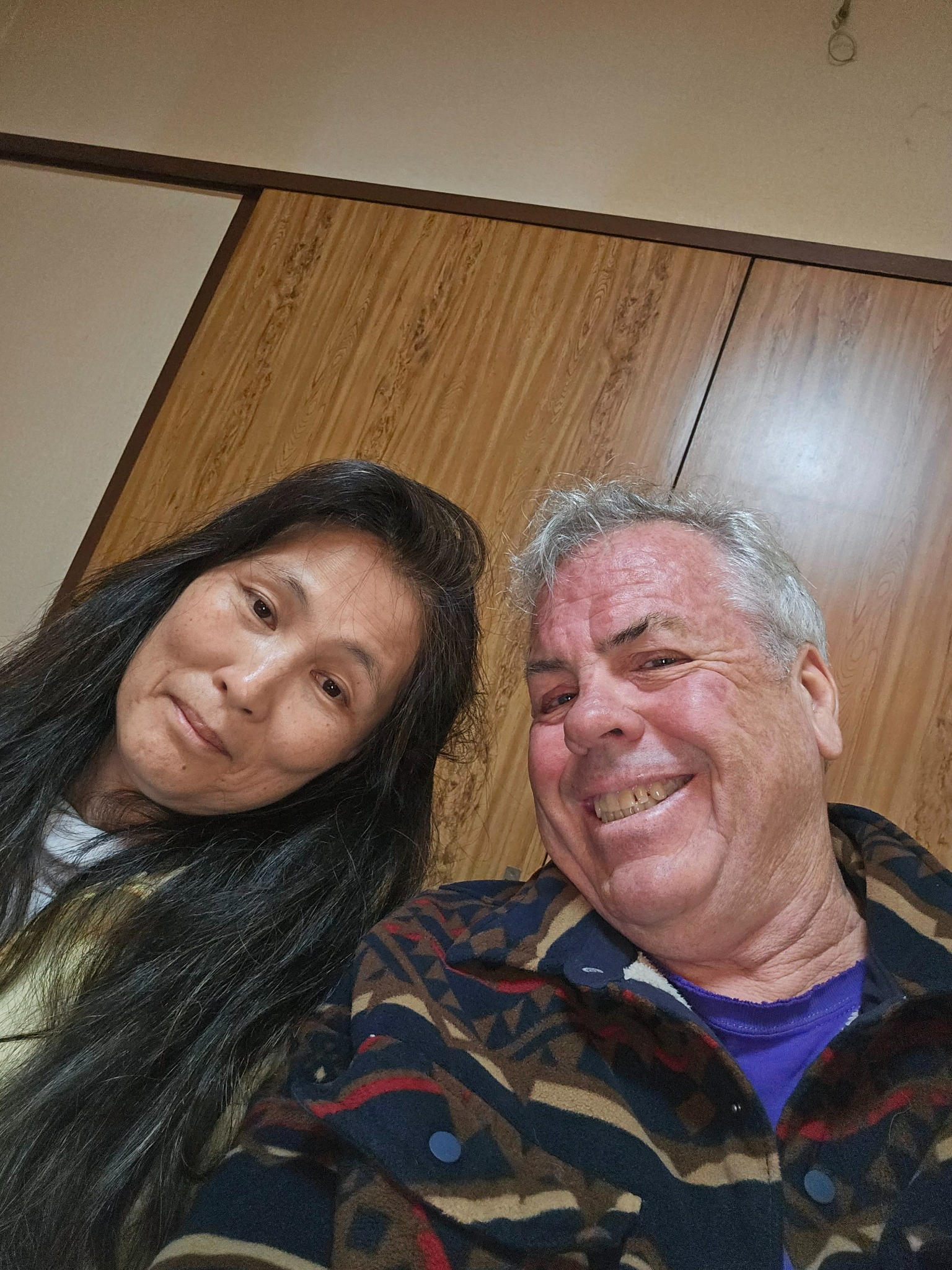
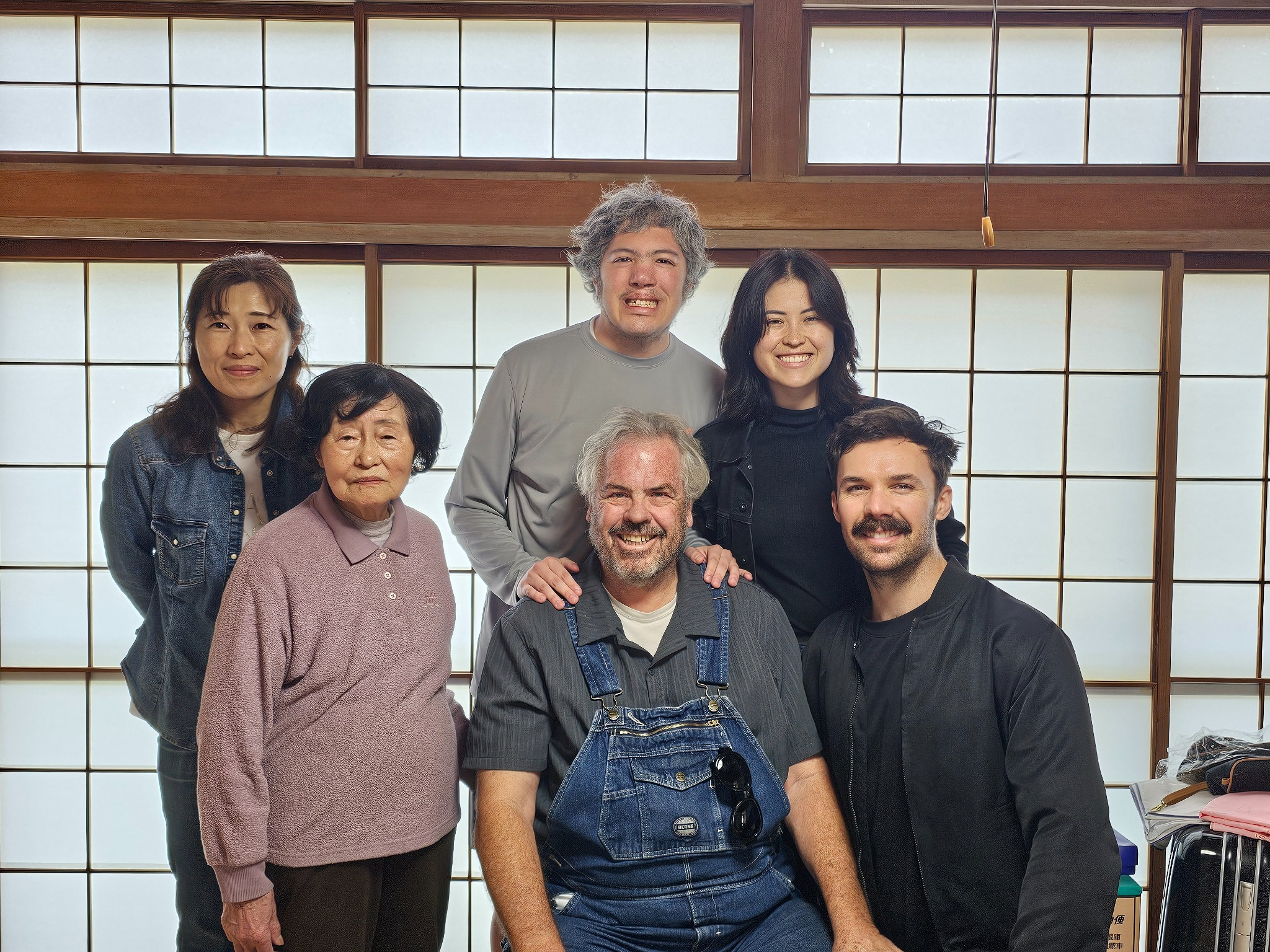
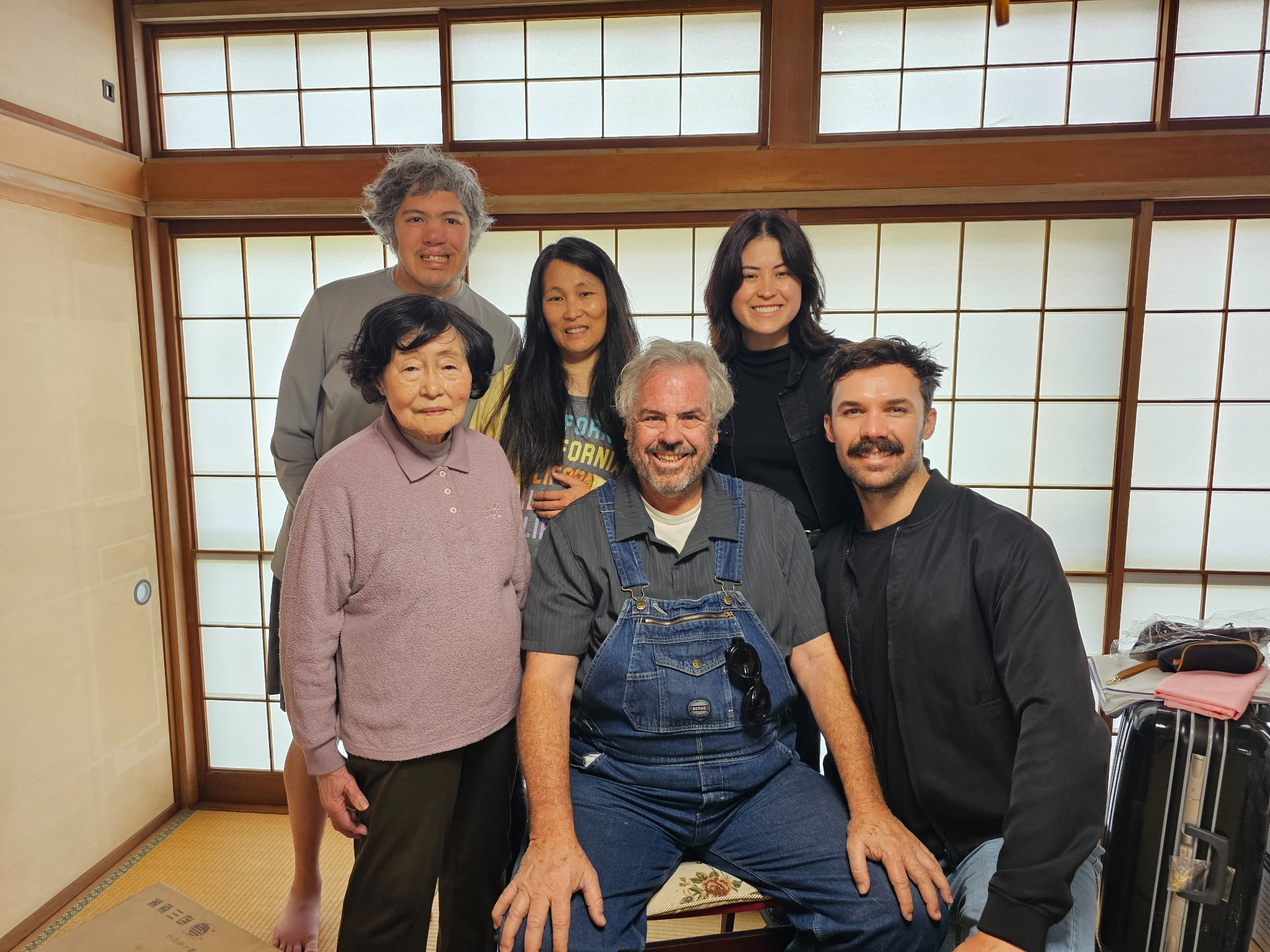
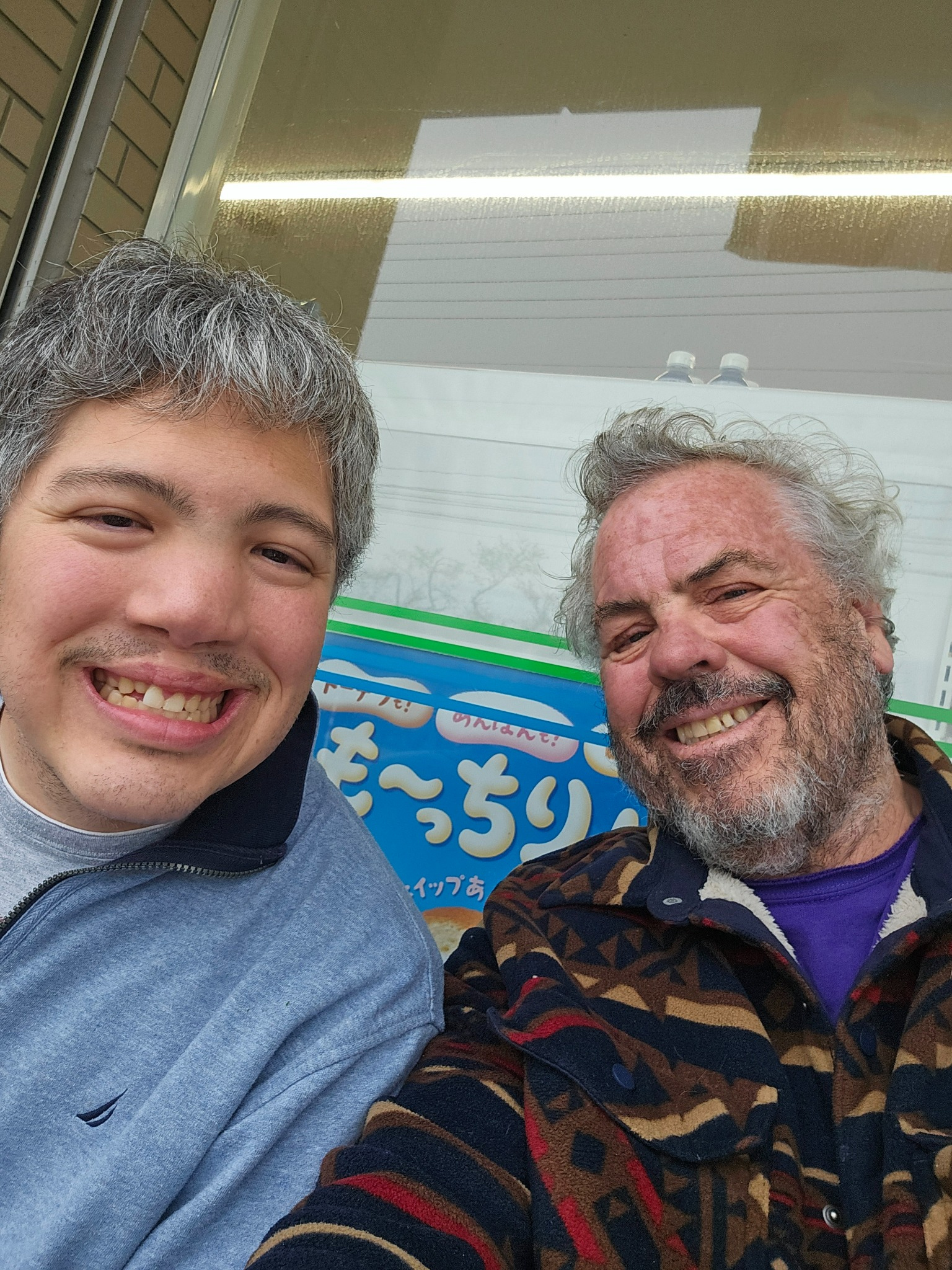
The house is not only seen empty. It is seen with people in and around it. That matters. A family archive fails if it treats the house as pure object and forgets that rooms take their human scale from bodies moving through them, resting in them, standing at their gates, or pausing under their weather.
These final images return Hanasaki to family measure. Not as completed harmony, not as solved inheritance, but as a place still inhabited enough to be felt.
The house has now been seen in exterior, threshold, room, field, road, and family scale.
Before the archive becomes treasure, it must first become place.
Hanasaki stands here as place.