Hanasaki Objects
Once the house has been entered, the objects begin. Not all at once, and not as mere loot. They come forward by kind: carved passage, storage, bowls, burners, dolls, tea things, sake things, old boxes, metals, scrolls, vessels, and small animals of luck or warning. This gallery gathers the kept object world of Hanasaki — things that endured dust, waiting, neglect, handling, and delayed recognition until they could speak again.
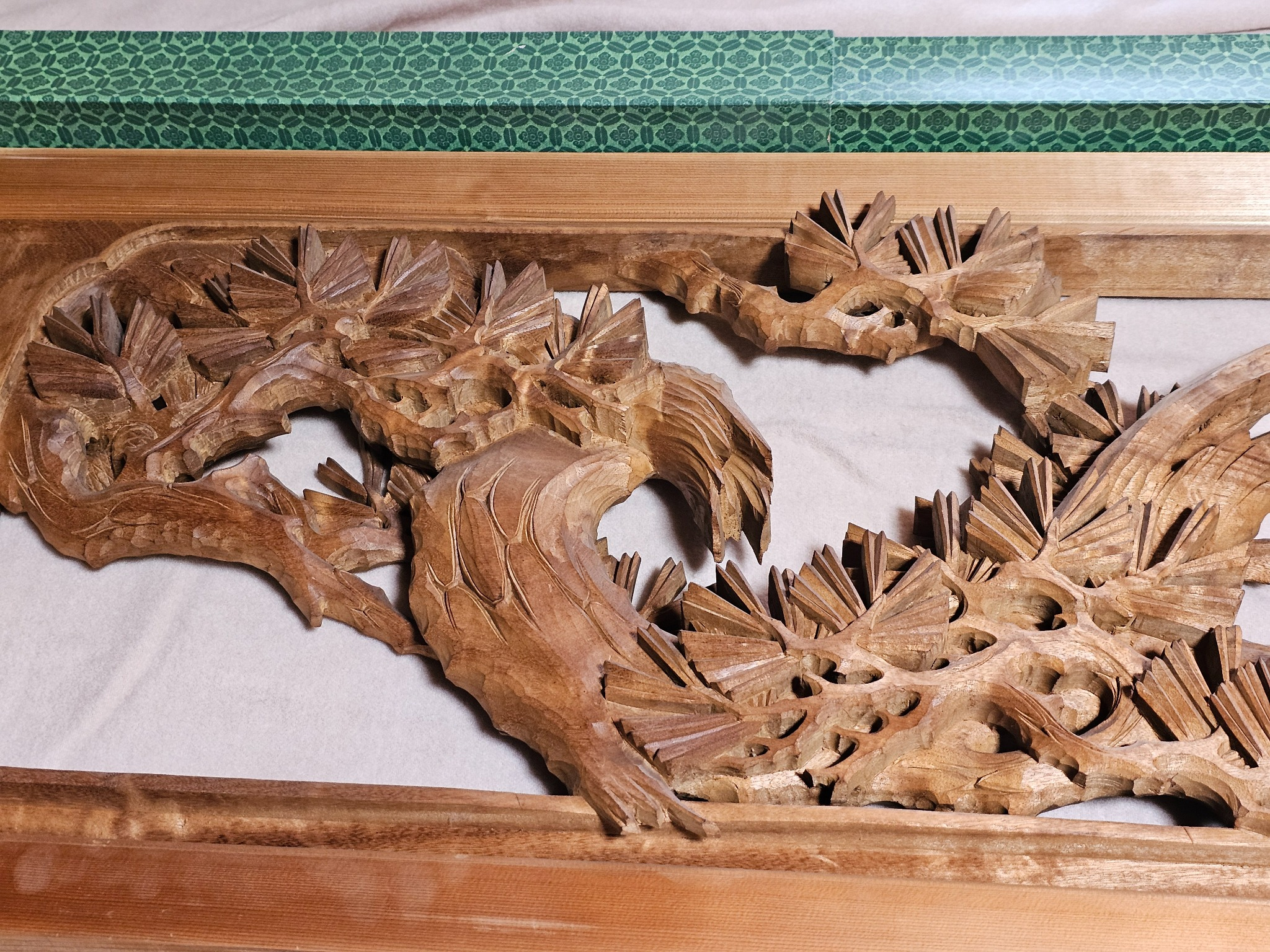
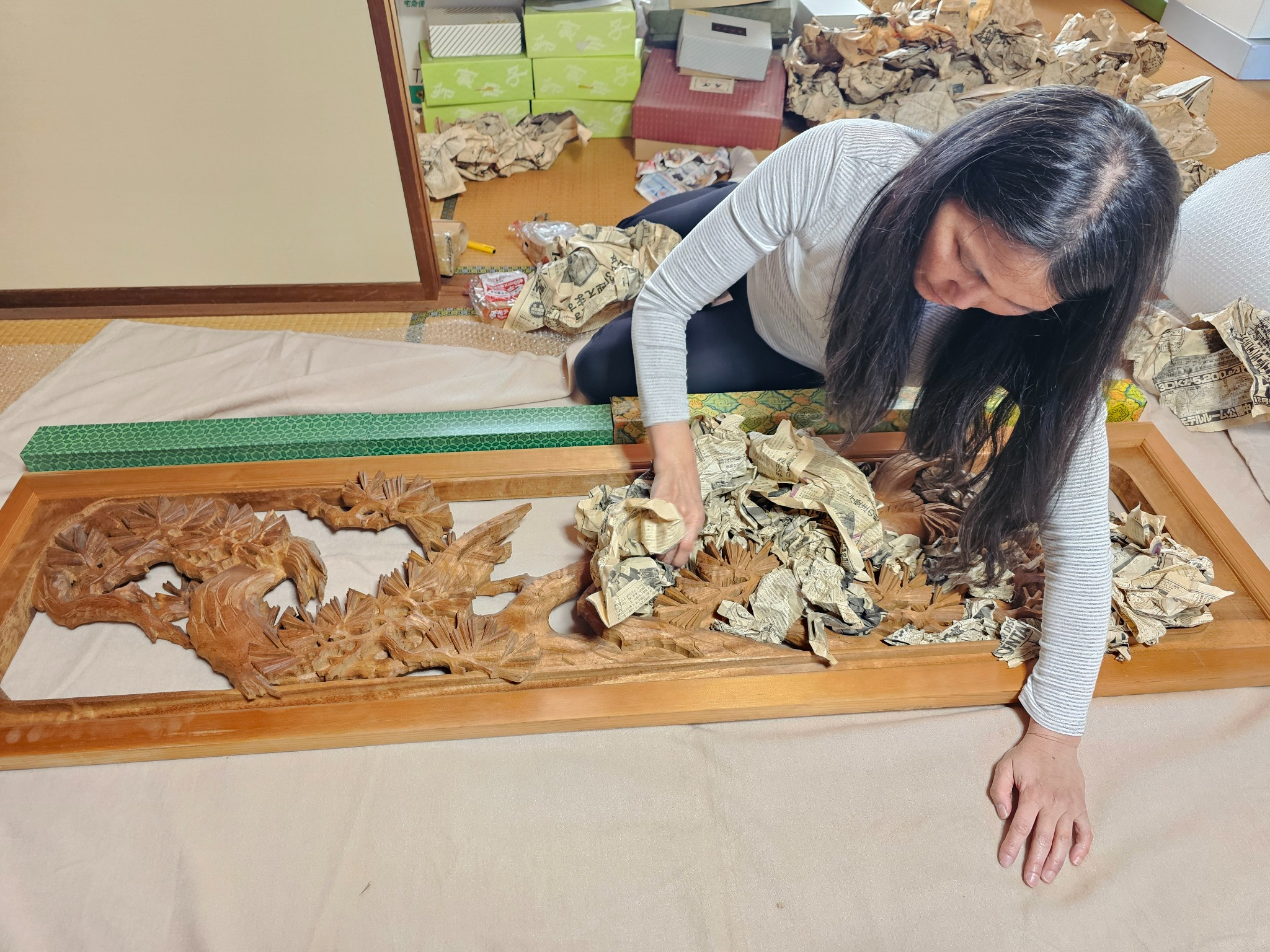
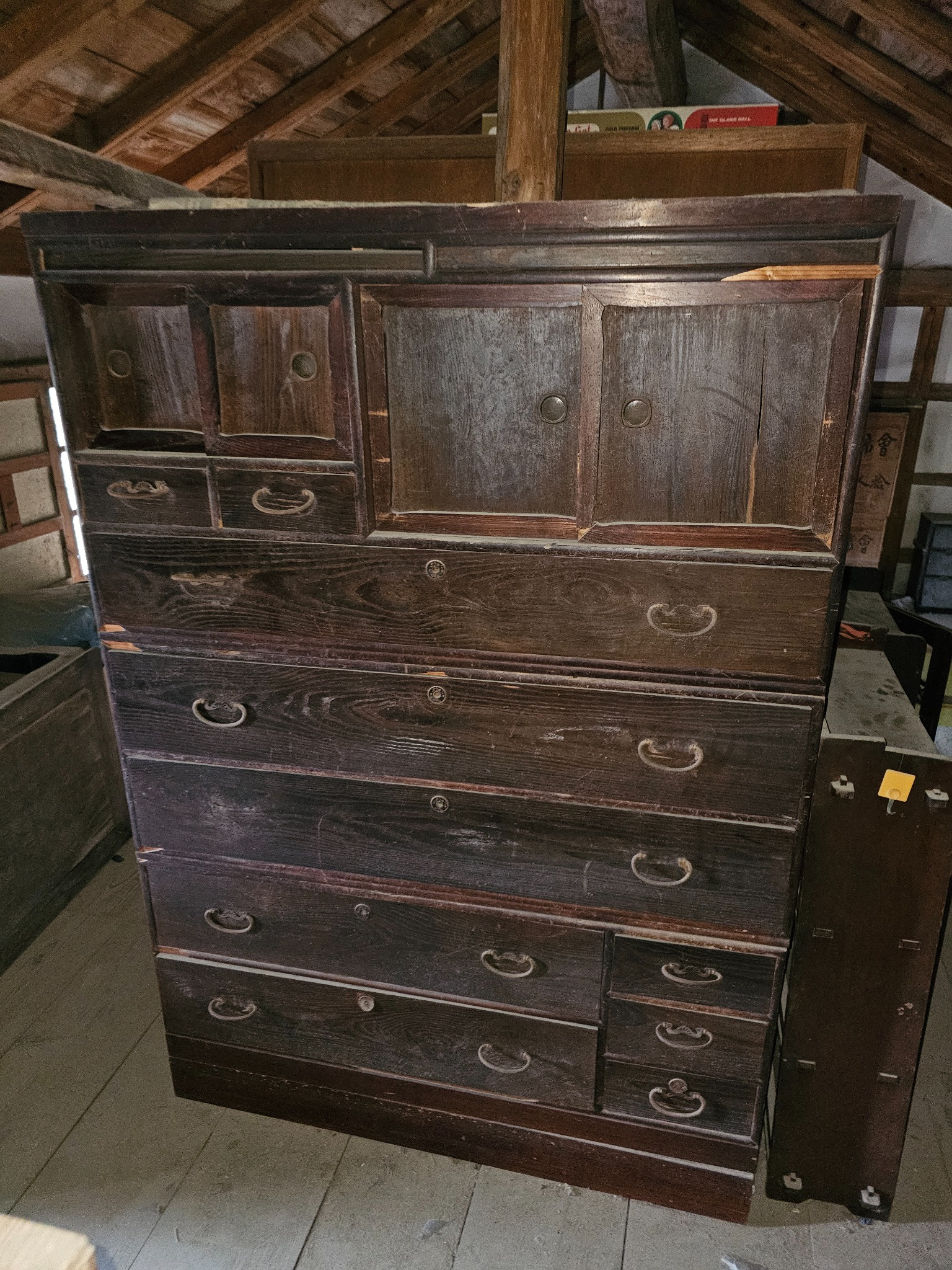
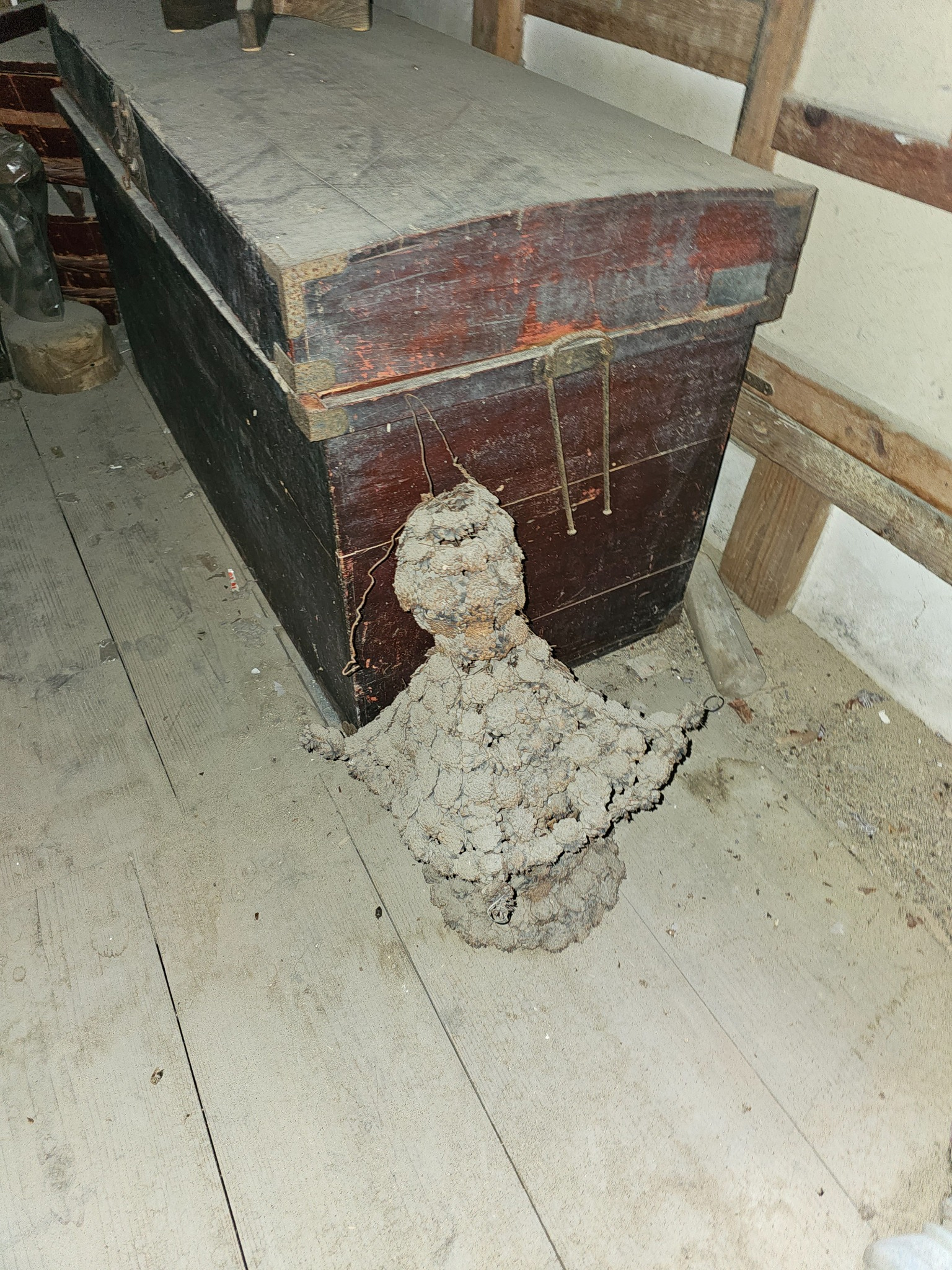
Objects in a family house do not begin as art. They begin as use, ritual, gift, display, storage, luck, season, or habit. Time changes them. Dust changes them. Loss changes them. So does the eye that returns after many years and suddenly sees that a bowl is not merely a bowl, that a drawer front contains a whole grammar of care, that a carved panel above a doorway can hold the entire question of what deserves to go on living.
This gallery is arranged by pressure rather than by museum category. First come the objects that alter passage and storage. Then vessels and ceremonial pieces. Then dolls, figures, and smaller presences. Then boxed things, silver, burners, jars, and selected pieces that show how Hanasaki kept value in forms at once domestic and exacting. The page does not try to say everything. It lets the object world build its own weather. Image filenames come from your uploaded archive inventory. :contentReference[oaicite:0]{index=0}
The house did not keep everything equally.
It kept some things long enough for the eye to become worthy of them.
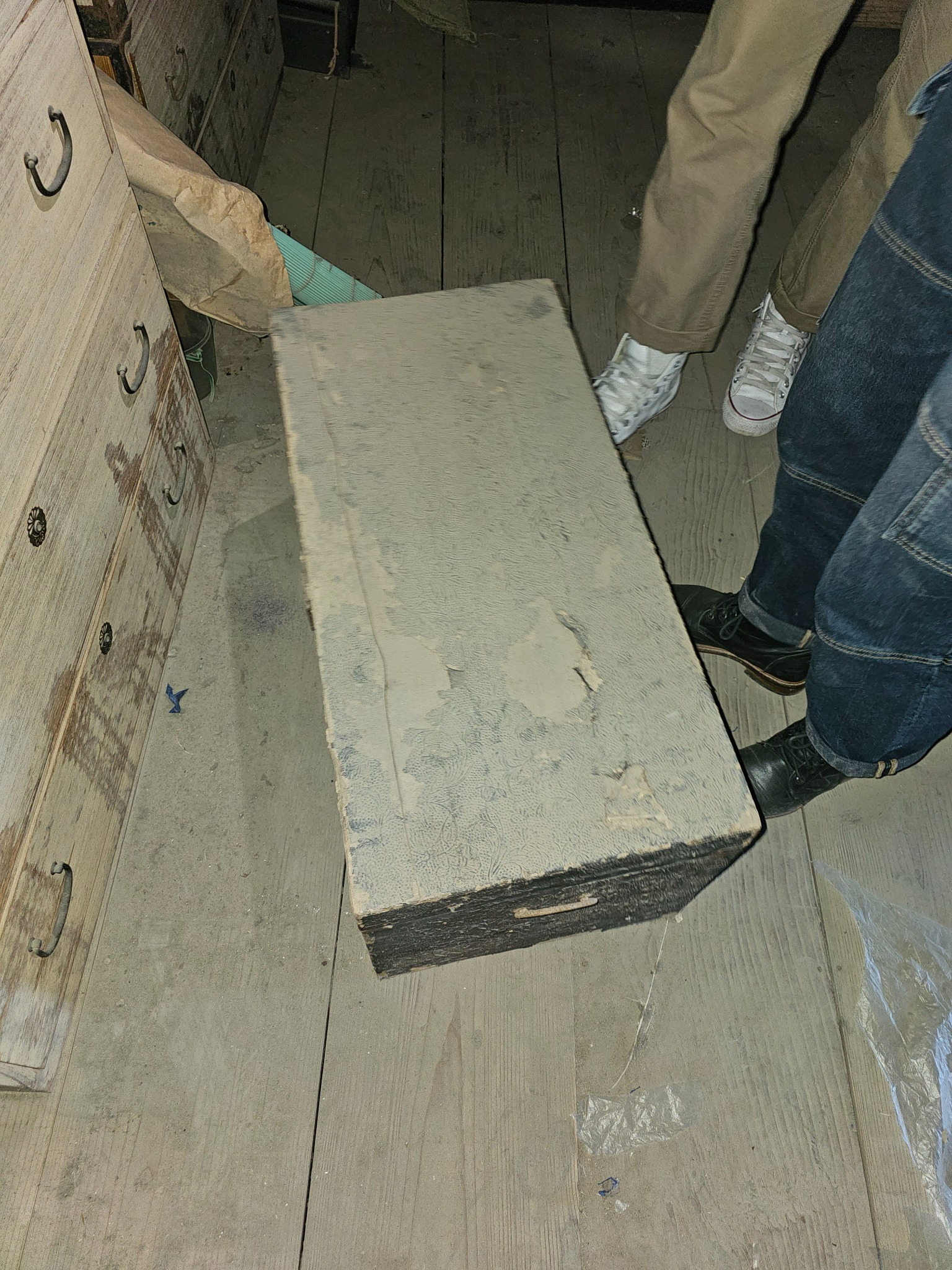
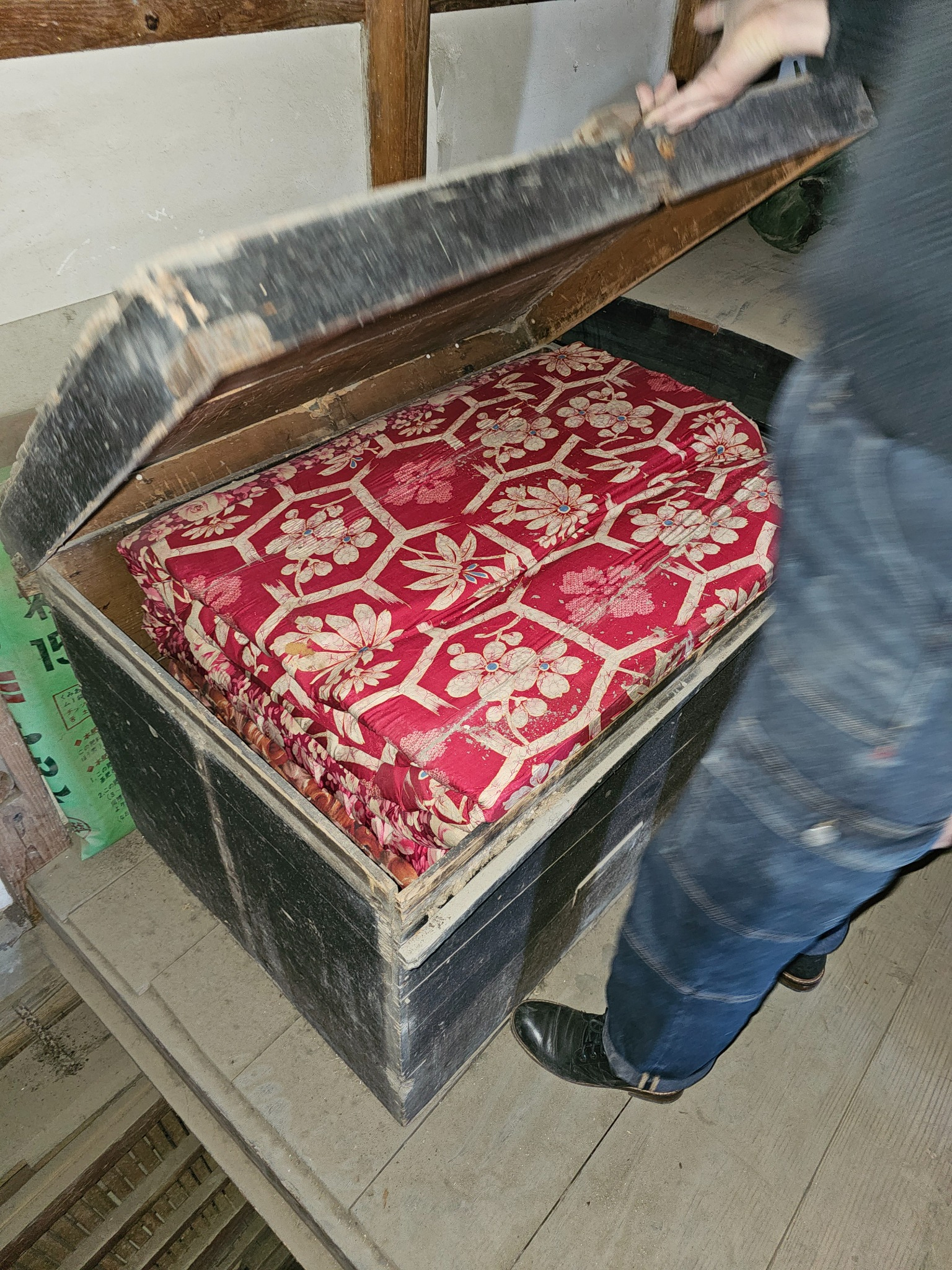
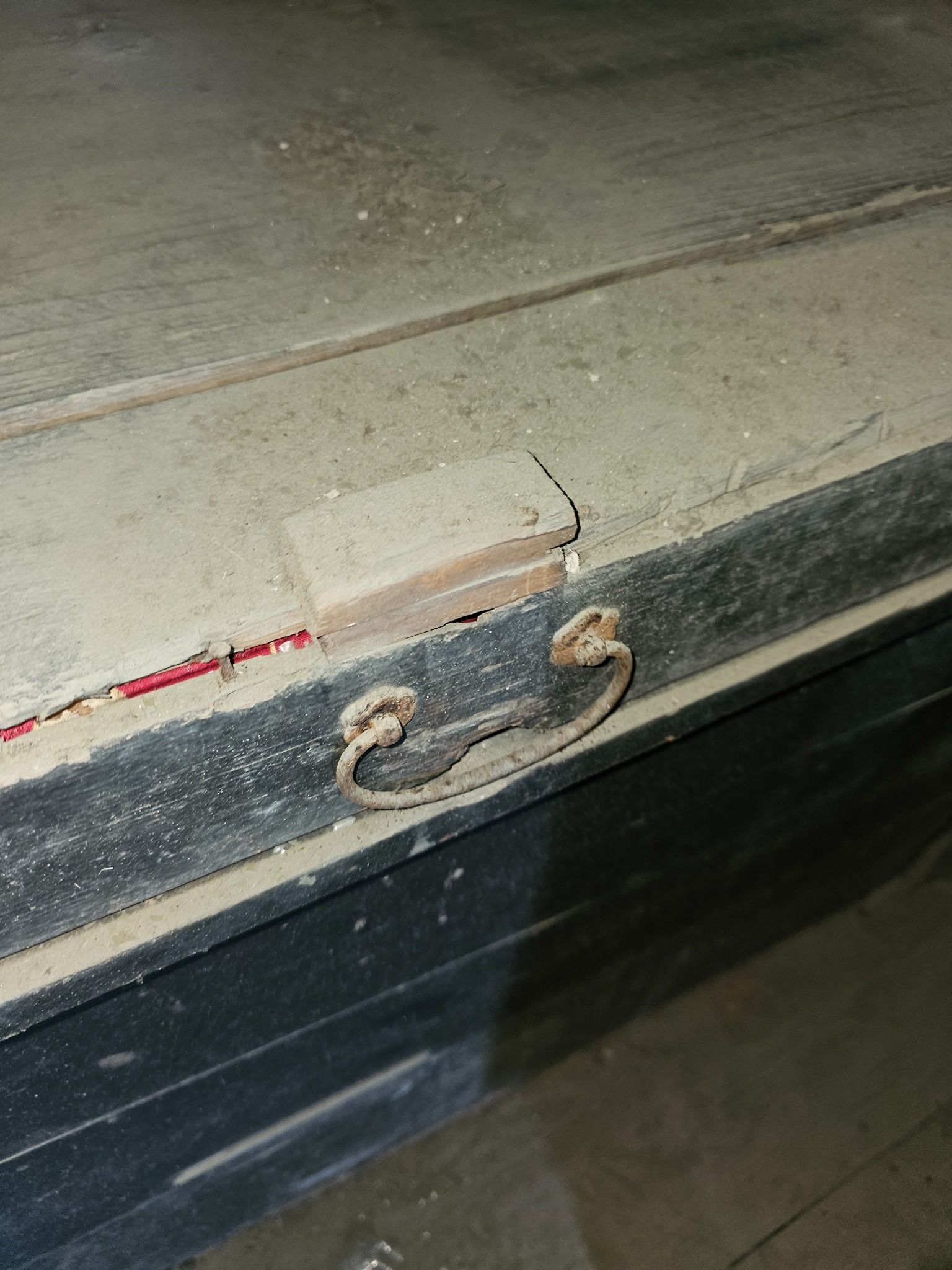
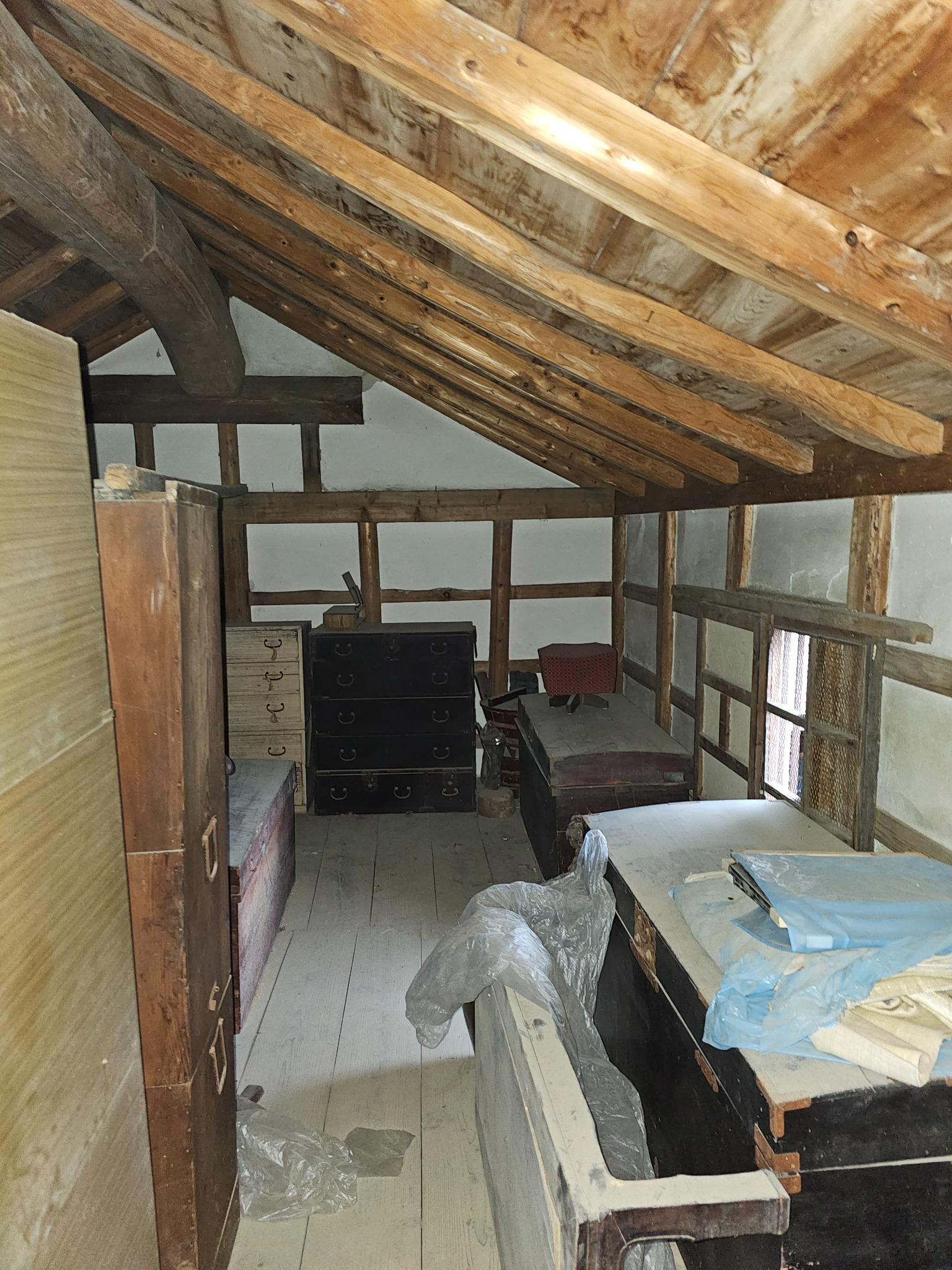
Passage and Storage
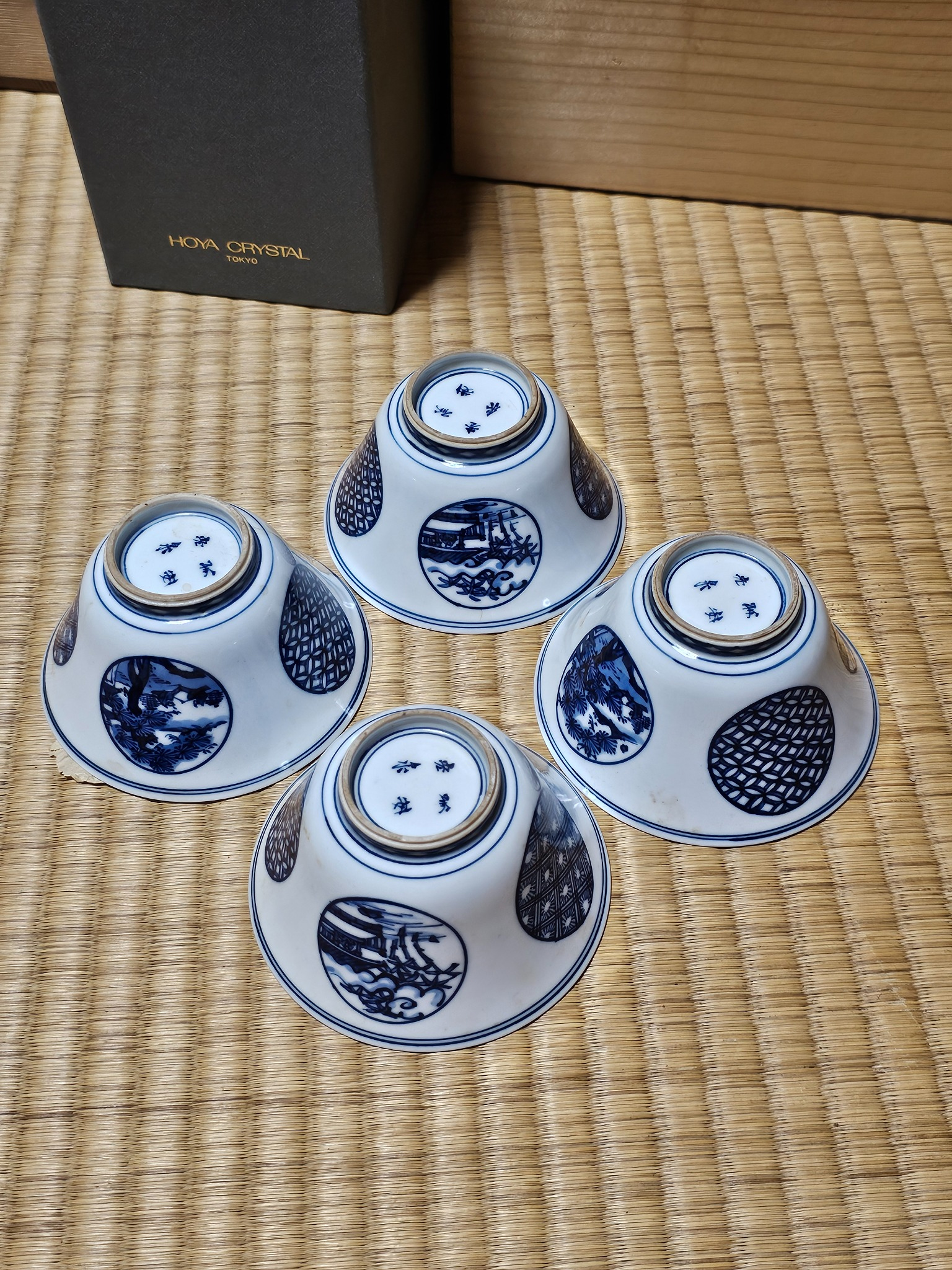
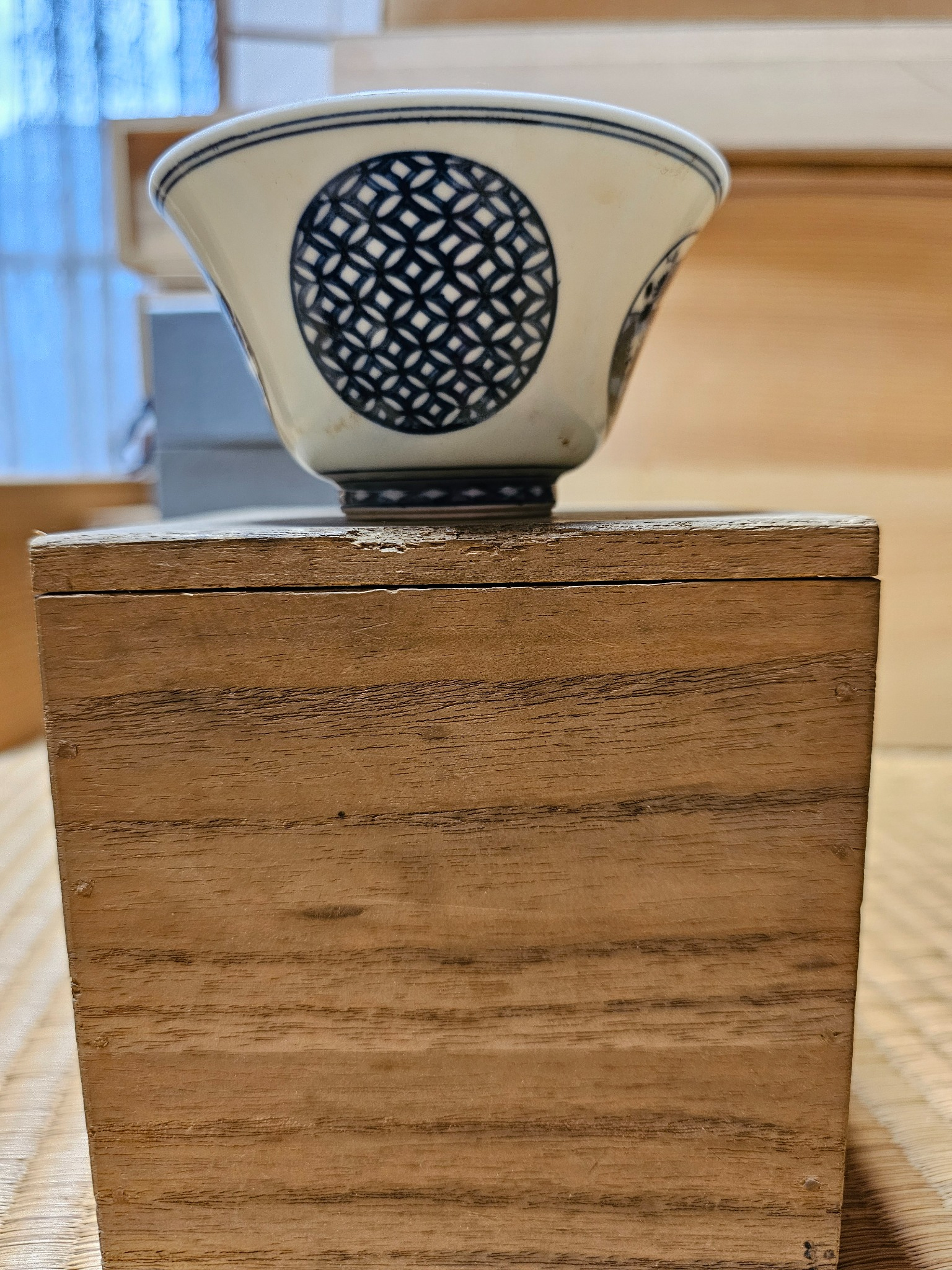
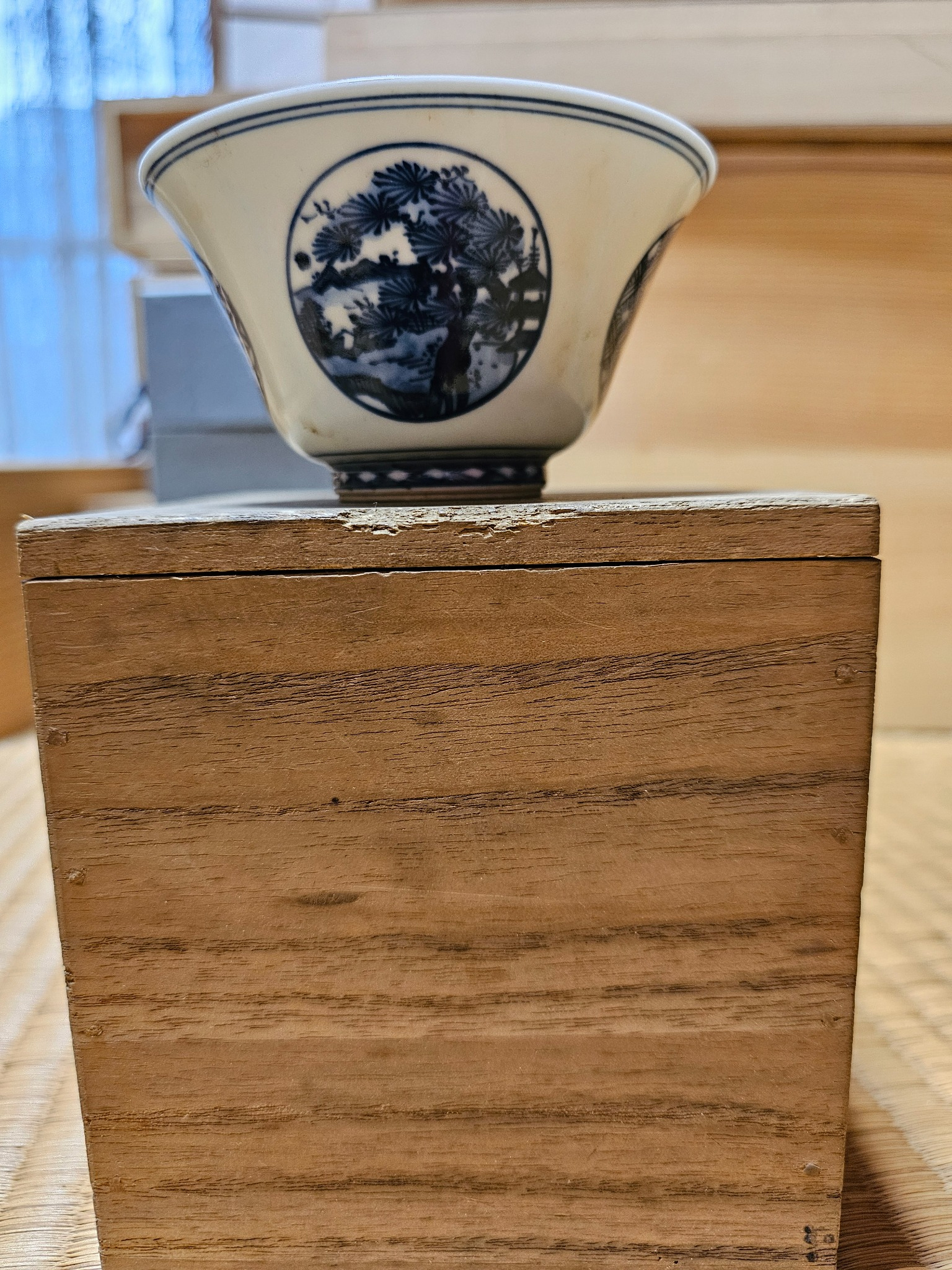
Bowls, Tea, Sake, and the Disciplined Domestic
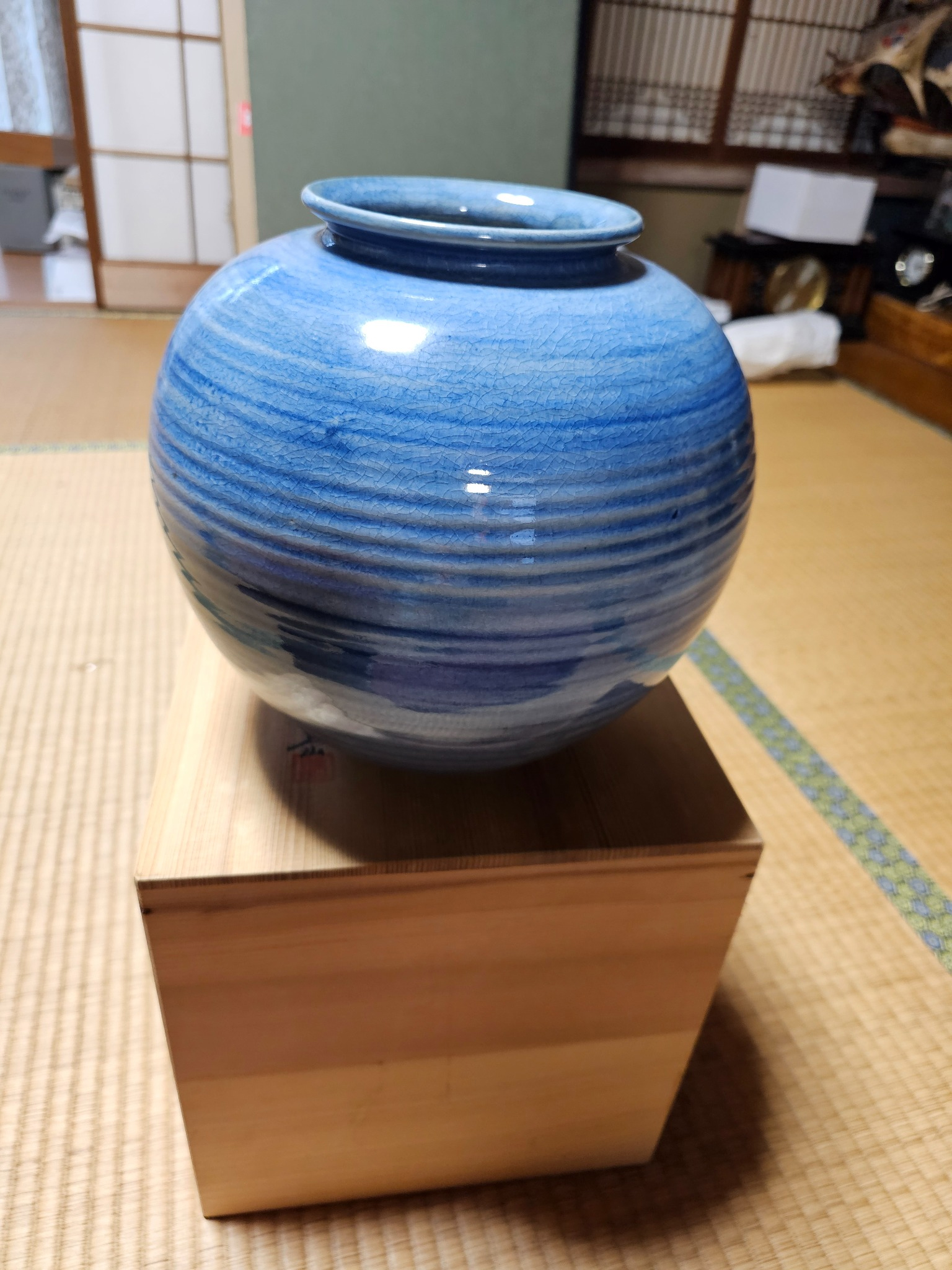
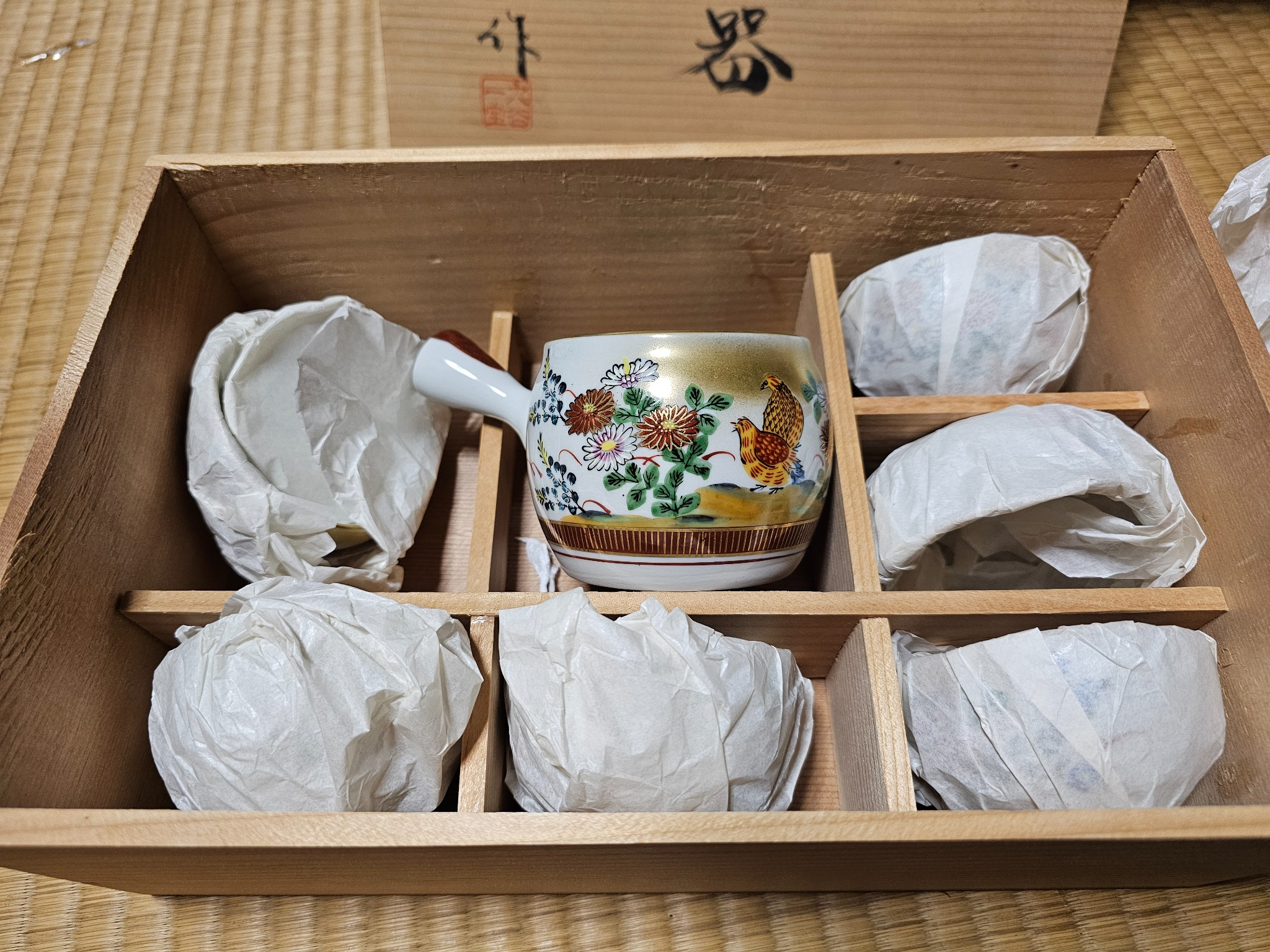
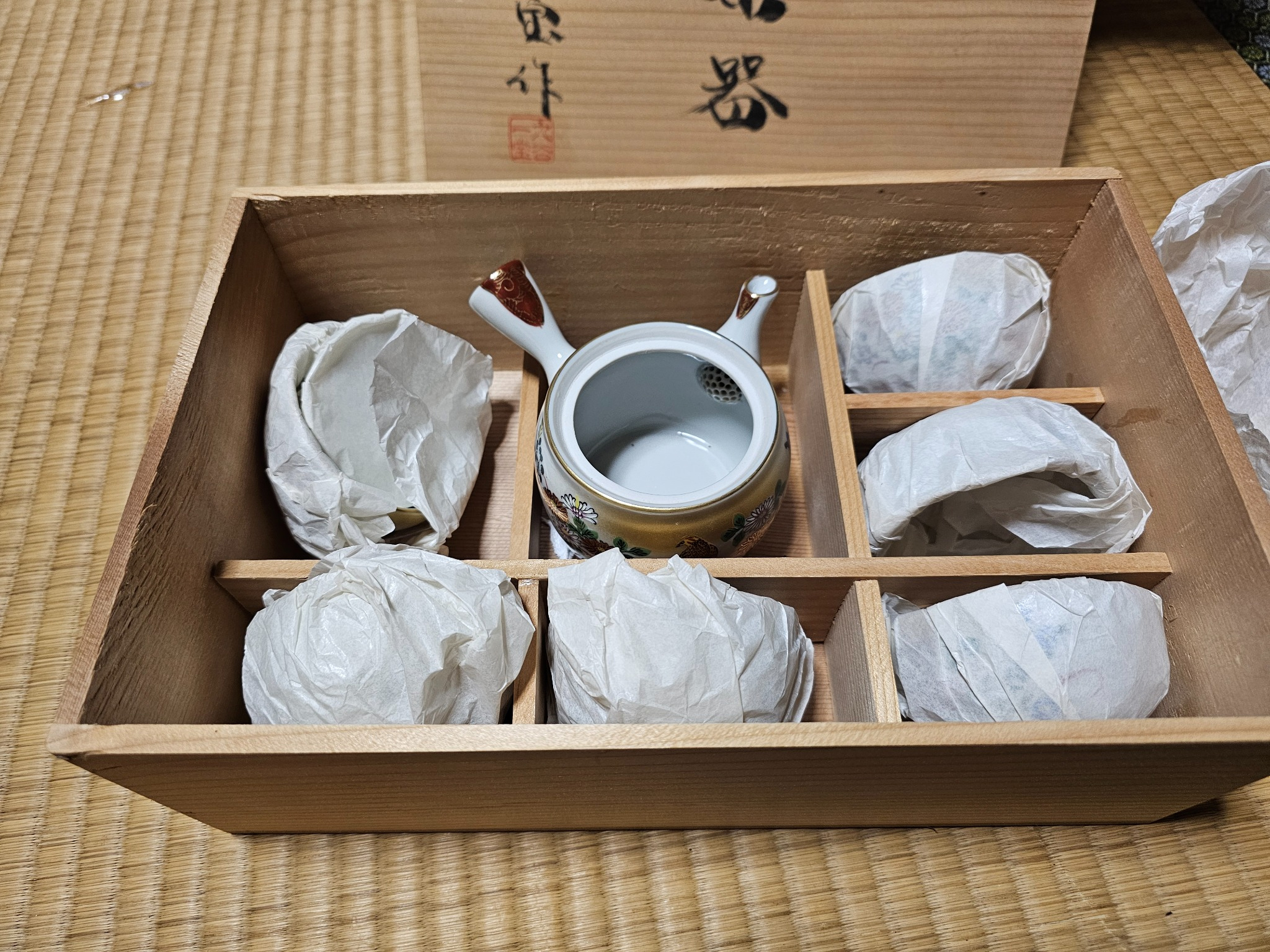
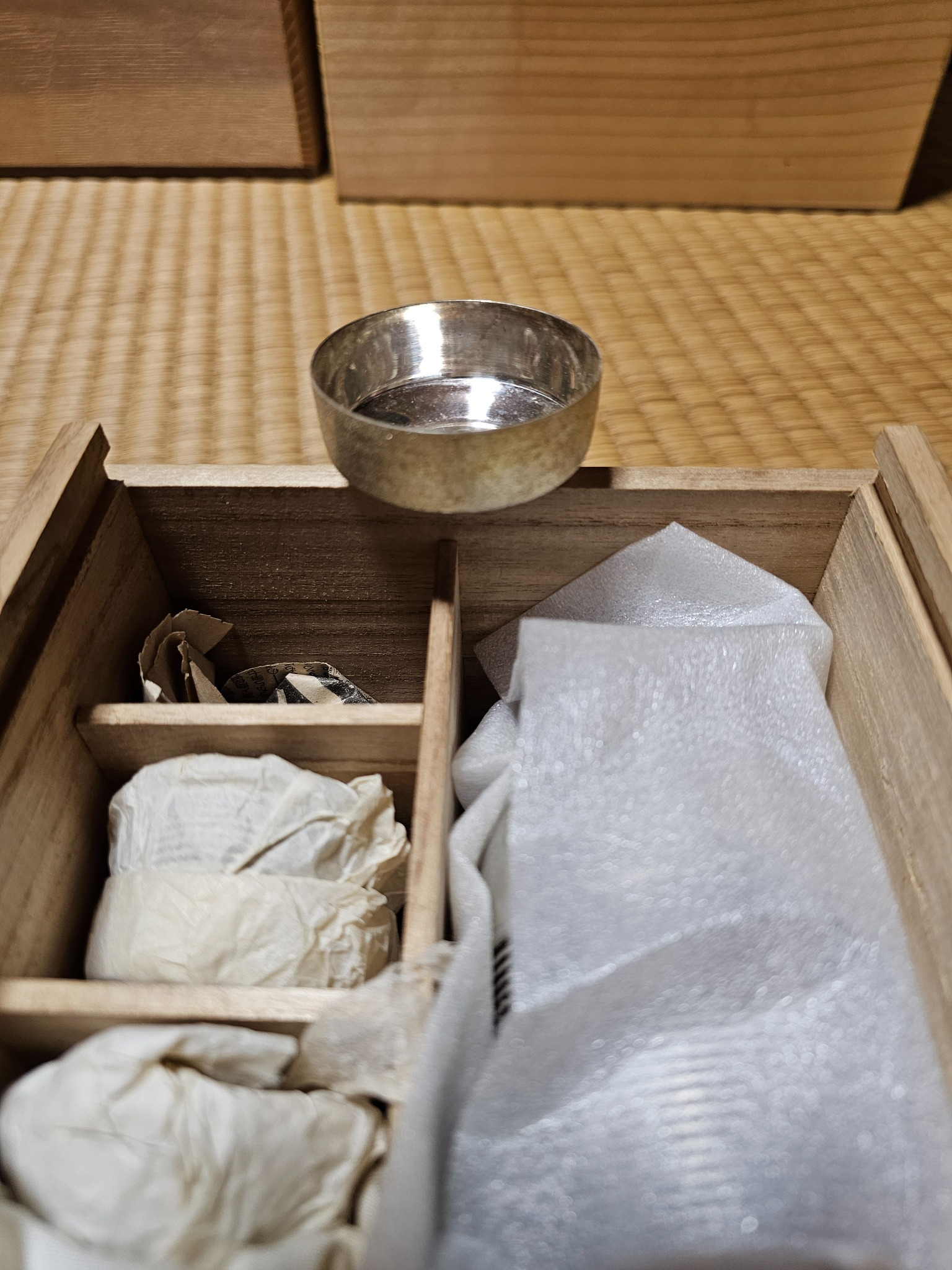
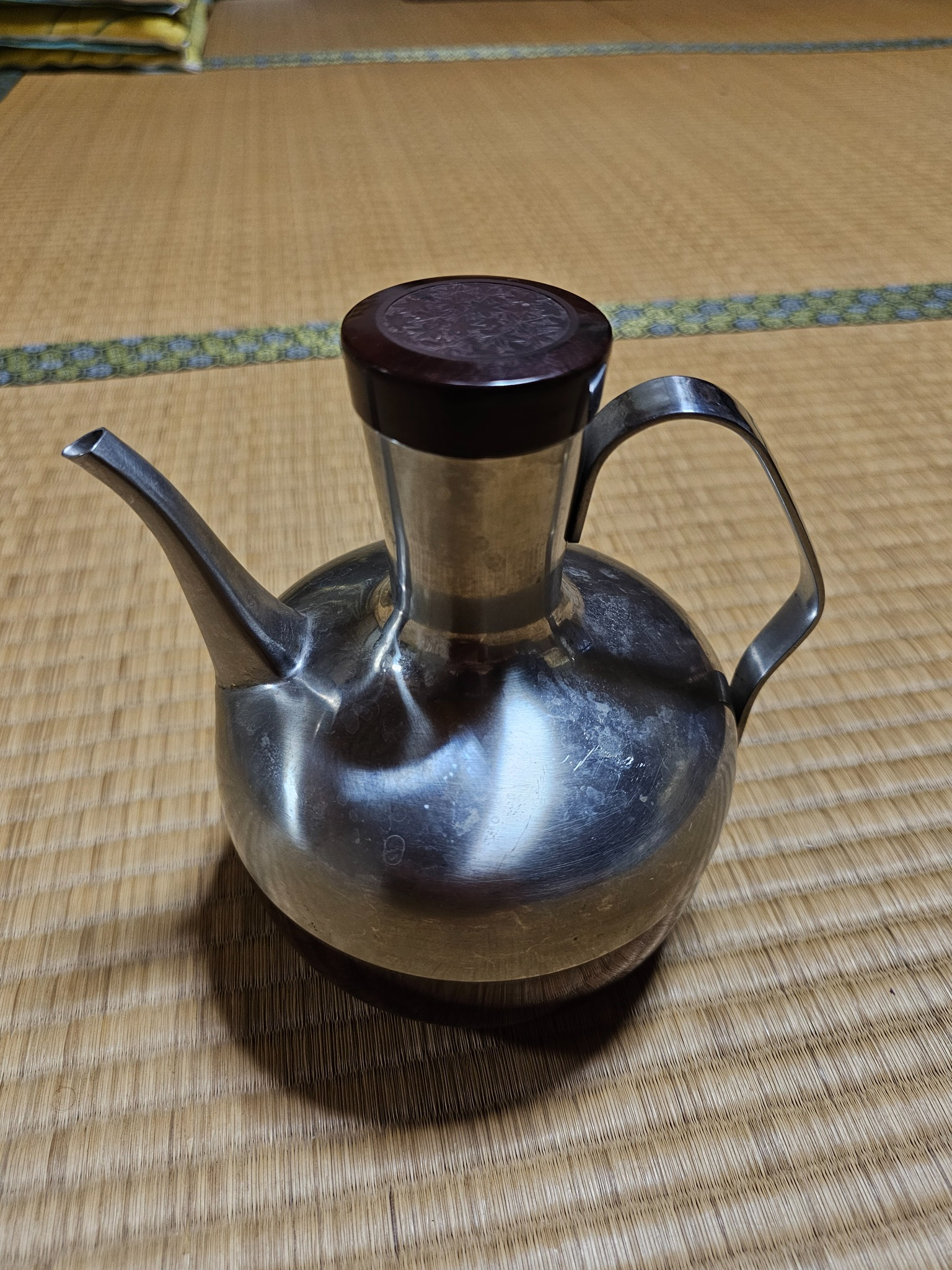
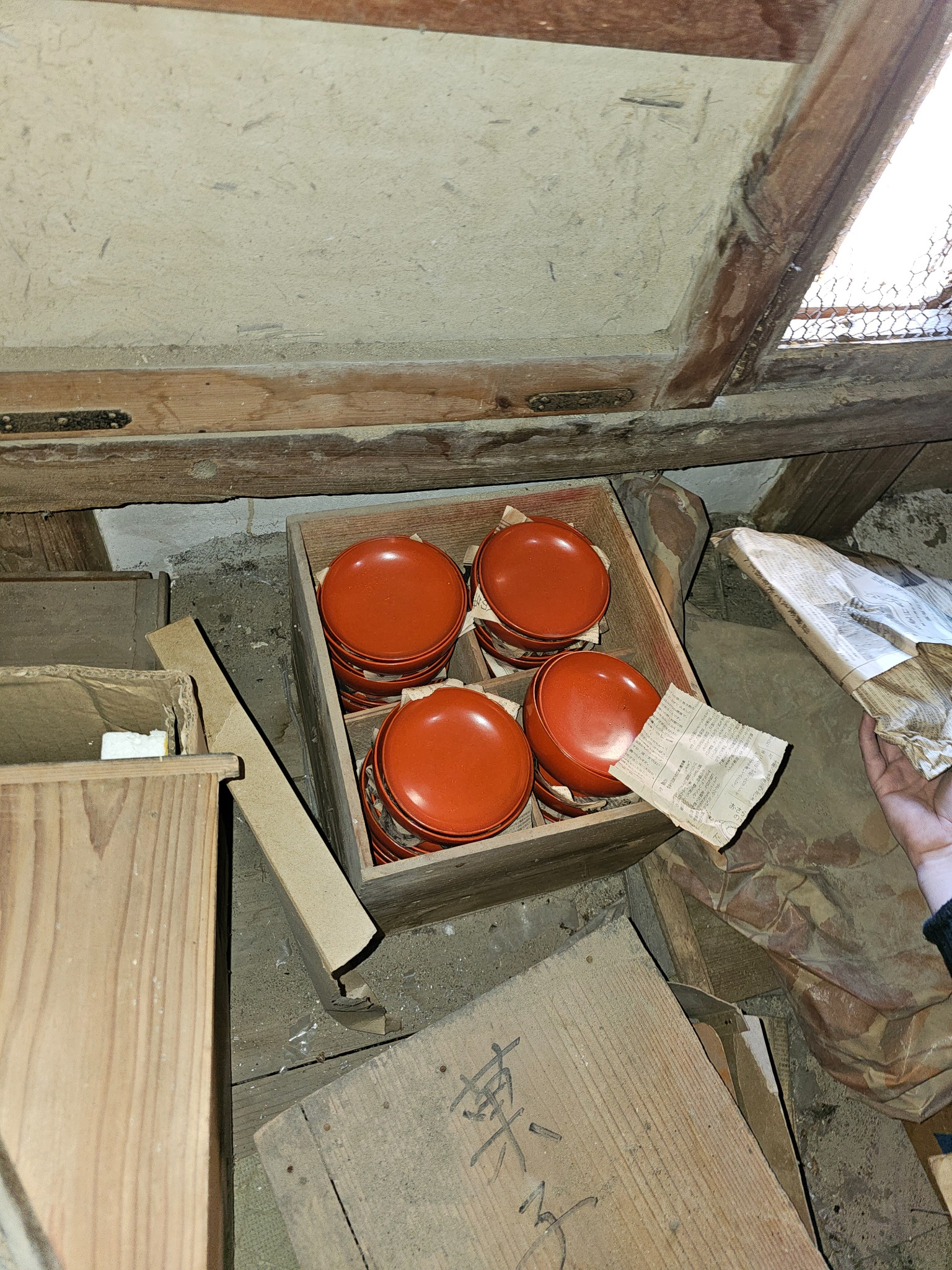
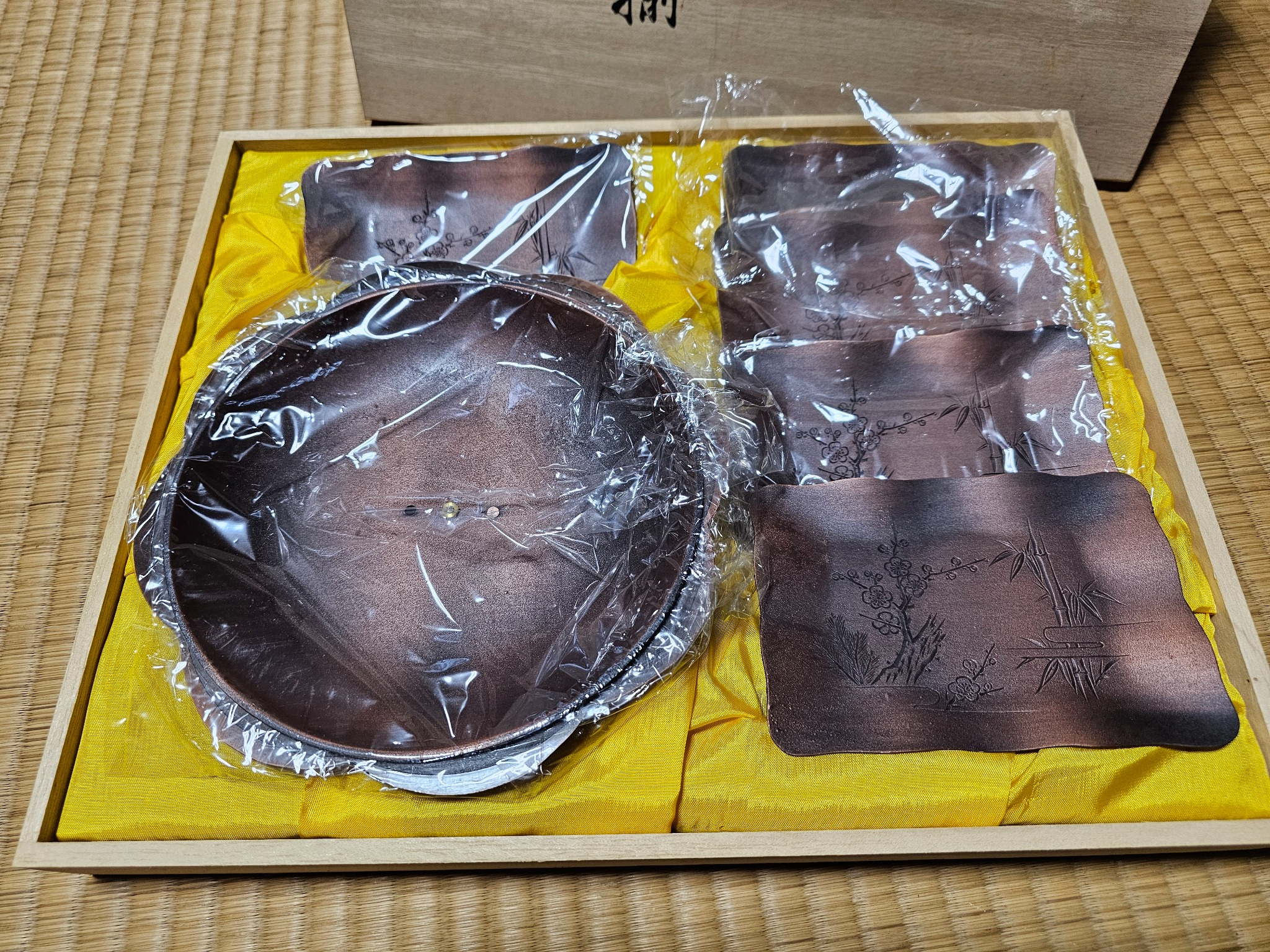
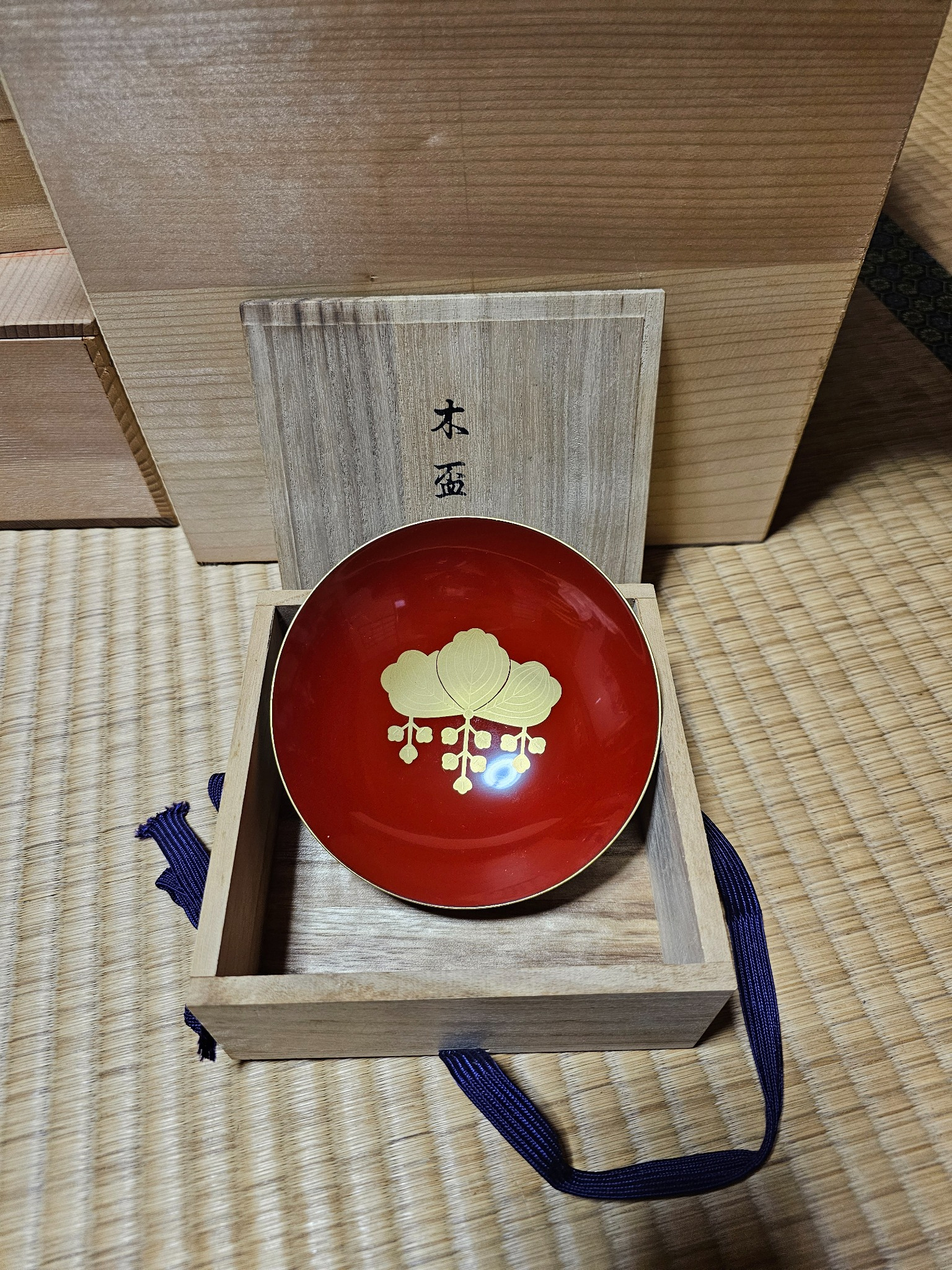
A family house stores refinement inside repetition. Bowl after bowl, cup after cup, jar, pot, lidded box, serving set, and silver vessel accumulate into a domestic civilization. The point is not luxury in the modern sense. It is measure. A household that keeps blue-and-white bowls in a set, tea vessels in boxes, ceremonial cups in fitted cases, and sake things with silver detail has already announced that use is not enough. Use must also have form.
These pieces matter because they show that Hanasaki’s beauty was never restricted to grand objects alone. It lived in serving, pouring, storing, heating, setting out, opening lids, and returning things to boxes.
Burners, Figures, and Smaller Presences
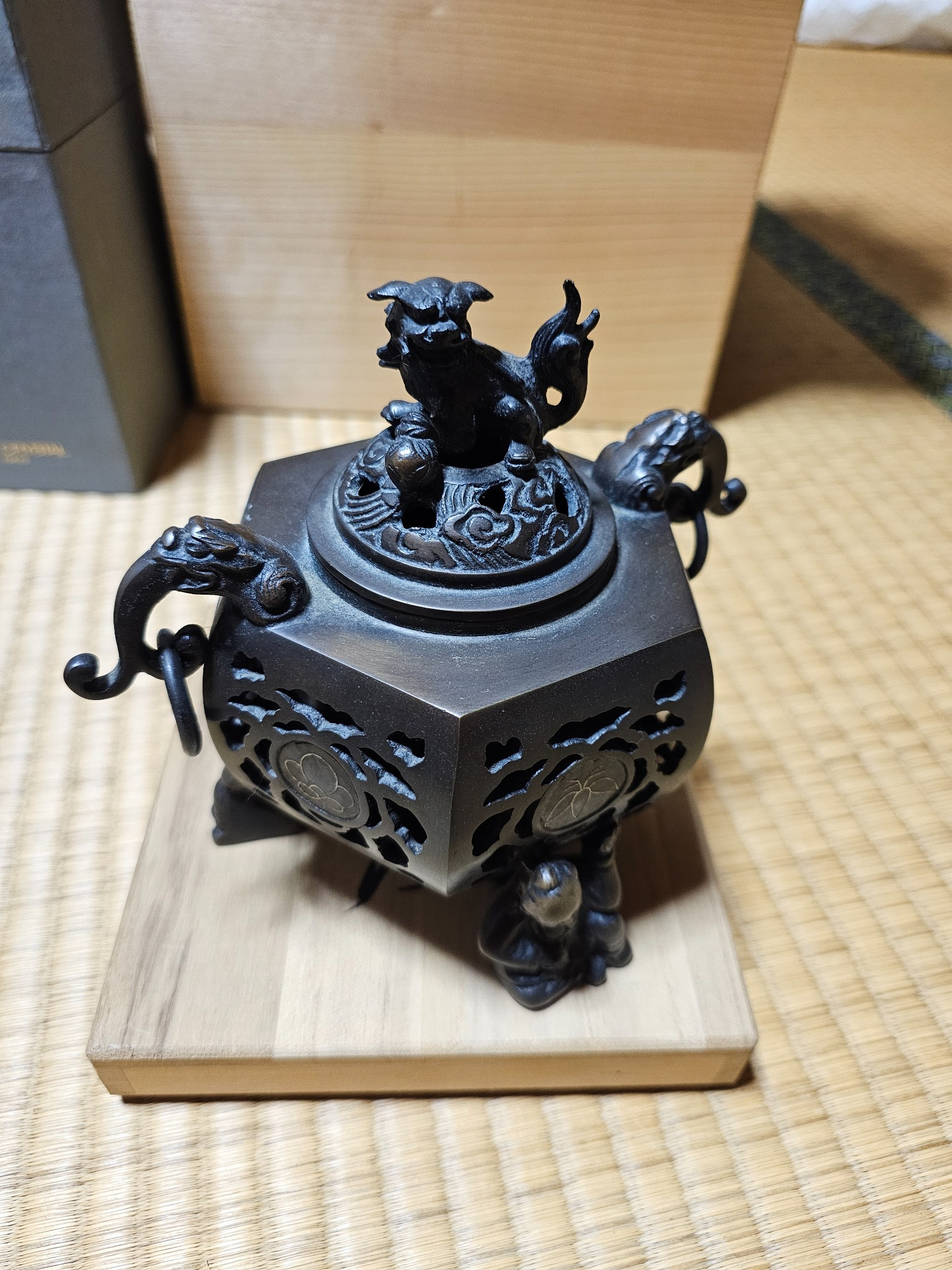
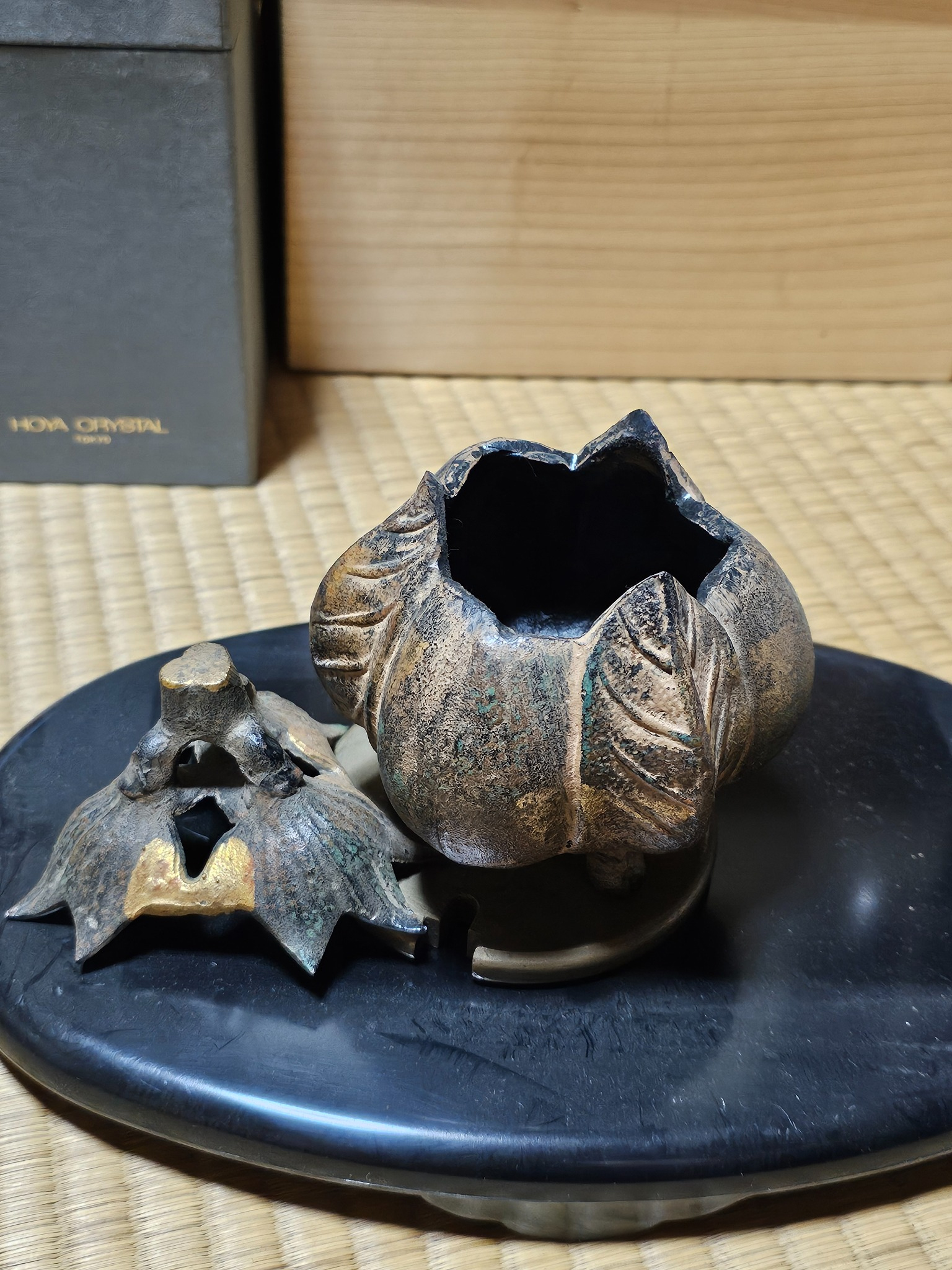
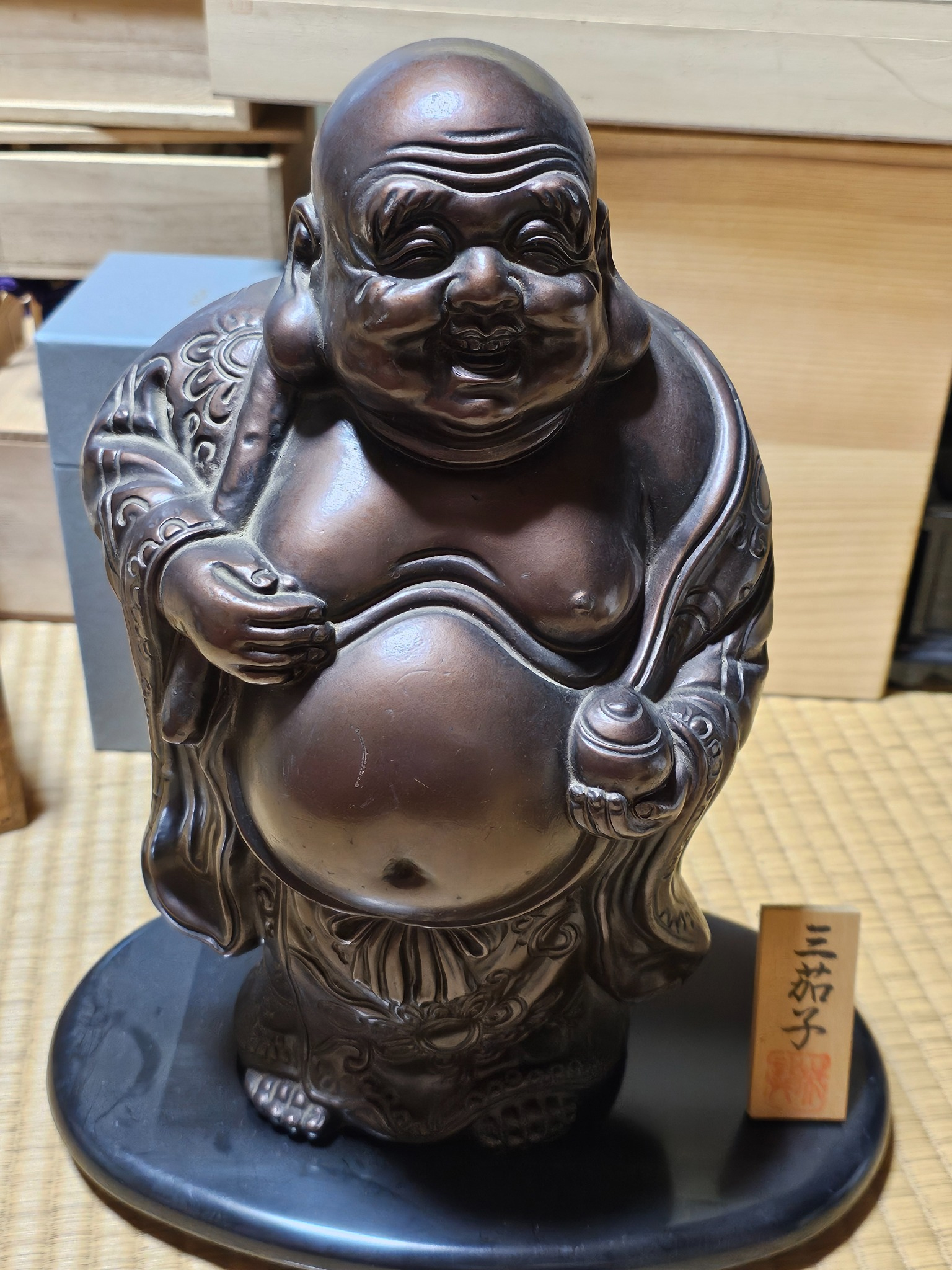
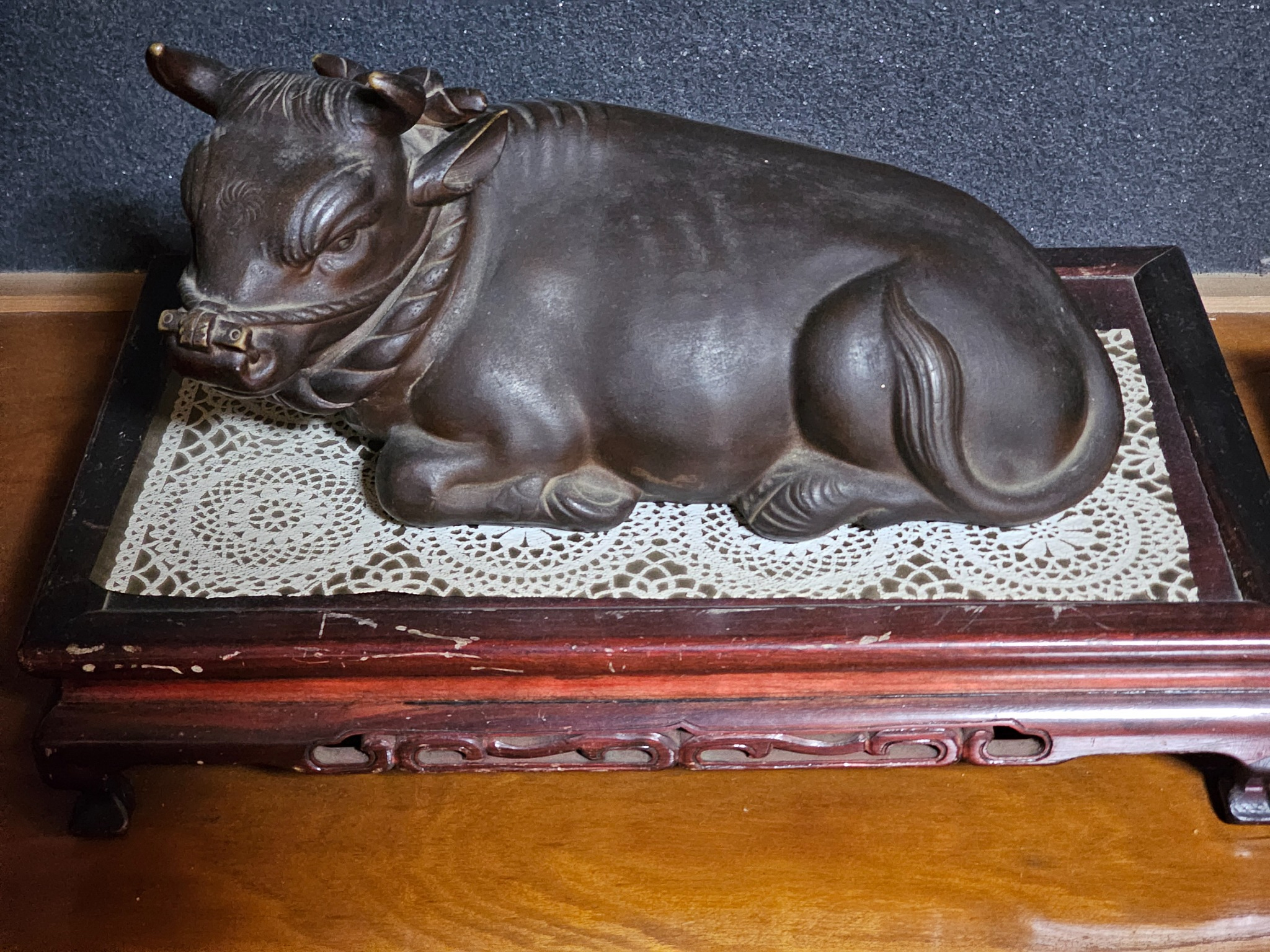
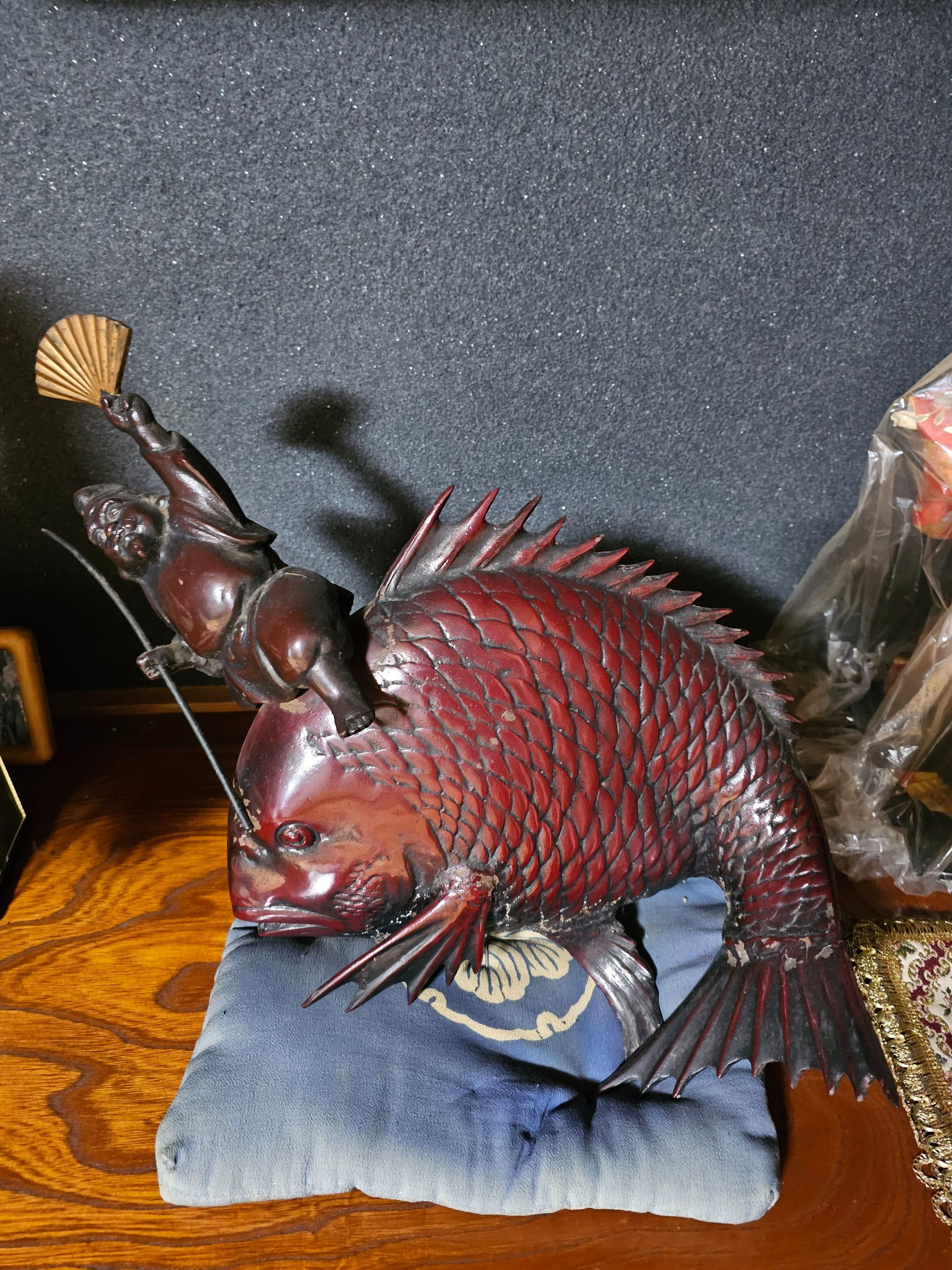
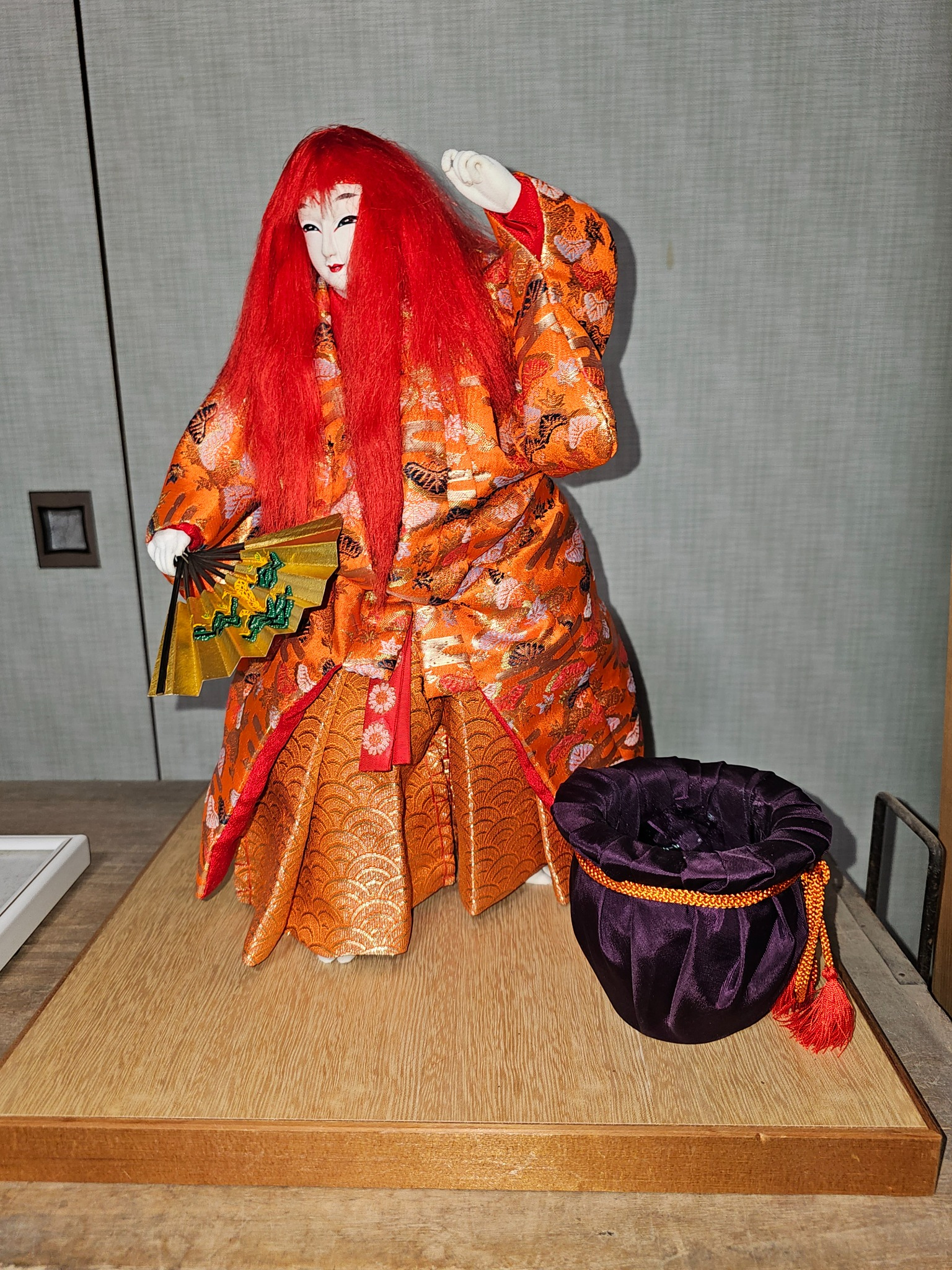
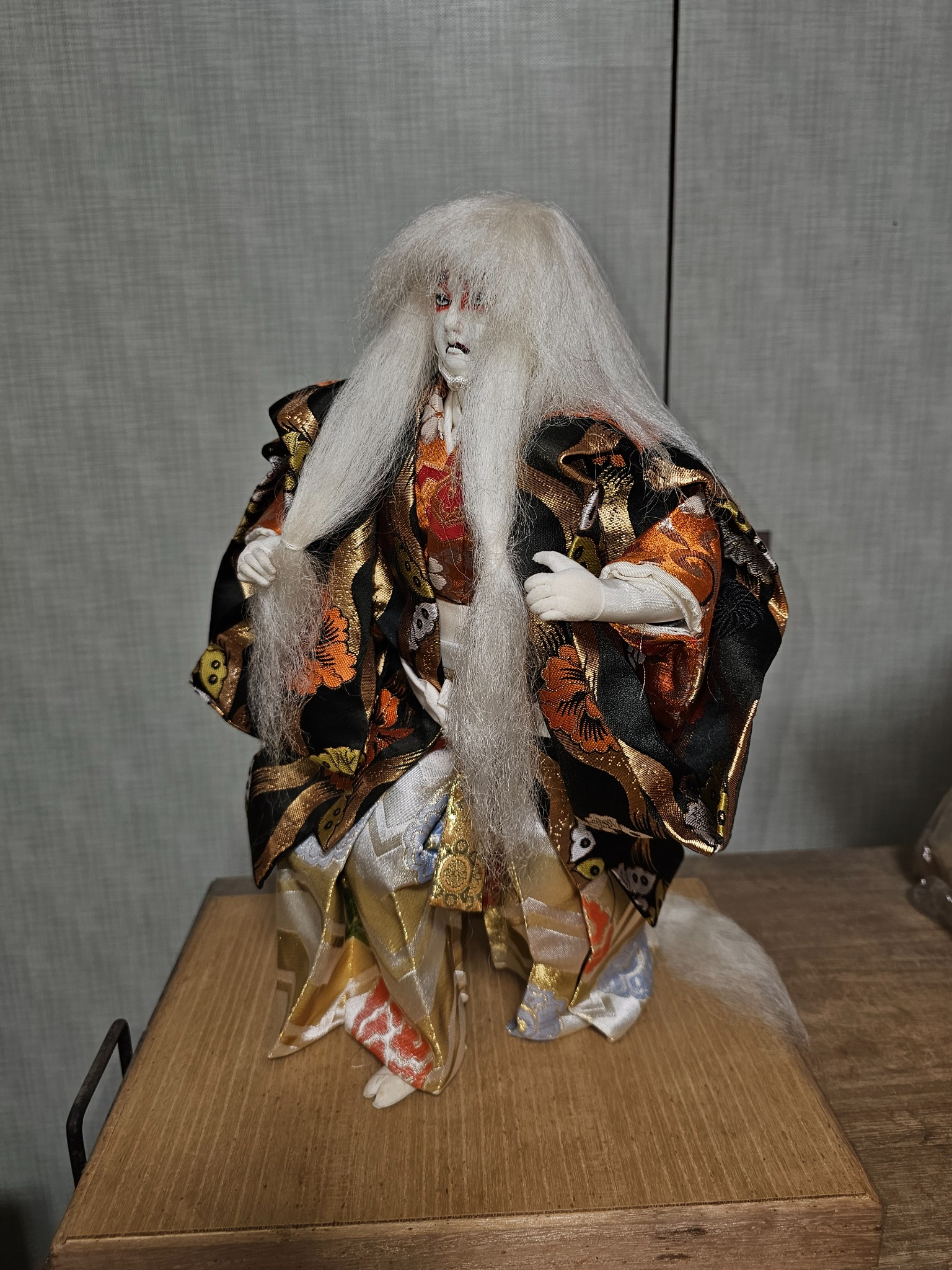
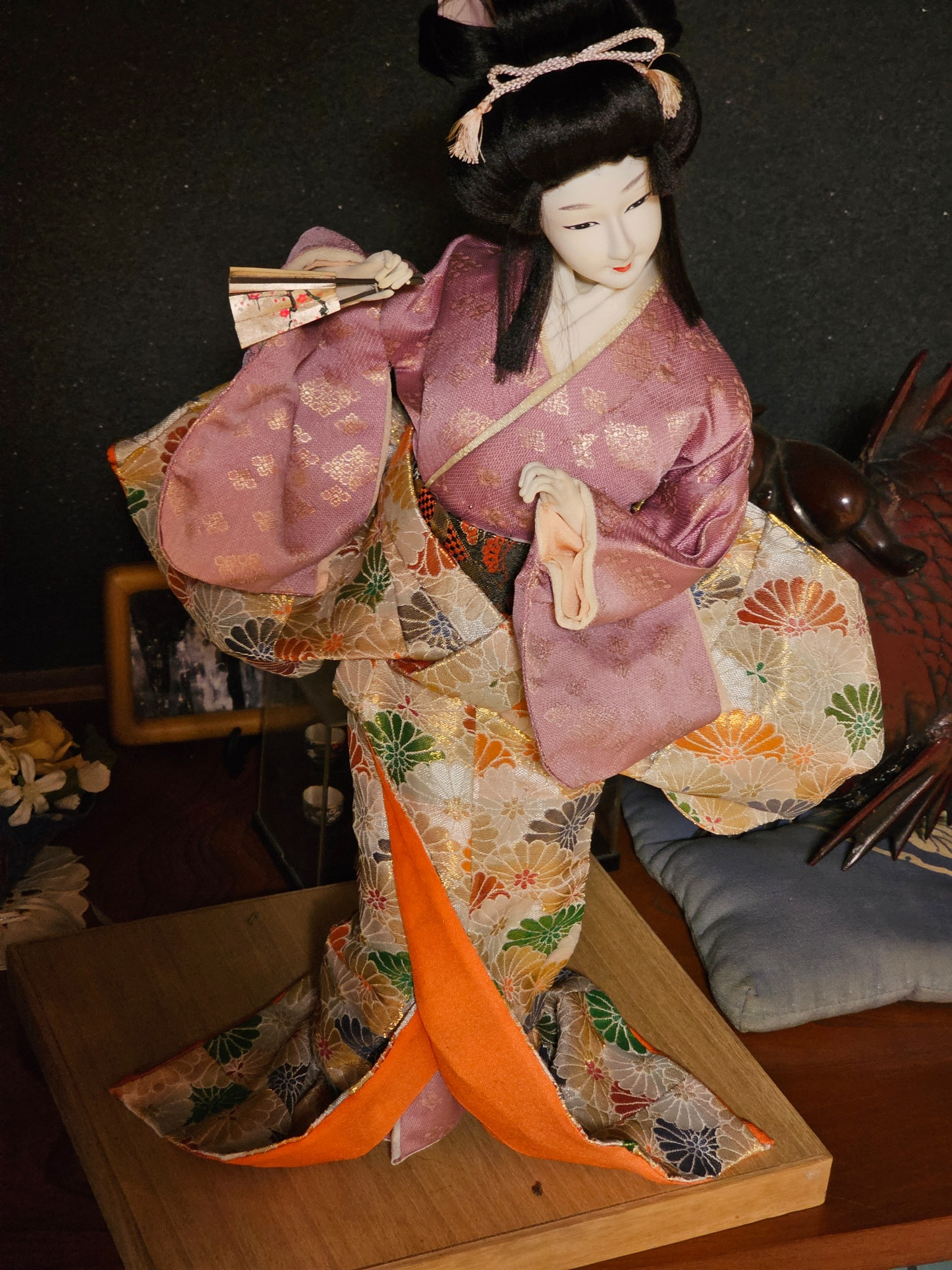
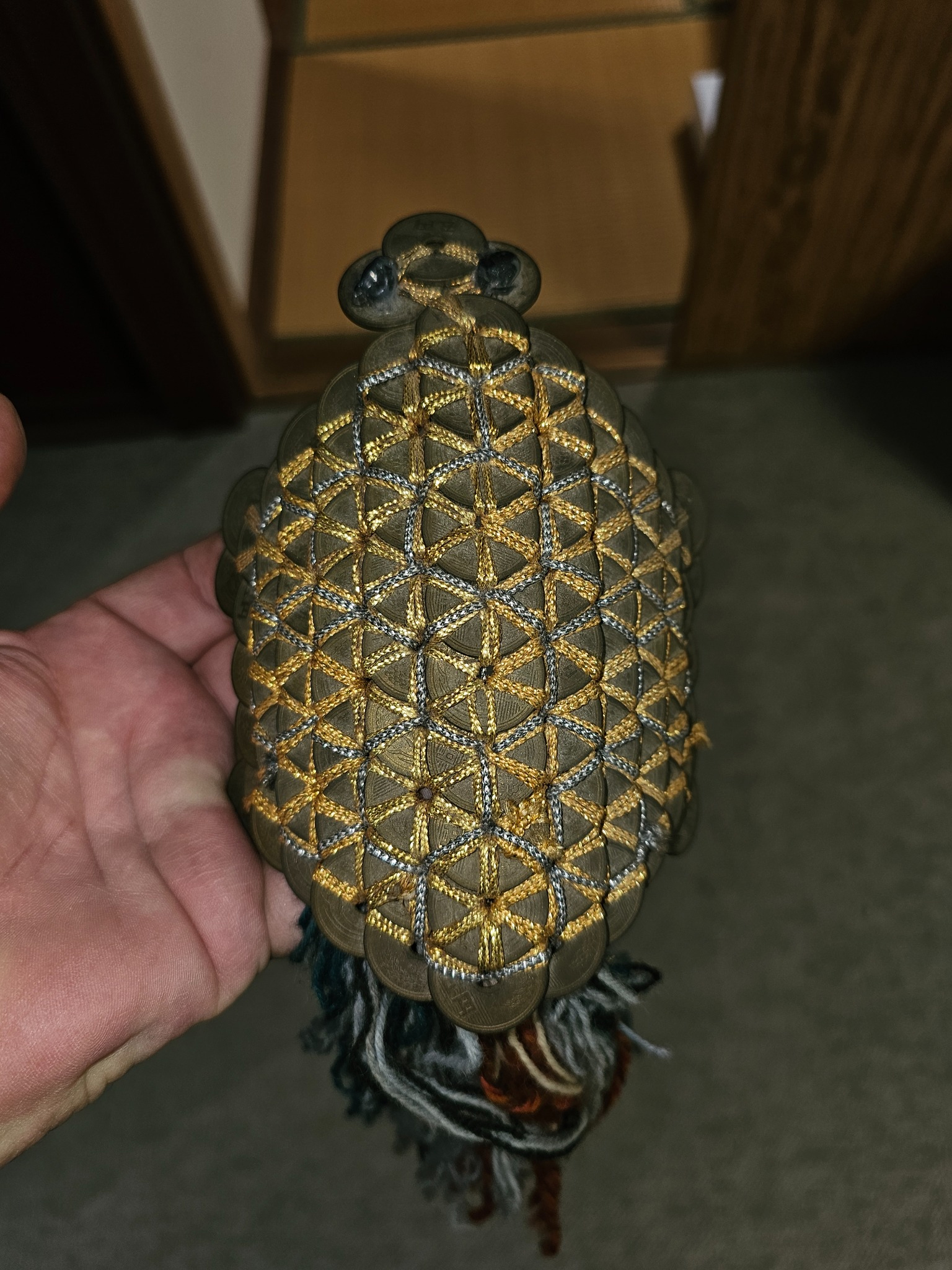
Not every important object is large. Some presences work by concentration: a burner, a doll, a small fish, a lucky figure, a beast, an ox, a laughing Hotei, a theatrical face, a coin charm, a little thing with enough charge to change the feeling of a shelf. These objects are powerful because they do not need scale to hold attention. They hold it by insistence, by character, by the old compact between household luck, ceremony, and display.
In these smaller pieces, the house shows another part of itself: play, omen, humor, devotion, and the persistence of crafted charm in rooms otherwise burdened by heavier time.
Boxes, Marks, and the Slow Intelligence of Keeping
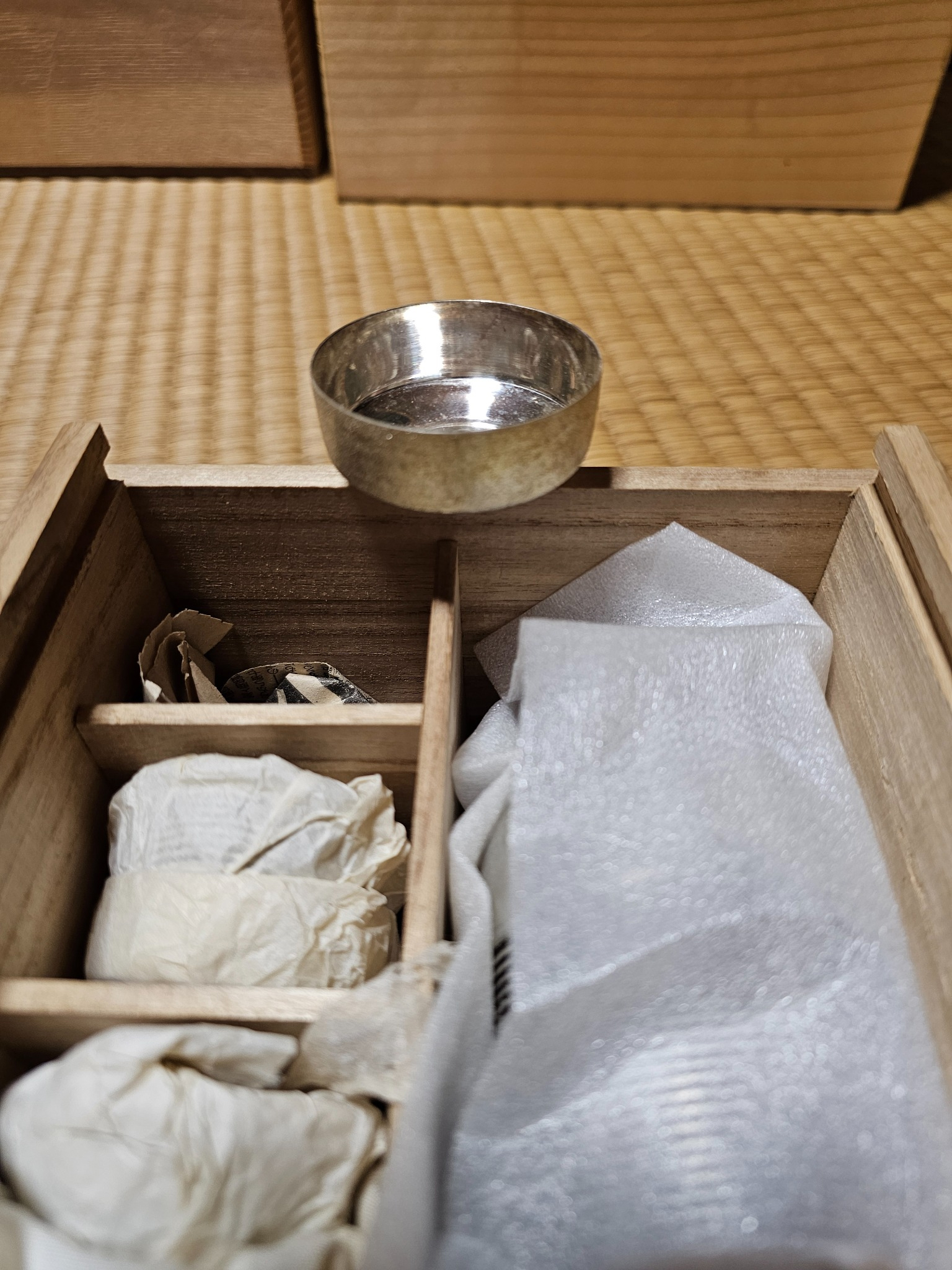
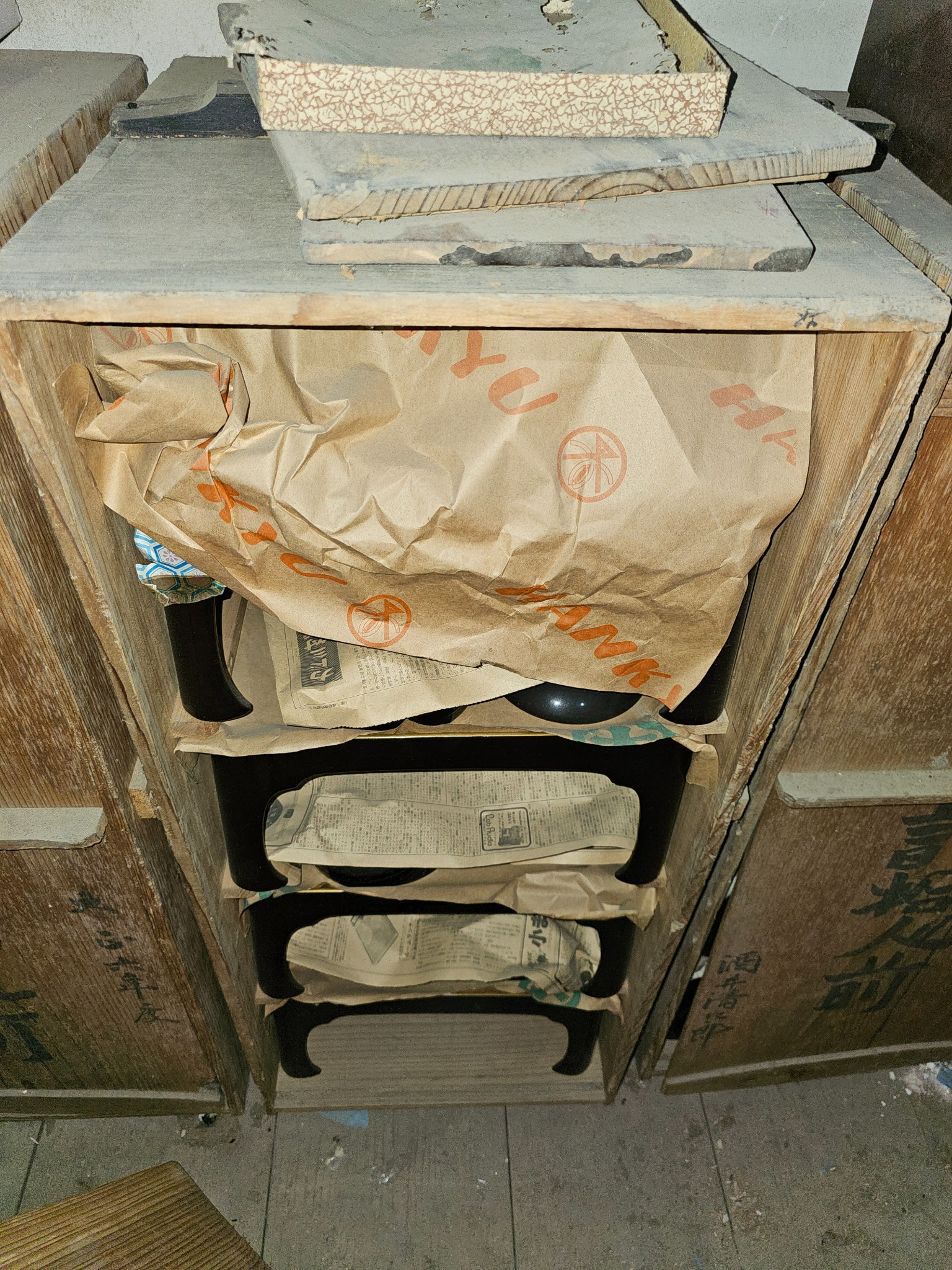
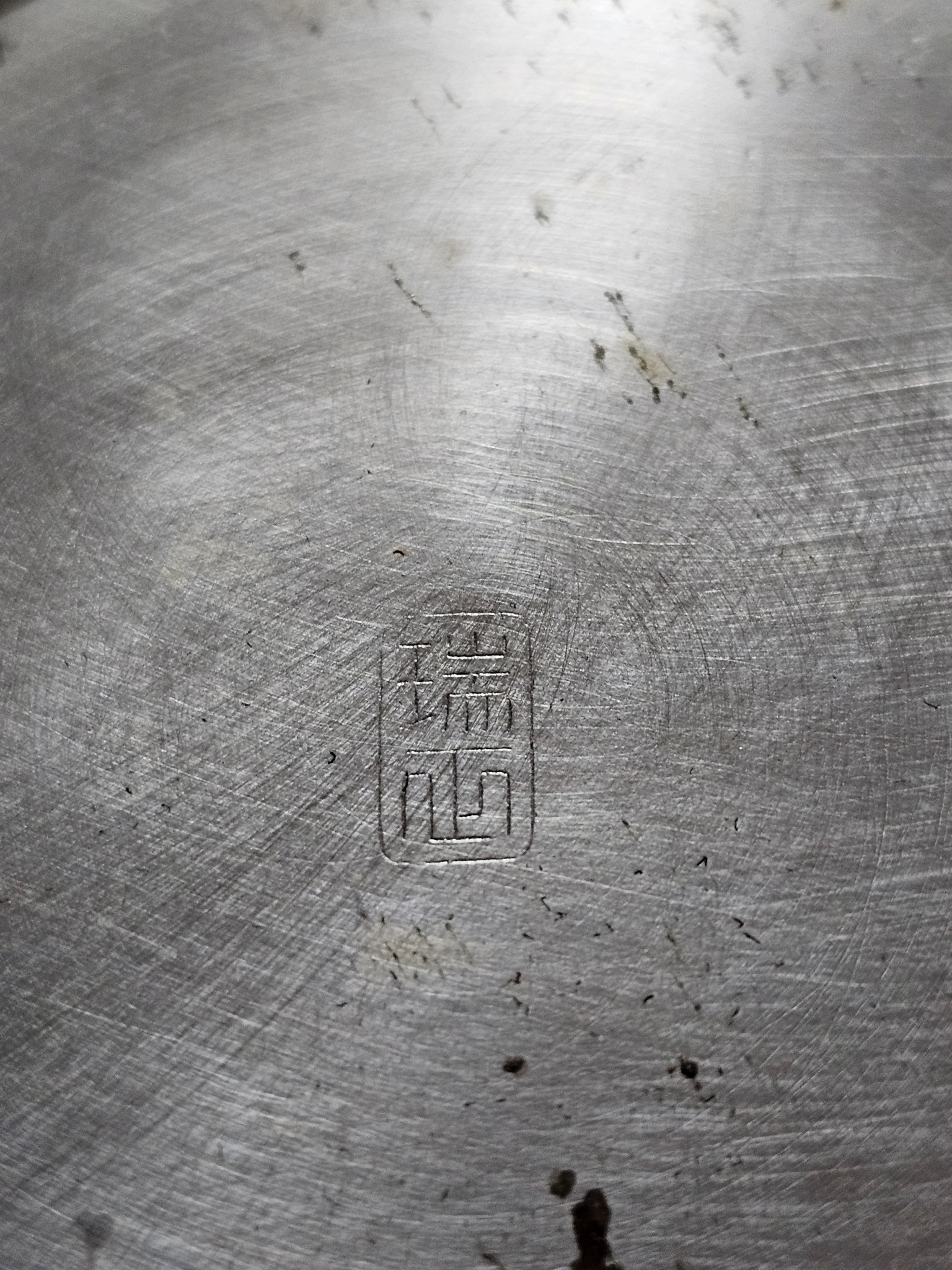
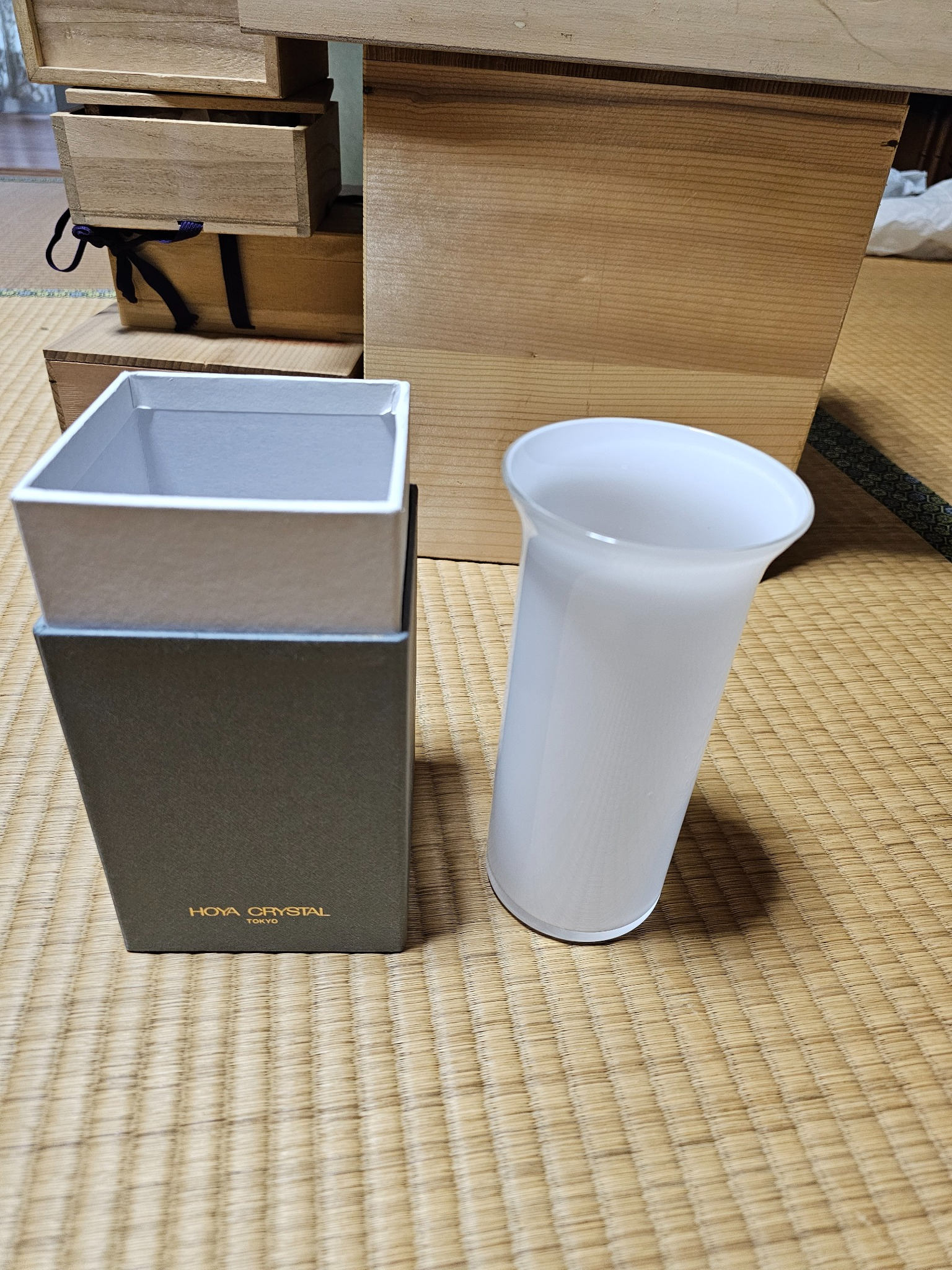
An old house teaches you that the box matters almost as much as what is inside it. Lid, label, maker’s mark, cloth, fitted recess, inscription, a single word written on top years ago — these are not secondary details. They are part of the object’s life. They tell you how the family once understood category, use, and value.
Marks on metal, labels on boxes, lids to sweets sets, cases for cups, and storage for scent or tea all show how keeping is itself a cultural form. The house did not only own objects. It knew how to house them.
Scrolls and the Atmosphere of Thought
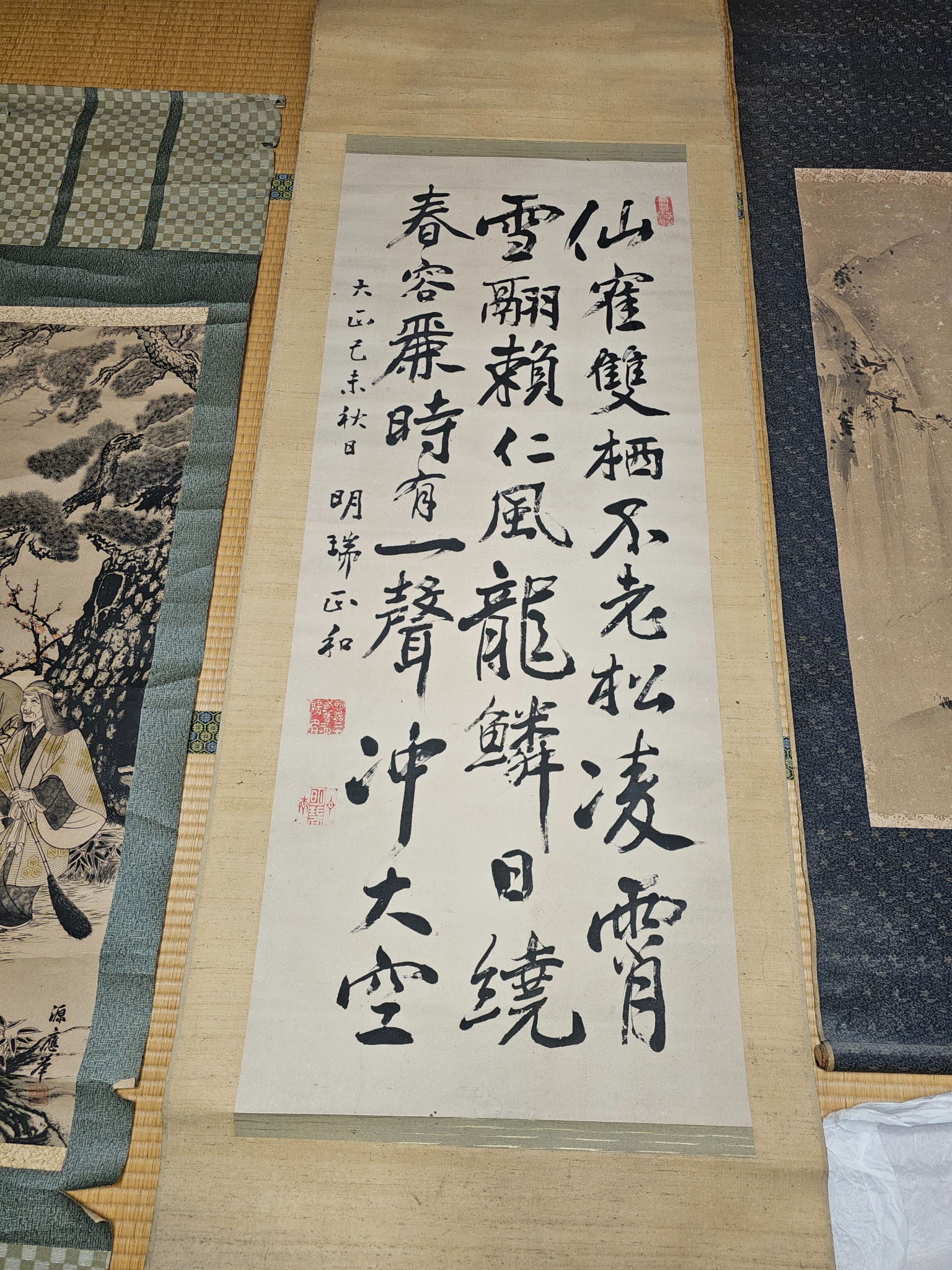
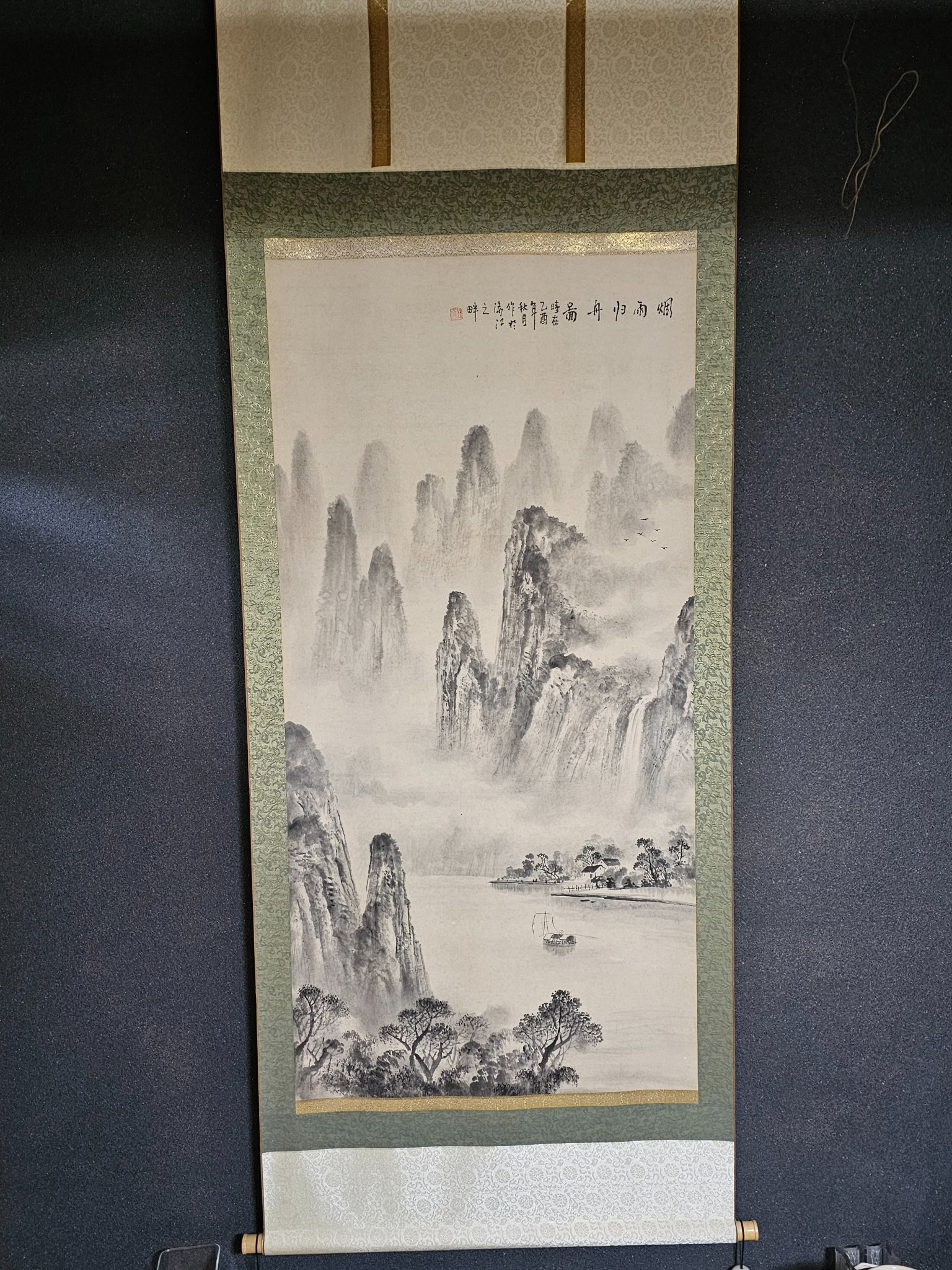
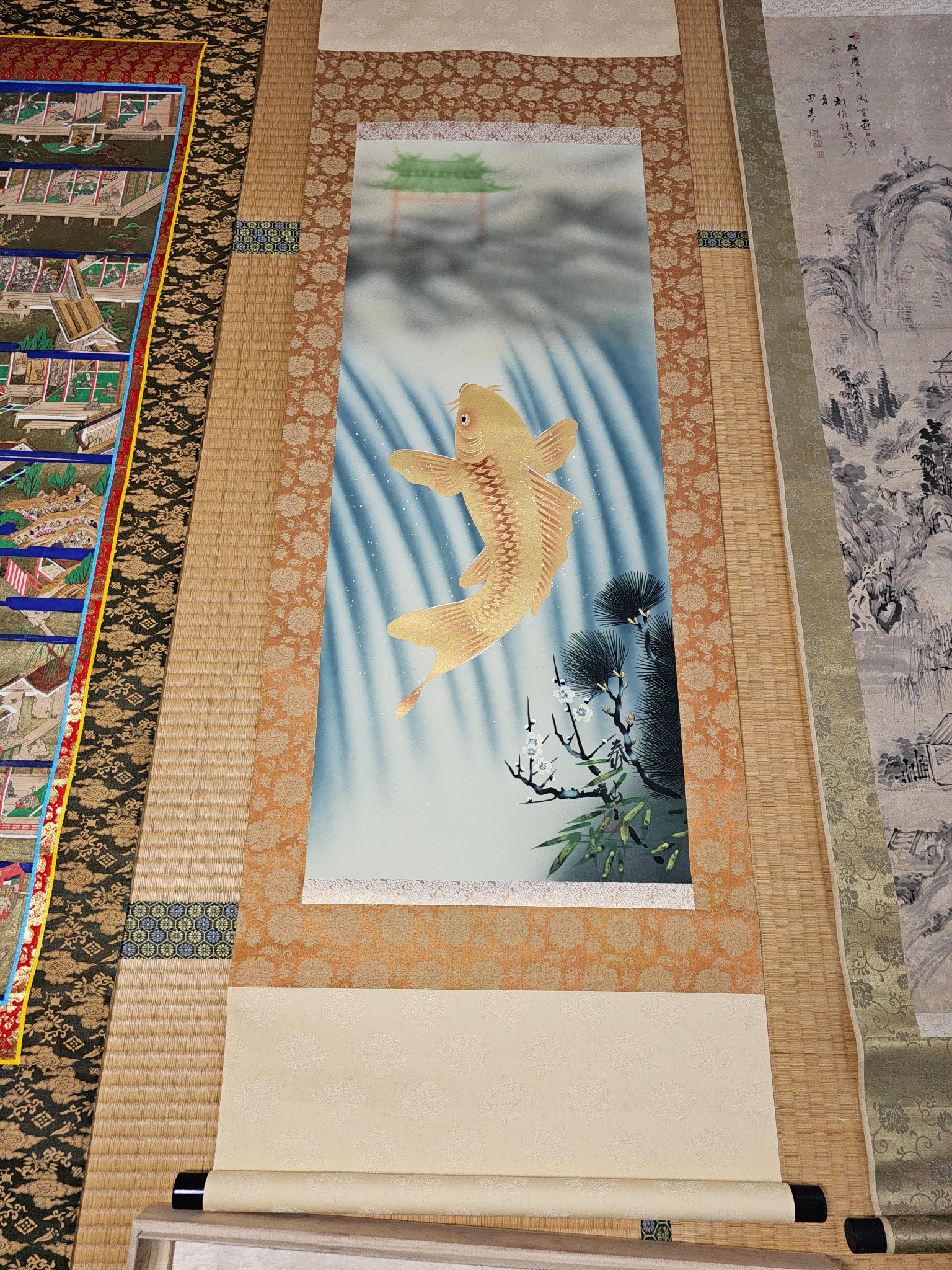
Screens and scrolls belong partly with the house, partly with the object world, and partly with the mind that comes to meet them. Here they appear not as a full separate gallery, but as a reminder that Hanasaki stored thought in hanging form. Calligraphy, mountain scenes, returning boat imagery, dragons, koi, old men, and ancient atmosphere all belonged to the house’s way of making a room think.
The object world is therefore never only material. It also keeps weather of mind.
The objects have now stepped forward in their different kinds: passage, storage, vessel, figure, box, mark, and thought.
A house becomes treasure only after the eye has learned which things were still alive.
Hanasaki kept them here long enough to make that learning possible.