Hanasaki Shrine, Grave, and Kura
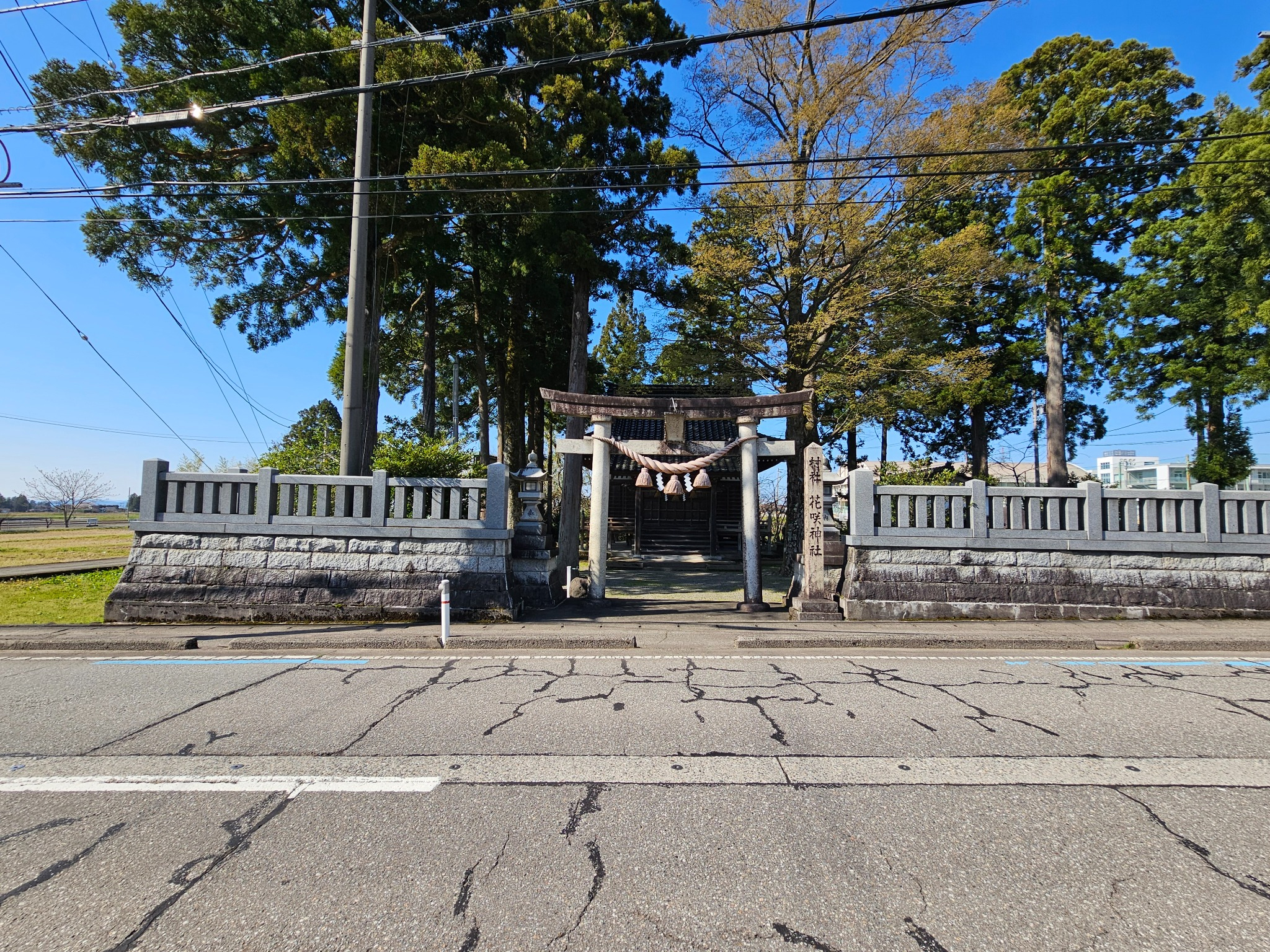
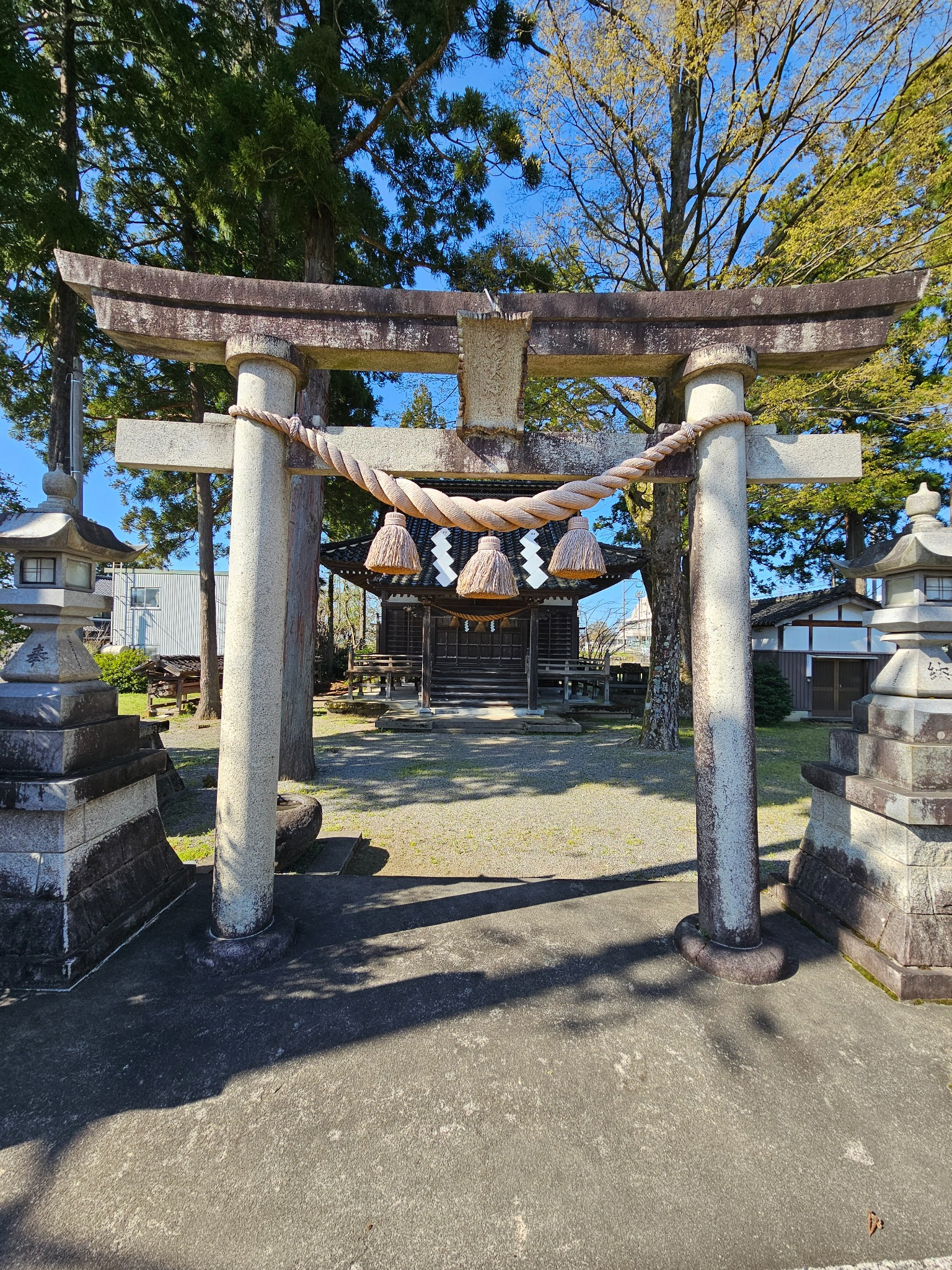
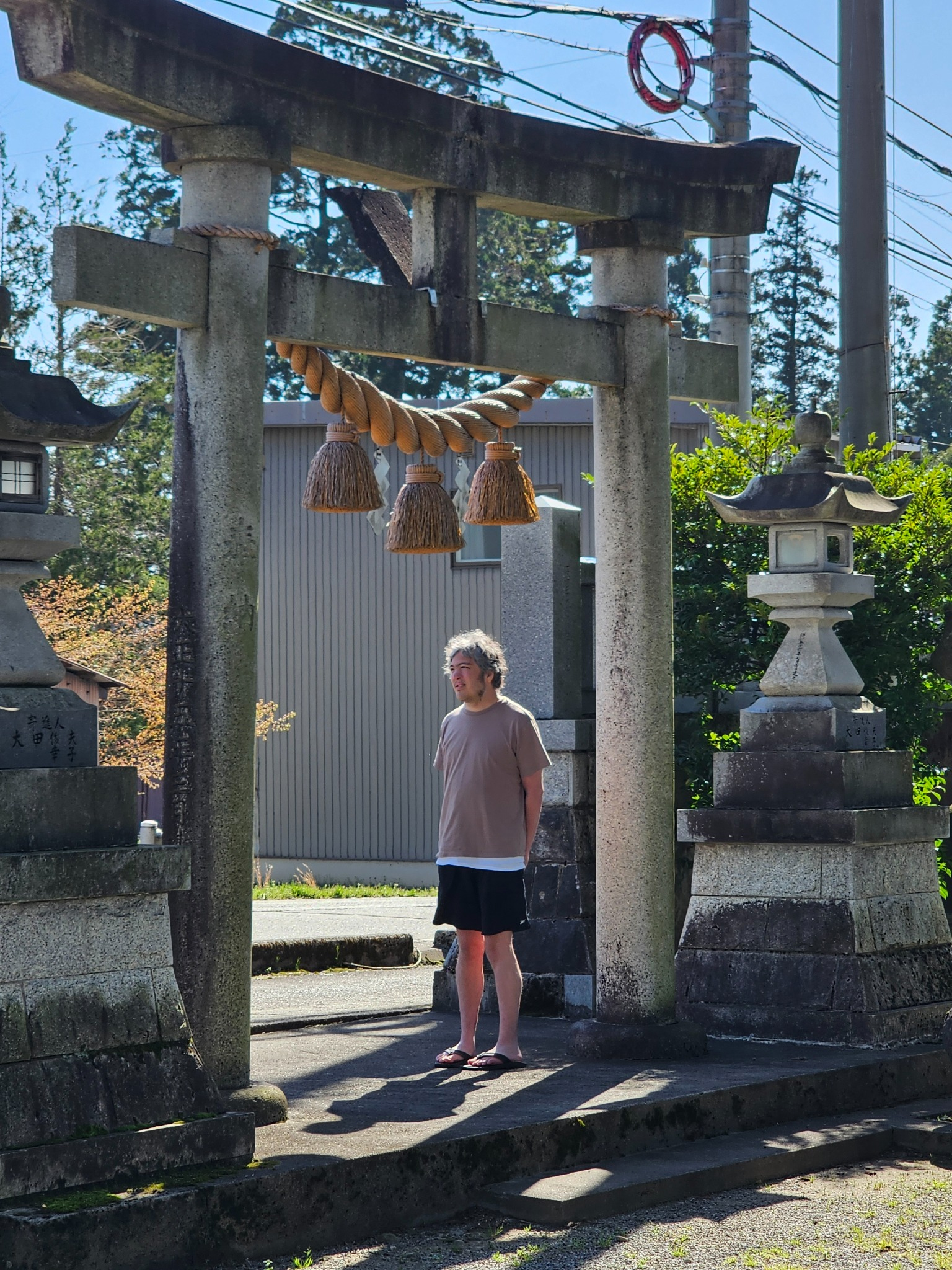
The house does not stand alone. Around it gathers the deeper field of inheritance: shrine stone, torii approach, marker, statue, weathered inscription, family grave, sunset, and the kura that keeps storage, darkness, beam, plaster, crack, and waiting under one roof. This gallery gathers the sacred and inherited ground around Hanasaki — not private room alone, but the wider local architecture by which a family learns what remains, what witnesses, and what refuses to disappear.
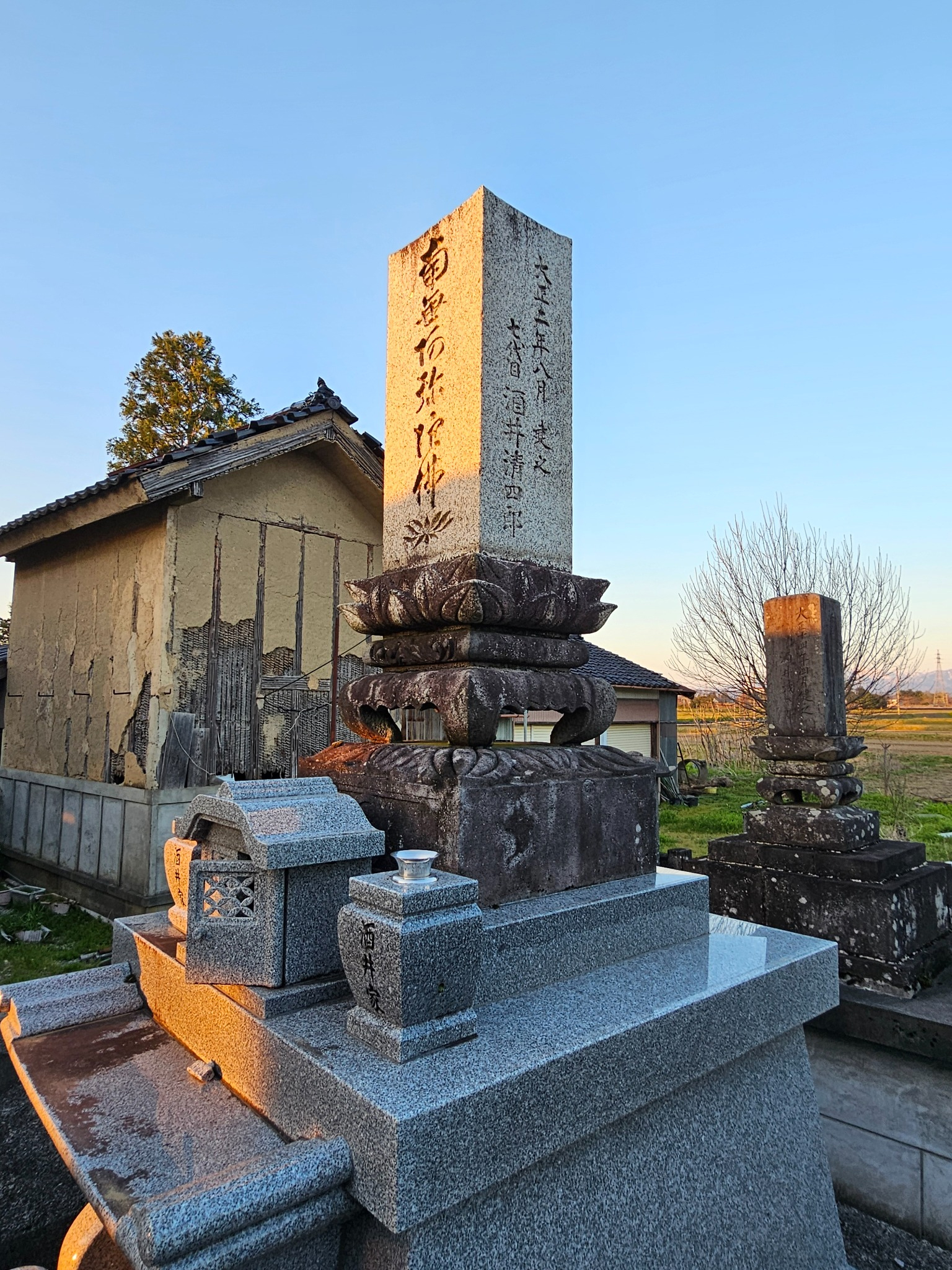
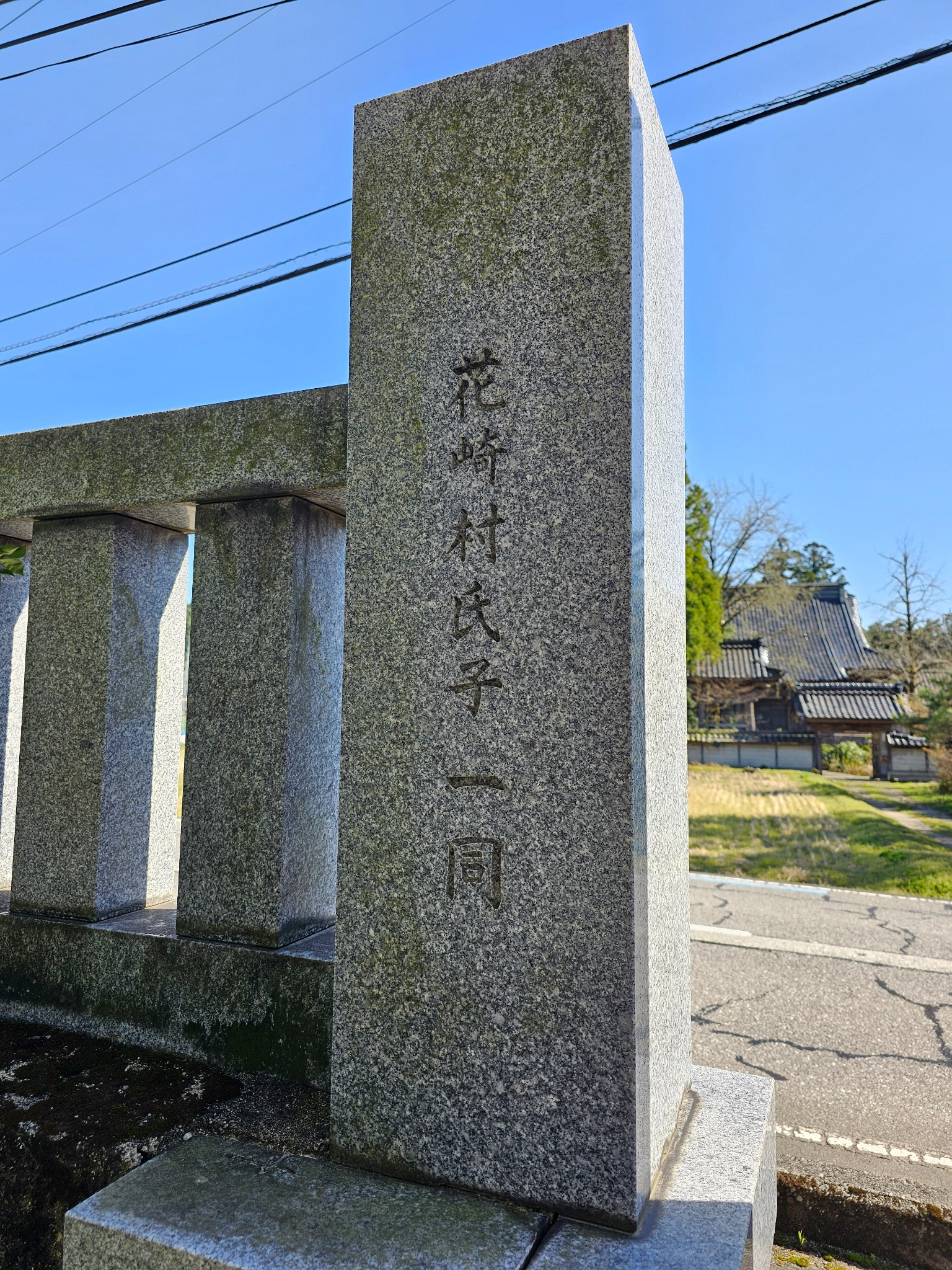
A family property becomes serious when the house is no longer the only room that matters. The shrine begins speaking. The grave begins speaking. The kura begins speaking. Stone, plaster, beam, torii, lock plate, marker, weathered inscription, cracked wall, roofline, and sunset all enter the same moral weather. Hanasaki is not only domestic. It is also sacred, ancestral, and stored.
That is why these images belong together. Not because they are identical, but because they answer one another. The shrine lifts memory into local ritual. The grave fixes family time in stone. The kura gathers endurance into structure. Together they show the deeper field around the house — the one that continues even when rooms fall quiet.
The house held family life.
The shrine, grave, and kura held family time.
The Shrine Approach
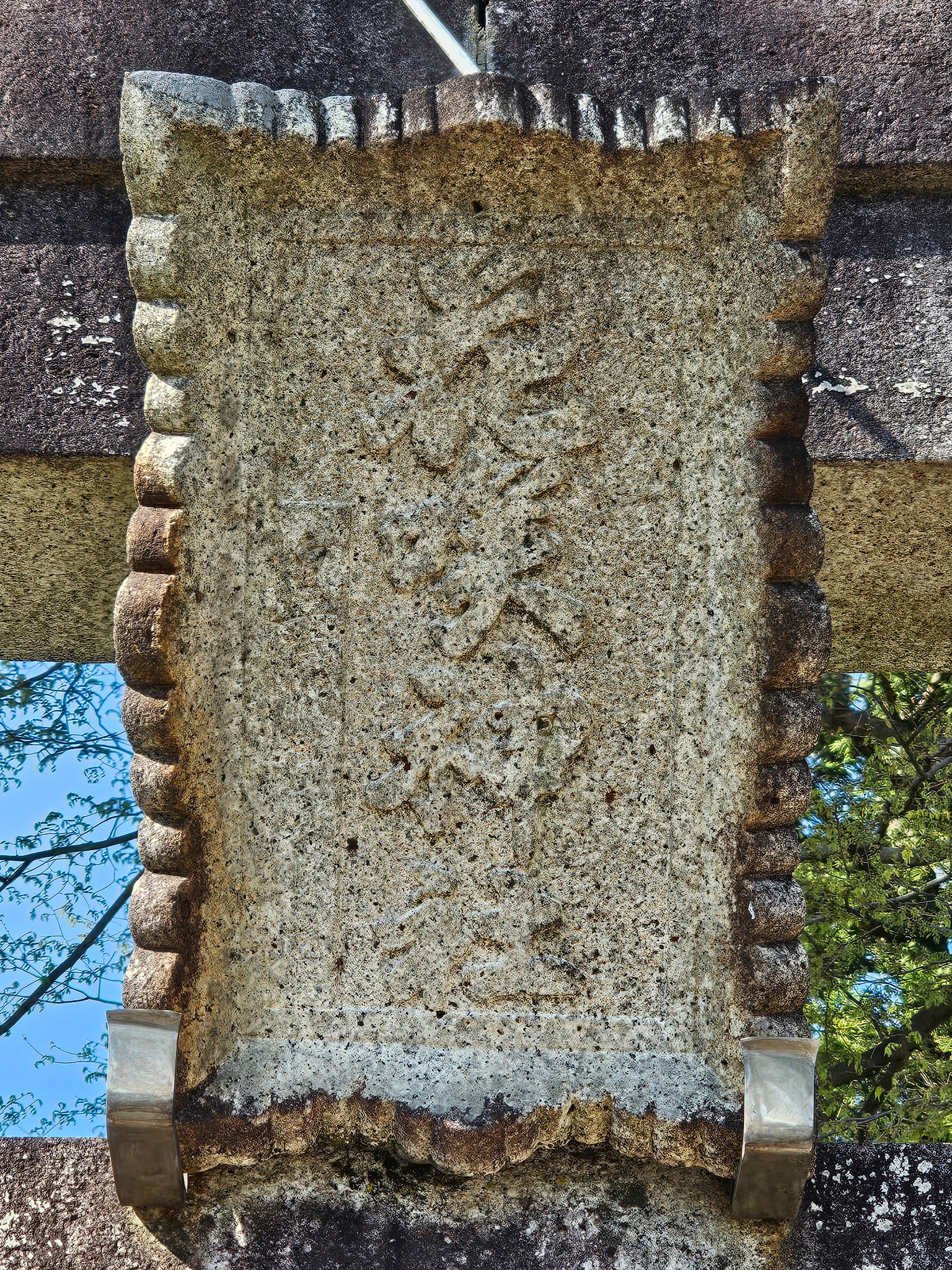
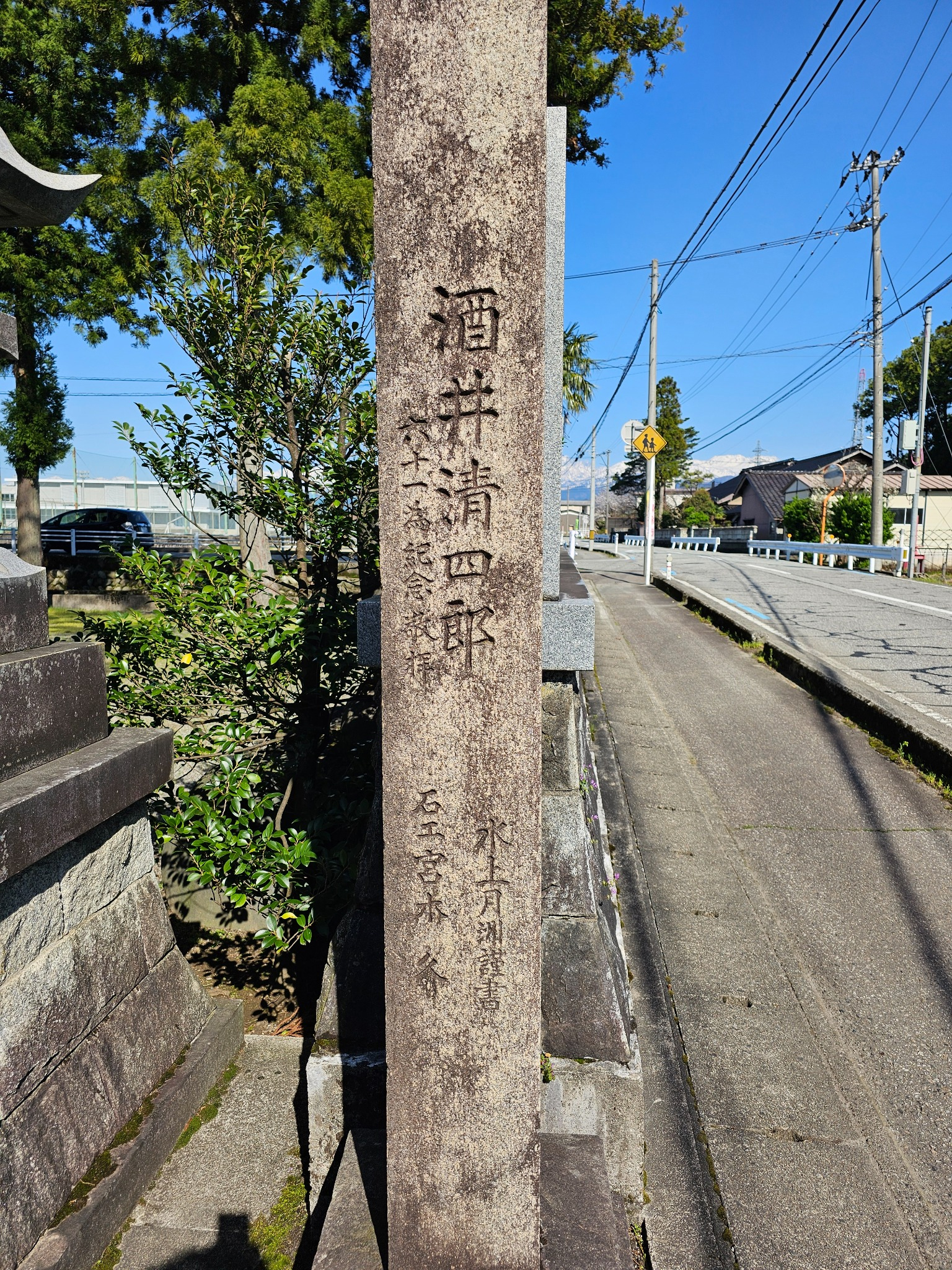
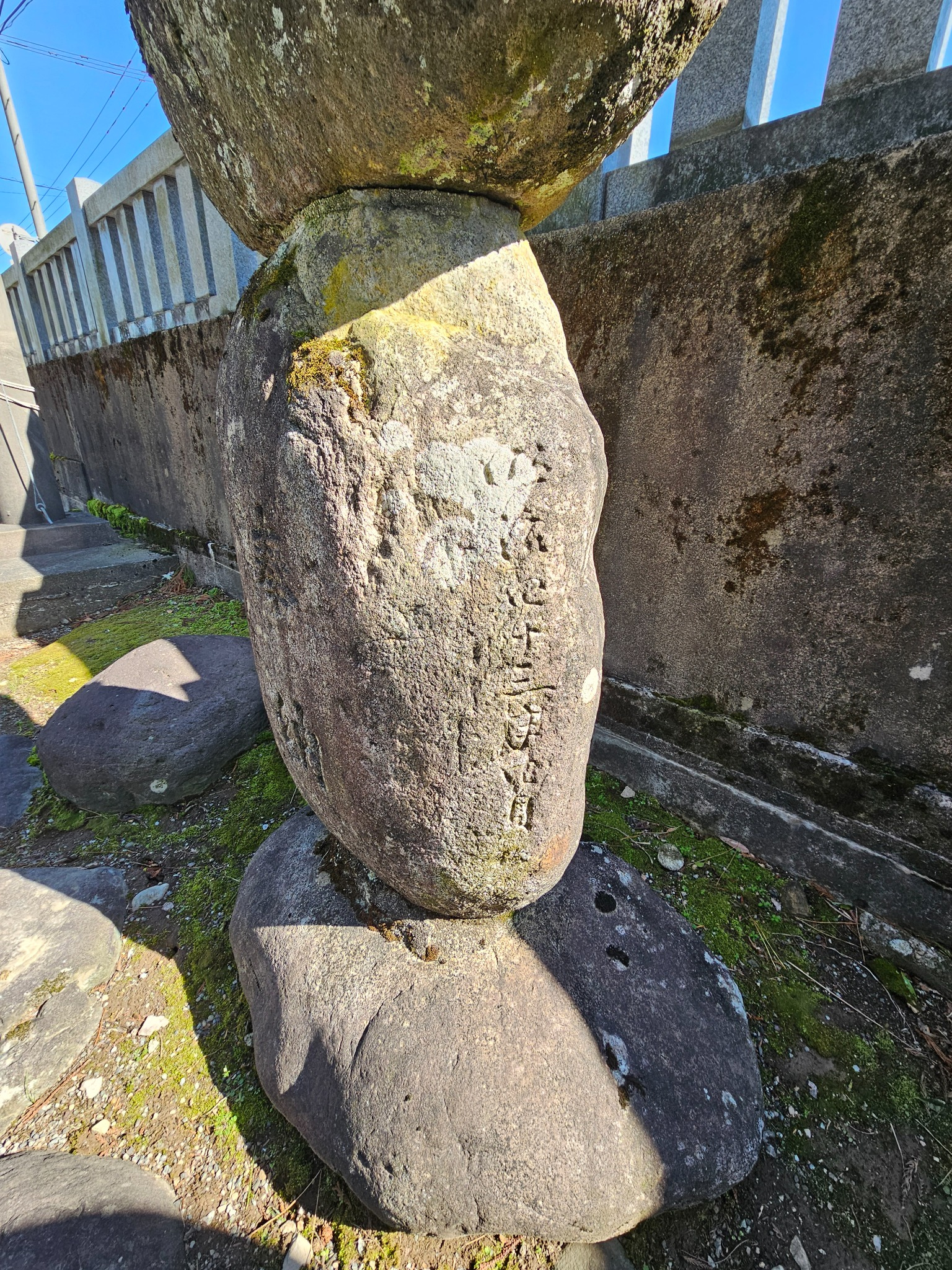
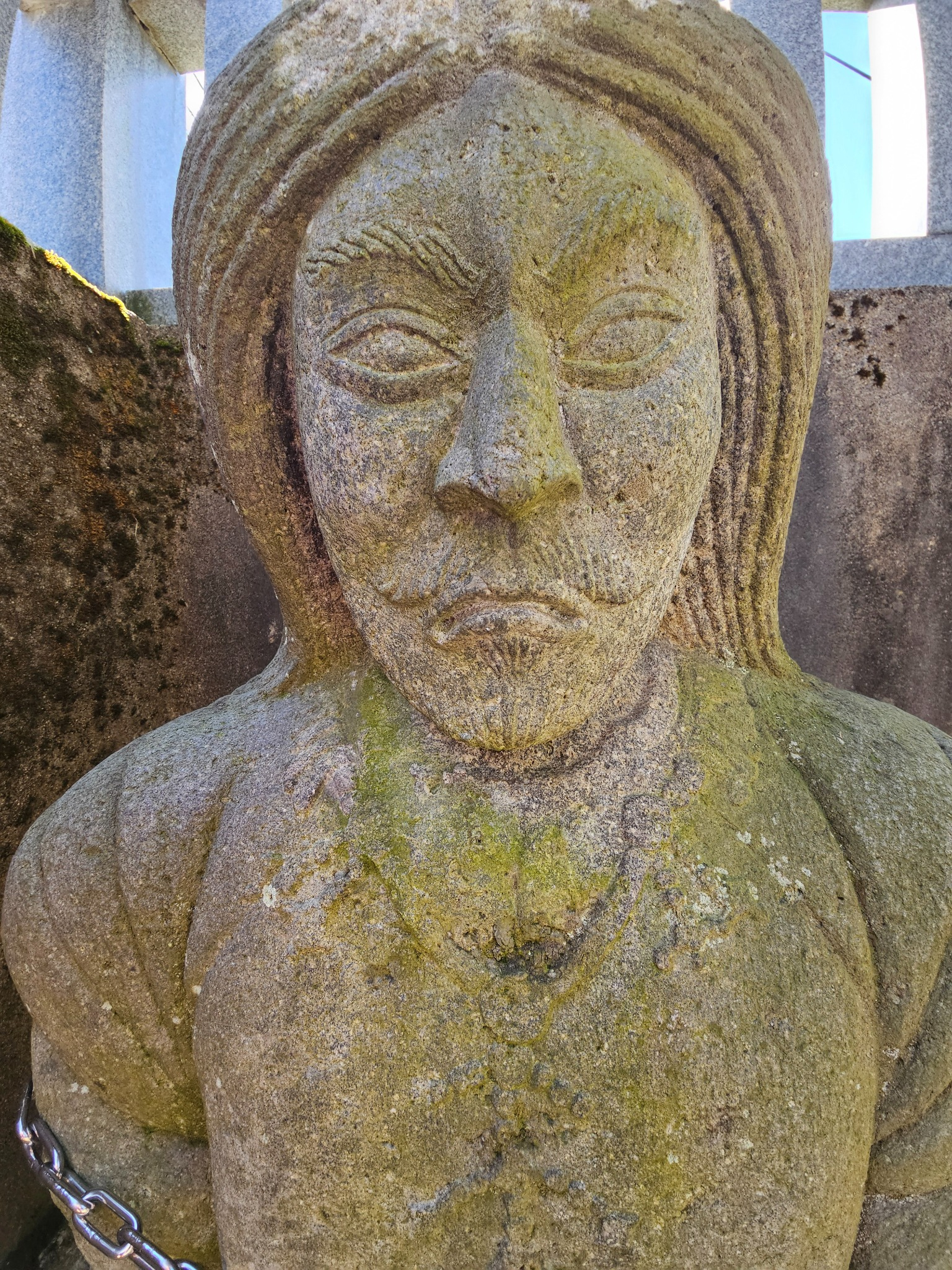
The Shrine Figures
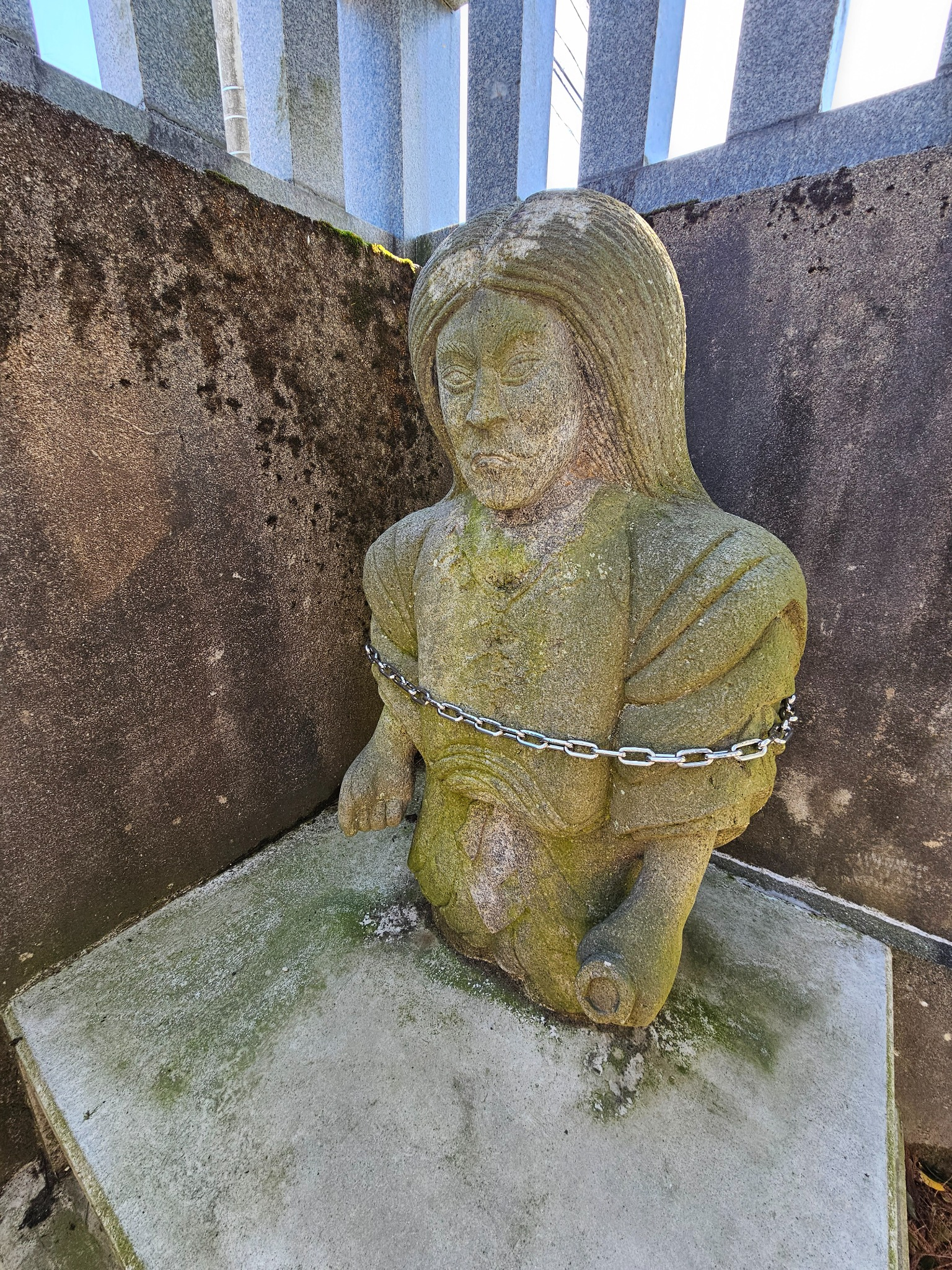
Shrines do not speak only through gates and markers. They speak through partial bodies, chained stone, worn surfaces, and the patience of figures left to weather in public. What remains visible is not pristine faith but durable presence. A statue can lose part of itself and still hold authority.
That matters in Hanasaki because the whole archive is learning the same lesson. Damage does not always cancel meaning. Sometimes it clarifies what has endured.
The Family Grave
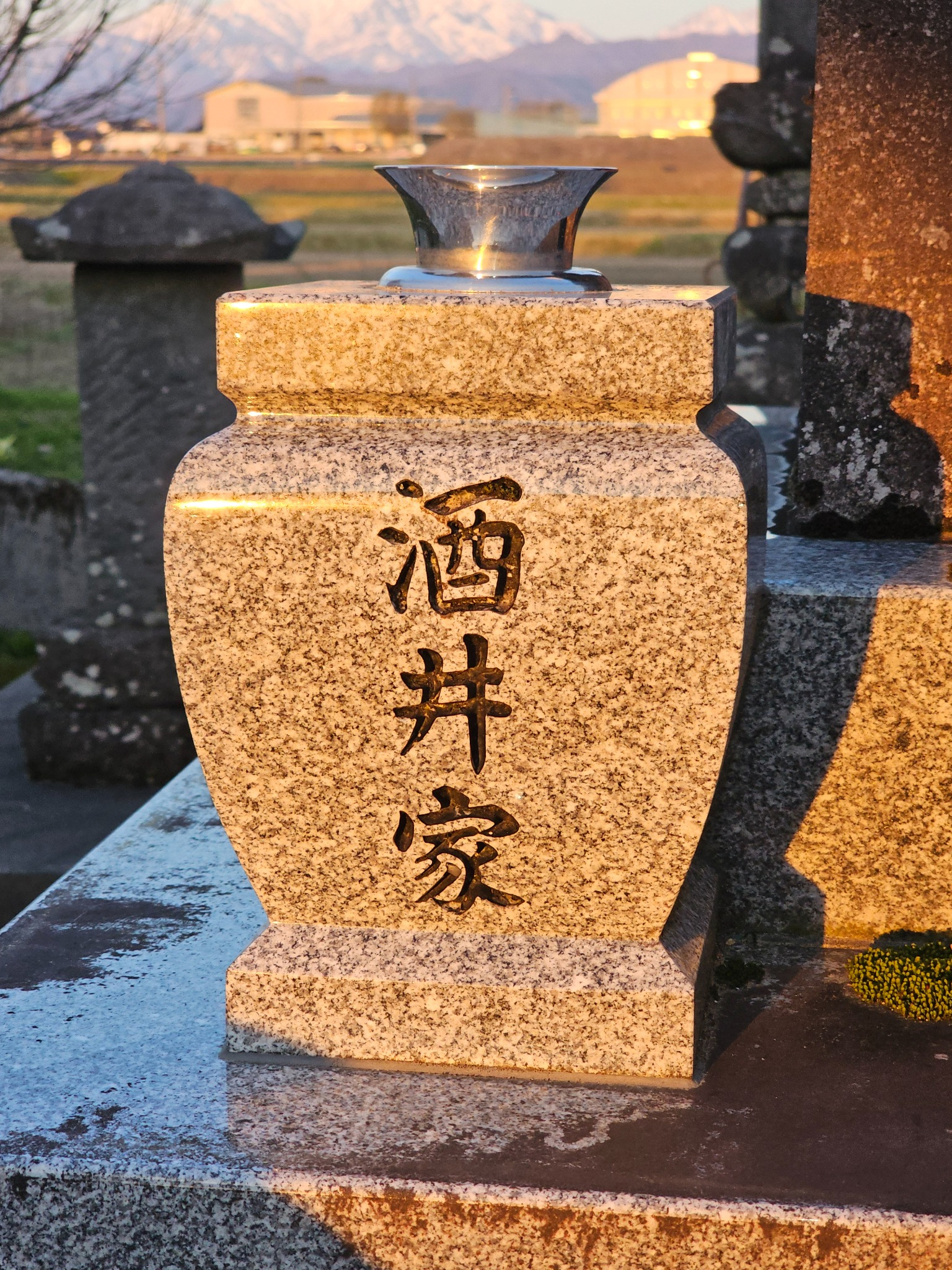
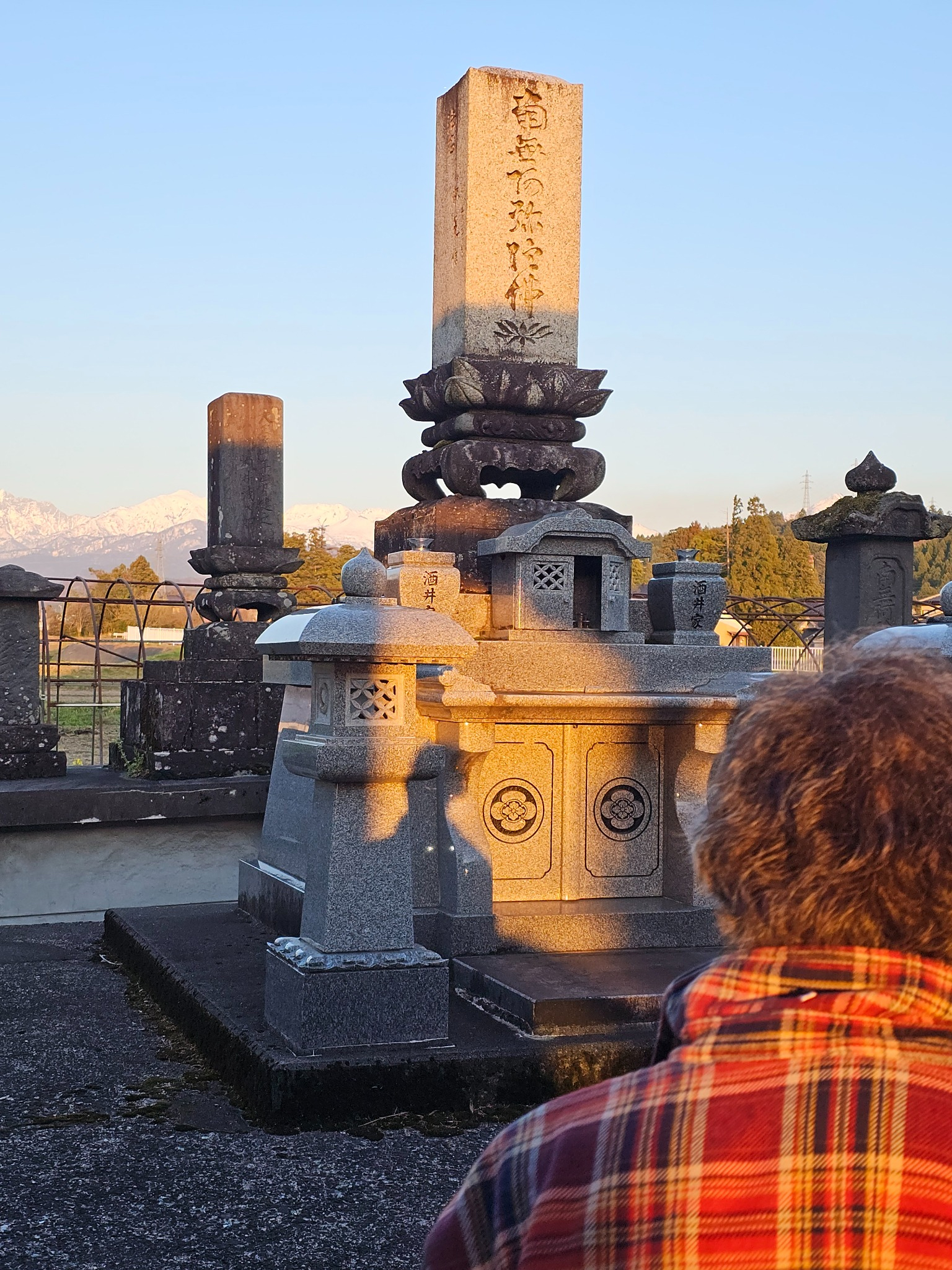
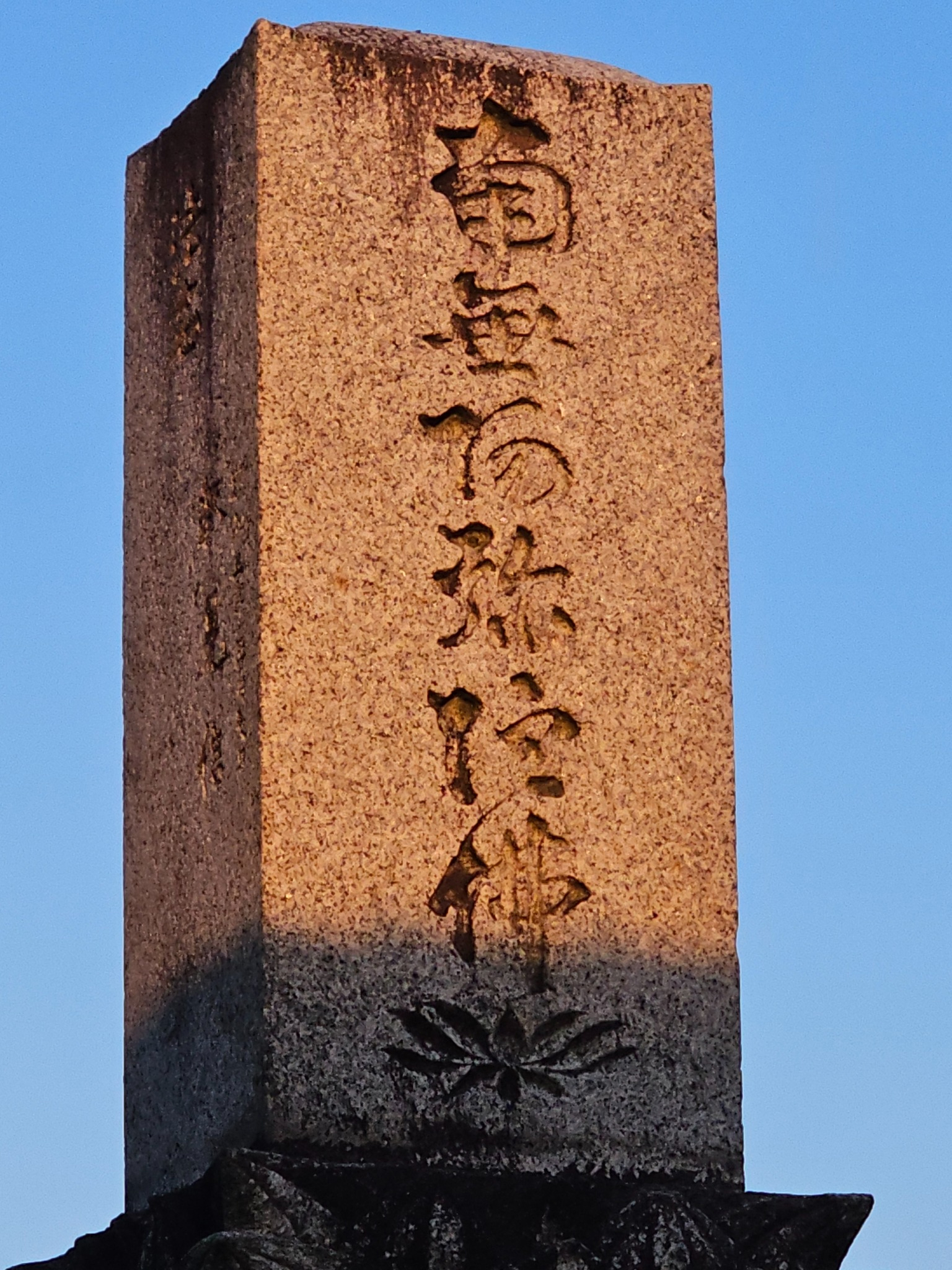
The grave changes the scale of the story. Rooms can be entered and left. Roads can be followed. Objects can be sorted, lifted, wrapped, and judged. The grave does not belong to that same rhythm. It fixes the family in stone and asks the living to stand in a different measure of time.
In Hanasaki the grave does not float apart from the rest of the property. It stands in relation: to the shrine, to the kura, to the house, to the mountain weather, to the generations whose names still insist on being read. That adjacency is part of the gravity here. The family is not dealing with old rooms alone. It is dealing with a full local system of continuation.
The Kura Exterior
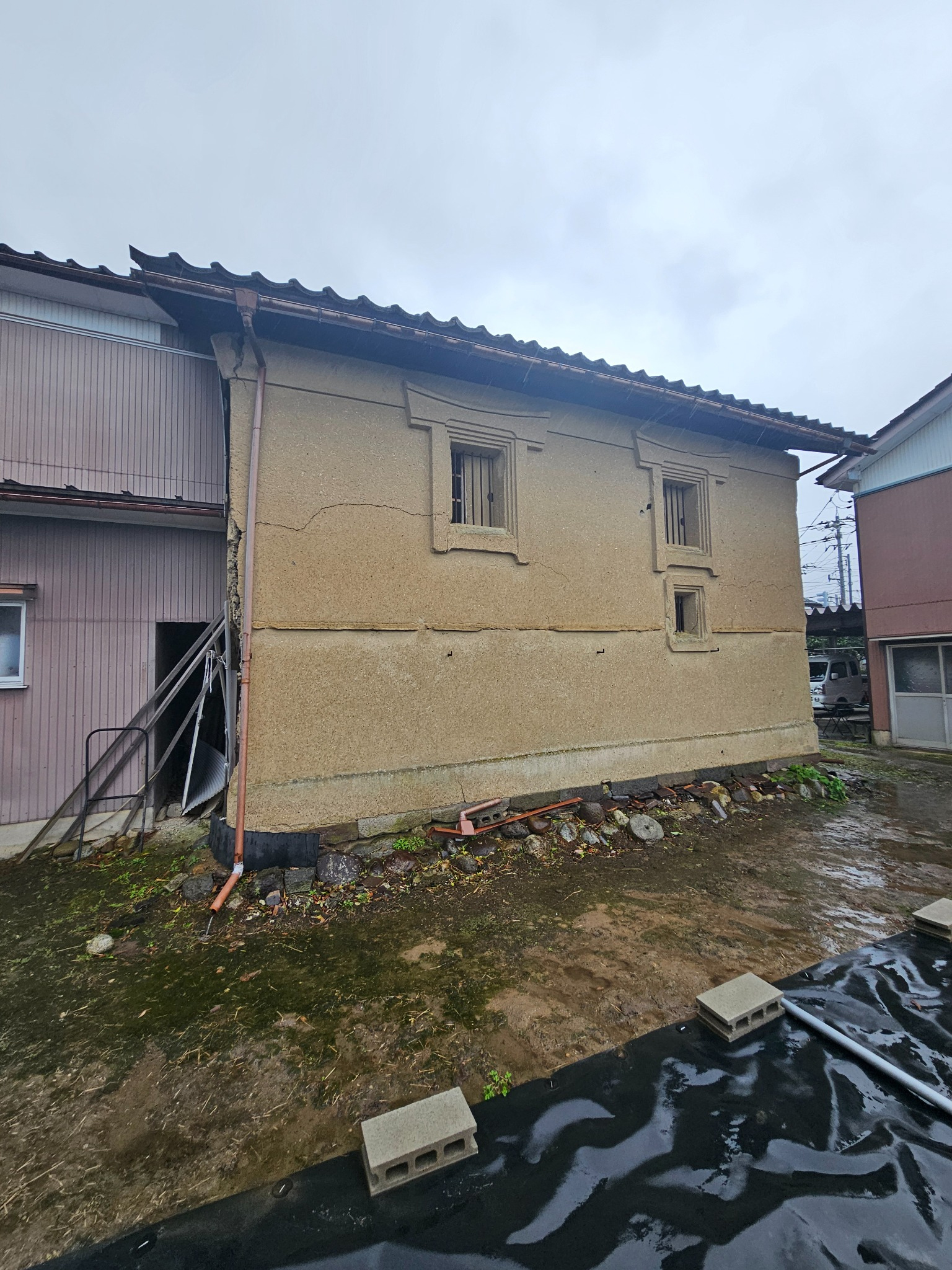
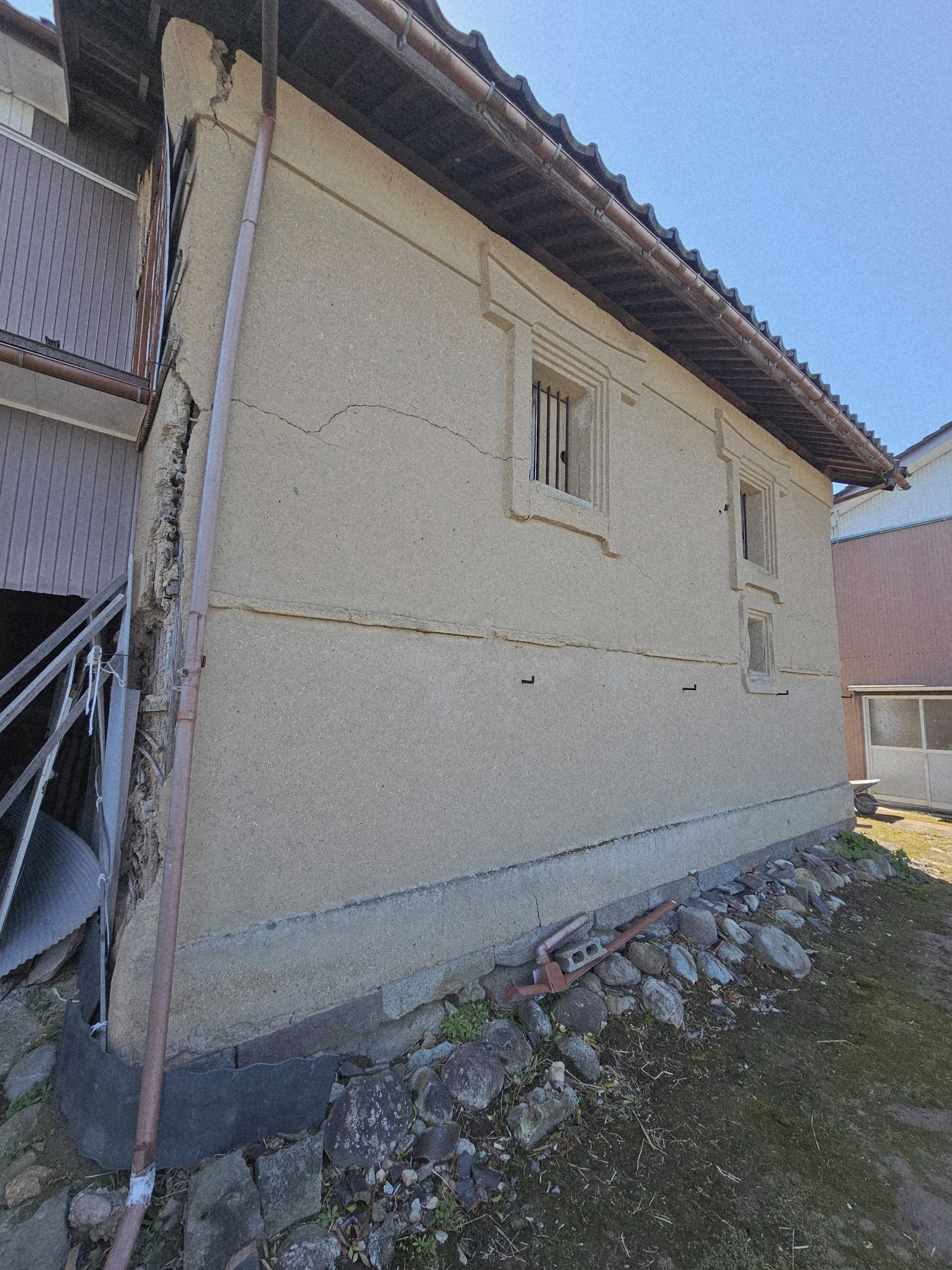
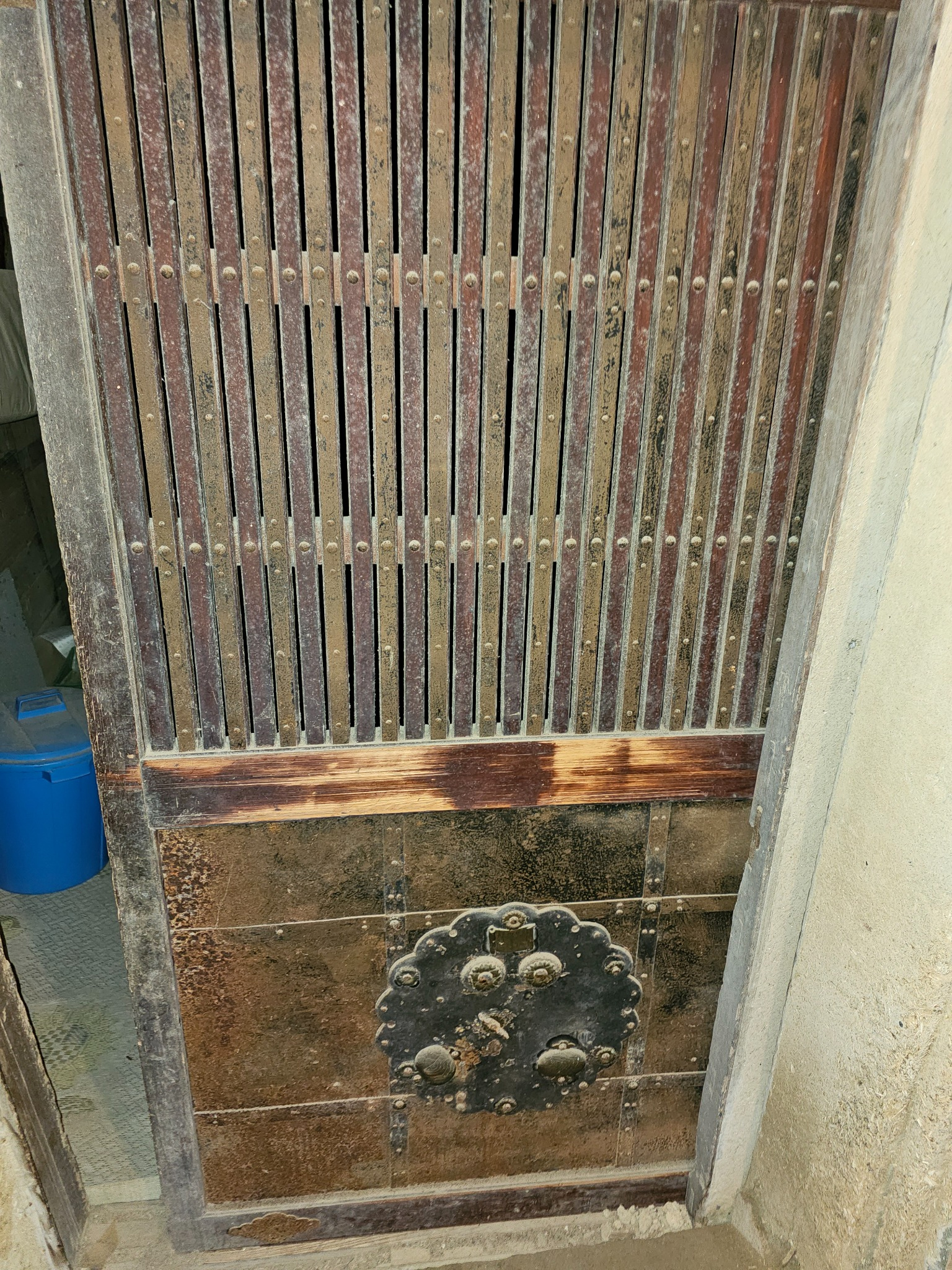
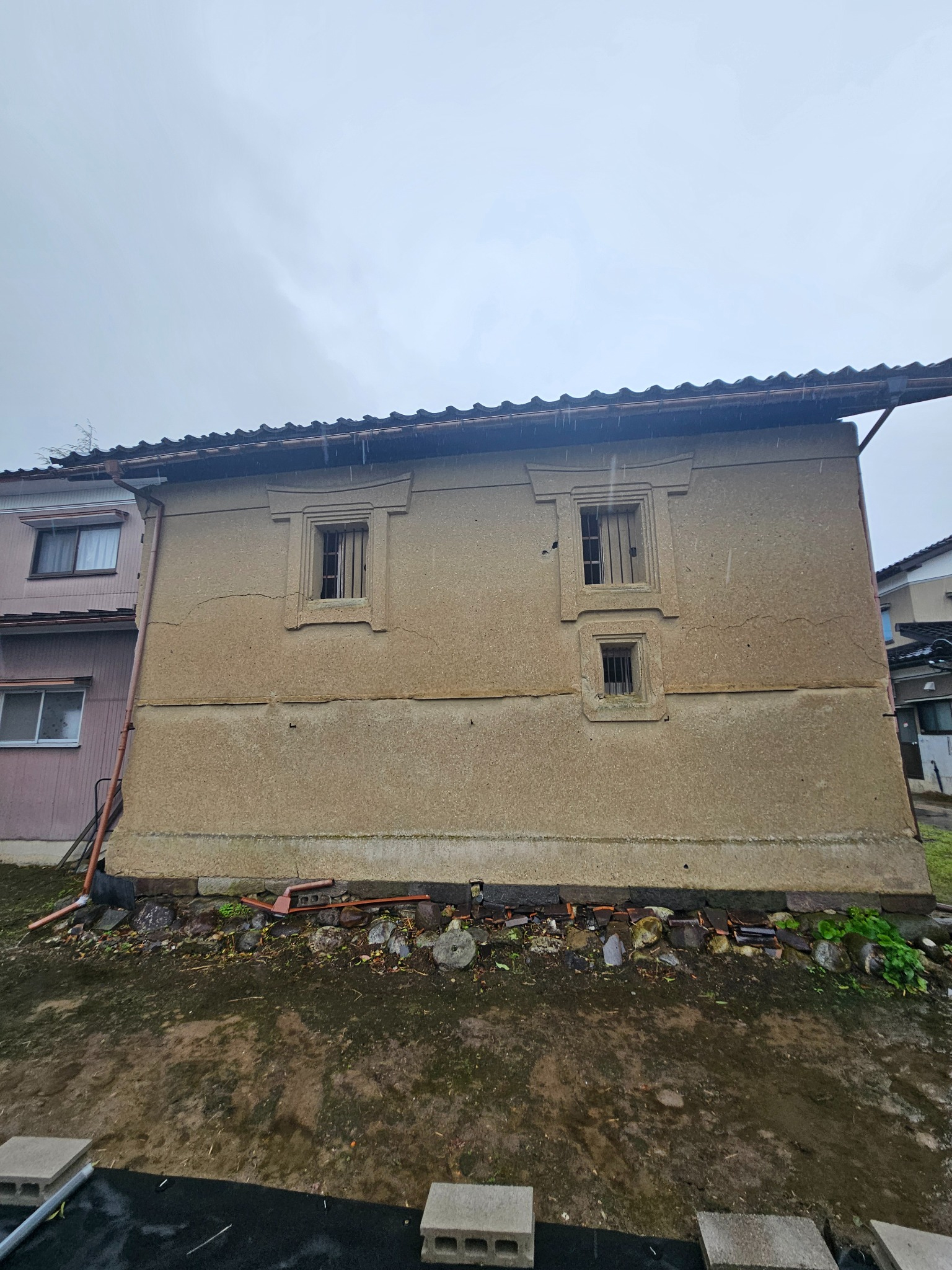
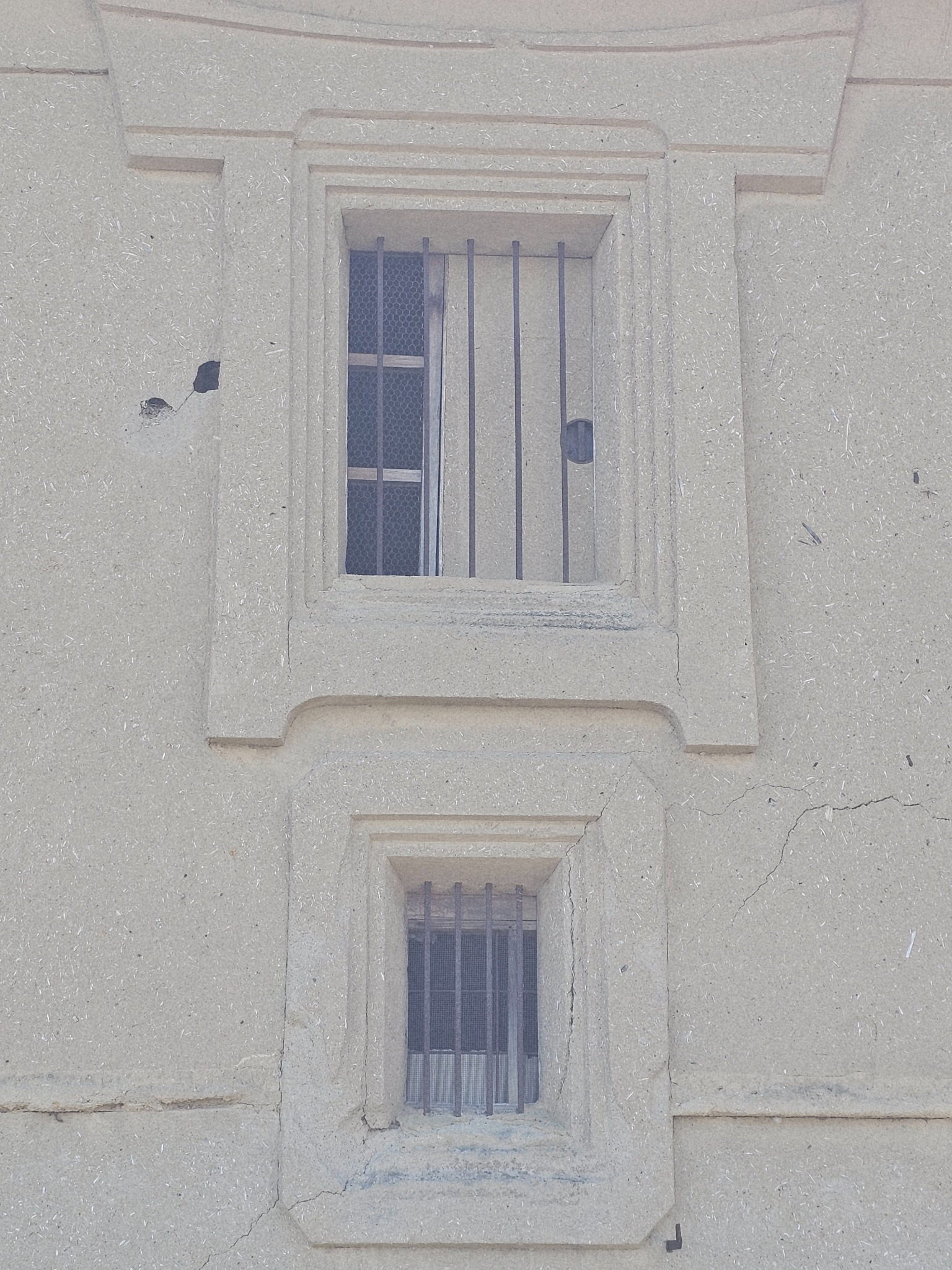
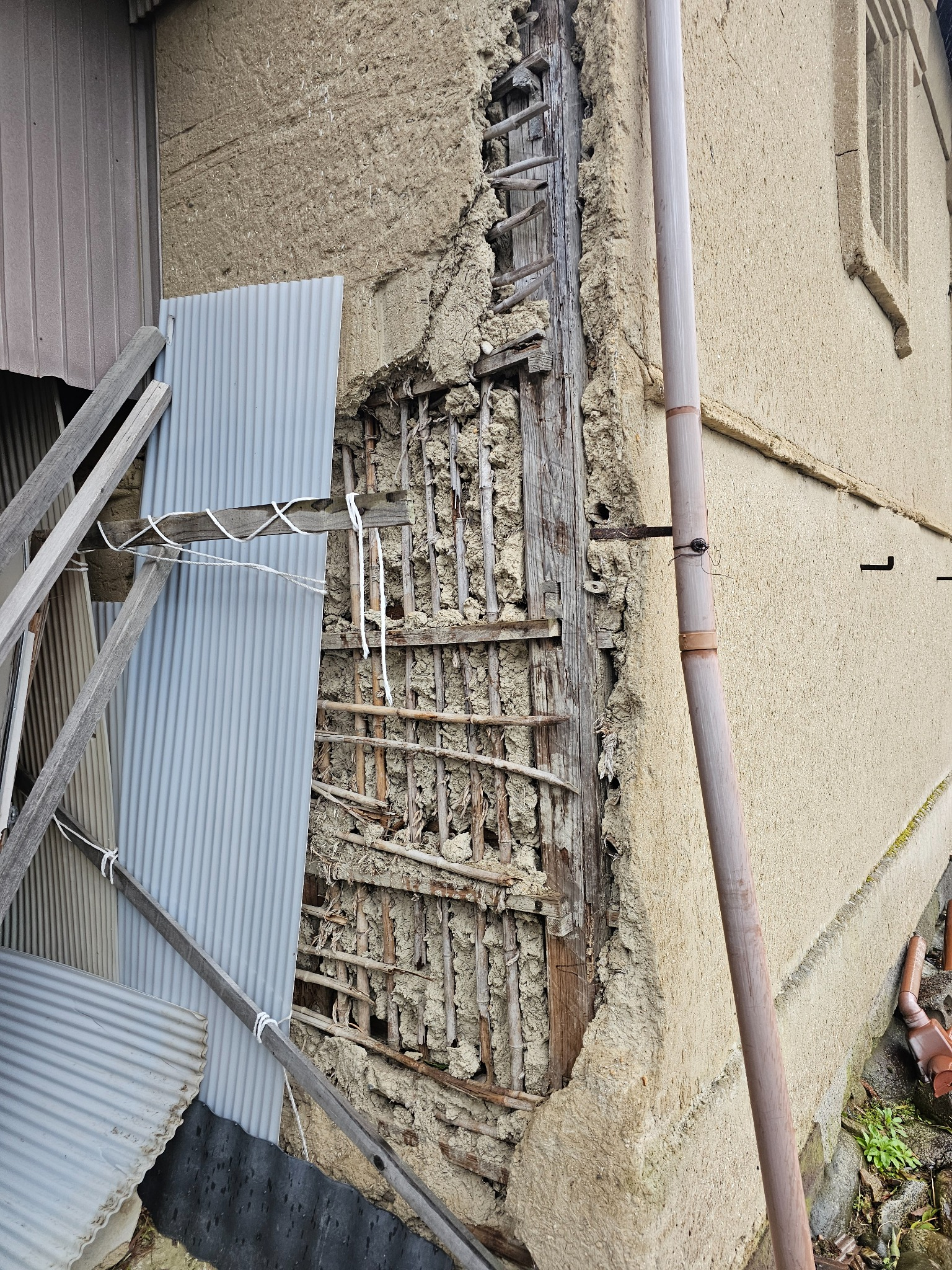
If the shrine gives ritual and the grave gives ancestral fixity, the kura gives endurance in built form. It is storage, yes, but not mere storage. Its walls, door, lock plate, ornate window, plaster, crack, and proportion all show that keeping was once granted architectural seriousness.
The kura belongs here because it is not simply another room of the house. It is the house’s deeper companion: a chamber for what the family could not afford to leave out in ordinary circulation.
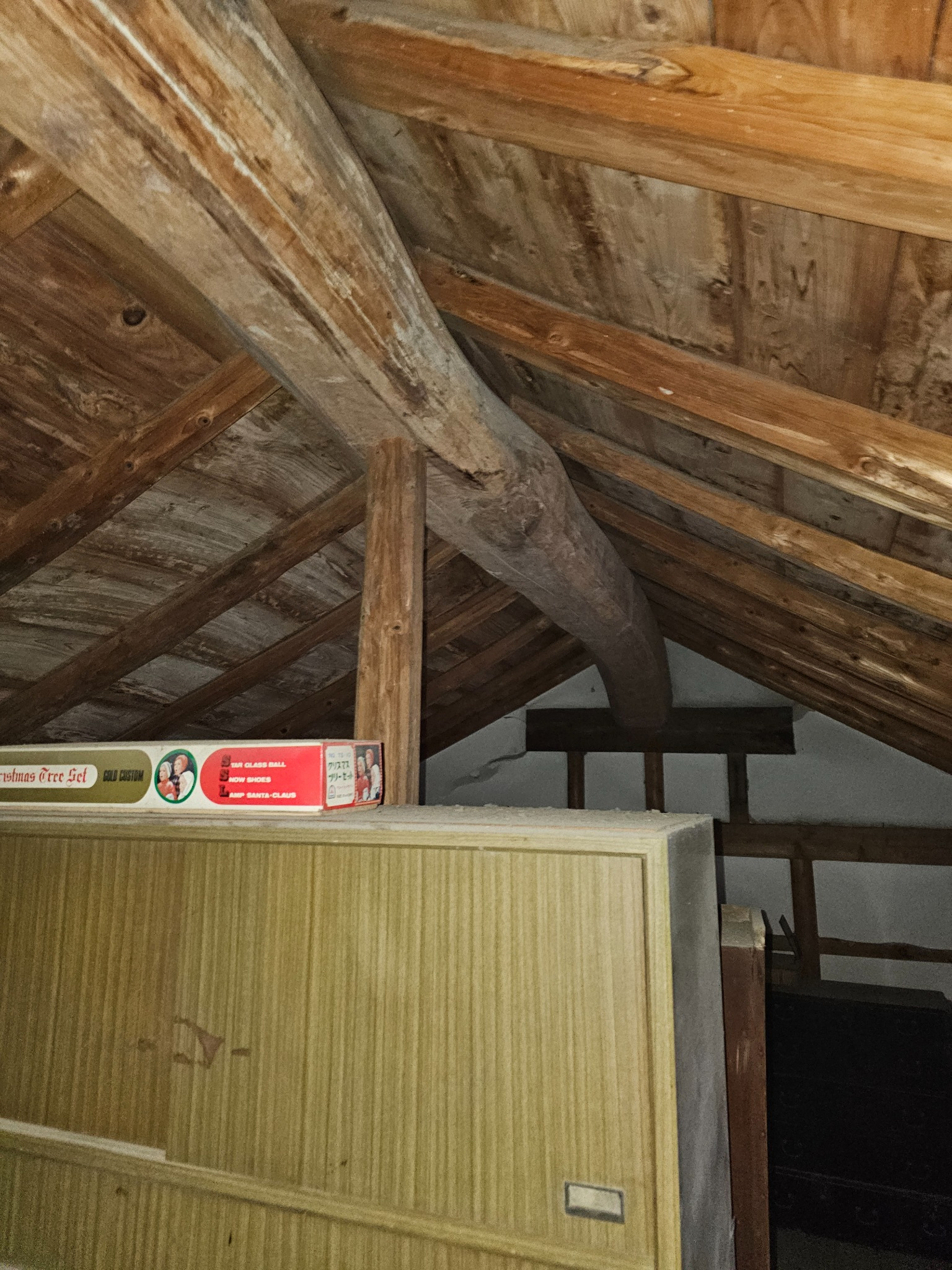
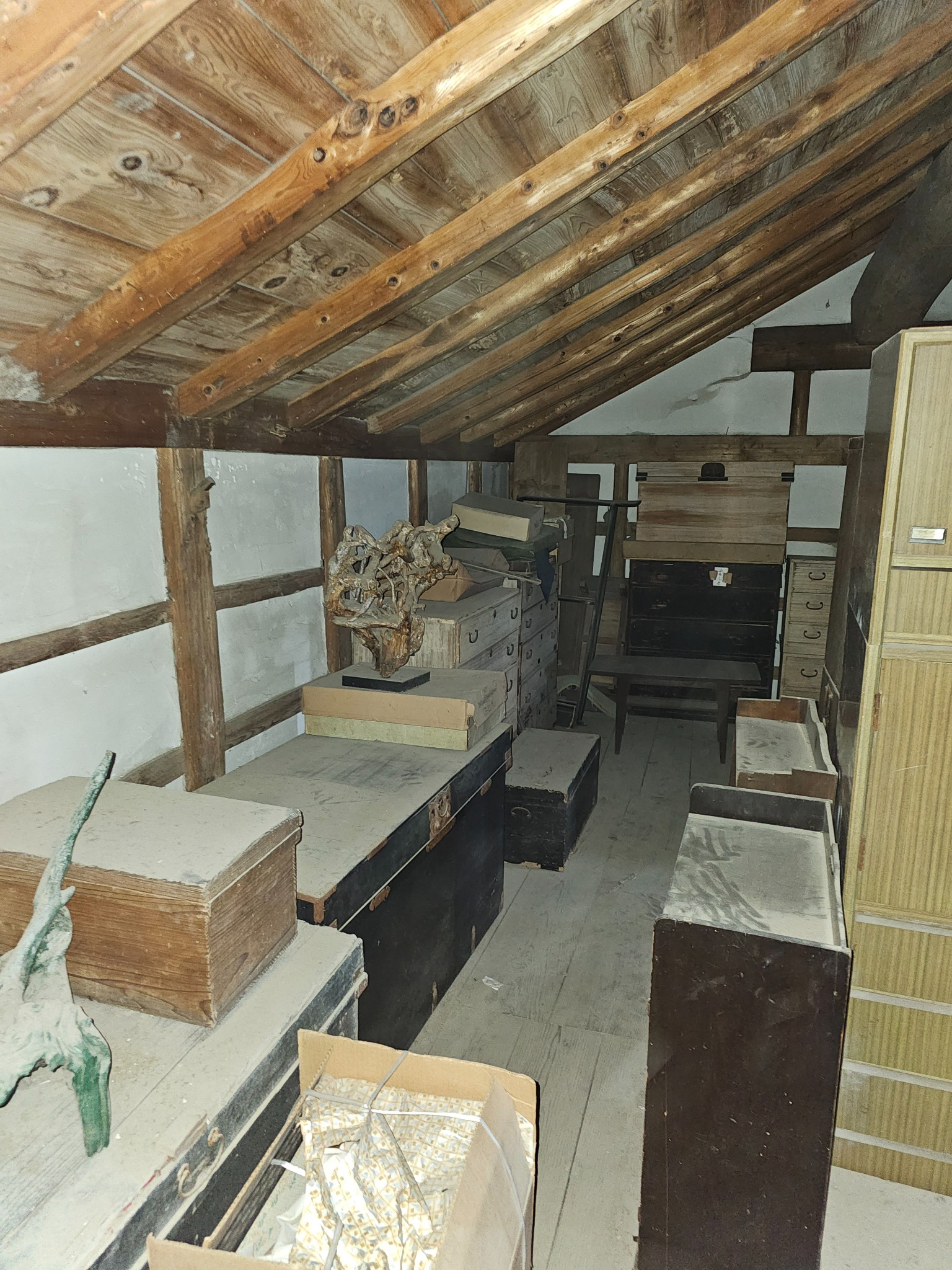
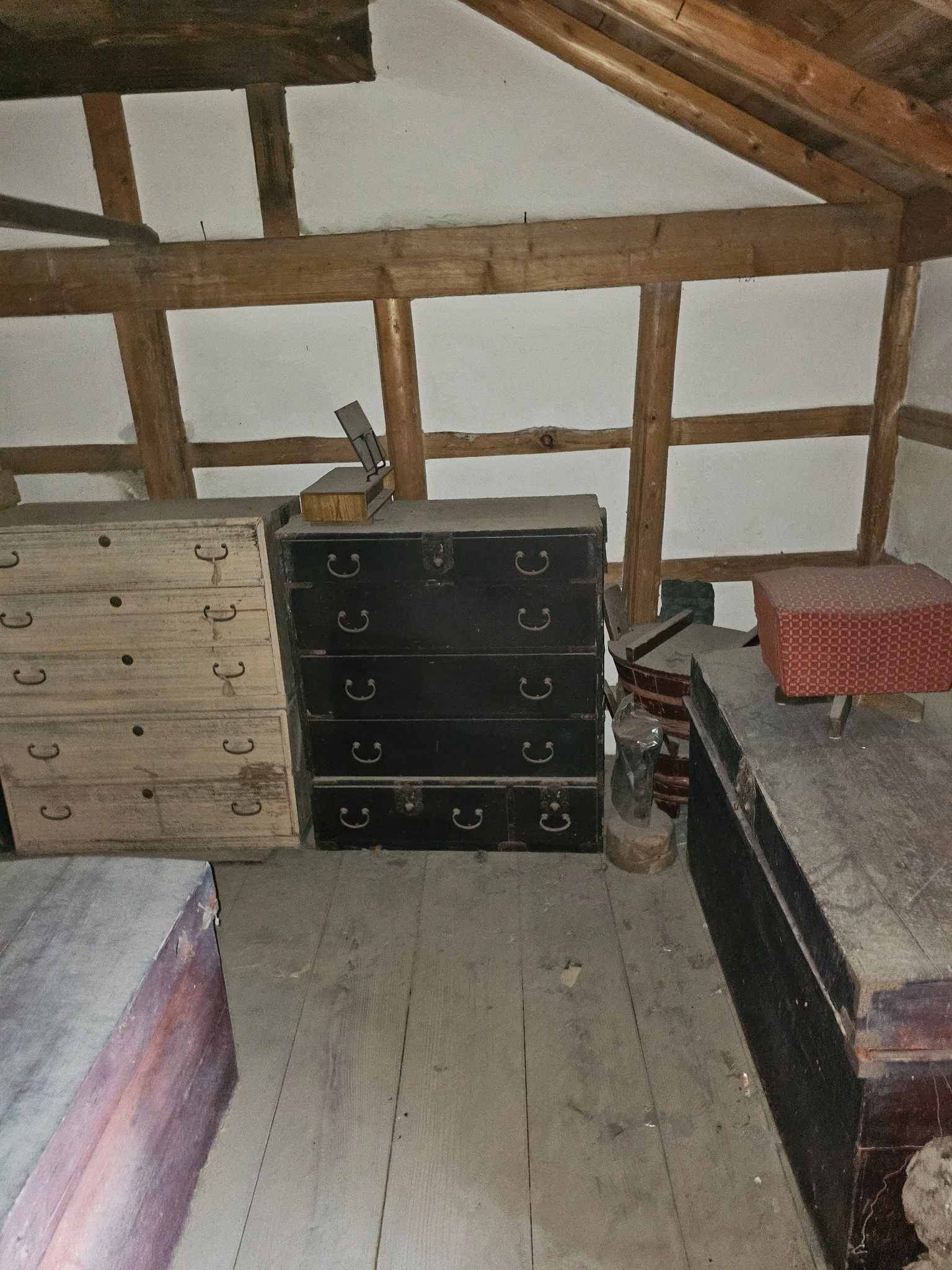
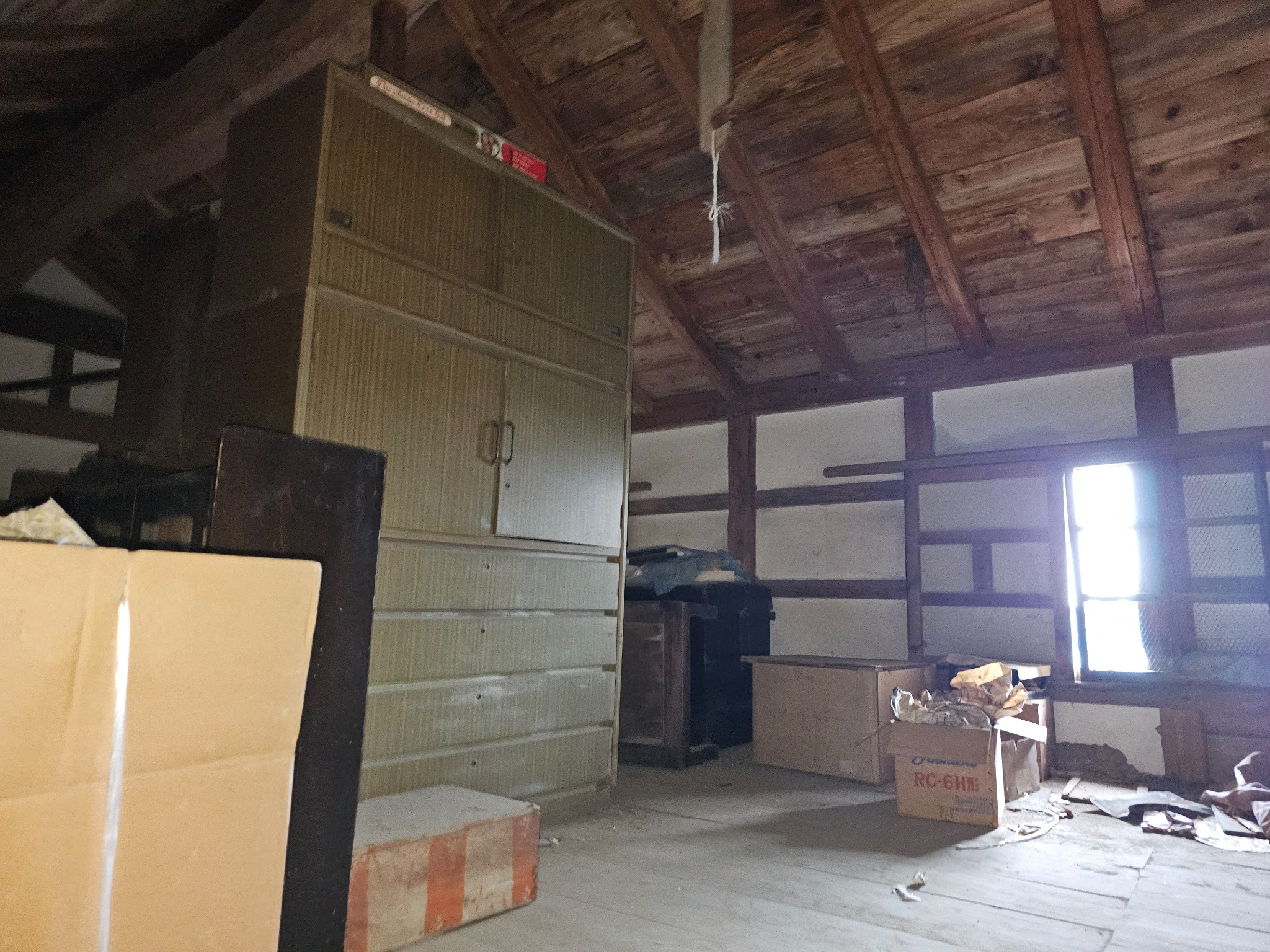
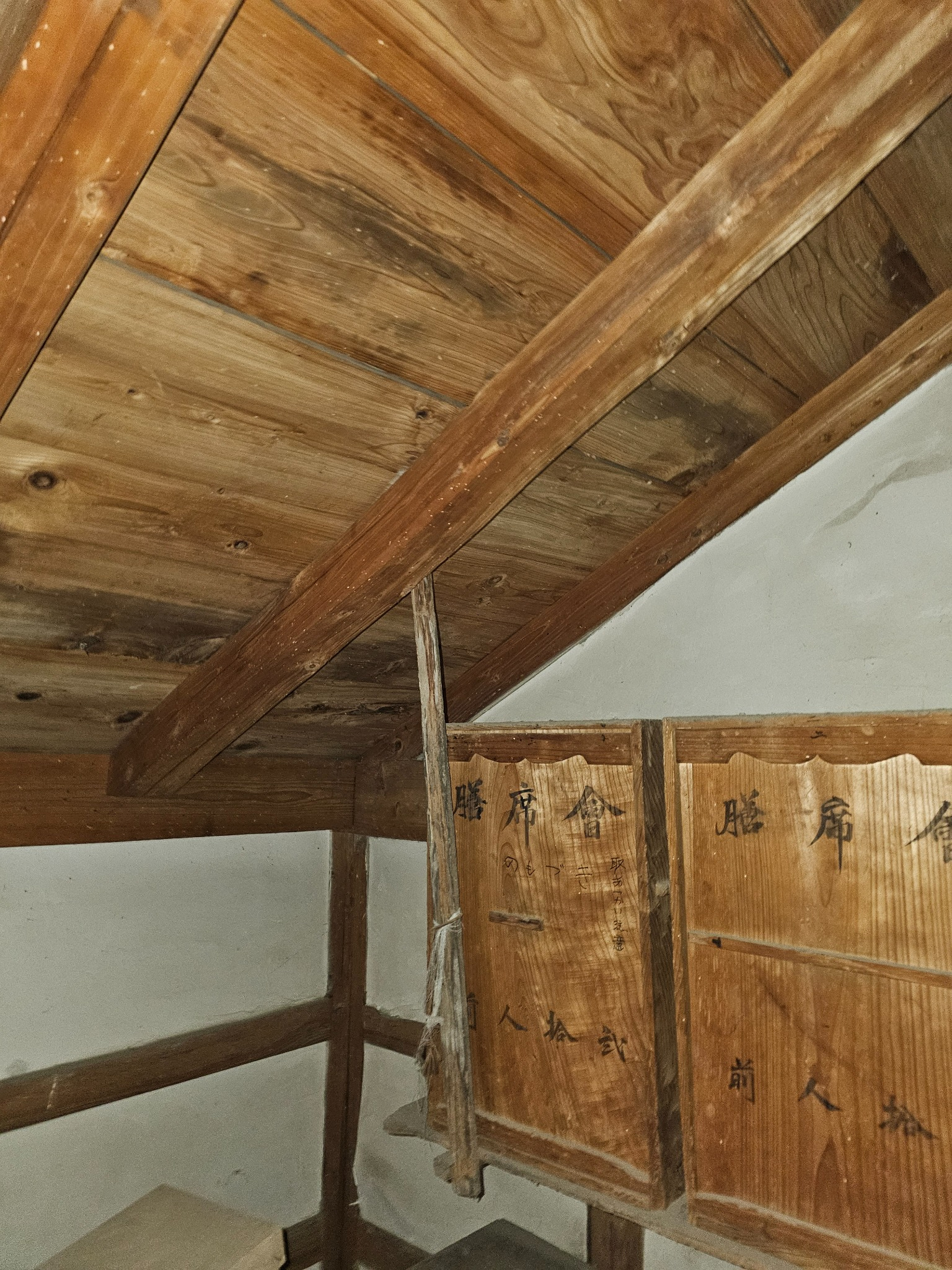
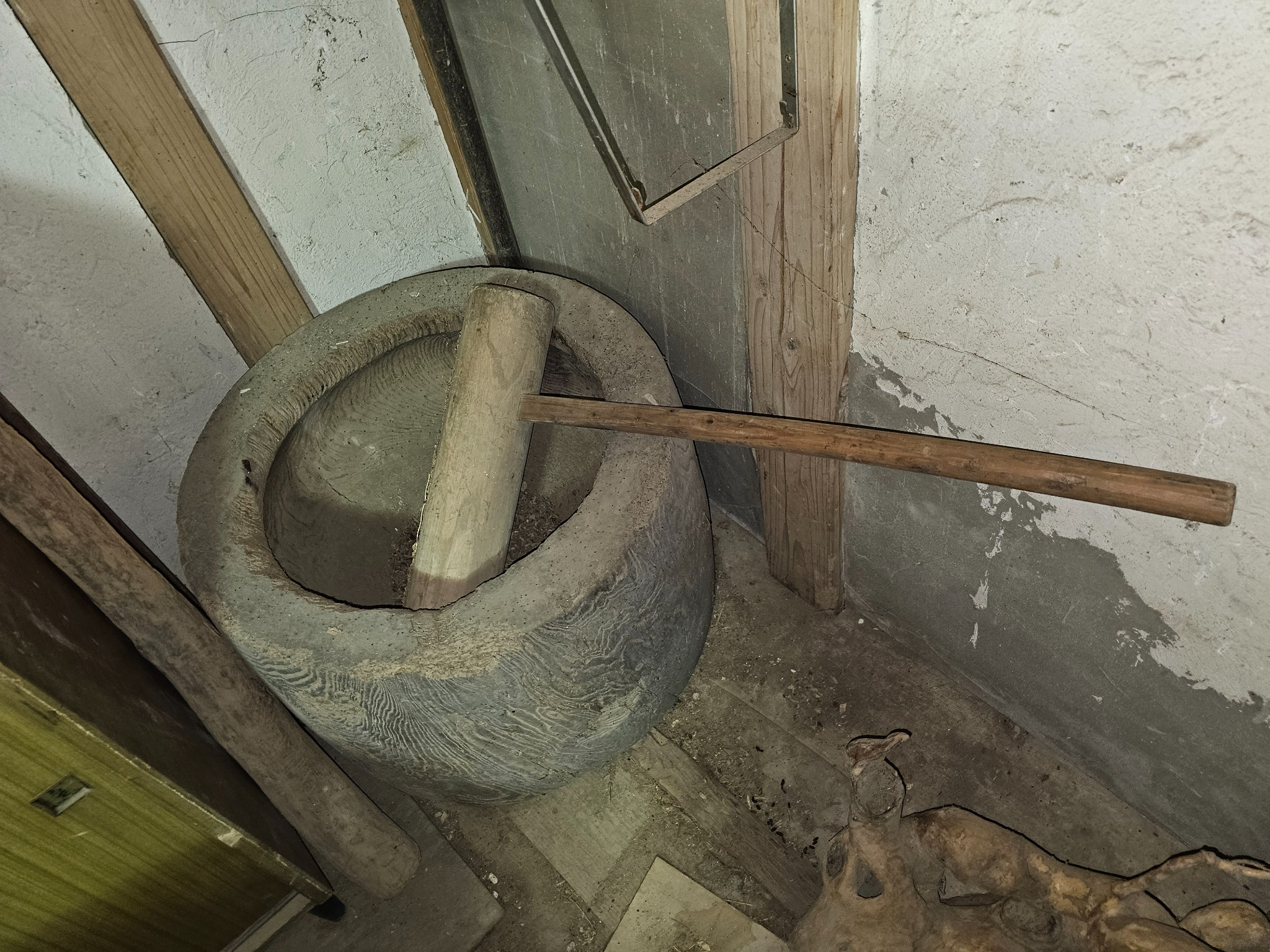
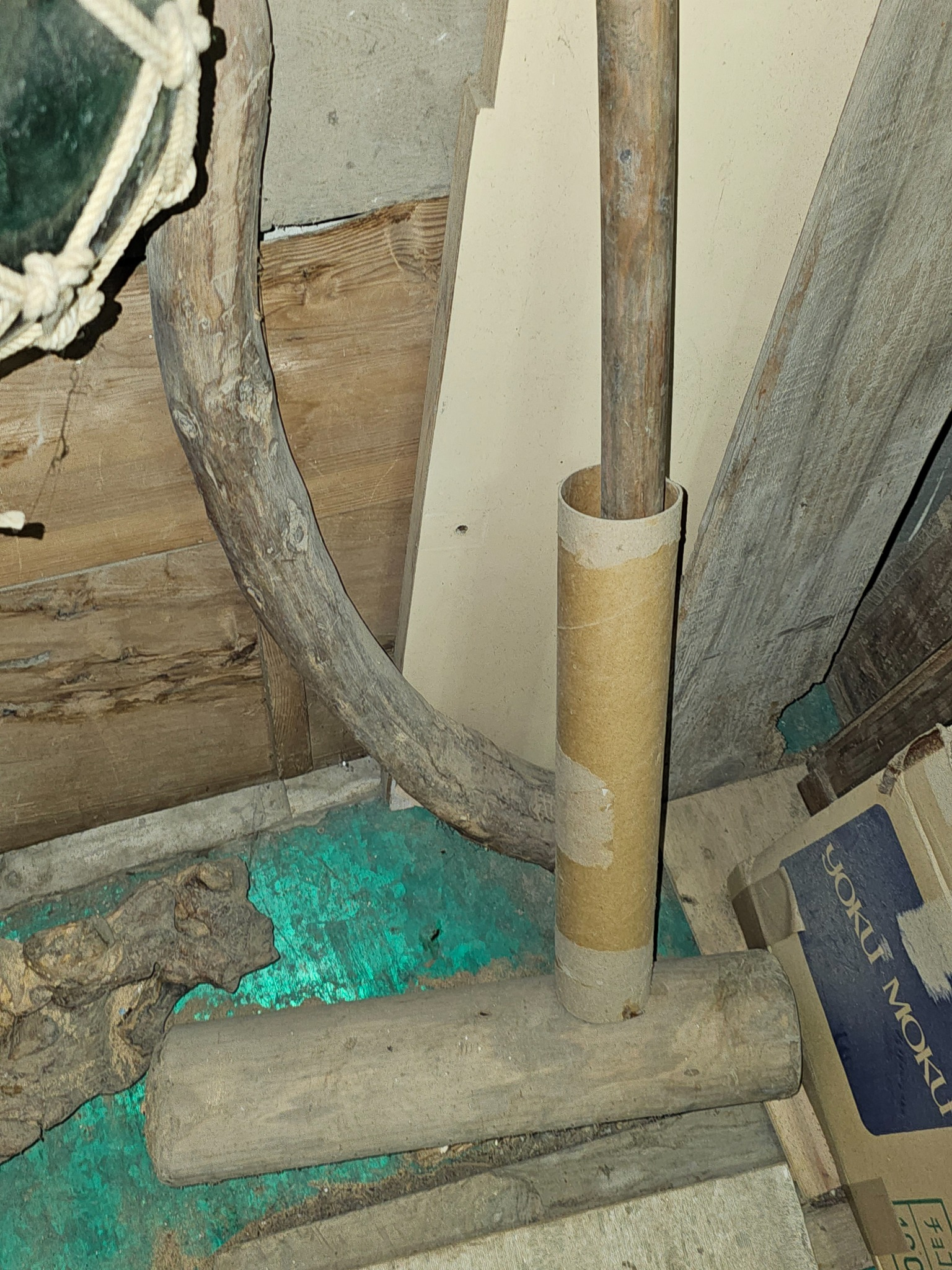
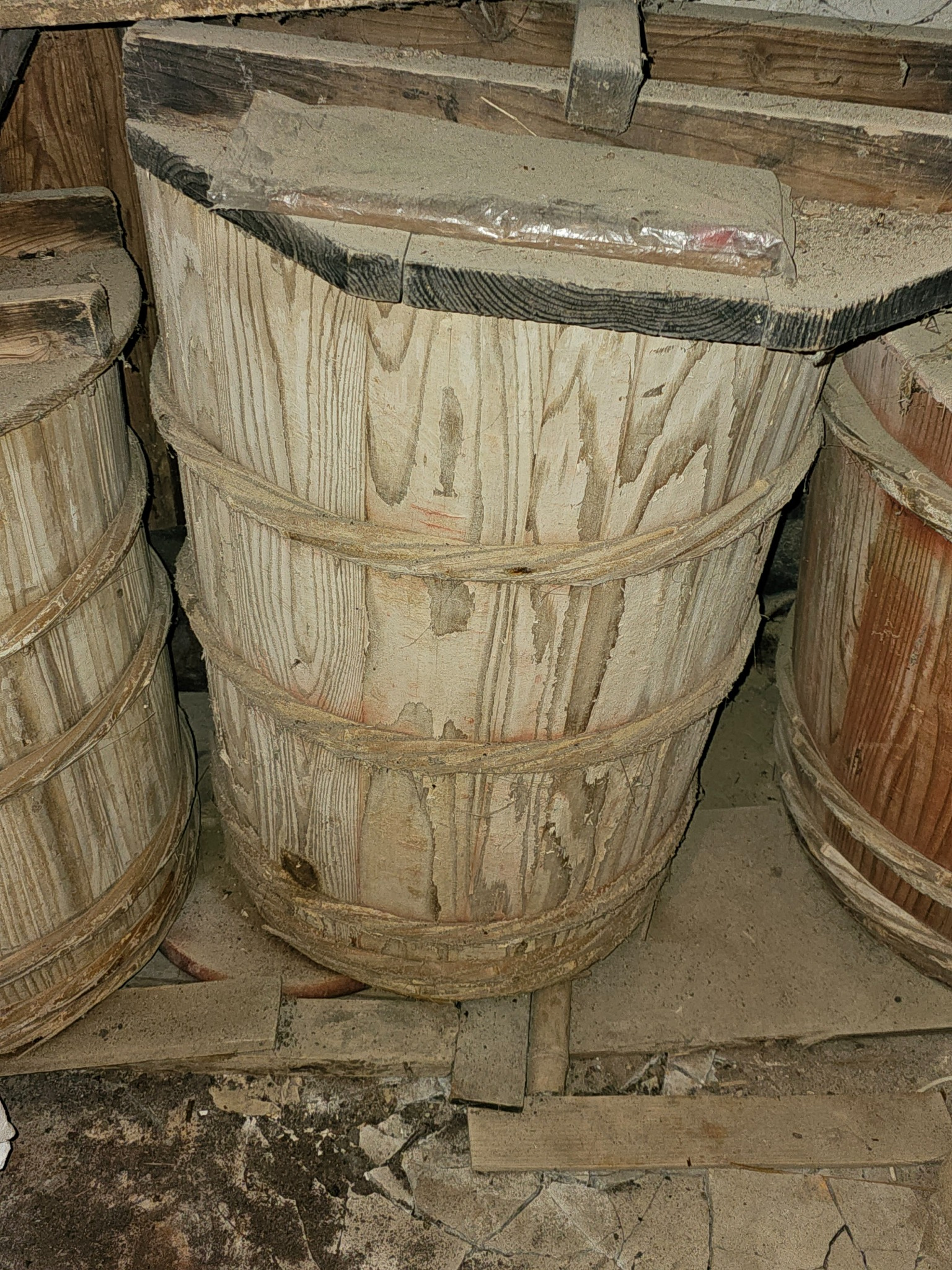
The Kura Interior
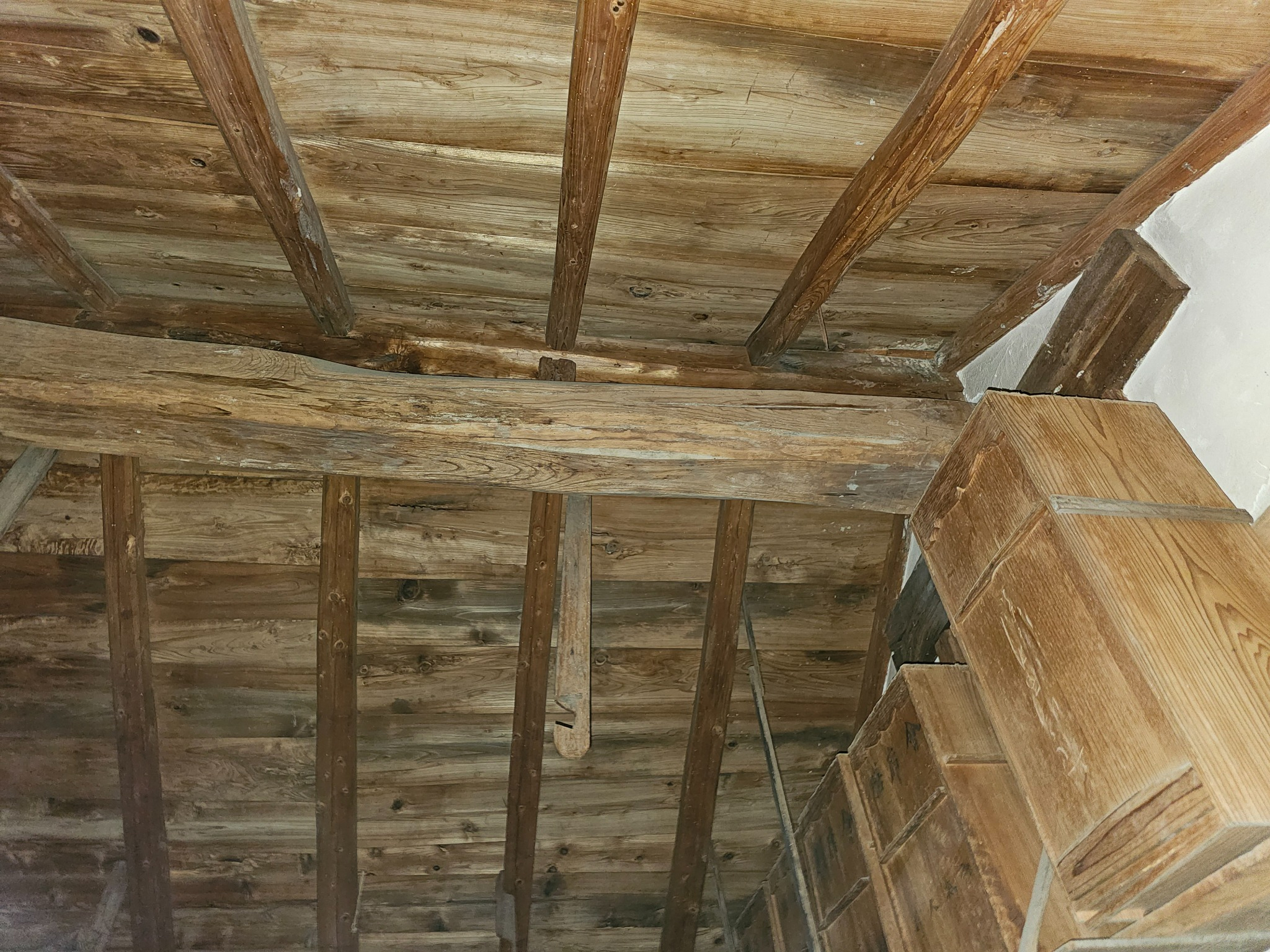
Inside the kura, time changes speed. Beam, shadow, dresser, roof structure, shelf, container, corner, and stored air all slow the eye. This is not clutter in the modern sense. It is concentrated duration. The kura’s interior teaches the same lesson again and again: that a family can keep far more than it can immediately read.
That is why the interior matters so much. The archive does not begin at understanding. It begins at density. The eye learns by staying.
Shrine, Grave, and Kura as One Field
By the time these images have all been seen together, the deeper geography of Hanasaki becomes unmistakable. The house is only one chamber. Around it stand the shrine, the grave, and the kura, each holding a different part of family time: ritual, burial, storage. None can replace the others. All answer the same question in different materials.
Stone says one thing. Plaster says another. Beam says another. Torii, grave marker, and locked door each insist differently. But together they make the field in which the house became what it was. The family did not inherit rooms alone. It inherited a local world.
The shrine kept sacred attention. The grave kept names. The kura kept duration.
Around the house stood the deeper architecture of family time.
This gallery lets that wider field remain visible.