Departure and Transit
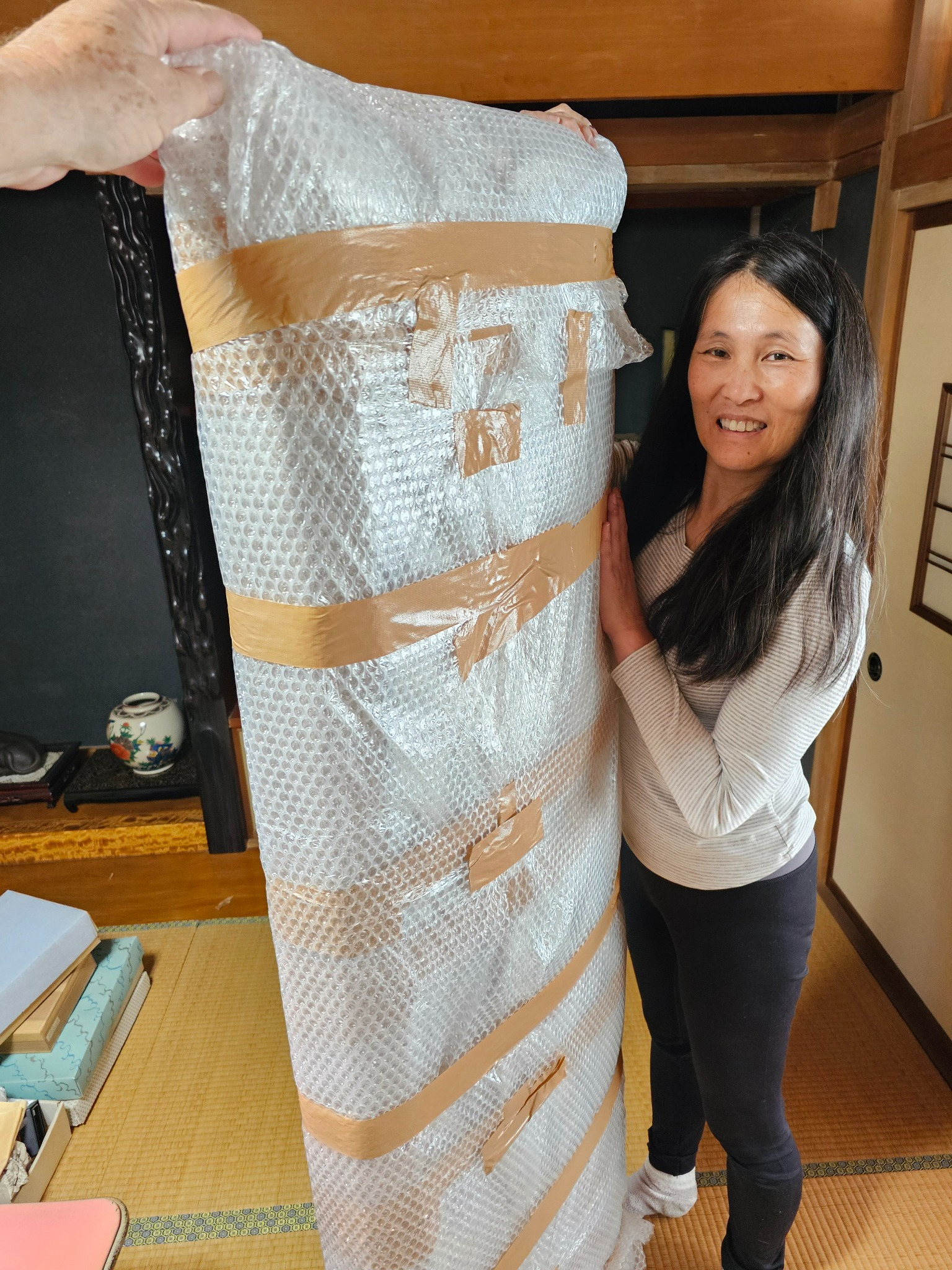
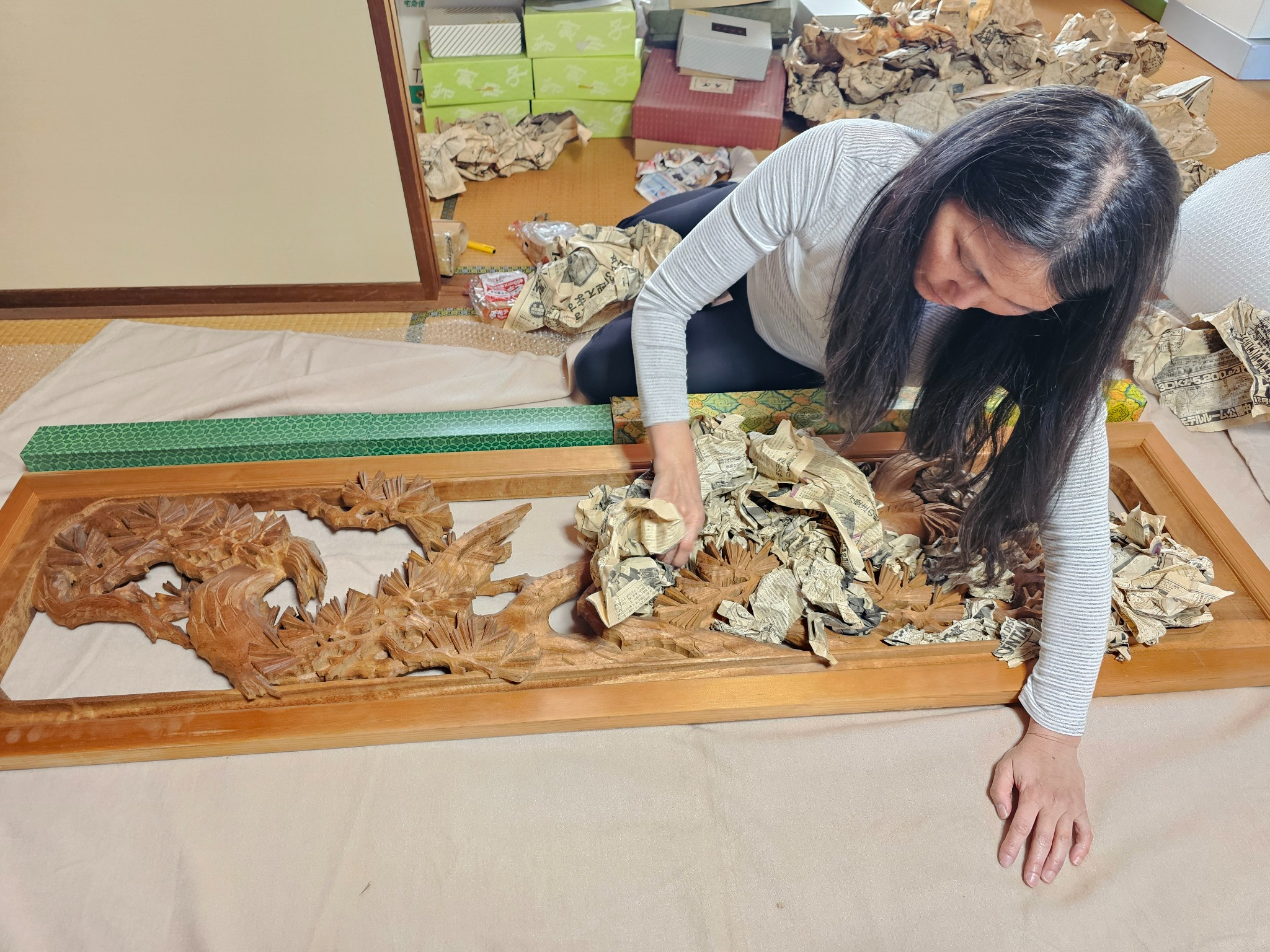
After discovery comes motion. The objects do not stay inside the moral weather of the house forever. They enter cardboard, rope, labels, counters, sidewalks, vestibules, monorails, platforms, terminals, restaurant pauses, airfield views, and the larger systems by which the present moves things from one life into another. This gallery gathers that route: not the dream of preservation, but the labor of it.
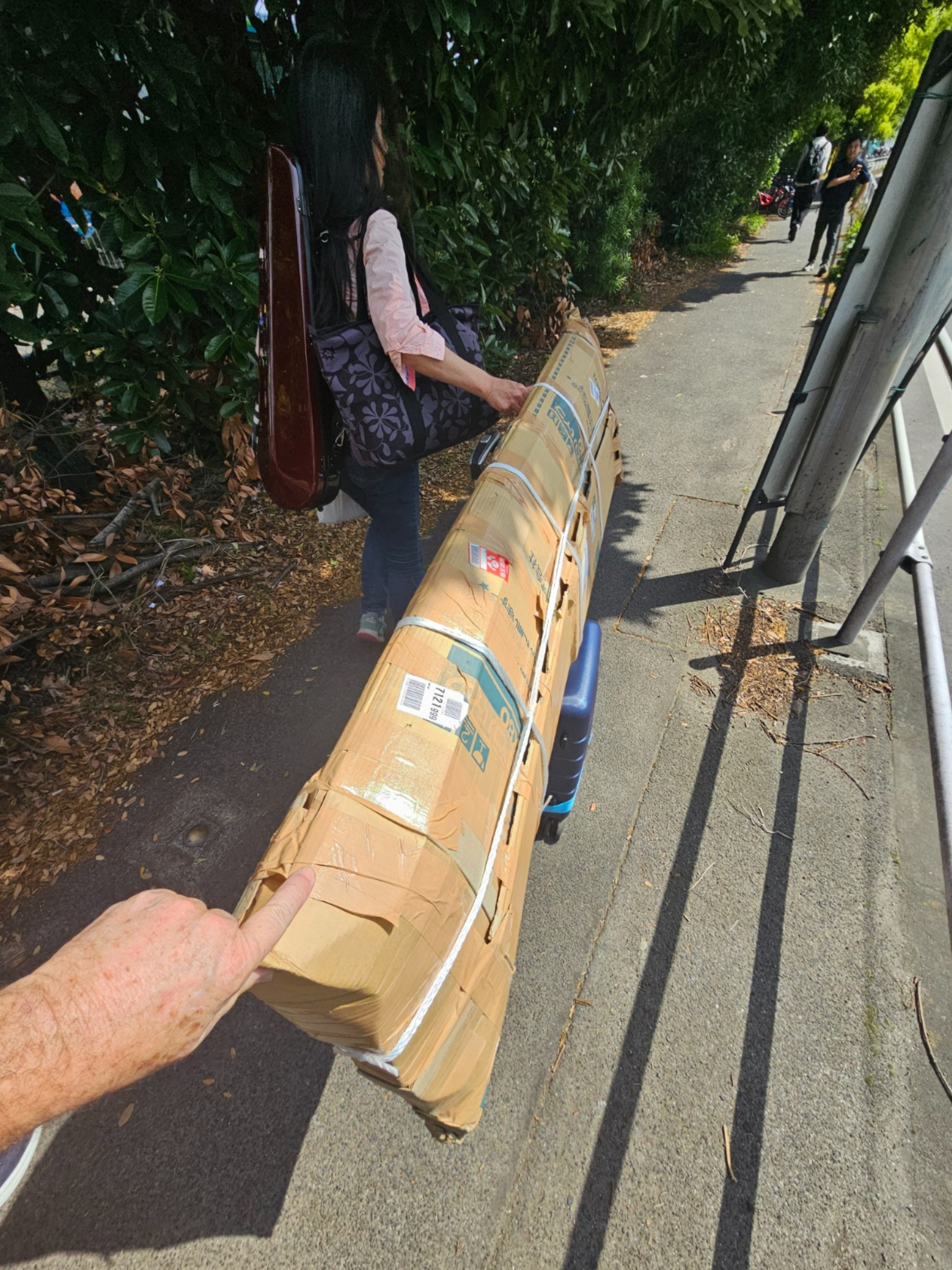
Preservation sounds noble until it reaches the sidewalk. Inside the house, a family can still pretend that seeing and choosing are the hardest work. Then the object is wrapped. Then it must go through the door, clear the corner, survive labels, fit the train, enter public space, endure strangers, trust systems, and remain itself under all that handling. Transit teaches what love actually weighs.
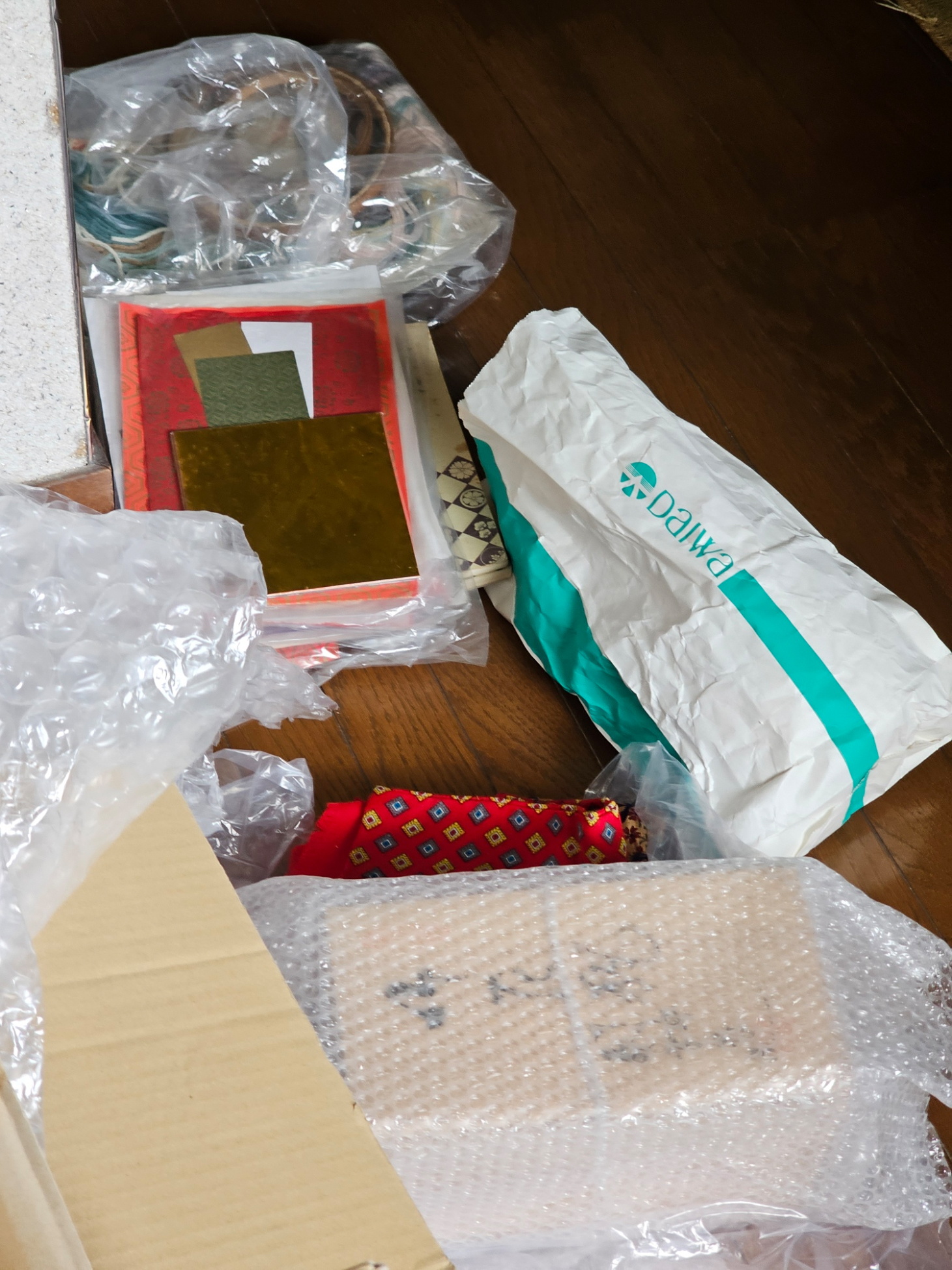
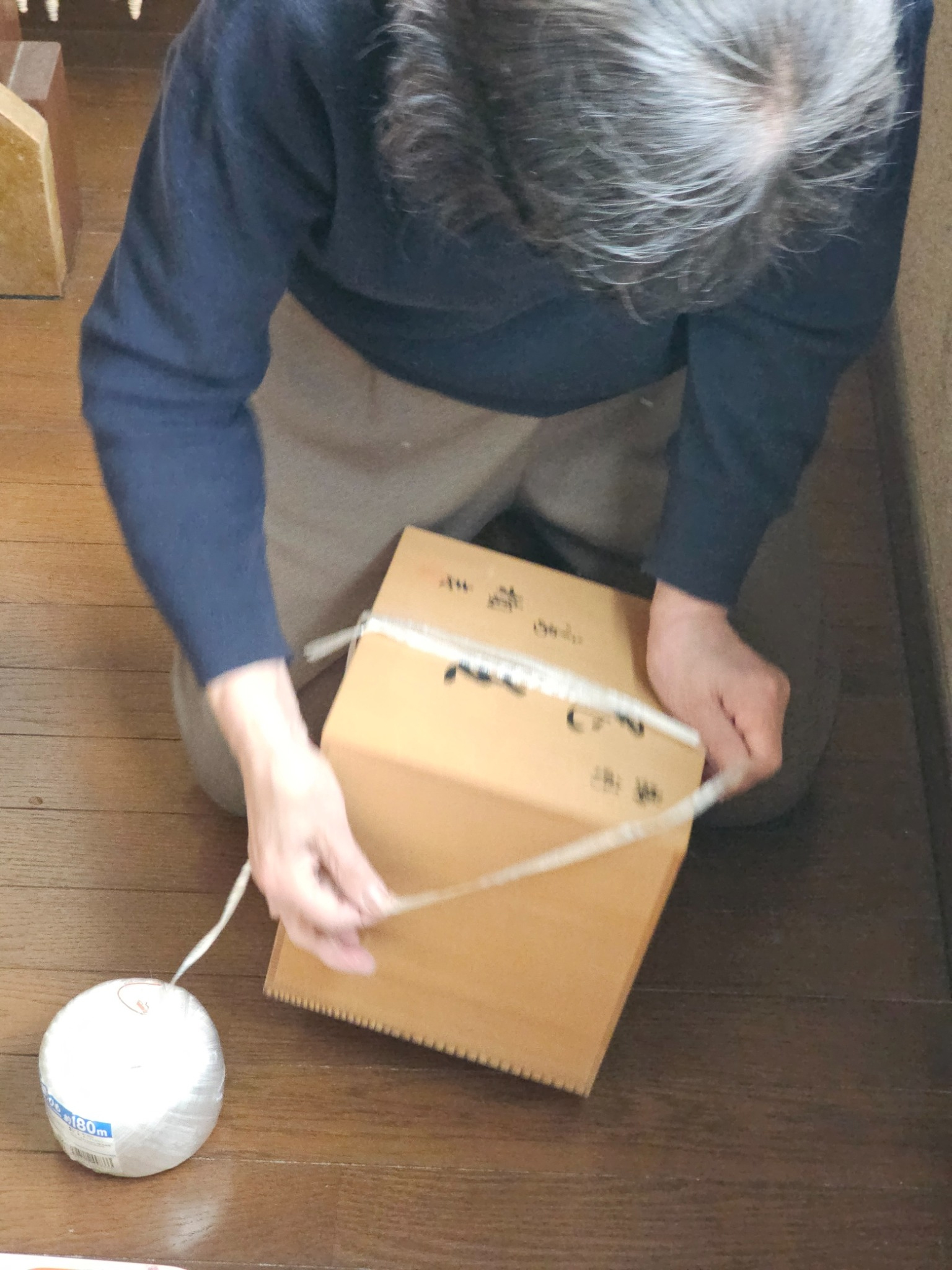
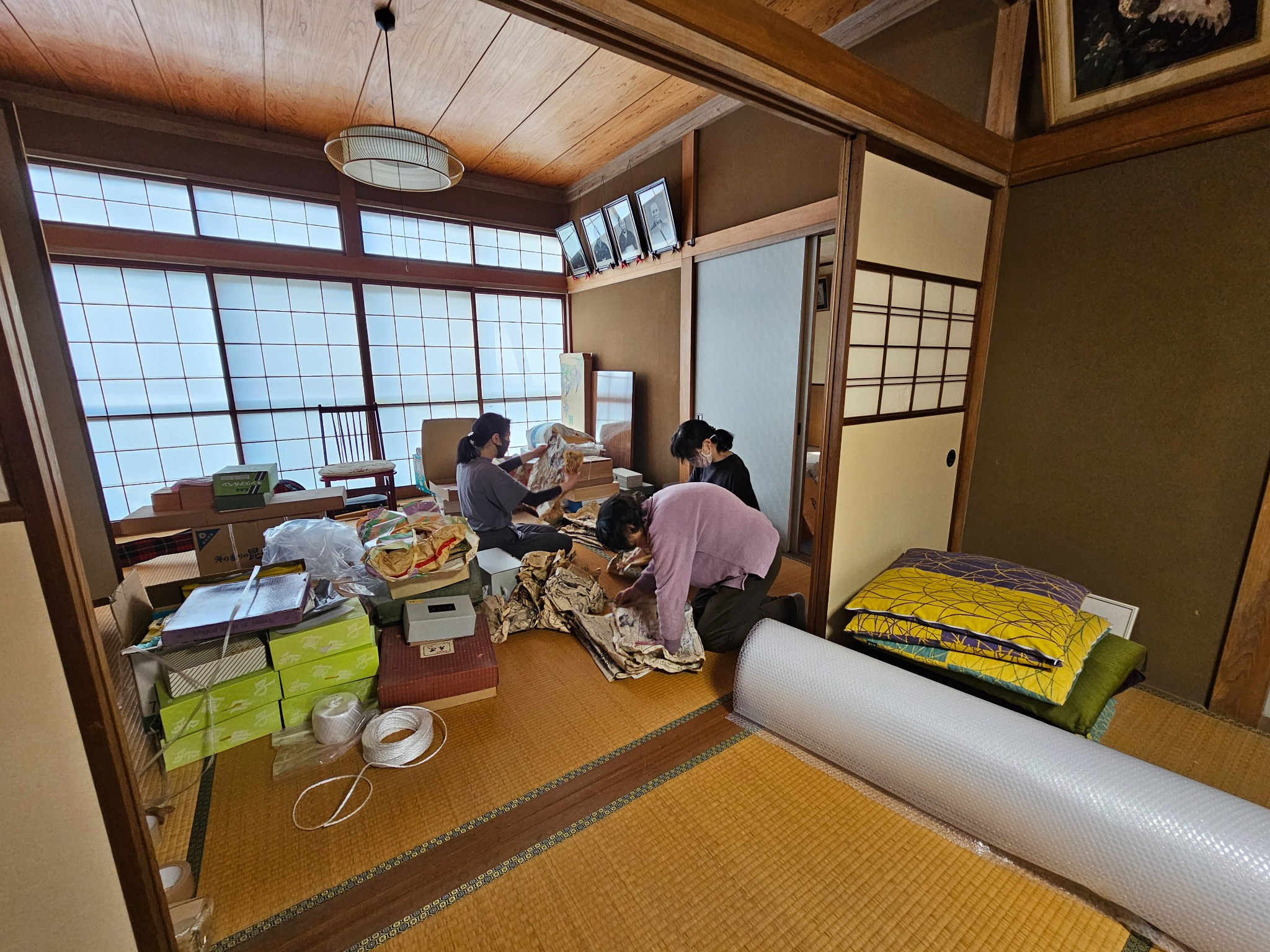
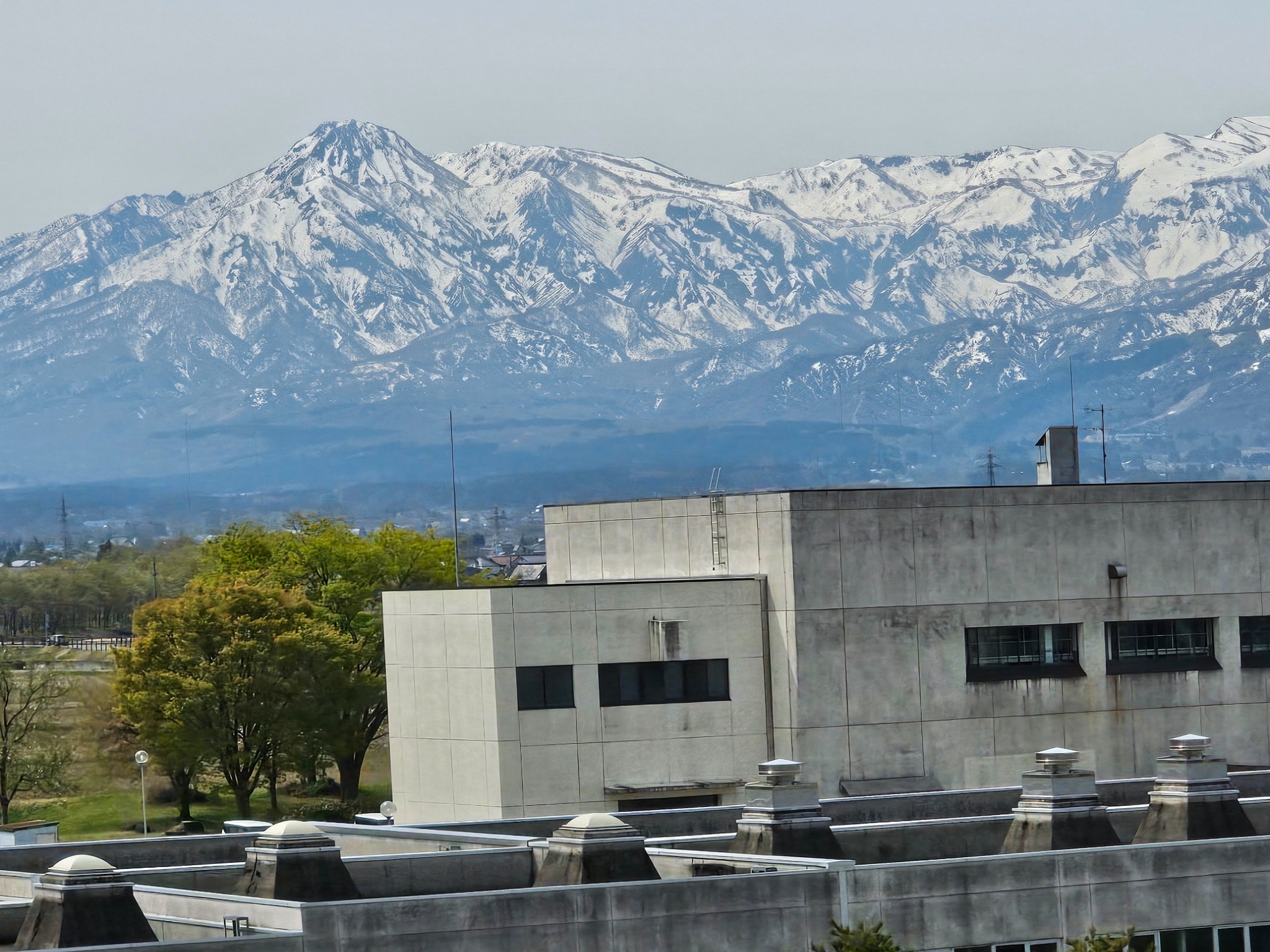
This gallery gathers the route after recognition. Packing materials, tied boxes, takkyubin, carrying, vestibule waiting, monorail motion, Haneda platform, airport pause, train floor plans, mountain view, and the last weather before flight. These images matter because they show what beauty looks like once it has stopped being admired and started being borne.
The old house entered the future only by passing through ordinary systems.
Packing and Preparation
Sidewalk and Carry
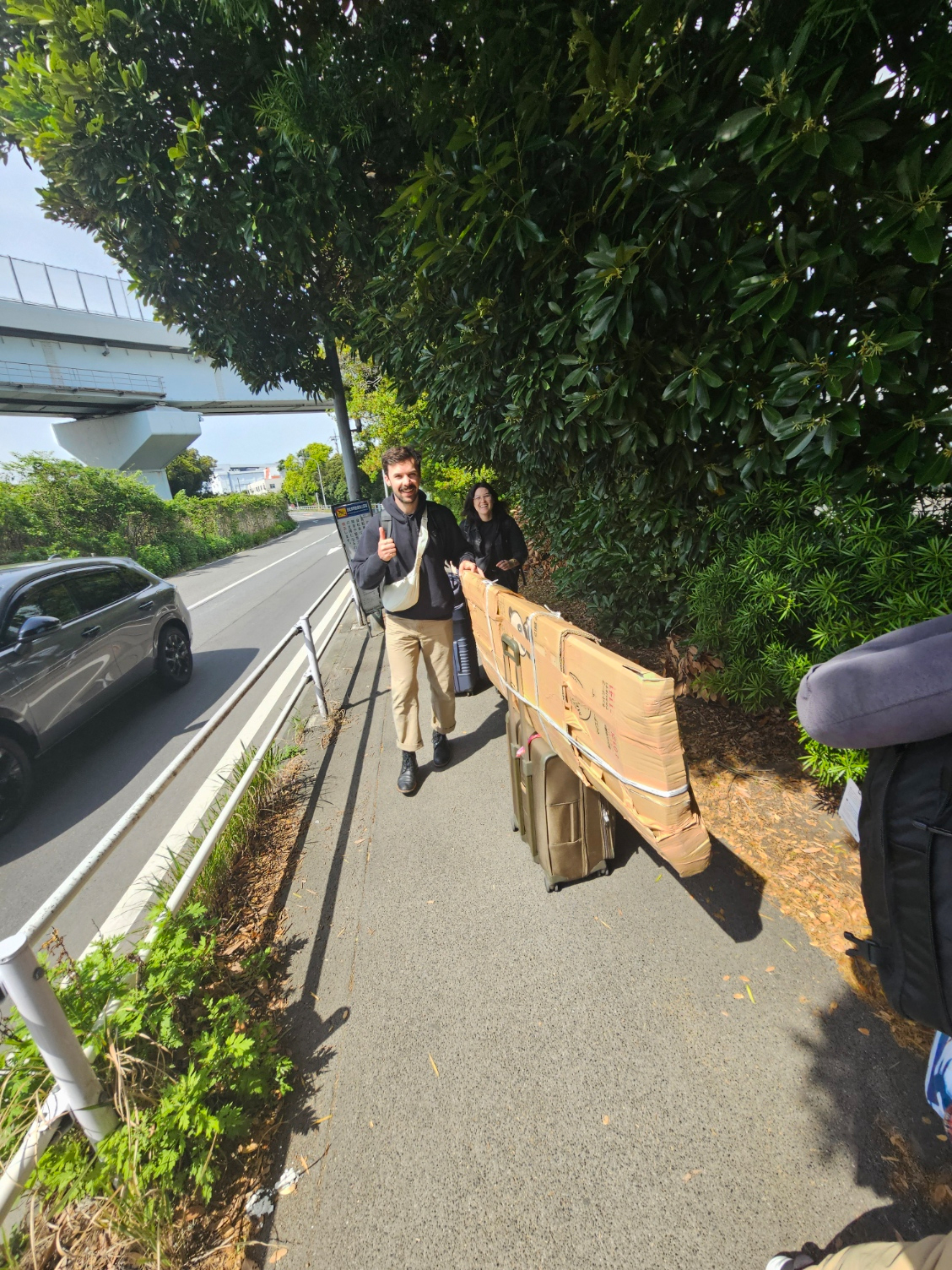
Outside, the object changes character. Indoors it still belonged to the weather of the house. Outside, it becomes length, leverage, caution, public awkwardness, and the simple truth that one misjudged angle can bruise what years had preserved. This is where sentimentality burns off. Care becomes visible because it can fail.
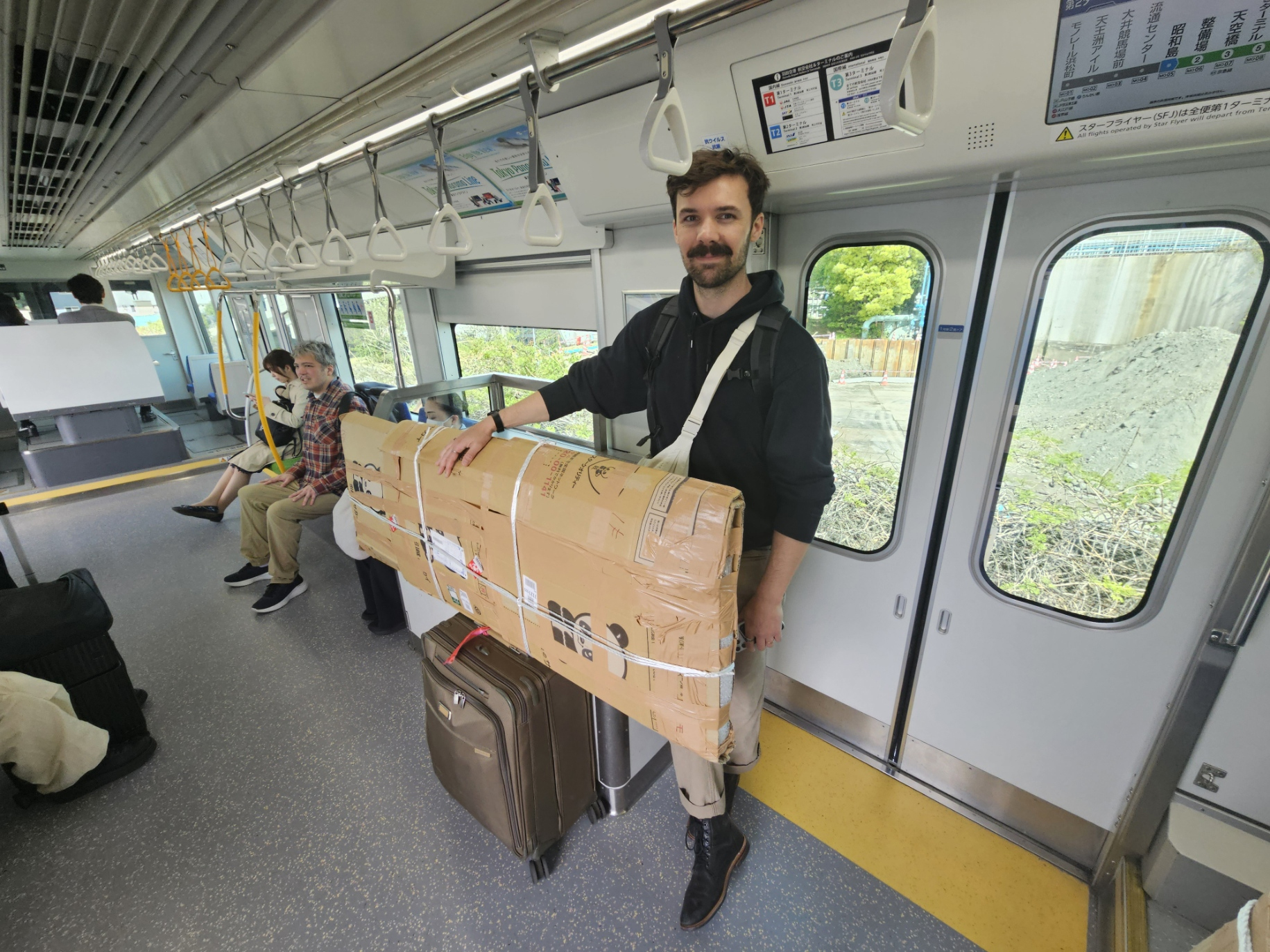
The carry images belong together because they show meaning at human scale. One person is not always enough. The body must negotiate corners, distance, balance, the gaze of strangers, and the ridiculous dignity of trying to move something beautiful through a world built for speed rather than reverence.
Train and Vestibule
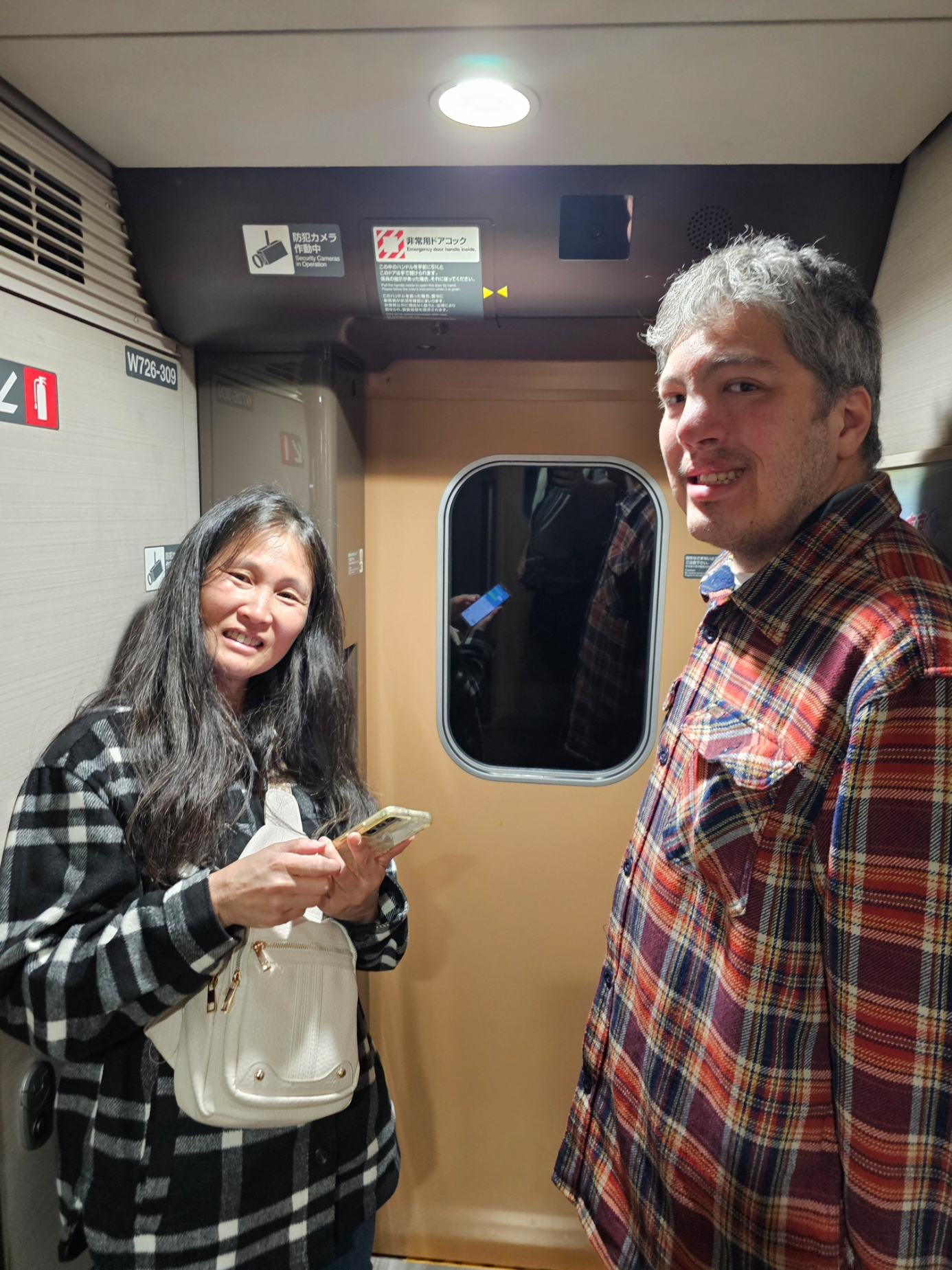
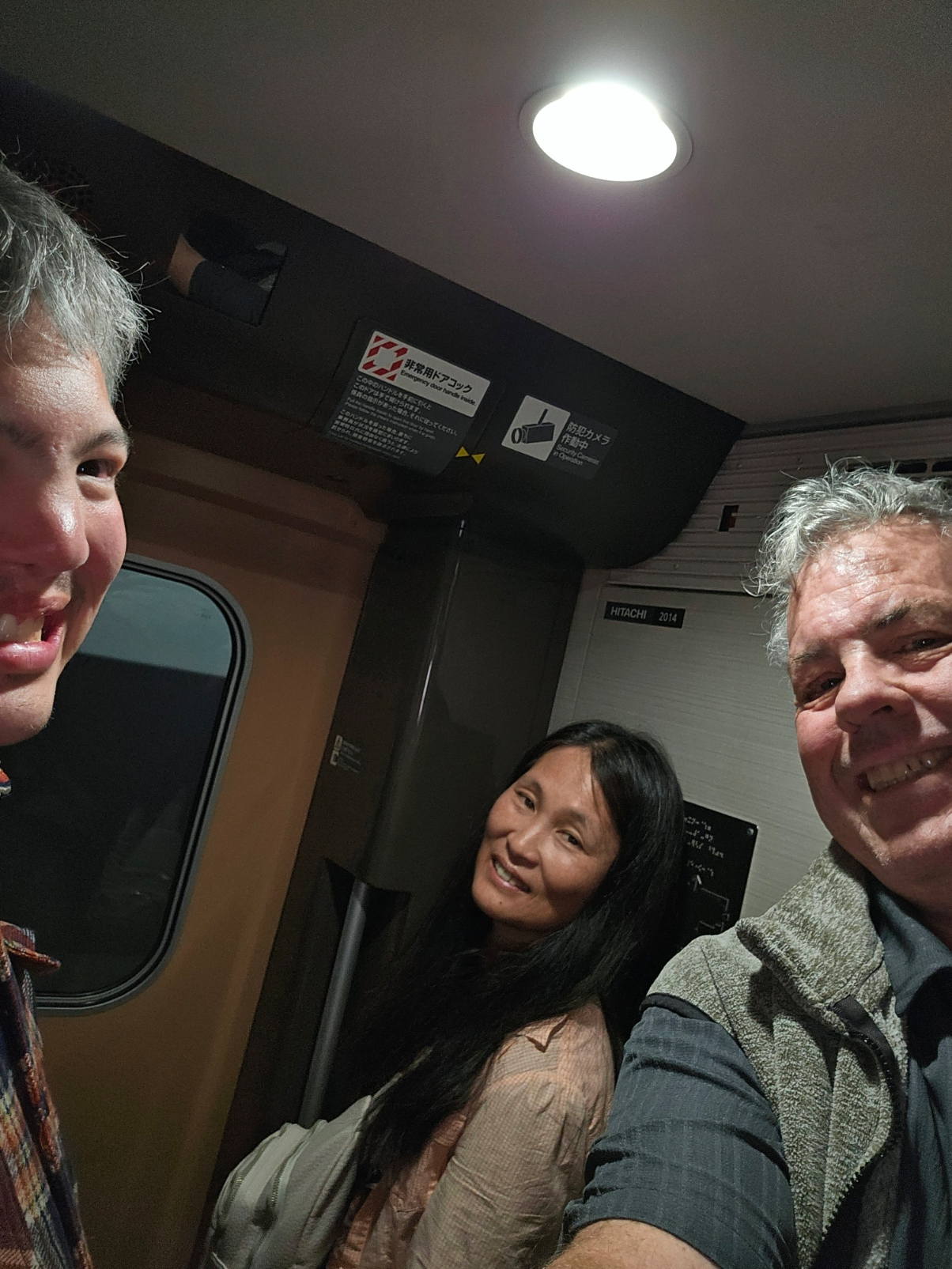
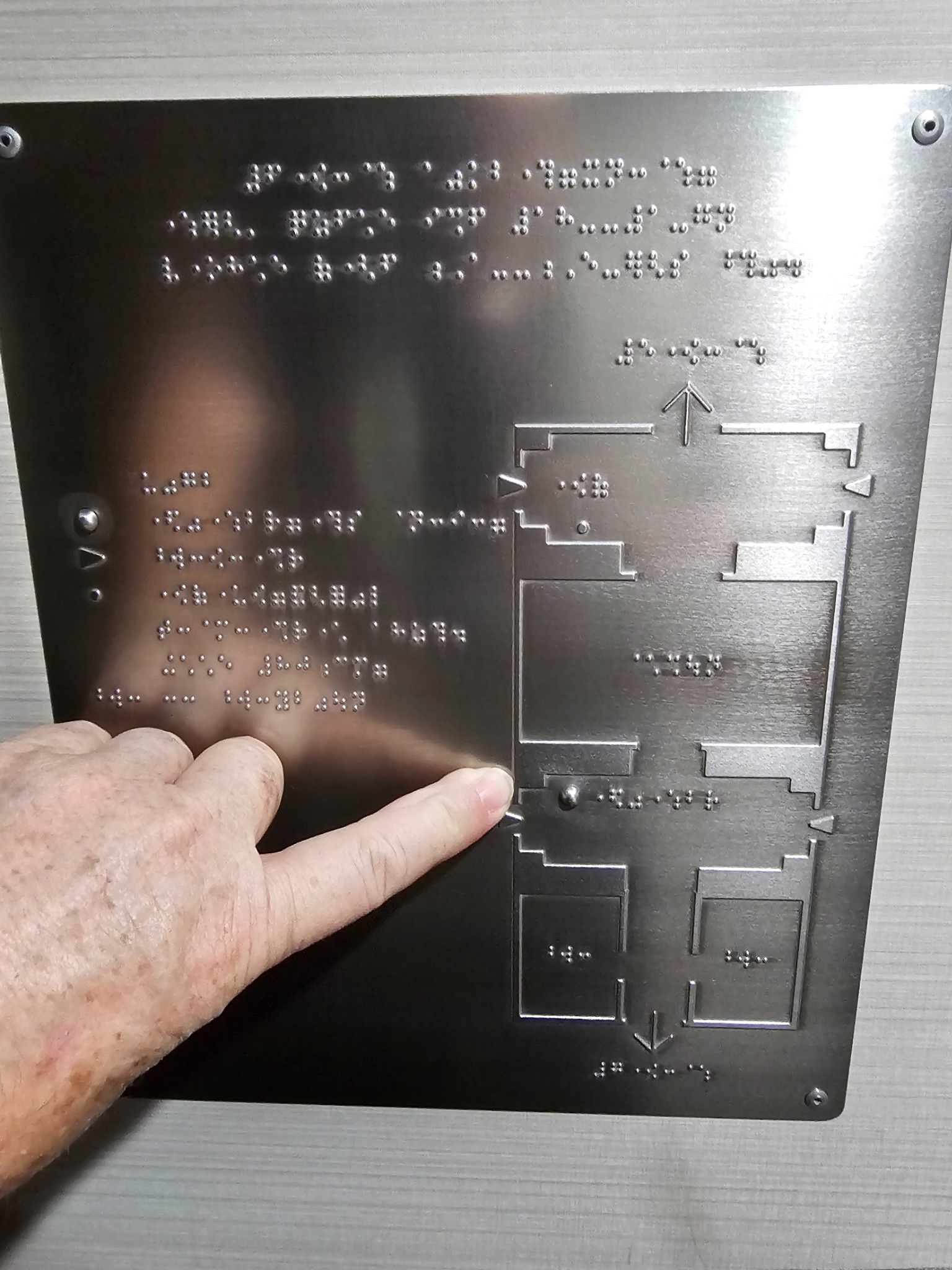
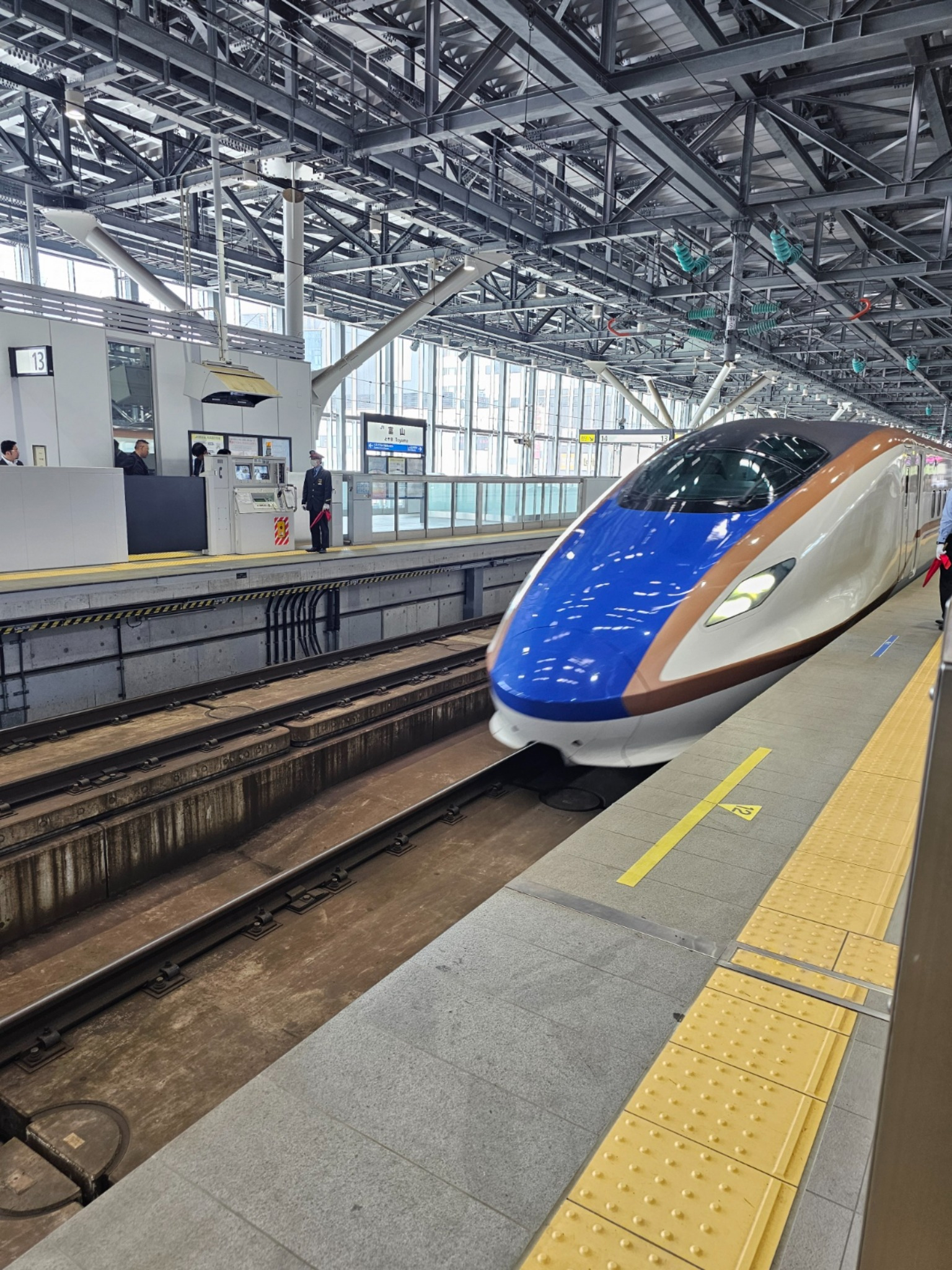
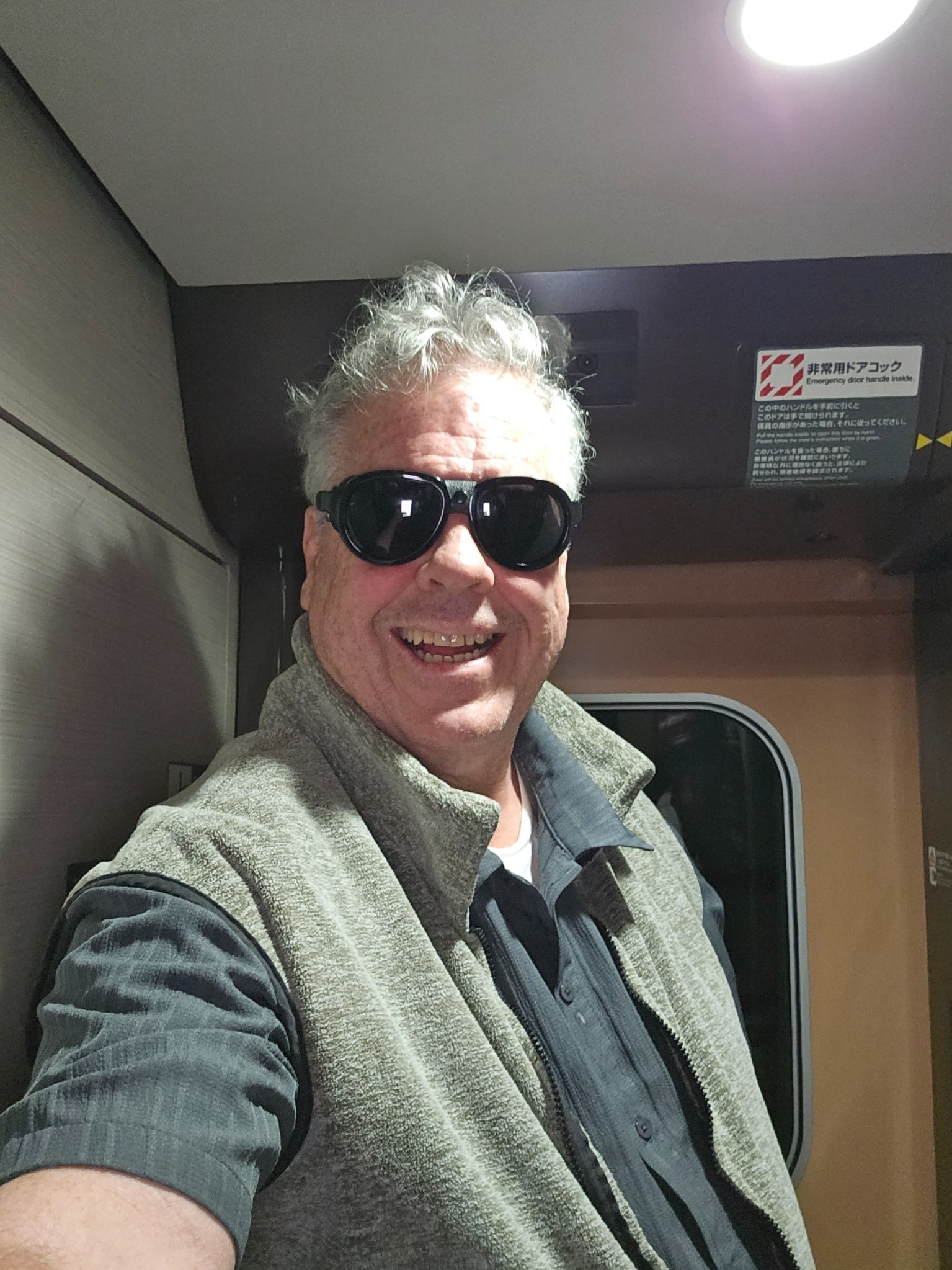
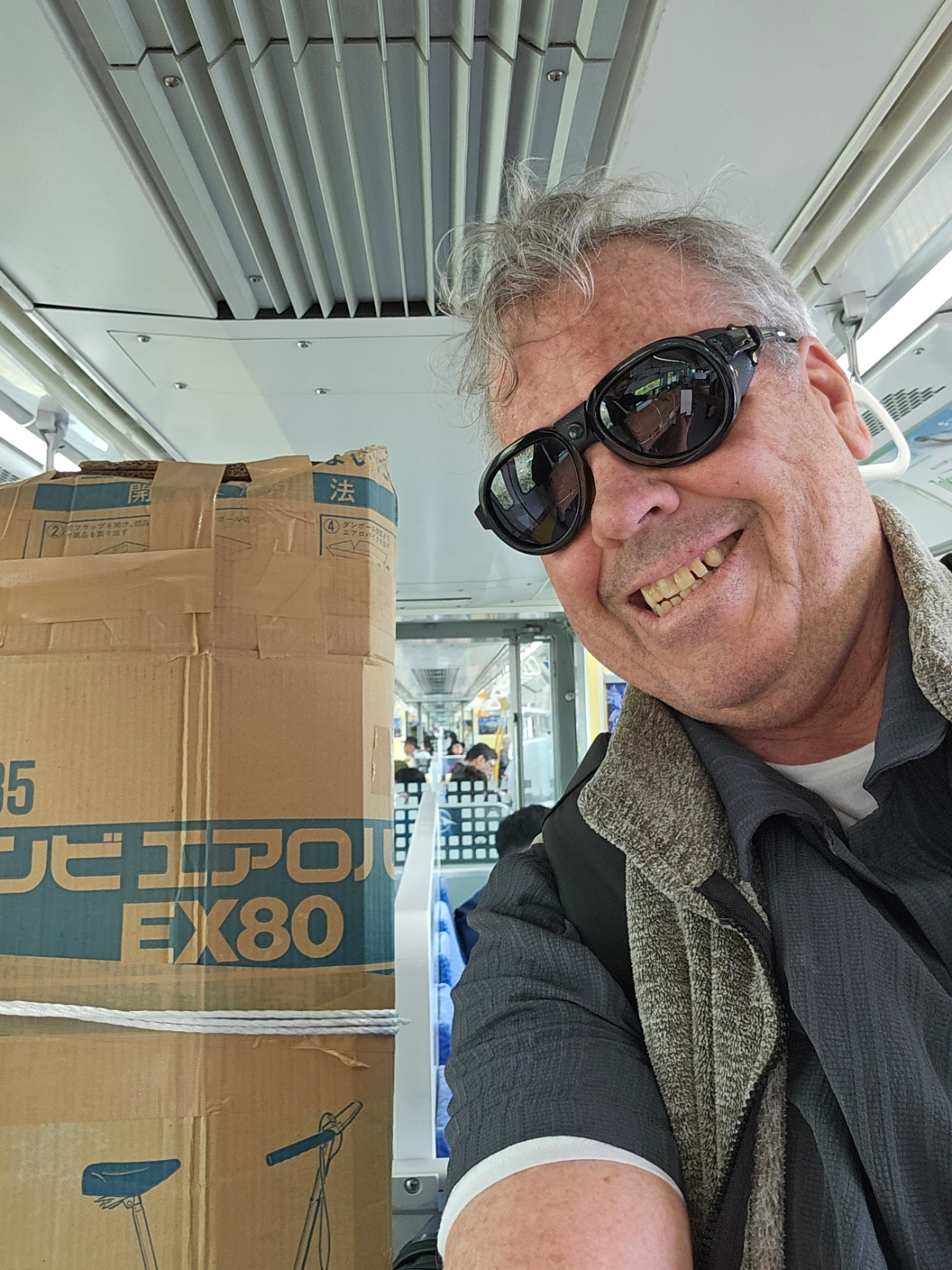
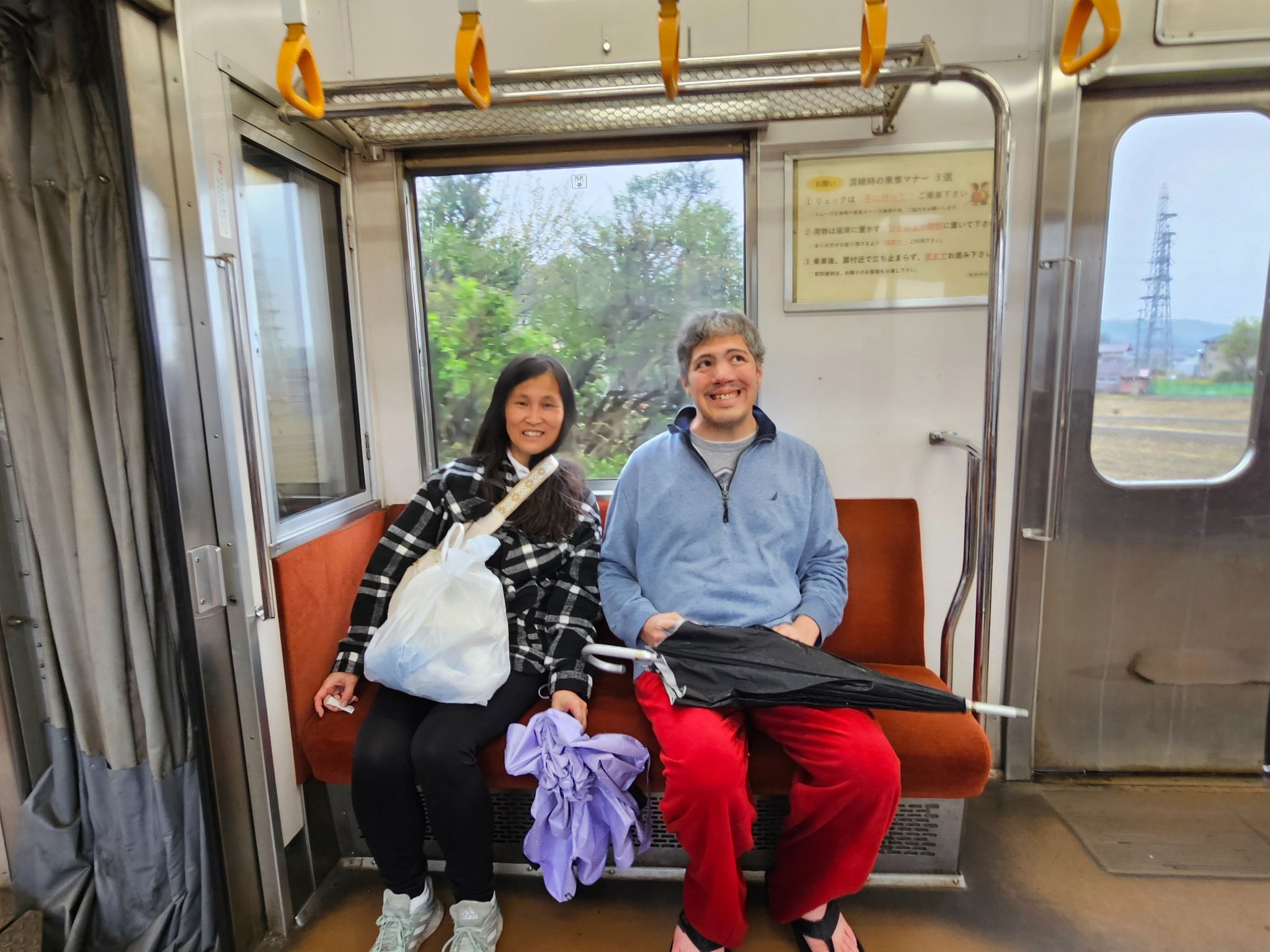
The vestibule is one of the truest spaces in the whole route because it is made entirely of between. Not home. Not arrival. Not rest. It is the narrow temporary chamber in which something old must endure the motion of something modern. Here the route still feels human enough to touch: shoulders, door edges, train signage, floor plans, the modest comedy of trying to keep one long packed thing in a world of schedule and steel.
Local transit and Shinkansen alike belong here, because both teach the same harder lesson. Systems do not stop to admire what the family is carrying. They simply continue. Feeling must learn how to ride inside procedure.
Haneda and the Public Scale of Leaving
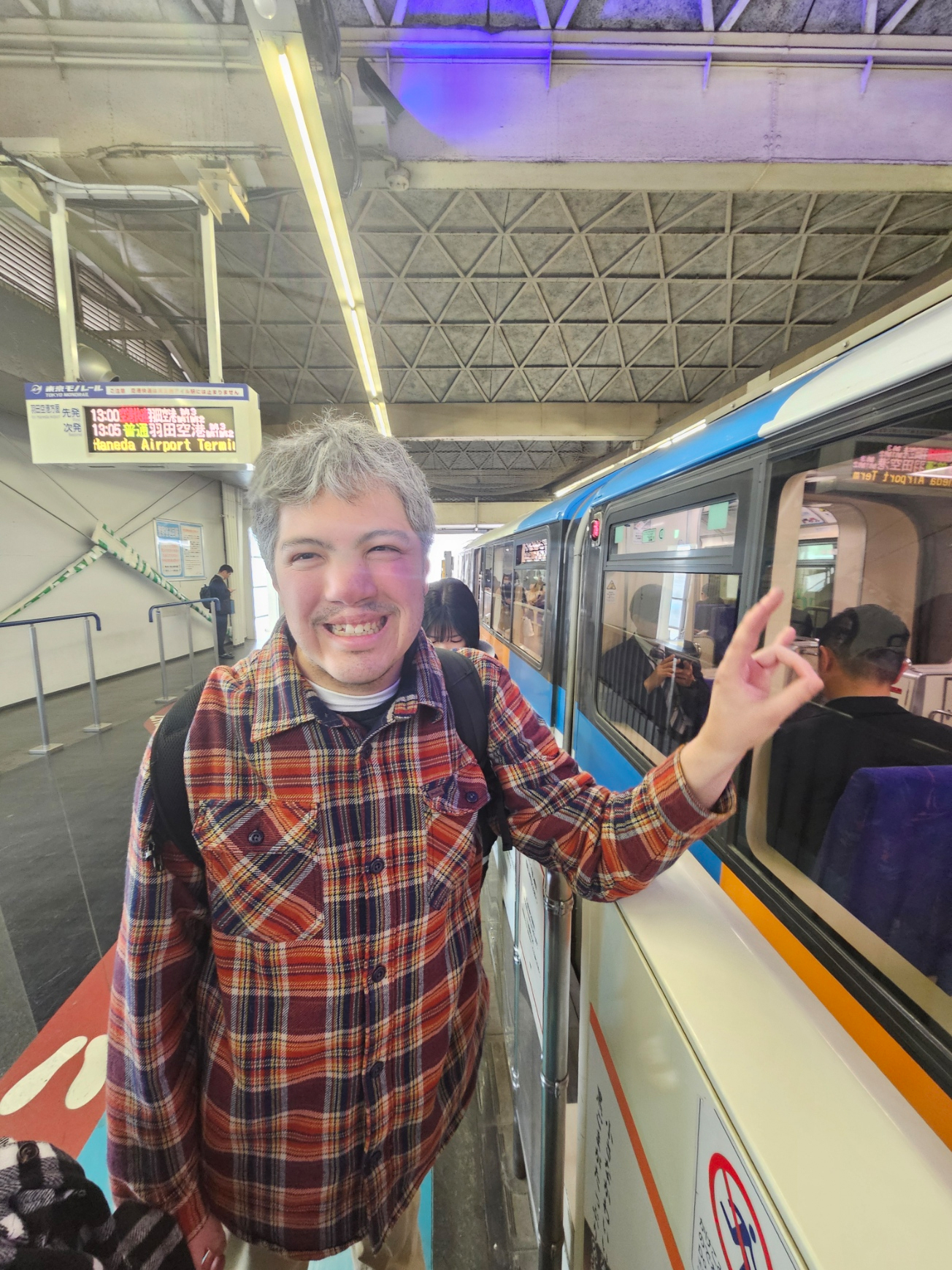
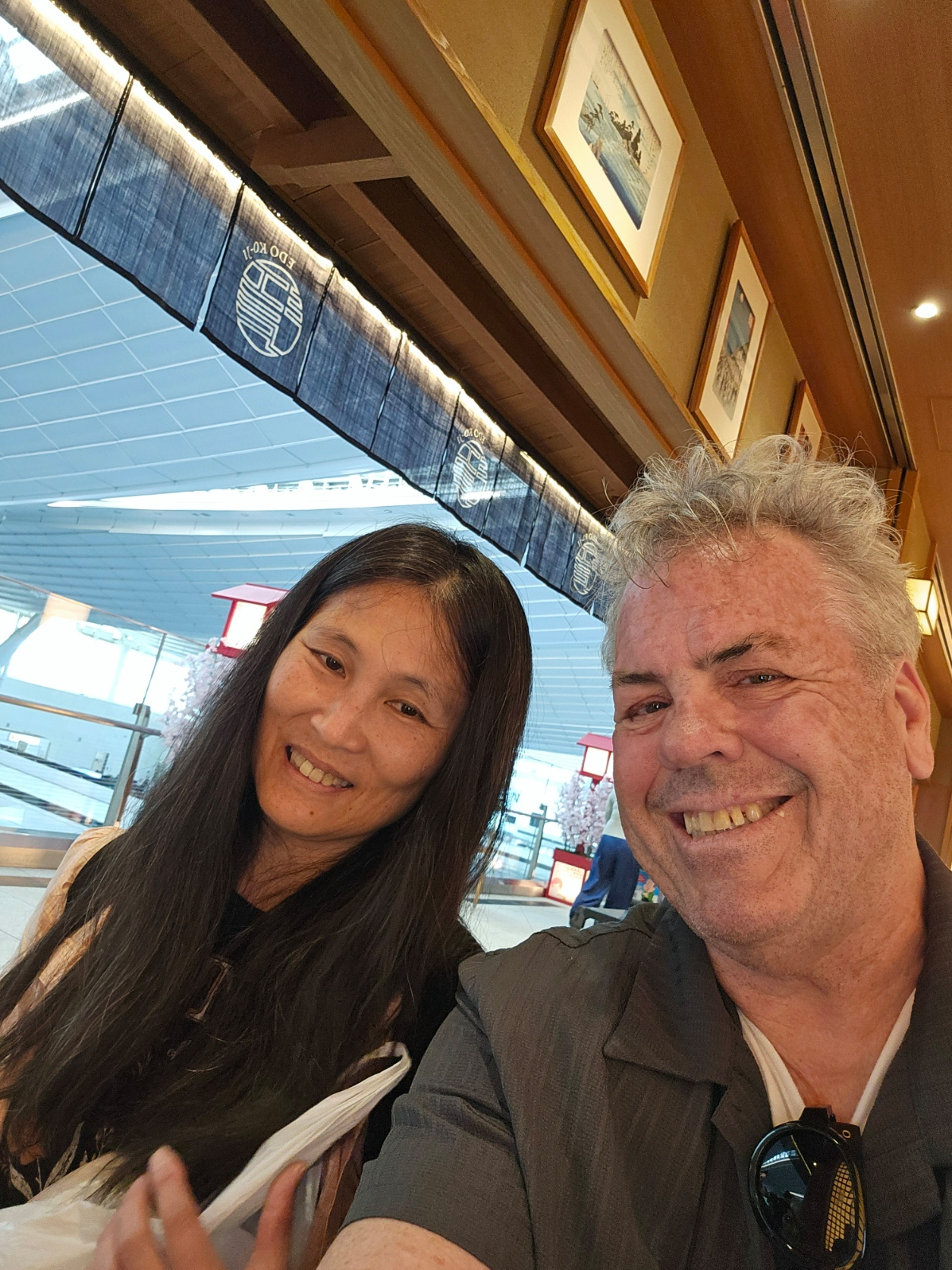
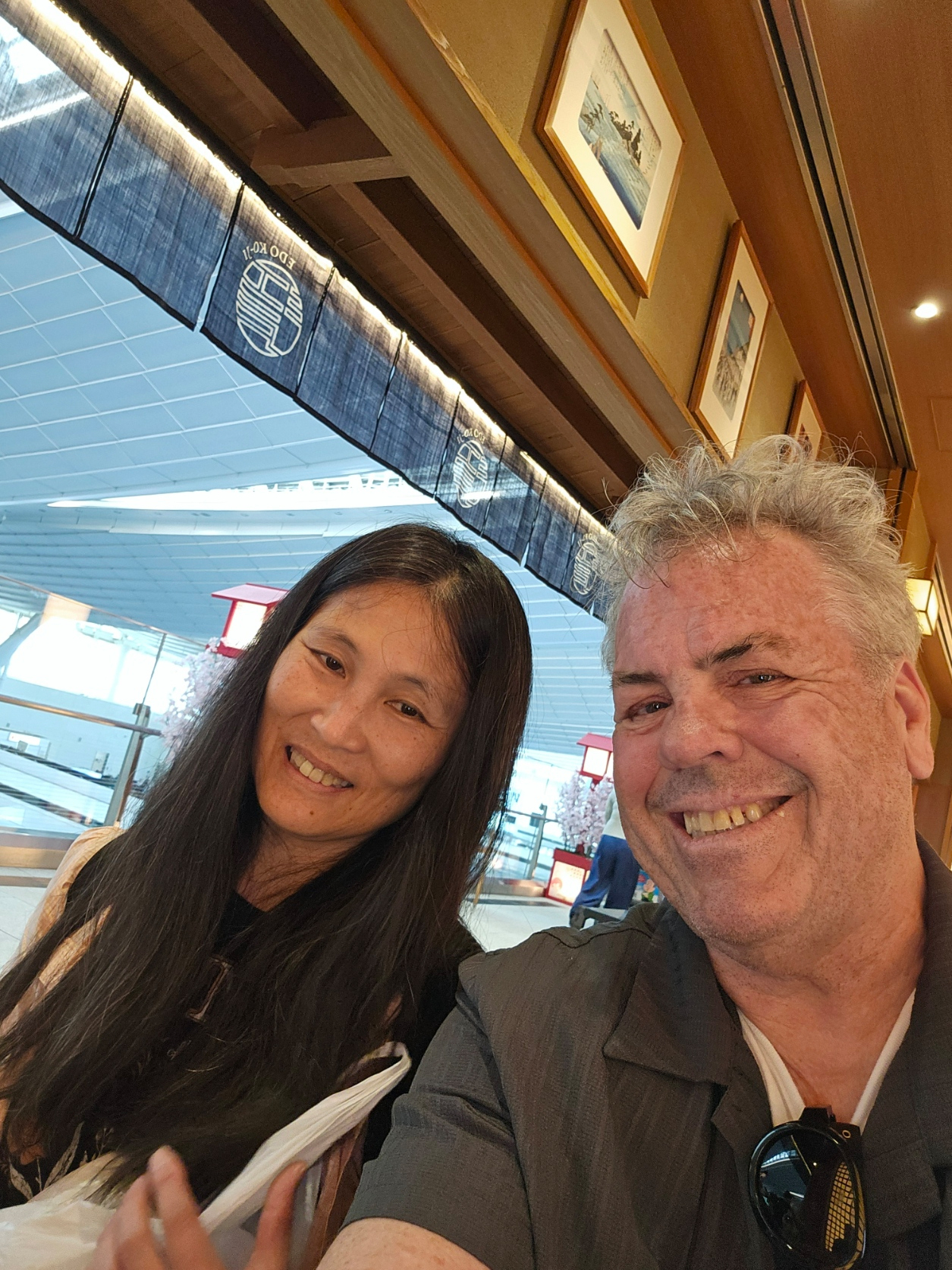
By Haneda, the route has widened enough that no private emotion can pretend it owns the architecture. Platform, monorail, terminal, restaurant, airfield view — all of it belongs to the common world. That is part of the dignity of departure. What matters most has to endure not in special rooms, but in public systems where everyone is also leaving something.
Haneda matters because it turns carrying into waiting and waiting into distance. The body pauses, eats, looks through glass, listens to announcements, and lets the route keep taking shape. A family object may still be near. A family feeling may still be near. The airport does not stop for either one. The route keeps opening outward.
Packing led to carrying. Carrying led to transit. Transit widened into departure.
The route did not diminish what mattered.
It tested whether what mattered could keep living.