Toyama
Toyama enters the archive as relief, appetite, water, return, and ordinary beauty. After burden, packing, and departure weather, the city comes forward through canal reflection, castle stone, food stalls, family restaurant signs, room light, bathhouse rain, and the gentler civic structures that let a body continue. This gallery gathers Toyama not as backdrop, but as lived atmosphere.
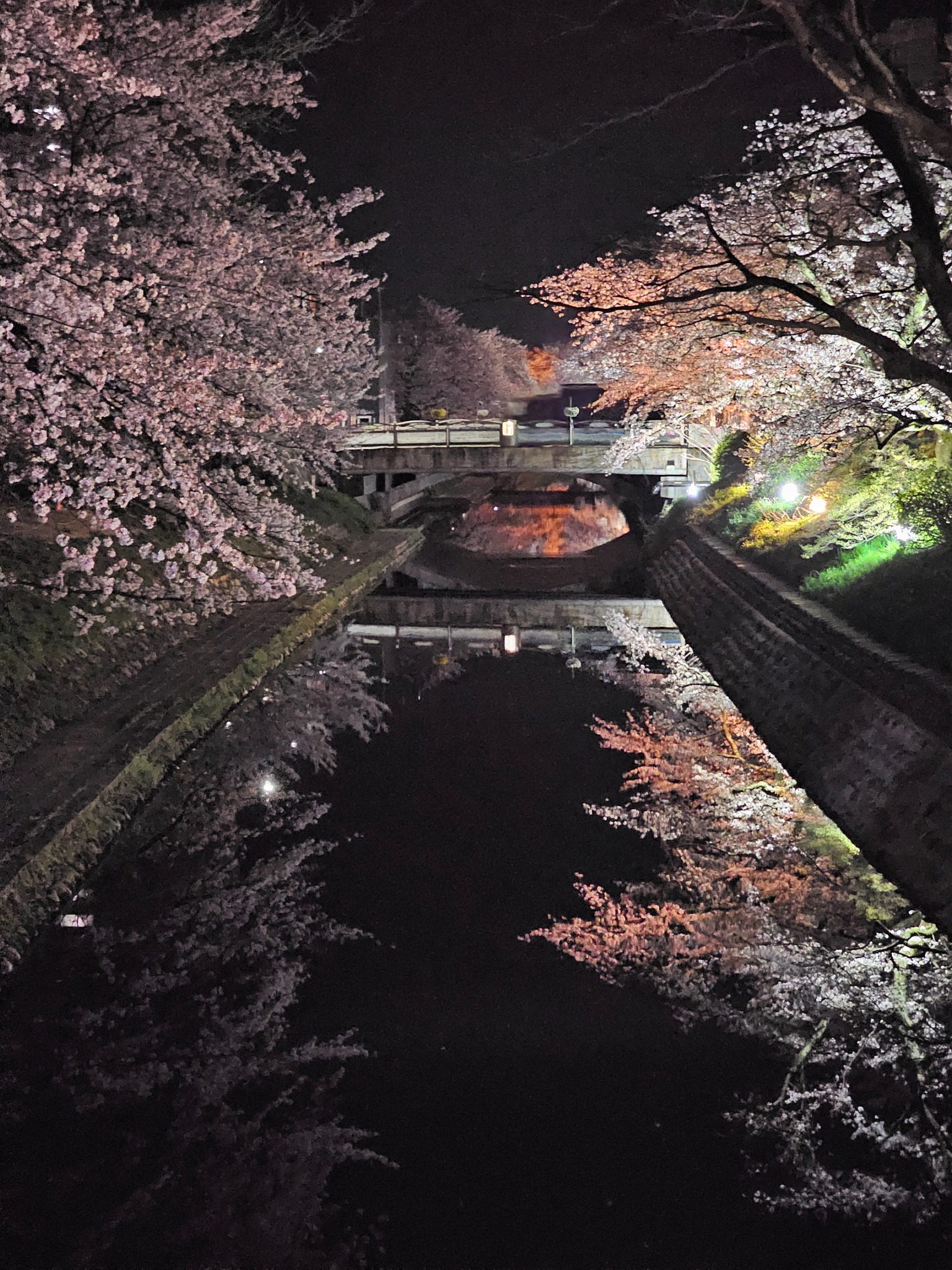
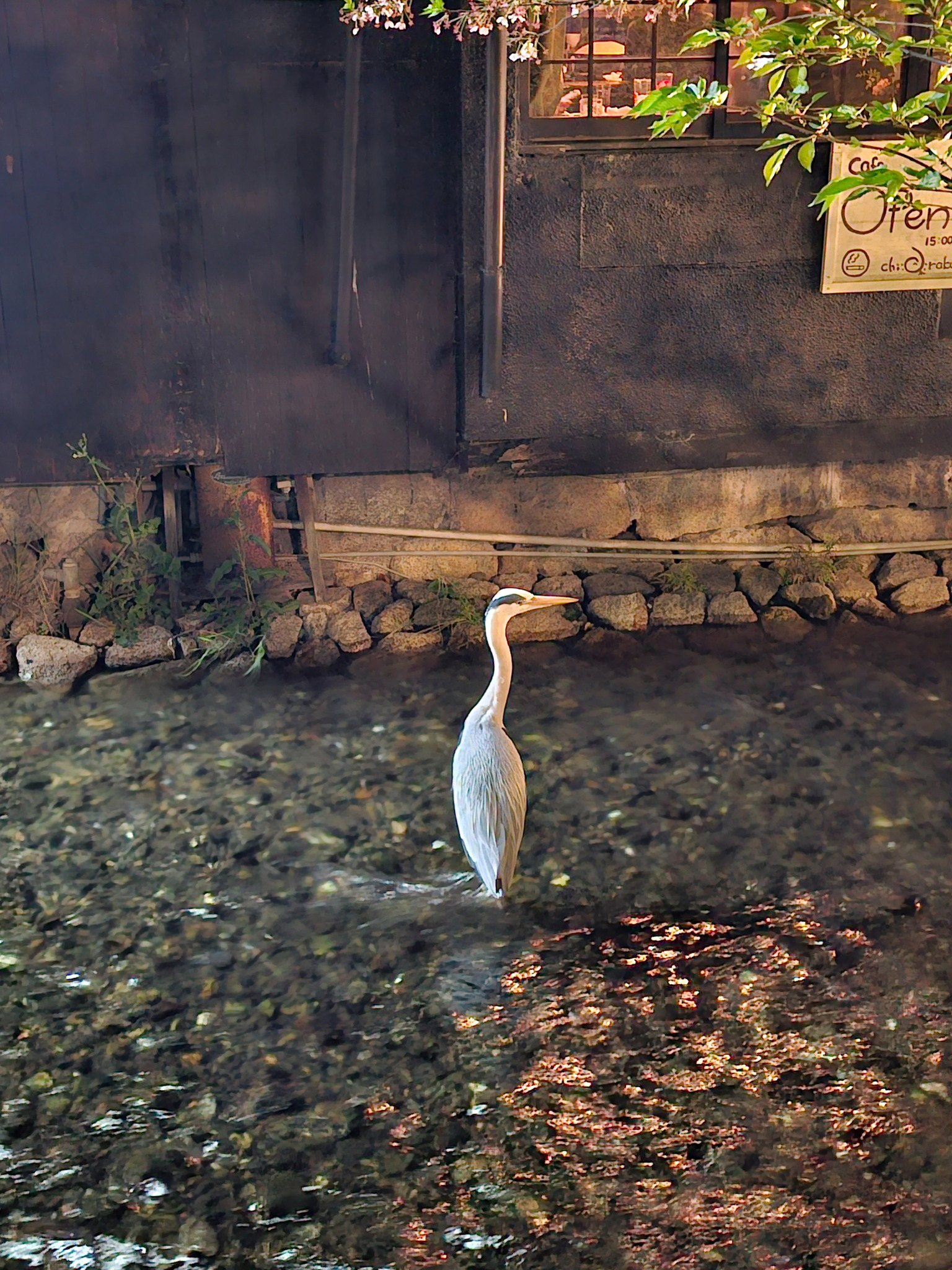
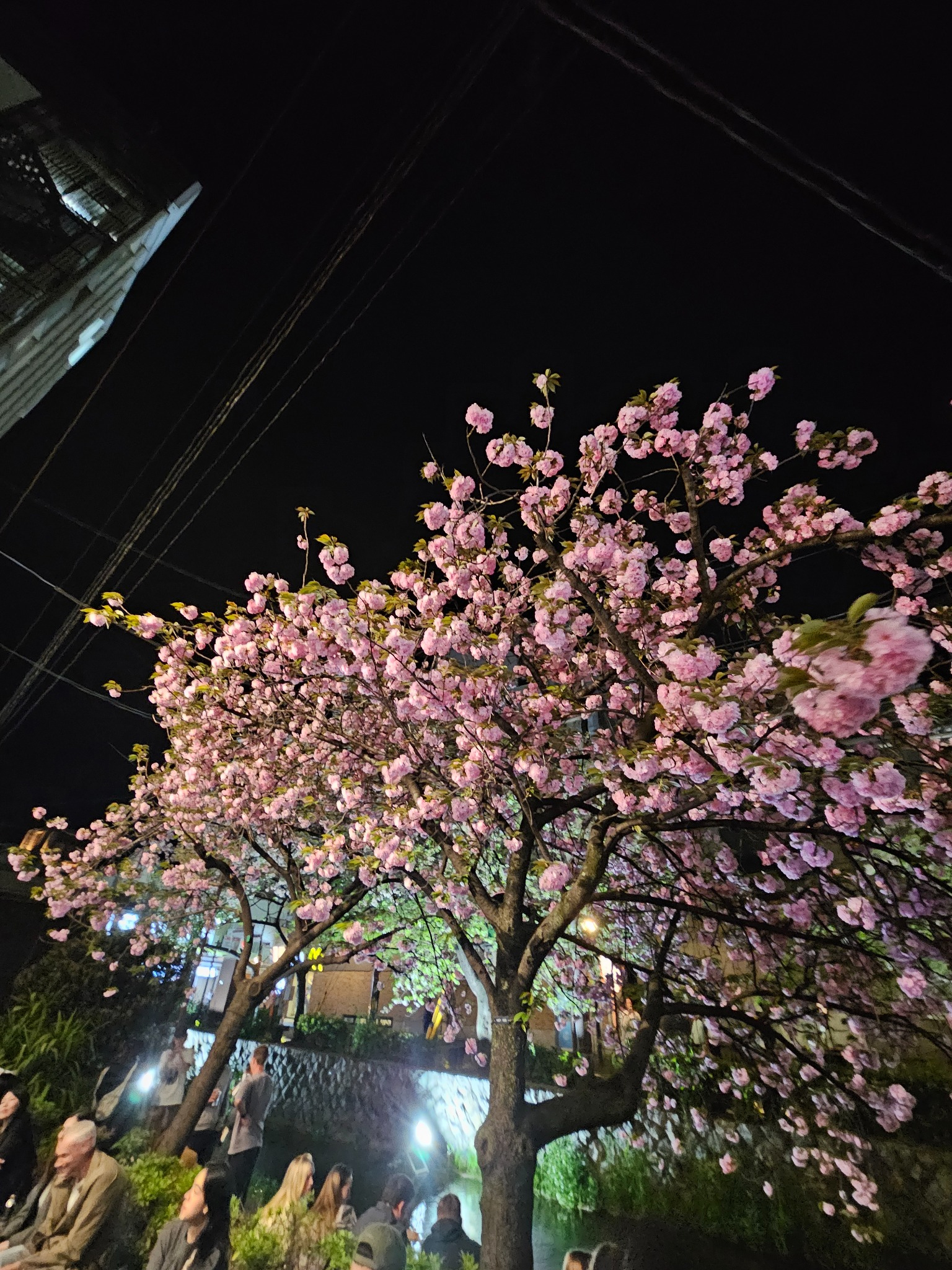
A city can be carried in the body before it is carried in thought. Toyama does this through canal water, evening light, castle reflection, lot light, bath steam, road weather, restaurant signs, and the smell of food arriving at the table. It does not insist on monument alone. It enters by appetite, by room glow, by waiting, by wet pavement, by the slight kindness of a place still going on with itself after private burden has become heavy.
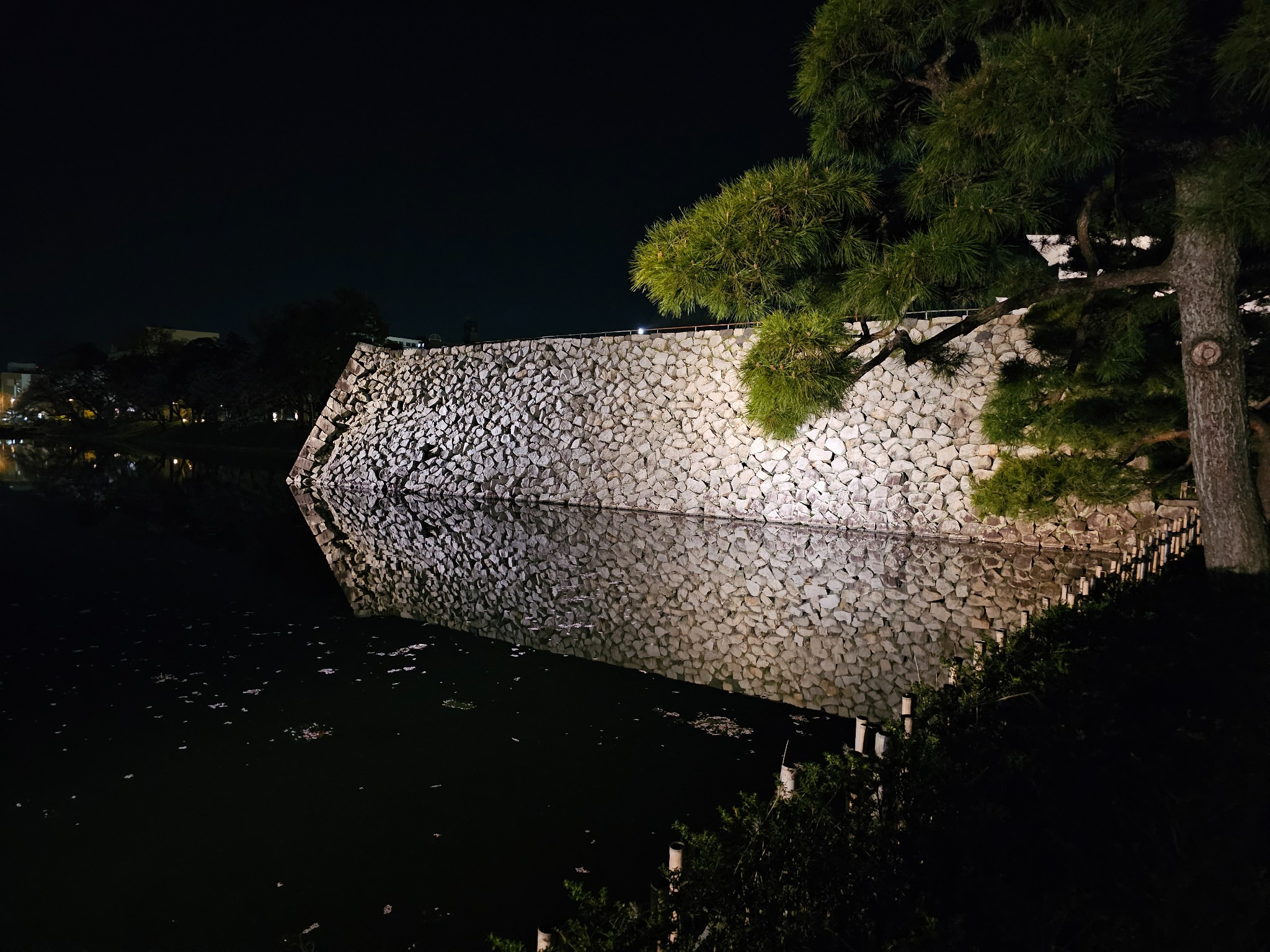
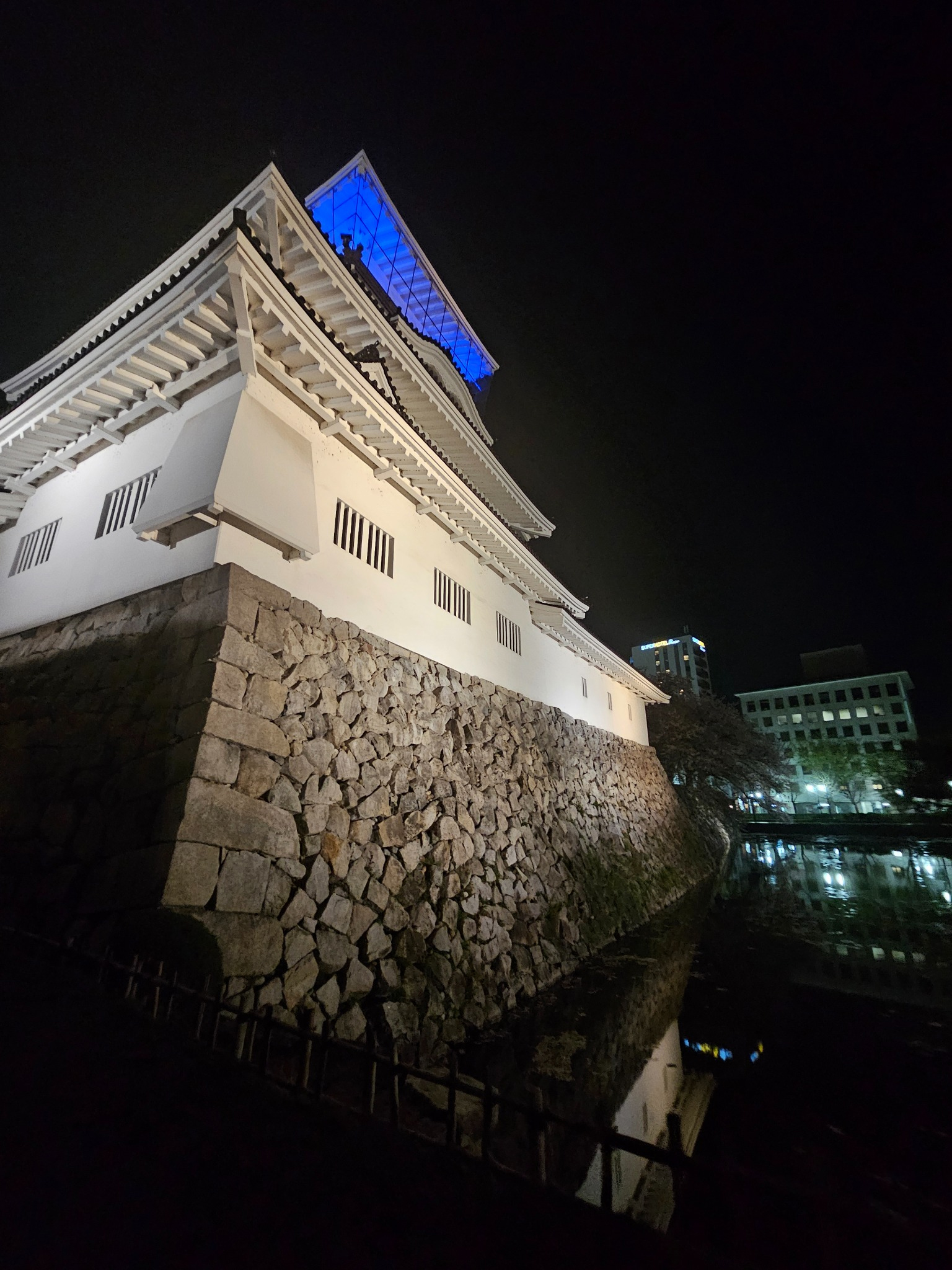
This gallery keeps those registers together: night and water, food and family restaurant, station and bath, road and return, room and window, castle and moat. Toyama matters because it does not reduce life to inheritance. It reminds the body that ordinary beauty still exists in public.
A city does not become real only through history.
It becomes real through light, appetite, weather, and return.
Water and Night
Food, Heat, and Public Appetite
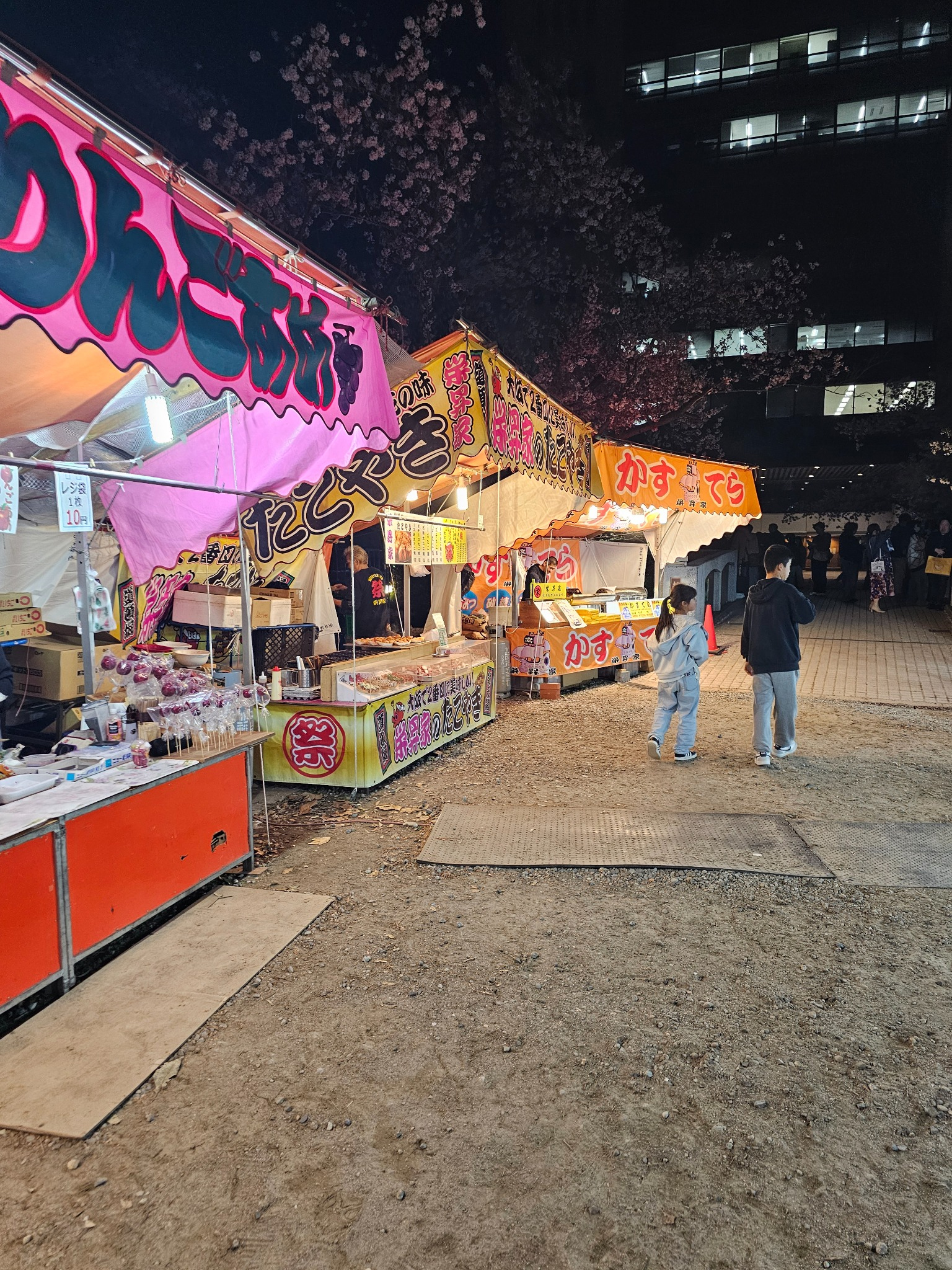
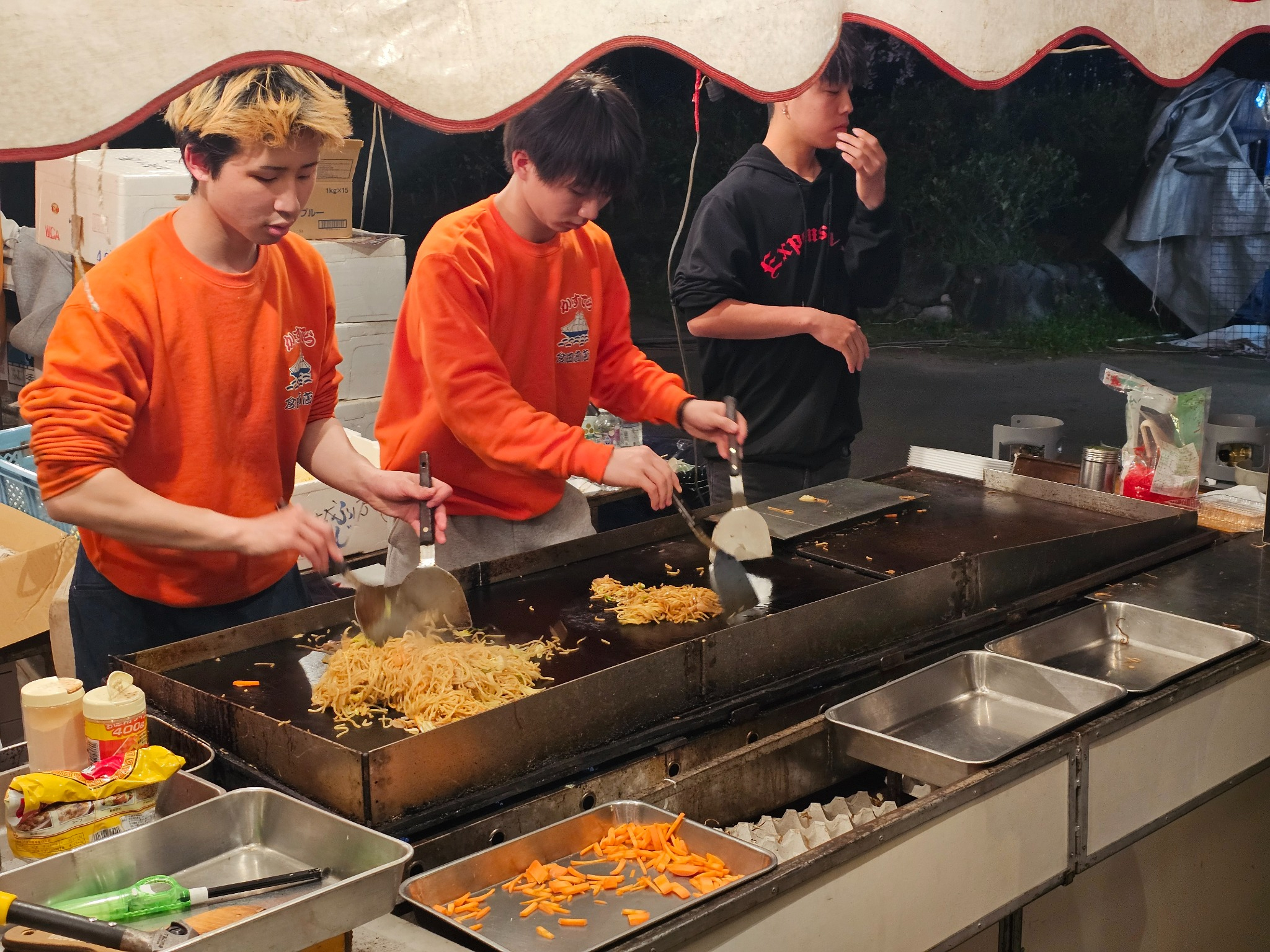
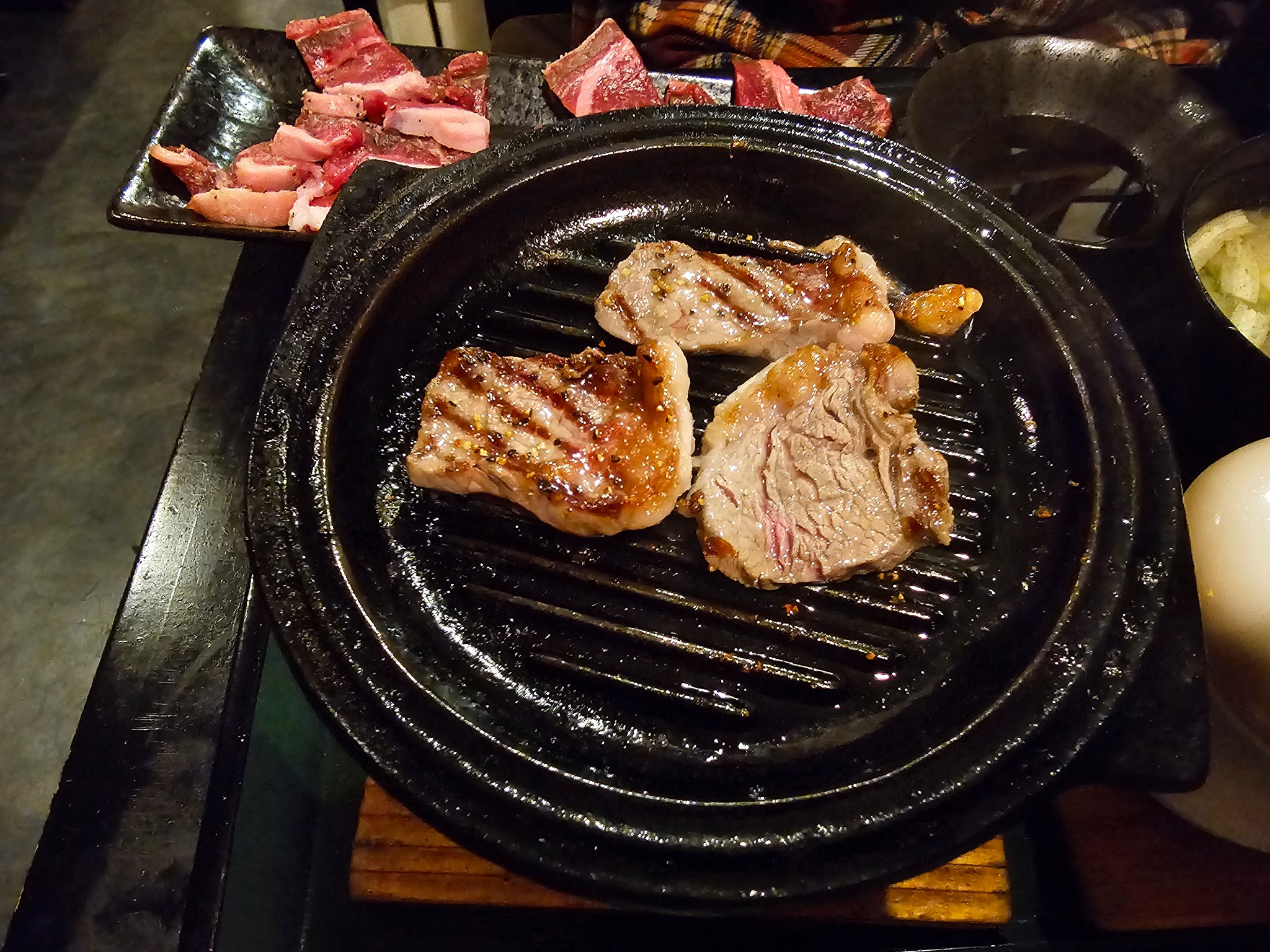
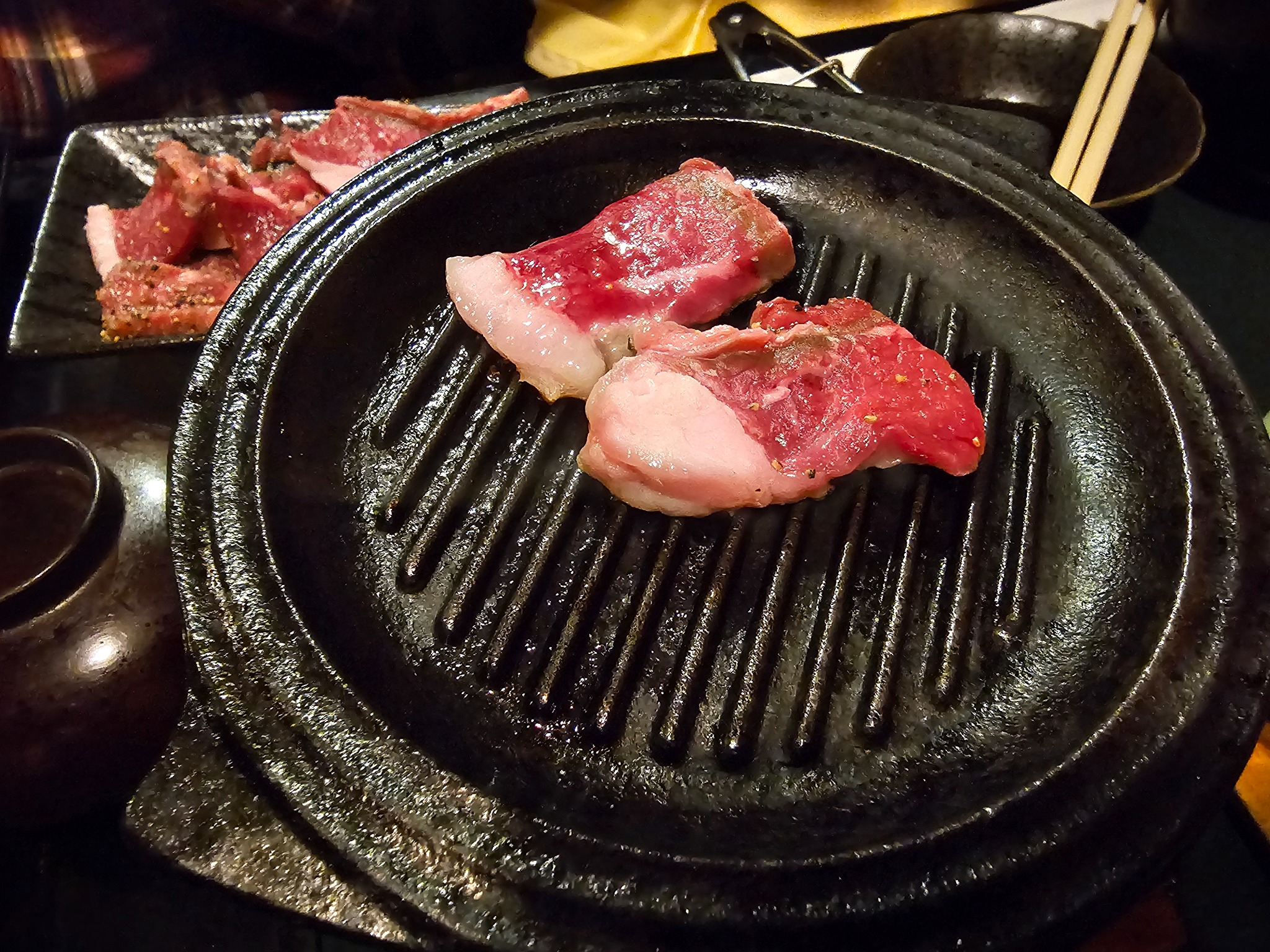
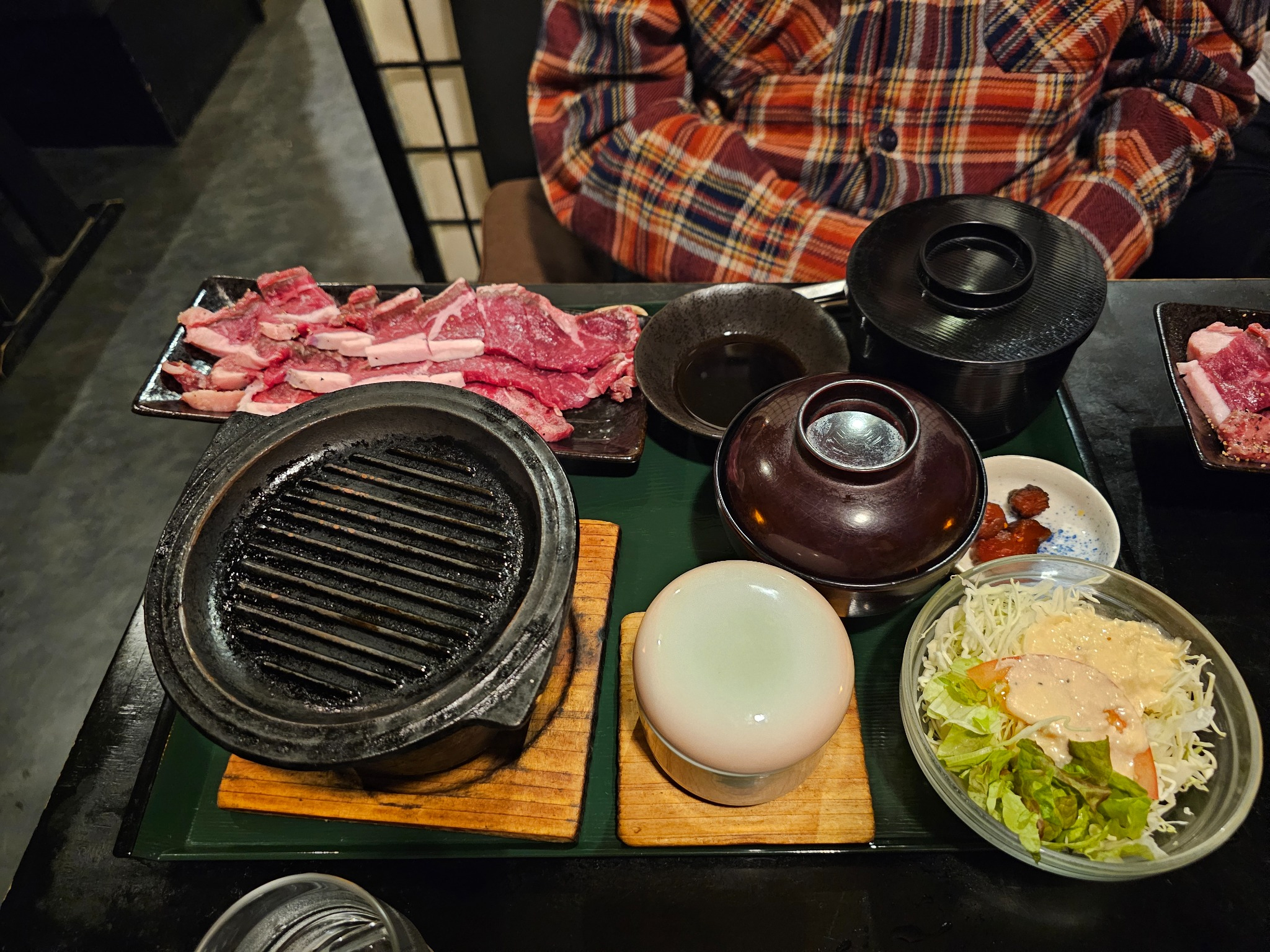
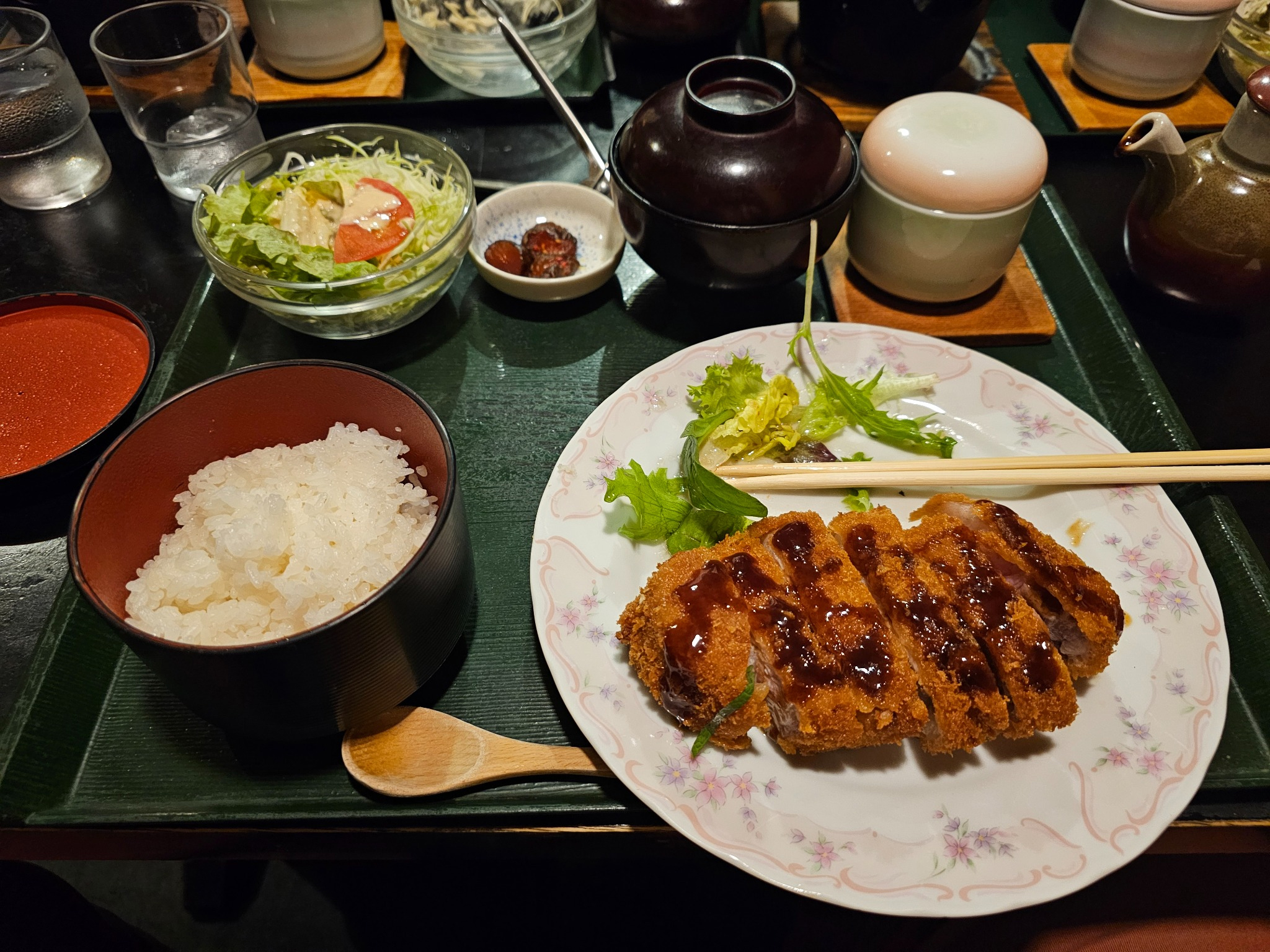
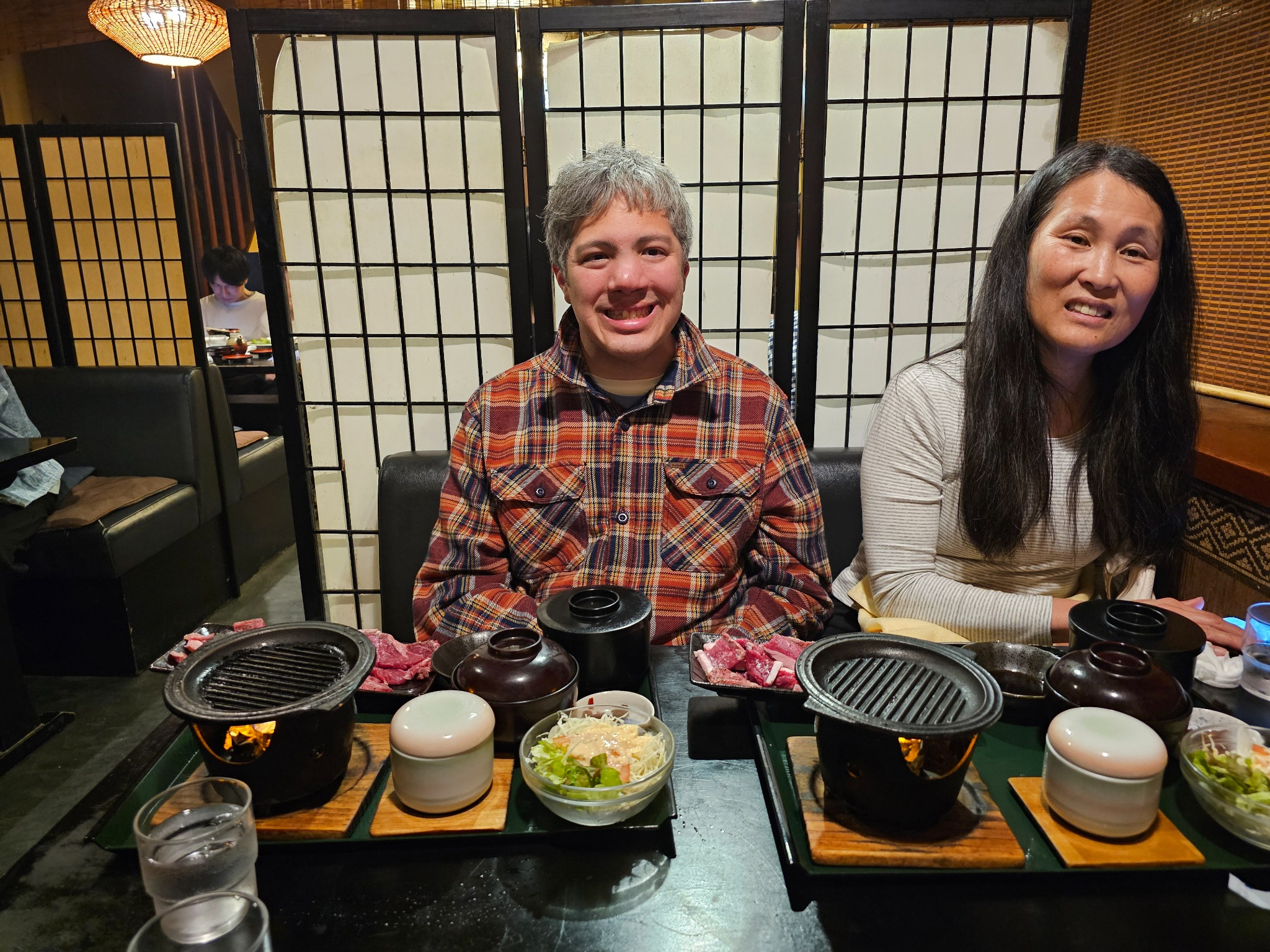
Toyama is not only seen. It is eaten. The city returns to human scale through food stalls, yakisoba, grill smoke, set meals, signs, trays, and the familiar relief of sitting down where hunger is expected and answered. These are not secondary images. They are part of the deep ordinary life of the place.
A family story needs rooms of appetite as much as rooms of inheritance. One teaches weight. The other teaches continuation.
Signs, Rooms, and Where Evening Goes
A city becomes livable through places one can enter. Signs matter because they promise interior life. Rooms matter because they hold pause. Hotel glow, family restaurant frontage, breakfast trays, a covered cup, the quiet organization of furniture and window light — these are all ways a city says it can still receive the body after the day has asked too much of it.
Toyama’s rooms are not grand. That is part of their force. They are exact enough to restore proportion.
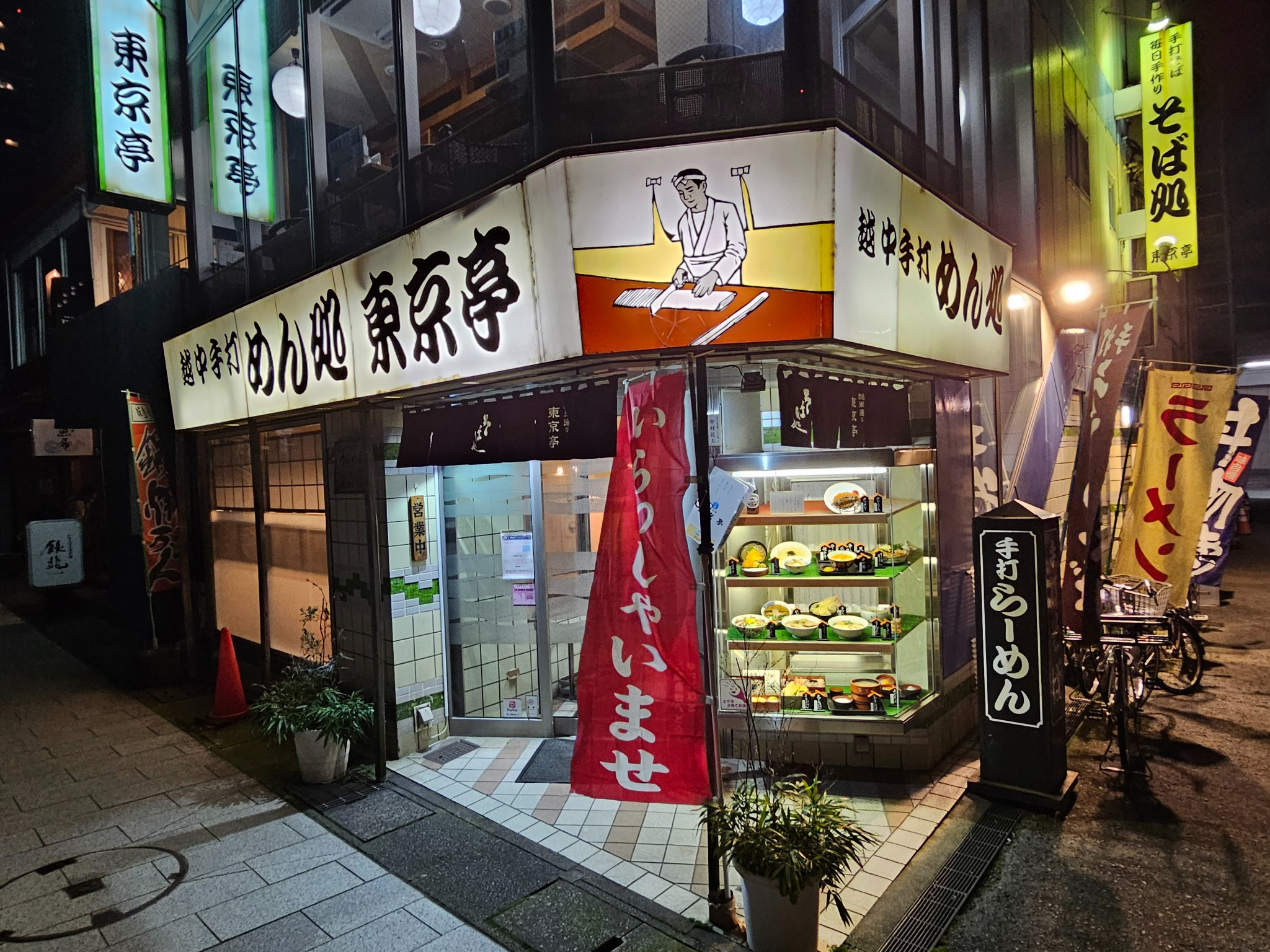
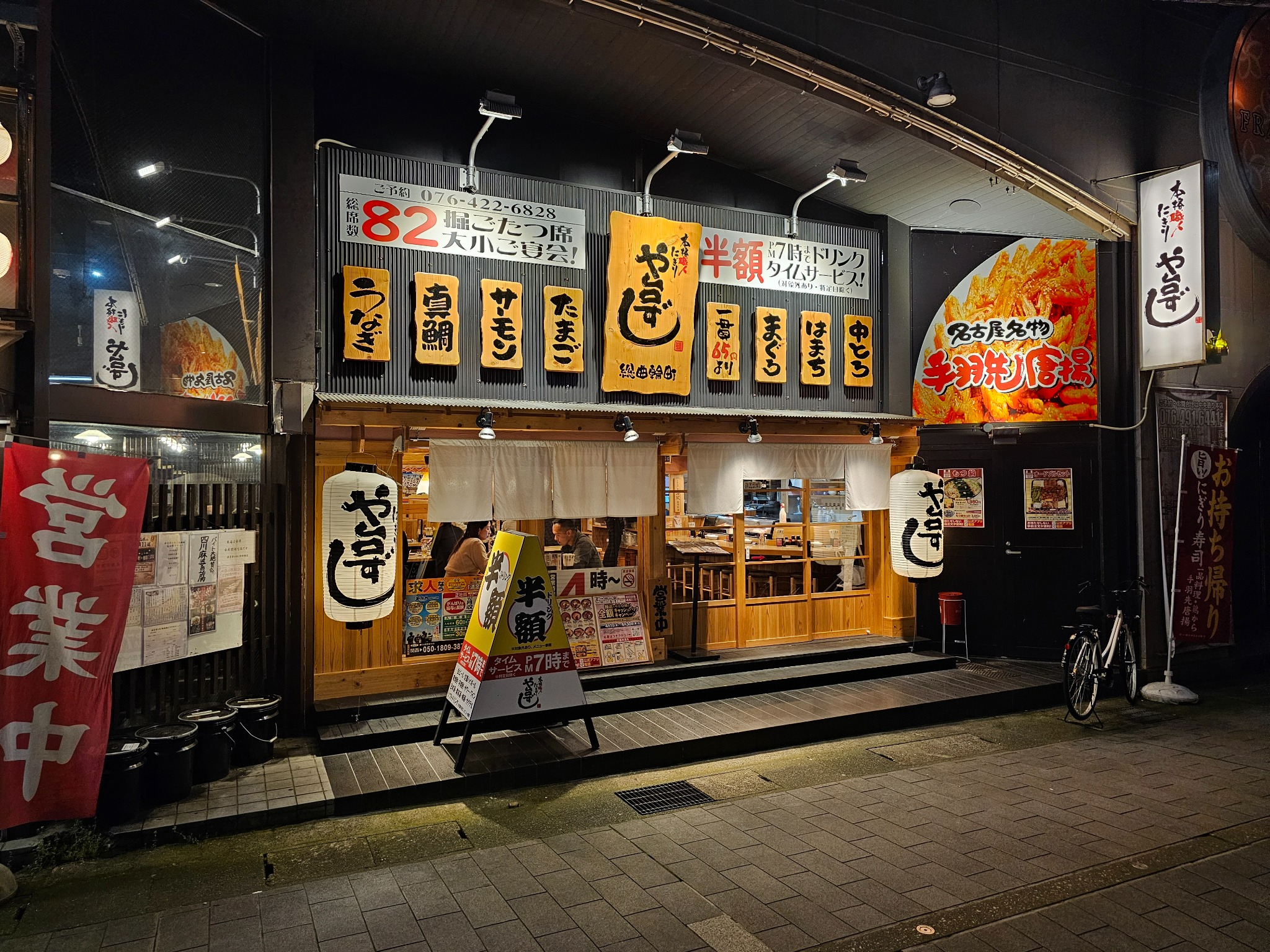
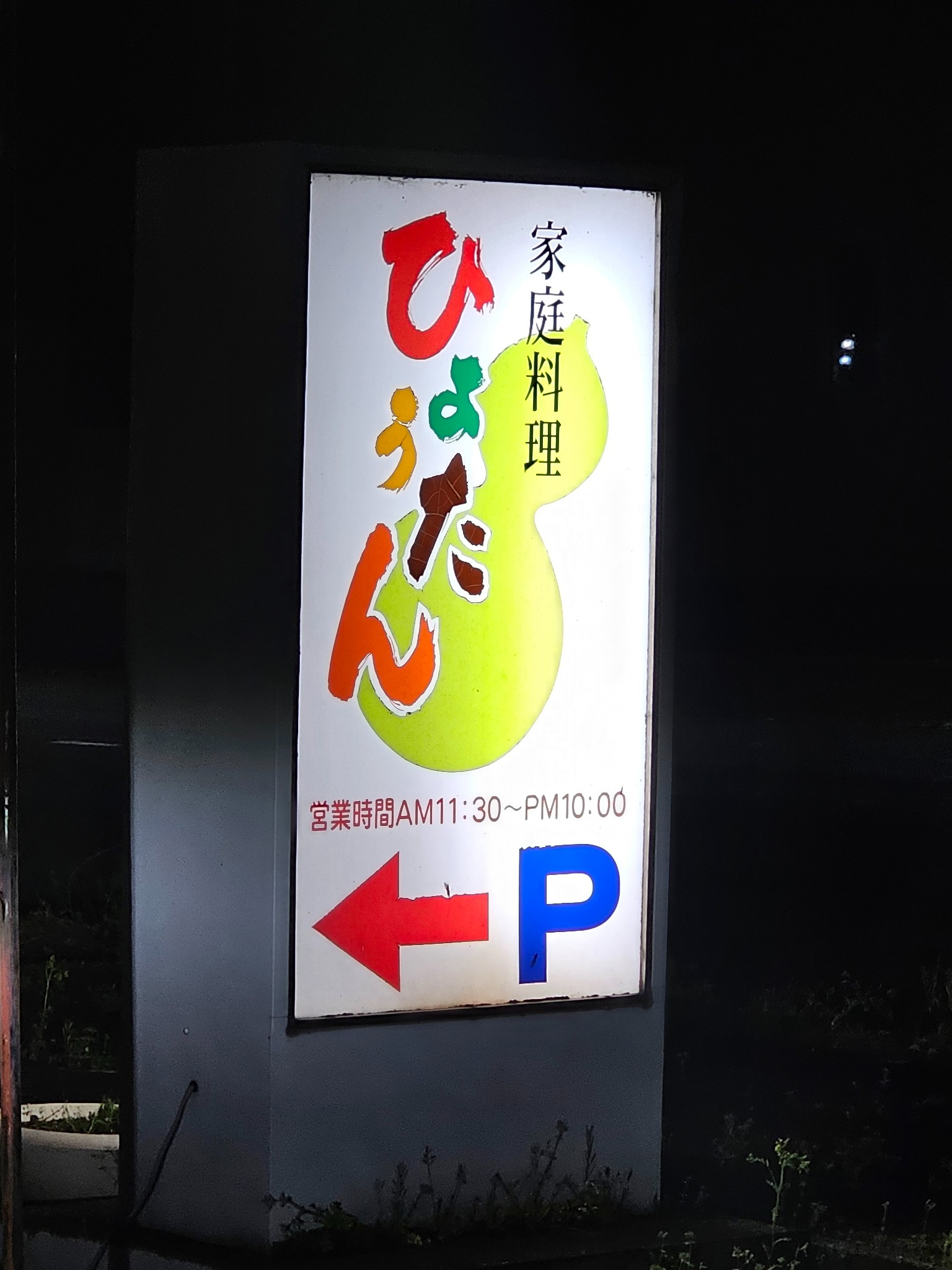
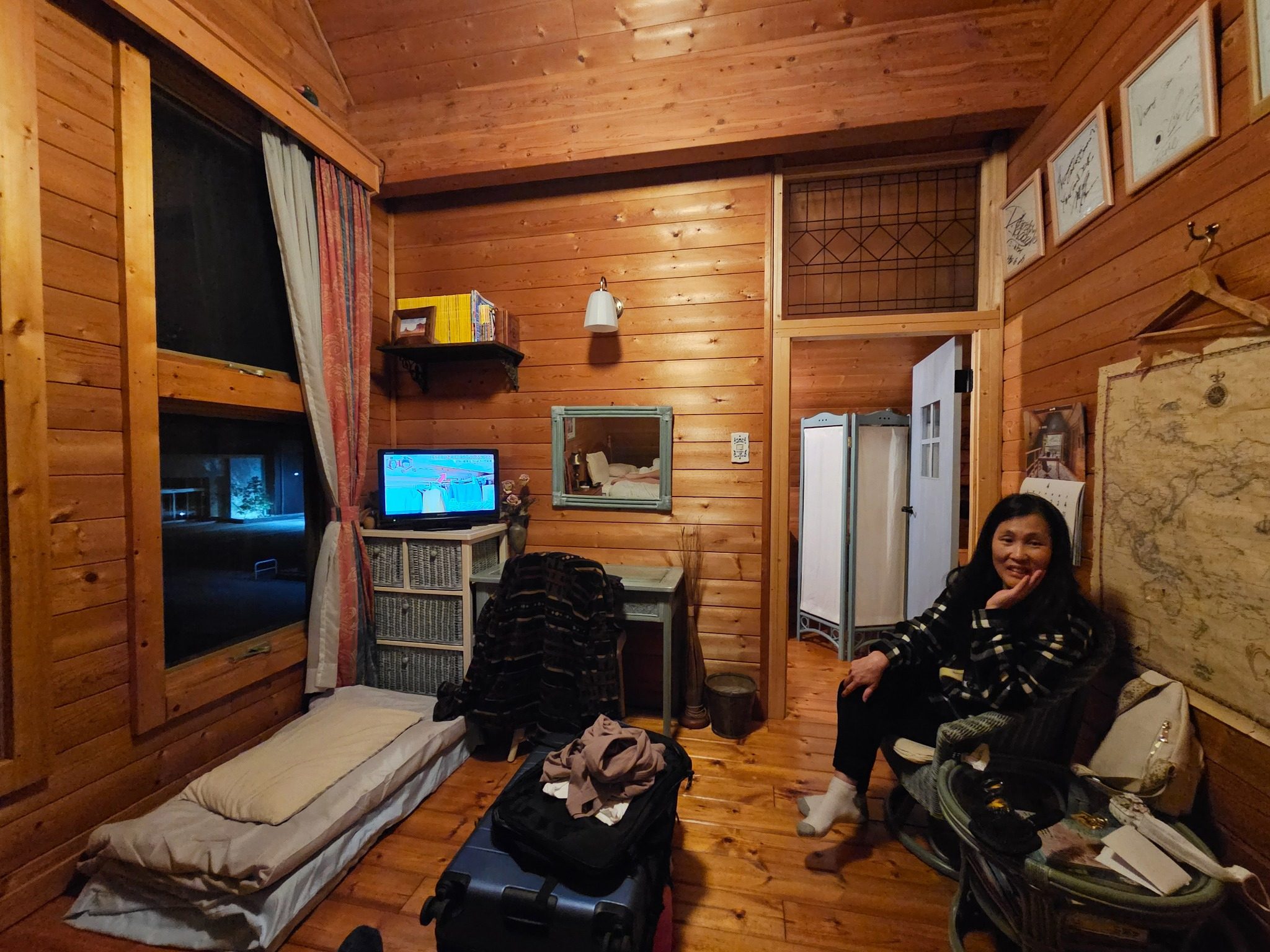
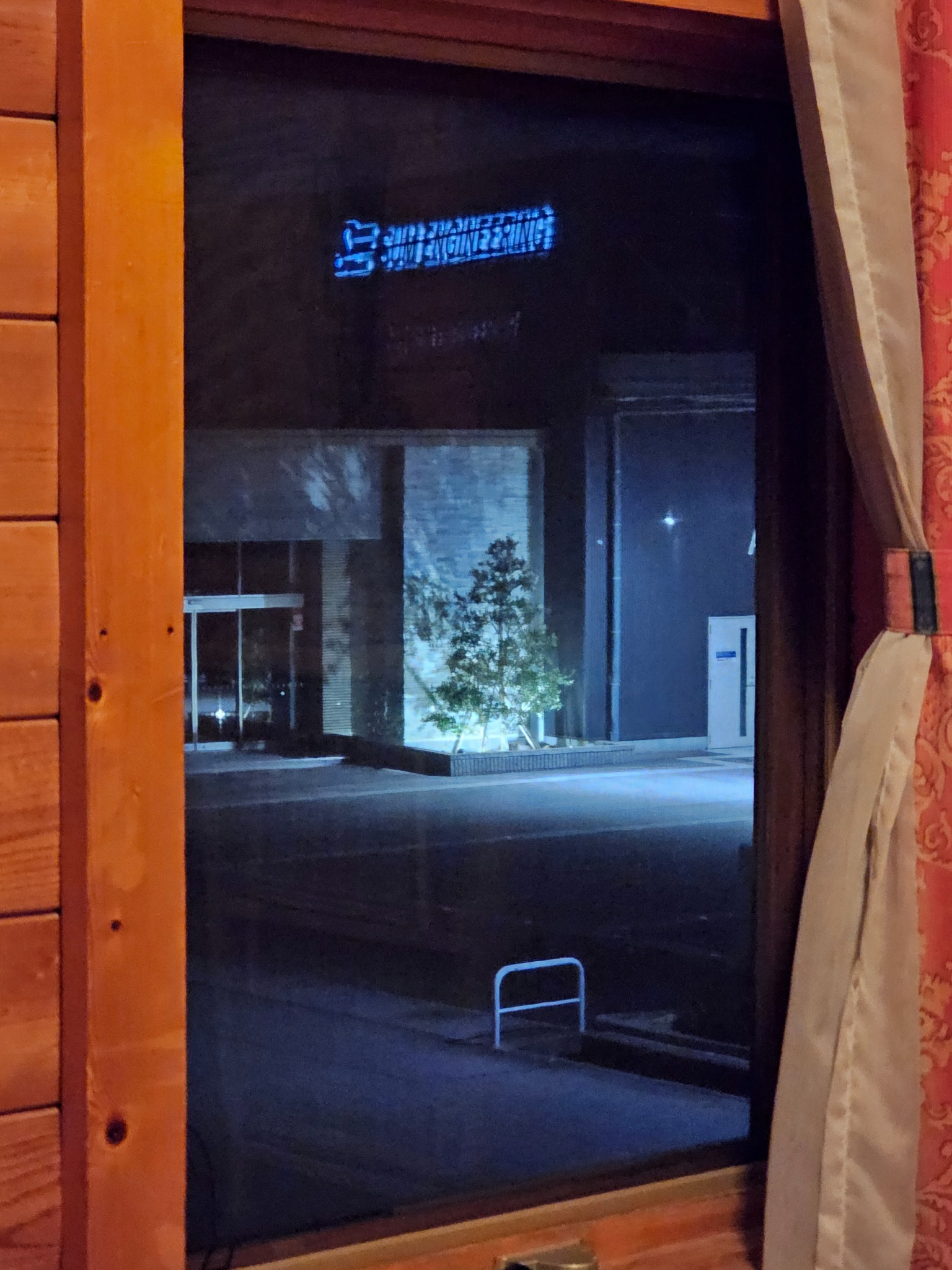
Road, Station, Bath
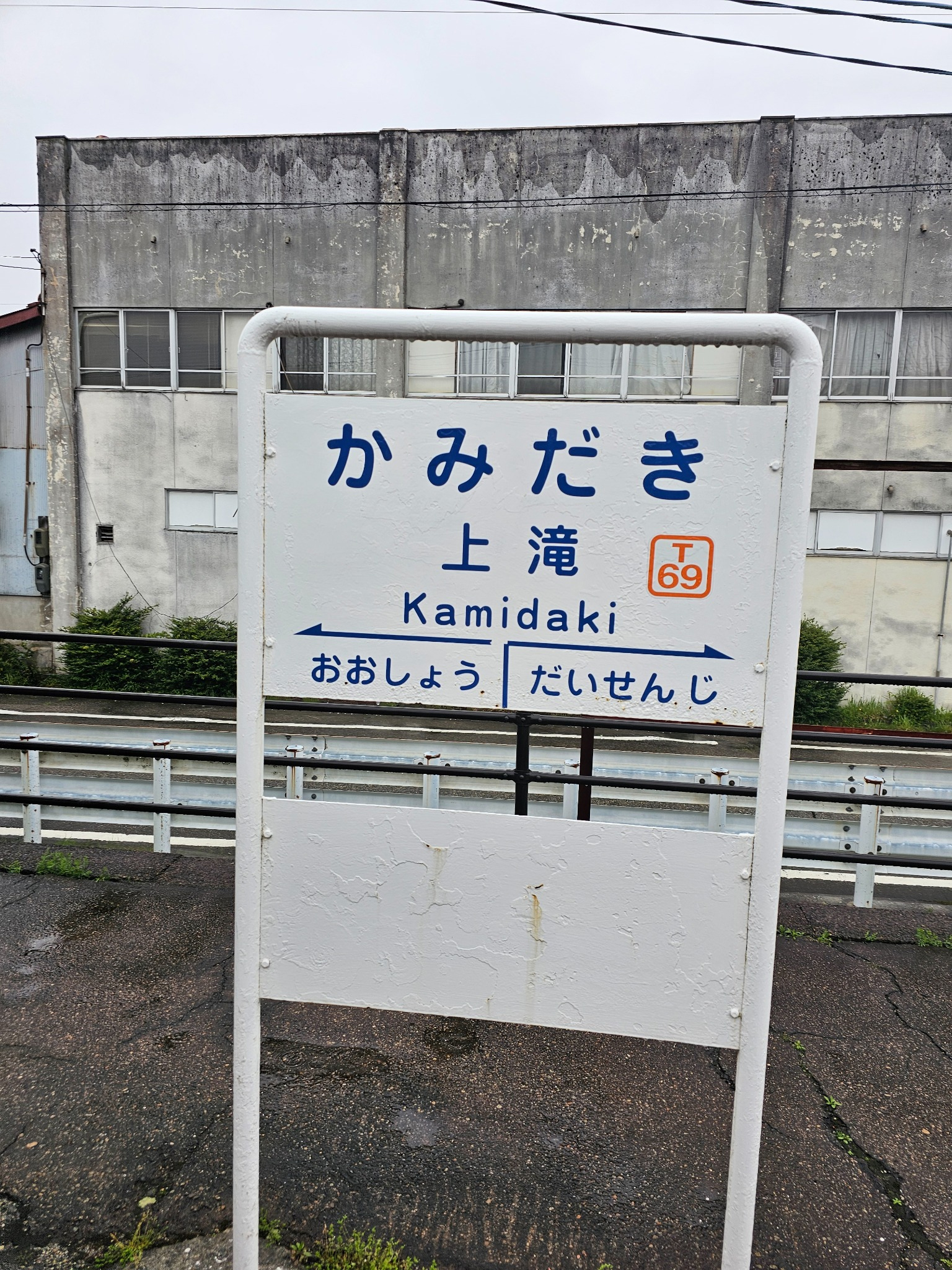
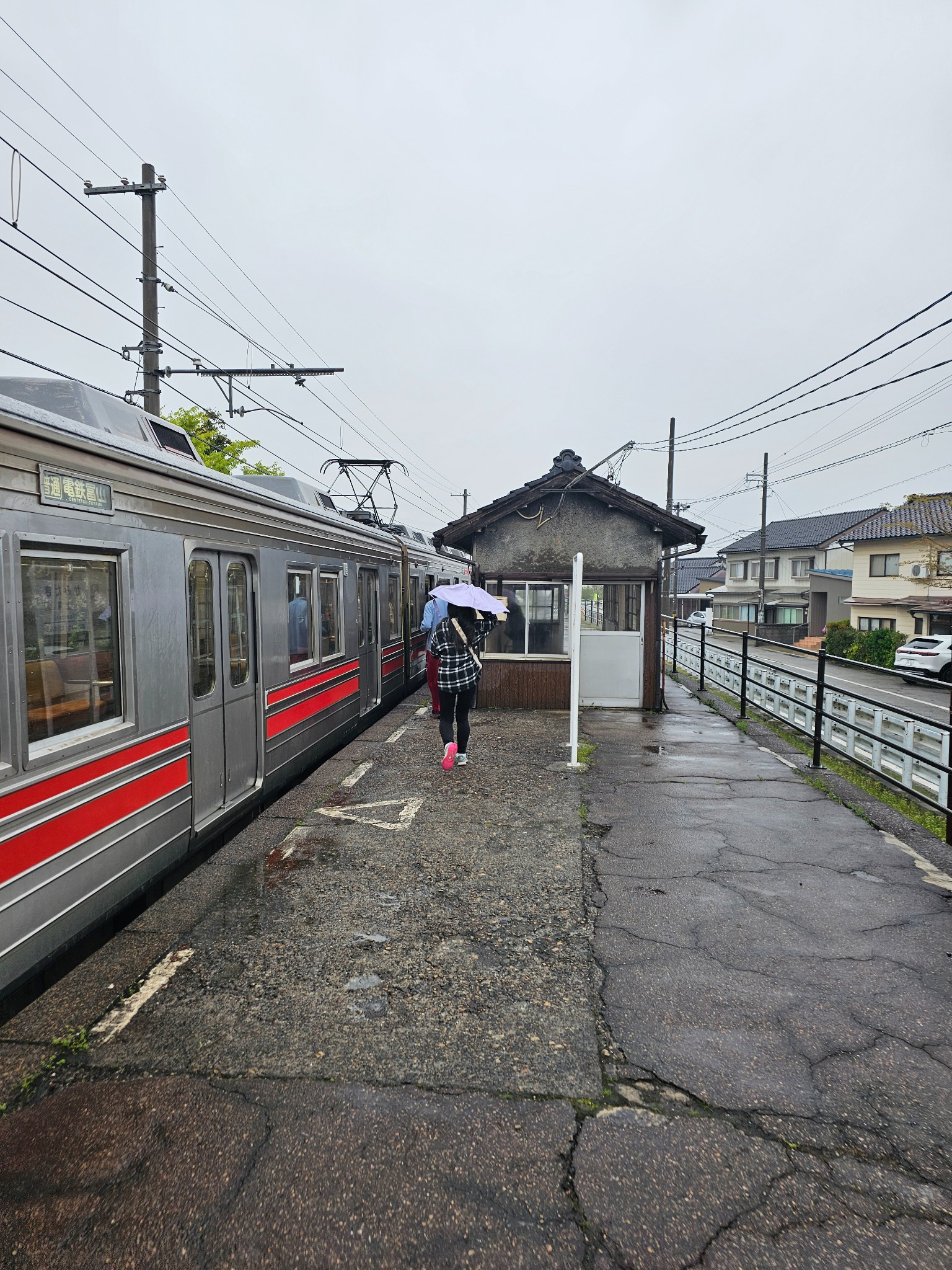
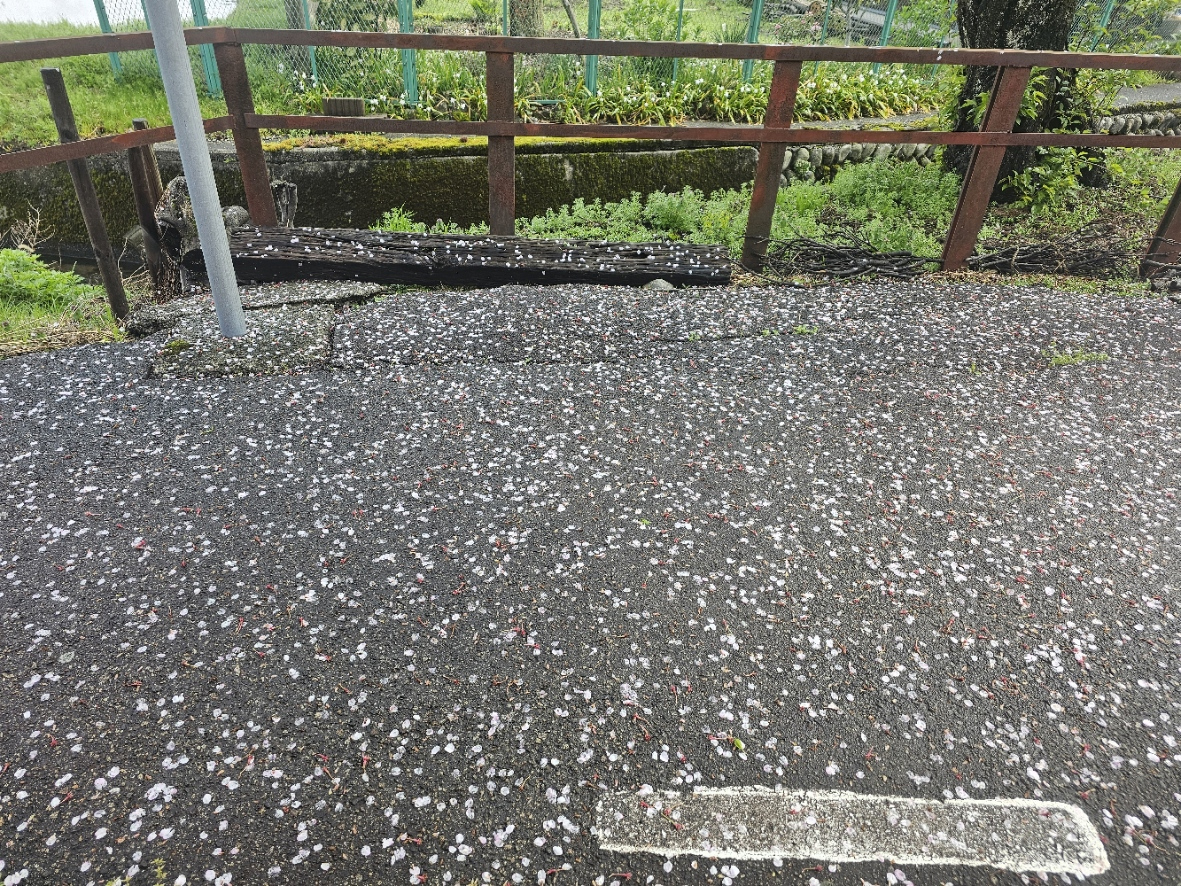
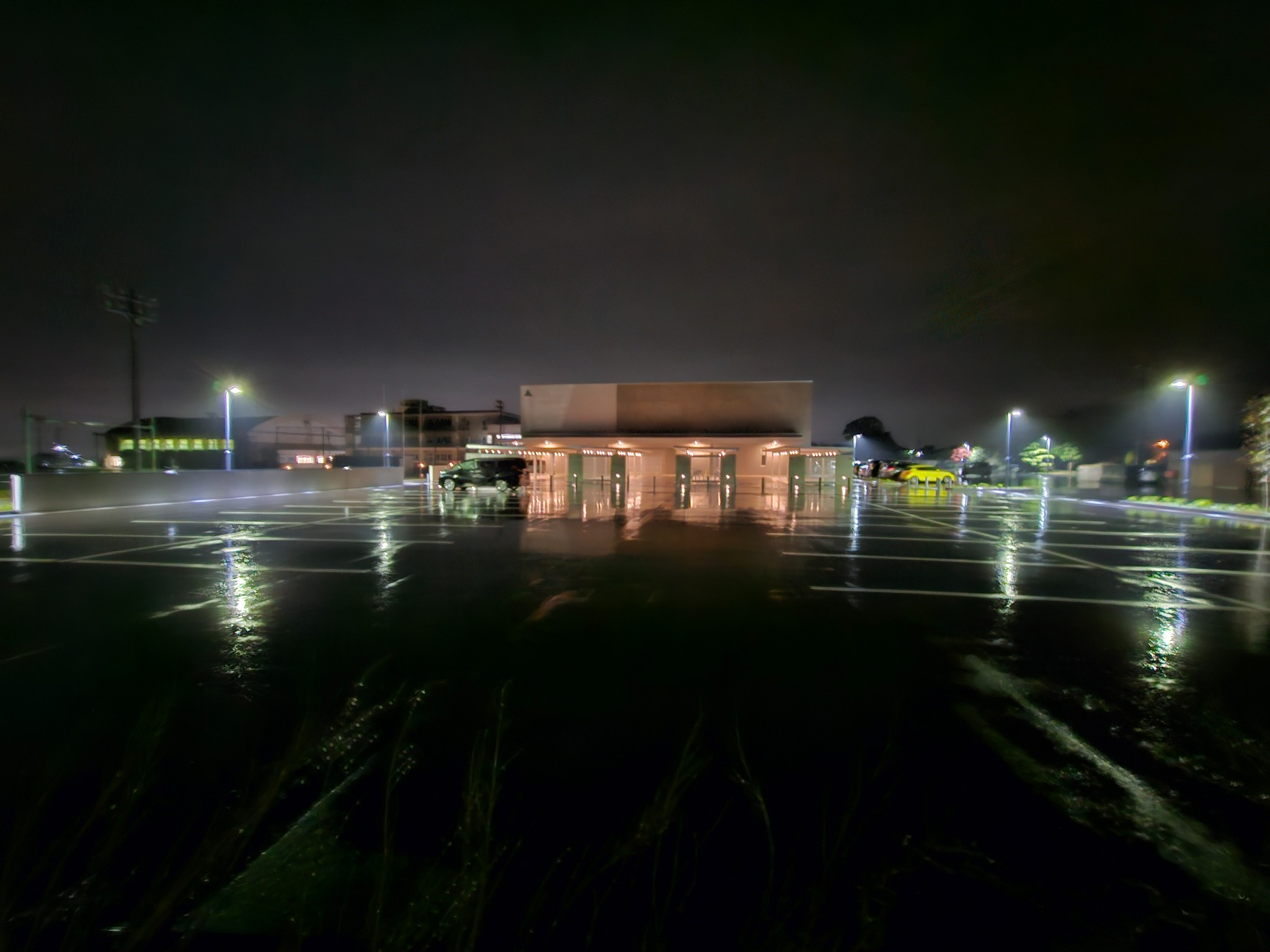
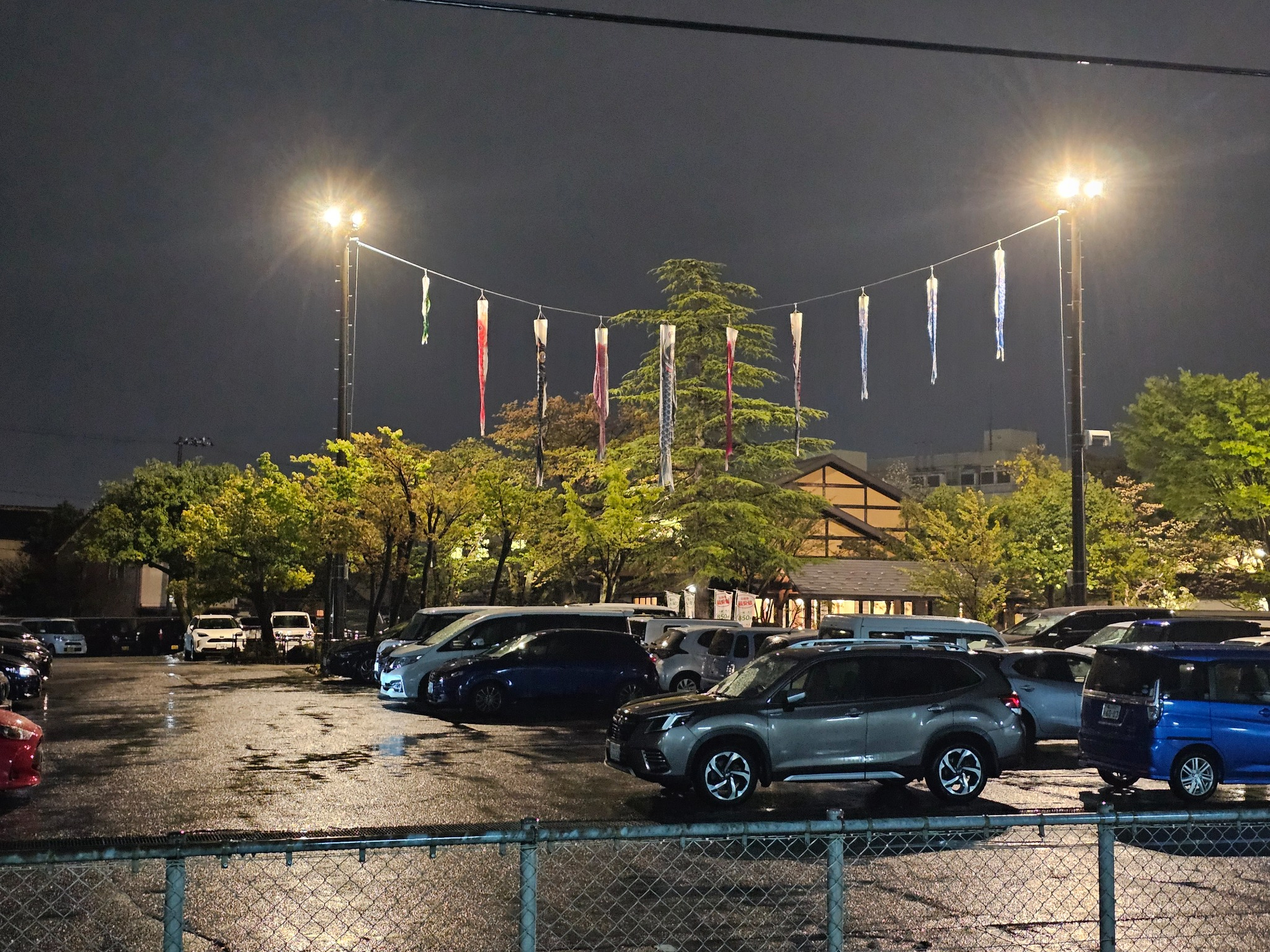
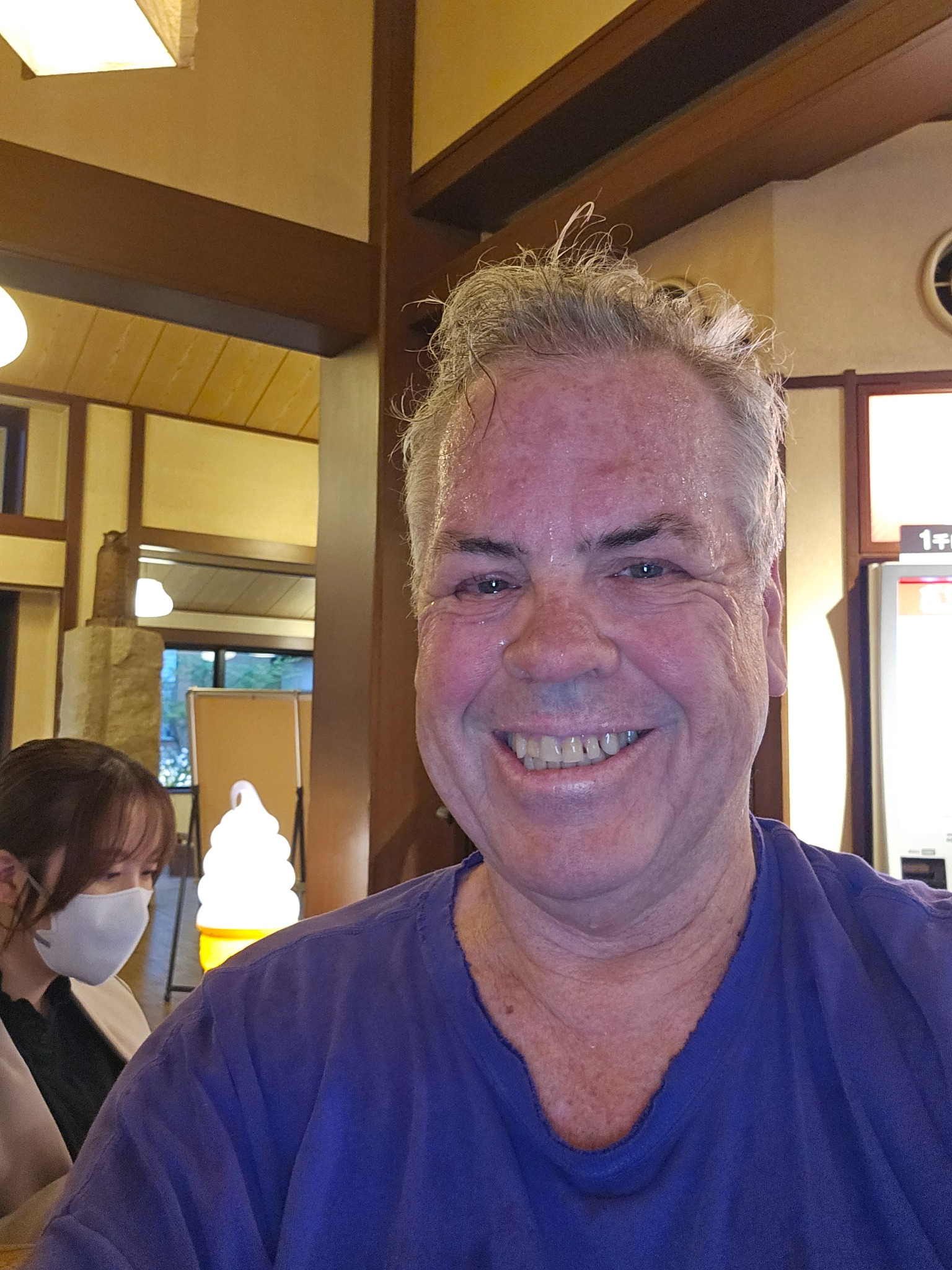
Toyama also lives through movement and restoration: station signs, rainy platforms, wet roads, parking lots, carp streamers, bathhouse reprieve, and the face afterward. These images belong here because a city is not only its scenic surfaces. It is also the repetition by which one waits, rides, washes, drives, and continues.
If the canal gives reflected beauty, the station and bath give lived duration.
Toyama in Family Scale
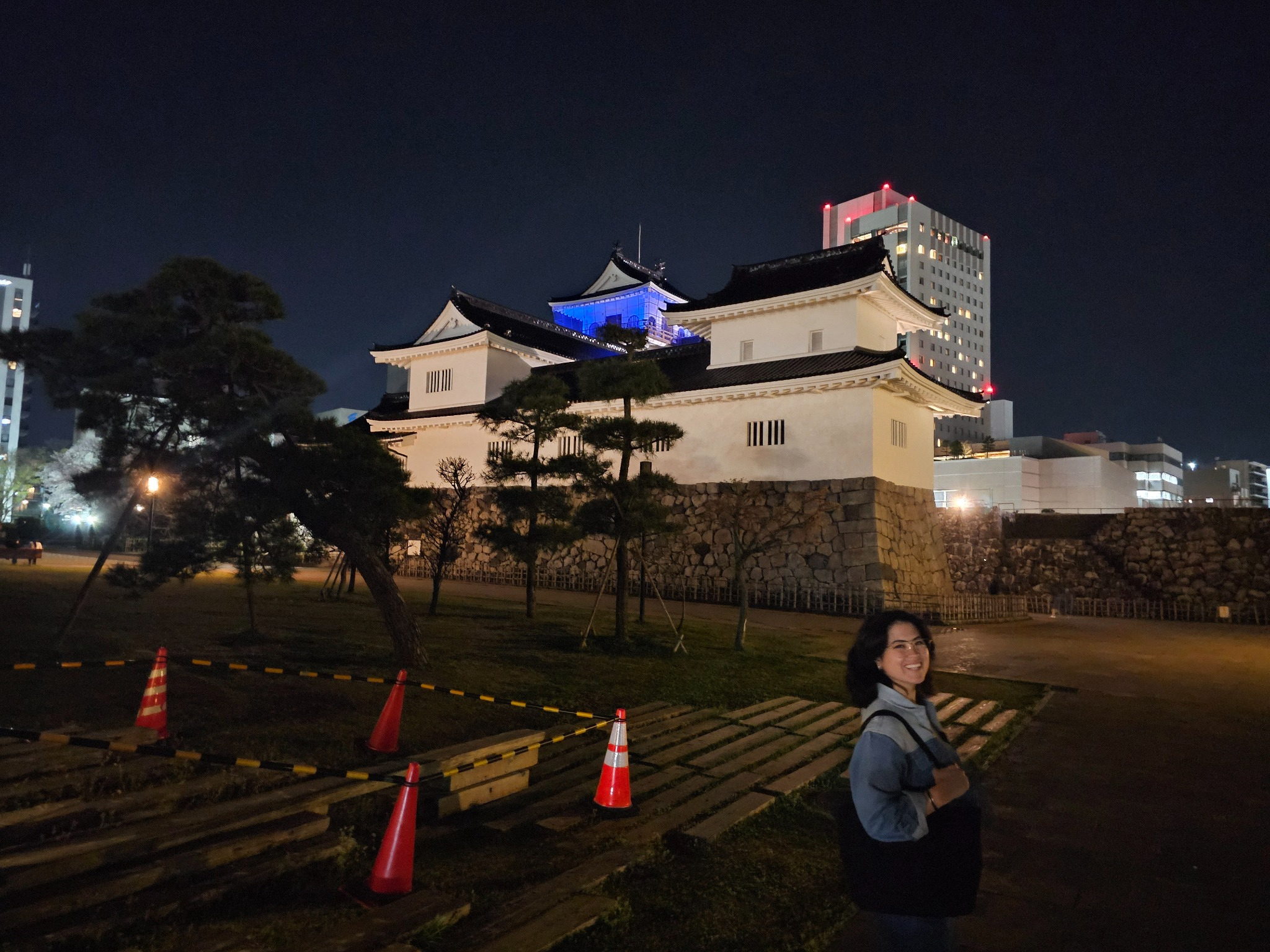
A city archive fails if it forgets the people moving through it. Toyama becomes truer once a family appears at breakfast, at dinner, at canal edge, in restaurant glow, in room light, under evening sky. Public beauty is one thing. Lived entry into that beauty is another.
These images return the city from atmosphere to relation.
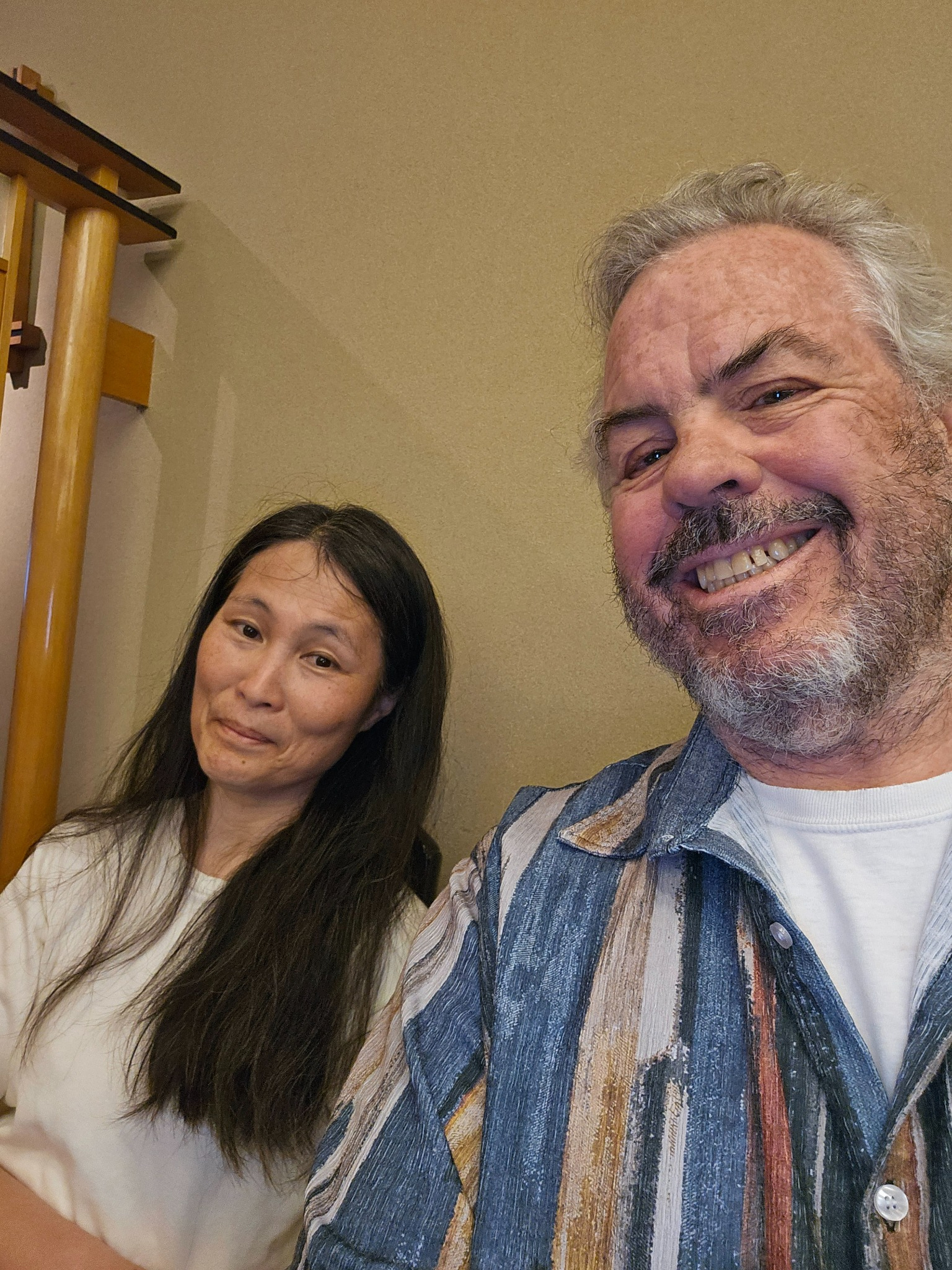
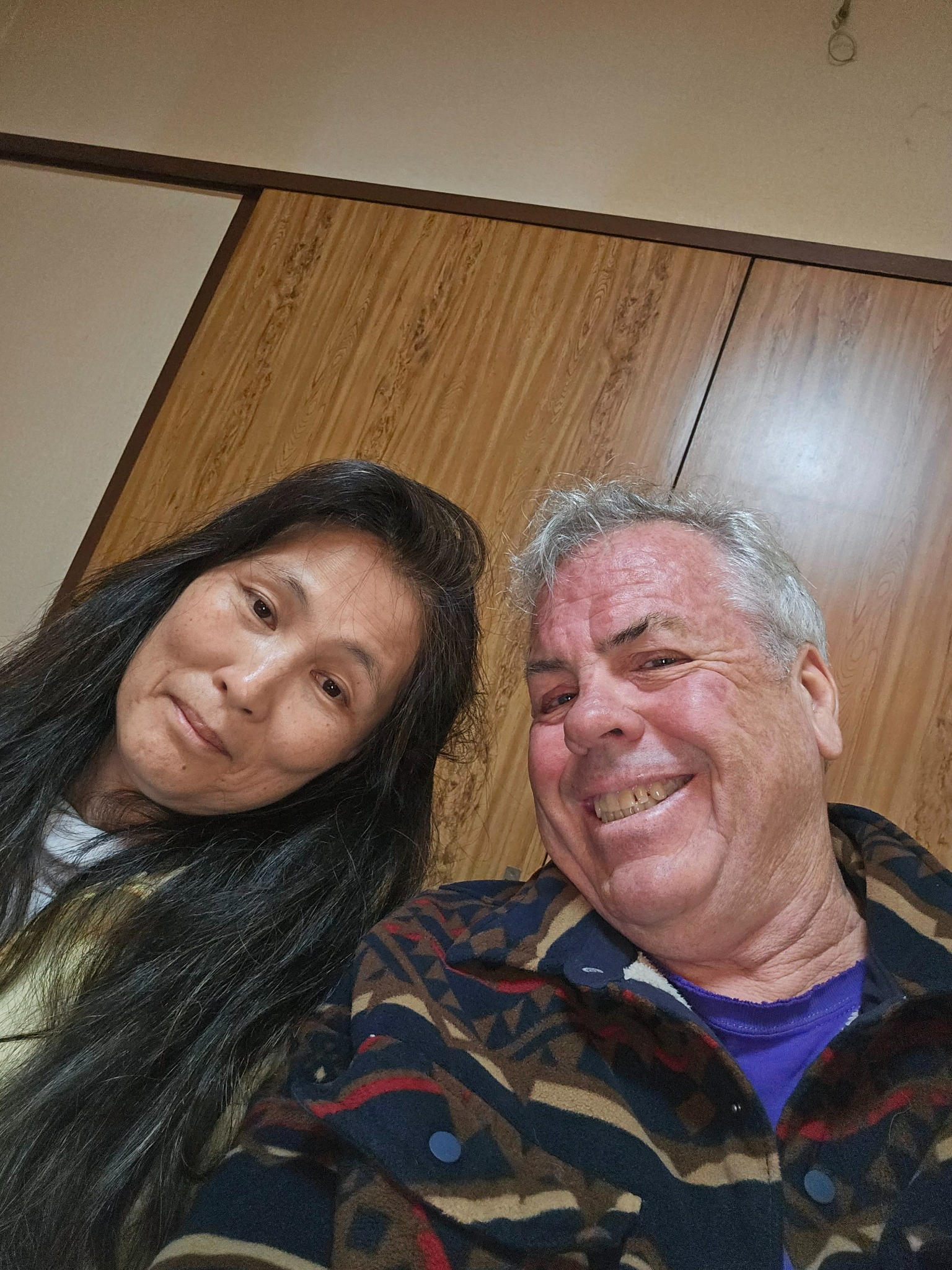
Water reflected. Food smoked. Signs glowed. Roads carried. Baths restored. The city went on.
Toyama does not stand outside the family story as scenery.
It enters the body as atmosphere, appetite, weather, and return.