Kyoto: City and Rooms
Kyoto enters the archive not as overflow, but as another system of rooms. Gates, terraces, canals, lanes, shrine basins, cemetery hillsides, hotel thresholds, and gold-lit pavilions all ask the body to change measure as it passes through them. If Hanasaki taught the eye to read inheritance in one family house, Kyoto widens that discipline into a city where entry itself has been cultivated for centuries.
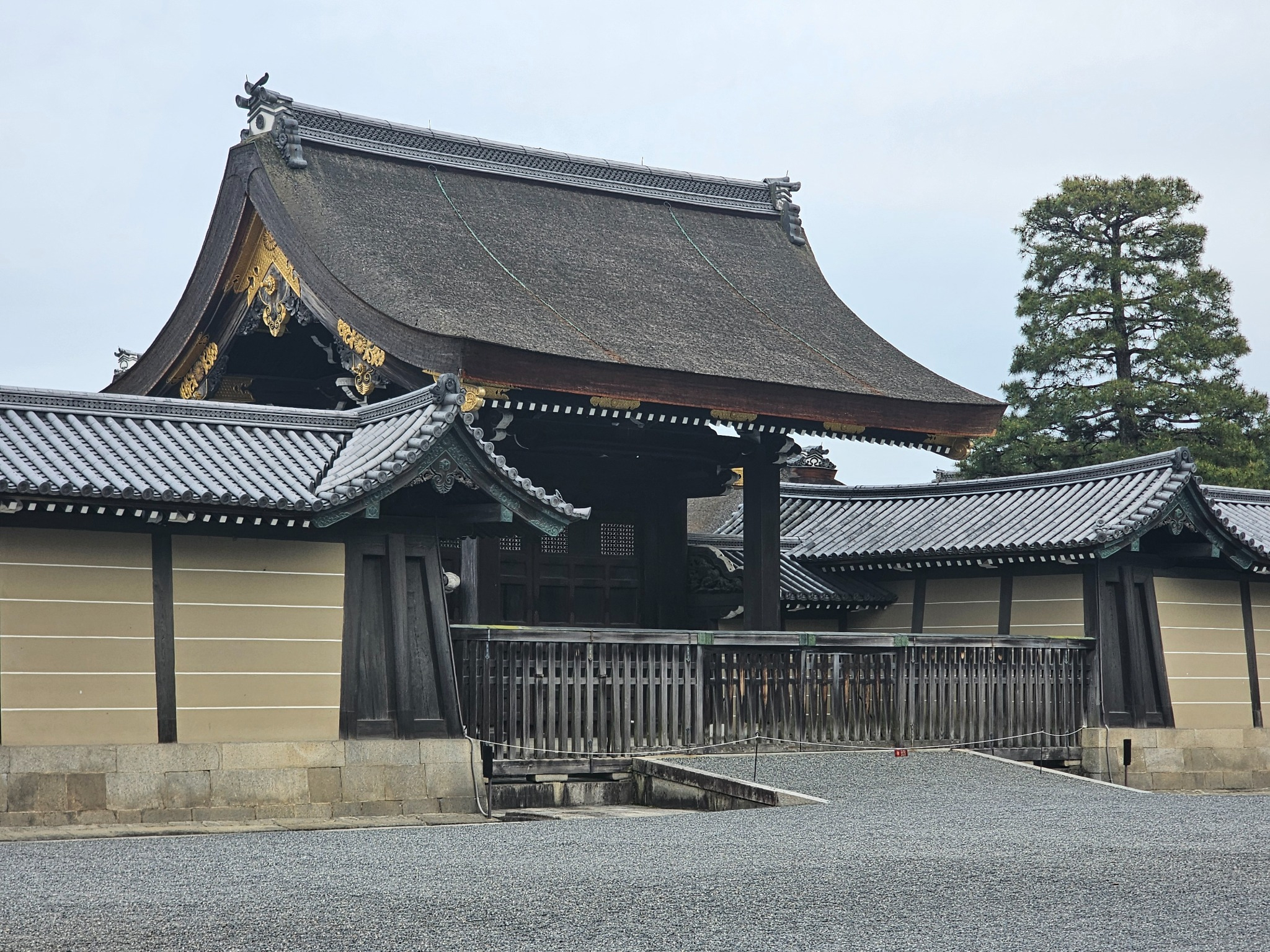
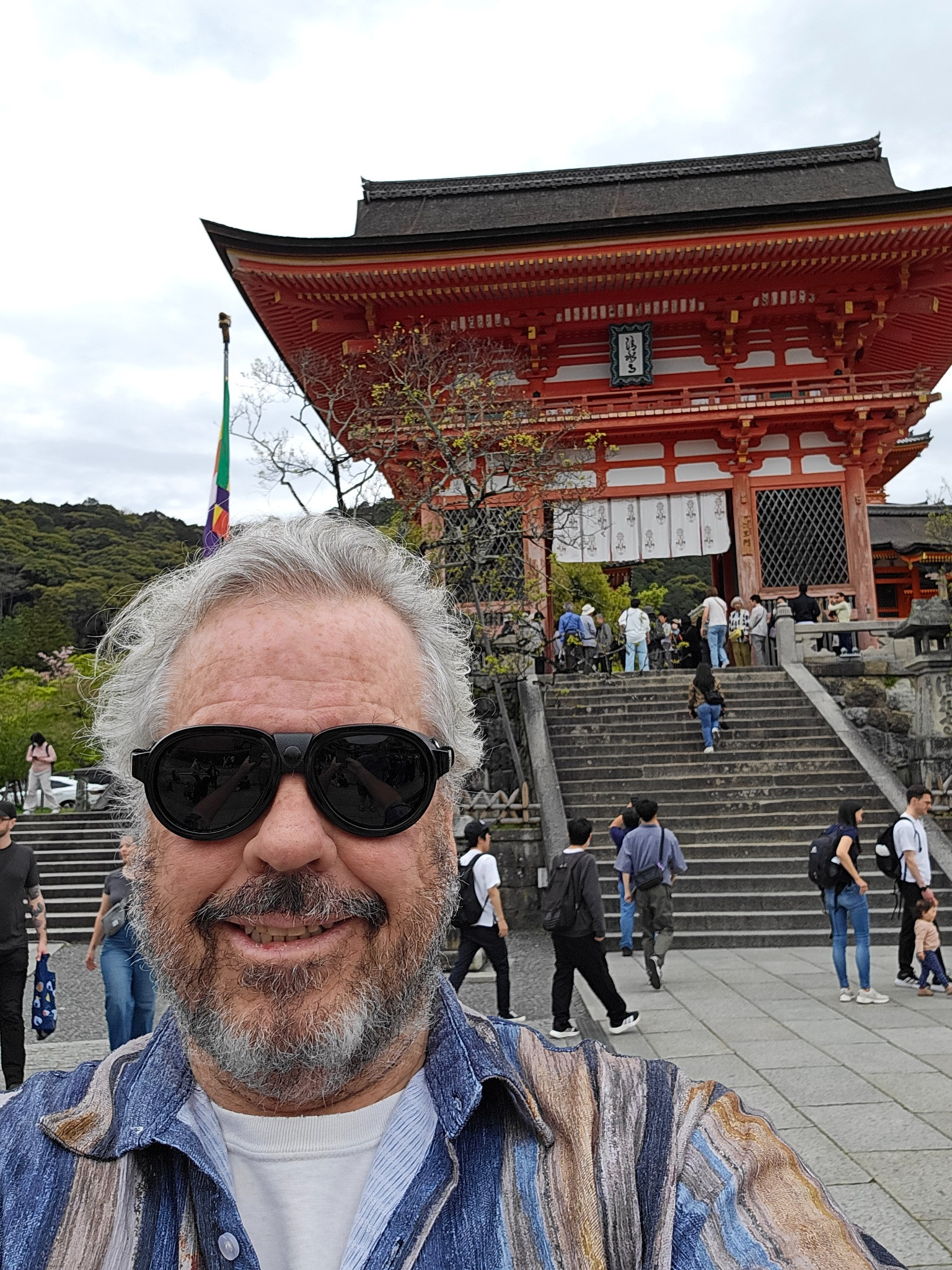
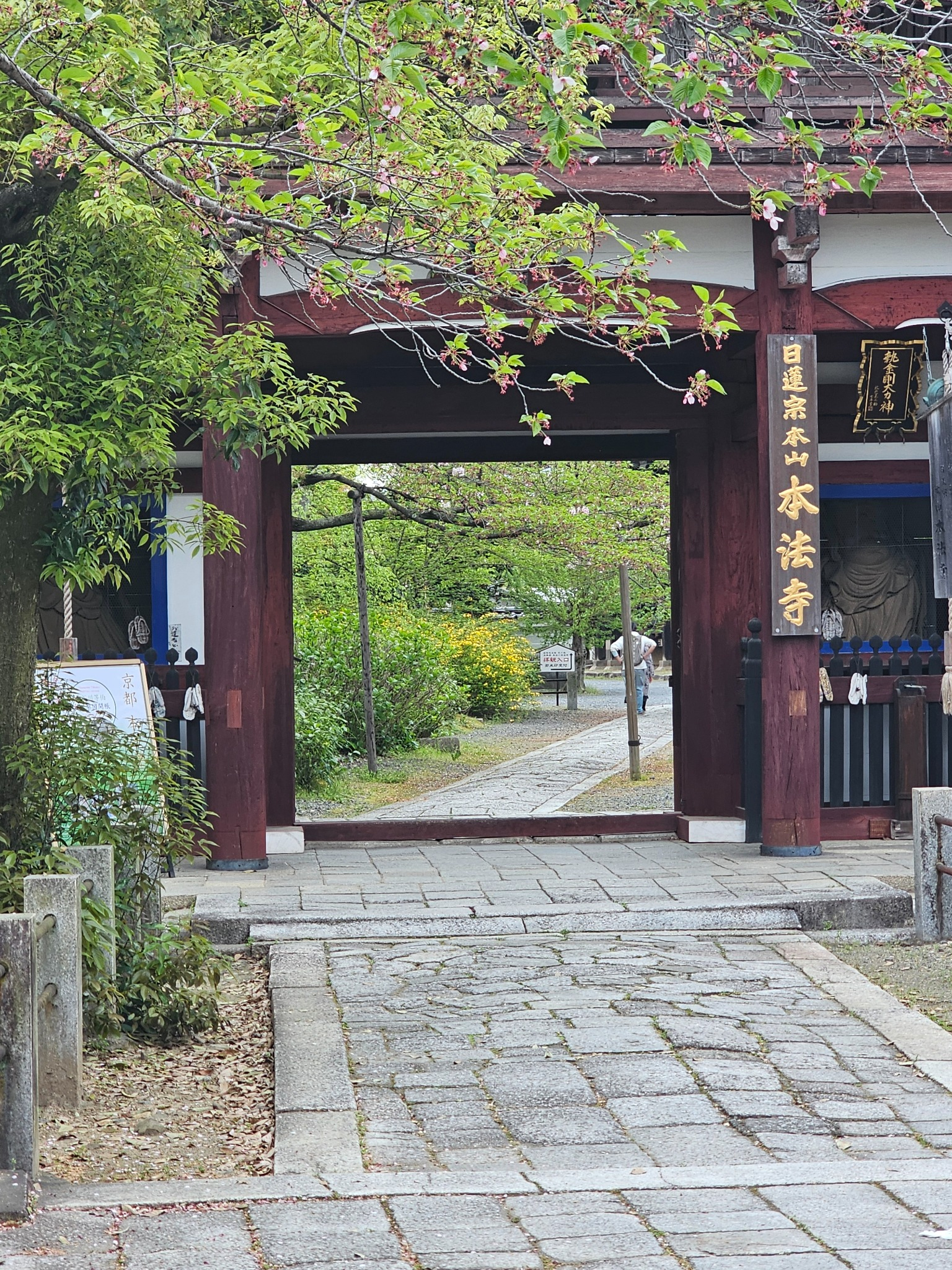
A city can behave like a house if it knows how to arrange thresholds. Kyoto does. One passes beneath a gate, along a wall, beside water, into a lane, toward a shrine, past a terrace of graves, through an old neighborhood, into a hotel, into a room, and finds that the city has already taught the body several different ways of entering before any explanation begins.
This gallery follows that urban choreography. It does not try to contain all Kyoto. It gathers the rooms that mattered most to this story: gates, cemetery terraces, Kinkakuji, canals, neighborhood passages, shrine precincts, hotel order, and the quieter architectural gestures by which Kyoto turns movement into attention. The image filenames used here come from your uploaded archive list. :contentReference[oaicite:0]{index=0}
Kyoto does not merely display beauty.
It arranges entry into it.
Gates and First Entry
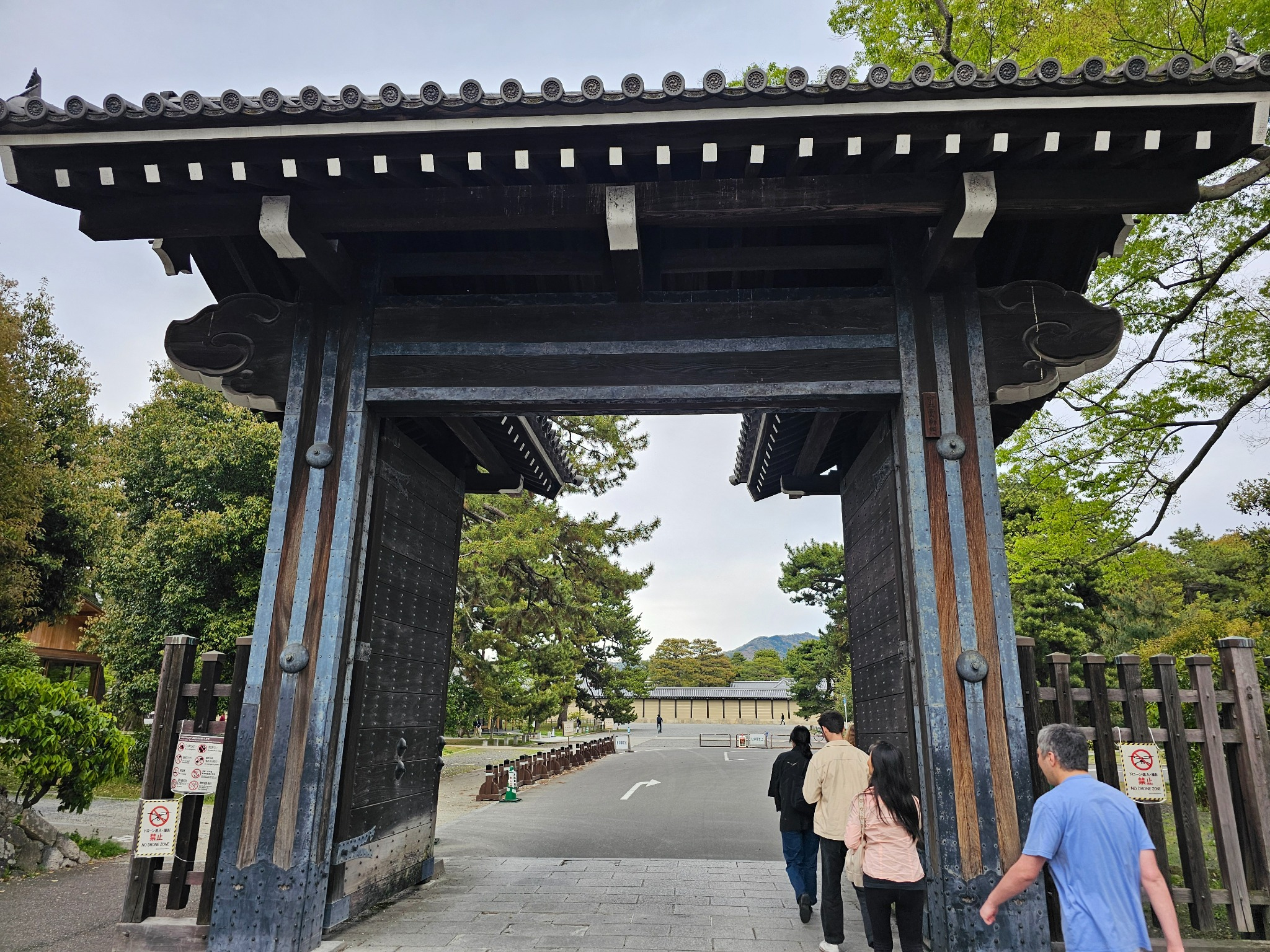
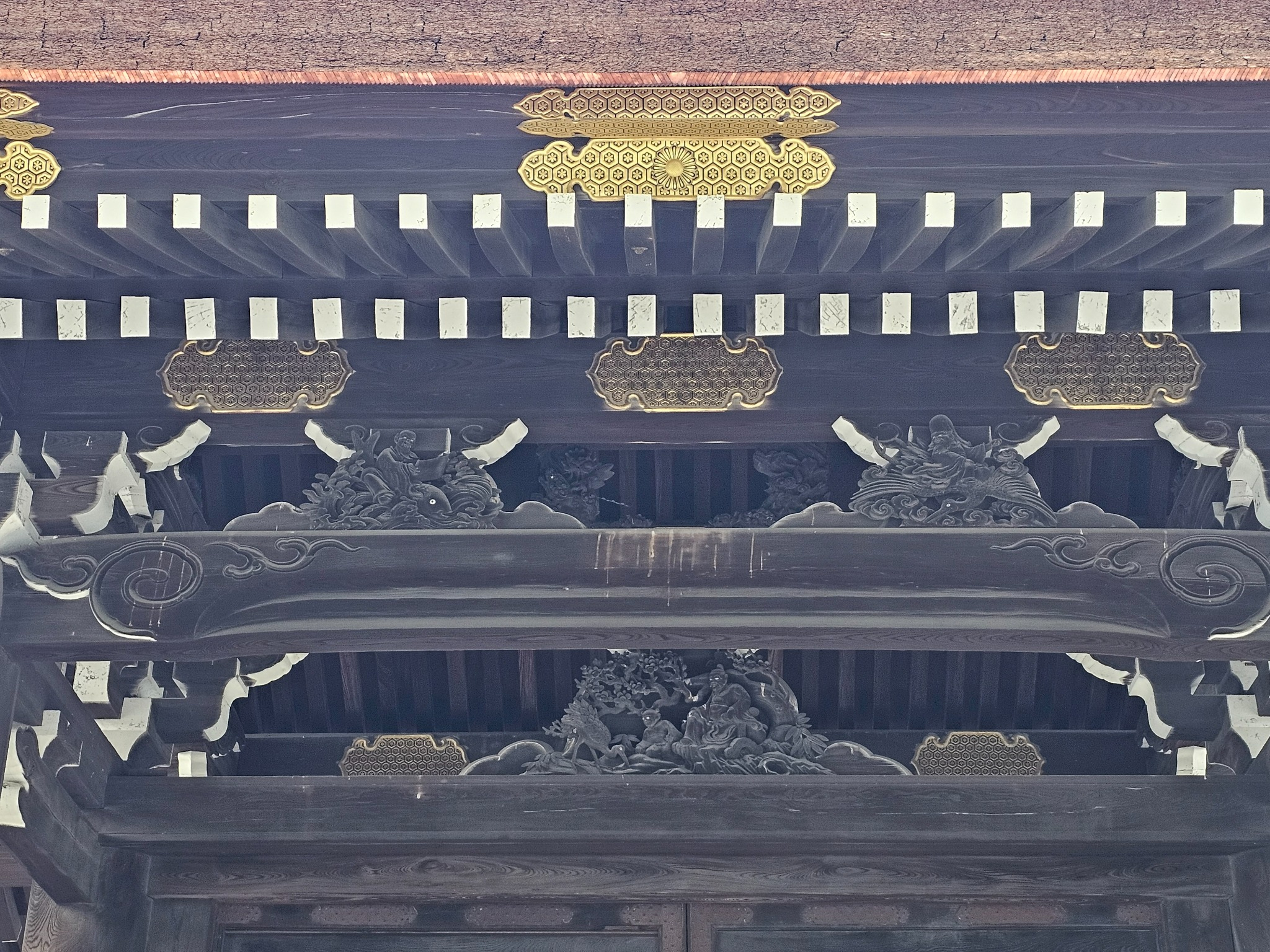
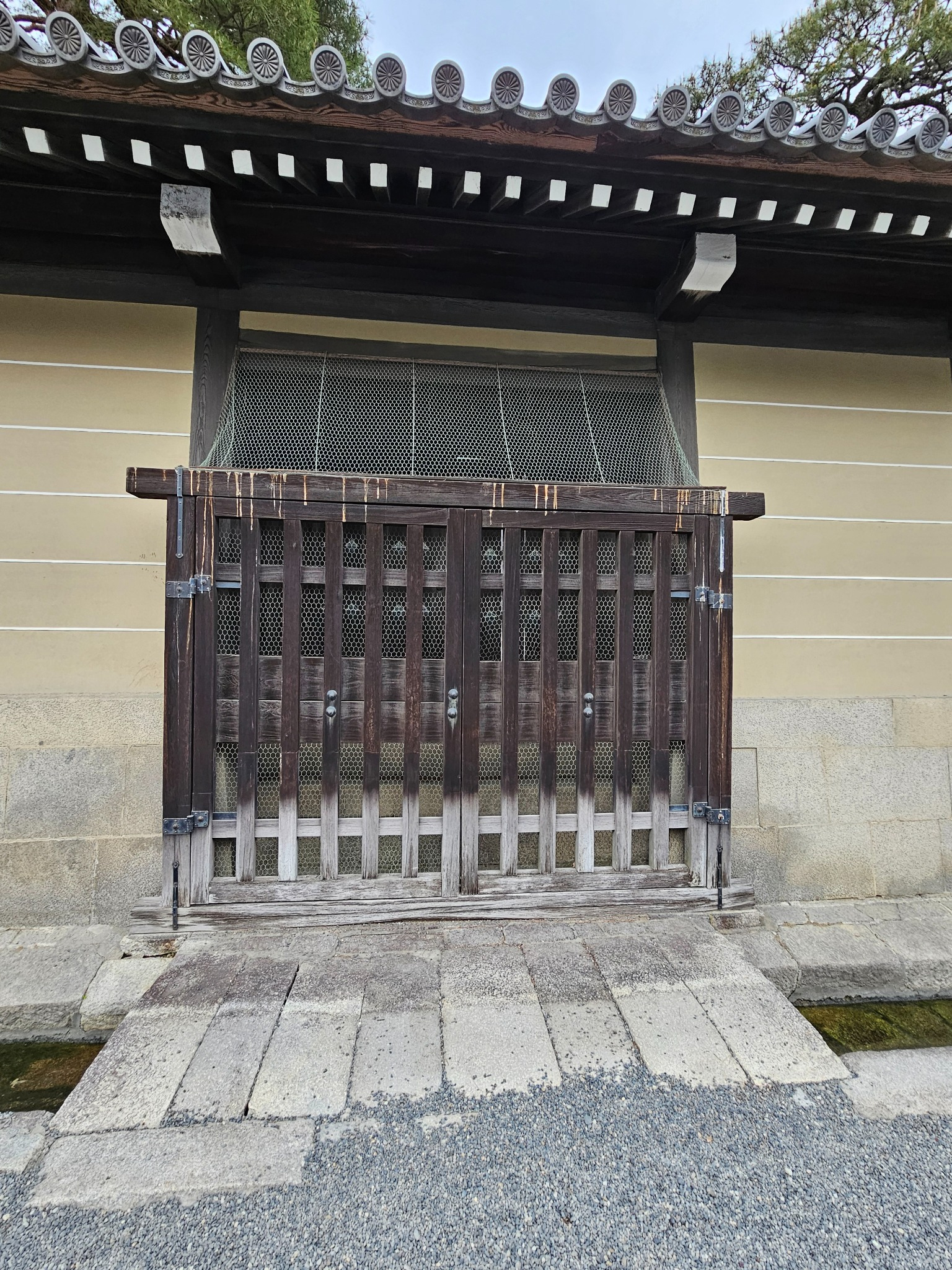
Terraces of Remembrance
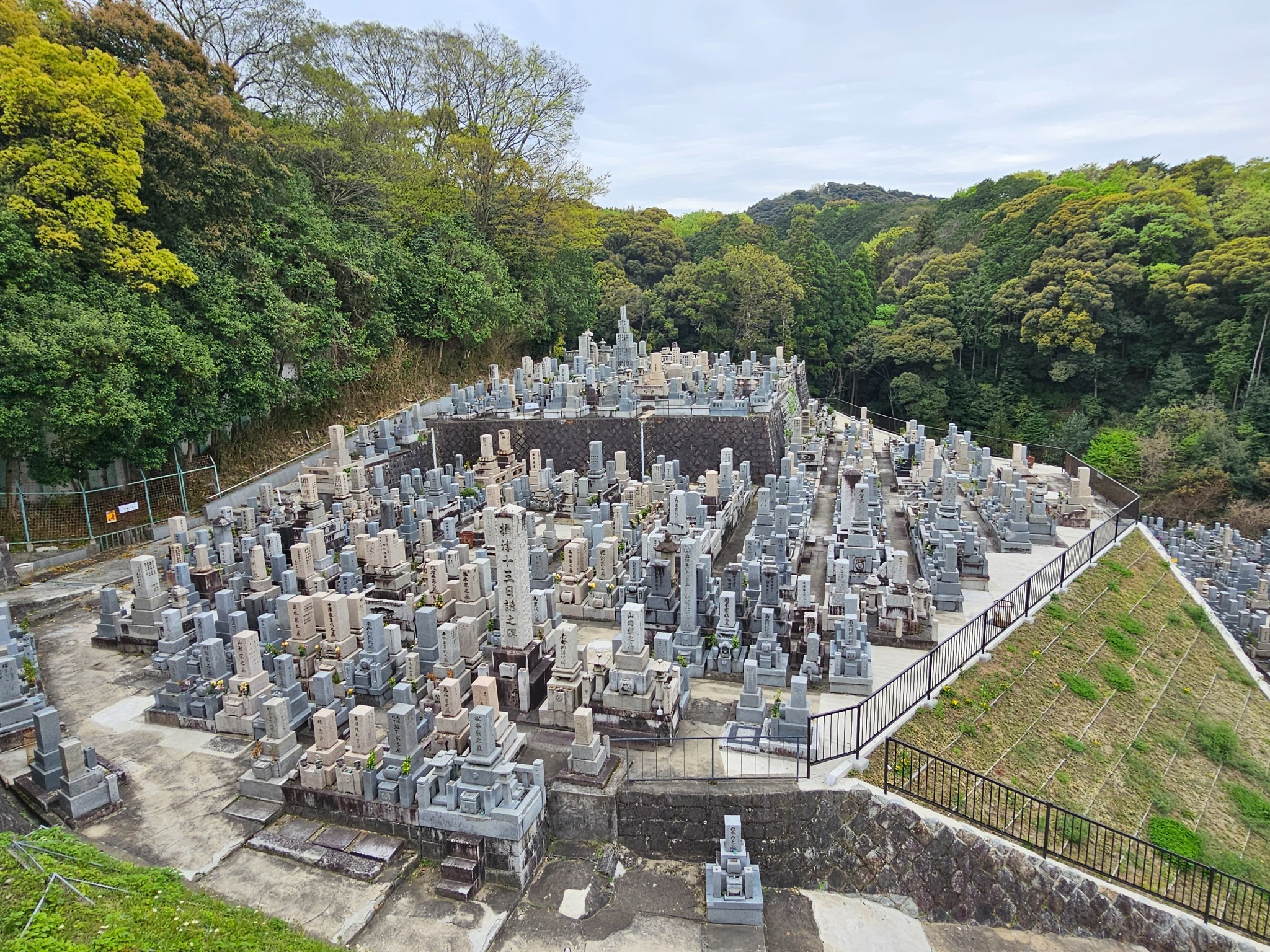
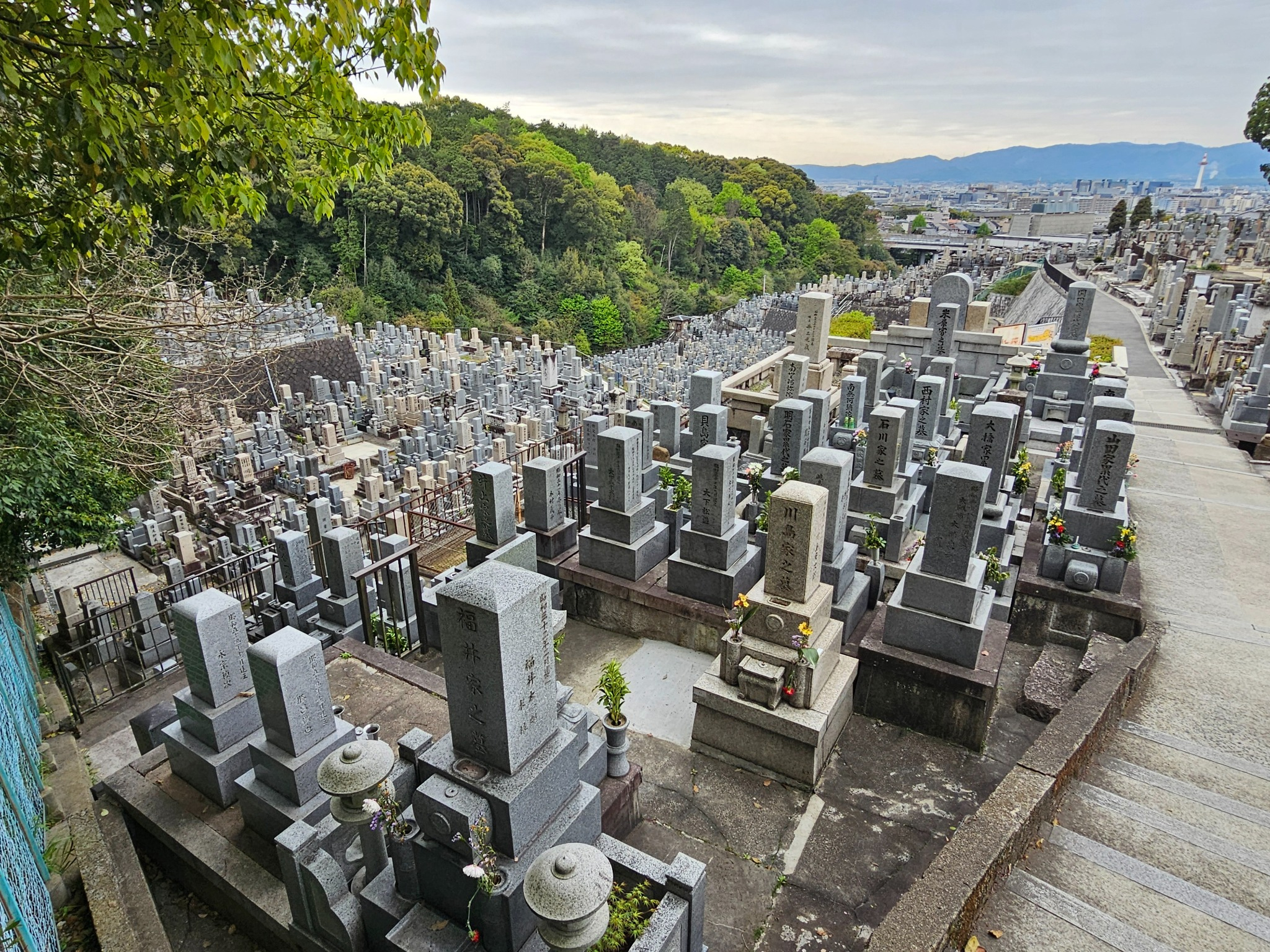
The cemetery terraces belong here because they widen the city upward into memory. Stone, steps, elevation, names, and the city below make grief architectural. The dead are not hidden entirely from urban life, nor dissolved into it. They are placed above it and asked to remain in relation.
These views matter because Kyoto does not treat remembrance as private feeling alone. It gives it form, slope, repetition, and air.
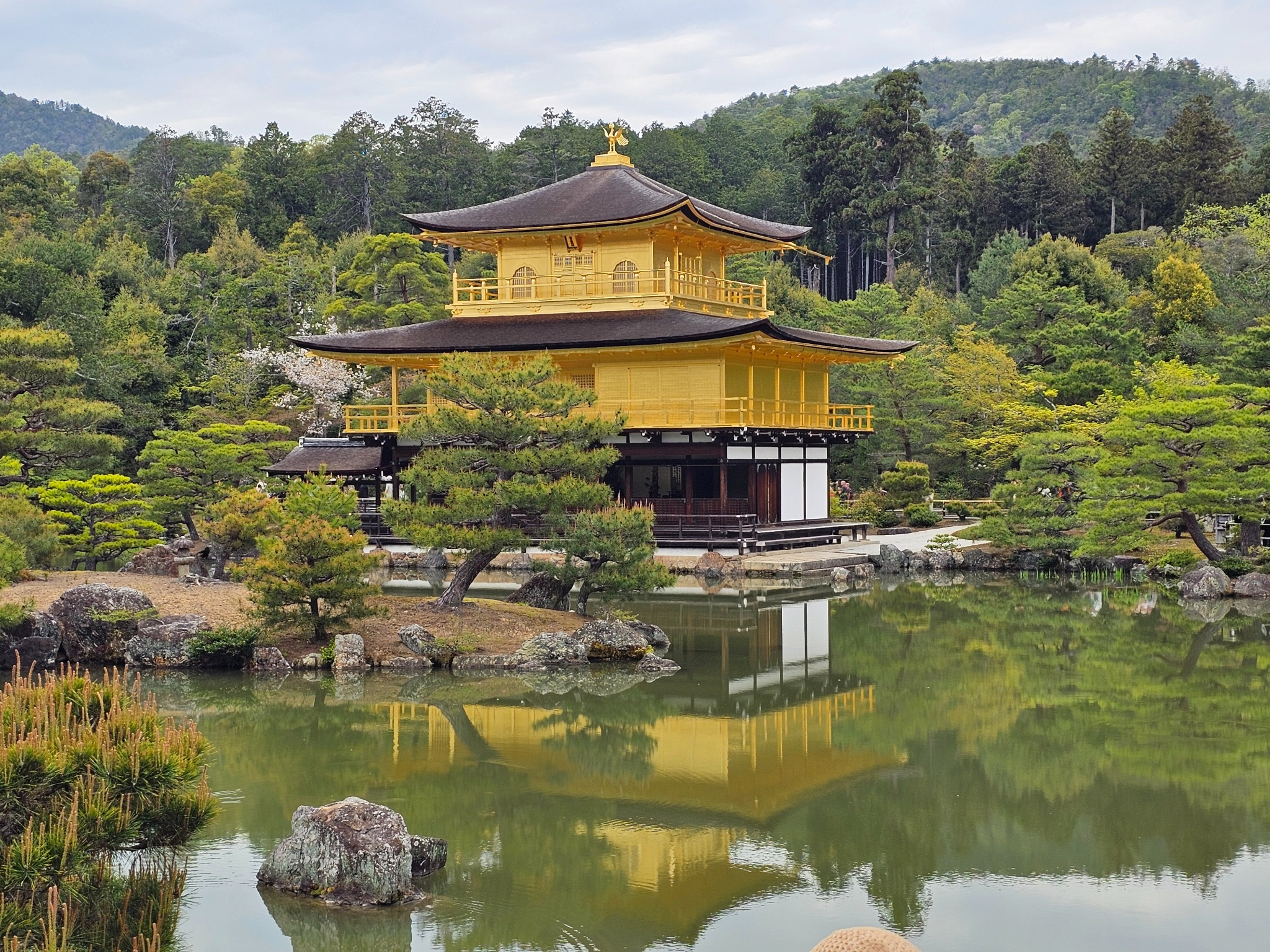
Kinkakuji and the Public Room of Gold
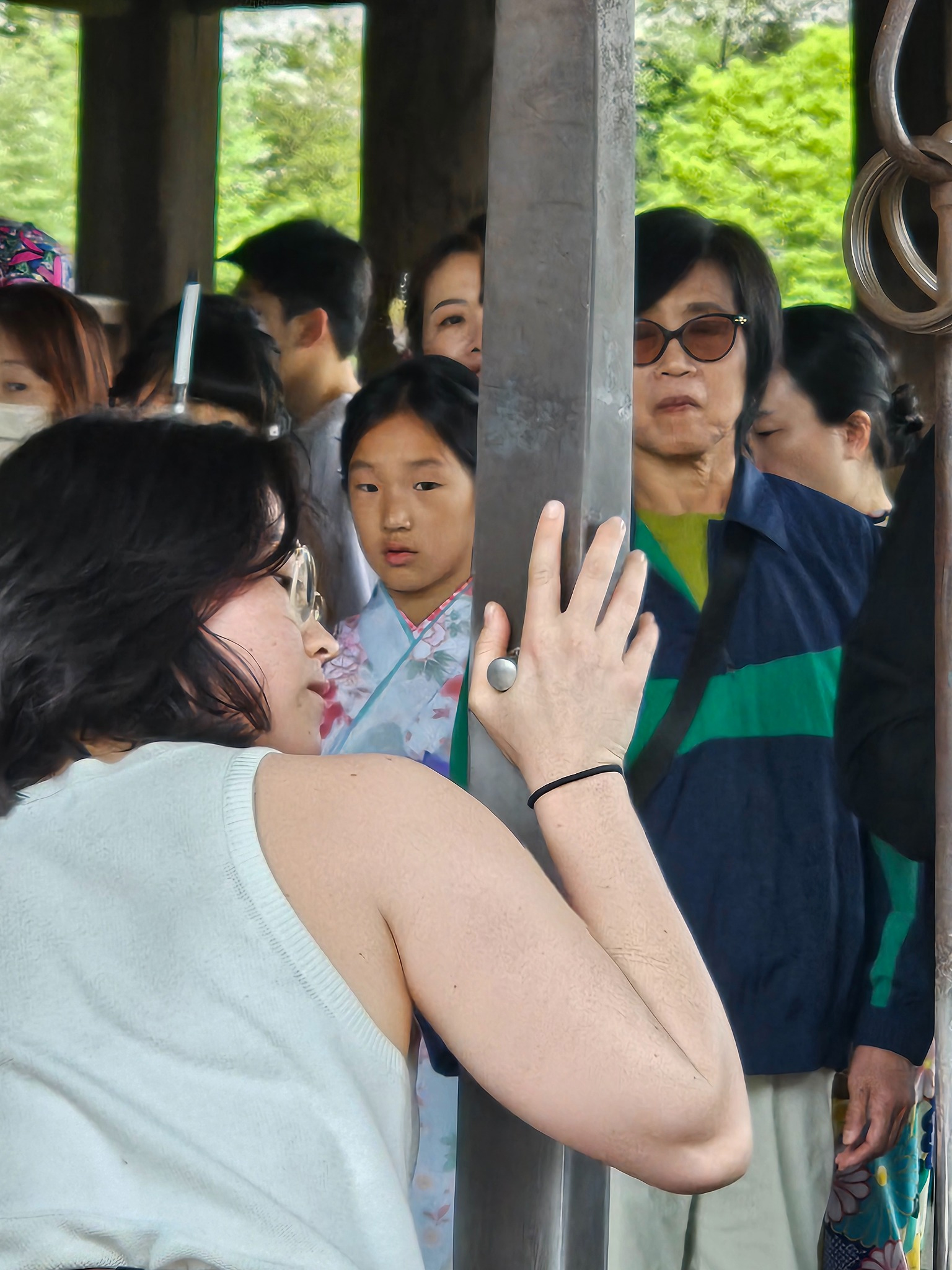
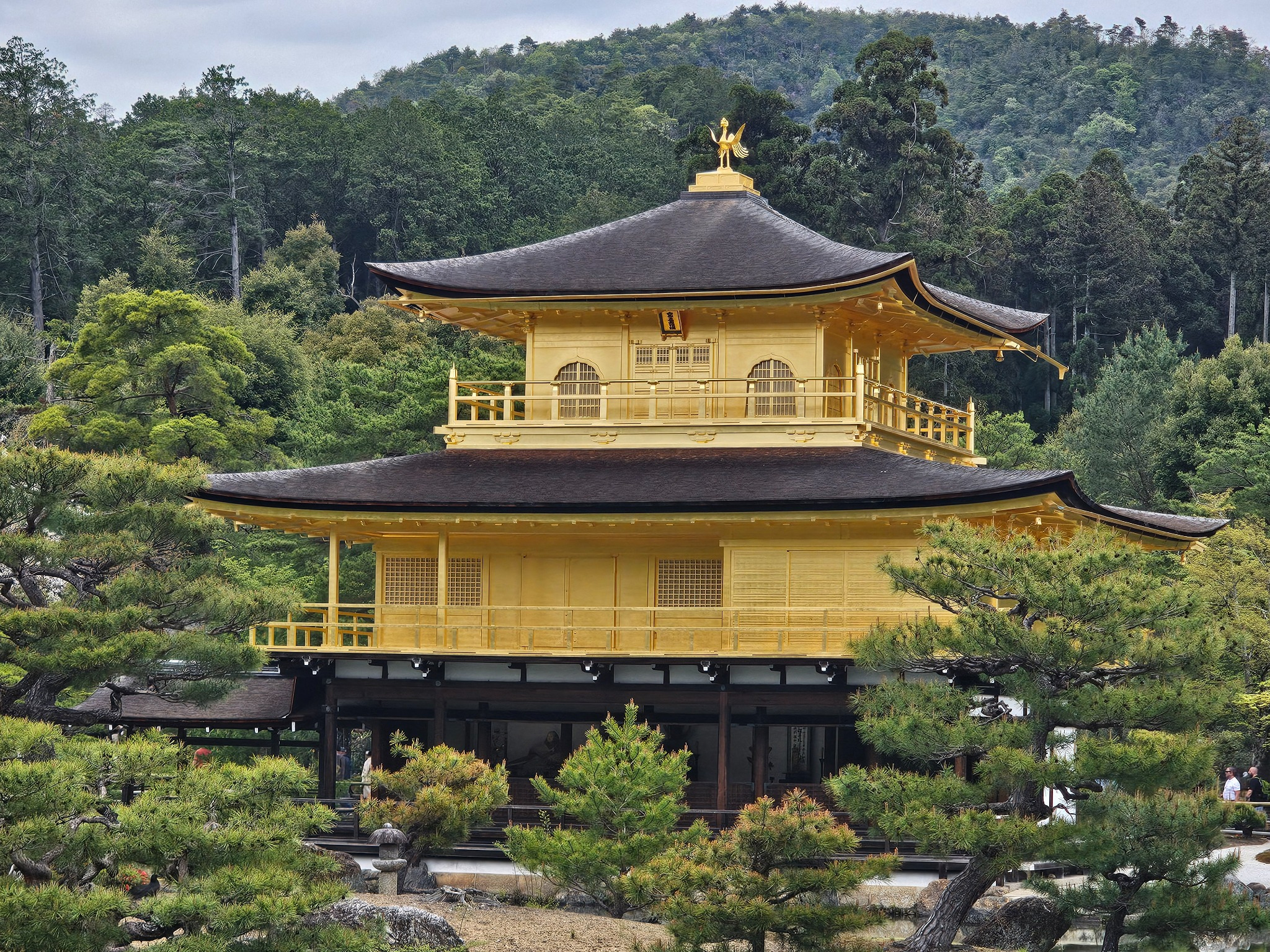
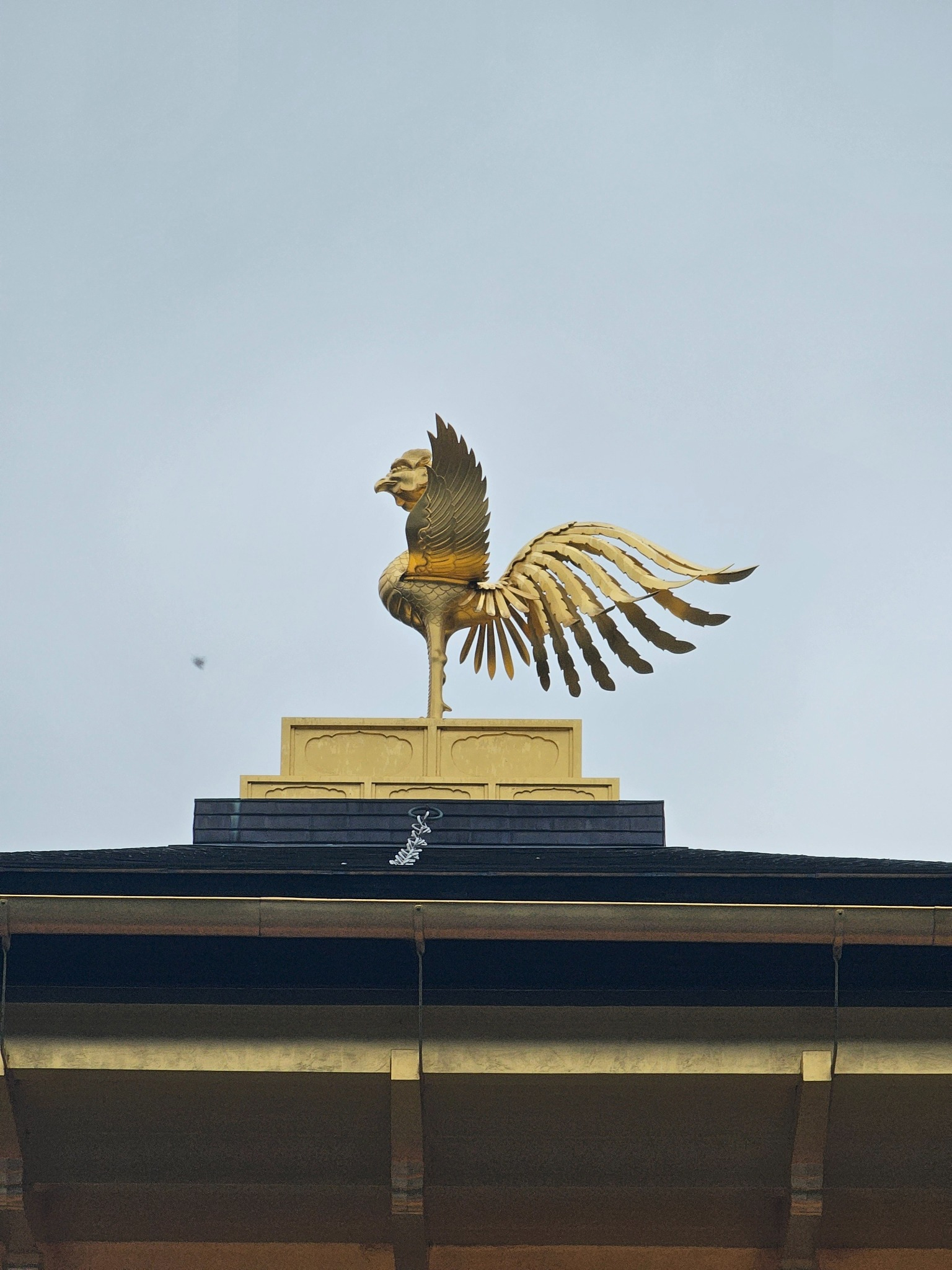
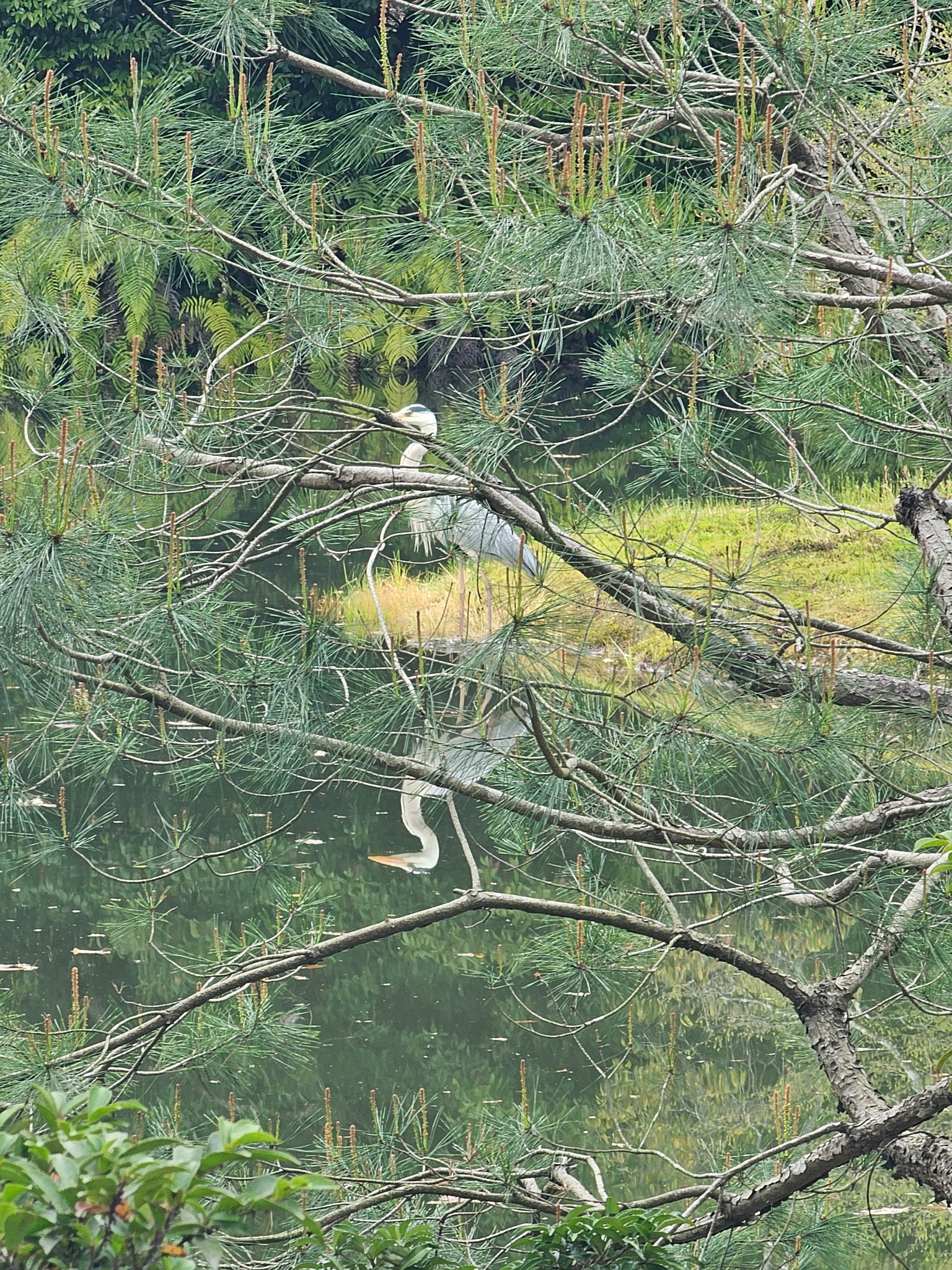
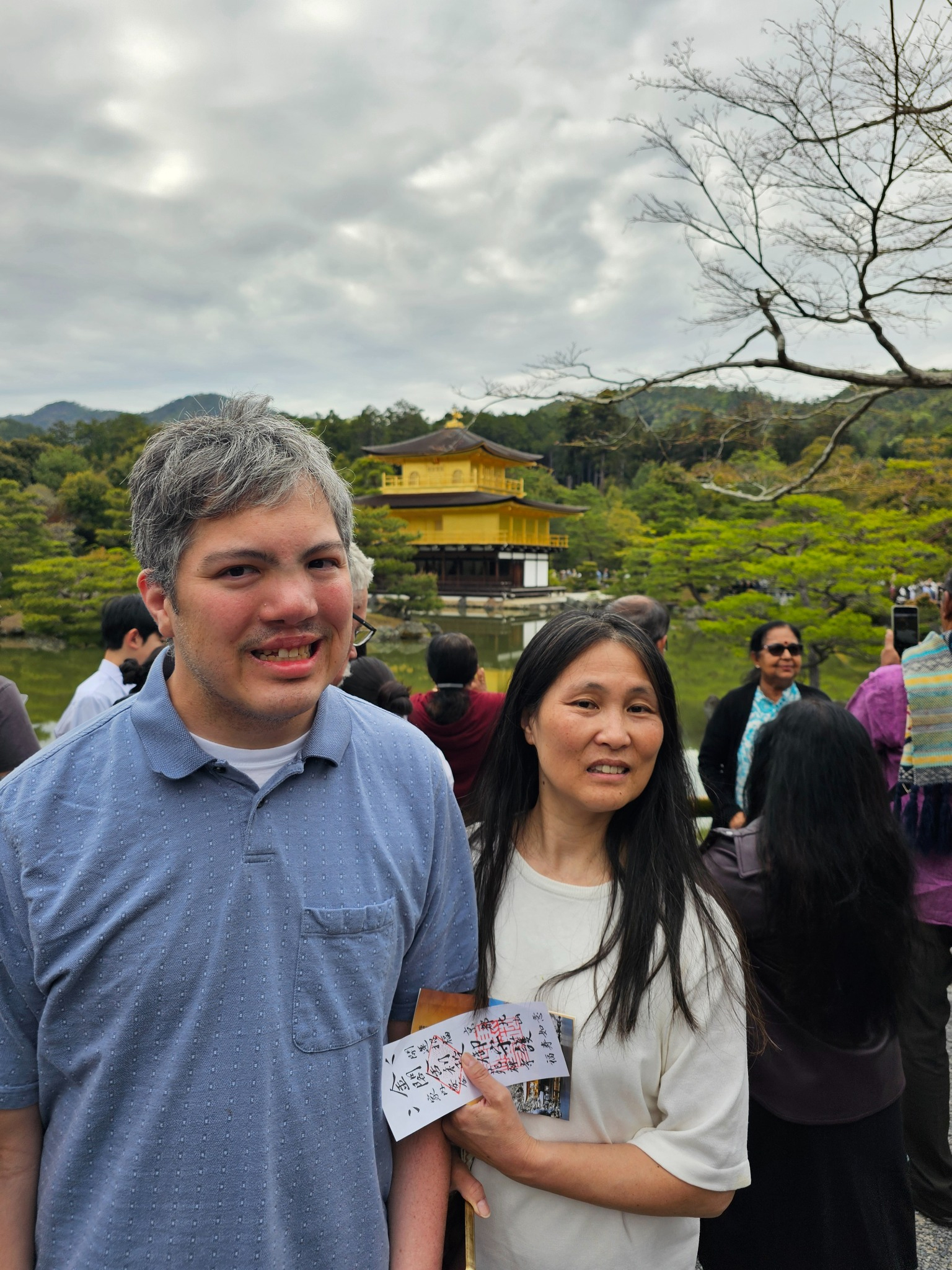
Kinkakuji is one of Kyoto’s clearest declarations that radiance can be held in order. Gold, water, pine, distance, and approach work together so that brightness does not become chaos. The pavilion seems immediate, but its force depends on framing. Water carries it, trees guard it, and the visitor is required to arrive at the right pace.
These images belong at the center of the gallery because they show Kyoto at its most composed: brilliance stabilized by care.
Lanes, Walls, and the Narrow Measure of the City
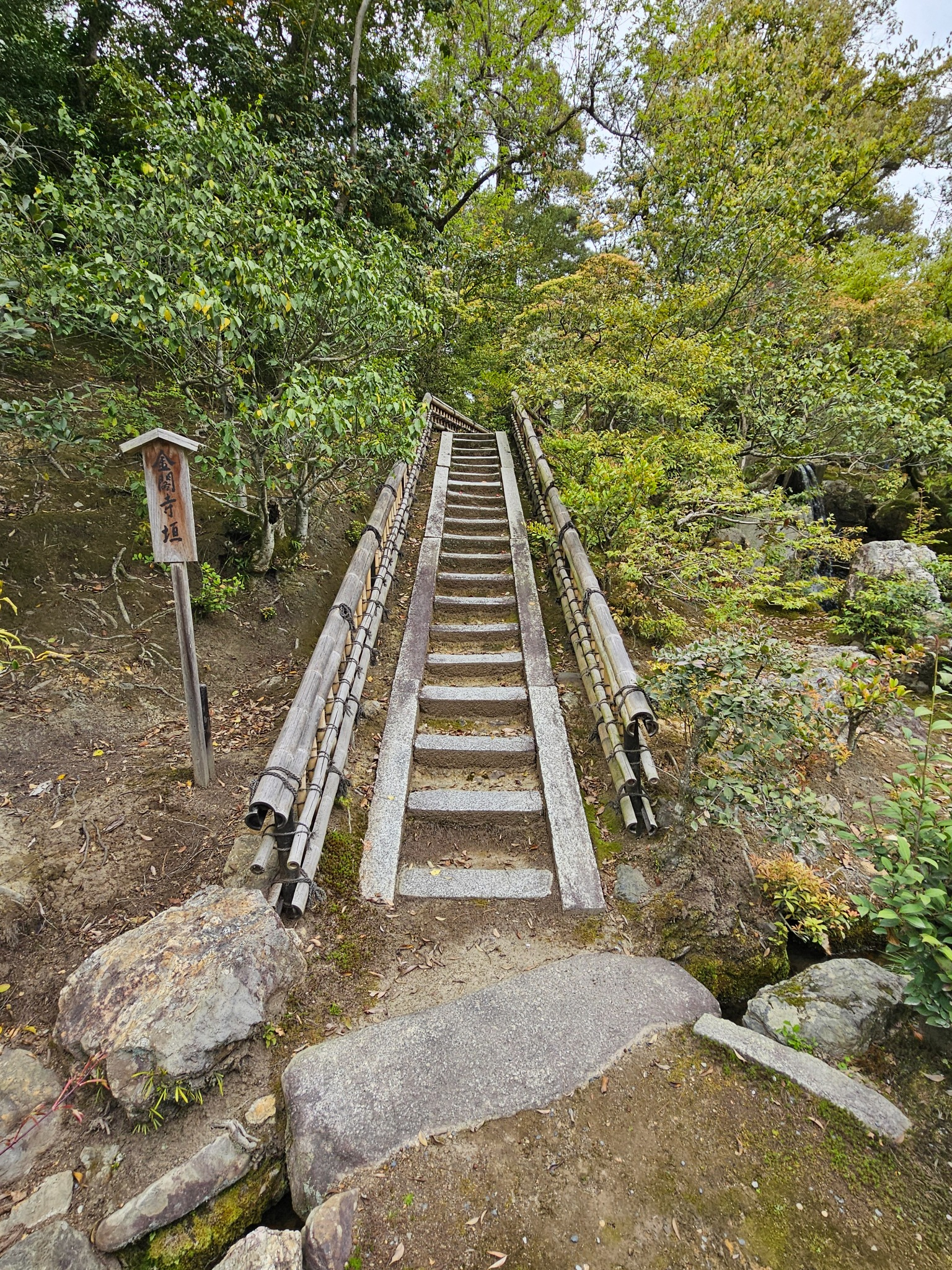
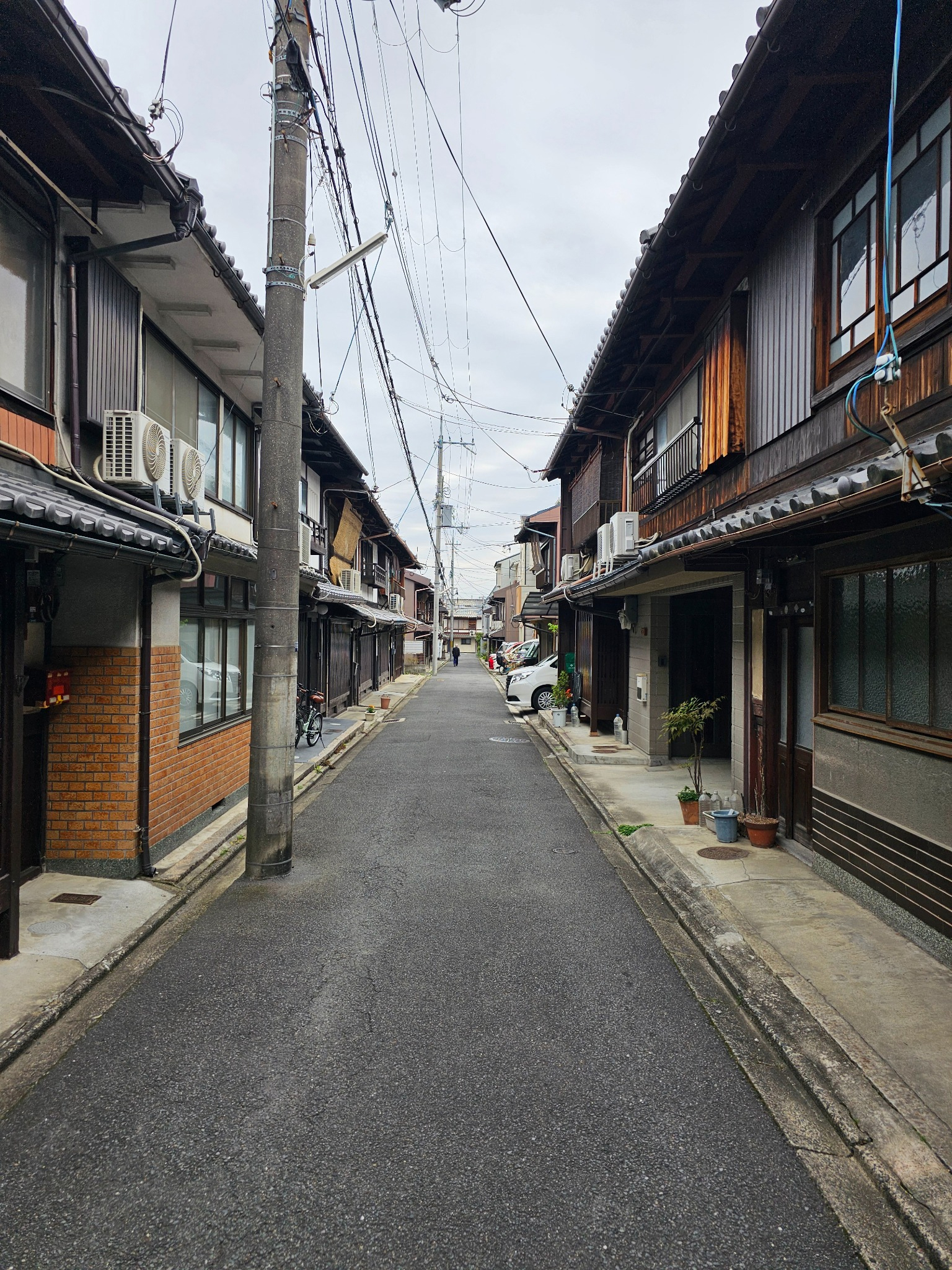
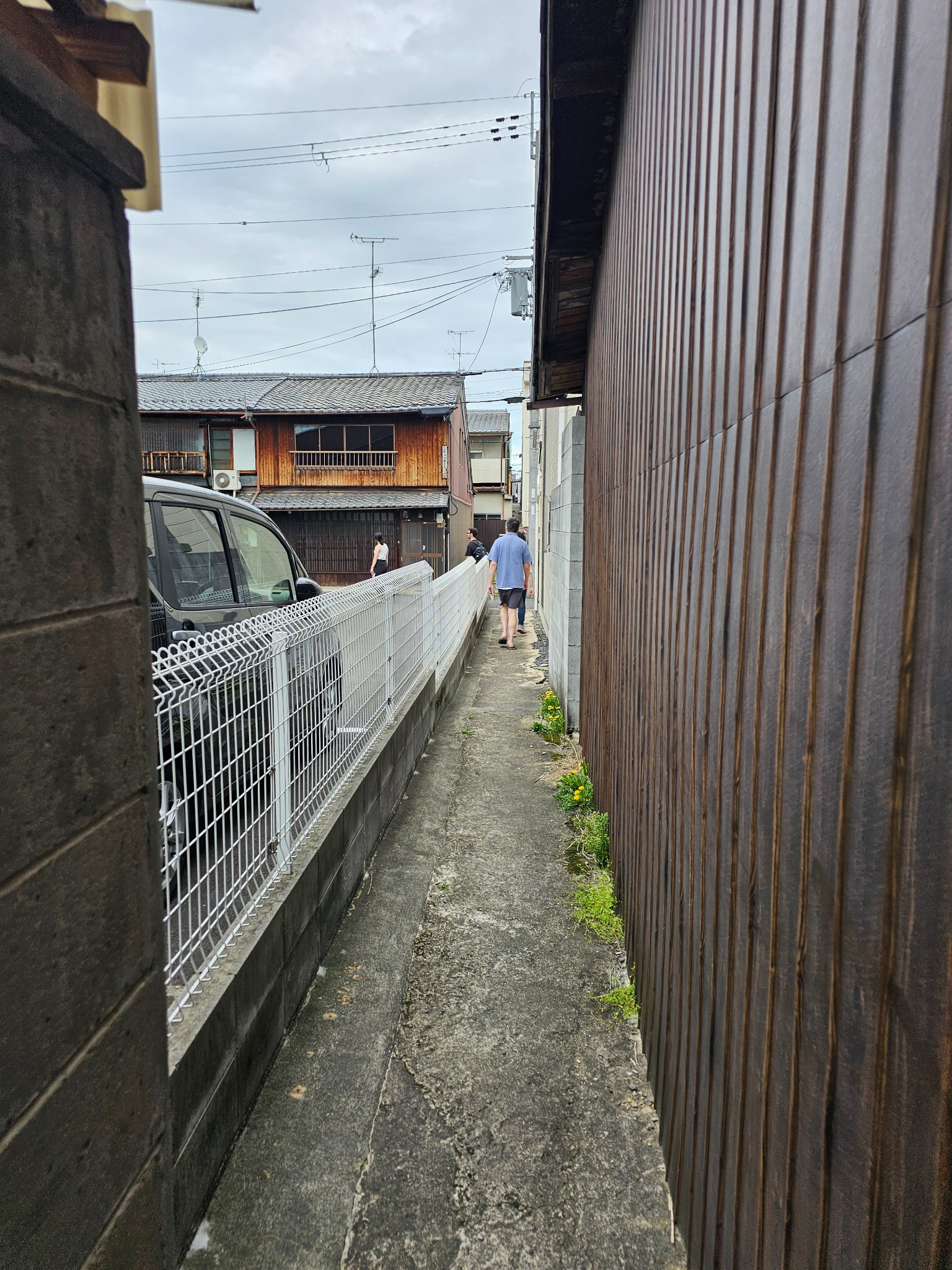
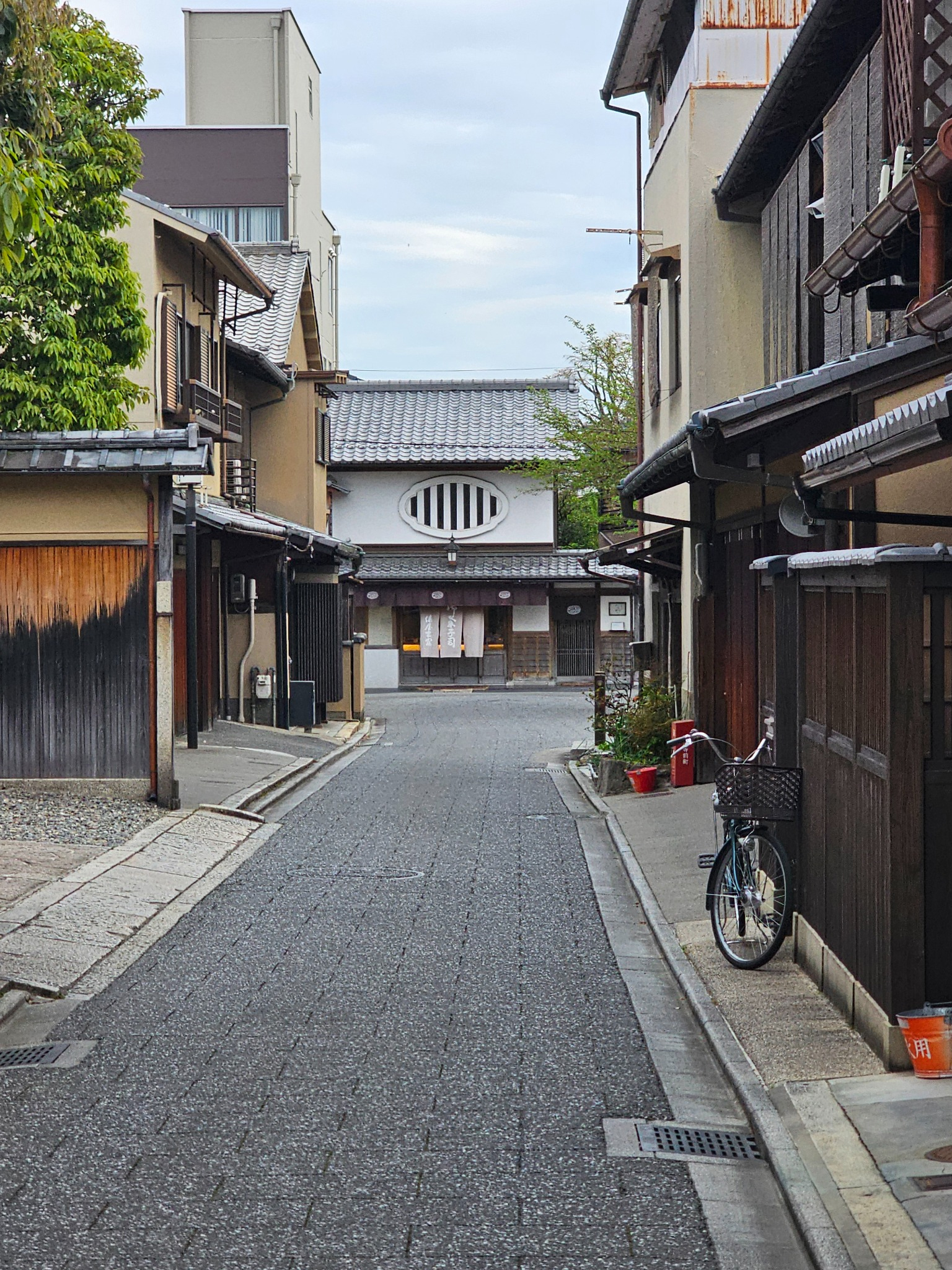
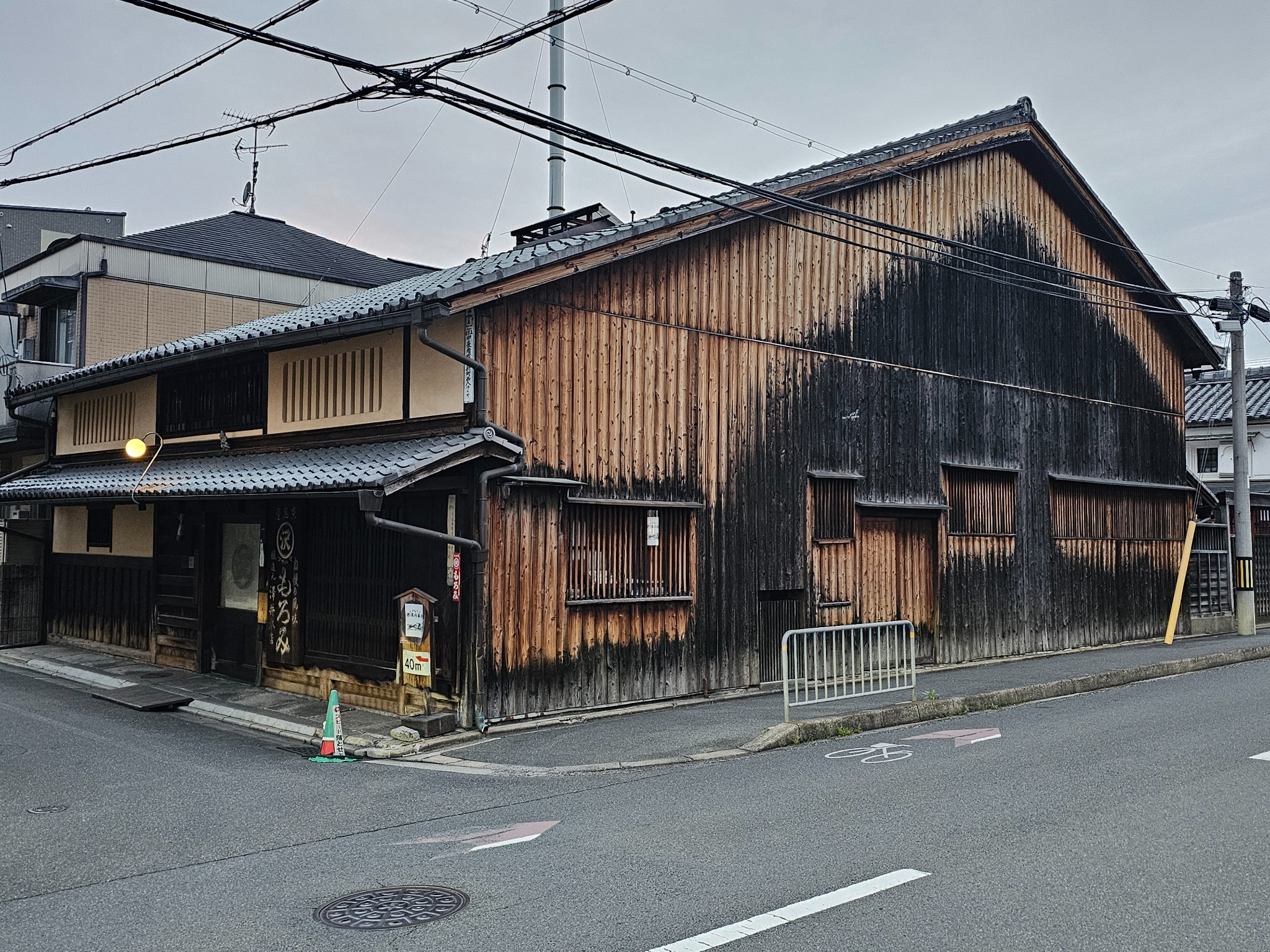
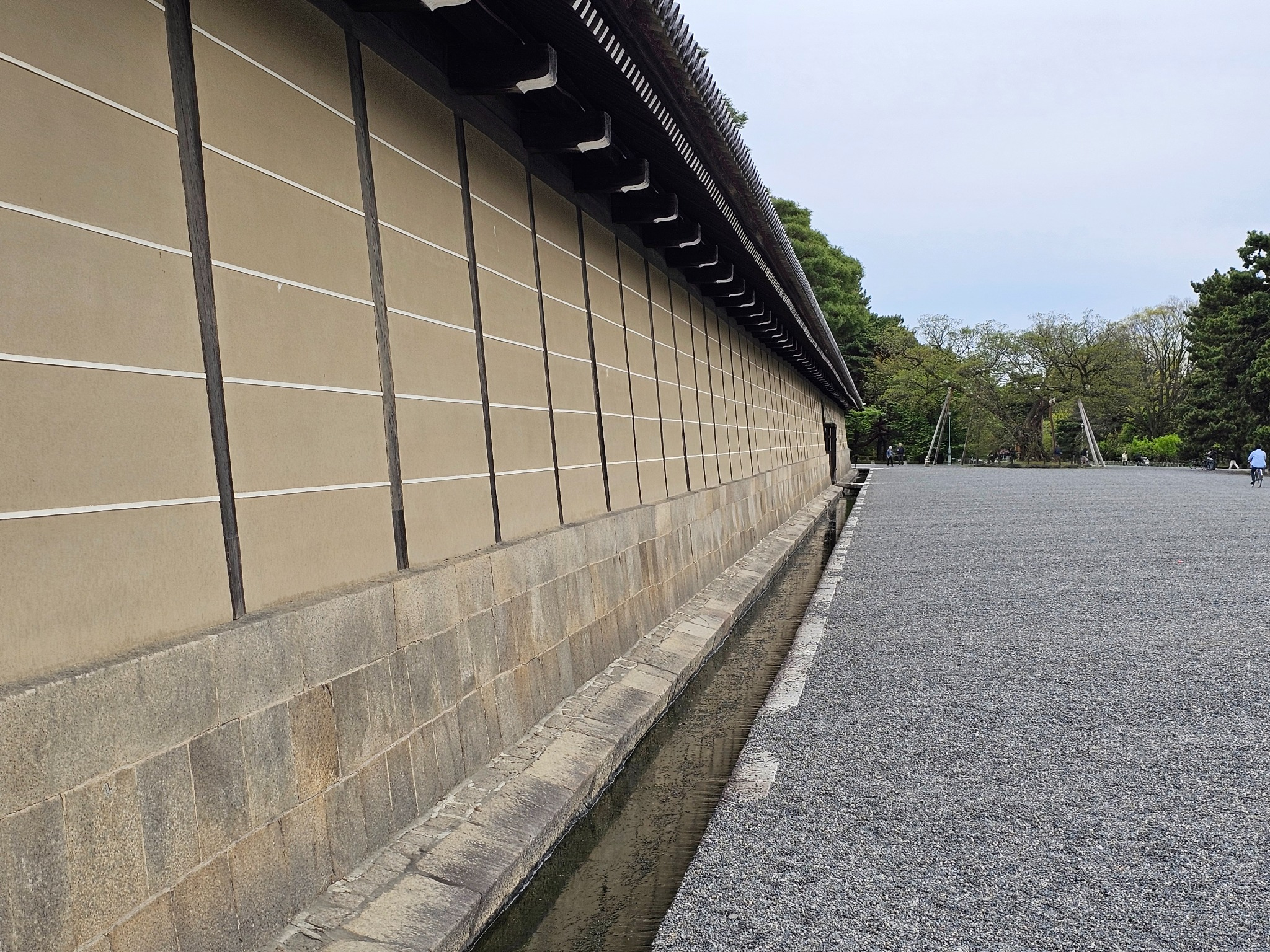
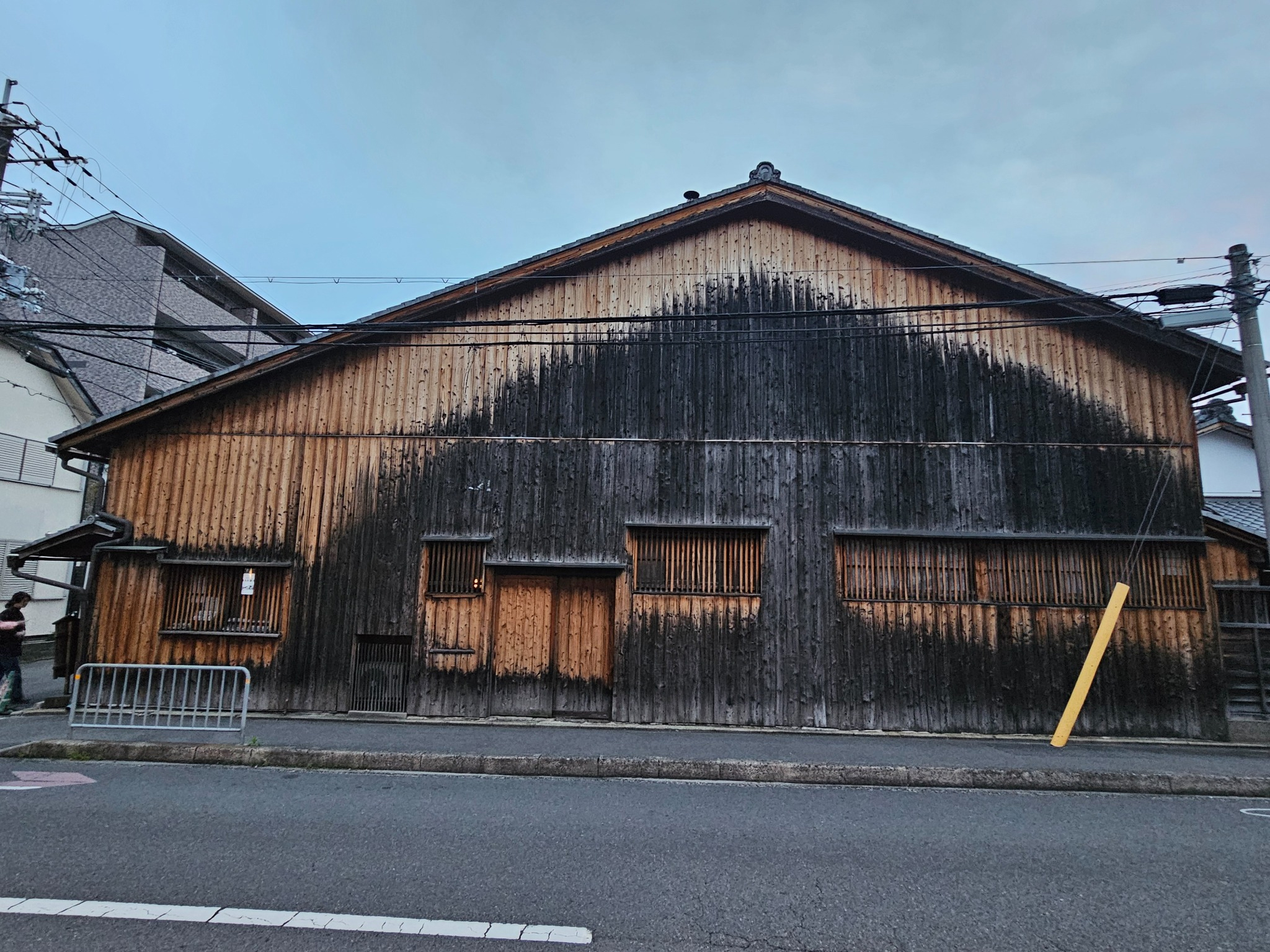
Kyoto is not only monumental. It also narrows beautifully. Lanes, machiya corners, side alleys, long walls, drainage lines, timber, plaster, and small doorways keep the city at human scale. Here continuity speaks softly. Nothing needs to announce itself too loudly. The lane itself becomes a kind of room stretched into passage.
These images matter because they show Kyoto’s quieter intelligence: the way a city can preserve meaning not only through display, but through compression.
Shrine Precincts and Sacred Water
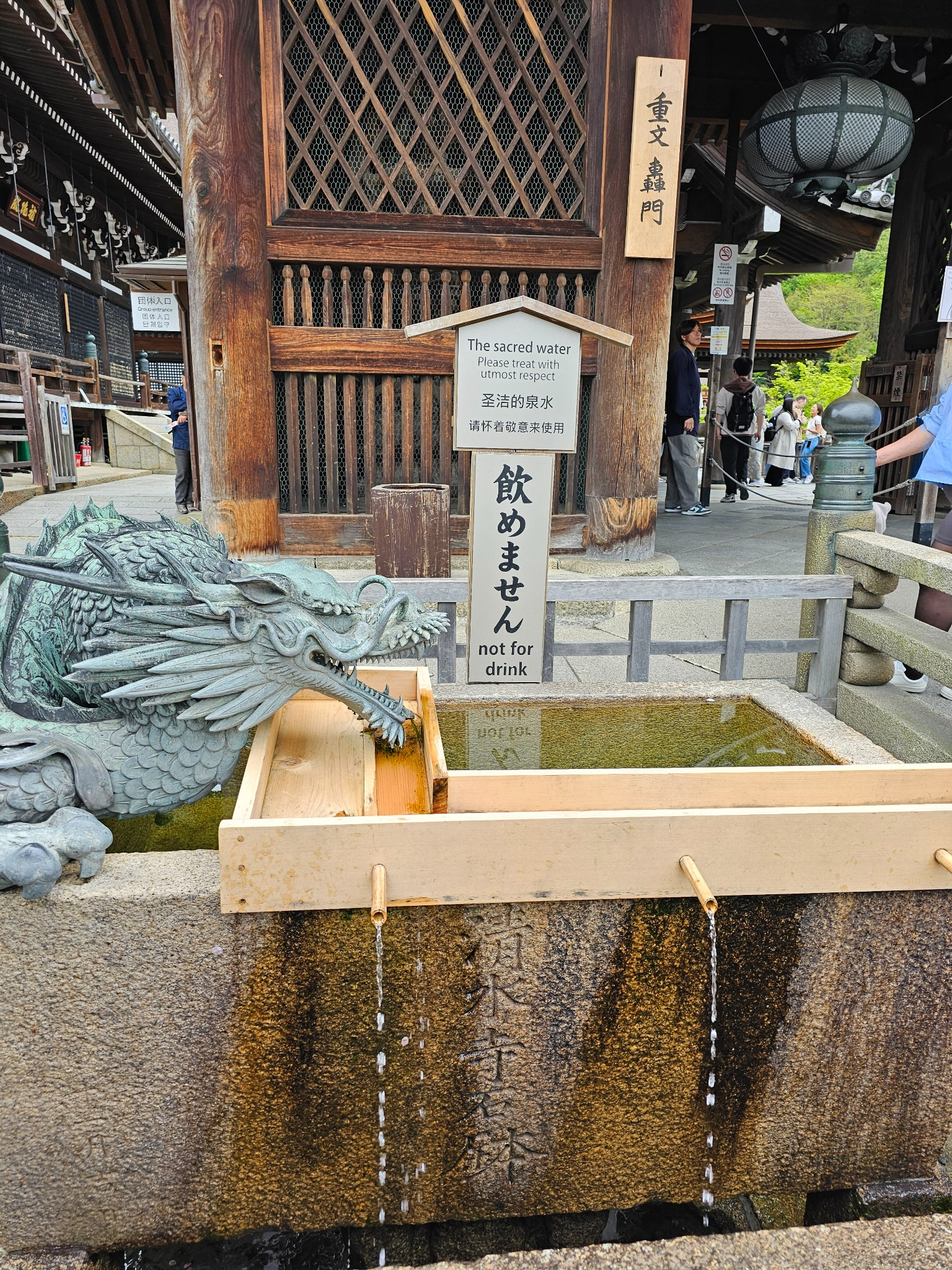
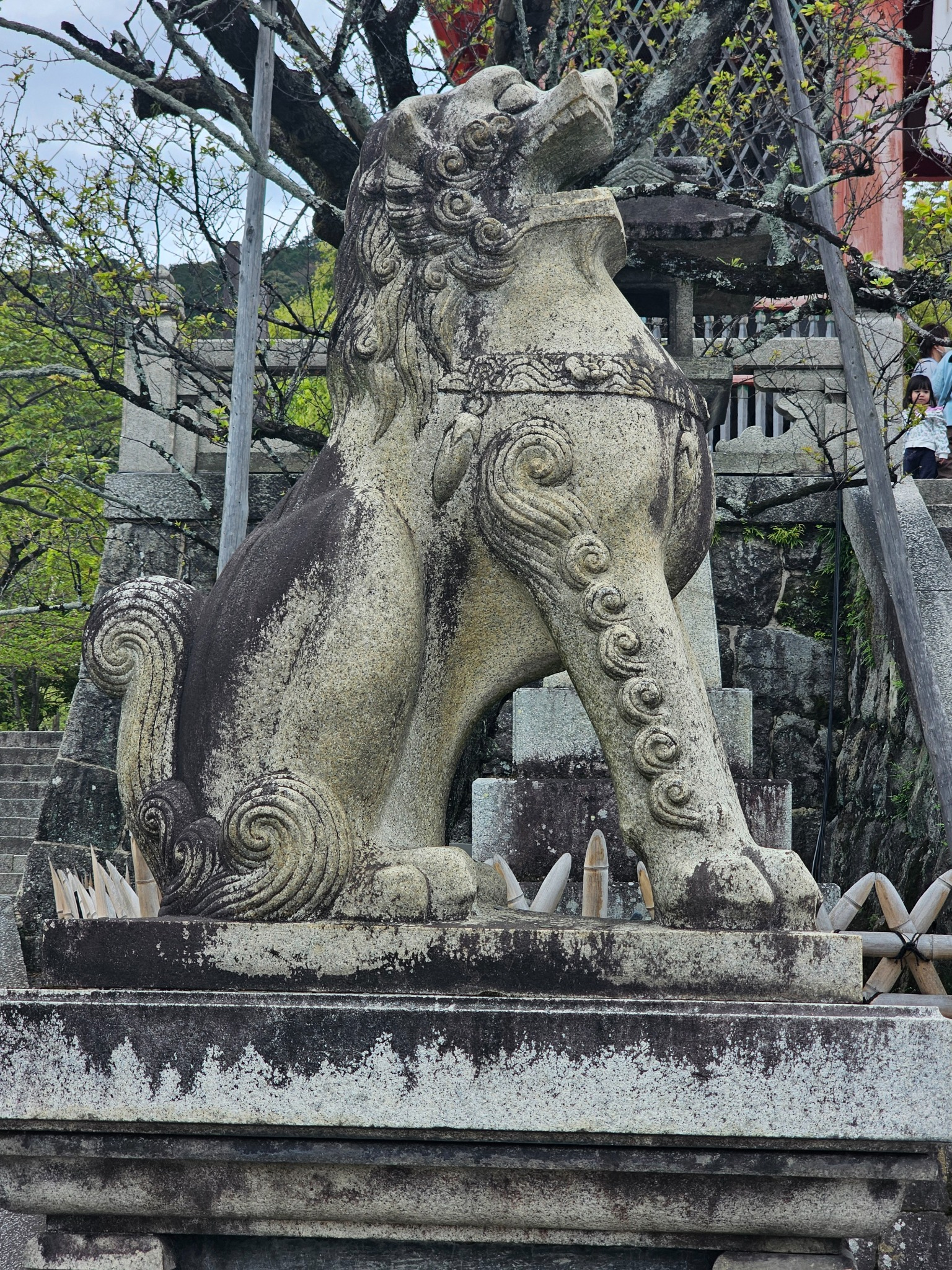
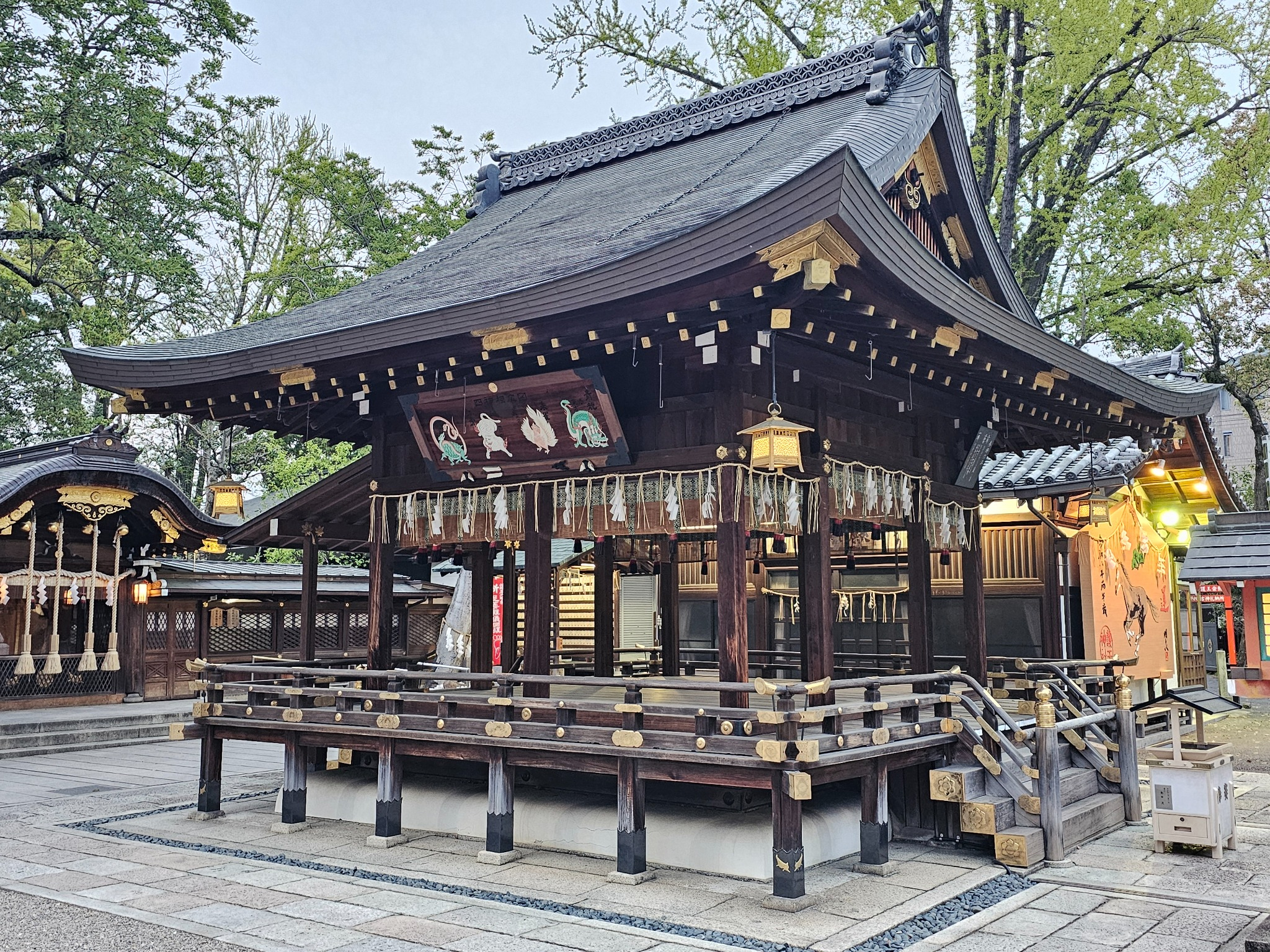
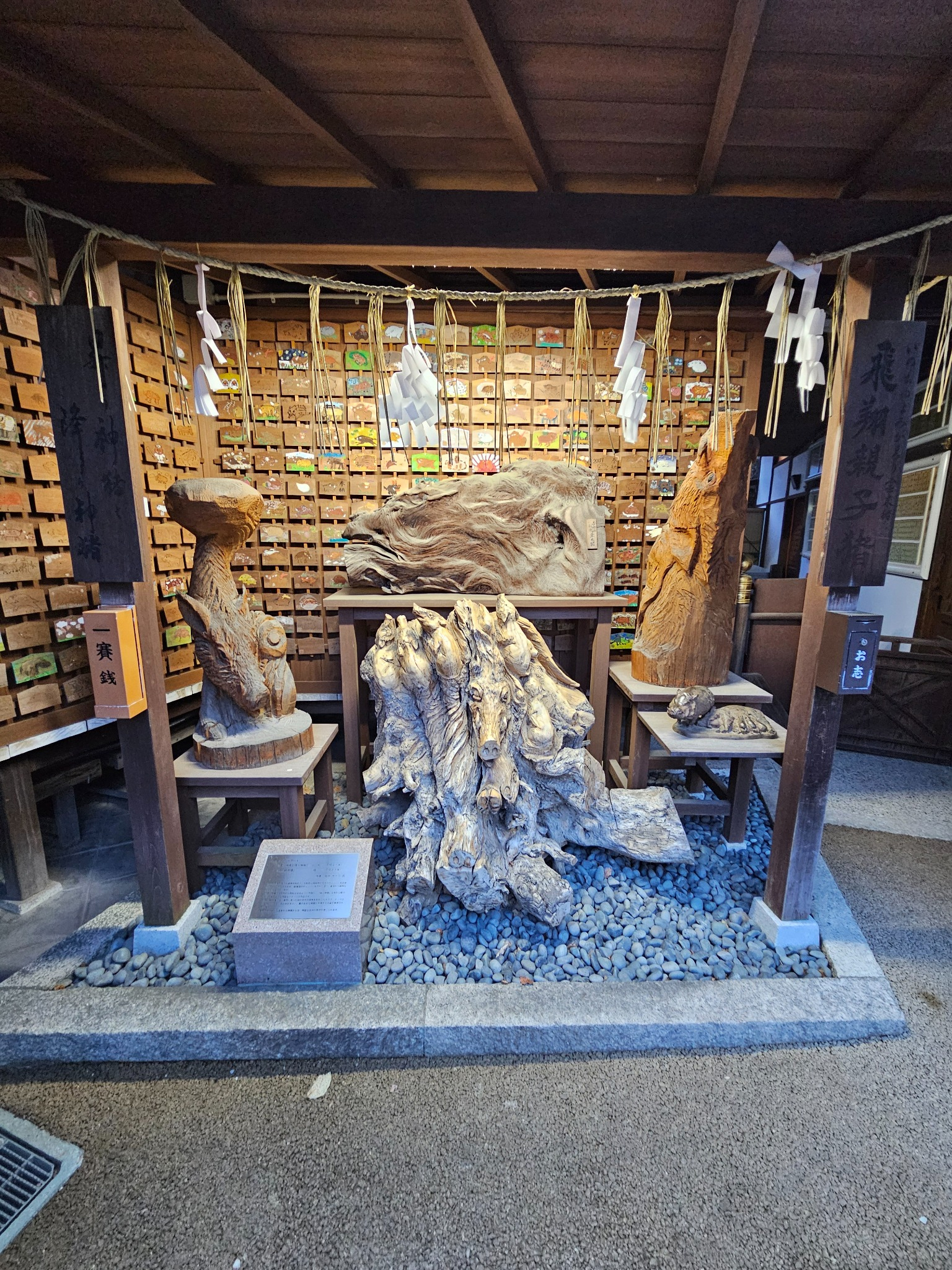
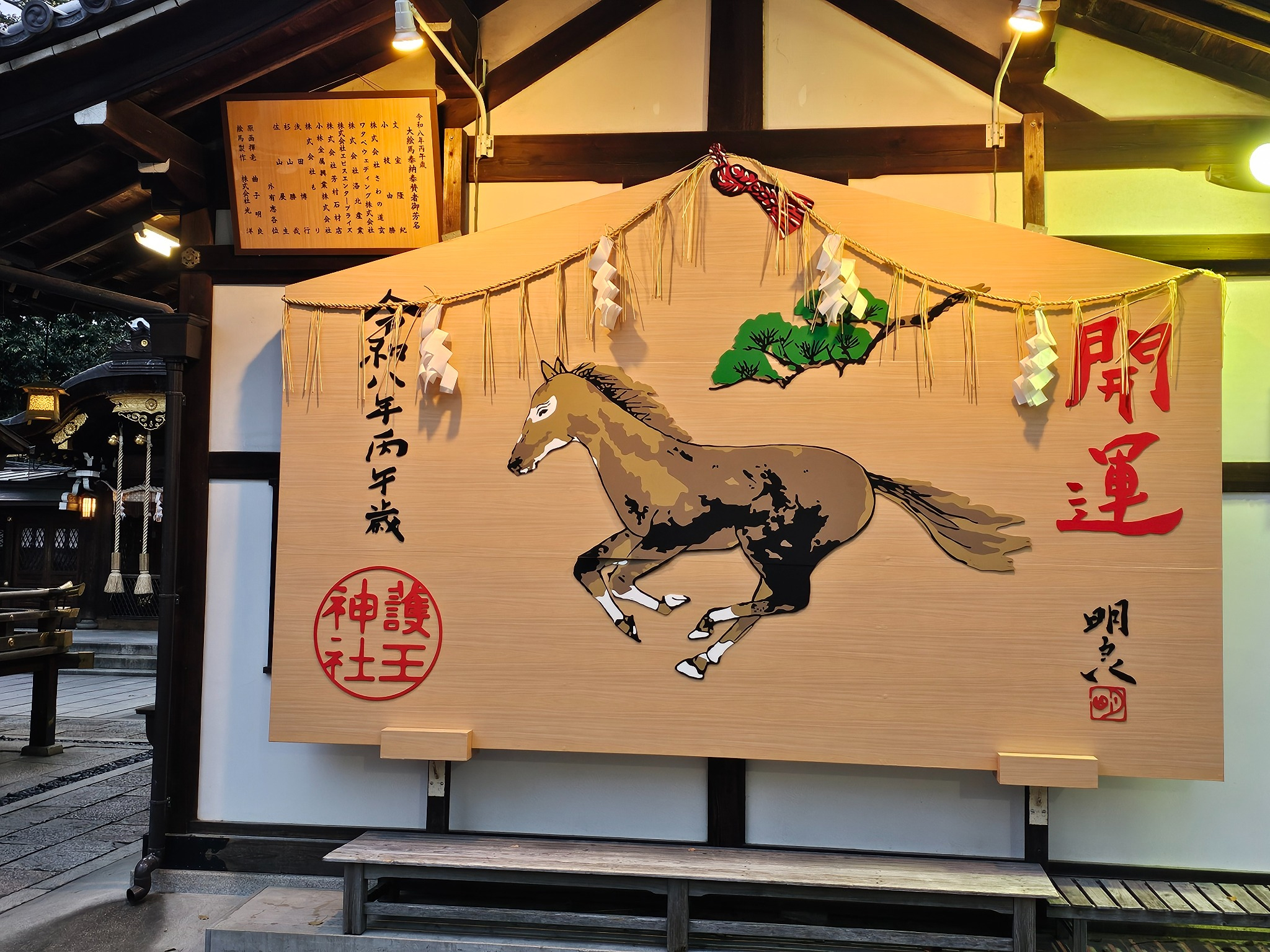
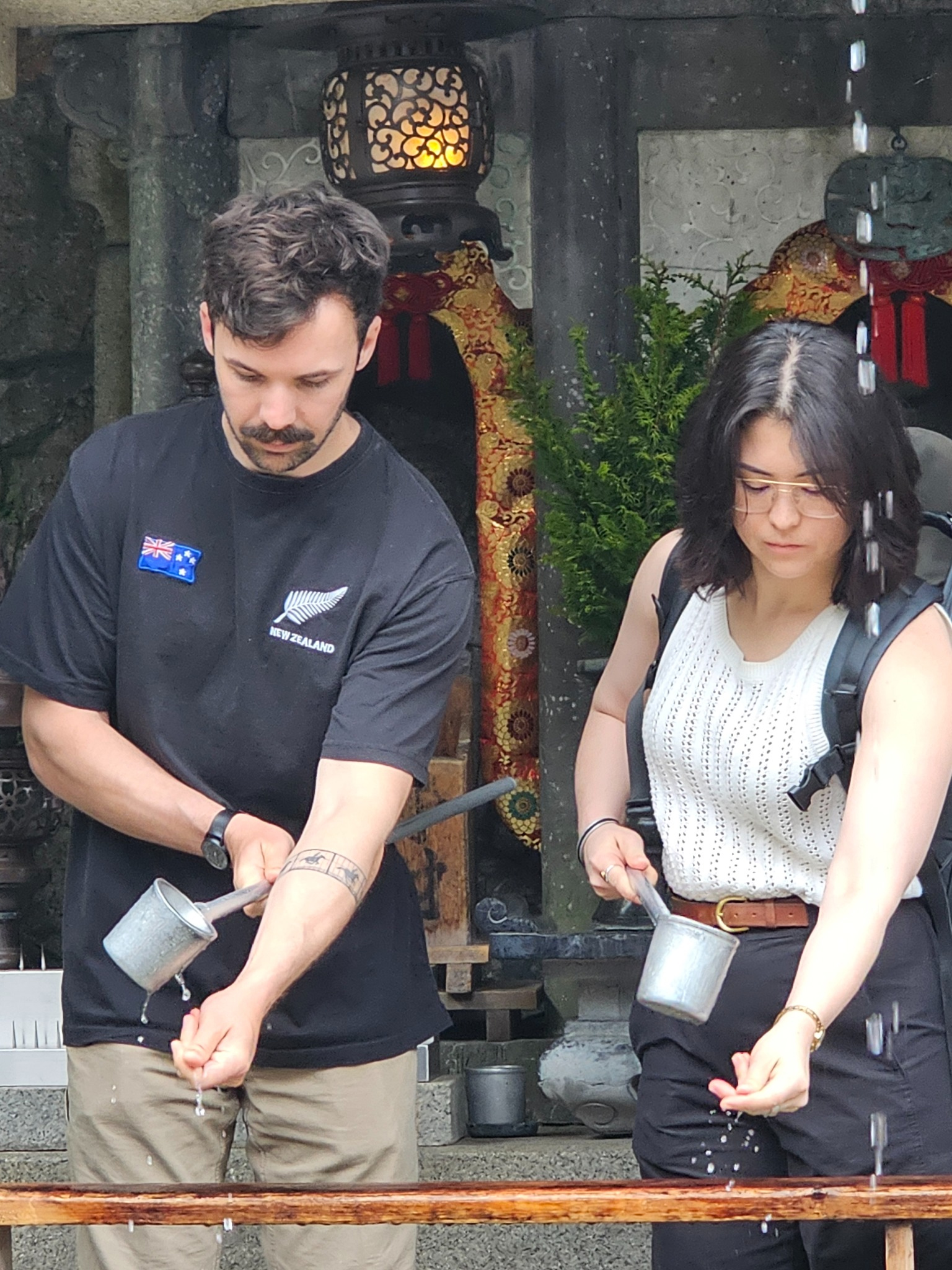
Kyoto’s shrine images widen the gallery beyond the large gate into smaller concentrations of ritual: basin, lion, boar, banner, plaque, tree, ema, and offering. These precincts show how the city can hold devotion not only in grand architecture but in compact objects and rooted presences.
Here water purifies, animal guardians keep watch, and even a small shrine carries enough atmosphere to change the pace of looking.
Hotels, Breakfast, and the Chosen Room
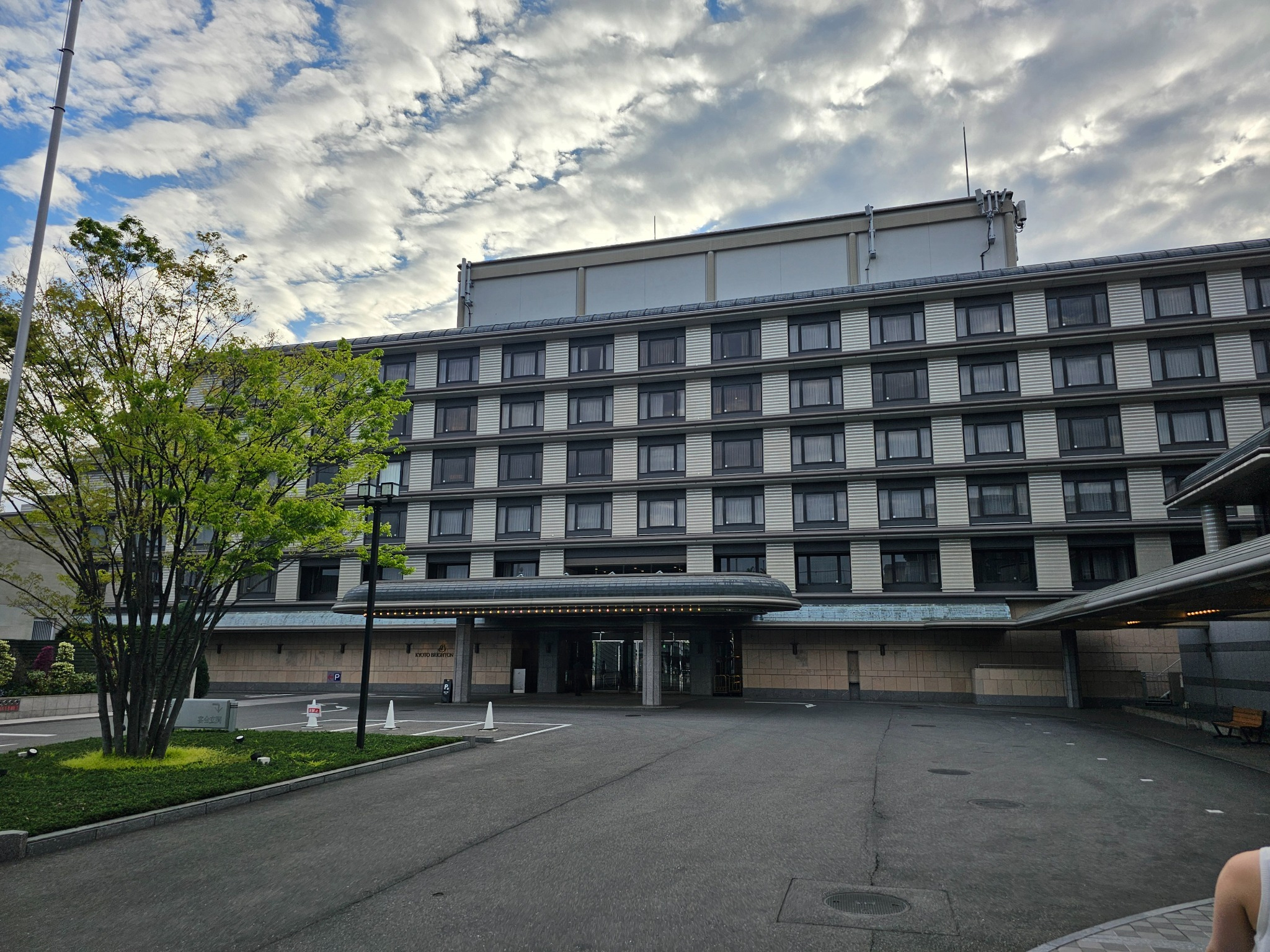
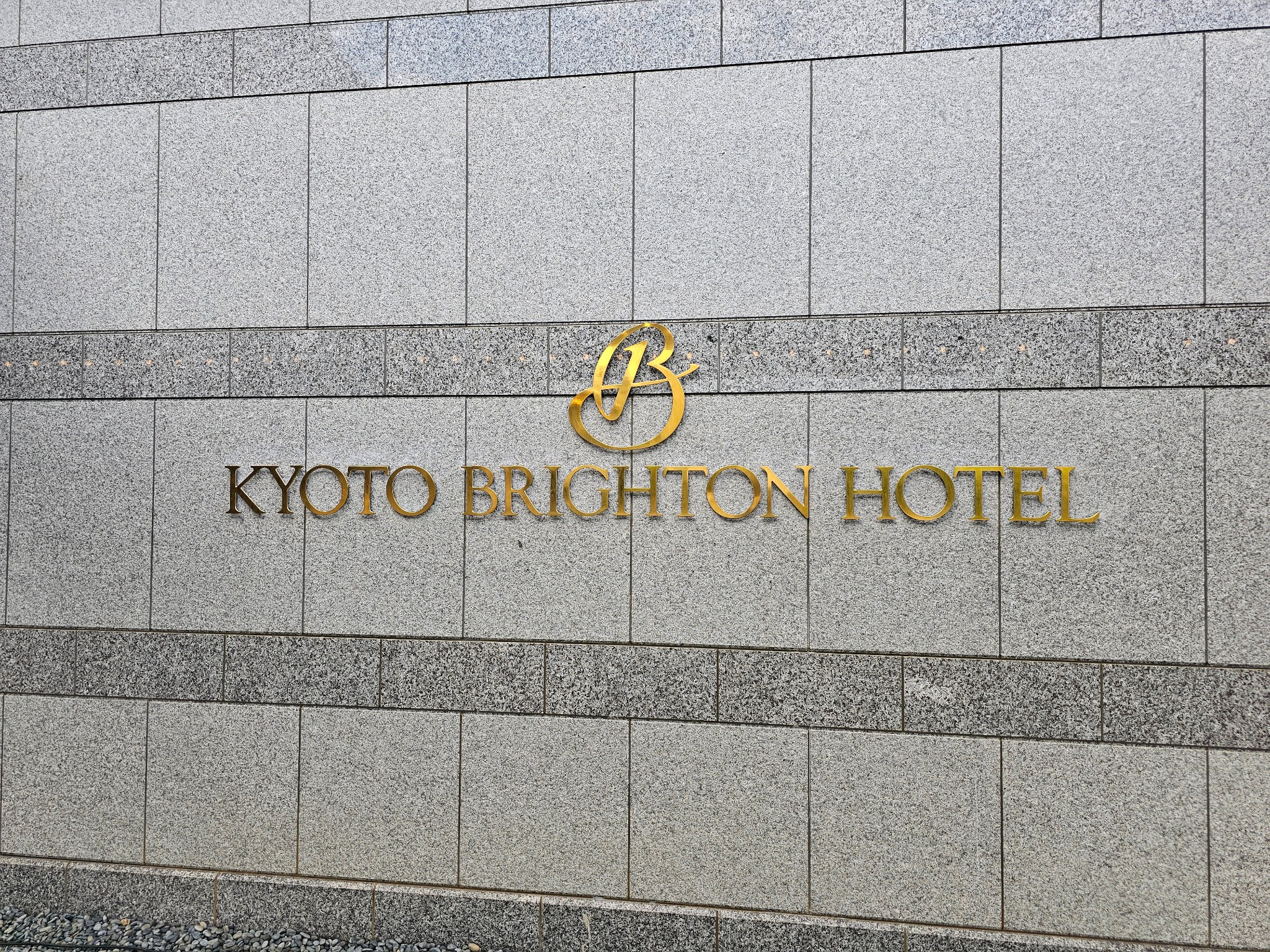
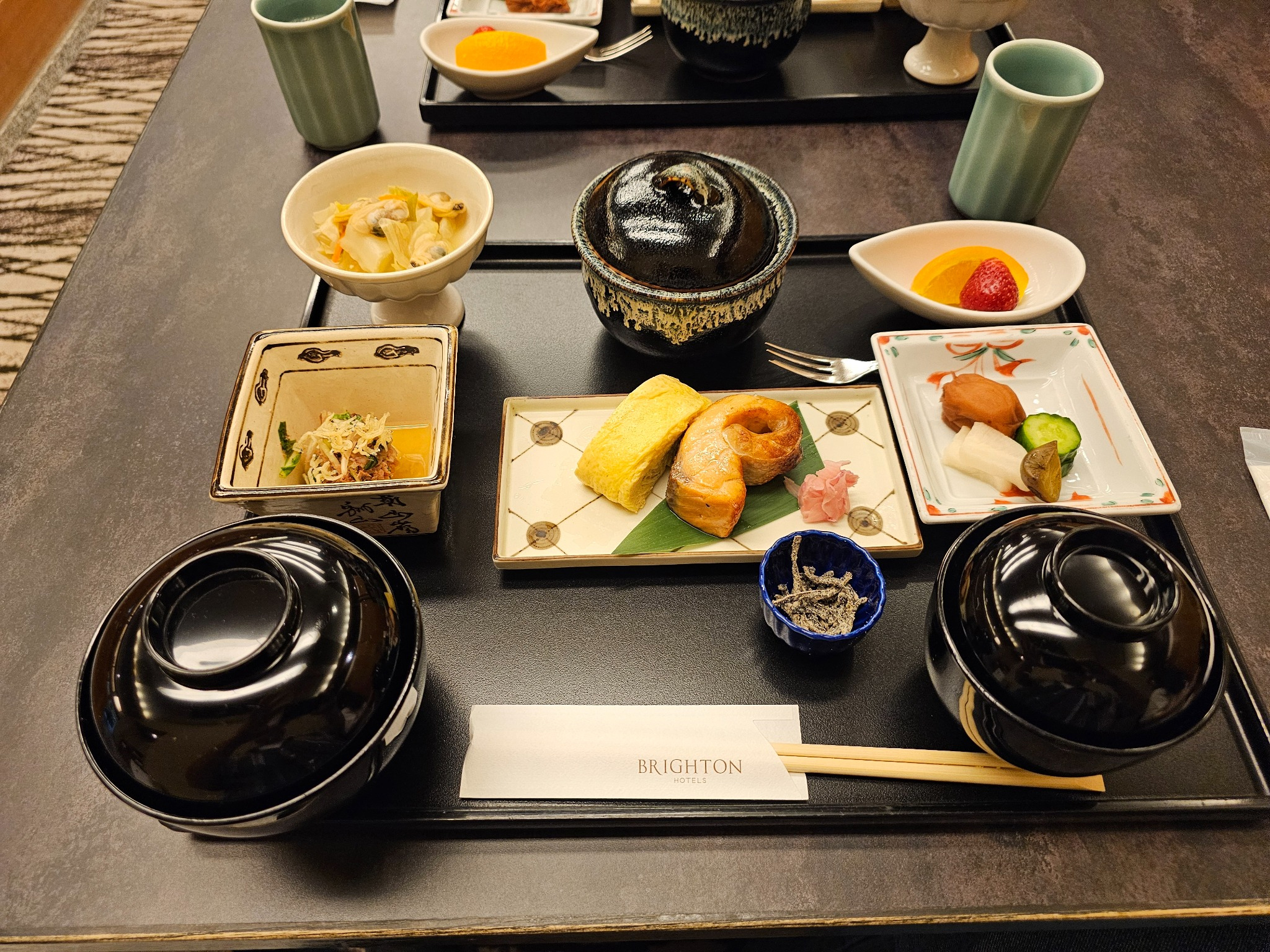
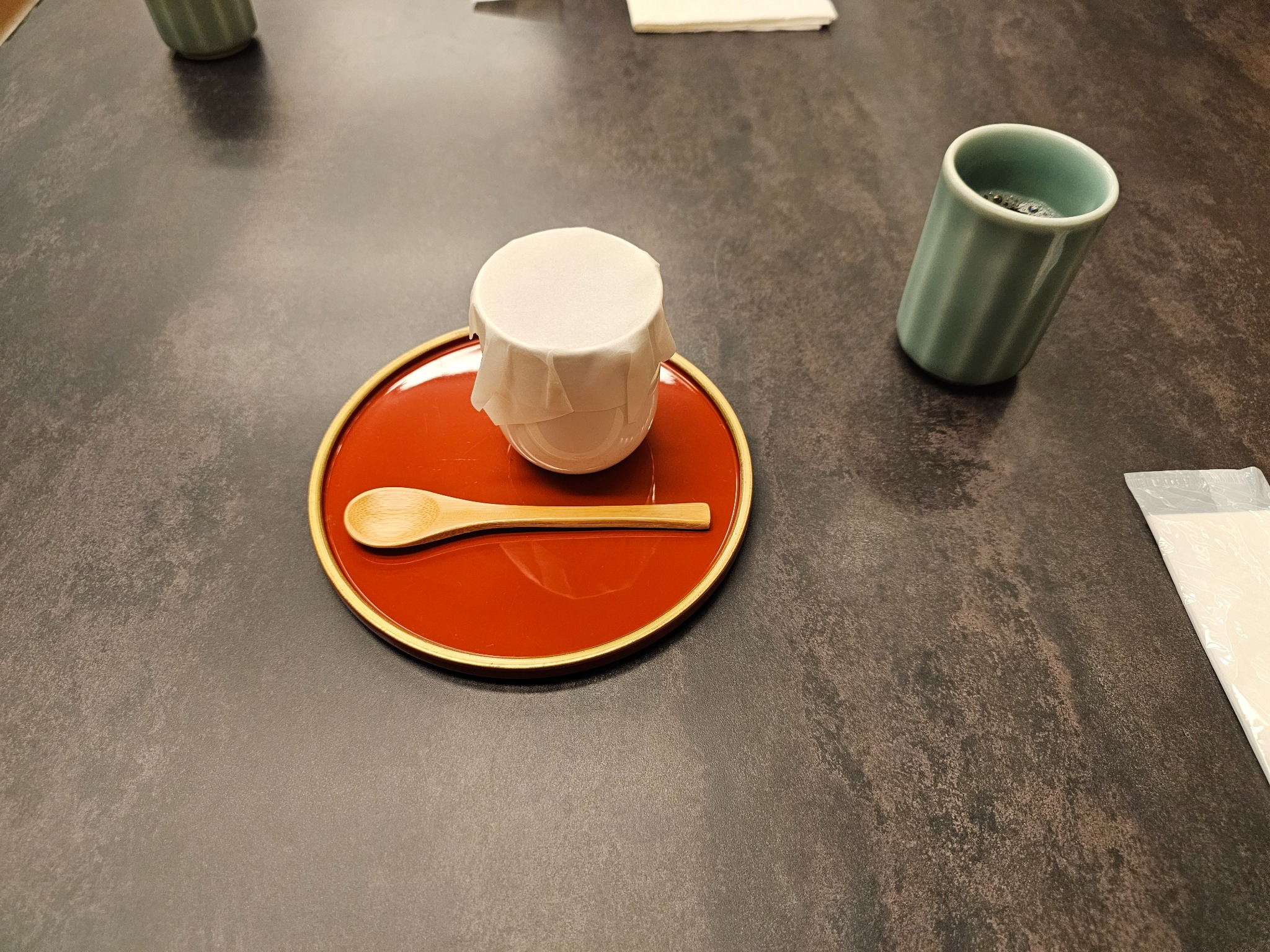
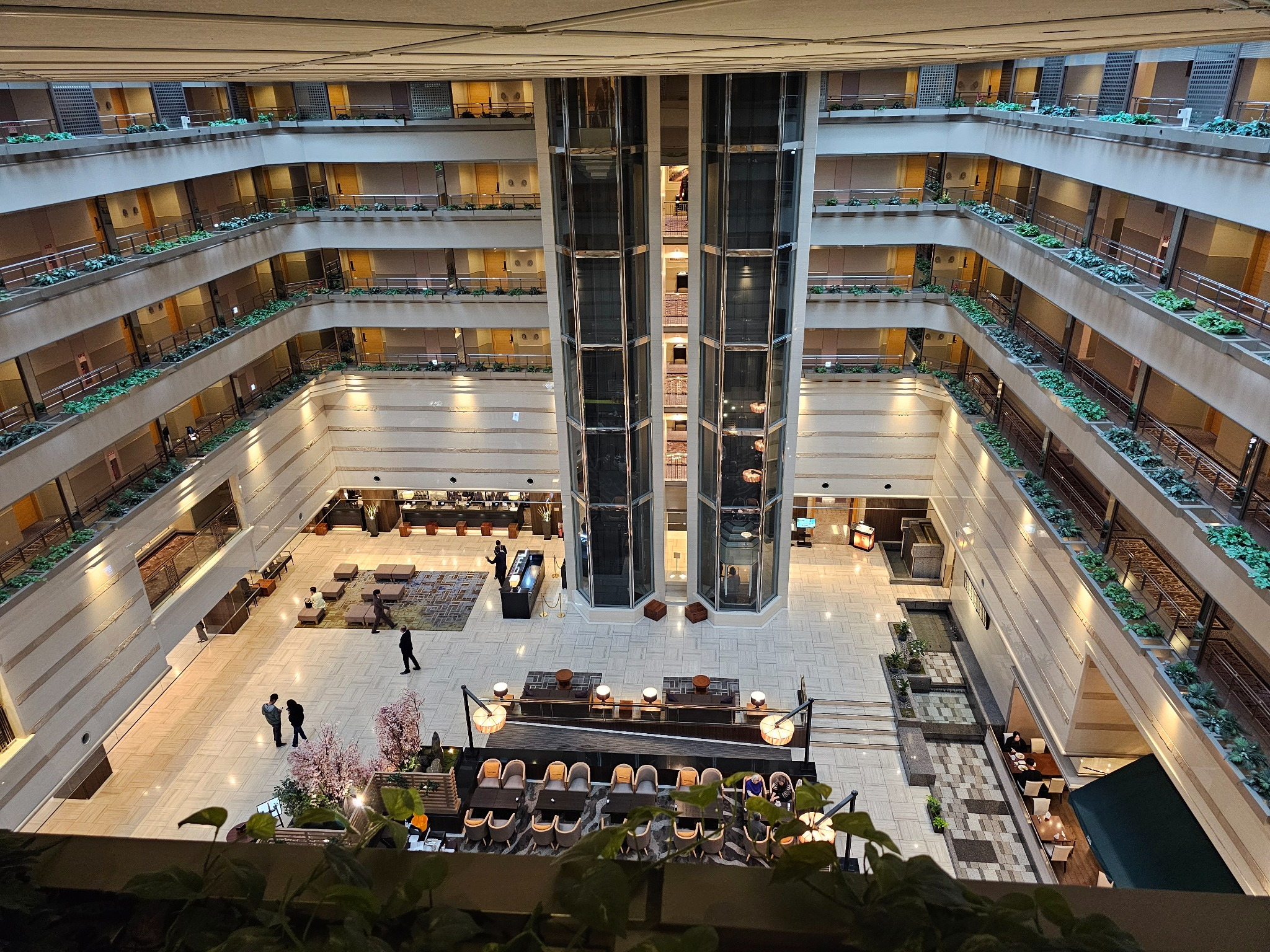
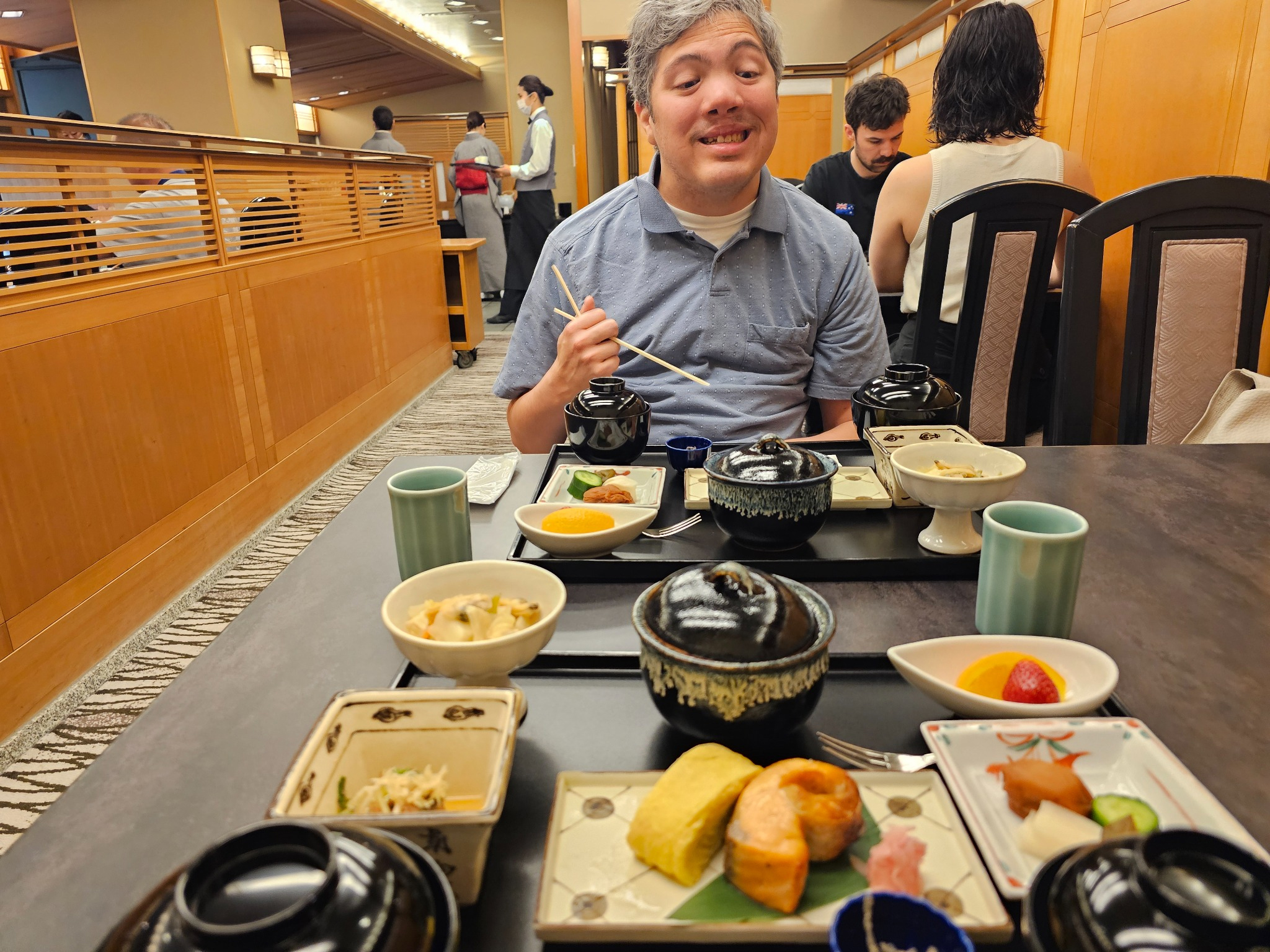
Kyoto also receives the traveler through cultivated interiors: a hotel sign, a breakfast tray, a covered cup, a carefully arranged dining room, a room window, the small luxury of structure after a long day of walking. These are chosen rooms rather than inherited ones, but they still belong to the city’s larger art of reception.
The city is not only what is seen outdoors. It is also the quality of pause it offers indoors.
Gates altered the stride. Terraces ordered remembrance. Gold stabilized light. Lanes narrowed the world to human measure.
Kyoto enters the archive as a city of arranged thresholds.
To move through it is already to be taught how to look.