Not by Argument, but by Meaning
Houses do not always change a family by being won. Sometimes they change a family by continuing to give themselves back in readable form. A box is opened. A label makes sense. A room fills with grouped objects. Someone remembers something. Someone laughs. Someone falls quiet. The old house in Hanasaki did not soften because the argument ended. It softened because meaning kept appearing.
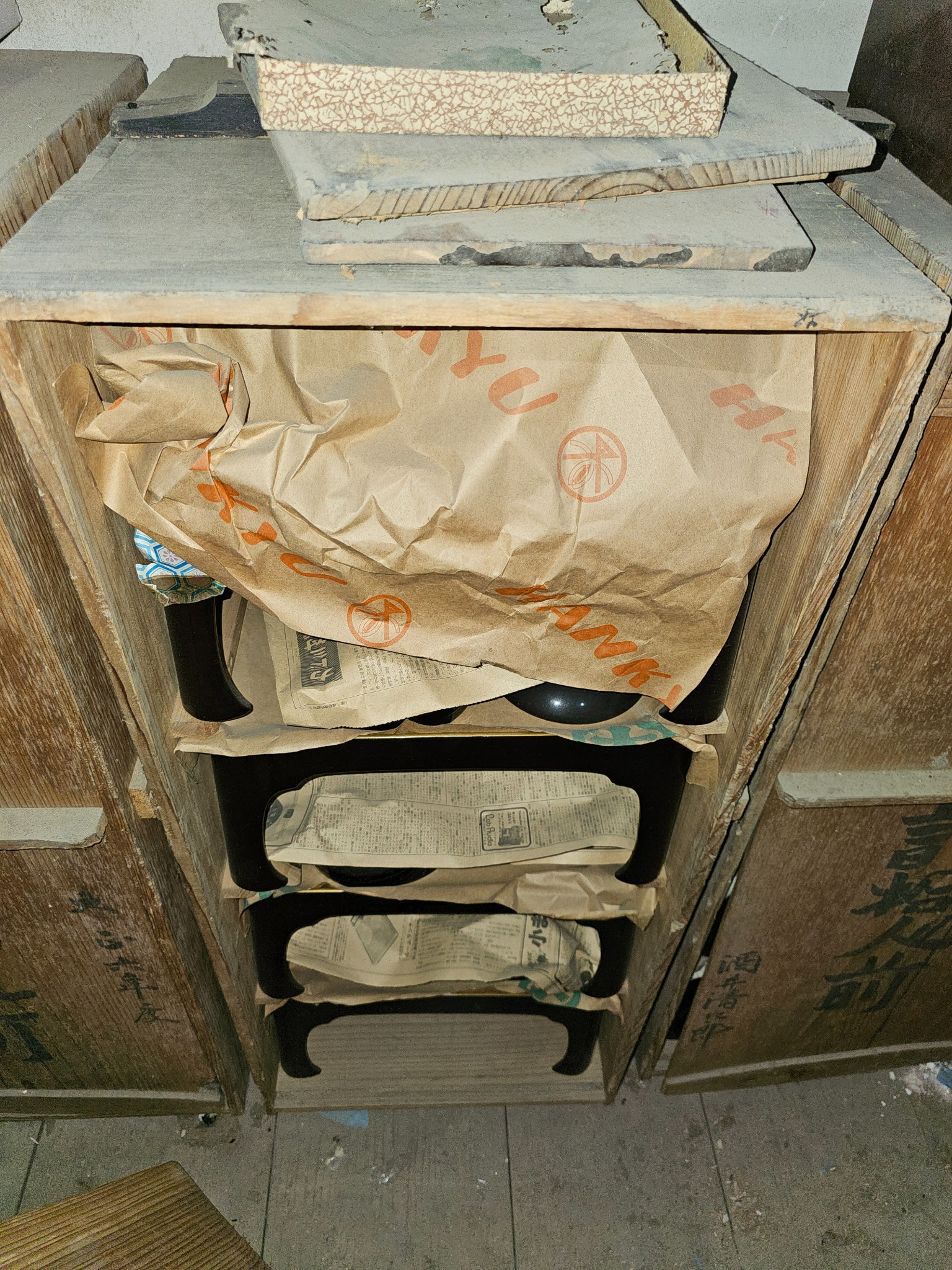
The family had already spent years near the house through friction. Grass, exposure, distance, fatigue, argument, public embarrassment, uneven labor, private tenderness — all of that had gathered around Hanasaki before the deeper interior could answer back. By now the answer had begun. Shelves, scrolls, carved panels, boxed sets, blunt tools, old weather in wood, and the rooms themselves had started speaking in sequence. Once that happened, the old argument could no longer remain as simple as it had once felt. The house was returning more than burden.
Meaning arrives this way in old houses: not as one final speech, but as repeated correction. A thing is opened. Another thing is recognized. An object once dismissed as mere storage proves to belong to an older order of life. Someone who had been tired grows quiet instead of defensive. Someone who had hoped too abstractly is forced into more careful gratitude. The house keeps changing category, not because anyone declares the change, but because the evidence keeps accumulating in the room.
The house did not change because one side won.
It changed because it began giving itself back in readable form.
The family did not step out of difficulty. It stepped into a different proportion of truth. The house remained hard, expensive, tiring, and unevenly carried. It no longer remained only those things.
Arranged Objects
Arrangement is one of the first visible signs that meaning has begun to gather. A room full of unopened boxes and unsorted objects can still feel like weight alone. But once objects begin to stand near one another in ways that reveal relation, the eye changes. Repetition appears. Household logic appears. Standards appear. The room stops saying “too much” and starts saying “this belonged together.”
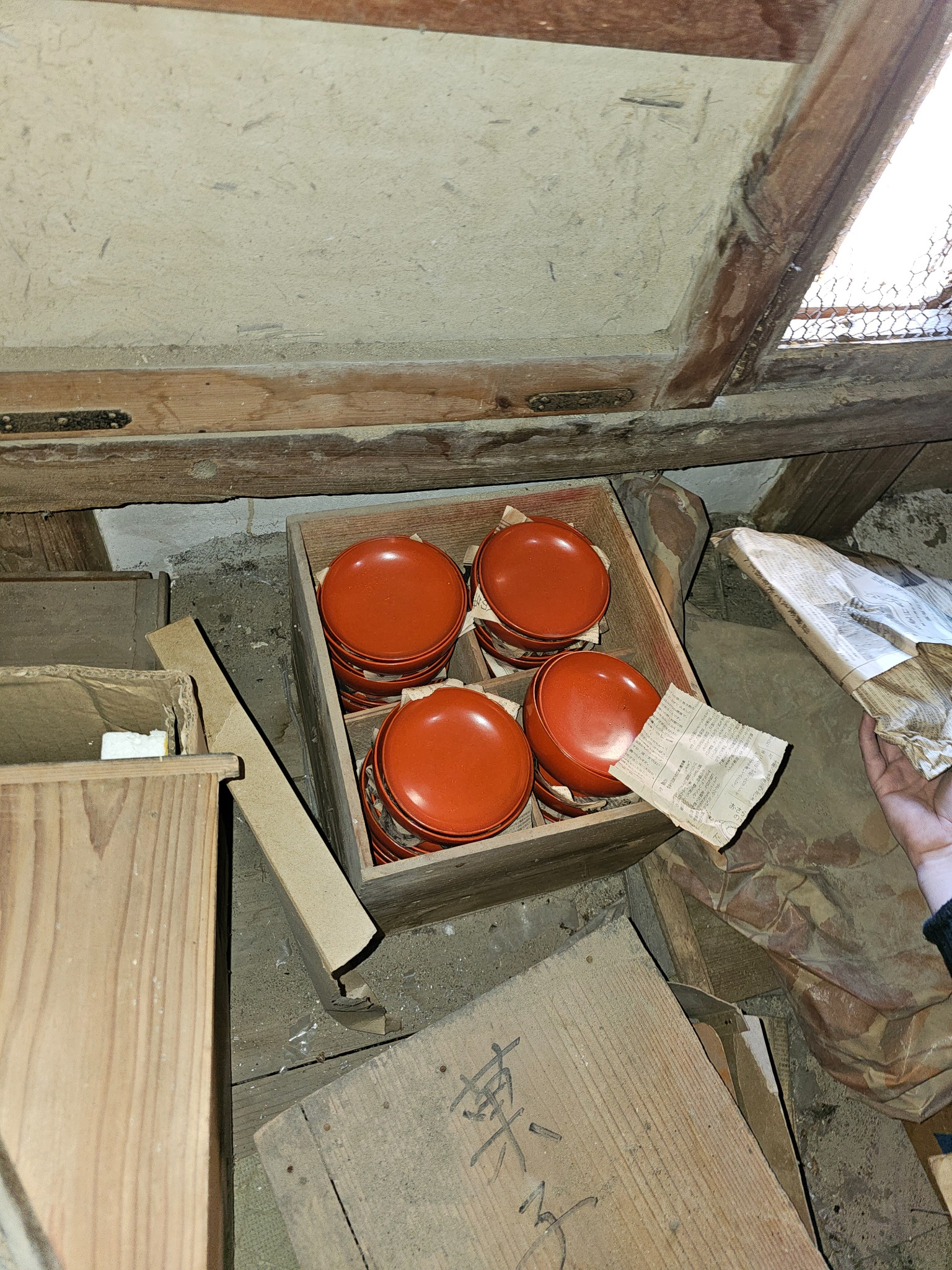
That is what happened in Hanasaki. Things came out of corners and off shelves. Items that had seemed isolated began answering one another. The ranma altered the room above. The boxes altered the room below. Vessels, tools, papers, remnants, and packed materials began forming not chaos, but sequence. It was still work. It was still tiring. But exhaustion no longer had the only claim on the room.
A family can argue for years inside abstraction. Arrangement weakens abstraction. Once the eye sees relation, a house becomes harder to dismiss in crude terms.
Documentation
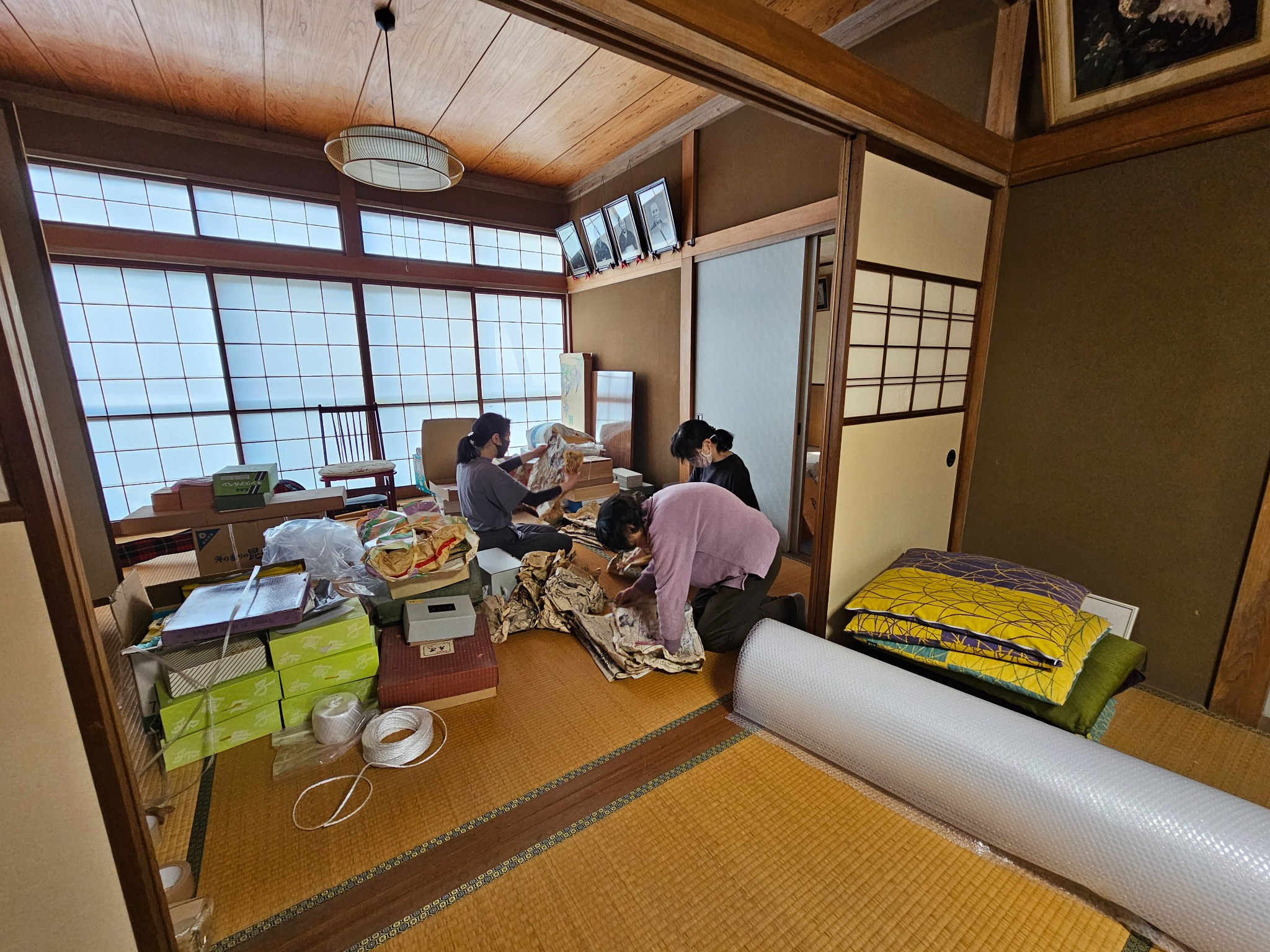
A camera changes the tempo of family attention. To photograph an object is to admit, even briefly, that it may need to be remembered more carefully than memory alone can manage. Documentation is one of the first forms of respect available after long delay.
The family had not arrived at documentation fresh or neutral. They arrived late, tired, emotionally entangled, and already burdened by years of uneven relation to the place. But once photographs, labels, grouped objects, and handling began, lateness stopped being the whole story. The house was now being met with evidence instead of only worry.
Time also changed shape. Instead of existing only as regret — years passed, years delayed, years lost — it began coming back as image, label, date, box, grouped survival. The house started giving the family time back in readable form.
Family Discovery Moments
Discovery in families is rarely pure. It comes mixed with earlier arguments, fatigue, jealousy of effort, relief, surprise, and the stubborn wish not to have been wrong. No one entered the room as an innocent witness. Everyone arrived already shaped by a different moral relation to the house.
And still, certain moments cut through that prior arrangement. A label suddenly made sense. A box opened into a surviving set. A carving or object revealed more refinement than anyone had been using in the old argument. A room shifted from accusation into evidence. These were not triumphant moments. They were quieter. A family discovery often arrives not with victory, but with the slight humiliation of realizing that reality has become larger than one’s earlier summary of it.
Burden did not leave the room. Recognition entered it.
The Twins and the Newspaper
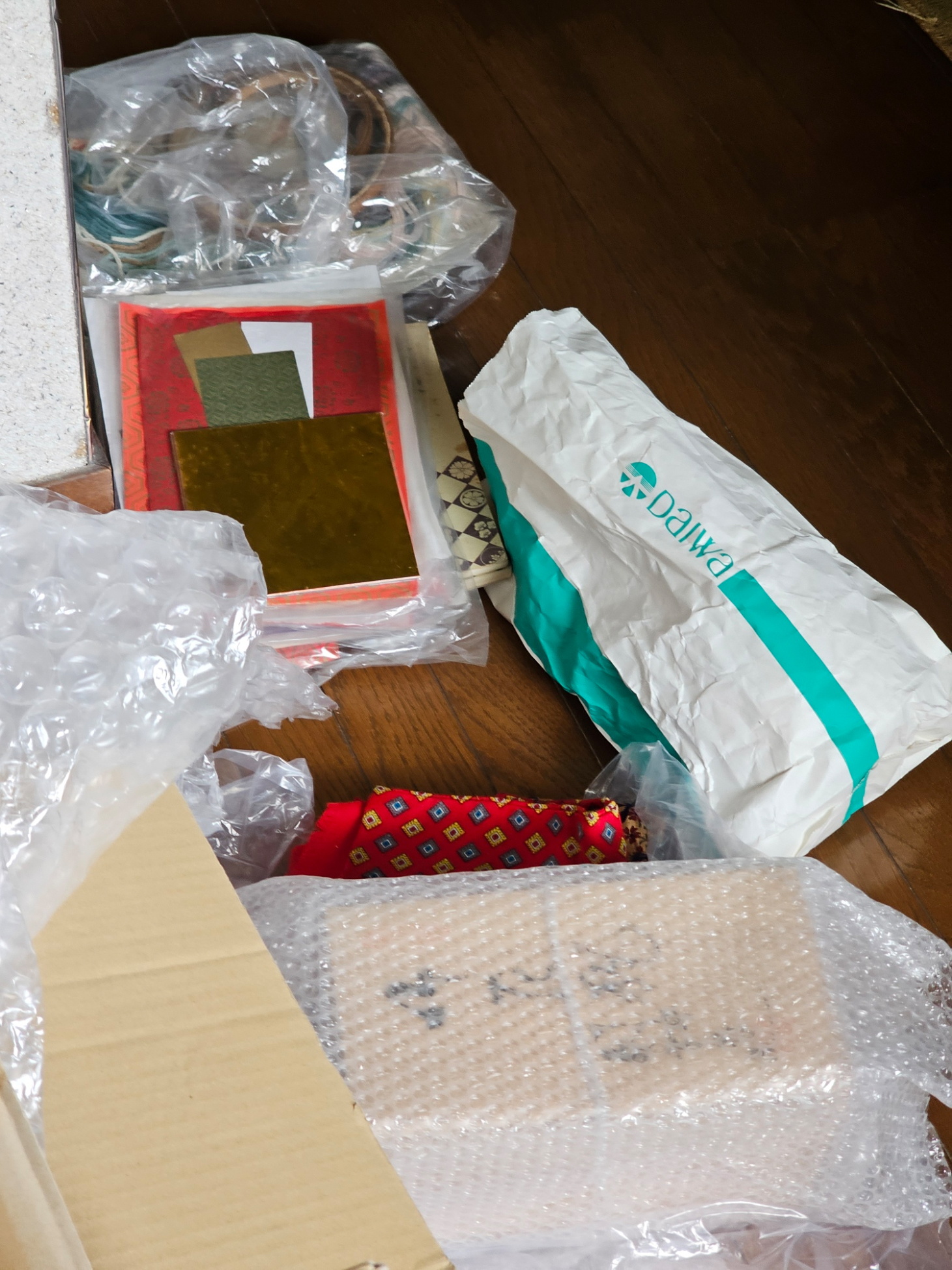
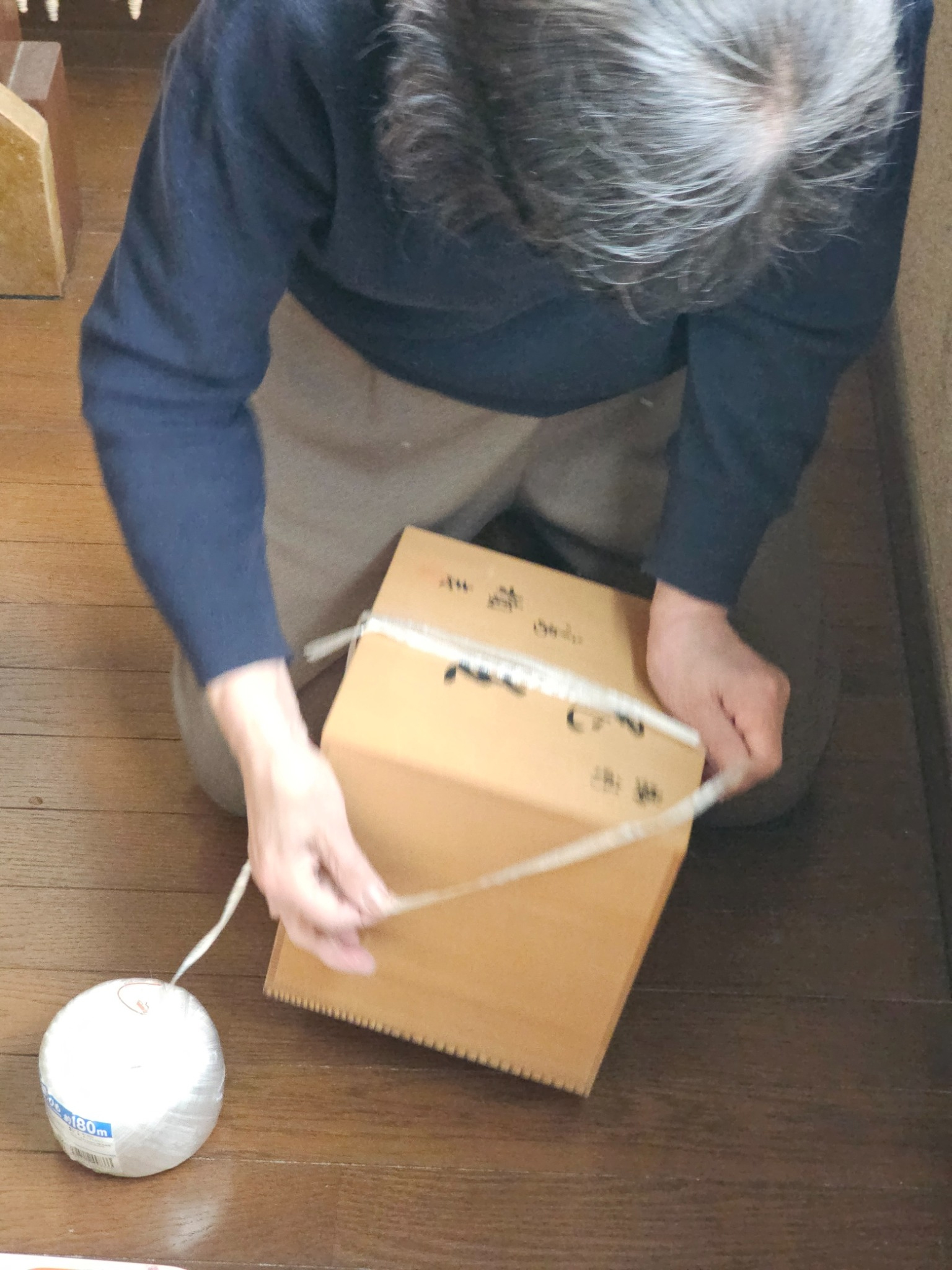
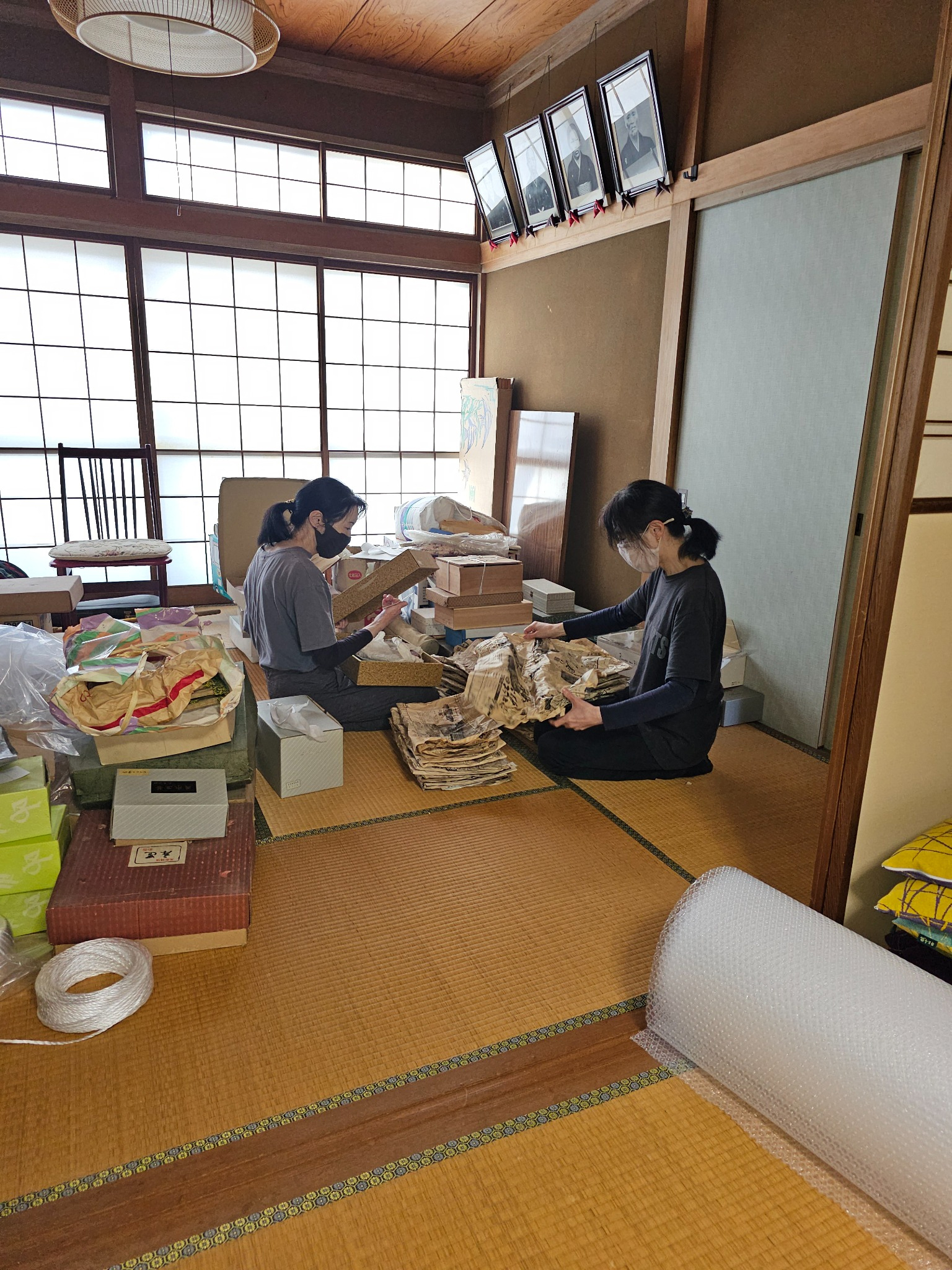
The old newspaper changes the chapter because it returns the house to lived time at human scale. Not dynasty. Not theory. Not heritage in the abstract. A date. A paper. Hands holding what had once been ordinary and had now crossed into evidence. The twins sorting the 1993 newspaper do not look like people finishing an argument. They look like people meeting time where it has been waiting for them.
Newspapers were not kept to become symbols later. They were simply part of life as it unfolded. To find them again is to feel the house giving back a day that once passed unnoticed. Old houses do this when they begin to answer properly. They do not always return masterpieces. Sometimes they return the texture of time itself.
The twins sorting, the mother nearby, the quiet concentration of handling what had once been temporary — all of it changes the emotional category of the room. Burden is still present. But now burden stands beside recovery, and recovery has faces.
When a House Changes Category
A family rarely notices the exact second when a house changes category in the mind. It happens by accumulation. Too many meaningful objects. Too much surviving order. Too much visible intelligence in storage, craft, image, and domestic sequence. Sooner or later the old summary no longer holds. The house may still be hard, expensive, tiring, and unevenly carried. But it can no longer be honestly named as only those things.
That is what occurred in Hanasaki. The change did not come by persuasion alone. It came because meaning kept returning faster than dismissal could keep pace. The house gave the family back its own evidence in enough forms that the old argument began losing authority. Not because everyone agreed. Because the room itself had begun speaking more clearly than the argument.
The house did not become easy. It became harder to misname.
The family did not come out of the room with every dispute resolved. It came out unable to say, with the same old confidence, that the house was only burden.