Tomoko’s Weight
Distance did not release the house from Tomoko. It changed the form of the burden. What others could see at the road or feel in repeated local errands, she carried differently: inwardly, quietly, across trains, phone calls, family talk, delayed return, and the long discomfort of belonging to a place she could not serve in the same rhythm as those who remained nearer.

Some burdens can be pointed to. Grass rises. A room darkens. A roadside edge slips. A gate leans into weather. Tomoko’s burden did not stand still long enough for that kind of pointing. It traveled with her. It sat beside her on trains, entered family talk without invitation, stayed quiet through ordinary days, and then suddenly thickened when a station sign, a road, or the thought of return brought Hanasaki close again. The house no longer lived around her in daily routine. It lived inside her in intervals.
That is one of the quieter difficulties of family houses. Distance does not always make them smaller. Sometimes it pushes them inward until they become harder to set down. The people who remain near the place feel recurrence, exposure, the repeated burden of what must still be seen and done. The person farther away feels another pressure: the house remaining active without offering any ordinary daily way to answer it. Tomoko carried Hanasaki in that second form. It was no longer at hand. It was still in her.
Distance did not dissolve the house.
It moved the house inward.
By now the family had already seen shelves, carved panels, scrolls, screens, blunt tools, and the old intelligence of the home. None of that was archival to Tomoko in the cold sense. The house was still mixed with voice, kinship, obligation, tenderness, embarrassment, and the old difficulty of wanting peace for everyone without being able to create peace by will.
What Distance Does
Distance changes the scale of obligation. A person nearby can count tasks. A person farther away counts returns. The nearby burden is measured in repetition: what still must be seen, handled, cut back, entered, discussed, endured. The far burden arrives differently. It comes in guilty intervals, in postponed visits, in the knowledge that one belongs to a place without being able to stand before it whenever belonging would most cleanly ask for that.
Tomoko’s relationship to the house had that inward ache to it. She was not free of the family place simply because her life had spread elsewhere. The house remained part of the family interior she had never entirely left. It was not an abstract ancestral site. It was still mixed with room, season, family voice, obligation, love, and the hope that somehow the people tied to it might stop hurting each other through it.
Outsiders see absence and imagine thinning. Inside the person carrying it, the opposite can happen. The house loses casualness and gains pressure. It ceases to be routine and becomes concentration.
The Train Back
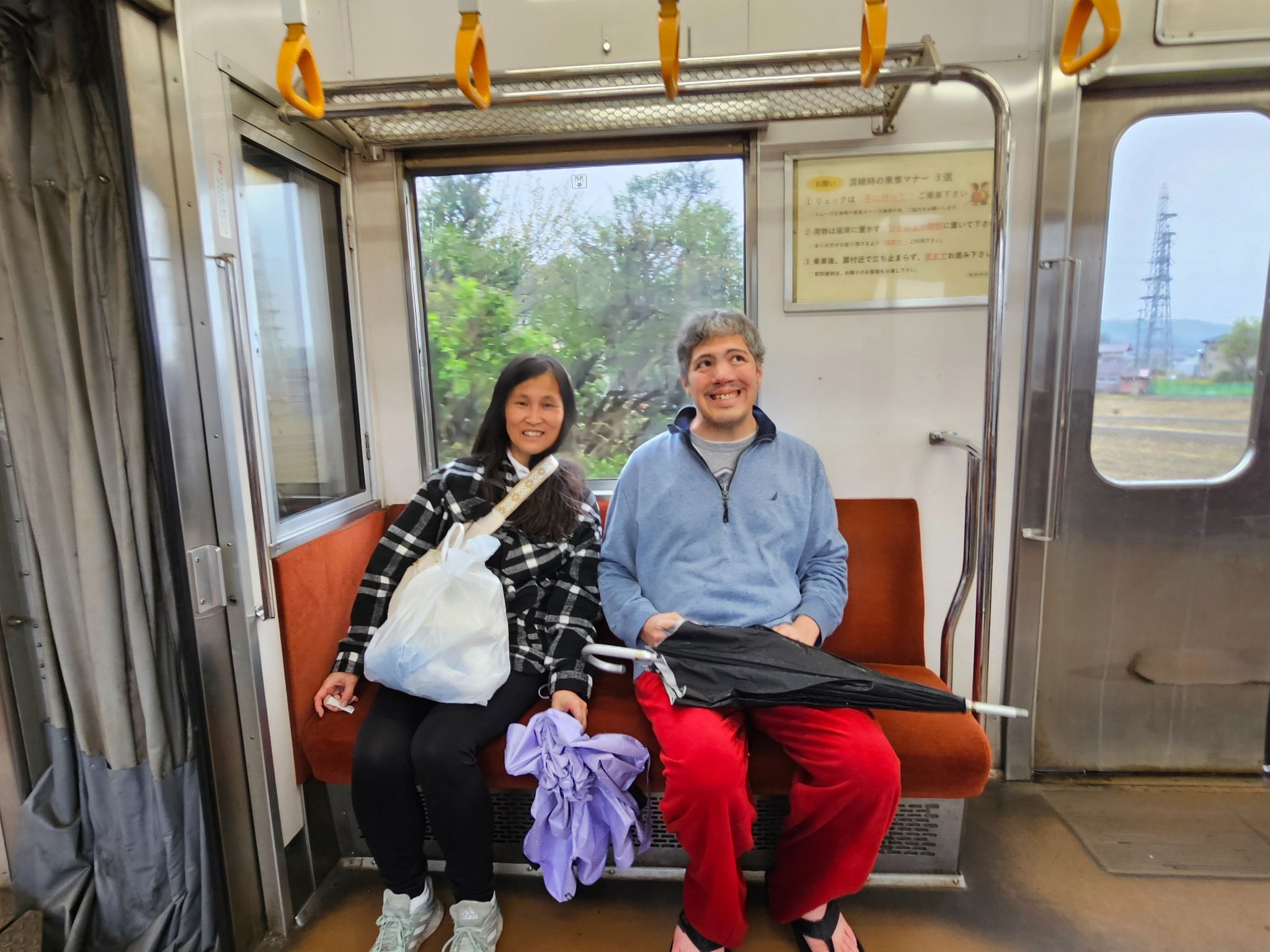
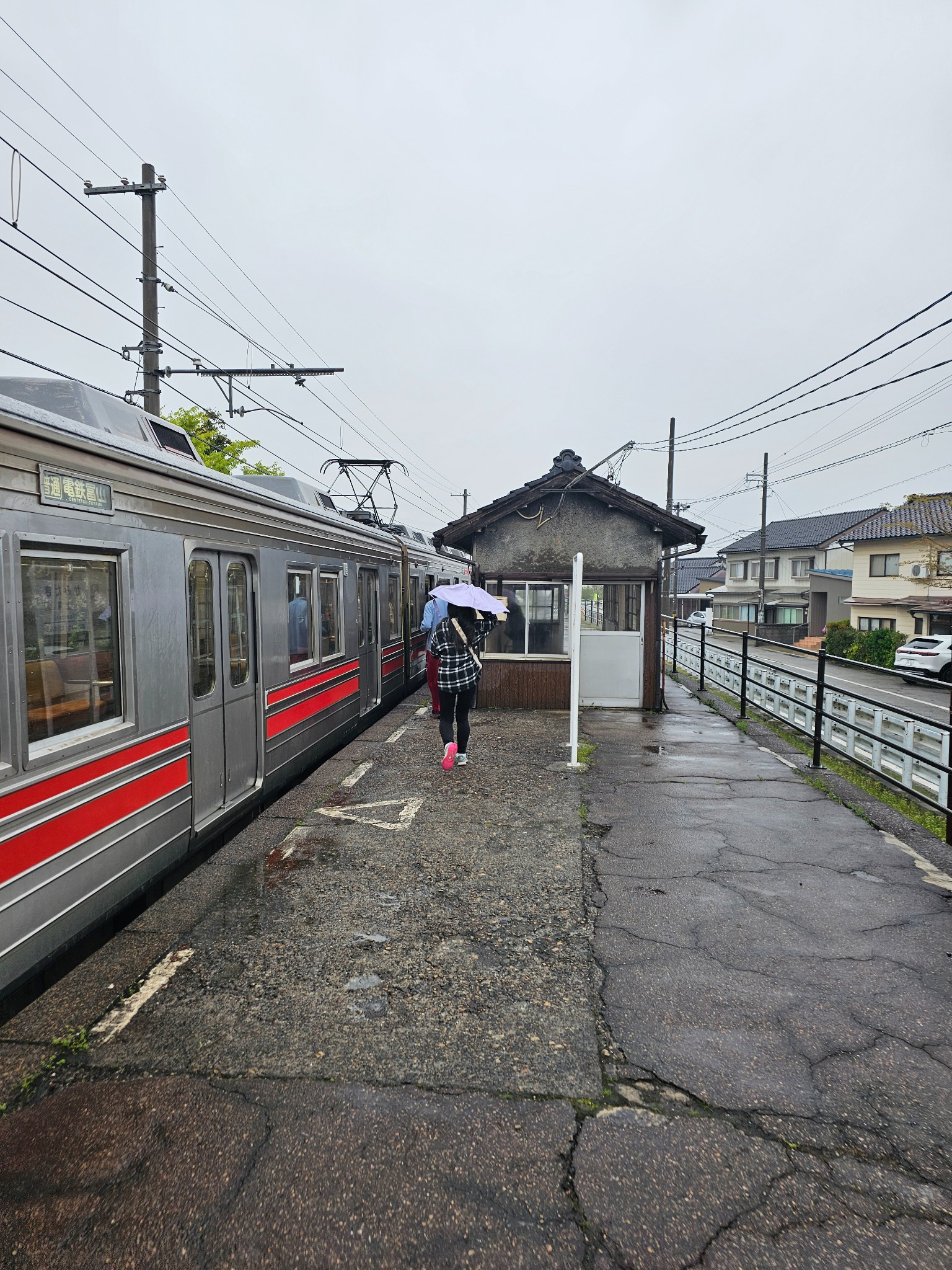
The train gives burden rails. It takes what has been inward and makes it geographical again: window, rain, platform, timetable, seat, arrival. On the train, the house stops being only remembered pressure and becomes route. That change matters in the body first. The station comes closer. Familiar names return. The inner weight begins preparing to meet the actual place again.
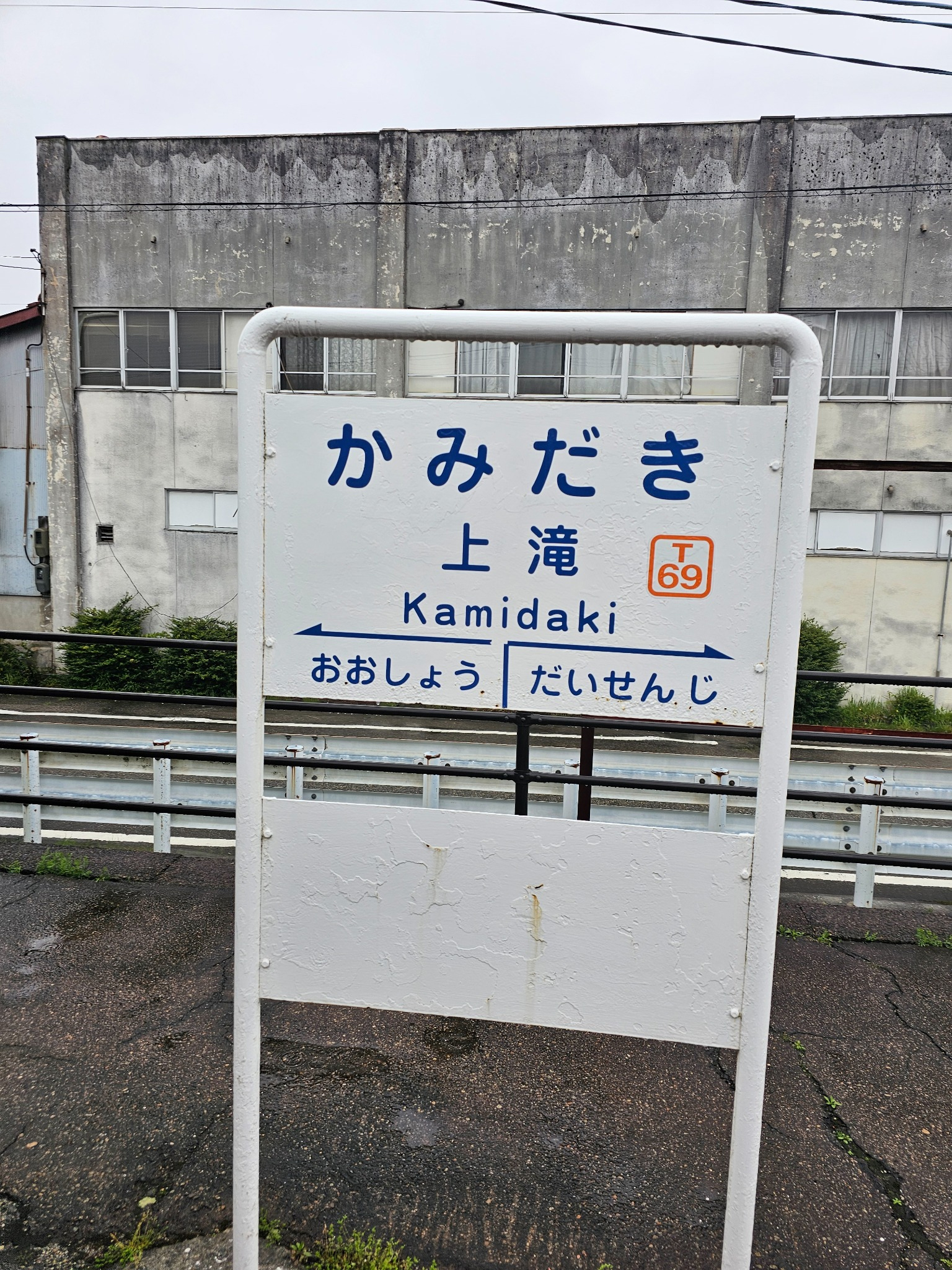
Kamidaki does not solve anything when it appears. It only removes abstraction. After that, the burden has weather on it. It has a platform. It has the road from the station. It has the gate, the rooms, the family voices waiting somewhere beyond the day’s ordinary motion. Tomoko’s inward life and the actual place begin moving toward each other on the same line.
There is tenderness in that convergence, but not ease. The train does not quiet the old strain. It restores its physical outline.
Quiet Family Moments
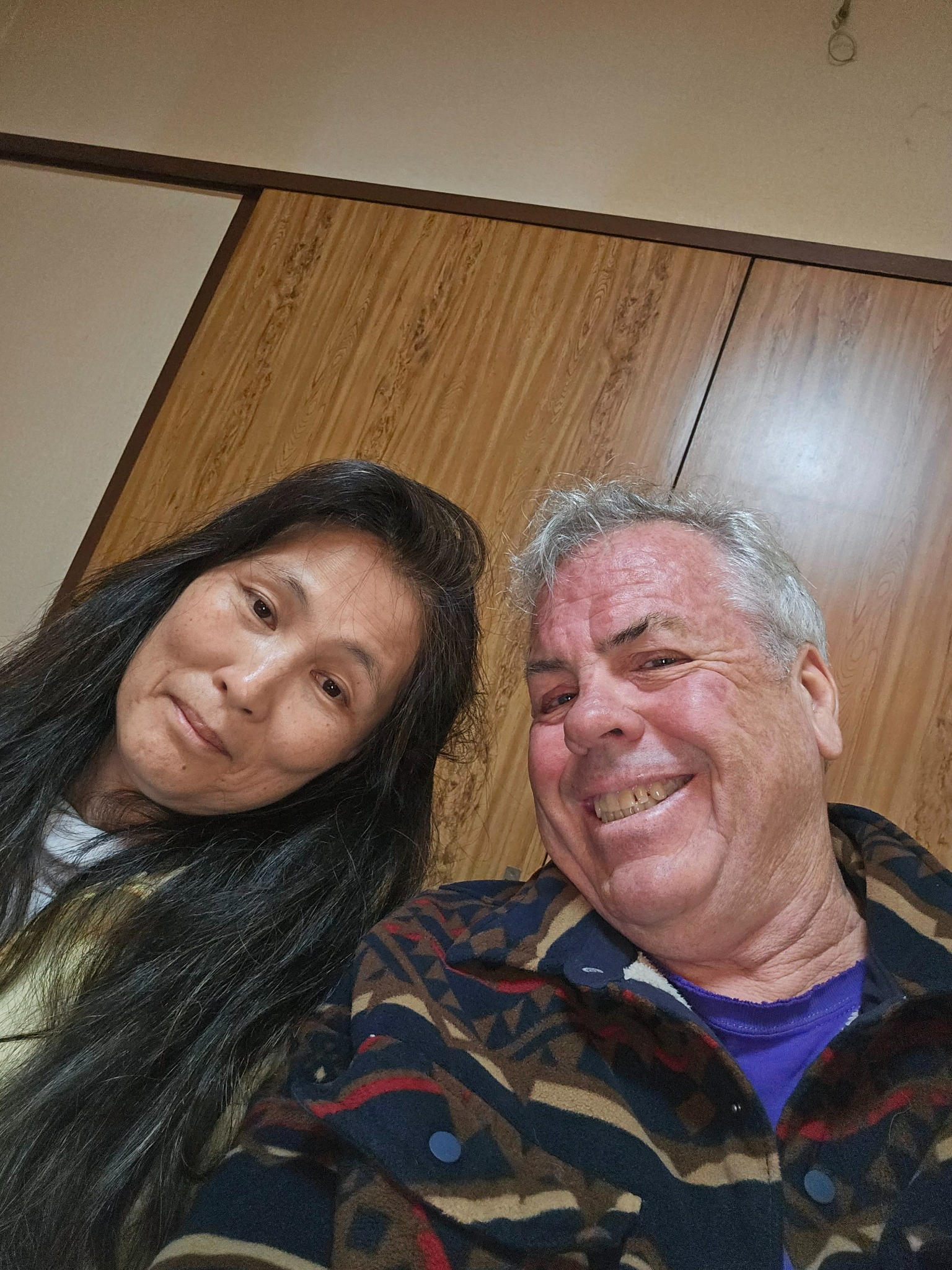
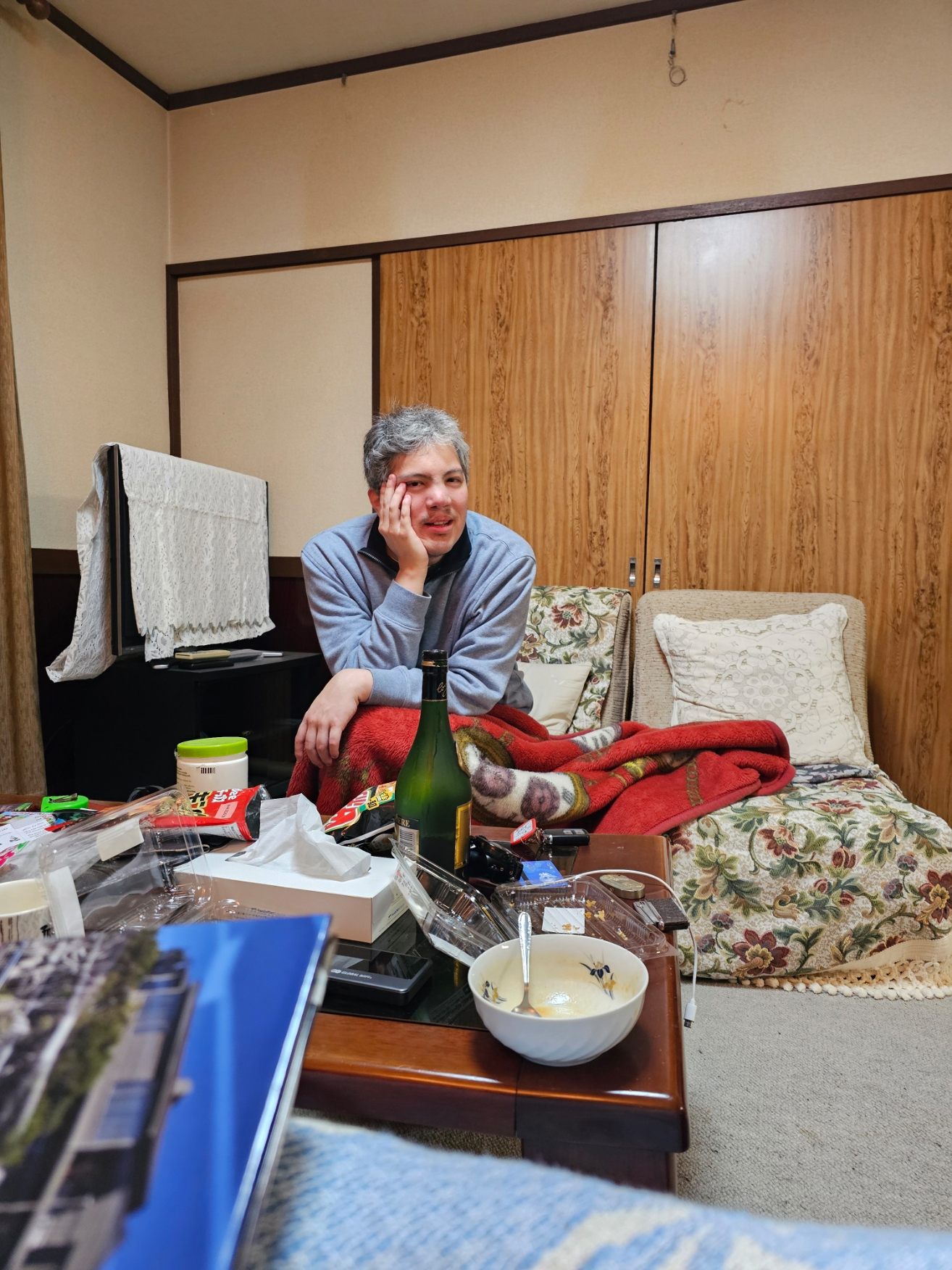
Houses do not survive in feeling through theory alone. They survive through small domestic continuities: an evening selfie, a shared pause, a son resting nearby, a meal, a conversation that does not resolve the house but keeps family life moving beside it. Those moments matter because burden rarely arrives alone. It arrives inside hours that still have to be lived.
Tomoko did not carry the old house as pure sorrow or pure duty. She carried it while continuing to mother, travel, sit, talk, return, and keep the day going. The house did not cancel those hours. It pressed through them. Sometimes softly. Sometimes not. That is why her burden feels heavier than accusation but gentler than argument. It is mixed with care.
The house was not only something she owed. It was something she still loved enough to feel.
Tenderness Against Simplification
Stories like this are always tempted toward hard accounting. One person works harder. One person is farther away. One person sees structure. One person wants relief. Those truths are real. They harden quickly if tenderness drops out of the frame. Tomoko keeps tenderness there.
Not because feeling solves the problem. It does not. The house remains difficult. But she refuses the modern temptation to reduce a family place to pure inconvenience once it stops being easy. Her burden crosses registers. It is filial, marital, maternal, geographical, and emotional at once. The old home becomes legible here not only as architecture, inheritance, or archive, but as a quiet weight inside a woman still moving through the ordinary responsibilities of life.
When the House Stays Inside
Some houses remain behind when people leave them. This one did not. It continued staying inside Tomoko even when she was elsewhere. Not as spectacle. Not as constant lament. More like a second weather: always present, sometimes light, sometimes heavy, sometimes nearly unnoticeable until a family conversation, a station platform, a return visit, or a room inside the old home suddenly made it dense again.
The family eventually had to learn to respect that density. Distance had not meant indifference. It had meant another kind of carrying. Tomoko had not been absent from the house in the emotional sense. She had been living with it inwardly for years.
After that, the easy contrast between “the one who is there” and “the one who is not” began to weaken. The house had been living in more than one body all along.
Tomoko carried the old house not by standing in it every day, but by never fully setting it down.