Cleanup Is Not Destruction
Once the house had answered through labels, grouped objects, carved work, scrolls, screens, tools, and remembered time, the family could no longer leave everything where it lay and call that fidelity. The room had spoken. Now the family had to answer back in another language: tape, boxes, lifting, wrapping, carrying, and making decisions under fatigue without pretending those decisions were violence.
There is a moment in old houses when reverence becomes useless unless it can lift. Before that moment, people can still linger in recognition. They can open boxes, photograph labels, pause over carved wood, feel the weight of history return through paper, metal, lacquer, and grain. Then the room asks a harsher question: now that you have seen me, what are you willing to do with your own hands?
This is the point where fear usually changes its clothes. A family that was brave enough to open a box can grow nervous at the sight of tape. A room that seemed noble in discovery can seem suddenly endangered once cardboard, twine, and padding enter it. Closing a box after opening it can feel, for a second, like loss. But Hanasaki had already passed the stage where untouchedness could still pretend to be innocence. Once the room became readable, leaving everything exactly where it lay stopped being fidelity and started becoming another delay.
The boxes must be opened, yes.
Later they must also be closed.
Opening gives a family revelation. Closing gives it responsibility.
The Packed Room
A packed room has a different dignity from an untouched one. Untouched rooms still permit the fantasy that the past might remain whole if only nobody interferes. Packed rooms admit the truth more bluntly: time has already interfered, and the family has arrived too late for purity. That lateness is painful, but it is not shameful. What matters now is what kind of answer the family gives.
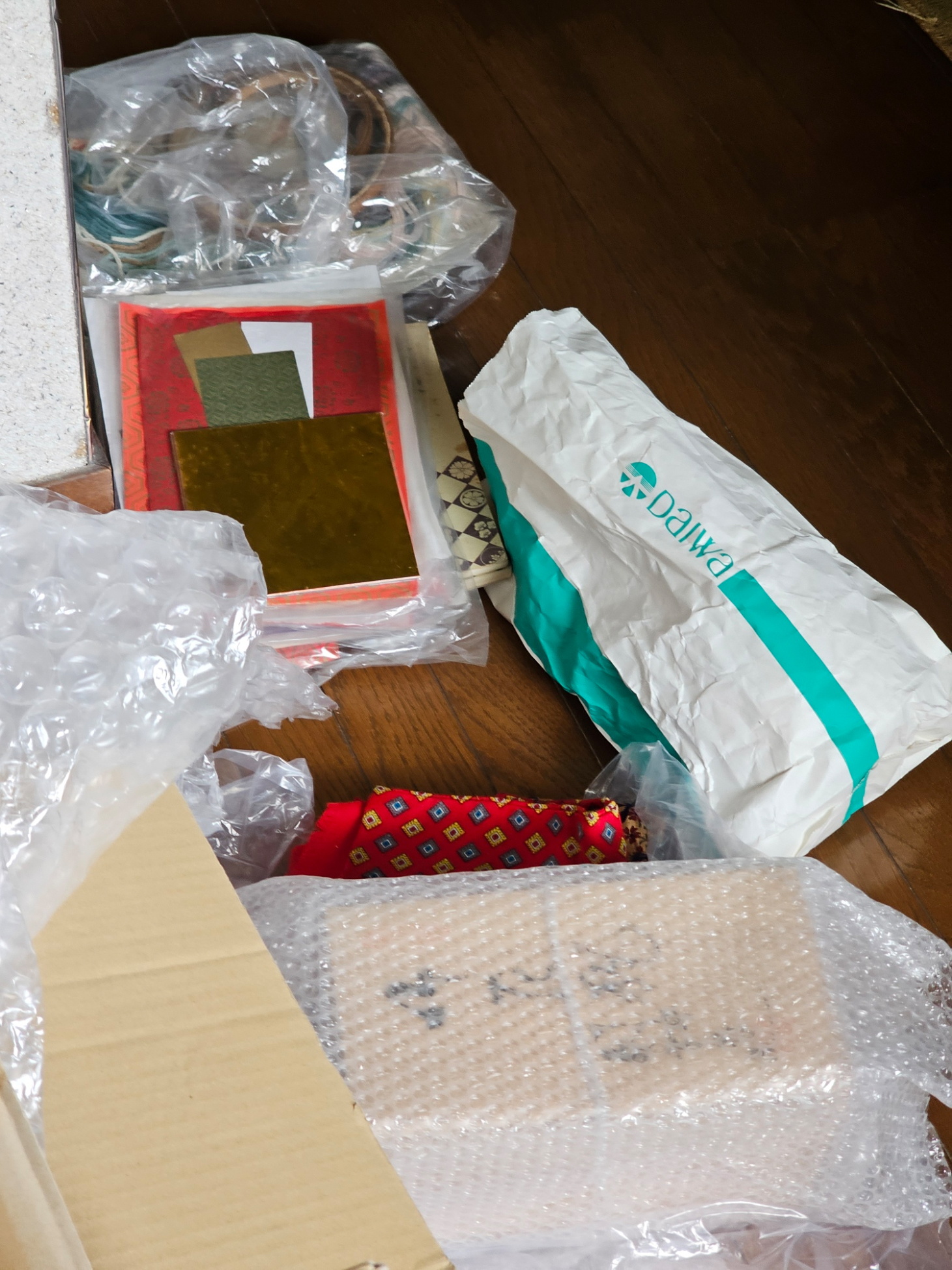
In Hanasaki, the packed room did not look dead. It looked answered. Cardboard had entered. Wrapping had entered. Ties, padding, boxes within boxes, the plain modern grammar of moving and protection had entered. Beside old lacquer, old paper, old wood, and hand-made objects, this grammar could look almost coarse. But without it, feeling would have remained helpless. The room had already given back too much to be met only with admiration.
Once the materials were there, the room changed its posture. It was no longer waiting to be interpreted. It was waiting to be gotten through honestly.
Tying Boxes
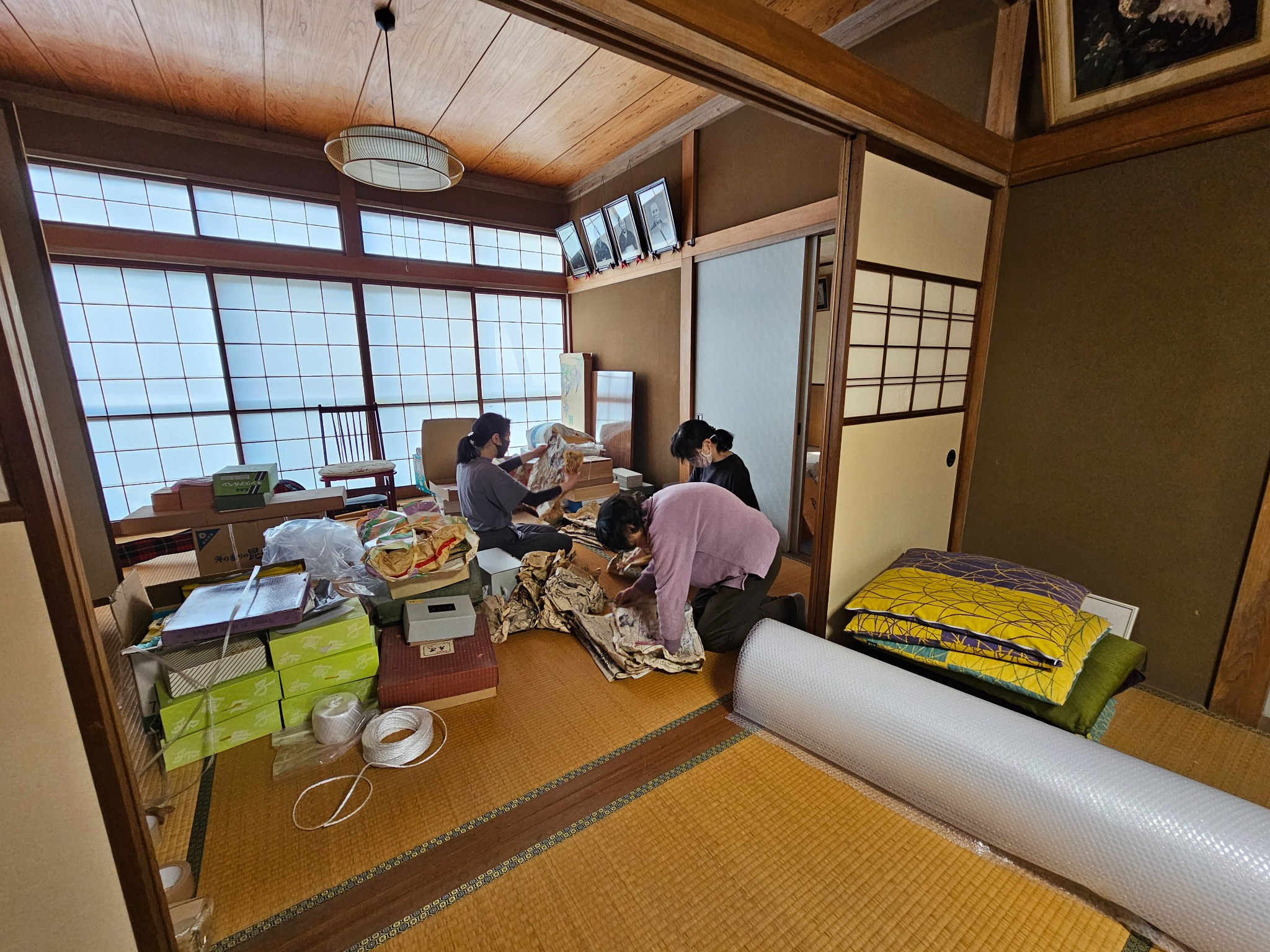
Tying a box is one of the least glamorous acts in a family house, which is why it reveals so much. Discovery still belongs to beauty. Tying belongs to aftermath, and aftermath is where devotion usually proves itself. The knot has to hold. The flaps have to close without crushing what matters. The box has to survive movement through weather, cars, corridors, stations, sidewalks, and hands that are already tired. None of that comes with the reward of immediate grace.
A family can speak beautifully about preservation for years and still fail here, at the cord line and tape edge. Here the house asks something embarrassingly simple: do you care enough to make this hold? Not in theory. In transit. In awkwardness. In the plain modern ugliness required to keep older things alive.
No one standing over a heavy box with both hands occupied gets to remain abstract for long.
Shipping Materials
Modern packing materials rarely arrive with dignity of their own. Bubble wrap, tape, foam corners, cardboard, improvised braces, marker ink, borrowed straps — none of it carries the intrinsic authority of carved wood or lacquered surfaces. That mismatch can sting. It can make the work feel unbeautiful at exactly the moment the family most wants beauty to remain intact.
But the mismatch tells the truth. Old things do not survive the present by being surrounded only by historical atmosphere. They survive because someone answers them with whatever competent means the present allows. The materials may look plain, but the care inside them is not plain at all.
Furniture, Clearing, Aftermath
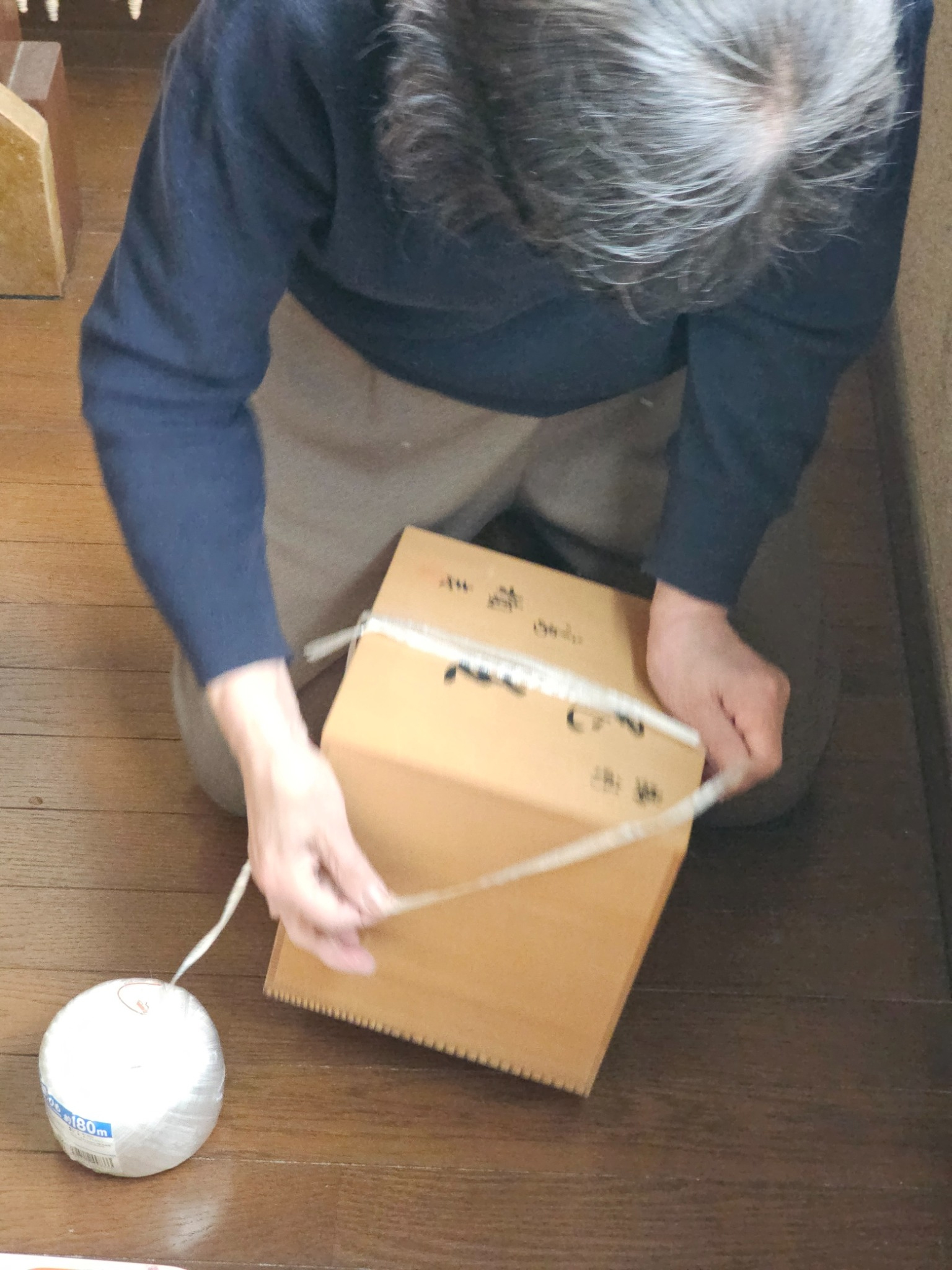
A cleared space can hurt to look at. After objects are lifted, after furniture shifts, after a wall loses what had leaned beside it for years, the room shows another face: not discovery, not abundance, but exposure. This is where sentimental language fails fastest. Either the family accepts alteration as part of care, or it retreats into the fantasy that care could happen without disturbance.
Hanasaki did not allow that fantasy any longer. If the family had arrived late, then clearing was part of what honesty looked like. The room after handling was not desecrated. It was a room caught in the difficult middle between hiddenness and preservation. A visible floor was not automatically a sign of loss. Sometimes it was a sign that the house had finally been met where action costs something.
Cost changes the mood of work. Cheap cleanup feels disposable. This did not. The room had already taught too much for indifference to survive the labor.
Long Package Movement
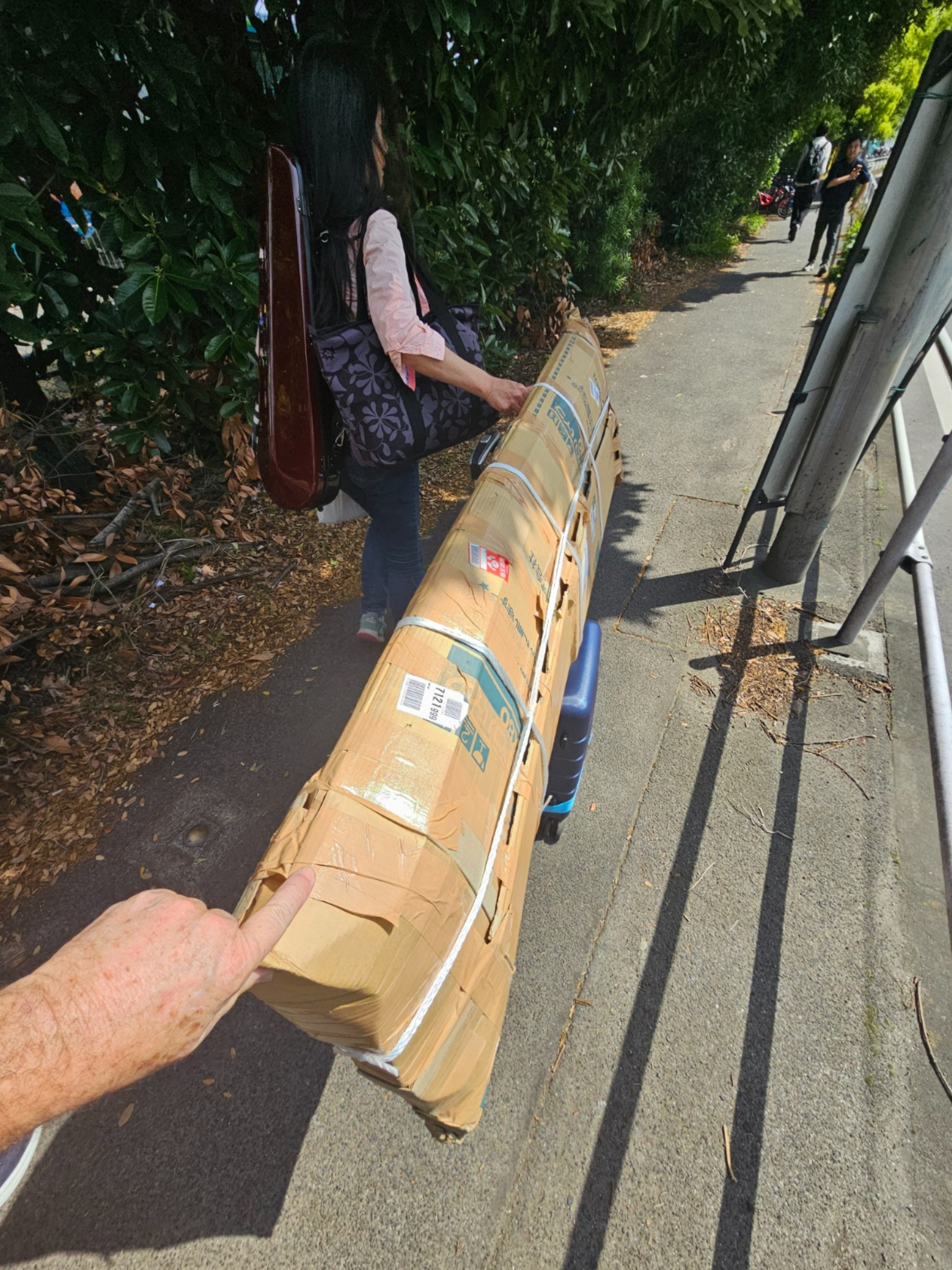
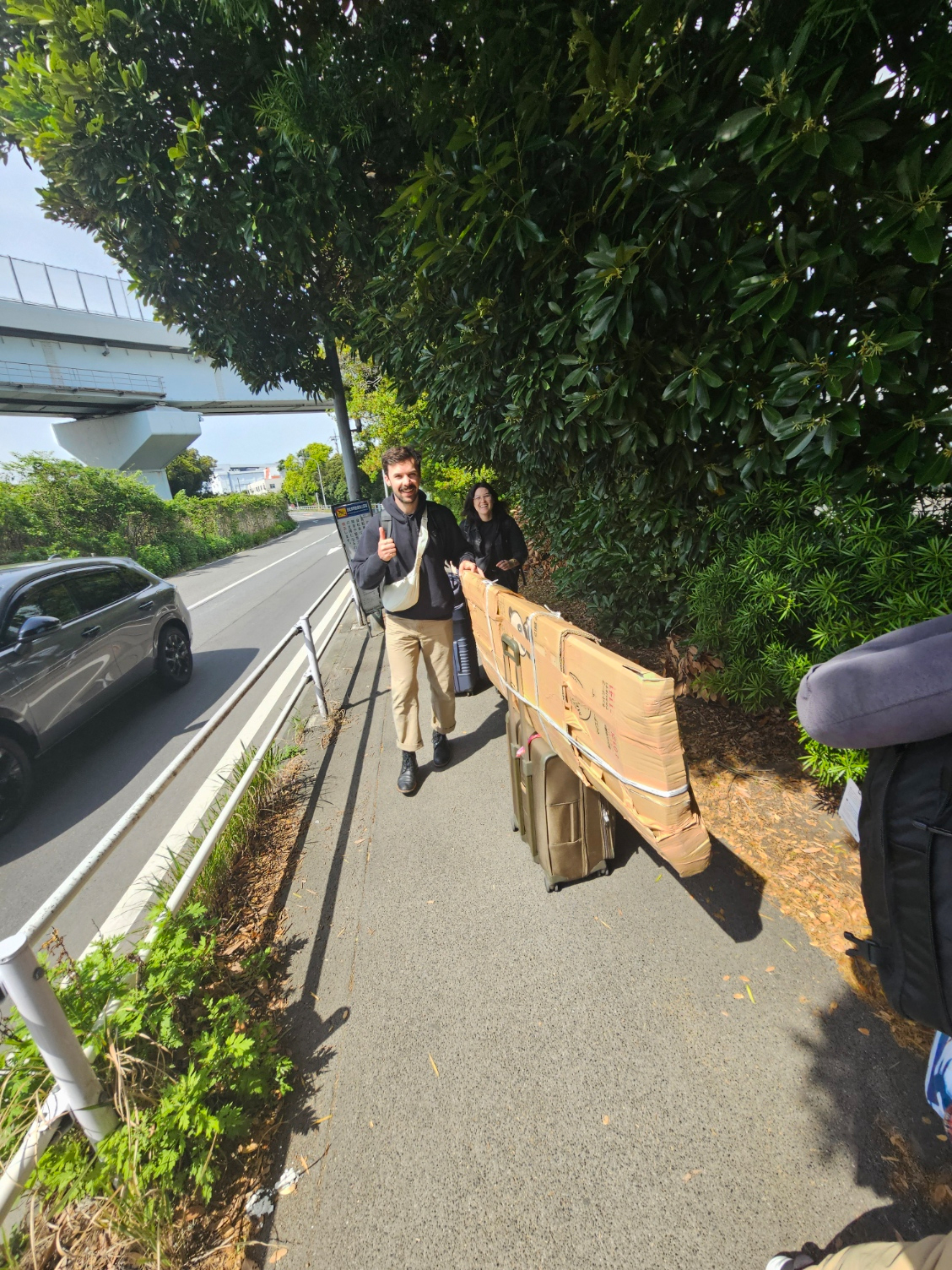
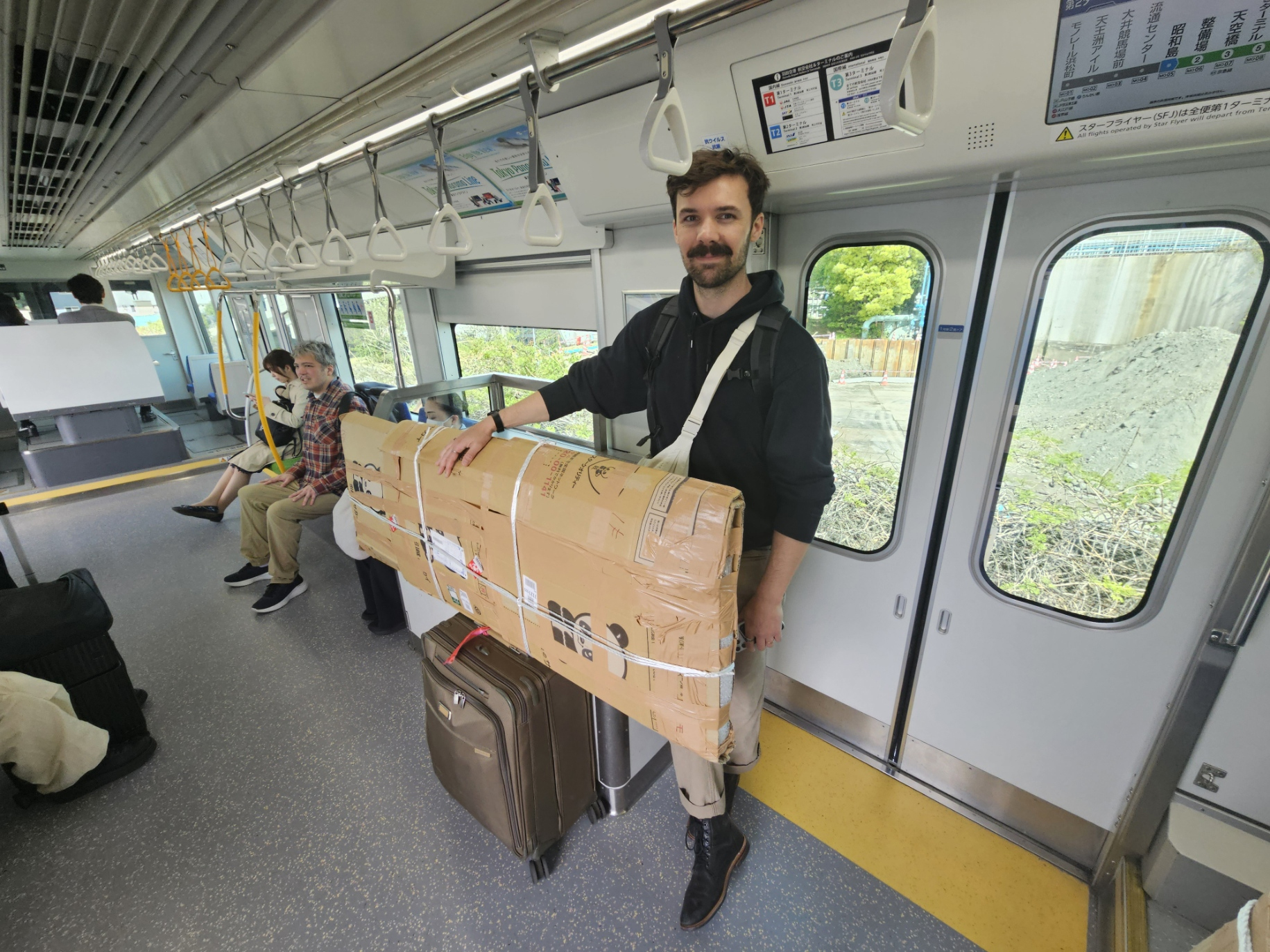
Long packages change the scale of effort. A small wrapped object can still be handled privately. A long one insists on coordination. Corners become hazards. Doorways narrow. Cars become puzzles. Sidewalks, platforms, monorails, and airport spaces suddenly enter the old house’s story. Preservation leaves the room and becomes public choreography.
Nothing in that choreography is graceful in the decorative sense. The package becomes inconvenience, comic awkwardness, strain, risk, and proof of commitment at once. It has to be angled, steadied, watched, handed off, lifted again. To keep carrying it is to keep answering the house after the romance of discovery has already passed.
The long box is therefore not a lesser image than the carved object inside it. It is what beauty looks like when beauty has to survive transit.
The Moral Seriousness of Practical Work
By now the family had already learned how to admire, how to remember, how to reconsider, how to let the house enlarge the old argument into something more truthful. None of that was enough by itself. Love for an old house eventually has to pass through lifting what is heavy, closing what has been opened, carrying what is awkward, and accepting that preservation sometimes arrives with tape on it.
Destruction refuses meaning. This work did the opposite. It accepted the burden of carrying meaning forward in imperfect modern forms. The family was not emptying the house of value. It was refusing to let value remain trapped in conditions that had already turned dangerous through delay, weight, exposure, and time.
The work was plain. The ethics were not.
The house had already spoken through beauty. Now it asked for strength, tape, patience, and the willingness to keep caring after revelation had passed into labor.