Toyama by Night
After counters, wrapping, platforms, monorails, departures, and the long strain of carrying, the body wants something other than caution. It wants water, light, food, steam, signs, and window glow. Evening gives Toyama back at the level of appetite and reflection. The city is no longer only where burden stood. It is where night loosens burden’s grip just enough for life to feel inhabitable again.
Family burden can distort a place until the mind begins to use one name for two different things. It says “Toyama” when it really means the old house in Hanasaki. Roads become approaches to worry. Stations become transfer points of obligation. One unresolved structure casts too long a shadow over canal water, restaurant signs, blossom light, and the smell of food turning on a hot surface. Night breaks that spell. It does not erase the burden. It simply lets the wider city come forward again, first as reflection, then as appetite, then as shelter.
Daylight can be factual. Night is generous. It allows a place to speak through glow, steam, hunger, window light, and the double life of water. After the long discipline of carrying and departure, Toyama returns at body level. Not as argument. Not as burden’s backdrop. As somewhere people still gather, eat, look, pause, and let evening make the visible world feel briefly kind.
A place must remain beautiful even when one part of life inside it has become heavy.
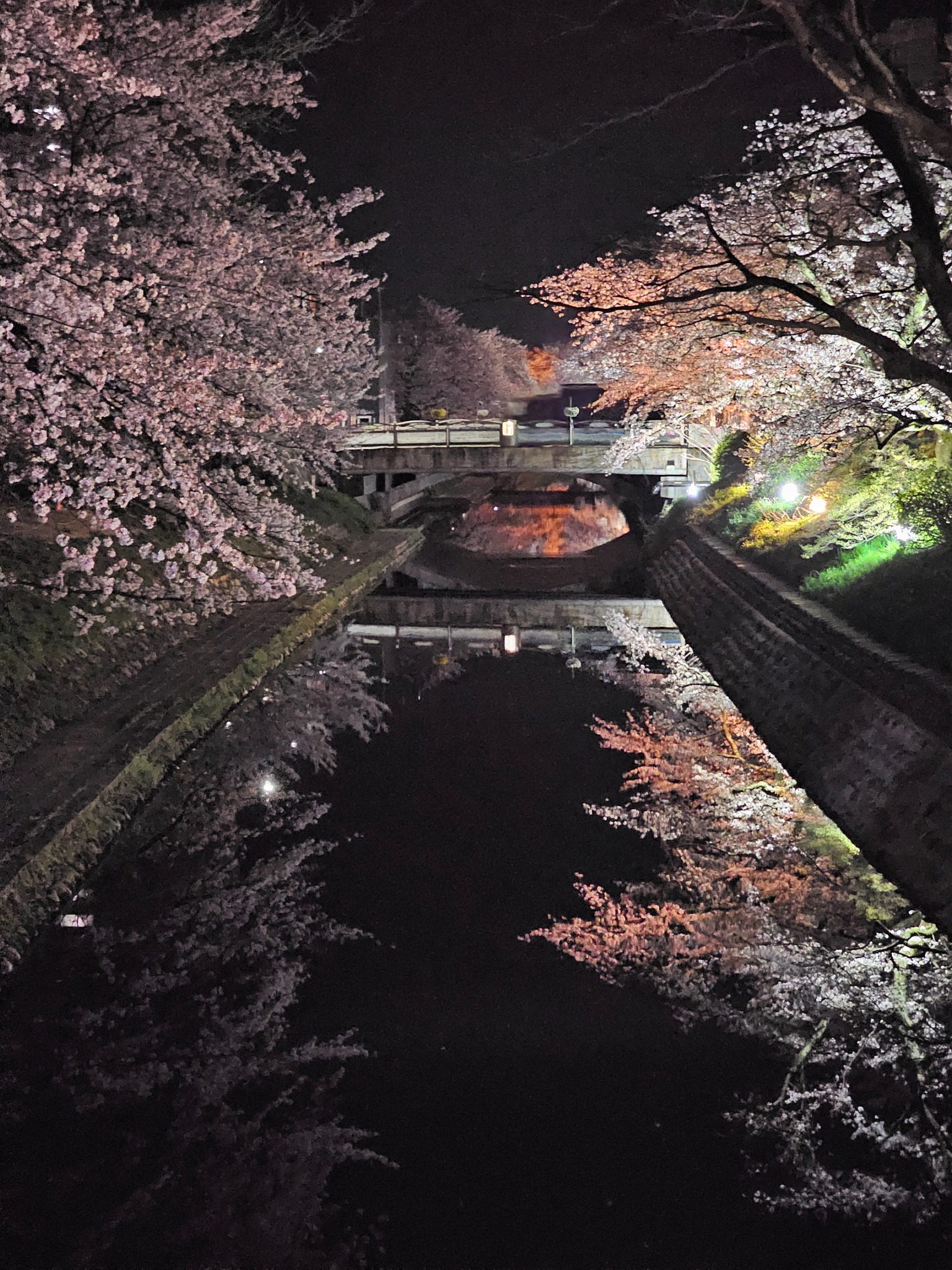
The Hanami Canal
The canal gives the city back in two bodies, one above the water and one below it. Blossoms at night lose some of their daytime prettiness and become atmosphere instead. Reflection does not soften the world so much as deepen it. Light appears once in the air and once again in the dark surface that receives it. After all the recent handling, carrying, and procedural strain, that doubling feels like mercy. The family has spent chapters lifting burden. Here the water lifts light.
People can still stand beside such a canal and be claimed by it for a moment. The city is not finished simply because the house remains difficult. Evening keeps gathering beauty in public, and the water keeps proving that a place can hold more than one truth at once.
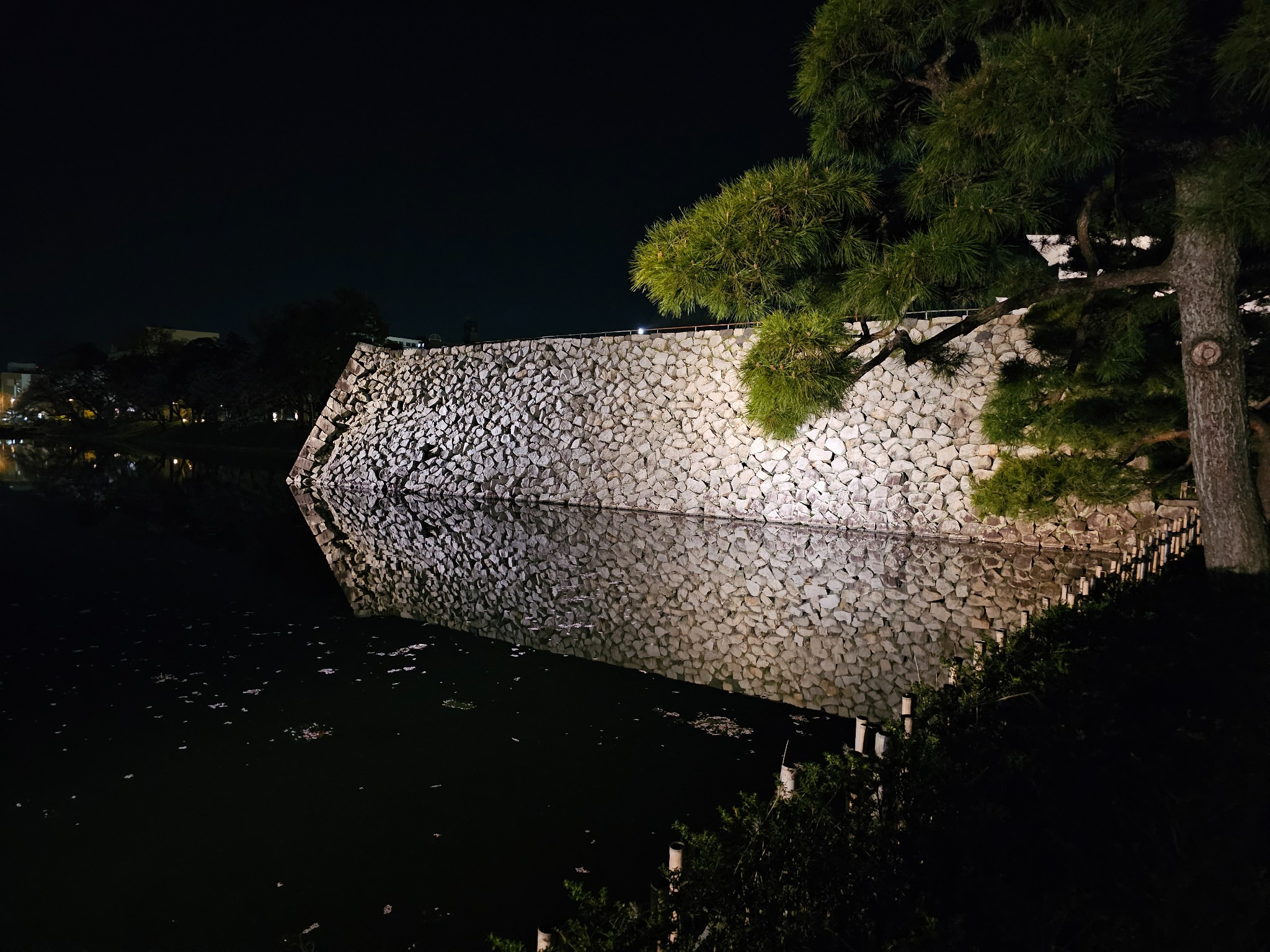
Castle Reflection
The castle at night enters the page not as lecture but as atmosphere. By day a castle can feel dutiful, something to be noted, explained, and passed by. At night, doubled in the moat, it becomes less instructional and more like memory learning how to glow. The reflection keeps it from hardening into a monument. Public history loosens in water and comes nearer to feeling.
The family house is not the only surviving form in the region. Time has not gathered only inside one wounded set of rooms. The city also carries its past, and carries it with more ease than the family can yet manage. The moat takes the castle and returns it loosened by water.
Food Stalls
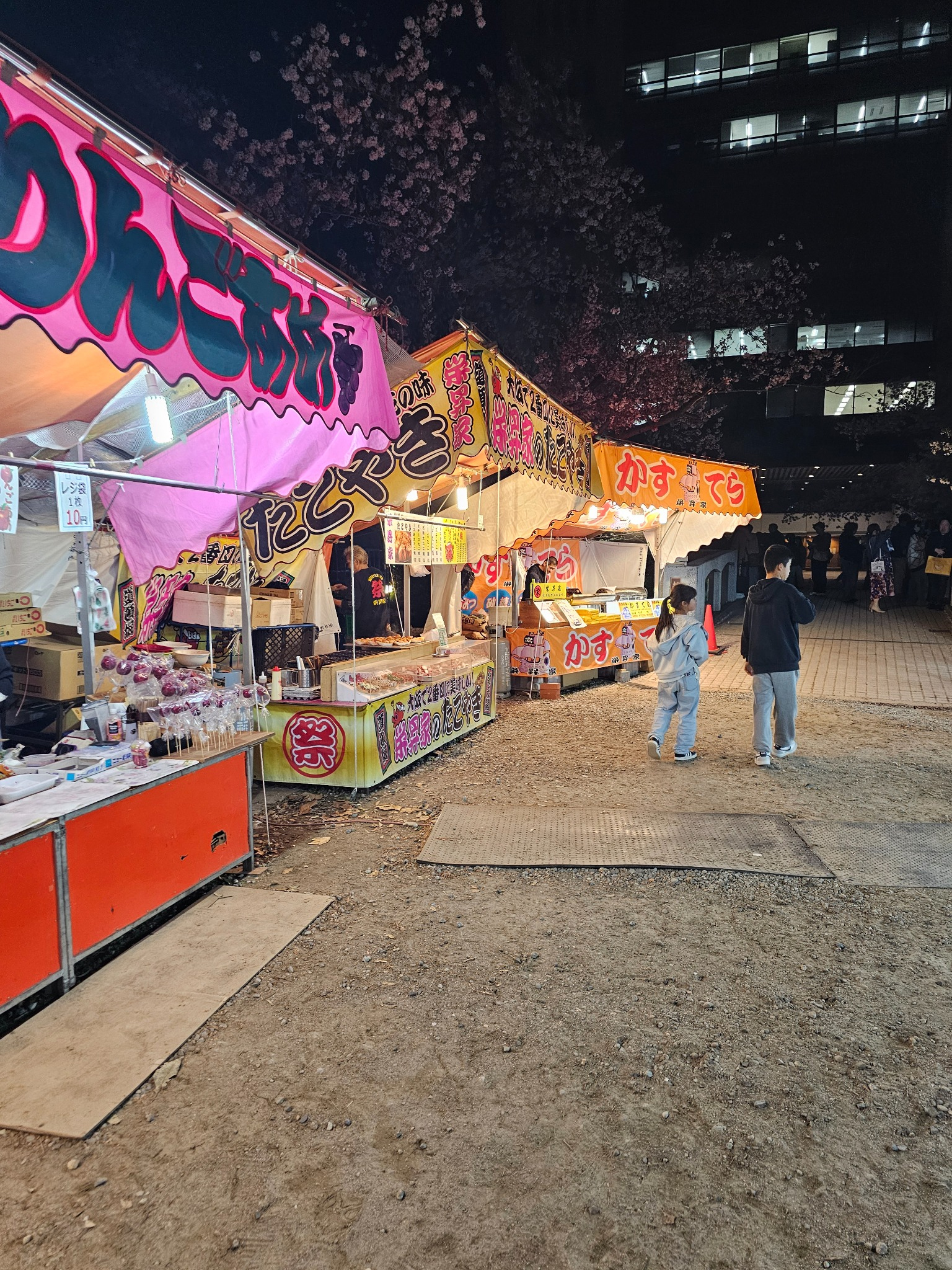
Beauty alone would make the night too airy. Toyama has to come back through appetite as well. Food stalls do that immediately. Lighted counters, temporary frames, steam, smoke, waiting customers, paper trays, the metallic sound of utensils against hot surfaces: the city drops from atmosphere into the body. Evening stops being something merely seen. It becomes something smelled, wanted, and eaten.
The yatai stalls return warmth to the human scale. Night is no longer only for looking across water. It is for standing in line, choosing, paying, waiting, and receiving something hot in the hands. That ordinariness is part of the chapter’s tenderness. Not burden’s backdrop. Not postcard. A place where hunger is expected and answered.
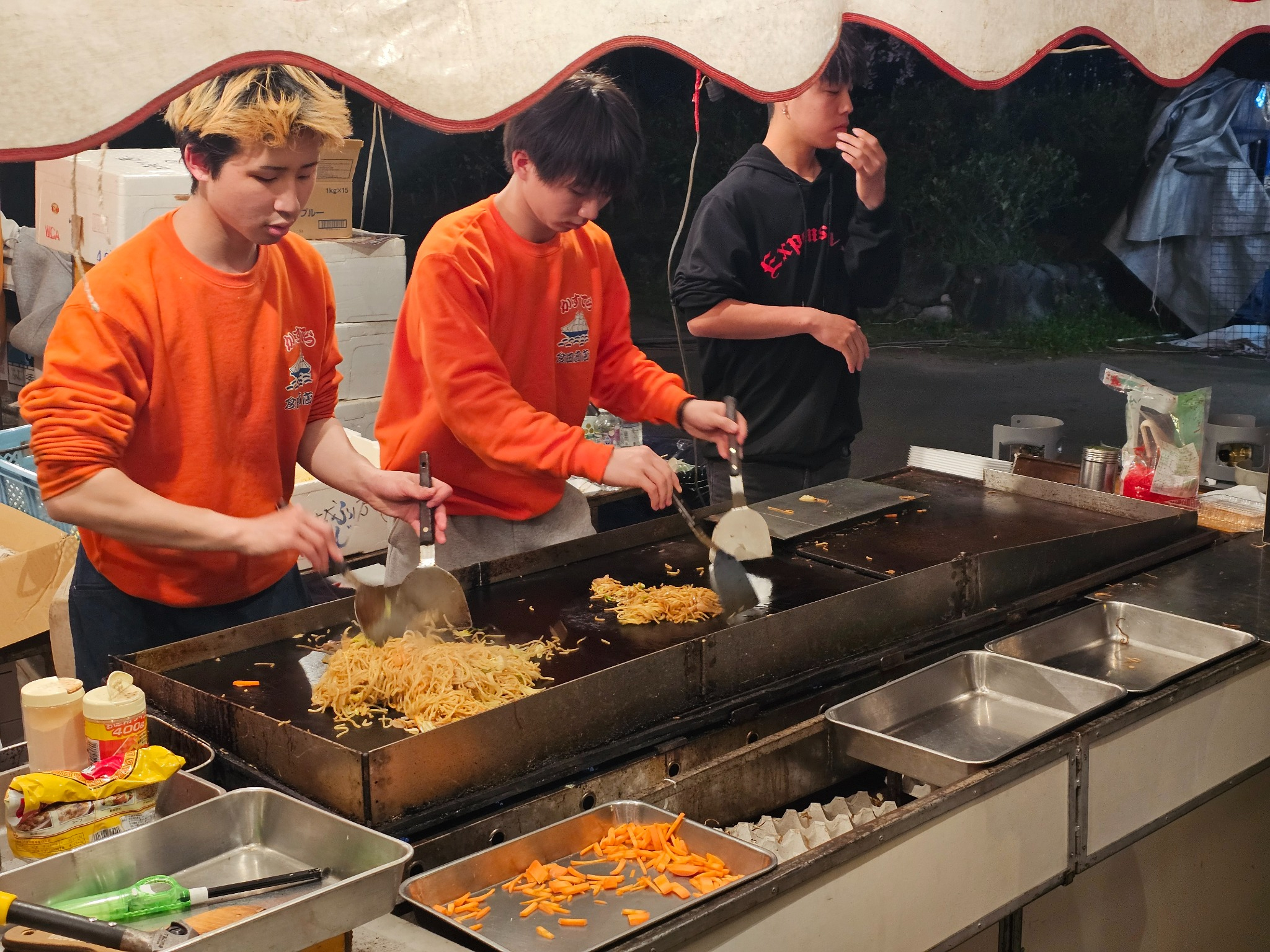
The Yakisoba Stall
The yakisoba stall narrows that warmth into one immediate image. Noodles on metal. Sauce hitting heat. Public appetite under evening light. Nothing in the scene strains for grandeur. It does not need to. Livability arrives through sizzle, smell, and the confidence of a city feeding people in the open air.
Proportion often returns that way. Not through revelation, but through food made in front of you, a queue that moves, a familiar smell, the reassurance that life beyond the burden has continued to cook.
Besso Window
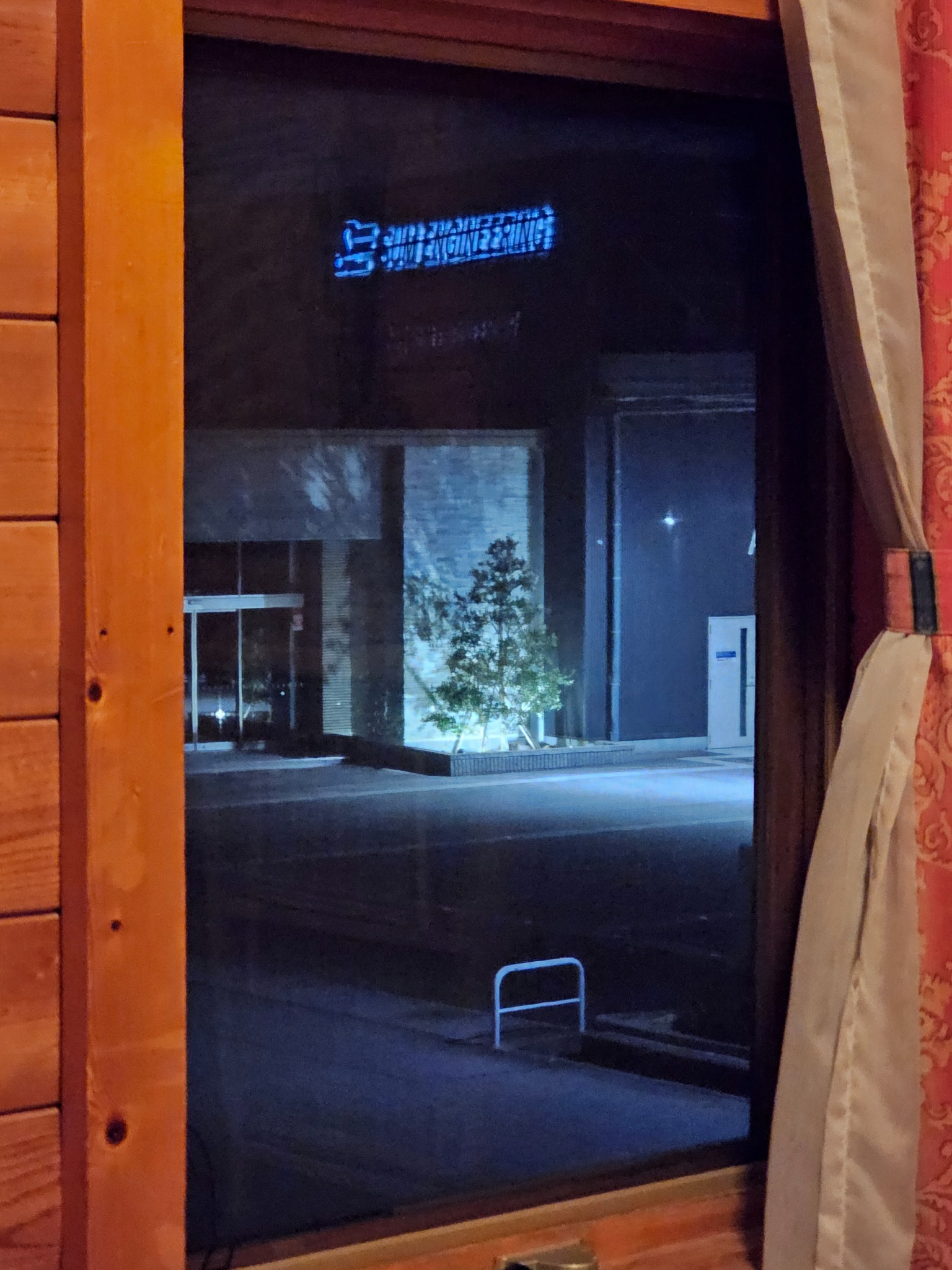
One lit window at night can carry a great deal if it belongs to the right room. The Besso window does. Behind glass, a room glows. Around it, darkness keeps its shape. The image does not plead for attention. It offers shelter without performance. After so many burdened interiors in this book, that matters in the nervous system before it matters anywhere else.
So much of Uchi has been about interiors under strain: hidden interiors, burdened interiors, discovered interiors, packed interiors, rooms heavy with family weather. The Besso window belongs to another order. It suggests calm, pause, hospitality, and the old human relief of seeing a room lit against the dark.
Restaurant Sign
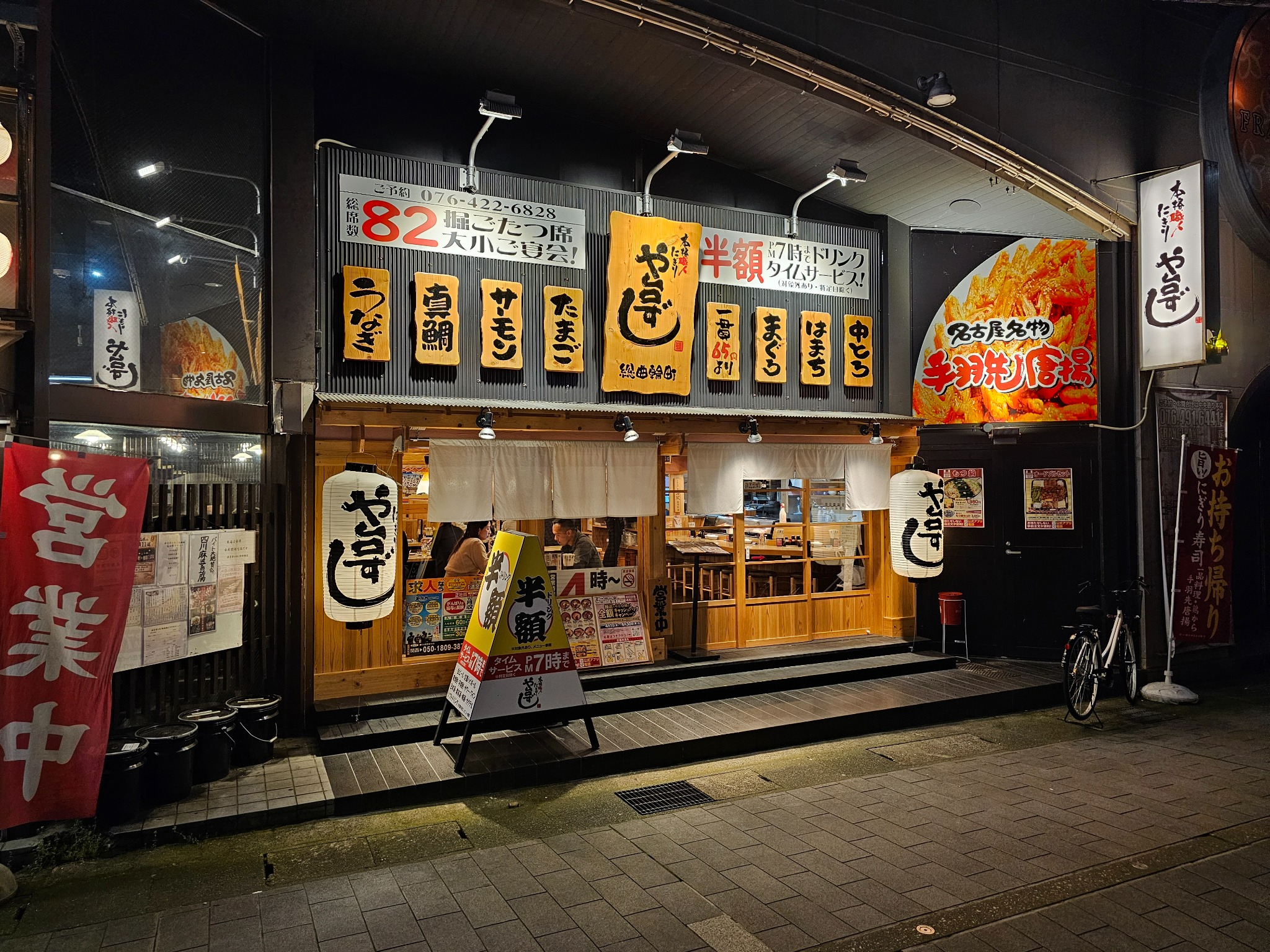
Signs are part of livable beauty because they invite the body inward. The family restaurant sign keeps the chapter honest. Toyama by night is not only canal reflection and poetic water. It is also naming, entry, appetite, and the promise that somewhere nearby someone has kept the lights on for hunger.
A lit sign says that the city continues in human scale. Someone cooked. Someone opened a door. Someone expected other lives to arrive in need of dinner and made ready for them. That answer belongs beside the canal and the castle because it is equally part of what makes a place worth loving.
Toyama as Livable Beauty
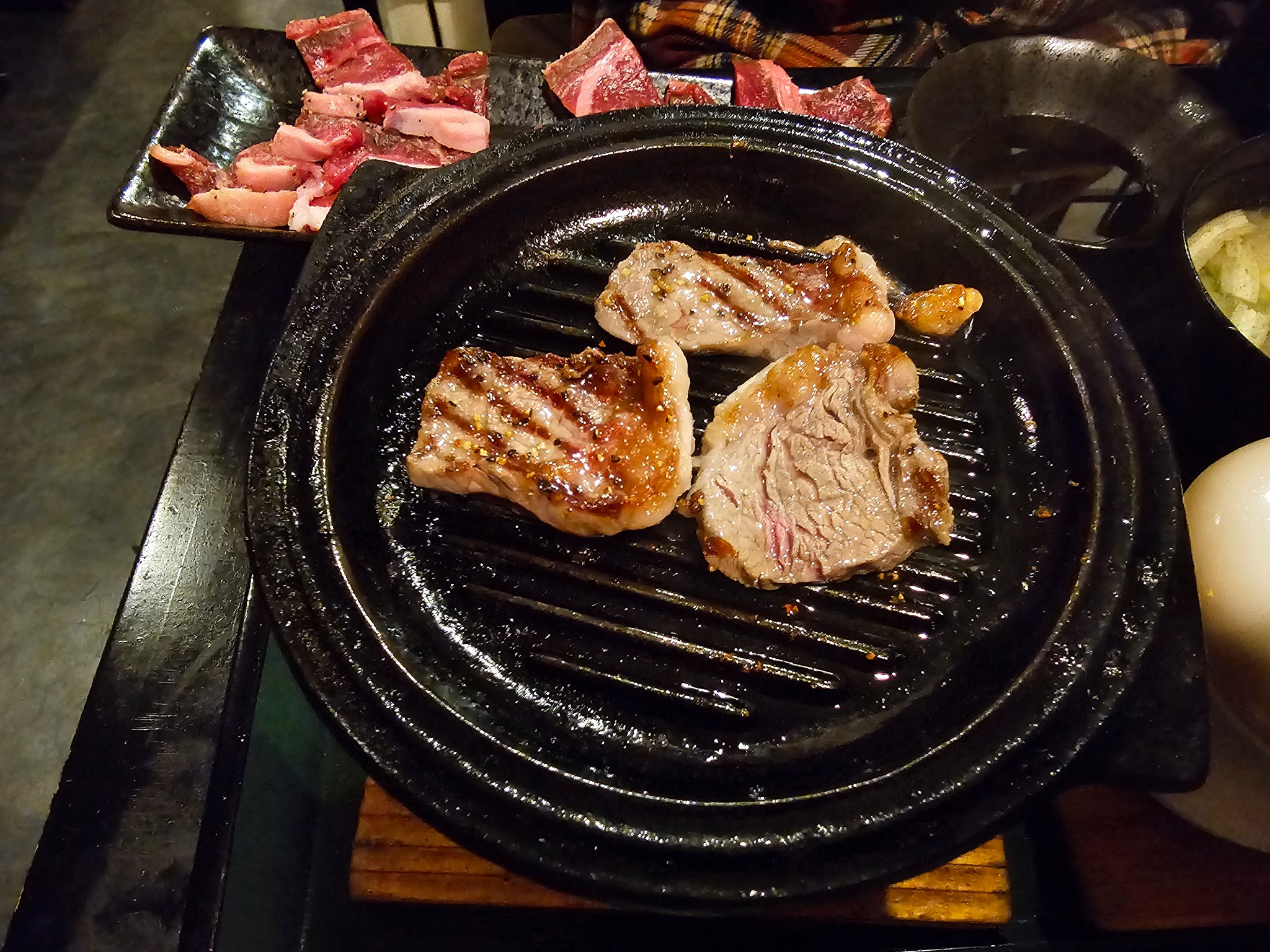
By this point the city has returned in its own right: canal light, castle reflection, food stalls, yakisoba, grill smoke, window glow, restaurant signs. Toyama is no longer standing behind the burden like scenery behind a stage set. It has stepped forward again as a place that can hold ordinary delight without apology.
The mind had been unfair to geography. It had been saying “Toyama” when it meant the old house in Hanasaki. Night loosens that mistake. The wider place exceeds the problem. It contains public beauty, appetite, routine shelter, and evening scenes spacious enough to hold the family in a gentler register.
The old house remains grave. Nothing here erases that. But gravity belongs inside a larger world than argument alone can admit. The burden is real. The city is also real. Both truths have to stand.
Beyond this night another room is waiting. Kyoto will not replace Toyama. It will answer it with a different kind of beauty — more layered, more strange, more ceremonial. But Toyama has already returned to the body. Evening, food, light, and water belong to life again.
Night has done its work here. Water reflected. Food smoked. Signs glowed. Windows held light. Toyama has come back not as burden’s backdrop, but as somewhere one could still love after the work was done.
Toyama was never only where the burden stood.
It was also where evening made life look worth carrying.