Gold Screens and Kura Wood
This chapter compares two different aesthetic worlds that now live side by side in the book. Kyoto offers gold, surface, staging, narrative, and public refinement. Hanasaki offers wood, storage, darkness, endurance, and private survival. One teaches display. The other teaches what remains when display is no longer the point.
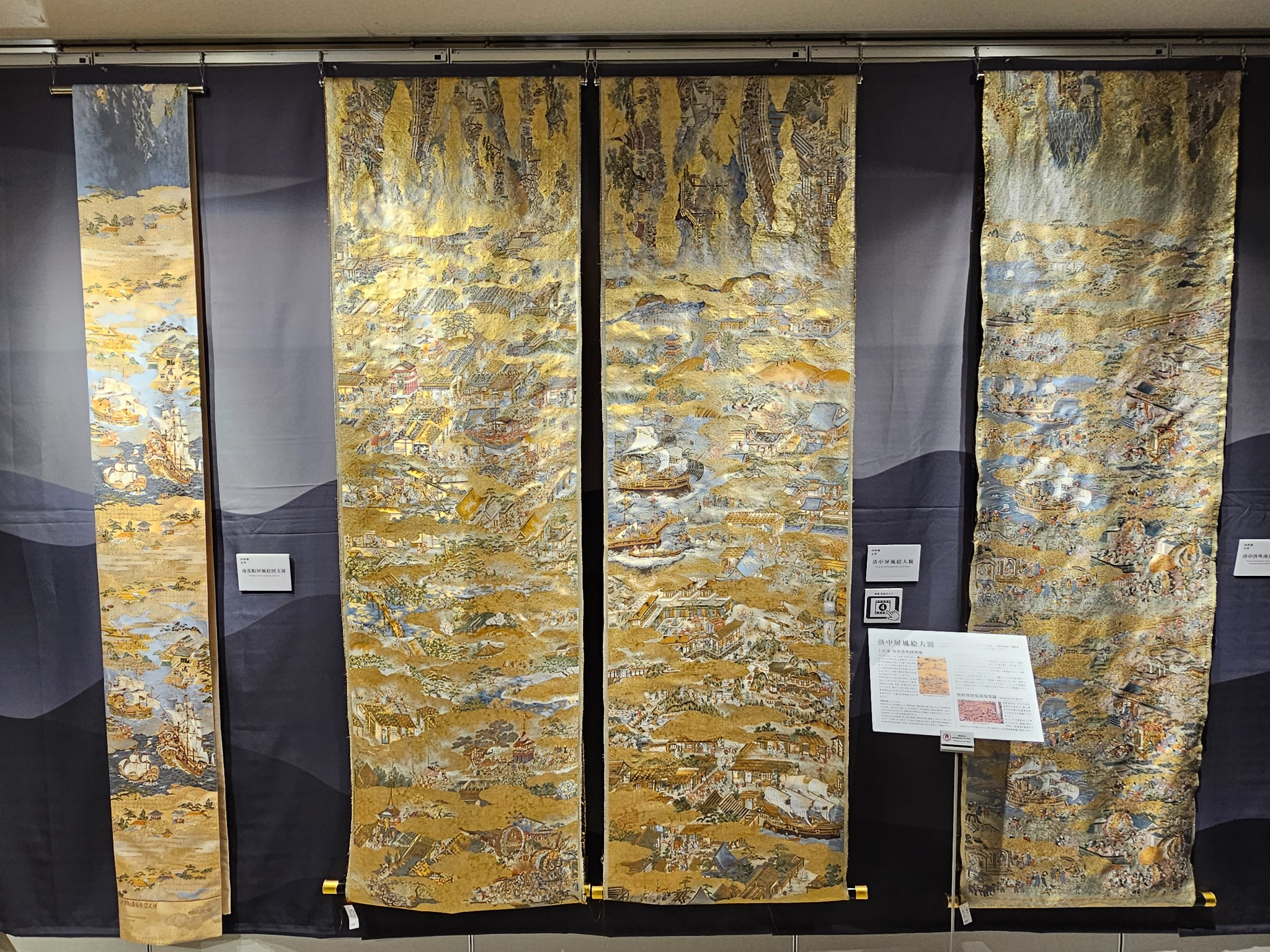
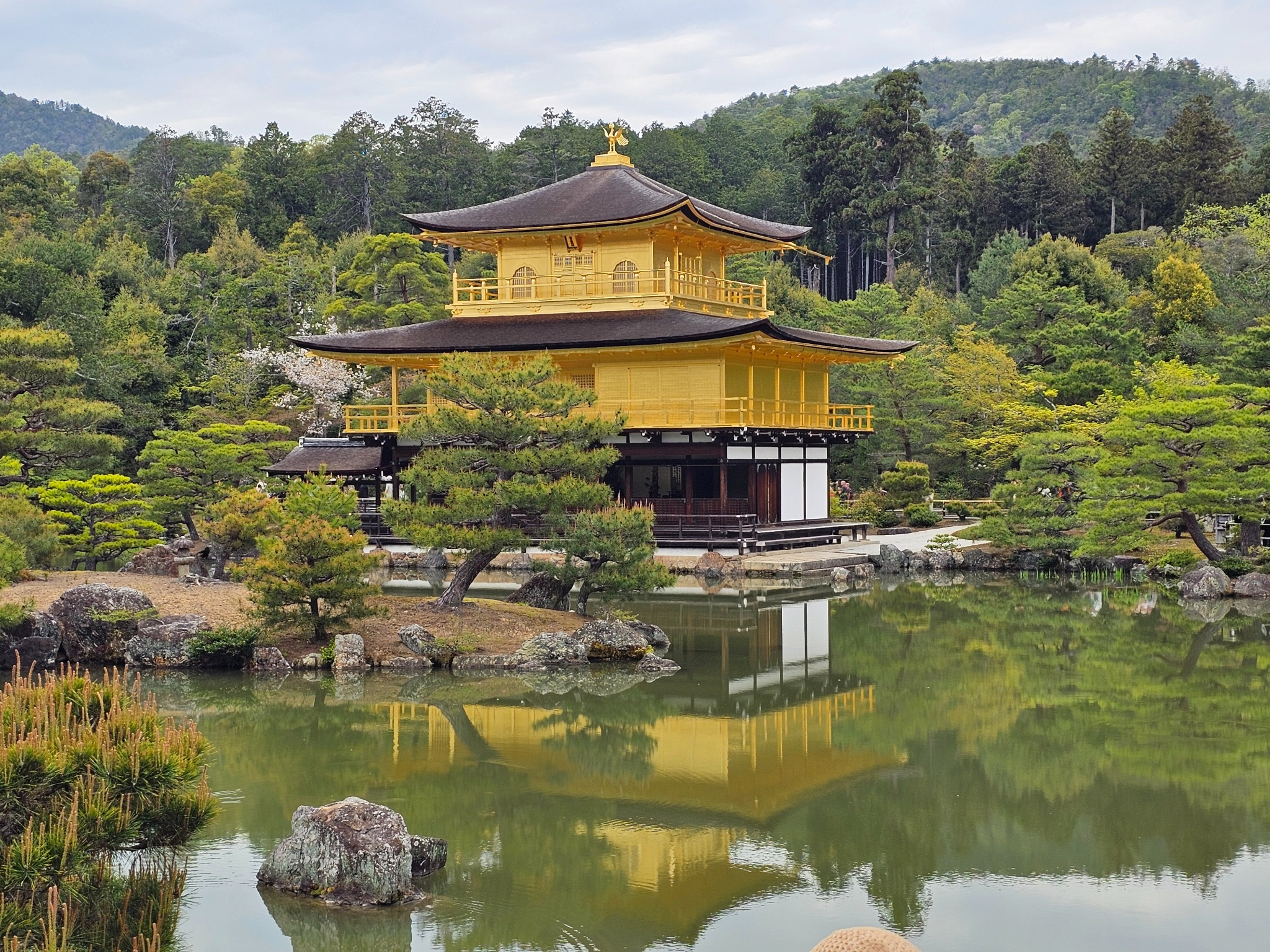
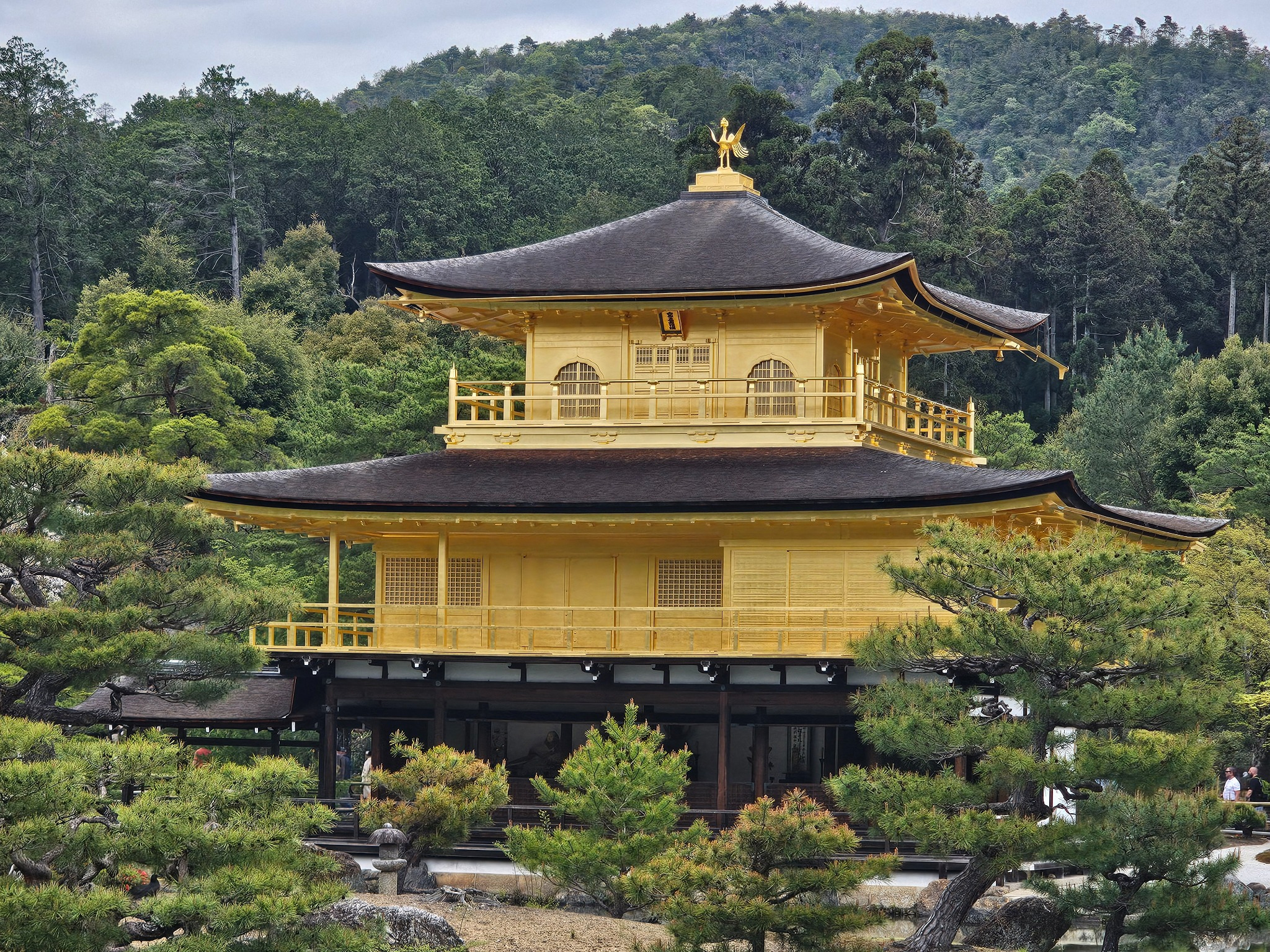
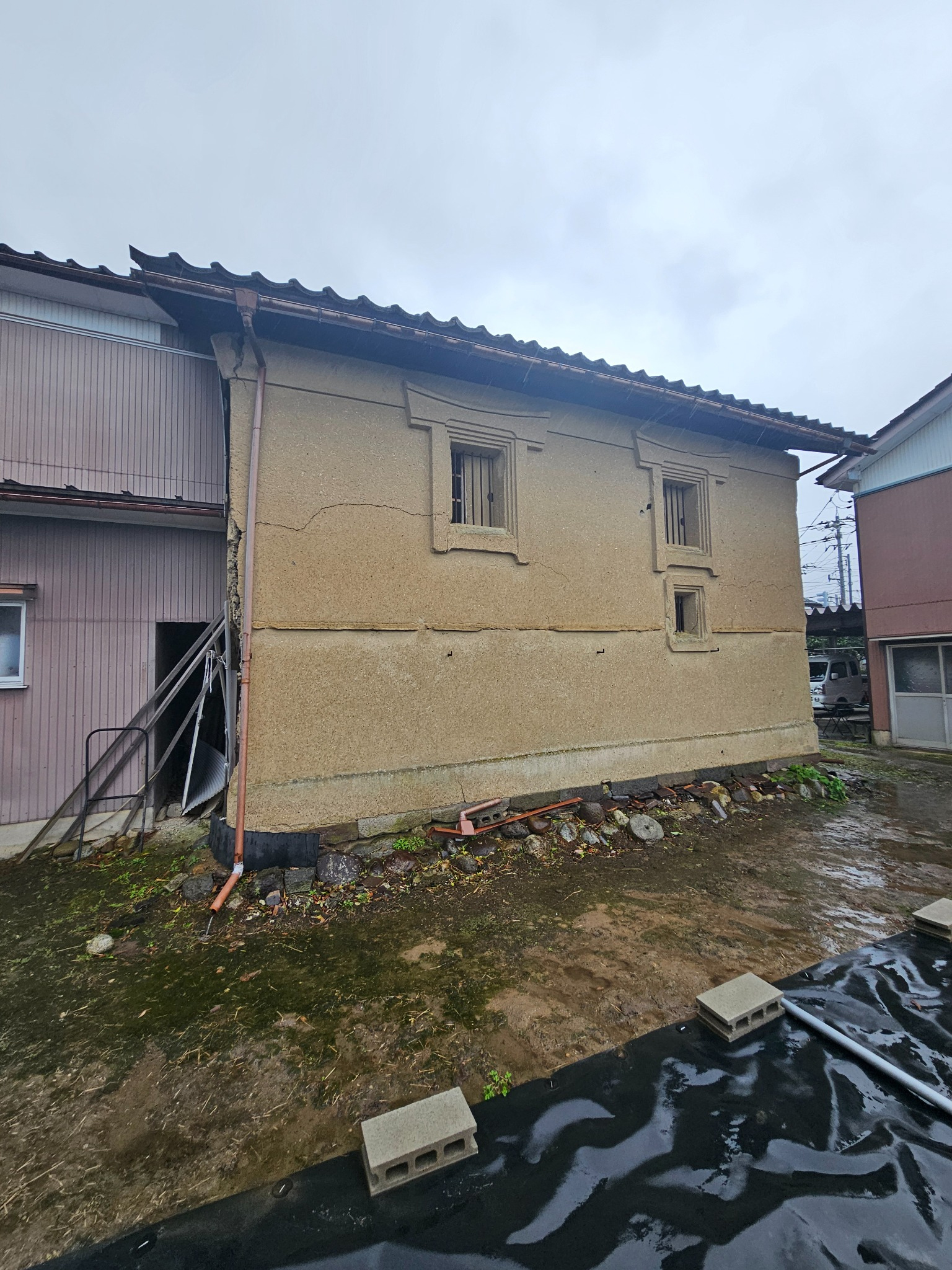
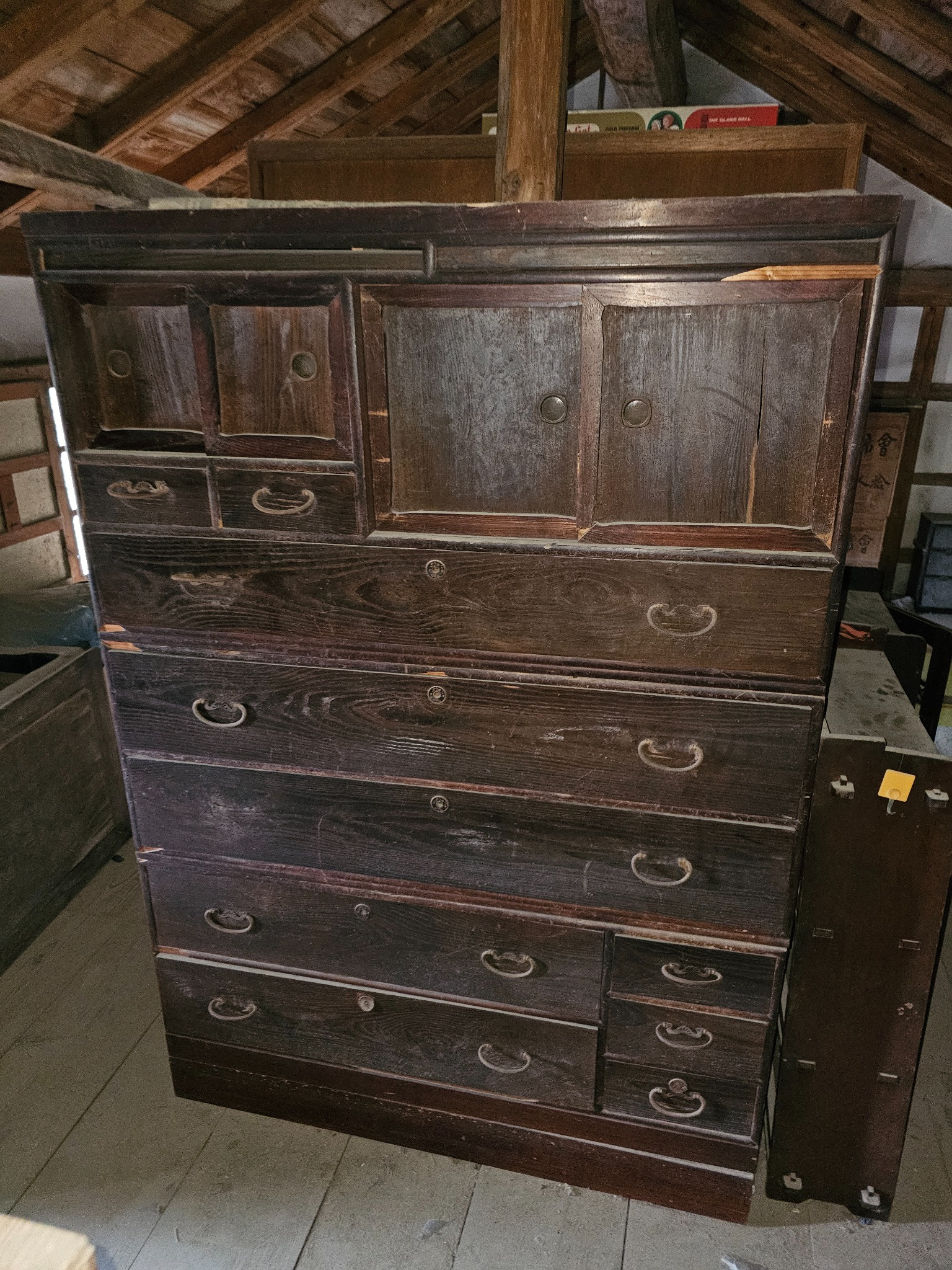
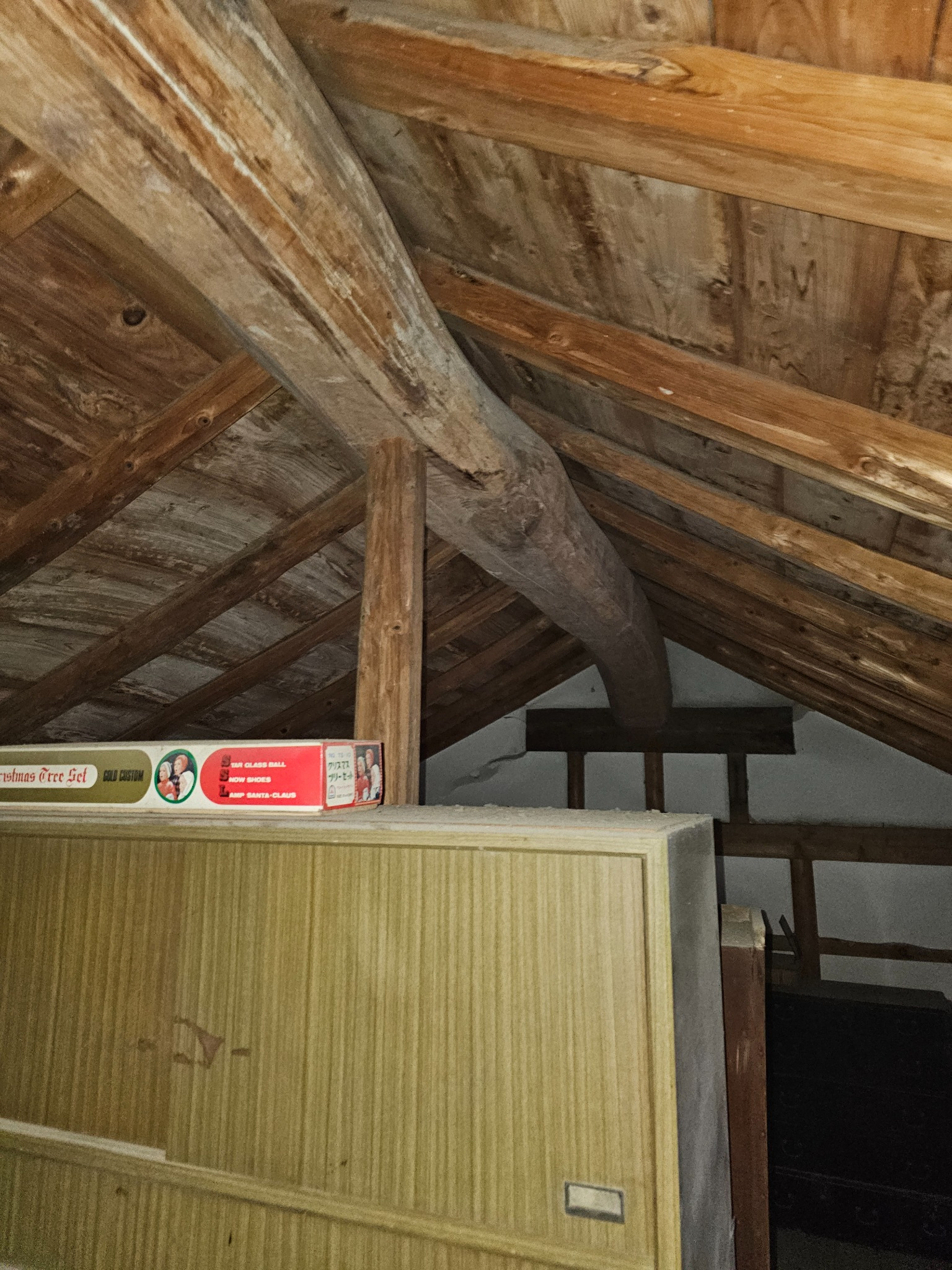
The book has now earned a comparative chapter. Hanasaki and Kyoto have each appeared in their own right, but they have not yet been placed directly beside one another in aesthetic argument. This page does that work. Kyoto gold screens, tiger scroll, Nanban ship, and the radiance of Kinkakuji stand against the darker grammar of Hanasaki: kura wood, tansu, beam, crack, carved ranma, and the severe patience of preserved household matter. The contrast is not simple. Gold is not superior to wood. Display is not deeper than endurance. But each world reveals what the other cannot say alone.
Kyoto’s images belong to presentation. They have confidence in surface, composition, and the immediate gathering of attention. Hanasaki’s objects belong to retention. They reveal themselves through thickness, shadow, use, and survival. One says: look. The other says: continue looking until what endured begins to speak.
Kyoto teaches display.
Hanasaki teaches endurance.
This is why the chapter is not merely about “beautiful things.” It is about two different moral aesthetics. One is the beauty of refined appearance. The other is the beauty of kept substance. Together they form a richer account of what Uchi is trying to preserve.
Gold as Public Confidence
Gold announces itself. It catches light before interpretation begins. In Kyoto, that is part of the point. Gold screens, golden architecture, and luminous surface all belong to a culture able to place beauty visibly within ritual, politics, prestige, and curated experience. Gold does not apologize for being seen. It is an art of presentation.
This does not make it superficial. Quite the opposite. Gold’s confidence depends on underlying systems of care, patronage, craft, and composition. But what it asks from the viewer is different from what Hanasaki asks. Gold is willing to be immediate. It says that radiance itself can be a form of order.
The Tiger and the Nanban Ship
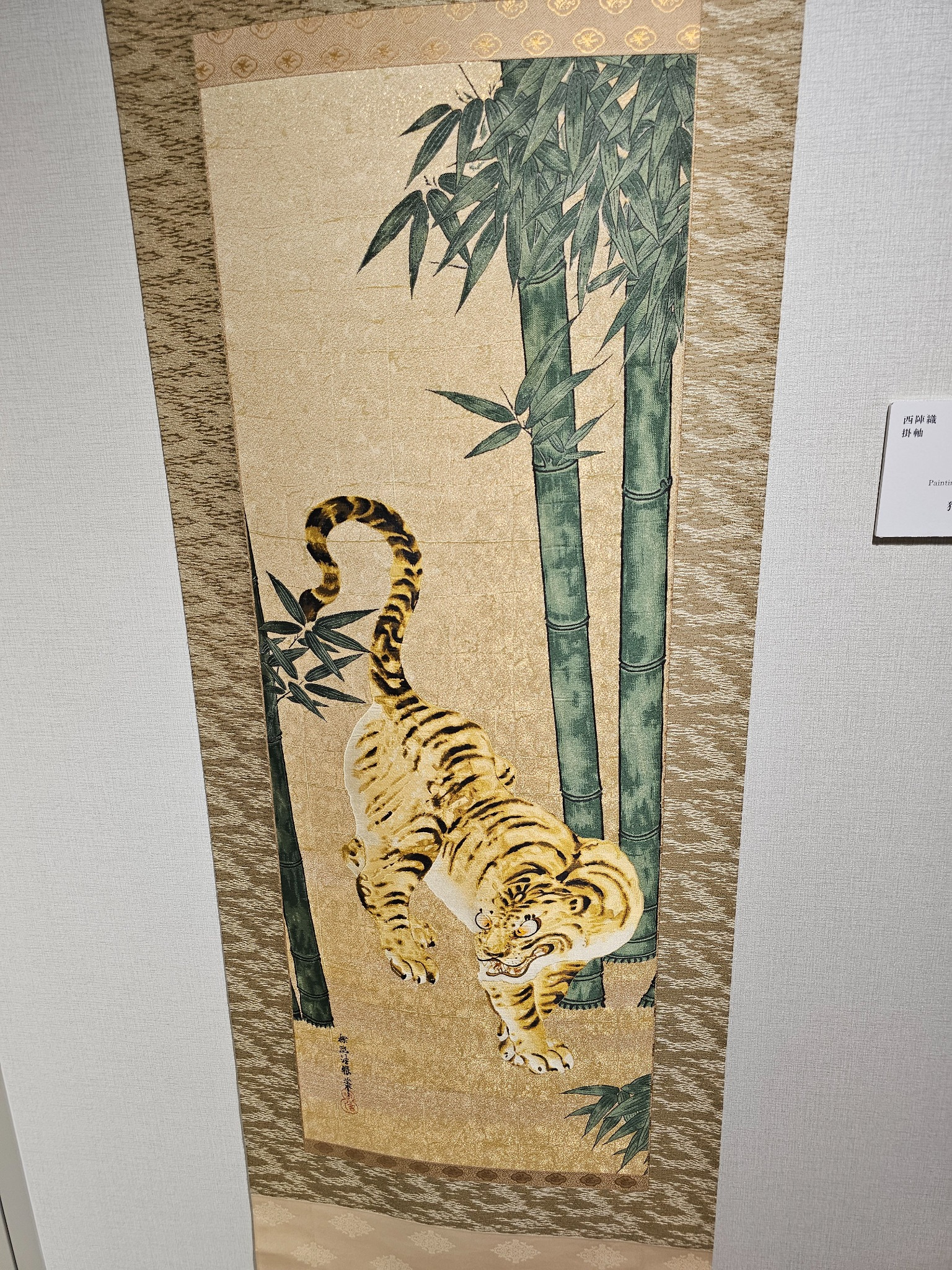
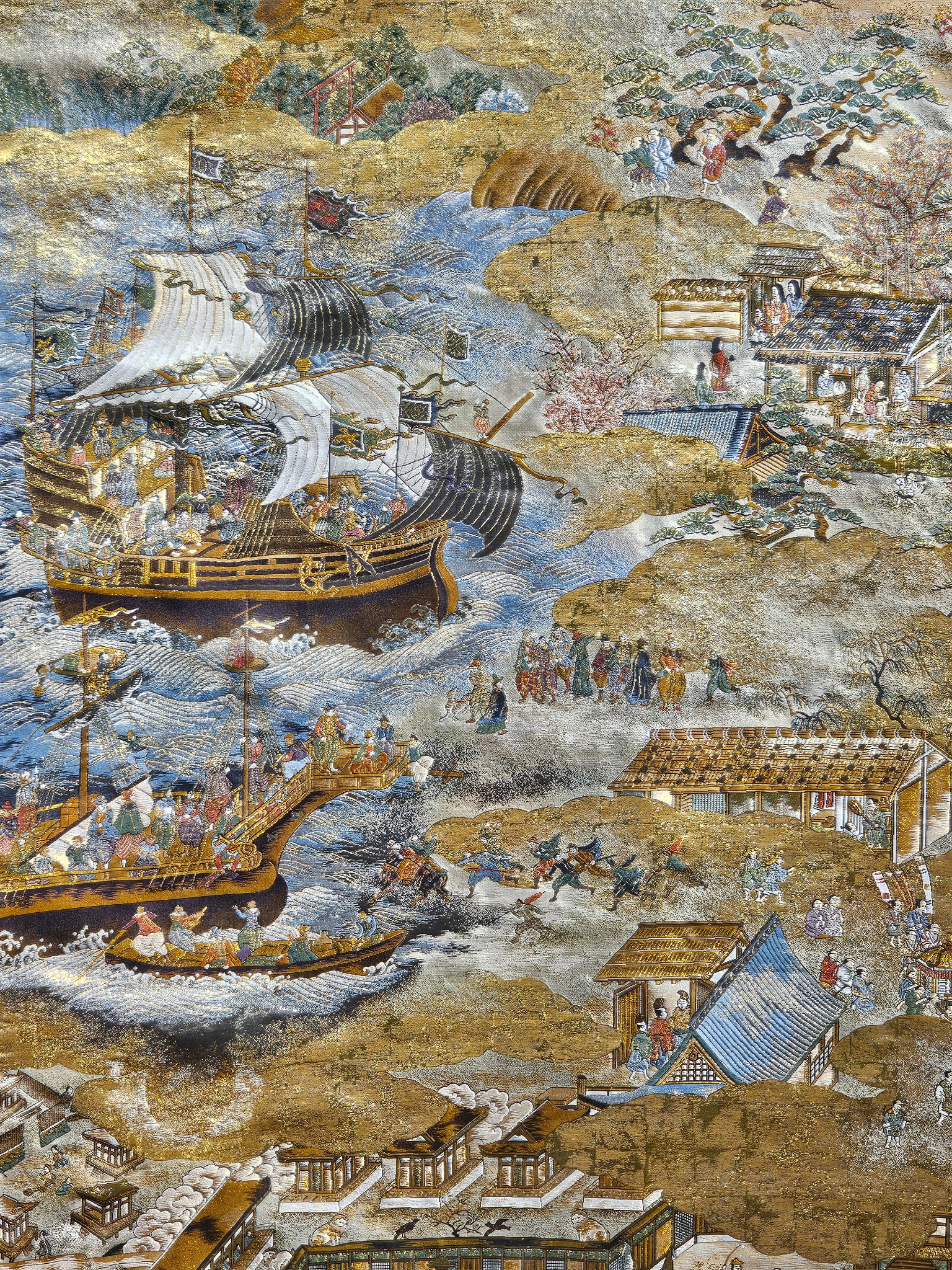
Two images sharpen Kyoto’s side of the comparison especially well: the tiger and the Nanban ship. The tiger condenses force into brush and posture. It is alert, controlled, and made to occupy the room with concentrated vitality. The Nanban ship, by contrast, opens narrative outward. It suggests arrival, worldliness, encounter, traffic, the entry of distance into image.
Together they show how Kyoto’s aesthetic world can hold both concentrated symbolic power and broader civilizational imagination. The tiger commands the near field. The ship opens the far one. Both are images of cultural confidence. Neither is shy about display. They belong to a room system in which images are expected to perform strongly.
Wood as Endurance
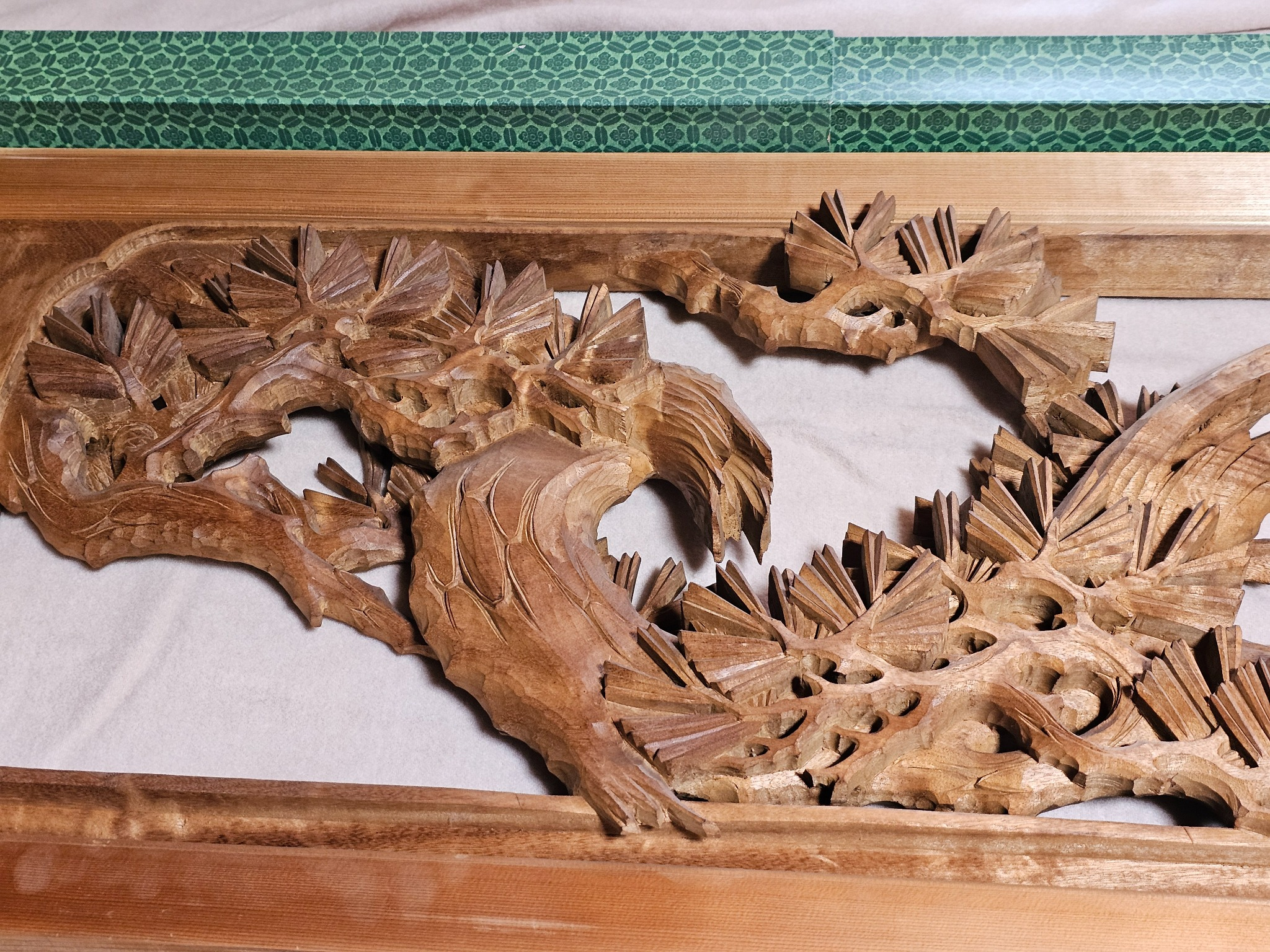
Hanasaki speaks through another material altogether. Wood darkens. Wood holds touch. Wood survives seasons by absorbing them. Wood belongs to tools, cabinets, beams, doors, drawers, floors, and carved surfaces that gain force through age rather than through immediate radiance. Where gold reflects light, wood stores time.
This is why the kura, tansu, and ranma form the correct answer to Kyoto’s gold. They do not compete in spectacle. They deepen by endurance. The family did not find them already staged for admiration. It had to uncover them, move near them, and learn how to read their patience. That is a very different aesthetic education.
Hanasaki wood therefore belongs to survival, storage, and continuity under pressure. It is an inward art. Its authority comes less from shining than from having remained.
Tansu and Ranma
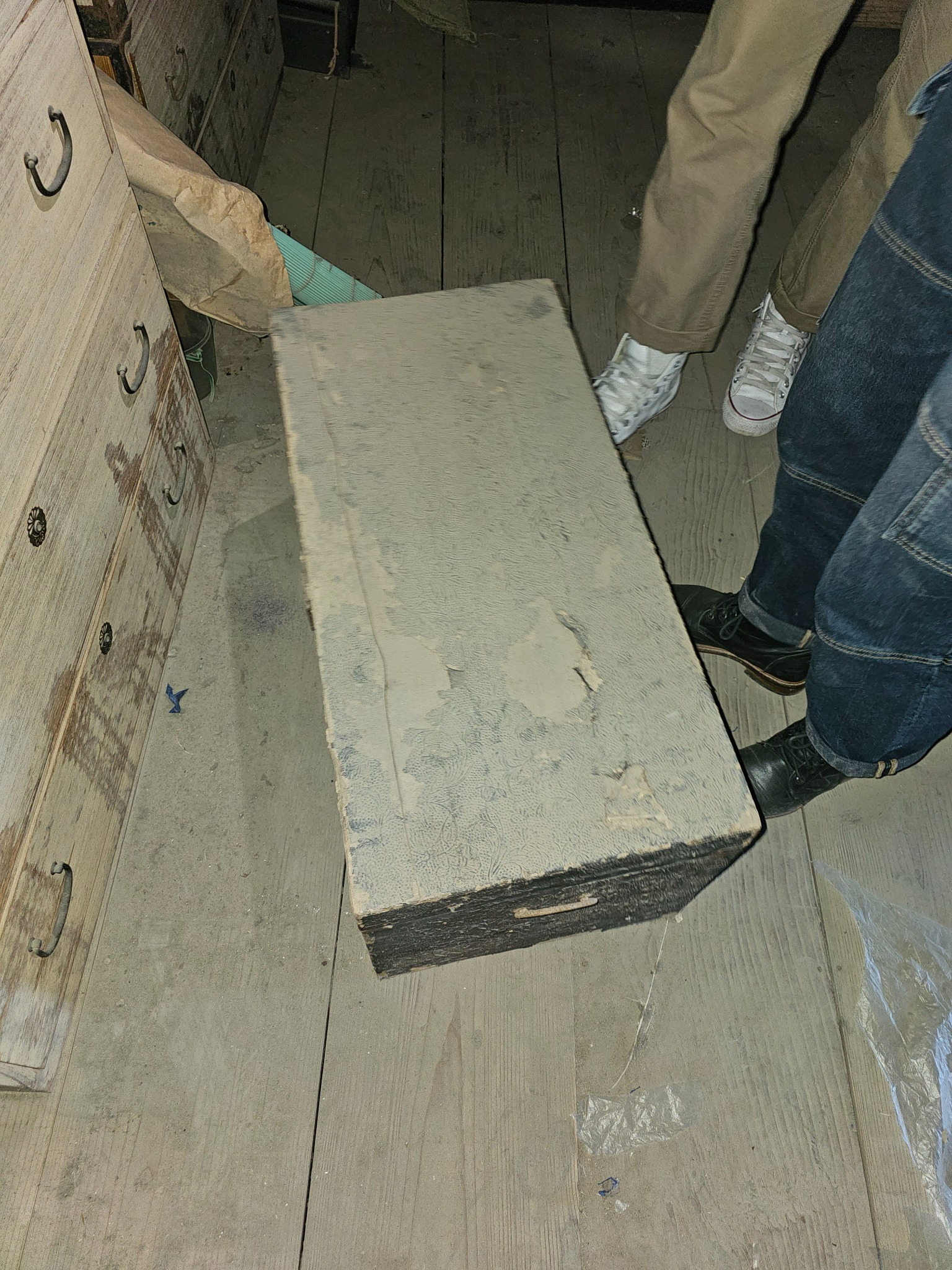
The tansu and the ranma bring Hanasaki’s wooden world into its most articulate form. The tansu is storage given dignity. It is practical mass, shaped and finished strongly enough to continue carrying presence even when emptied or partly emptied. It belongs to a household that believed keeping required structure.
The ranma adds another register. It proves that endurance and refinement are not opposites. Pine carving in wood takes Hanasaki beyond mere severity. The house did not only preserve tools of storage. It preserved beauty worked into the very transitions of domestic life. The ranma therefore stands exactly at the hinge of the essay: wood can endure, and wood can also refine.
This is why Kyoto gold and Hanasaki wood belong on the same page. They are not enemies. They are two answers to the same civilizational question: how should a culture hold value in material form?
Display and Endurance
This is the chapter’s emotional role and it should be stated plainly. Kyoto and Hanasaki stage two different but equally serious aesthetics: display and endurance. Display is not vanity. It is value made visible in confident surface. Endurance is not mere utility. It is value carried through time under pressure.
Kinkakuji, the gold screens, the tiger, and the Nanban ship all belong to display in the best sense. They trust radiance, gesture, story, and public composition. The kura, tansu, beams, and ranma belong to endurance. They trust storage, structure, patience, and the revelation that comes only after years of being kept.
The deeper achievement of Uchi is that it no longer has to choose between these worlds. The family can now see them together. Kyoto has helped articulate what Hanasaki held privately. Hanasaki has helped deepen what Kyoto shows publicly. Gold screens and kura wood are not rivals. They are parallel material grammars of Japanese cultural memory.
The next chapter can now narrow the scale again. After this larger comparative essay, the story returns to more local movement: station, bath, and night road — a quieter sequence of transit and reflection after the high contrast of gold and wood.
Gold reflects light outward. Wood holds time inward. Between them, Book One finds one of its clearest aesthetic truths: beauty can either shine or endure, and the deepest culture knows how to let both forms speak.
Kyoto teaches how value can be displayed.
Hanasaki teaches how value can survive.