Station, Bath, and Night Road
Not treasure. Not revelation. Not the charged unveiling of some hidden object. Rain on a platform. A local train. Wet pavement under lot light. A bath taken at the right hour. A face after shaving. A road at night that asks nothing except to be followed home. After inheritance has strained the body, these smaller structures take it back and carry it in quieter ways.
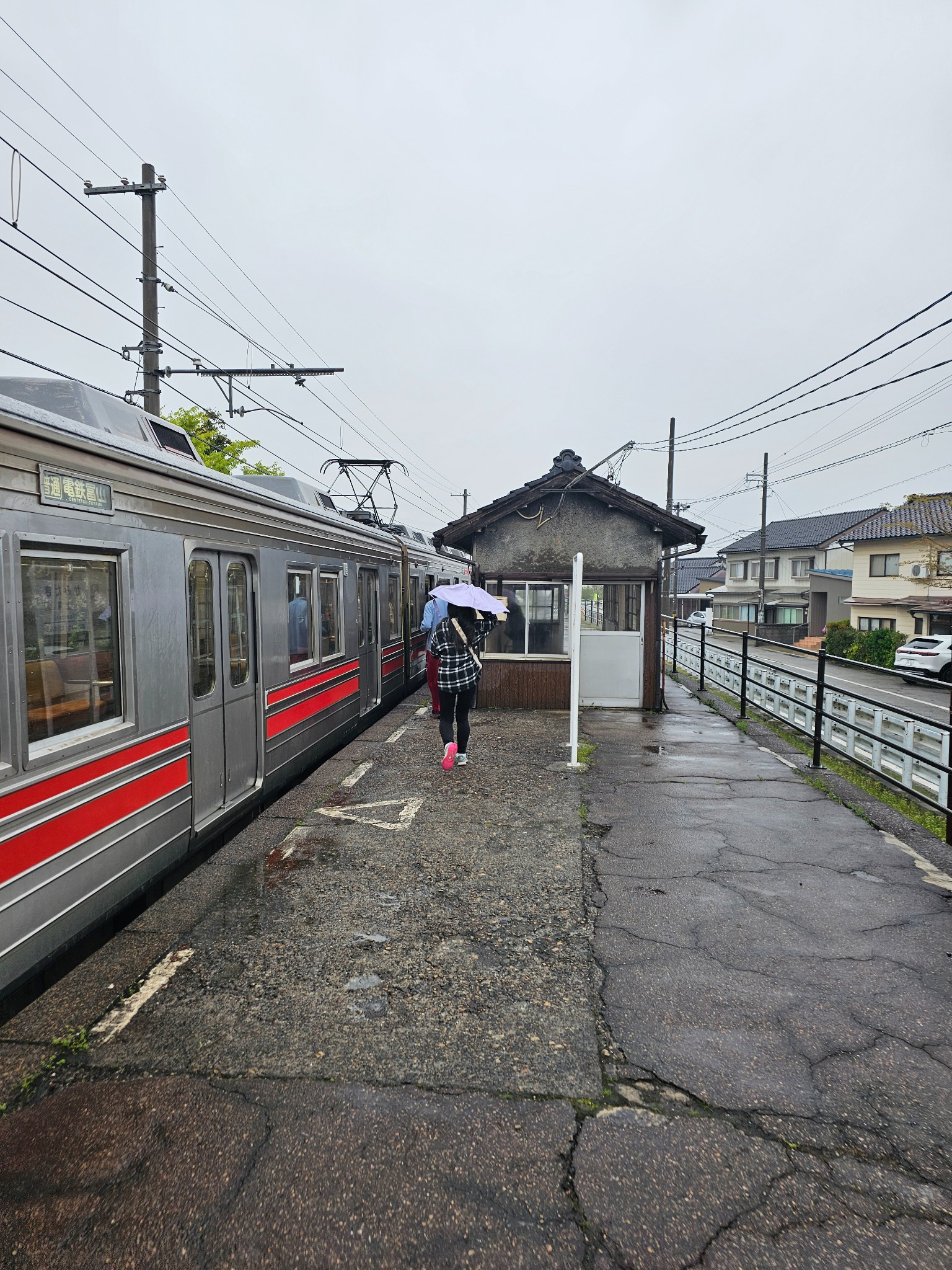
A family can mistake drama for depth. It begins to believe that only the rare object, the hidden room, the old carving, the inherited burden, the difficult decision deserve the deepest attention. Then a station sign appears in the rain and corrects the scale. A platform shines. A local train arrives without any grandeur beyond the one it has always had. Wet pavement holds a little light. Steam rises in the bathhouse. A face looks back after shaving, not transformed, only cleared. Feeling returns to the places where life has been carrying it all along.
These scenes do not ask to be called symbolic. They are too ordinary for that vanity. Yet they take the pressure of the larger story into themselves and hold it quietly. Waiting is still waiting, even when no one names it. Relief is still relief, even when it comes disguised as hot water, fluorescent lot light, and the known sequence of a road home in the dark.
The deepest feeling often enters through the most ordinary structures.
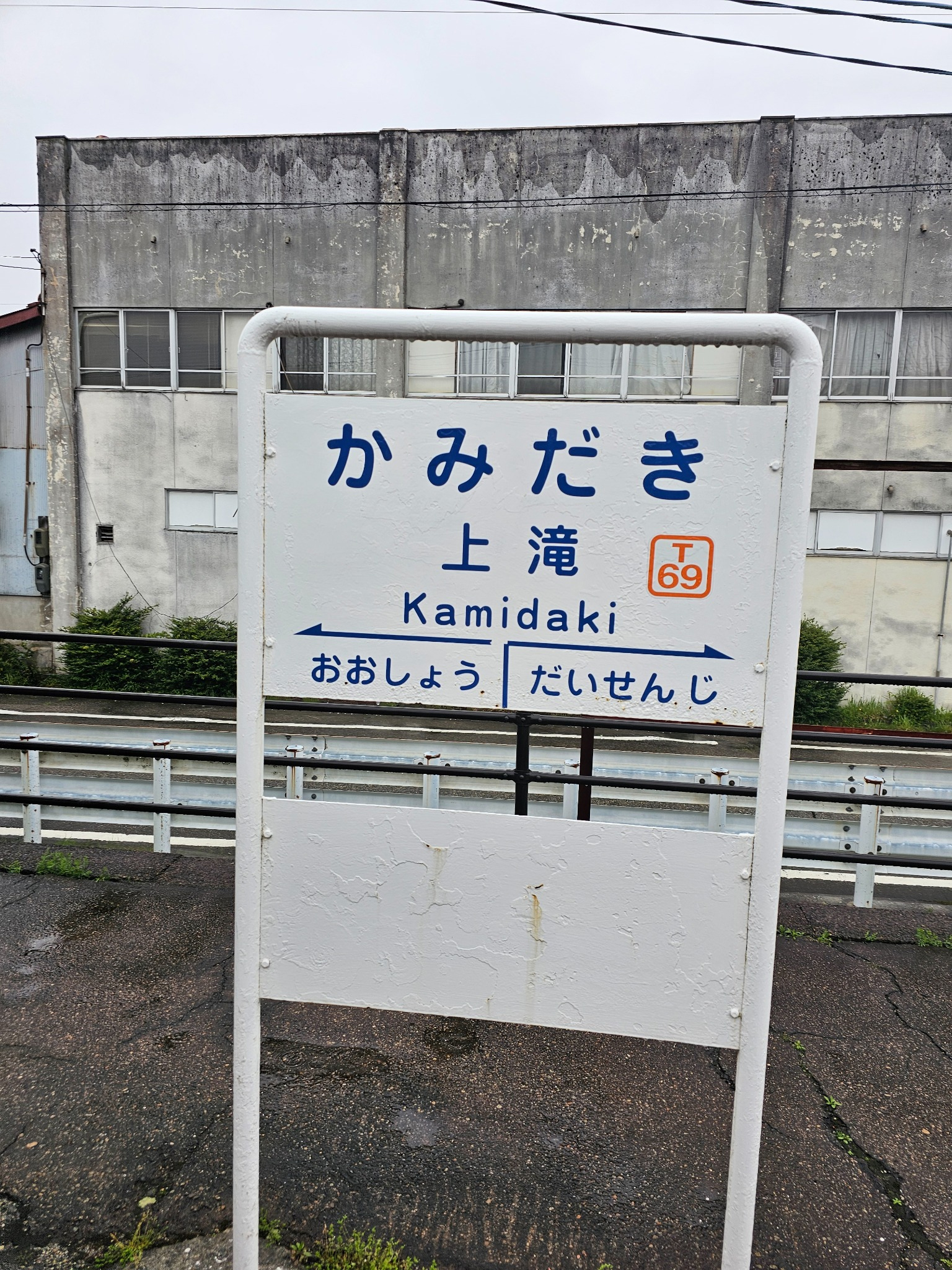
Kamidaki Station
Kamidaki Station does not perform emotion. It simply keeps standing there. That is what makes it deep. Small stations carry a loyalty larger systems often lose. Their scale remains local. Their signs belong not to spectacle but to repeated use. One arrives, waits, departs, and returns through them often enough that they stop feeling like infrastructure and begin to feel like part of one’s interior geography.
The old house in Hanasaki may carry inheritance, but the station carries rhythm. It is where one re-enters that world and leaves it again. It asks almost nothing. Read the sign. Wait under the roof. Mind the weather. Step aboard. Repetition gives it authority. The station does not insist on memory. It simply goes on being where return happens.
Rainy Platform
Rain changes stations the way evening changes cities. It makes their emotional shape easier to see. Steel, wet concrete, roofline, waiting, the slight blur of weather between body and rail — nothing in such a scene is rare, and that is its strength. The platform under rain is almost pure atmosphere produced by ordinary function.
It is still doing its job. The train still comes. People still wait. Water still gathers where it always gathers. Meaning does not descend on the place from outside. It accumulates because routine and weather keep touching the same surfaces until they begin to hold more than use alone.
The Local Train
Local trains carry repetition rather than conquest. They do not solve distance dramatically. They work by sequence: stop, start, wait, pass, continue. After long boxes, airport systems, and the larger machinery of sending things forward, movement narrows again to a smaller faith: that one can keep going without spectacle.
Window, seat, platform, sign, departure, next stop. A whole emotional grammar is built from nothing more exalted than that.
Night Road
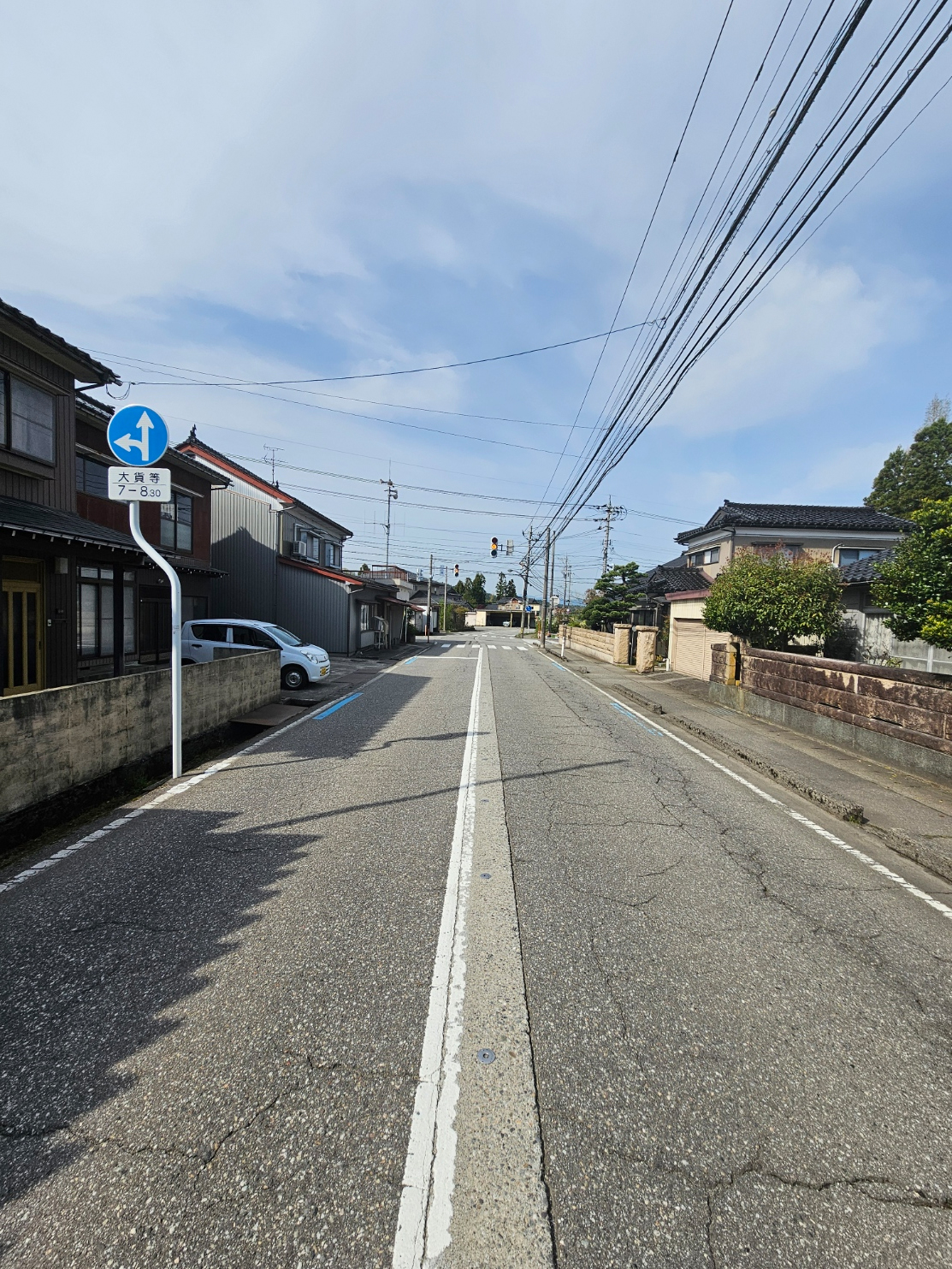
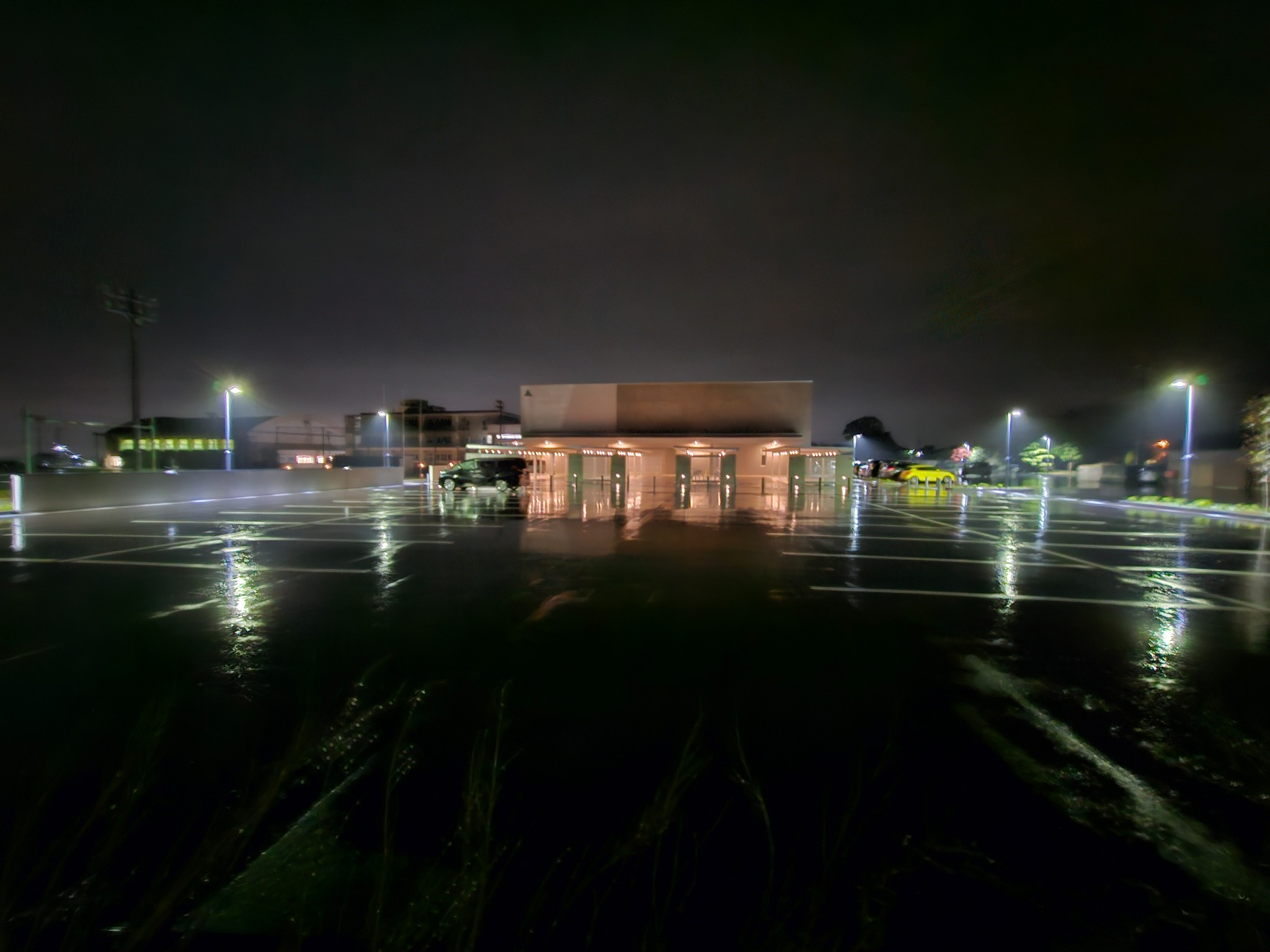
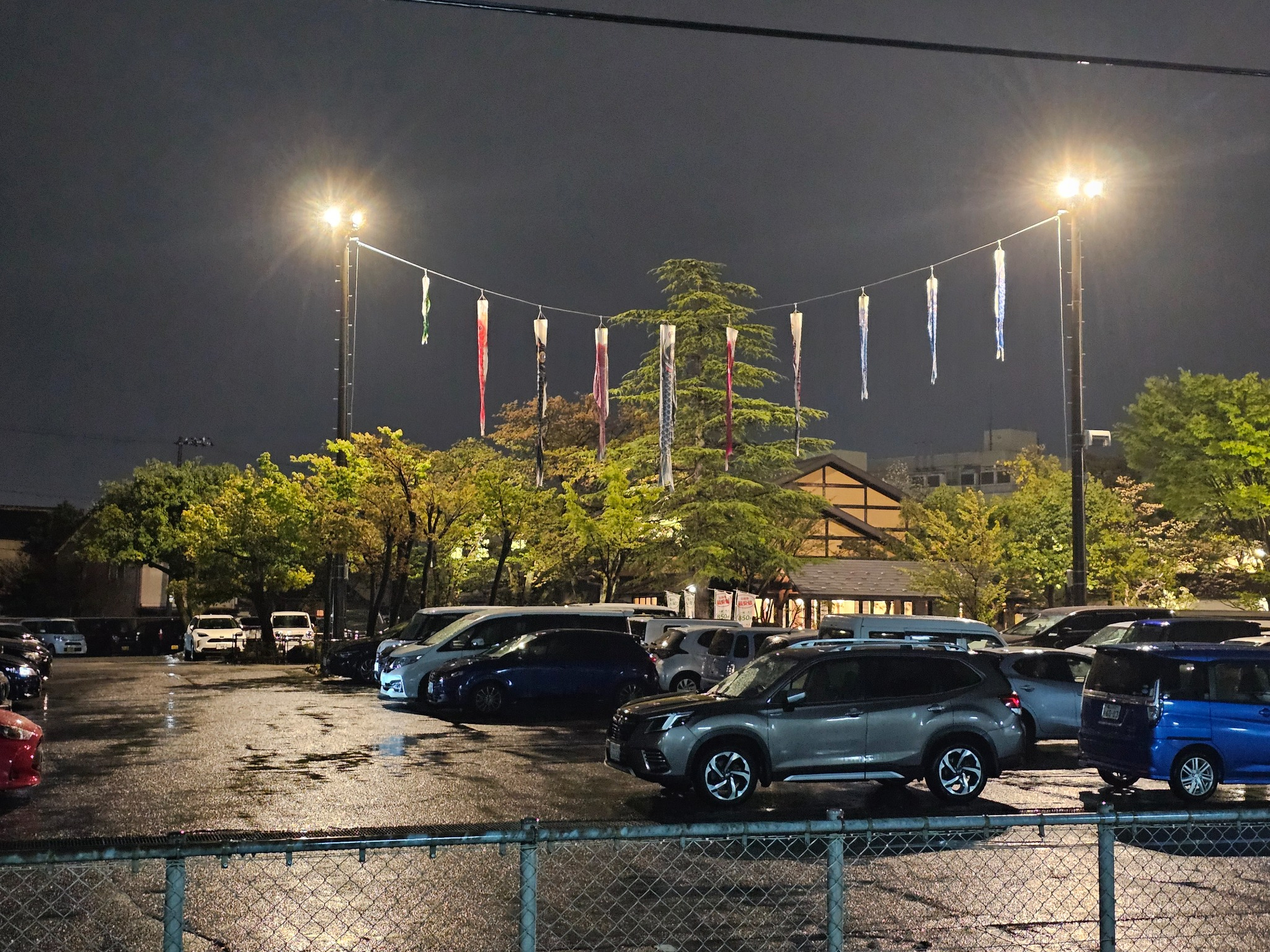
The road is different at night. Work has already happened. Discovery has already happened. Packing has already happened. Darkness removes the hard edge of exposure and leaves something quieter behind: dampness, familiar turns, reflected light, the fact of still being inside place after the sharpest part of the day has passed.
Intersections, roadside moisture, evening glow, the known sequence of turns — these do not ask to be admired. They simply allow a person to remain inside a landscape without being forced at every instant into judgment. The road no longer accuses. It accompanies.
Bath
The sento begins in the body. After labor, a person enters heat, rinsing, steam, quiet, and the smaller rituals by which a body becomes inhabitable again. Burden is still real. The body carrying it is also real. Hot water does not erase pressure. It lowers it from the neck and shoulders long enough for the mind to stop standing at attention.
Mantenoyu in the rain becomes a room of reprieve, but disciplined reprieve. Not luxury. Not escape. Work goes in with you, then loosens. The muscles that held the day begin to release it. Even rain outside the lot begins to sound less like pressure and more like cover.
The Shave Again
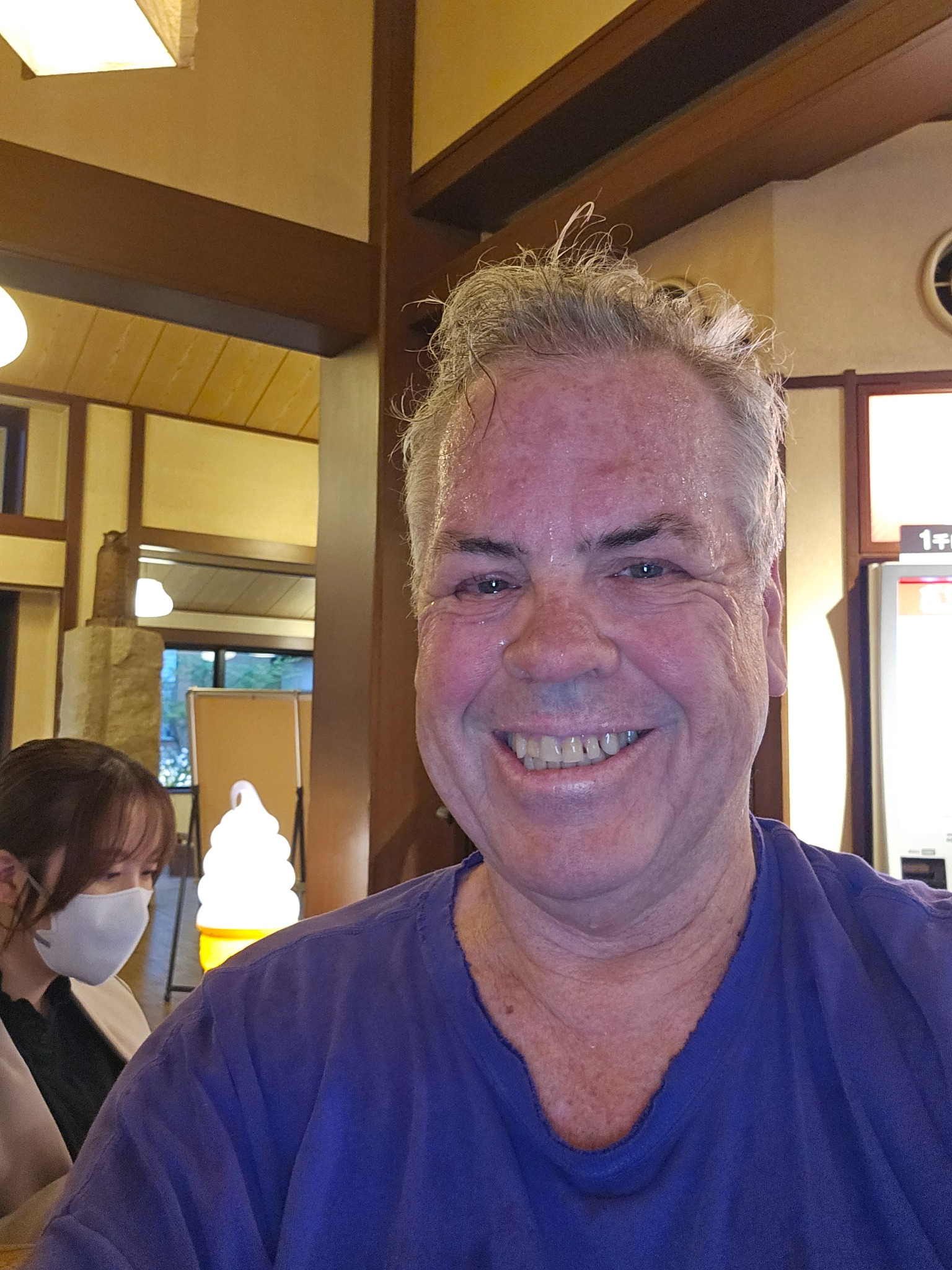
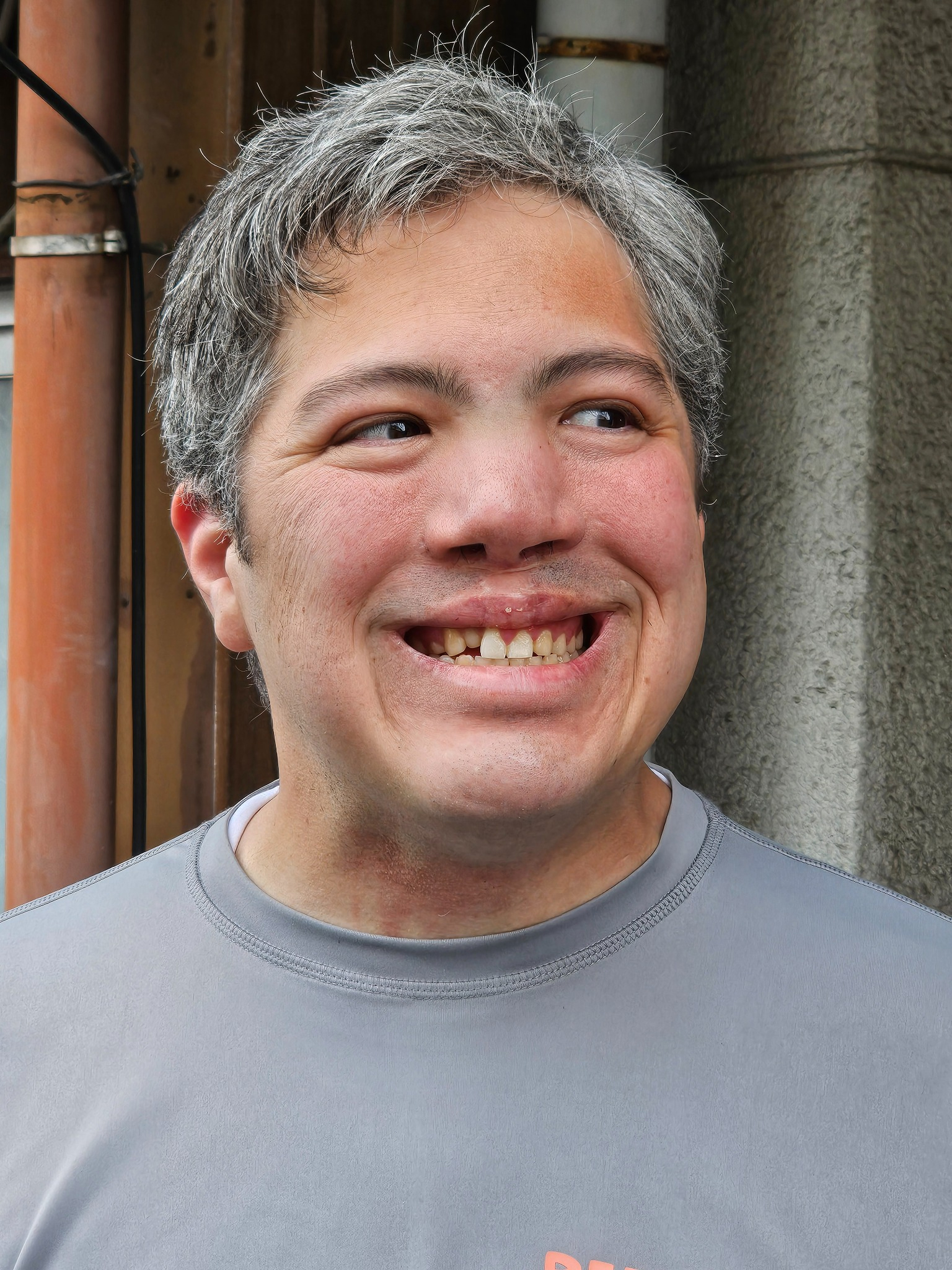
The shave returns here as finishing. Station, bath, and night road all belong to the same modest sequence of transitions. The shave belongs among them because it is another way the day comes to a close without fanfare. The face emerges a little clearer. The visible line sharpens. One is not remade. One is simply brought back into outline.
A station sign. A wet platform. A bath. A shave. A road at night. None of these would claim enormous symbolic importance in daily life. Yet together they build an emotional grammar strong enough to carry weather, work, fatigue, burden, and return.
Ordinary Japan as Deep Feeling
Ordinary Japan is not backdrop here. It is where feeling takes shape. The station and bath do not merely connect larger scenes. They are scenes. The road does not merely lead elsewhere. It holds the human scale of continuing. Rain on a platform, heat in the bath, wet pavement in a parking lot, a road after work, a face a little clearer than it was before — these things carry emotional weight precisely because no one has inflated them.
It is easy to begin thinking that only old objects, shrines, carved panels, discovered rooms, and inherited burdens deserve the deepest attention. But life is carried just as much by civic ordinariness: trains that arrive, platforms that wait, baths that restore, roads that guide, parking lots that glisten under rain, faces that look slightly more inhabitable after roughness has been taken down.
These things do not stand below meaning. They are among the places where meaning becomes livable.
Beyond this chapter the mountains will rise again on the day of leaving. But they will rise over a body already returned to scale by platform rain, hot water, and the dark road home.
* * *
The station sign held return. The rainy platform held waiting. The bath held release. The road held continuation.
Ordinary Japan does not reduce feeling.
It gives feeling somewhere exact to live.