What Is Worth Carrying Home
By the end, the question can no longer be delayed. Not everything can be lifted. Not everything can be saved. Not everything that matters can survive cardboard, distance, weather, cost, law, or time. The family must ask something harder than what is beautiful and more intimate than what is valuable: what may cross the threshold into another life and still go on living there?
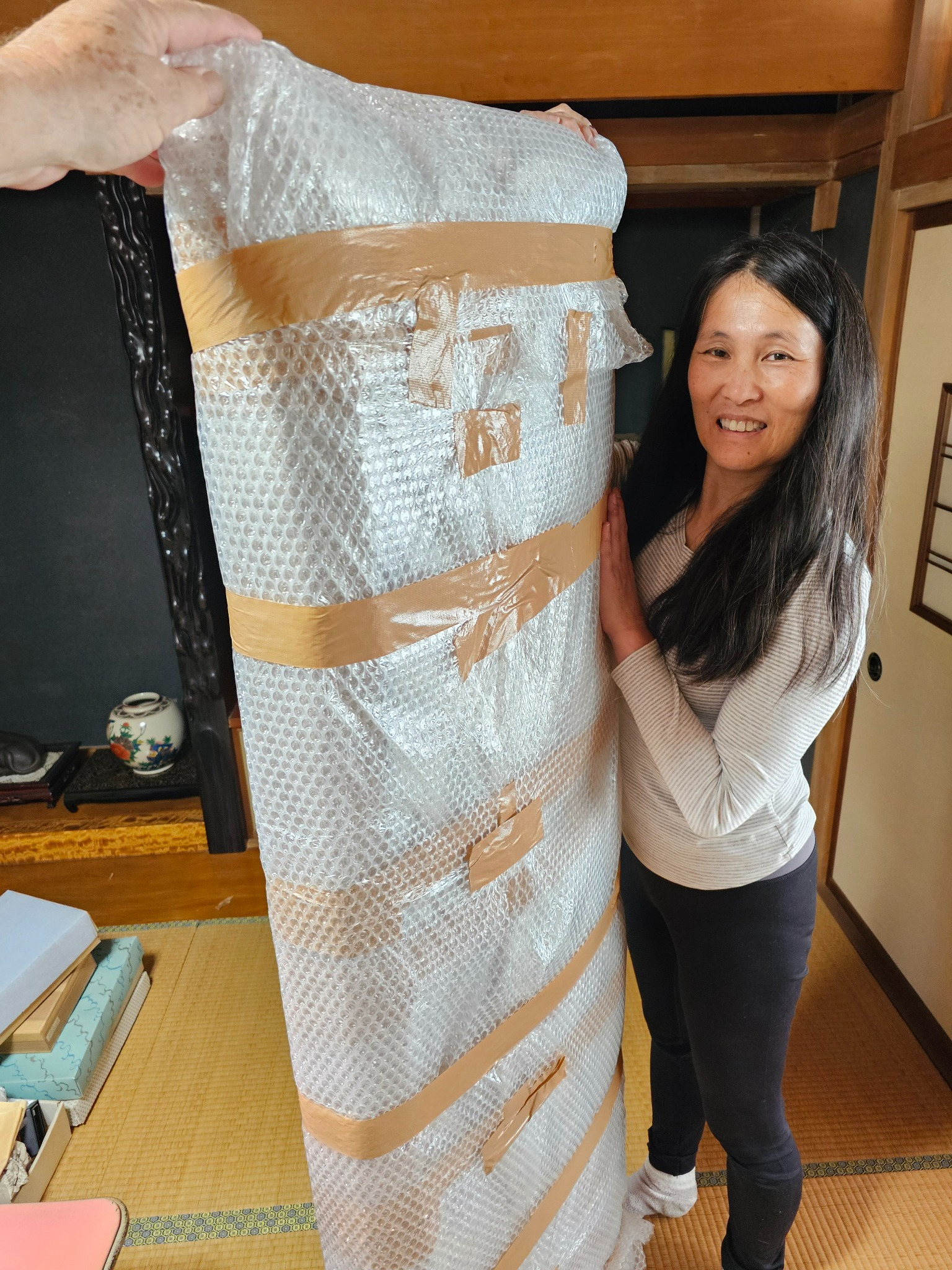
Early in a family story, everything feels worth saving. The first sight of old wood, the first lifting of dust, the first rediscovered object, the first proof that beauty has survived neglect — all of it produces a dangerous generosity. Keep the screens. Keep the carved wood. Keep the tansu. Keep the tools. Keep the bowls. Keep the papers. Keep the room by taking the room apart. But a house is larger than desire. Time is larger than desire. Distance, money, law, weather, age, obligation, and the body’s own limits stand waiting to reduce love to scale.
That reduction is not cruelty. It is the moment feeling becomes answerable to life. By now the family knows that wanting is not enough. The hand has lifted. The shoulder has strained. The route has been measured. The train has been boarded. The mountain has stayed behind. The question is no longer whether the house matters. The question is what may cross from that mattering into another life without becoming dead freight.
A thing is worth carrying home when it can still go on living once it gets there.
The False Answer: Everything
“Everything” is the childish answer, and also the first honest one. Every family facing loss or change feels it. Save all of it. Rescue the room by refusing the cut. Yet the fantasy breaks as soon as the body begins lifting. Some things are too large. Some too fragile. Some too numerous. Some too bound to the very place that formed them. Some would survive transit but die in spirit. They would become trophies of rescue rather than continuations of life.
The lesson hurts because it removes innocence from love. Love would save all. Life makes distinctions. The family is not made smaller by learning this. It is made truer.
The Ranma
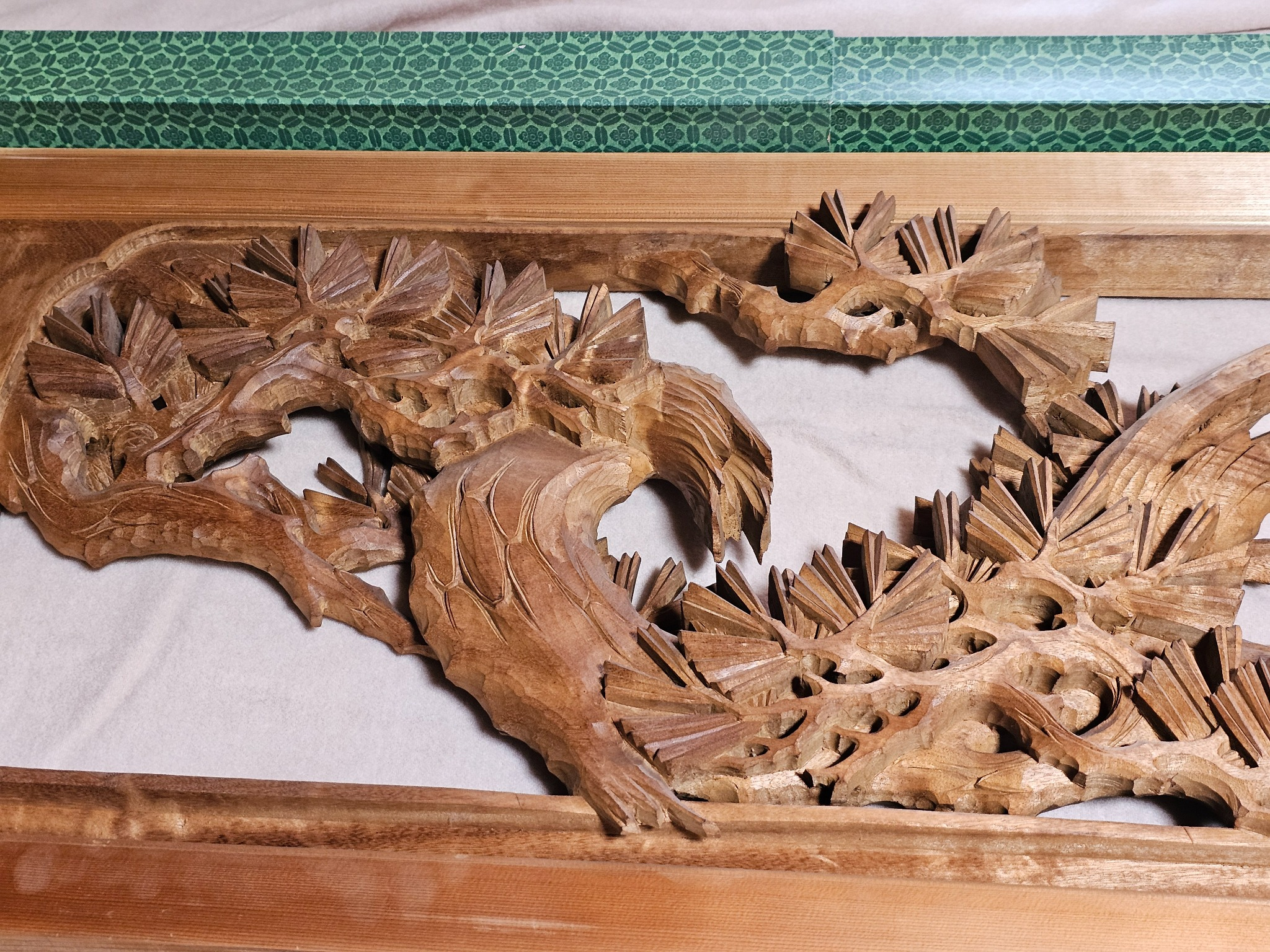
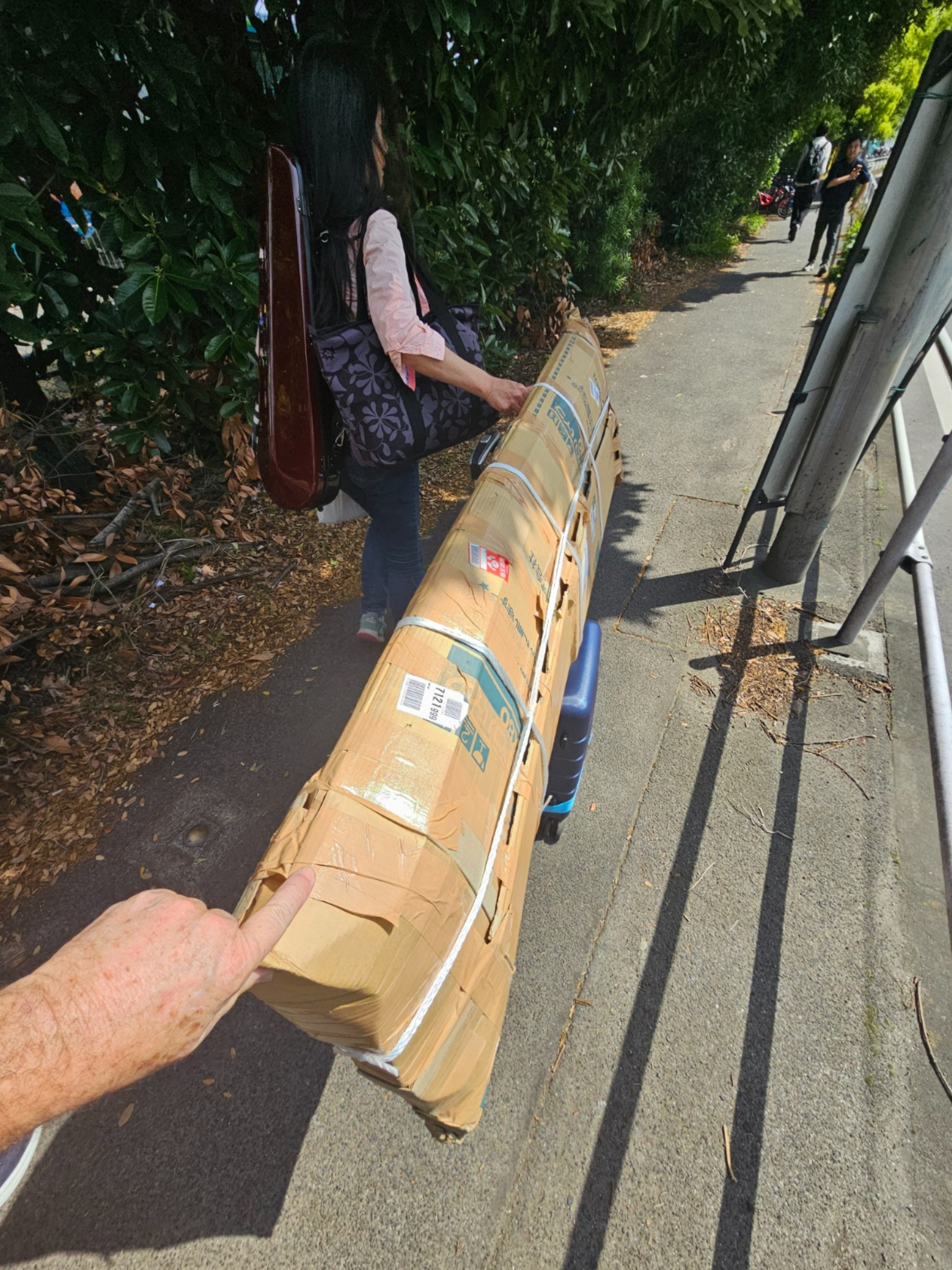
The ranma crossed the line because it could still live. It was not merely a relic of the house. It was a carved intelligence of passage, a way of making one room answer another with more grace than a doorway alone could manage. It had weight, form, beauty, and presence. It could survive removal without losing the principle that made it worth carrying. It would still be itself elsewhere. Not identical to its first life, but not dead either.
That is why the carrying hurt in the right way. The burden was not only physical. The family was testing whether meaning could cross context without breaking. In the ranma’s case, the answer was yes — but only because the thing itself still knew how to make passage feel deliberate.
The Things That Must Stay
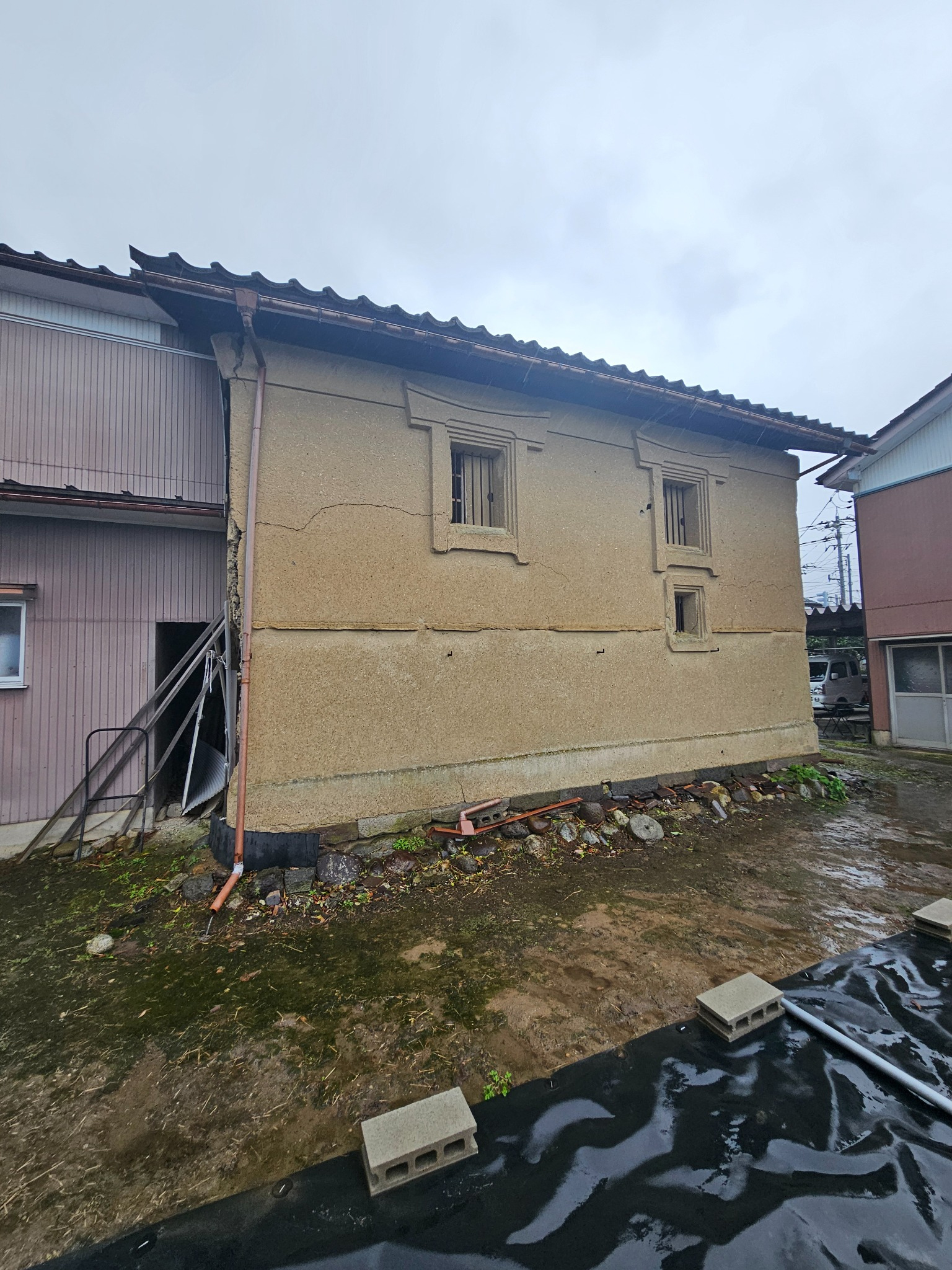
Other things belong more deeply to place than to traveler. A kura cannot be carried home in any true sense. Neither can the weather that entered its boards, the exact darkness of its interior, the slope of the ground beneath it, the silence of its stored air, or the relation it keeps with shrine, road, field, and grave. To move such a thing entirely would be to misunderstand what it is.
The same is true of certain weights, certain rooms, certain absences. They can be remembered, narrated, photographed, revisited, protected, fought for, but not truly carried. Their life depends on staying where they have become themselves. To love them properly is to admit that not everything must travel in order to remain part of you.
What the Body Carries Anyway
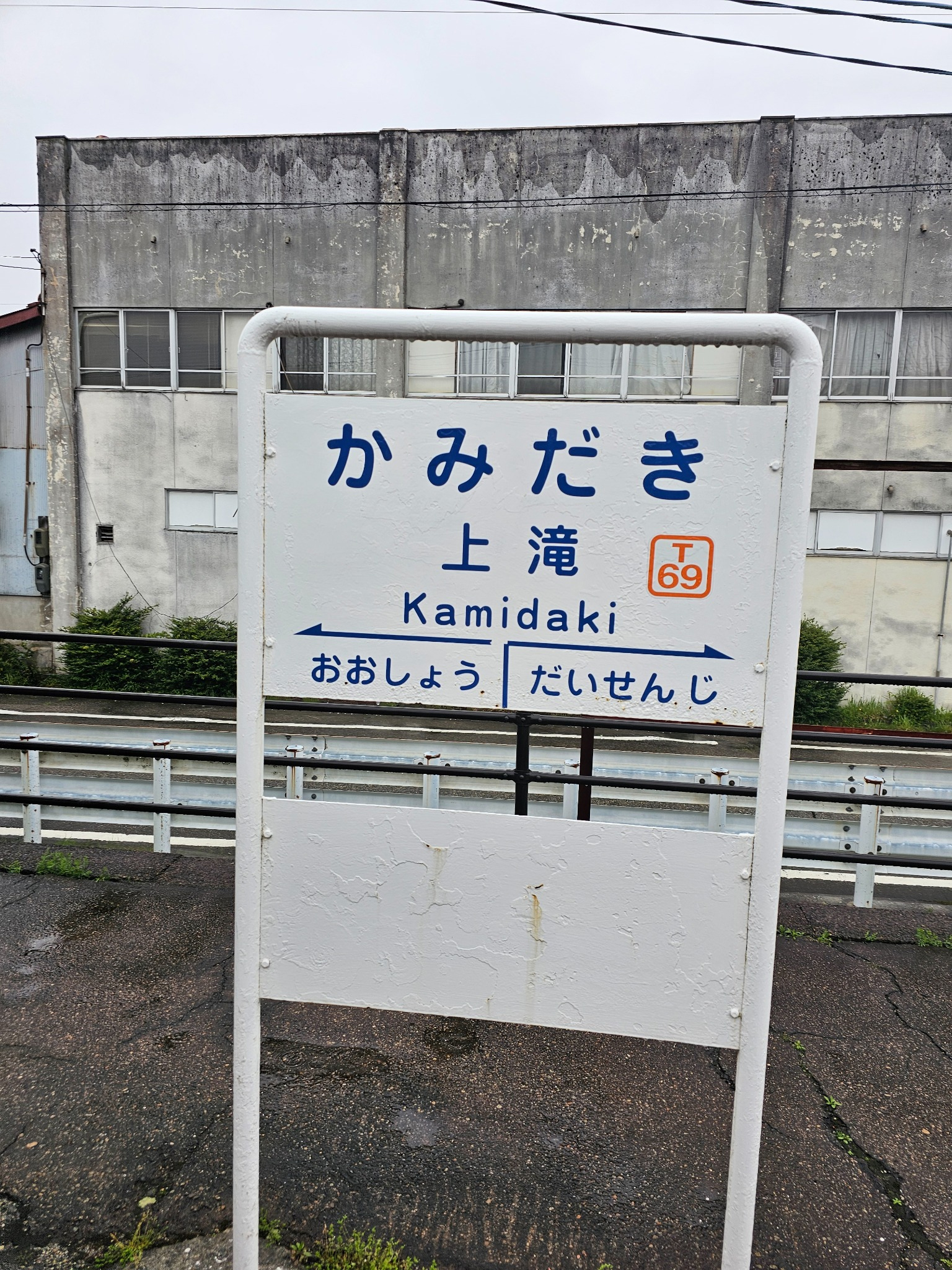
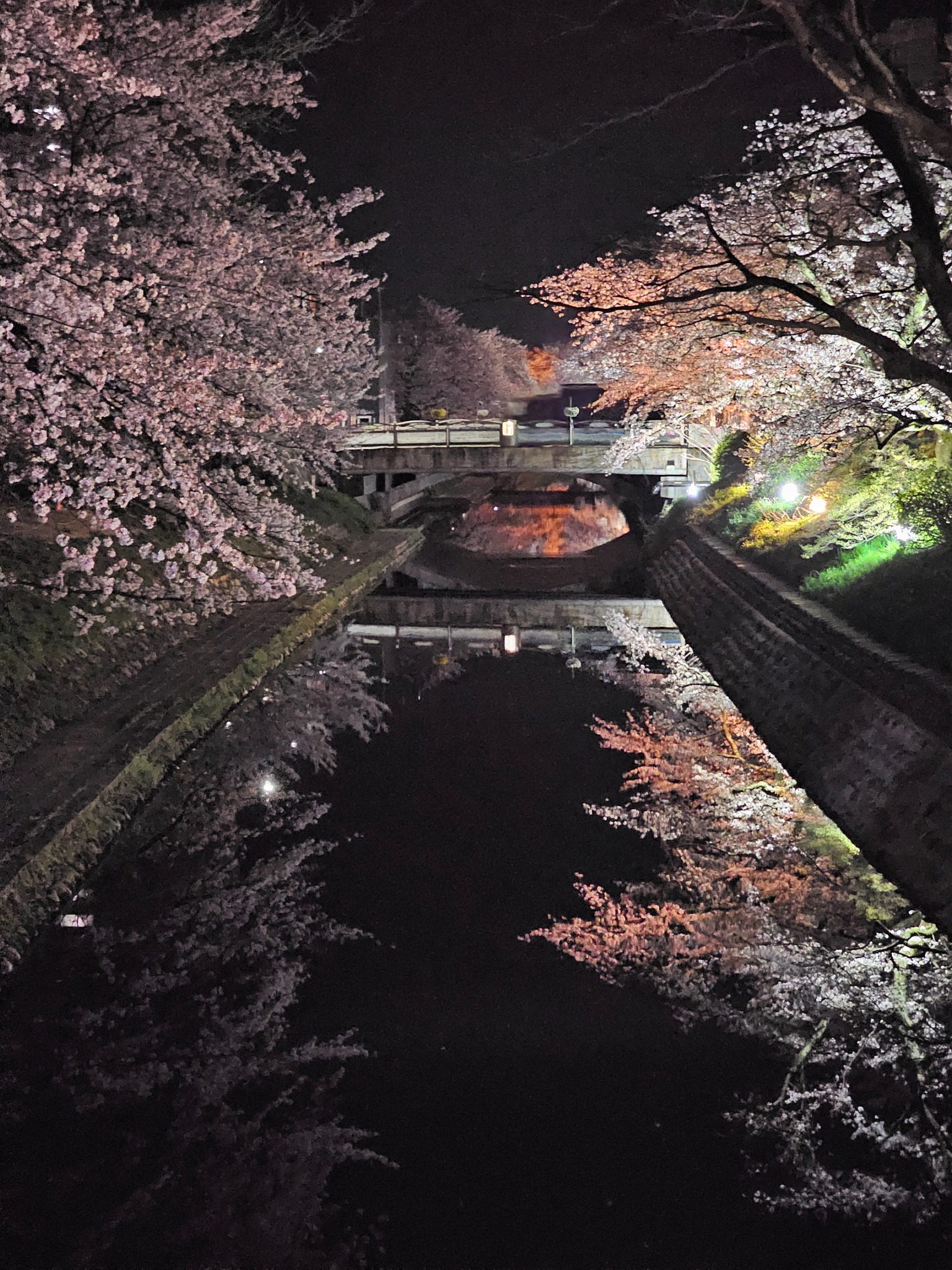
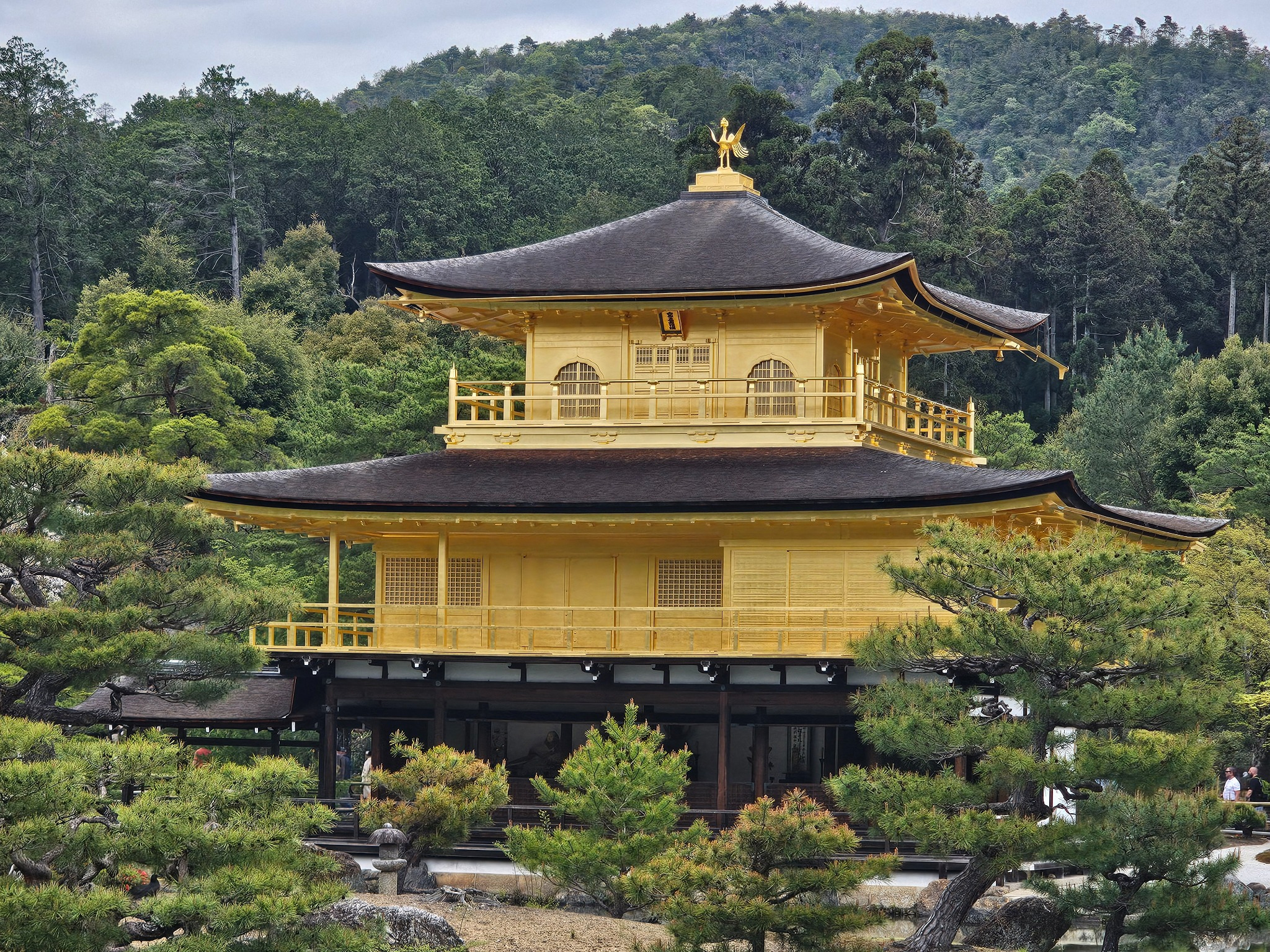
By the time the family leaves, it is already carrying far more than the luggage suggests. It carries the station sign and the rainy platform. It carries the hot water of the bath and the cool edge of the road afterward. It carries the mountain that did not move. It carries the look of gold when it first struck the eye and the slower revelation of wood when the eye had learned to wait. It carries the shape of the old house’s question: what remains, and what must be done for it?
These things do not require customs paperwork. They enter the body as altered measure. The traveler who goes home after Hanasaki and Kyoto is not the same traveler who arrived. Rooms will be read differently. Weight will be read differently. Roads and thresholds will begin speaking in a larger register. To see differently is also to transport something.
What Memory Owes Matter
Memory alone is too vaporous. Possession alone is too crude. The family has now lived long enough with old things to know that value requires a meeting between matter and attention. Some objects fail because they were only pretty. Some fail because they were only useful. The things worth carrying home survive because form and feeling keep speaking to one another after displacement. They continue to generate relation.
That is why one carved panel may deserve a whole journey while a dozen lesser objects do not. It is why one drawer front can suddenly feel like civilization, and why one road sign in rain can become more enduring than an expensive purchase. The point is not price. The point is whether the thing still knows how to open a room in the life that comes next.
Tomoko’s Weight
In the end, the deepest carrying may not be done by the hands at all. Tomoko carries the old house in the difficult way a daughter carries what formed her without ever being able to put it down entirely. She carries obligation, irritation, tenderness, memory, fatigue, humor, beauty, burden, and the impossible proportion between private feeling and inherited duty. No shipment can resolve that. No wrapped object can substitute for it.
So the question becomes more exact. Not what can be dragged forward, but what can be borne without hardening. To carry home well is not to take everything. It is to choose what may continue in a living way, and to let the rest remain where reverence must sometimes take the form of return rather than possession.
Book One Closes
Nothing has been solved whole. The shelves are not all answered. The duties are not all settled. The old house has not yielded every room or every decision. But the family is no longer blind. It has learned the difference between cleaning and destruction, between burden and meaning, between what may be moved and what must remain, between what shines, what endures, what relieves, what accuses, and what still asks to be carried forward.
That is enough for now. A first book does not need to finish the house. It needs to make the house enterable in the right way. Once that happens, the future changes. Rooms that once seemed mute begin speaking. Decisions that once felt impossible begin dividing into harder but truer kinds of possible.
* * *
In the end, the family did not carry home everything.
It carried home what could still go on living.
A house cannot cross the threshold whole.
But seeing can. Burden can. Rhythm can. One carved passage can. Love can.